
If These 15 Birds Show Up At Your Feeder, Your North Carolina Yard Is Doing Everything Right
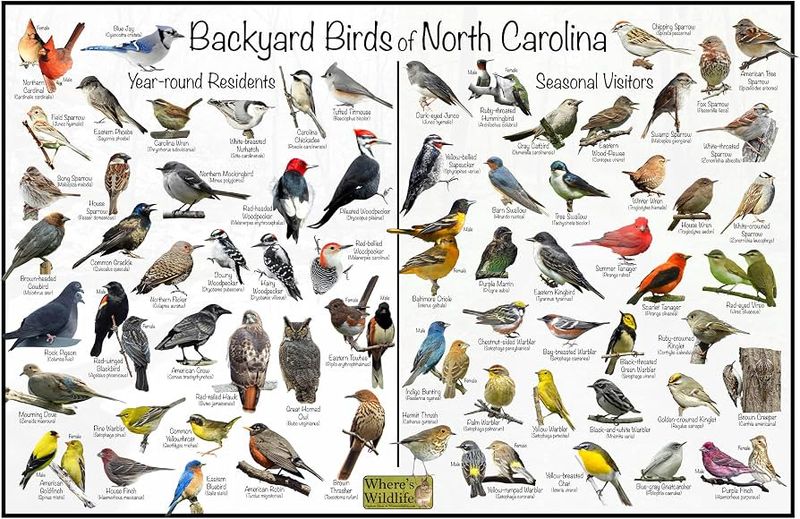
When birds keep coming back to your feeder, it usually means your yard is offering something they really need. In North Carolina, certain birds are like little report cards, showing that your seeds, water, and shelter are all working together.
If you spot the birds on this list, you can pat yourself on the back for building a real backyard habitat. Grab your coffee, look out the window, and see how many of these feathered visitors you can check off.
1. Northern Cardinal
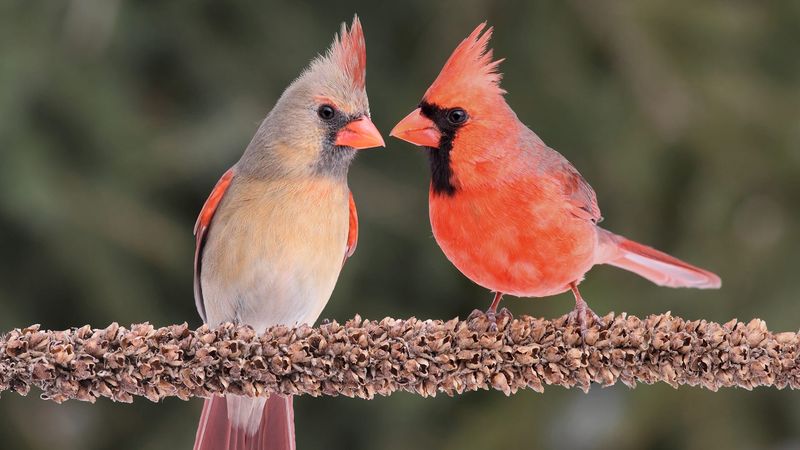
Few birds turn heads like the flash of red that shows up when a male Northern Cardinal lands on your feeder. As the official state bird of North Carolina, this crested beauty is a year-round resident that never really leaves.
Cardinals love black oil sunflower seeds, but they also snack on fruits and insects when the season allows. A platform feeder or a hopper with room to perch keeps them coming back morning and evening.
Here’s a fun bit: female cardinals sing too, which is unusual among songbirds. If you hear that clear whistle answered from two directions, you may have a bonded pair nesting nearby.
2. Blue Jay
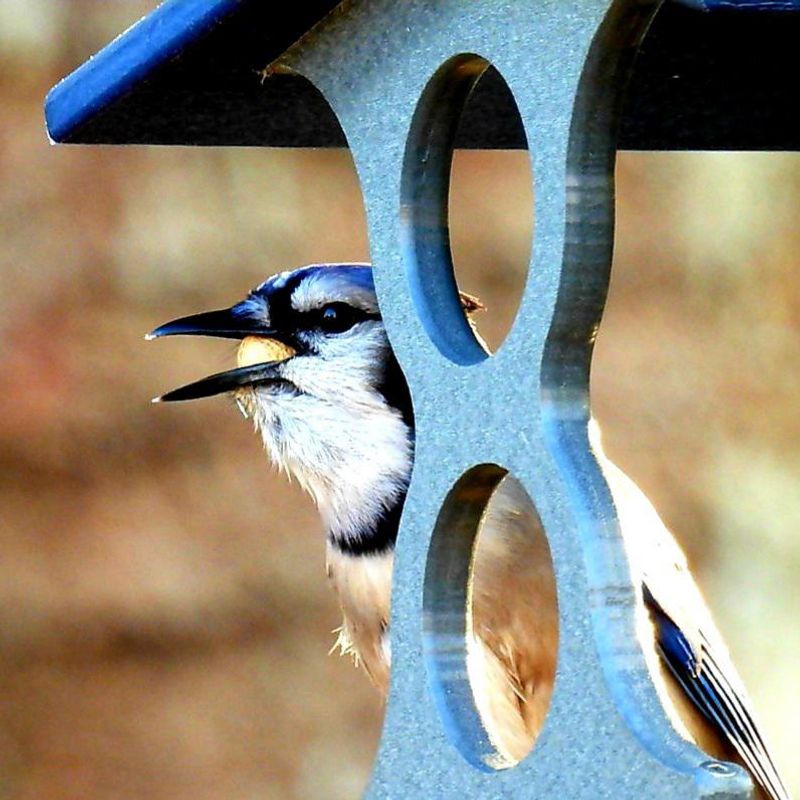
Loud, bold, and undeniably clever, the Blue Jay makes an entrance you can’t miss. These birds have a reputation for bossing others around, but their intelligence is honestly impressive.
Jays go crazy for peanuts and acorns, and they’ll happily tote away sunflower seeds one at a time. Offering whole peanuts in the shell turns your feeder into a Blue Jay magnet.
Did you know they help plant oak forests? By burying acorns and forgetting some, Blue Jays quietly grow new trees across the Carolinas.
3. American Goldfinch
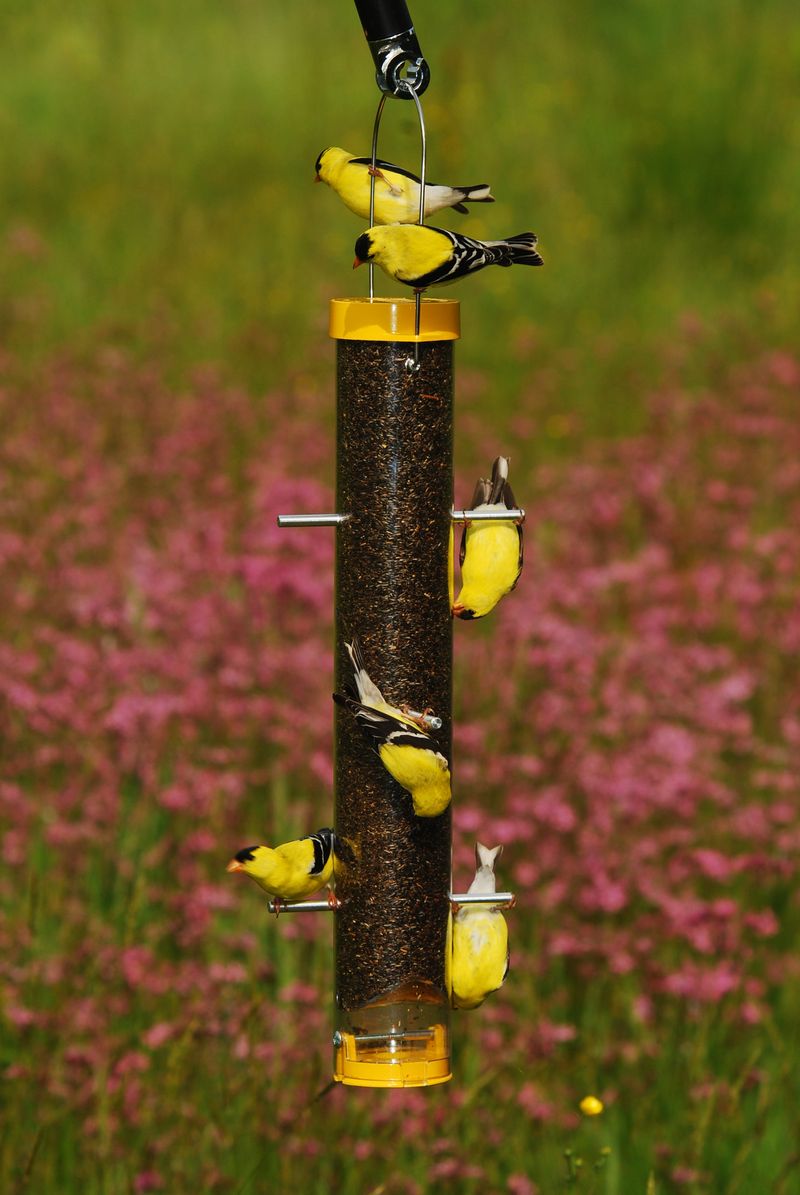
Little bursts of sunshine, that’s the best way to describe American Goldfinches in their summer colors. The males glow lemon-yellow with black wings, brightening up any feeder scene.
Nyjer (thistle) seed and black oil sunflower seeds are their favorites, and they’ll flock in groups to feast. Plant coneflowers and black-eyed Susans nearby, and they’ll happily pluck seeds straight from the blooms.
Unlike most songbirds, goldfinches nest late in summer to match the seeding of thistles. Spot a whole gang at your feeder and you know your seed game is on point.
4. Downy Woodpecker
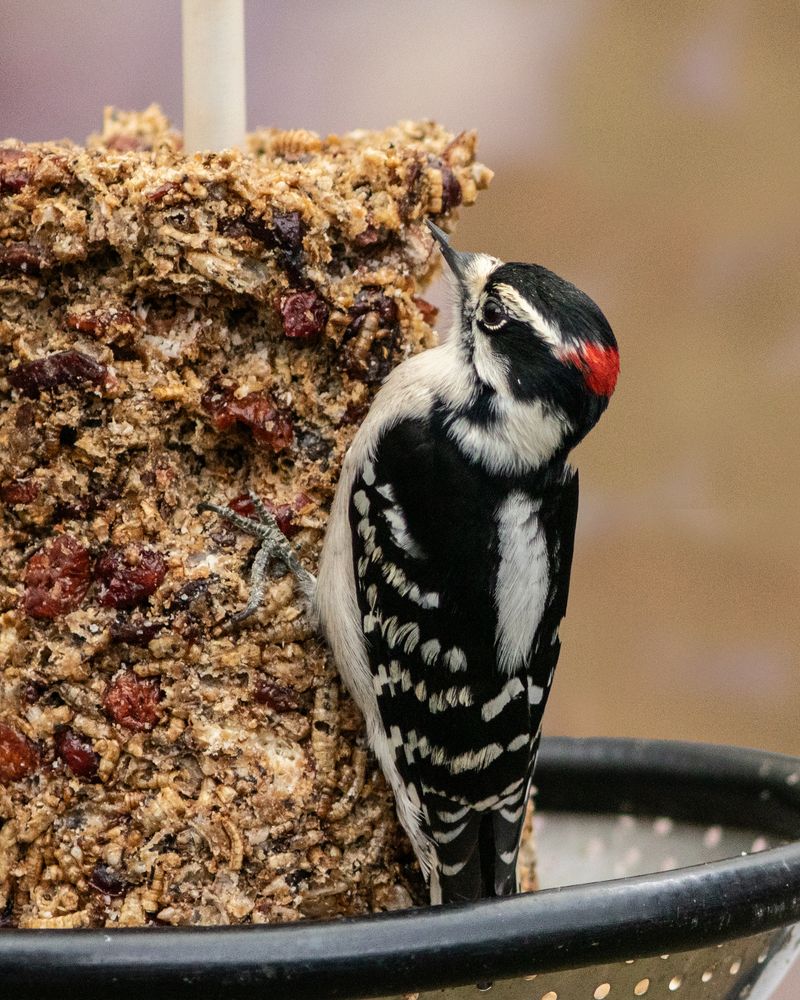
Tiny but mighty, the Downy Woodpecker is the smallest woodpecker in North America and a regular at Carolina yards all year. Its checkered black-and-white pattern and the male’s little red cap make it easy to recognize.
Suet feeders are the fastest way to invite them over, though they’ll also grab sunflower seeds. Hang your suet near a tree trunk so they feel secure while they eat.
Watch closely and you’ll see them hammering at bark to dig out hidden insects. A yard that keeps Downies around usually has healthy trees and plenty of bugs to spare.
5. Carolina Chickadee
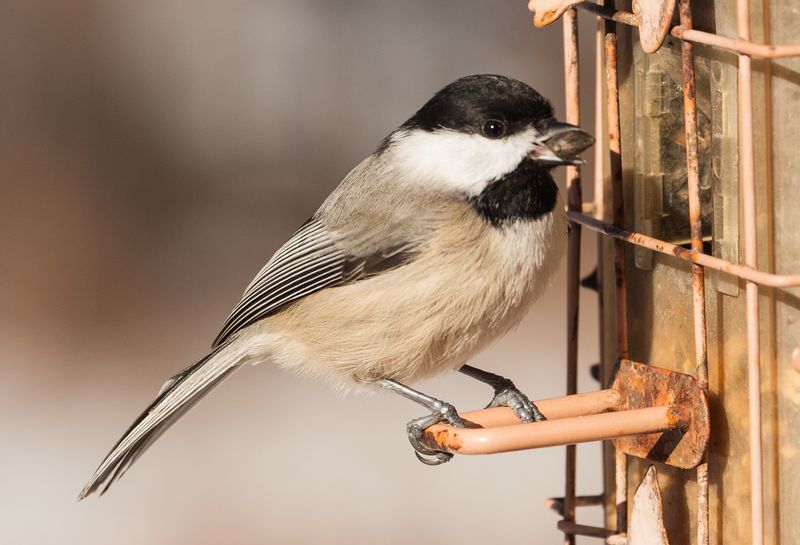
Small, round, and always busy, the Carolina Chickadee brings nonstop energy to the feeder. Their cheerful “chick-a-dee-dee-dee” call is one of the friendliest sounds in the yard.
These acrobats love sunflower seeds and will dart in, grab one, and zip off to crack it open elsewhere. They rarely linger, so you’ll see a steady stream of quick visits.
Chickadees have amazing memories, hiding thousands of seeds and remembering the spots later. Keep them fed and you’ve got one of North Carolina’s most loyal little regulars.
6. Tufted Titmouse
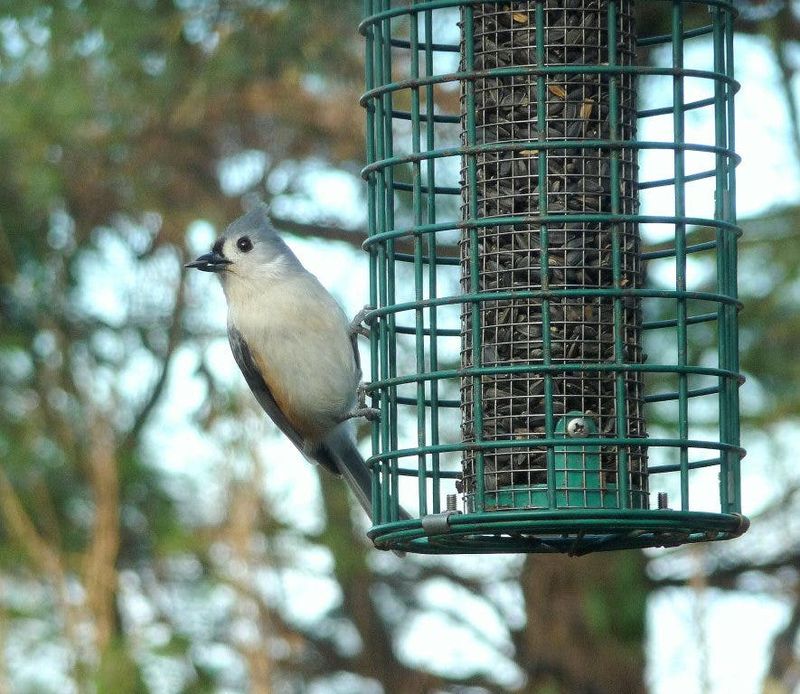
With a spiky little crest and enormous dark eyes, the Tufted Titmouse looks perpetually curious. These soft gray birds often travel in the same busy flocks as chickadees.
They favor sunflower seeds and peanuts, usually grabbing the biggest one they can carry before flying off to hammer it open. Their bold personality means they aren’t shy about shoving smaller birds aside.
Listen for their whistled “peter-peter-peter” song echoing through the trees. When titmice claim your feeder as home turf, your yard is clearly doing something right.
7. Mourning Dove
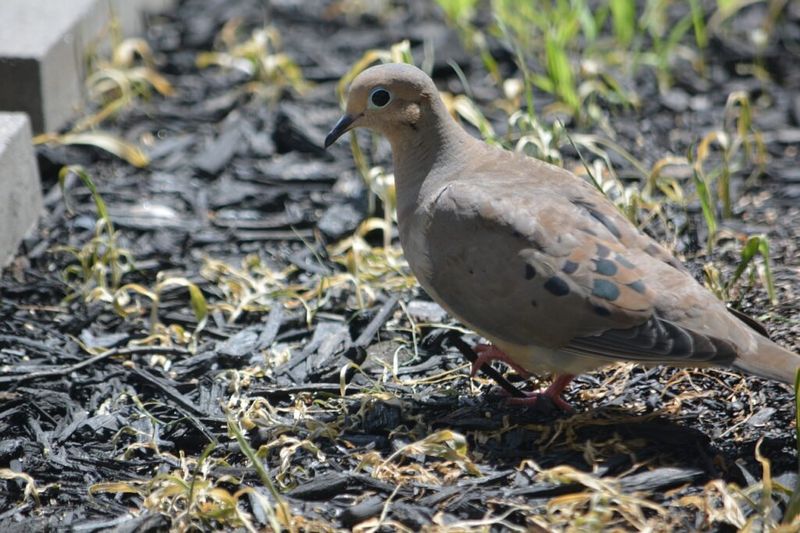
Gentle cooing at dawn often means a Mourning Dove has settled into your yard. These plump, soft-brown birds have a calm, unhurried way about them that’s easy to love.
Rather than clinging to hanging feeders, doves prefer to forage on the ground below, cleaning up spilled seeds. Toss a little cracked corn or millet on a platform and they’ll happily settle in.
Their wings make a whistling sound when they burst into flight, a built-in alarm system. A yard where doves feel safe enough to linger is a peaceful, welcoming one.
8. House Finch
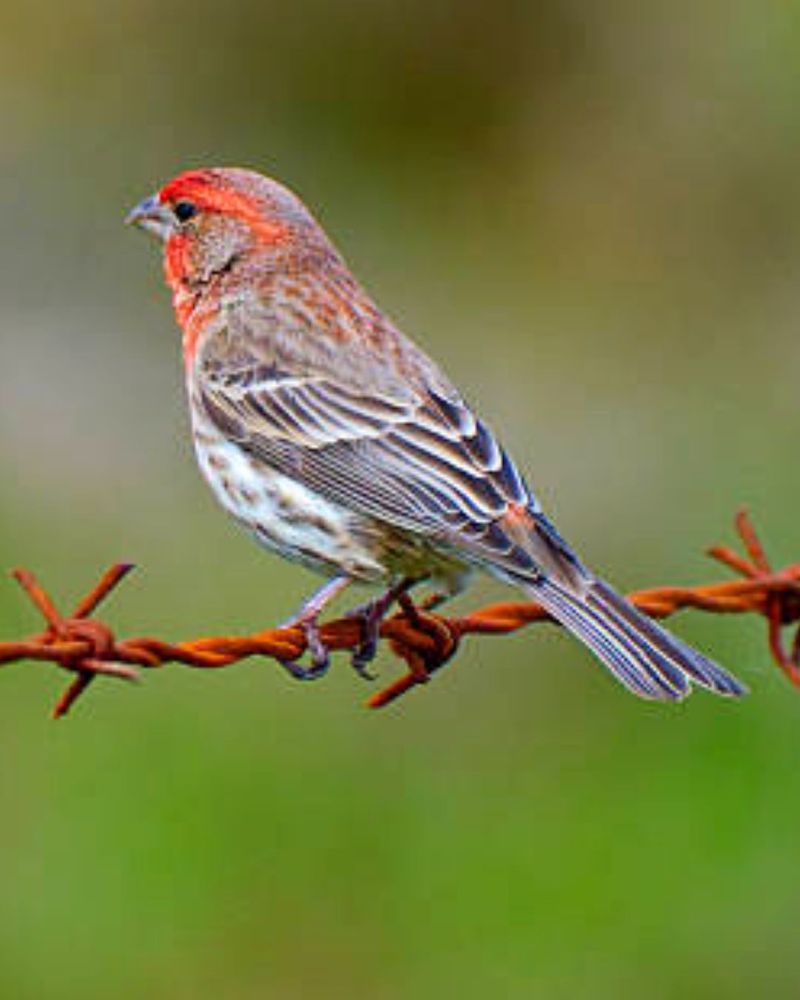
Rosy red splashed across the head and chest gives male House Finches a cheerful, painted look. These social birds often show up in chatty little groups and settle in for a good long meal.
They’re big fans of black oil sunflower seeds and will happily crowd around a tube feeder. Their bubbly, warbling song adds a nice soundtrack to the backyard.
Originally western birds, House Finches spread across the East after some were released in New York decades ago. Now they’re a familiar face at Carolina feeders year-round.
9. Ruby-throated Hummingbird
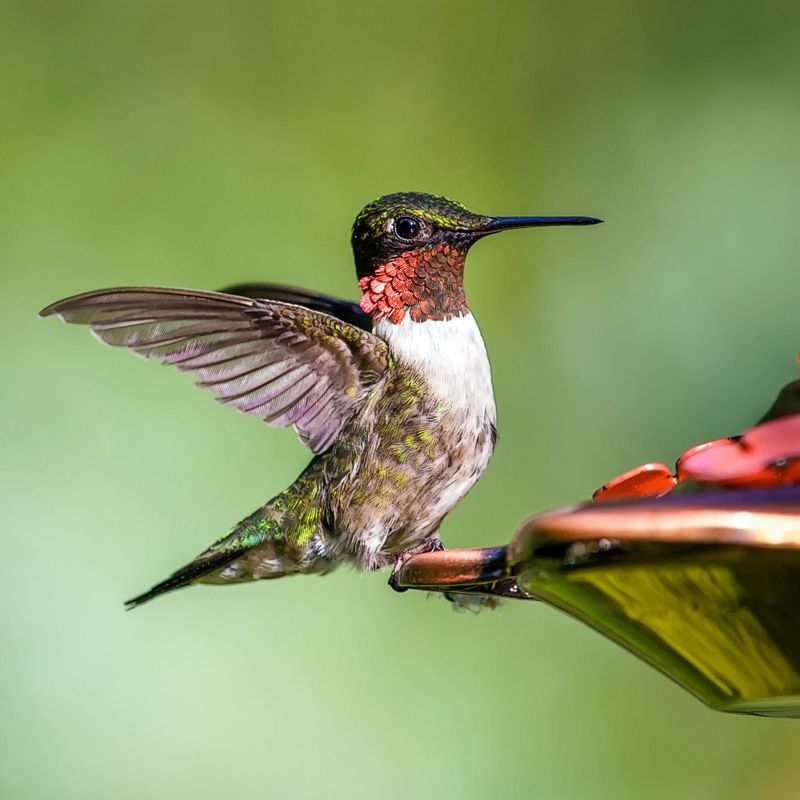
Blink and you might miss the shimmering Ruby-throated Hummingbird as it zips past. The male’s throat flashes brilliant red in the sun, like a tiny flying jewel.
Nectar feeders filled with a simple sugar-water mix (four parts water to one part sugar, no dye needed) will draw them in. Plant tubular flowers like bee balm and trumpet vine to make the deal even sweeter.
These featherweights migrate all the way to Central America and back each year. Hosting them from spring through early fall means your yard offers real, natural fuel for an epic journey.
10. Eastern Bluebird
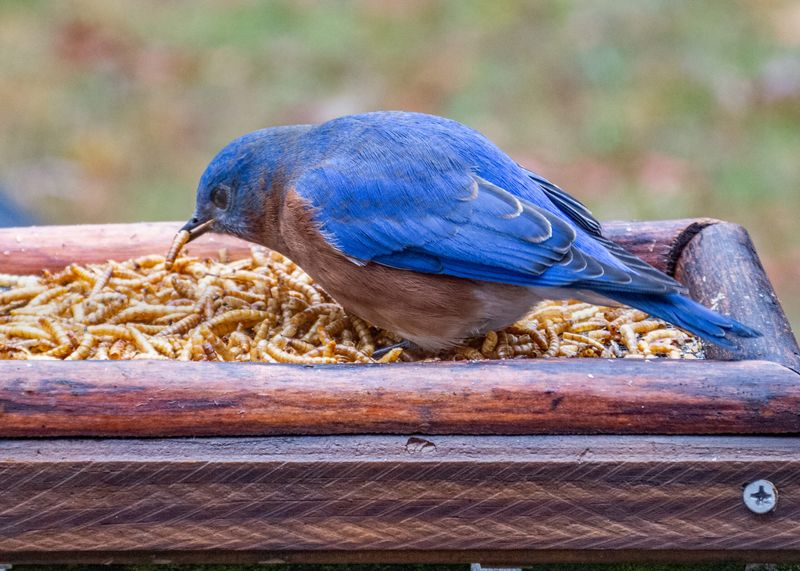
Spotting an Eastern Bluebird feels like winning a small prize. Their brilliant blue backs and warm orange chests stand out against any green lawn.
Bluebirds mostly hunt insects and berries, so seeing them at your feeder usually means you’re offering mealworms or suet. A bluebird house paired with an open, grassy area really sweetens the invitation.
Because they depend on natural food and nesting spots, their visit is a strong sign your habitat is thriving. Add a birdbath and you’ll likely keep this pop of blue coming back.
11. White-breasted Nuthatch
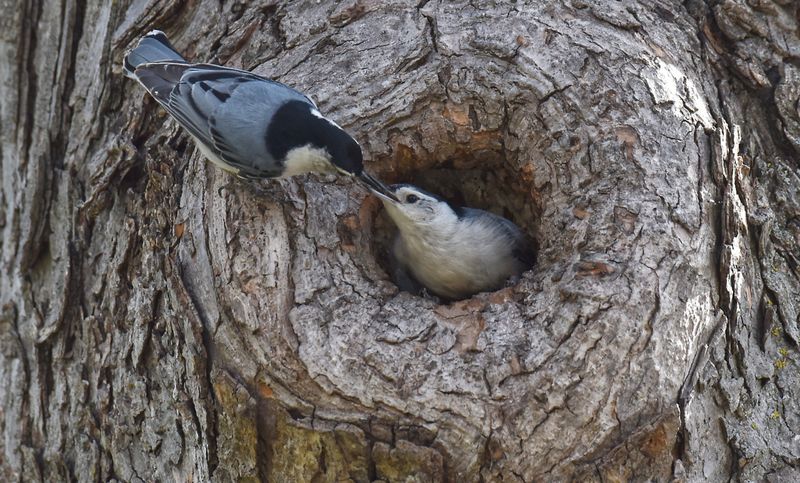
Ever seen a bird walk down a tree headfirst? That upside-down acrobat is the White-breasted Nuthatch, and it does it with total confidence.
These crisp blue-gray birds love sunflower seeds and suet, often wedging a seed into bark to crack it open. Their nasal “yank-yank” call gives them away before you even spot them.
They stash extra food in tree crevices for later, which is where the name “nuthatch” comes from. A yard with mature trees and steady feeder food keeps these clever climbers around.
12. Carolina Wren
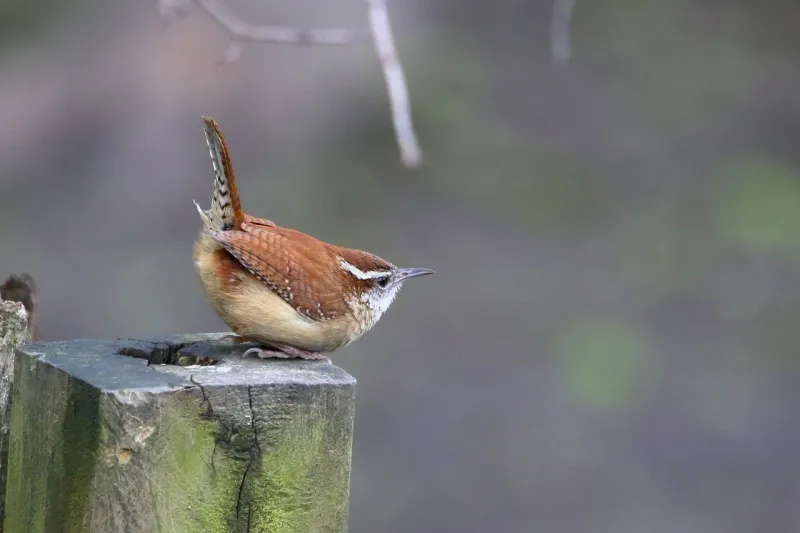
For such a small bird, the Carolina Wren has an enormous voice. Its ringing “tea-kettle, tea-kettle” song seems way too loud for its rusty, round little body.
Wrens mostly hunt insects and spiders, but they’ll drop by suet feeders, especially in colder months. A brush pile or dense shrub nearby gives them the cover they crave.
They’re famously curious and might build a nest in a hanging basket, an old boot, or a flowerpot. When a wren belts out songs from your yard, you’ve clearly created a lively, insect-rich habitat.
13. Chipping Sparrow
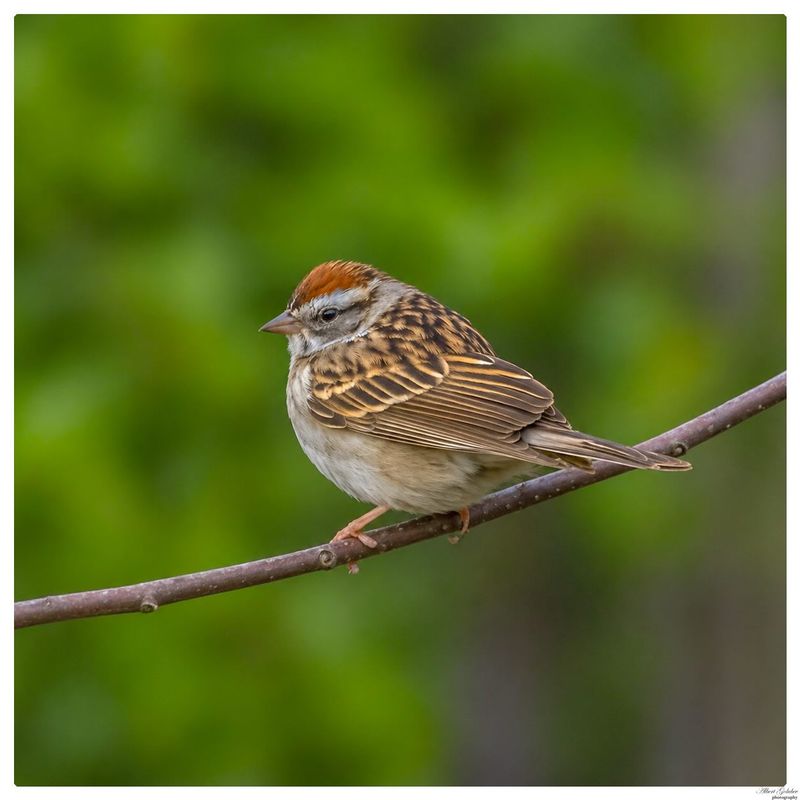
Neat and tidy, the Chipping Sparrow wears a rusty cap like a little cap of its own. These small sparrows are far more colorful than people expect from a “plain” sparrow.
They go for smaller seeds like millet and cracked sunflower, often feeding on the ground or low platforms. In spring and summer they show up in cheerful little groups.
Their steady, trilling song sounds like a sewing machine running in the background. Welcoming them means your feeder menu suits the smaller-billed crowd too.
14. Song Sparrow
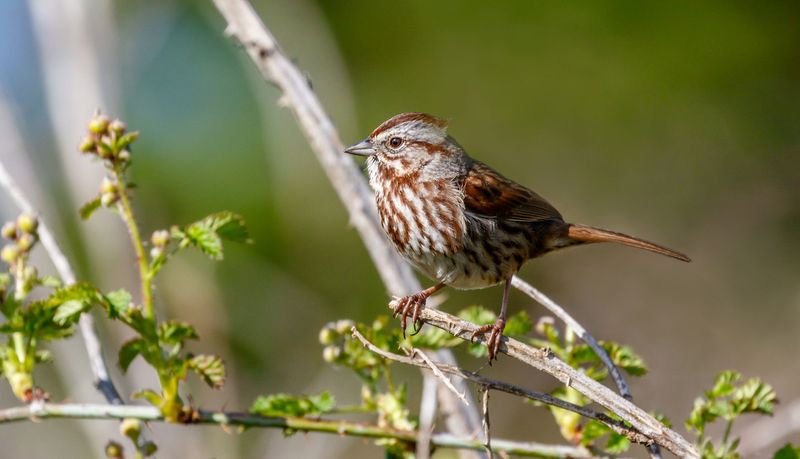
Streaky brown and easy to overlook, the Song Sparrow earns its name the moment it opens its beak. Its rich, musical tune is one of the most familiar songs in North America.
You’ll usually find these birds hopping and scratching on the ground below feeders, hunting seeds and insects. A patch of low shrubs or tall grass nearby makes them feel right at home.
Look for the dark spot in the center of their streaked chest to tell them apart from other sparrows. Their presence signals a yard with good ground cover and natural forage.
15. American Robin
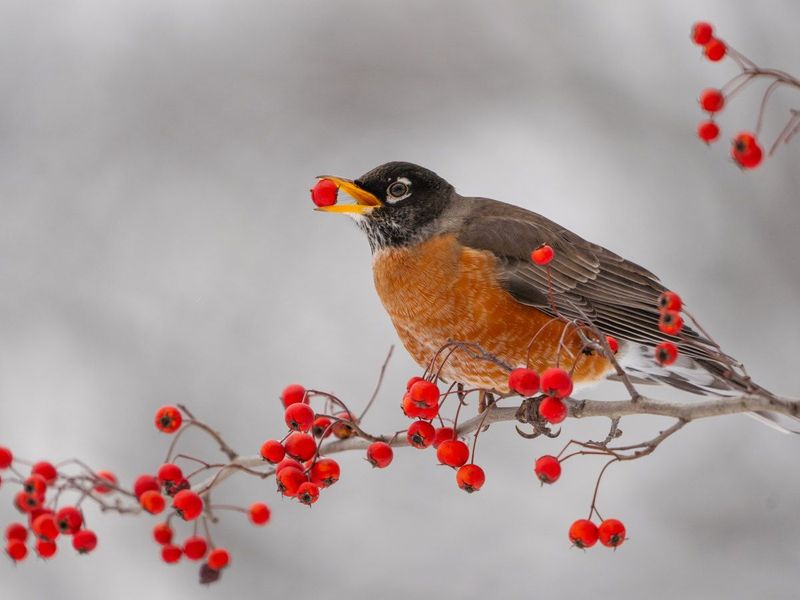
That orange-breasted bird tugging worms from your lawn is the ever-familiar American Robin. Most folks know them from spring mornings, but they stick around North Carolina all year.
Robins aren’t classic seed-eaters, so when they visit feeders it’s usually for fruit, mealworms, or suet in colder months. Berry-producing shrubs like holly and dogwood are what really pull them in.
A big flock of robins descending in winter often means your yard is loaded with natural food. Keep those berry bushes healthy and you’ll host this old favorite through every season.