
If Weeds Keep Popping Up In The Same Spots, Here Are 9 That Read Your Soil Like A Map
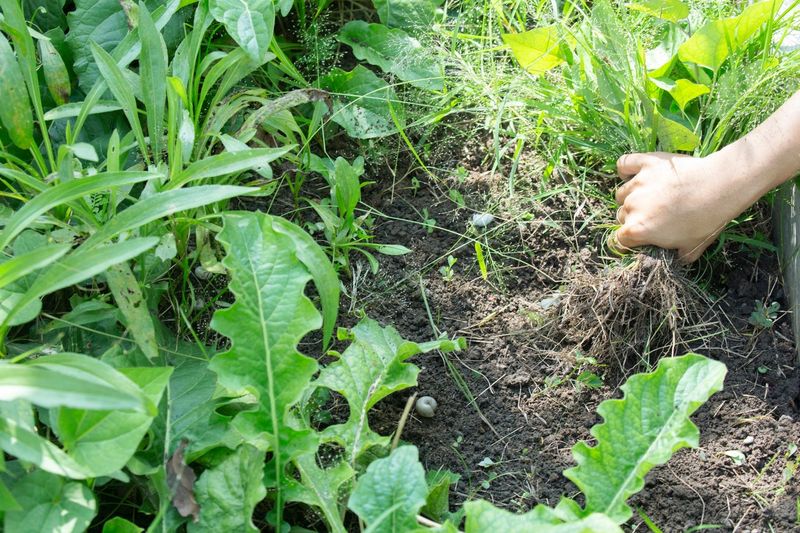
Ever notice the same weeds sprouting in the exact same corner of your yard, year after year? Those stubborn plants aren’t random.
They’re actually telling you something about your soil, from how packed it is to what nutrients it might be missing. Learn to read these 9 common weeds and you’ll get a free map of your garden’s hidden problems, no soil test kit required.
1. Dandelion (Taraxacum officinale)
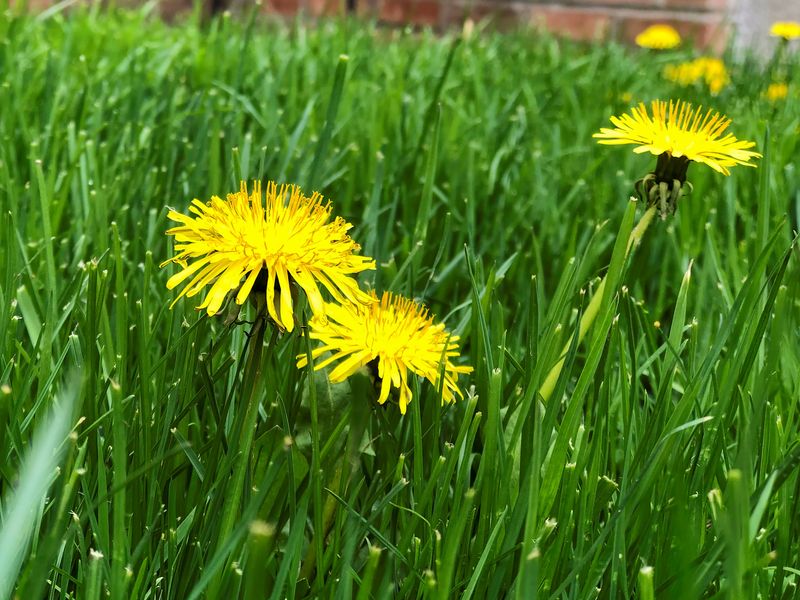
That cheerful yellow bloom you keep yanking out of the same patch is trying to hand you a soil report. Dandelions love to move into ground that’s compacted and often on the acidic side.
Their long, thick taproots drill deep into hardened dirt, breaking it up as they go. In a way, they’re volunteering to aerate the very soil that let them settle in.
A carpet of them can also hint that your soil runs low in calcium while holding too much potassium. If they keep coming back to the same spot, that ground could use loosening and a calcium boost from something like crushed eggshells or lime.
2. Broadleaf Plantain (Plantago major)
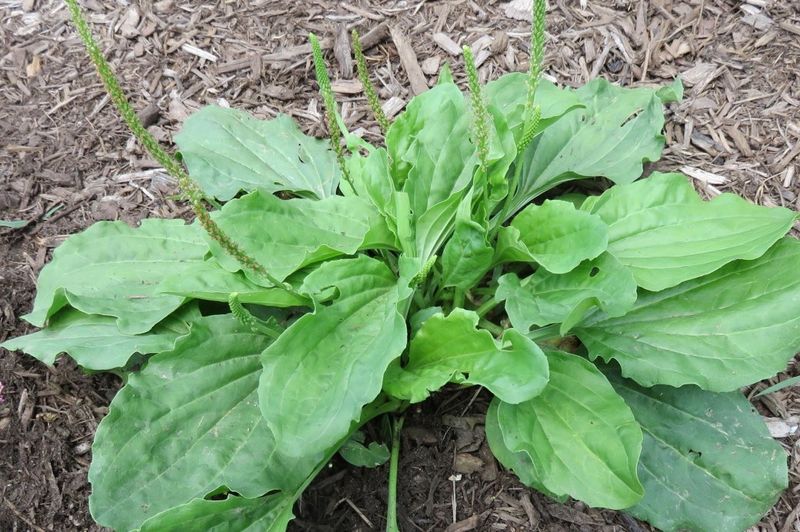
You’ve probably stepped right over broadleaf plantain a hundred times without knowing it was flagging a problem. Those flat, ribbed leaves tend to gather where soil is packed tight and struggling to drain.
Low fertility is another calling card. When the ground is hard and hungry, plantain shrugs and thrives anyway.
It also tolerates acidic conditions that discourage fussier plants. Spotting it along paths or in that one spongy corner is your cue to loosen the soil and work in compost so water and roots can move freely again.
3. Chickweed (Stellaria media)
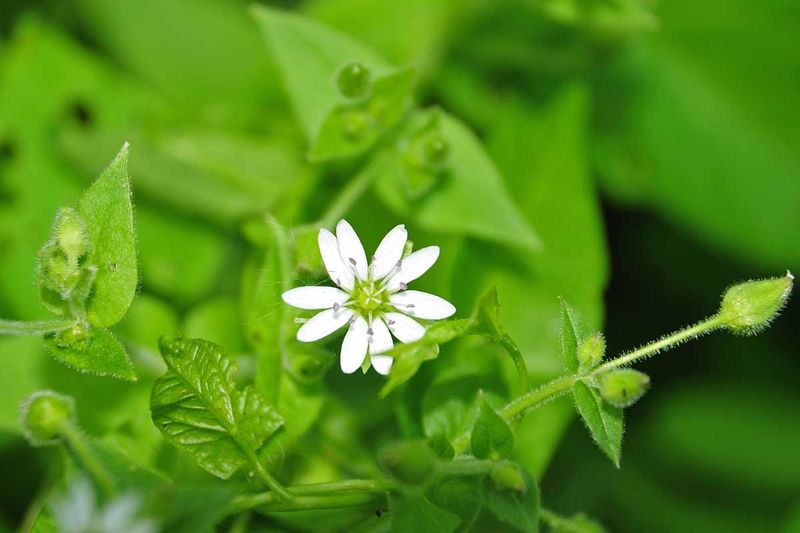
Not every weed is bad news, and chickweed is the friendly messenger of the bunch. When it sprawls across a bed in a soft green mat, it’s usually celebrating rich, fertile ground.
Plenty of nitrogen and steady moisture are what keep it happy. Gardeners sometimes joke that chickweed shows up right where they wish their vegetables would grow that well.
It can also handle neutral soil that leans heavy or a bit compacted. So if chickweed keeps colonizing the same spot, take it as a compliment to your dirt and consider planting something you actually want there.
4. Clover (Trifolium spp.)
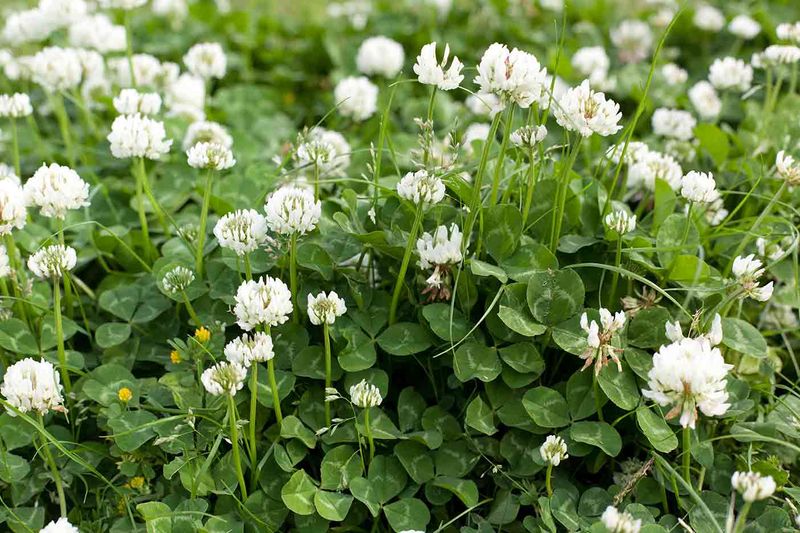
Find clover creeping through your lawn and you’re looking at nature’s own fertilizer factory. White clover in particular tends to move in when the soil is short on nitrogen.
It thrives in ground that’s moist and not especially rich, but often carries decent potassium. Rather than a nuisance, it’s quietly working to balance things out.
Red clover goes a step further, pulling nitrogen from the air and locking it into freshly disturbed soil. If clover keeps returning to the same patch, feeding that area with a nitrogen source can shift the balance back toward the plants you prefer.
5. Horsetail (Equisetum arvense)
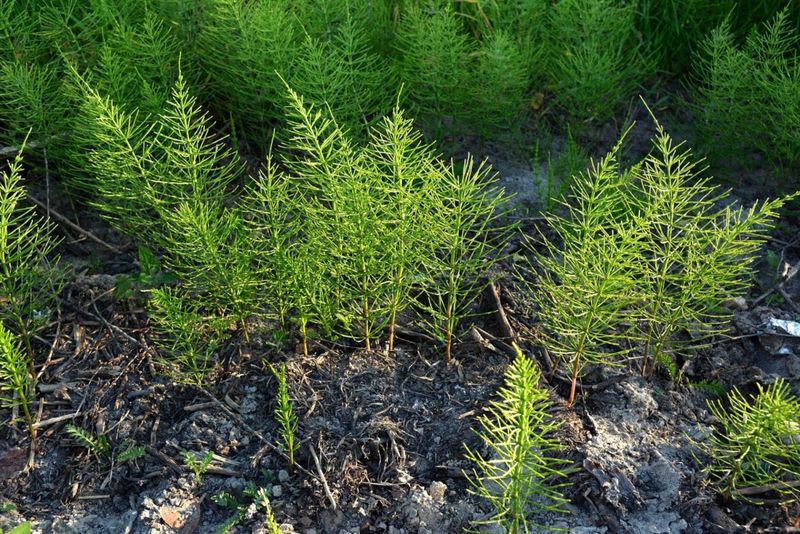
Prehistoric and persistent, horsetail has been growing since the dinosaurs and still shows up in modern backyards. Its bristly, jointed stems are practically a flag planted in soggy ground.
Wet, poorly drained soil is exactly where it feels at home. If you keep finding it in the same low spot, water is probably lingering there longer than it should.
The soil beneath it also tends to be light, sandy, and slightly acidic. Improving drainage in that area, maybe with raised beds or a bit of grading, is the real fix, since horsetail is famously tough to pull out for good.
6. Oxeye Daisy (Leucanthemum vulgare)
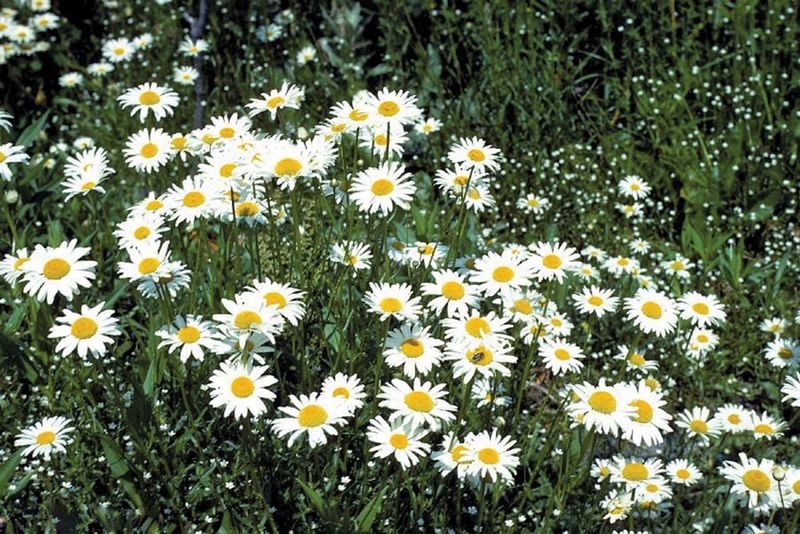
Pretty as a picture, the oxeye daisy hides a less flattering message in its roots. Those white-petaled blooms often gather where soil is acidic and low on fertility.
Sometimes the ground they favor stays soggy, too. A meadow full of them can look charming while quietly signaling that nutrients are running thin.
Nitrogen deficiency is a common thread wherever they take hold. When the same patch fills with daisies every summer, consider testing the pH and adding compost or a balanced feed to give hungrier plants a fighting chance.
7. Common Mullein (Verbascum thapsus)
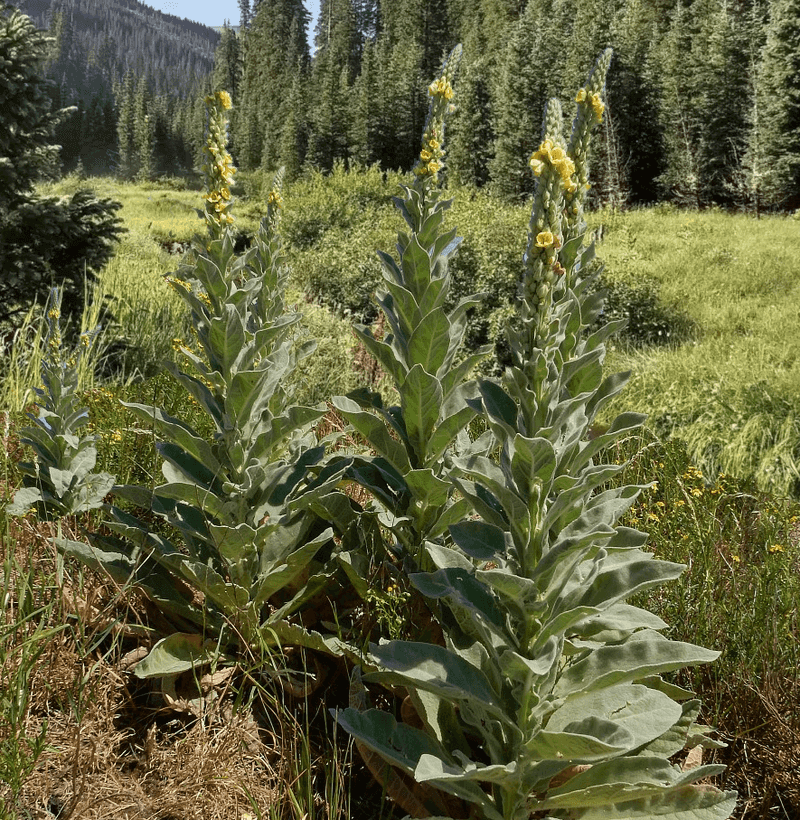
Standing tall with a fuzzy rosette of silvery leaves, common mullein is hard to miss and easy to interpret. It stakes its claim in ground that’s nutrient-poor and generally lacking in fertility.
Where richer plants would sulk, mullein sends up its dramatic flower spike anyway. That’s a sign the soil isn’t offering much to work with.
Acidic conditions often accompany its favorite spots. Repeated visits from mullein in the same area are a nudge to build up organic matter and slowly rebuild the fertility that’s gone missing.
8. Chicory (Cichorium intybus)
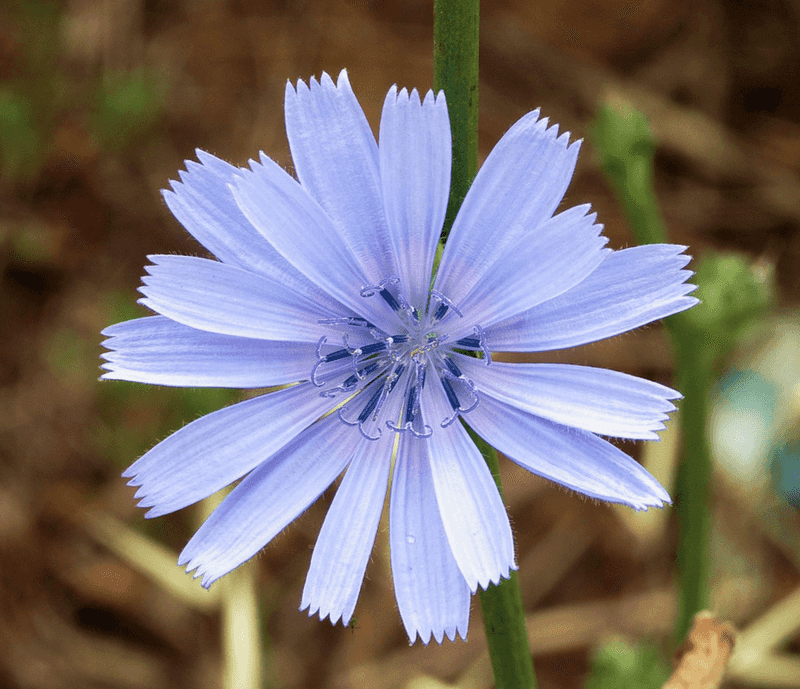
Those sky-blue flowers dotting roadsides and garden edges belong to chicory, and they’re a clue worth reading. Chicory digs into compacted soil with a deep taproot much like the dandelion does.
Alkaline conditions suit it well, so its presence can point to soil leaning toward the higher end of the pH scale.
Oddly enough, it can also show up in rich ground, which makes it a bit of a wildcard. When chicory keeps returning to a hard-packed spot, loosening the soil and checking the pH will tell you more about what’s really going on down there.
9. Lambsquarters (Chenopodium album)
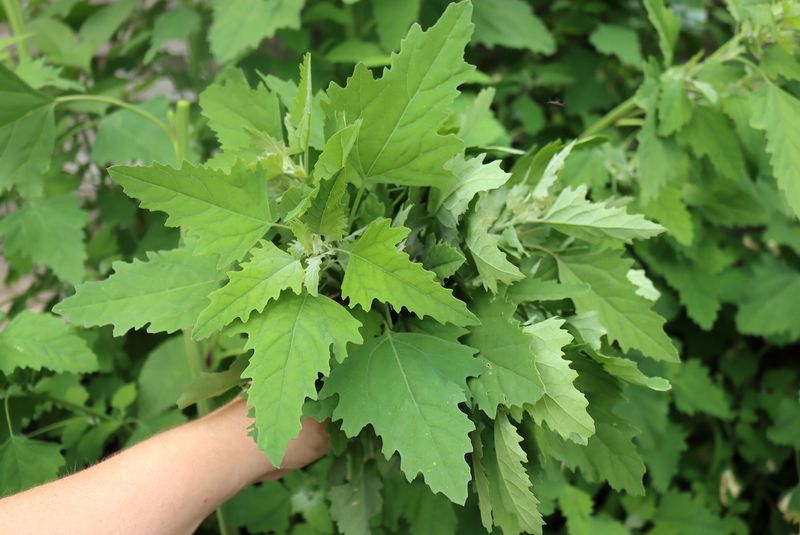
With its dusty, diamond-shaped leaves, lambsquarters is another weed that actually brags about good dirt. It favors rich, fertile soil packed with nitrogen and potassium.
Gardeners often find it thriving right in their vegetable beds, which is a backhanded compliment to their compost. Where it flourishes, the ground usually has plenty to give.
The one thing that soil might be short on is phosphorus. If lambsquarters keeps carpeting the same fertile spot, adding a phosphorus source like bone meal can round out the nutrients for your intended crops.