
If White Mushrooms Keep Popping Up In Your Lawn, Here Are 15 Things They’re Telling You
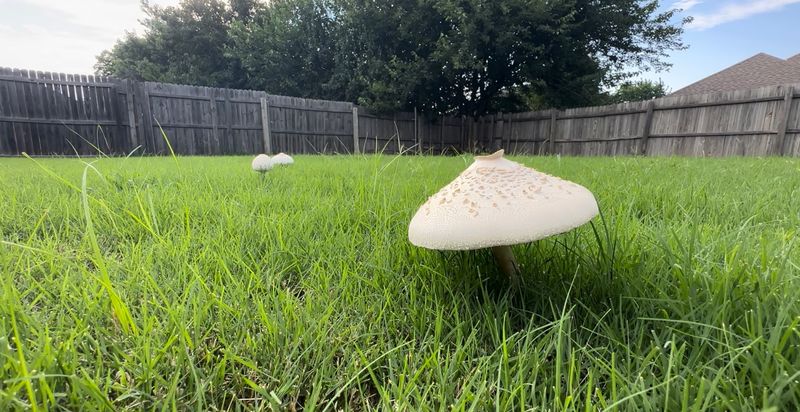
Waking up to a scattering of white mushrooms across your grass can feel a little alarming, like your lawn is trying to tell you something. The truth is, it kind of is.
Those little caps are messengers, sharing clues about your soil, your watering habits, and the hidden life happening beneath your feet. Once you learn to read the signs, you can decide when to relax and when to take action.
1. Your Soil Is Rich In Organic Matter
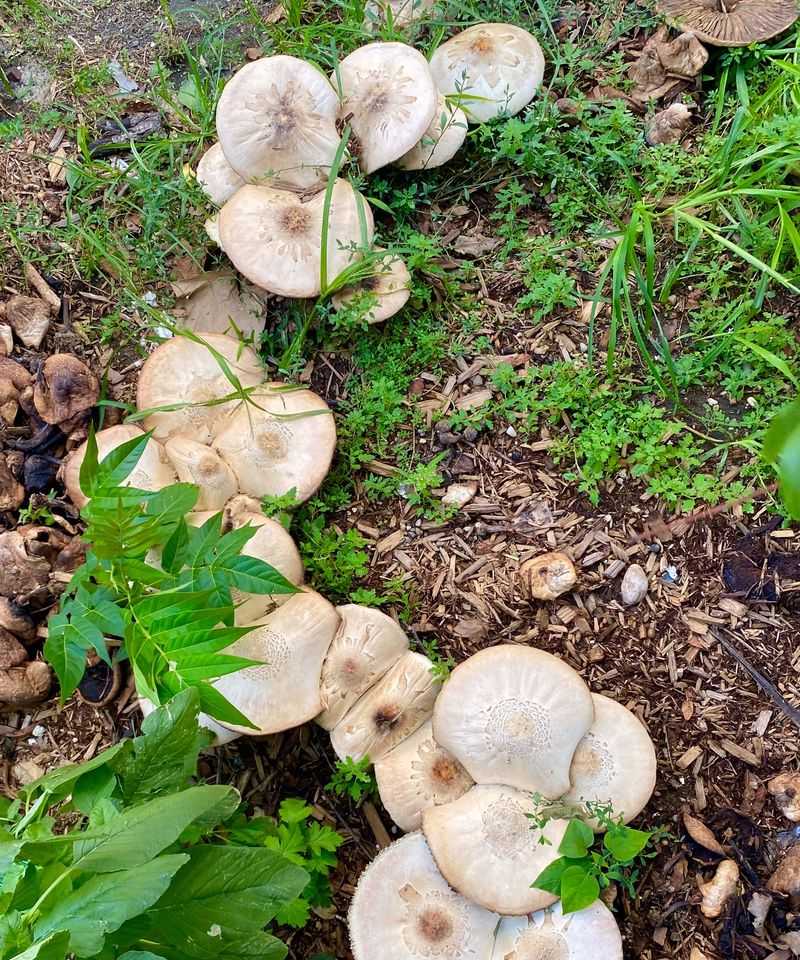
Here is some good news to start with: mushrooms crave the good stuff. When fungi feed on decaying wood, old roots, fallen leaves, and grass clippings, they turn that buried buffet into visible caps on your lawn.
Seeing them pop up often means your soil is packed with the kind of organic material plants love. That decomposing matter slowly releases food that keeps your grass and garden thriving.
So while the mushrooms themselves might look messy, they are quietly pointing to fertile ground beneath the surface. In many cases, that is a compliment to your yard, not a complaint.
2. An Active Fungal Network Lives Below
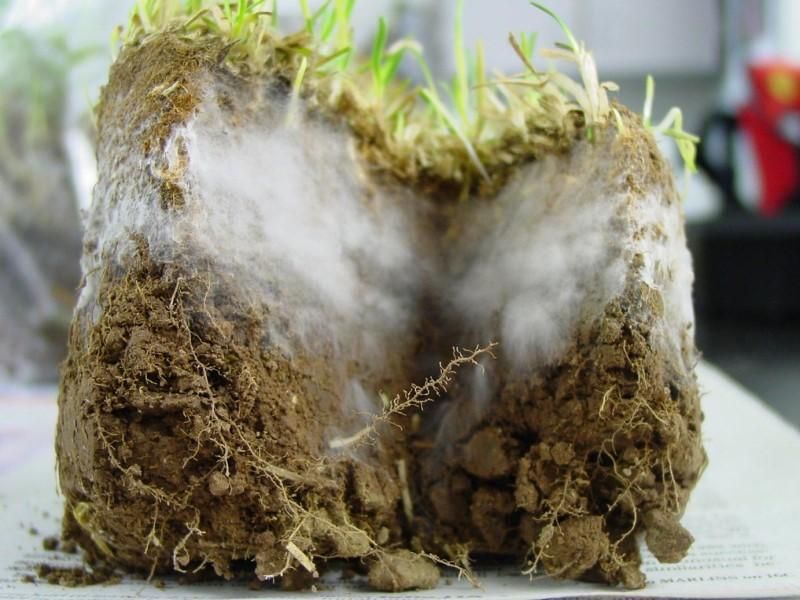
What you see poking through the grass is only the tip of a much larger story. The mushroom is simply the fruiting body, like an apple hanging from a tree, while the real organism sprawls underground as a web of thread-like strands called mycelium.
That hidden network can stretch for feet in every direction and live quietly for months or even years. When conditions are right, it sends up mushrooms to spread its spores and start the cycle again.
Spotting caps on the surface means the underground colony is busy and healthy. Pulling the mushrooms will not remove the network, but it will not hurt your lawn either.
3. Nutrients Are Being Recycled Right Now
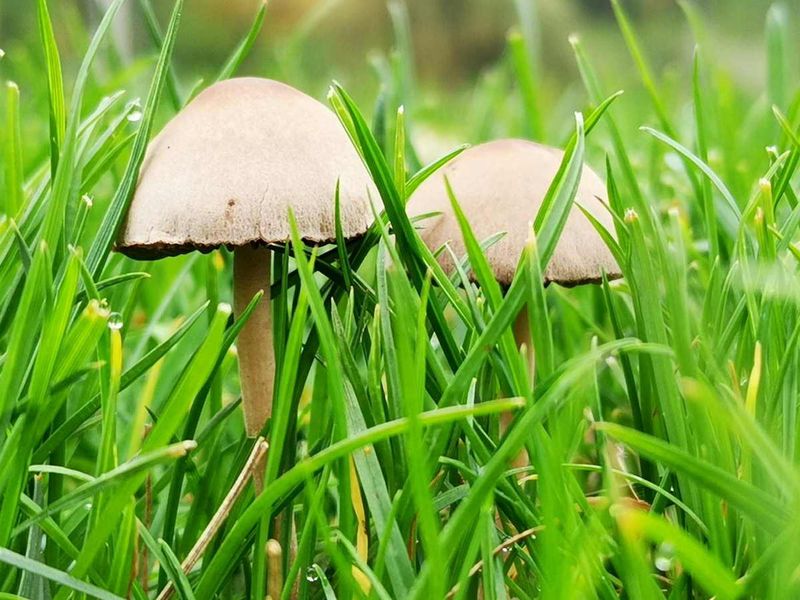
Think of fungi as your lawn’s cleanup crew and delivery service rolled into one. As they break down dead leaves, wood, and thatch, they release nitrogen and other nutrients back into the soil where roots can grab them.
Without decomposers like these, dead material would just pile up and lock away everything plants need to grow. The mushrooms are proof that this recycling engine is running smoothly.
Every cap you see is a small sign that your yard is feeding itself. That free fertilizer boost is one reason many gardeners learn to tolerate a few mushrooms.
4. Your Soil Ecosystem Is Alive And Healthy
A yard full of life is a yard doing something right. Mushrooms tend to appear where there is plenty of microbial activity, earthworms, and the general buzz of a living soil.
That thriving underground community supports stronger roots and healthier grass over time. Bare, lifeless dirt rarely produces mushrooms because there is nothing there to feed the fungi.
Consider the caps a green flag that your soil is more than just packed earth. It is a bustling neighborhood, and the mushrooms are simply the most visible residents.
5. Beneficial Mycorrhizal Fungi May Be At Work
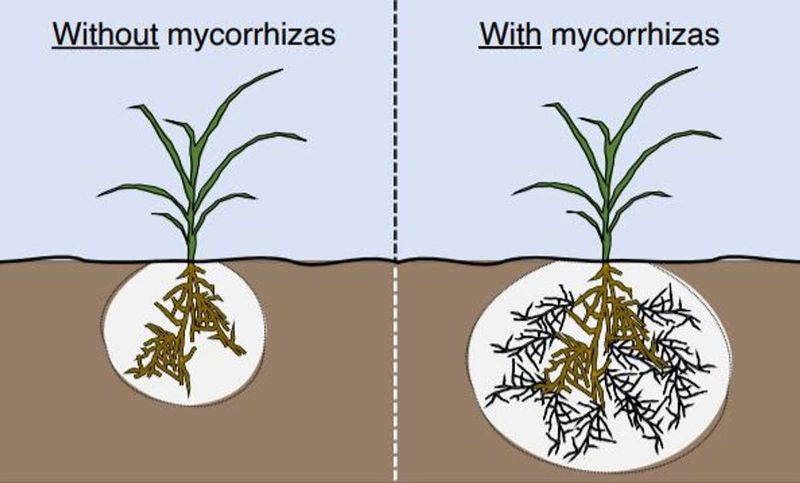
Not all lawn fungi are freeloaders. Some mushrooms come from mycorrhizal fungi, which form a partnership with plant roots, including the roots of your turfgrass.
In this deal, the fungi help roots pull in water and nutrients more efficiently, and in return they get sugars from the plant. It is one of nature’s oldest trade agreements.
When these helpful mushrooms show up, they hint that your grass has a hidden ally underground. That teamwork can make your lawn more resilient during dry or stressful stretches.
6. Your Soil Structure Is Improving
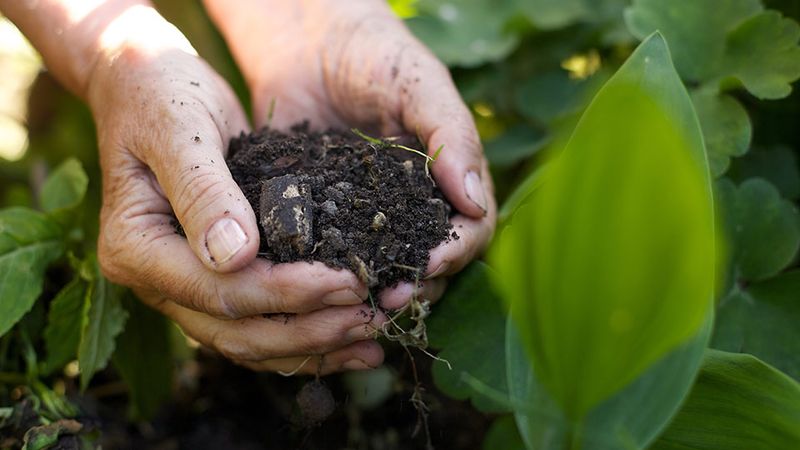
Great soil is not just about nutrients, it is about texture too. The same mycorrhizal fungi behind certain mushrooms help glue soil particles together into crumbly clusters.
That crumbly structure creates tiny pockets that let air and water move freely down to the roots. Better porosity means better drainage and less soggy, suffocated grass.
So a few caps can quietly signal that your ground is loosening up and breathing easier. Over the long run, that improved structure pays off in sturdier, deeper root systems.
7. You Might Be Overwatering Your Lawn
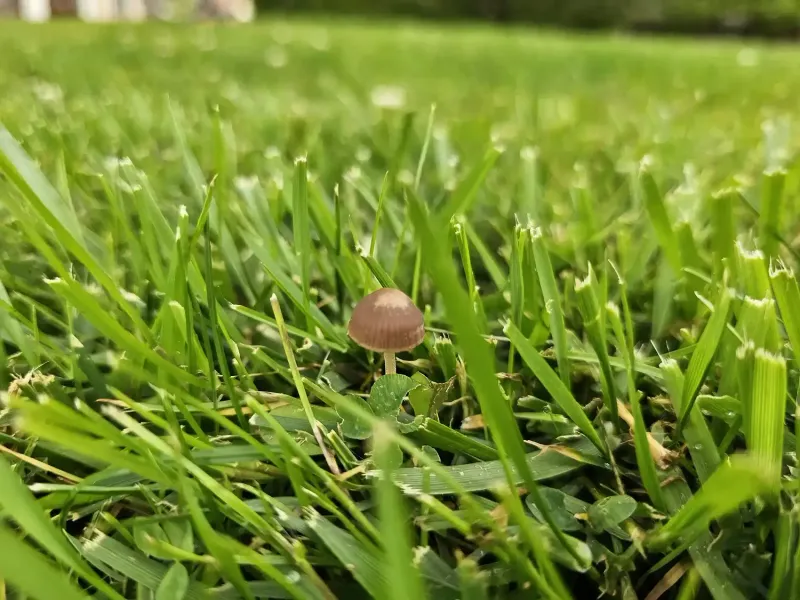
Now we shift to the messages worth acting on. Fungi absolutely love moisture, and a constantly damp lawn is basically an open invitation for mushrooms to move in.
If you are watering every day or running sprinklers in the evening, the soil may never get a chance to dry out. That lingering wetness is a common trigger for a sudden mushroom bloom.
Try watering deeply but less often, and aim for early morning so the grass dries by afternoon. Cutting back on excess moisture can reduce the number of caps you see.
8. Your Lawn Has Poor Drainage
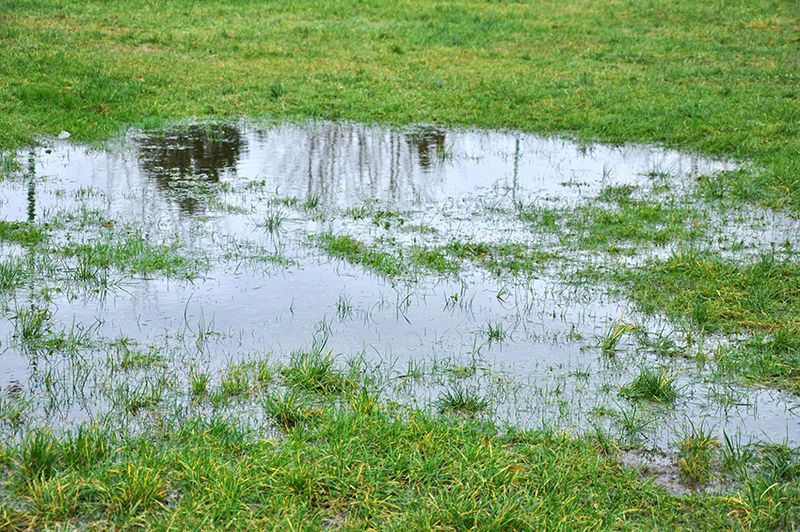
Ever notice mushrooms gathering in the same low spot after every rainstorm? That is often drainage waving a red flag at you.
Areas that stay soggy long after the rain stops create the perfect swampy home for mushroom-producing fungi. Water that sits instead of soaking away keeps the fungi happy and your grass struggling.
Improving grading, adding organic amendments, or aerating those trouble spots can help water move along. Better drainage discourages mushrooms and gives your roots the oxygen they need.
9. There Are Shaded Areas In Your Yard
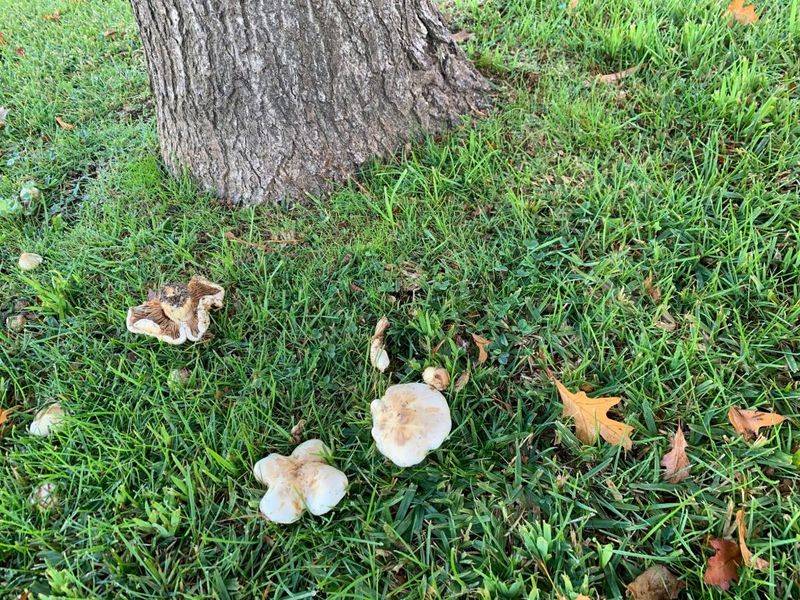
Take a look at where your mushrooms tend to cluster, and you will often find them tucked in the shadows. Spots under trees, along fences, or beside the house stay cooler and damper than sunny areas.
Fungi prefer exactly those dim, moist conditions, so shade becomes a hotspot for their growth. Meanwhile, the grass in those areas may already be thin and stressed.
Trimming back low branches or thinning a dense canopy lets in more light and dries things out. A brighter, airier corner is far less welcoming to mushrooms.
10. There’s Excessive Thatch Buildup
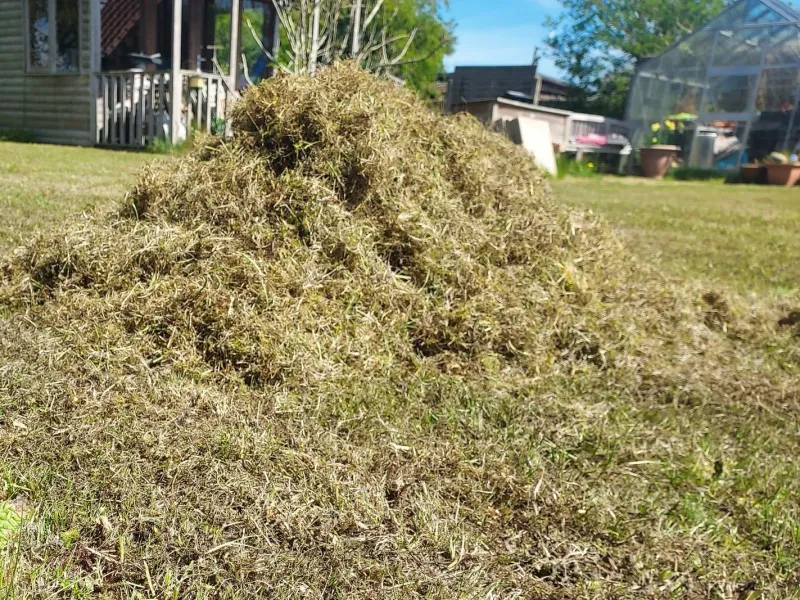
Between your green blades and the soil lurks a layer of dead grass and roots called thatch. A thin layer is normal, but when it builds up too thick, it becomes a problem.
All that spongy material traps moisture and hands the fungi a ready-made food source. The result is a lawn that both holds water and feeds mushrooms at the same time.
Raking or dethatching to break up that buildup can make a real difference. Removing the excess starves the fungi and lets water reach the soil where it belongs.
11. You Have Buried Organic Debris
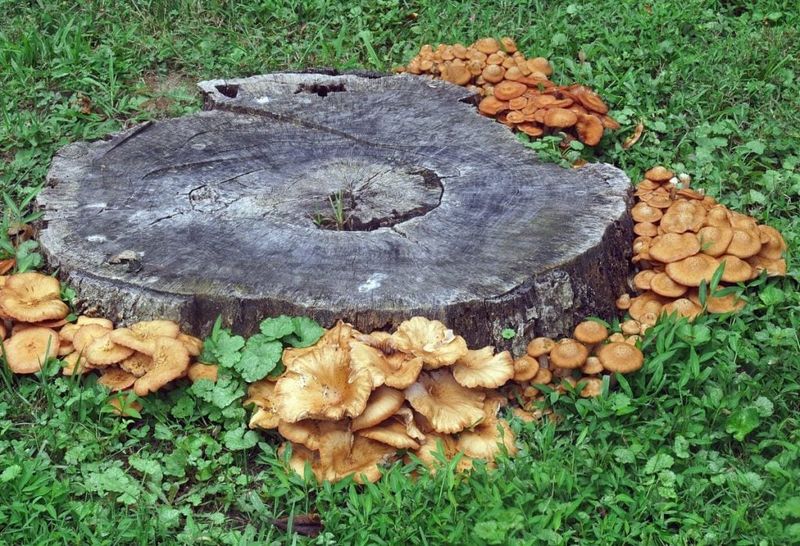
Sometimes mushrooms trace a path that hints at what is hidden below. Old tree stumps, forgotten roots, scraps of construction lumber, or thick mulch can all sit buried under your grass.
As long as that woody debris keeps rotting, it keeps feeding the fungal network year after year. That is why some mushrooms return to the exact same spot each season.
Digging out an old stump or rotting root can finally cut off the food supply. Until the buried material breaks down completely, expect the fungi to keep visiting.
12. Your Soil Might Be Compacted
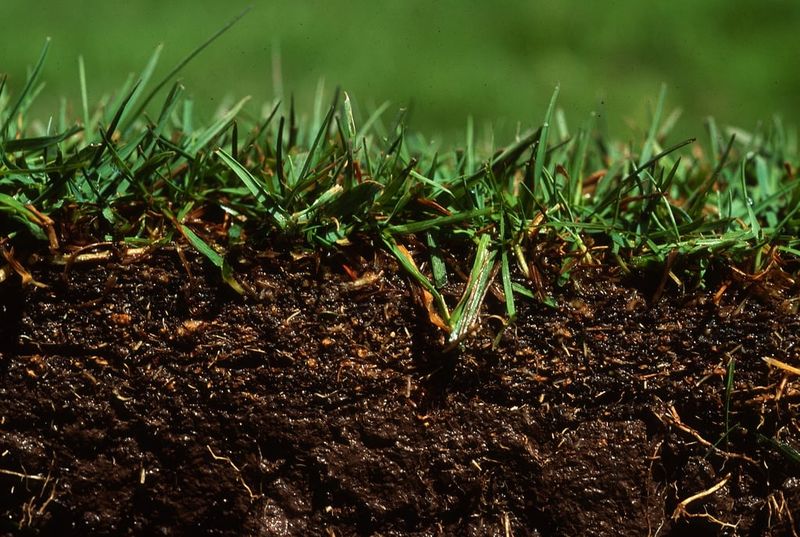
Heavy foot traffic, mowers, and time can press your soil into a dense, hard layer. When that happens, water cannot drain and air cannot flow, which sets the stage for mushrooms.
Compacted ground holds moisture near the surface and weakens grass roots that are gasping for oxygen. Fungi step right into that struggling environment.
Core aeration is the classic fix, pulling small plugs to open the soil back up. Loosening compacted areas improves drainage and gives your grass the breathing room it desperately needs.
13. You Could Have A Fairy Ring Developing
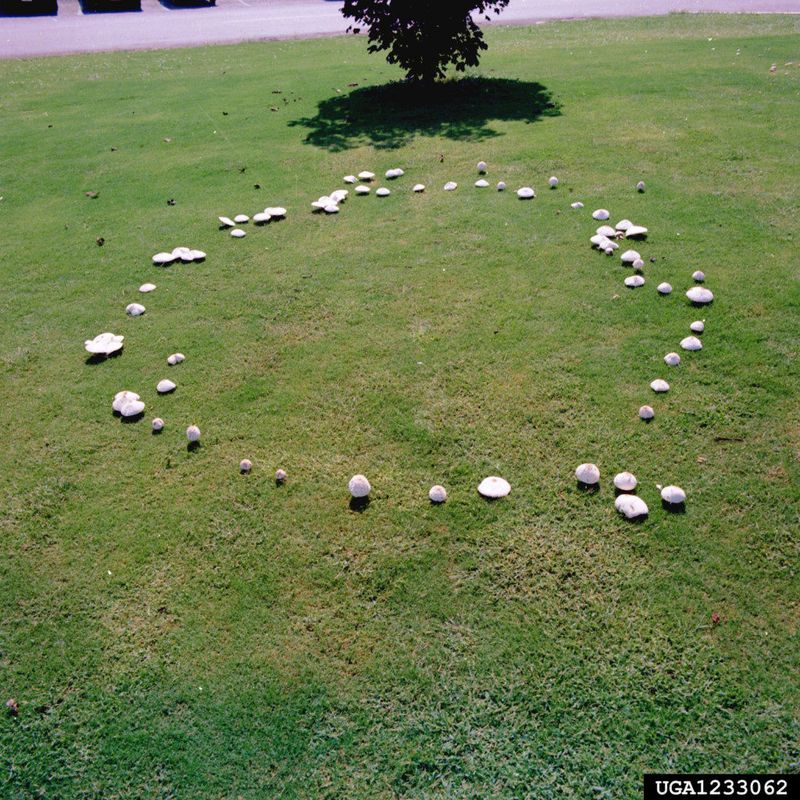
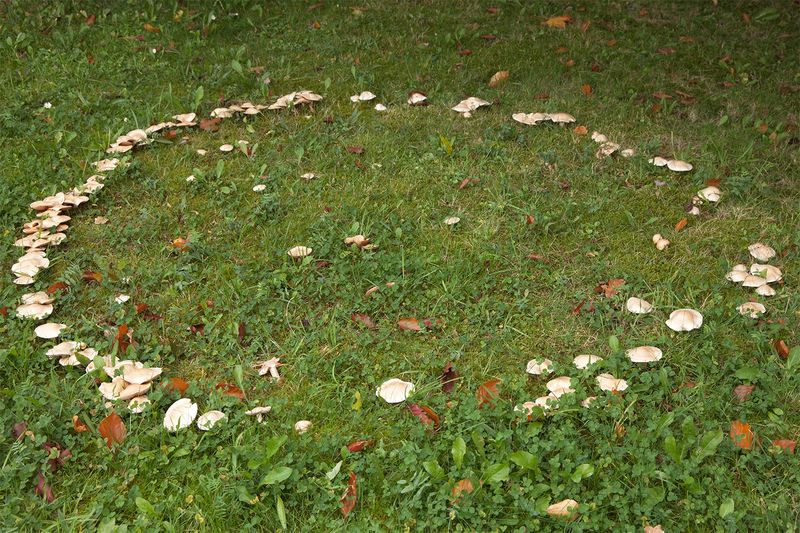
Fairy tales aside, a ring of mushrooms in your grass has a real name and a real cause. When caps appear in a circle or arc, you are likely looking at a fairy ring.
The fungus grows outward from a central point, sometimes leaving a band of extra-green grass in its wake. In tougher cases, it can turn the soil water-repellent and leave dead, brown patches.
Aerating the ring and soaking it deeply can help water penetrate the stubborn soil. Catching a fairy ring early makes it much easier to manage before the damage spreads.
14. The Conditions Could Attract Less Friendly Fungi
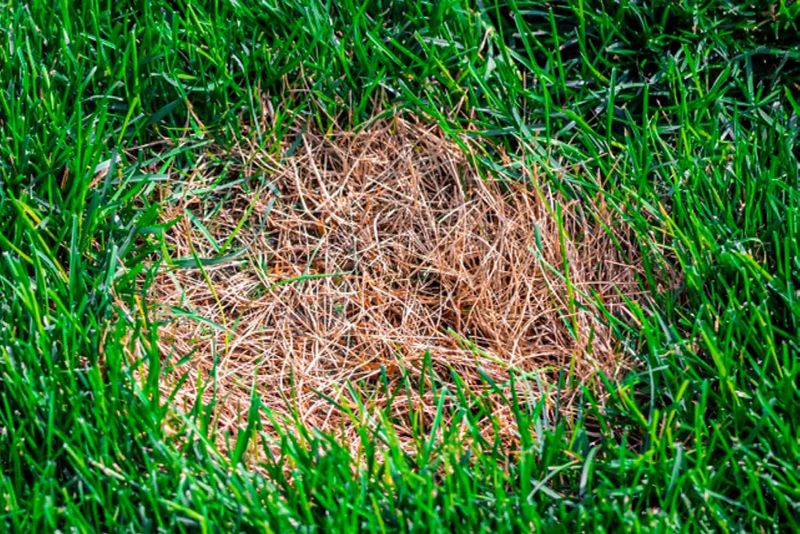
Most lawn mushrooms are harmless, but they thrive under the same conditions that other troublemakers enjoy. Damp, shady soil loaded with organic matter can roll out the welcome mat for problem fungi too.
Lawn diseases like brown patch or dollar spot may take advantage of the same moisture and poor airflow. So while the mushrooms themselves rarely hurt your grass, they can be an early warning.
Treat the visible caps as a nudge to check your watering, drainage, and shade. Fixing those root causes can help prevent uglier fungal problems from settling in later.
15. There Might Be Toxic Mushroom Species Present
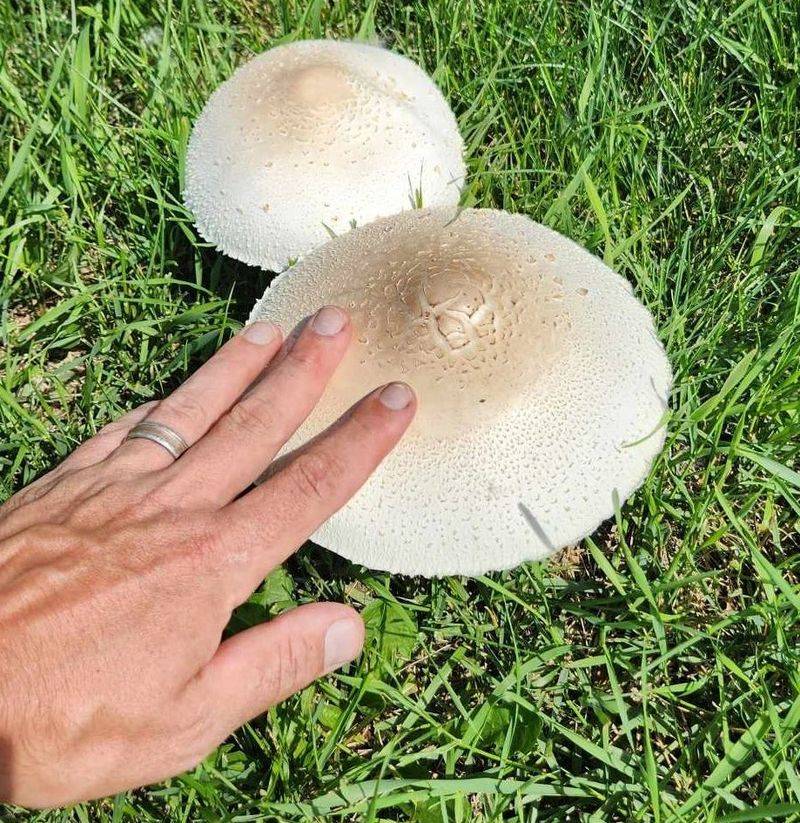
Here is the message you should never ignore. Some common white lawn mushrooms in the United States, like the false parasol, Chlorophyllum molybdites, are genuinely poisonous if eaten.
Swallowing one can cause severe stomach cramps, vomiting, and other nasty digestive trouble, and that danger is very real for curious pets and small children. Never taste a wild lawn mushroom unless an expert has identified it.
To be safe, wear gloves and remove any mushrooms from areas where kids or animals play. When toxic species are a possibility, quick removal is the smartest response you can make.