
If You Grow For Birds And Bees, Here Are 16 ‘Wildlife’ Plants Doing More Harm Than Good (And 6 To Grow Instead)
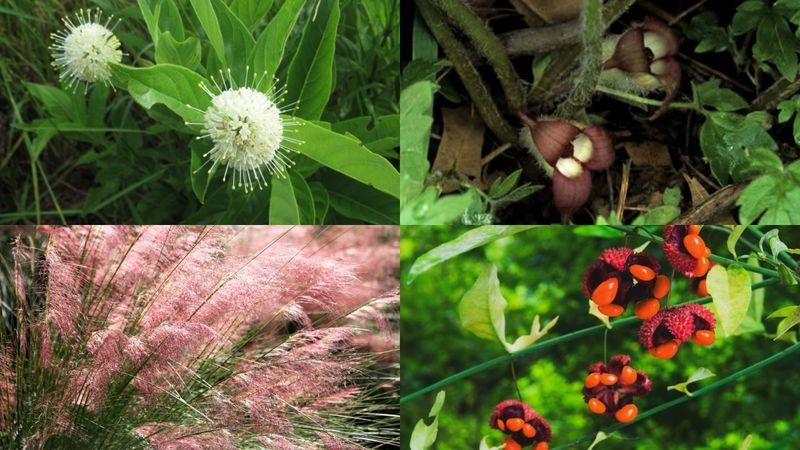
You planted those flowers and shrubs hoping to help the butterflies, bees, and birds visiting your yard. But some of the most popular “wildlife friendly” plants actually hurt the very creatures you want to feed.
A few even poison bees or starve baby butterflies while looking pretty in the garden. Here are 16 plants worth rethinking, plus 6 native plants that truly earn their keep.
1. Butterfly Bush (Buddleja davidii)
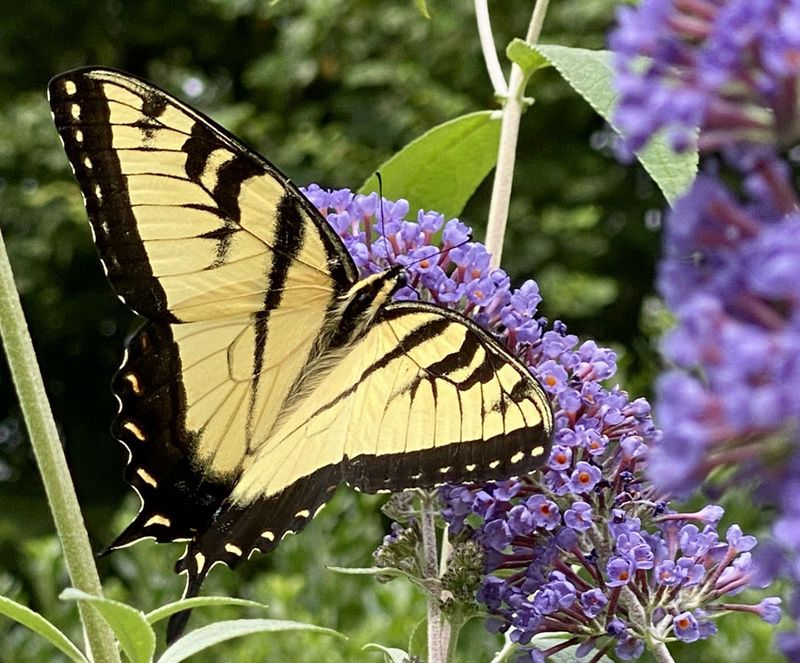
The name alone makes it sound like a dream come true, and yes, adult butterflies flock to those long purple flower spikes for a nectar drink.
Here is the catch that surprises most gardeners: butterfly bush offers zero food for caterpillars. Butterflies need host plants to lay eggs on, and this shrub feeds none of the babies.
It is like a candy shop with no real meals.
Worse, it spreads aggressively and escapes into wild areas, crowding out the native host plants your butterflies actually need to reproduce. You end up with a garden that looks busy but never builds a real population.
2. Japanese Honeysuckle (Lonicera japonica)
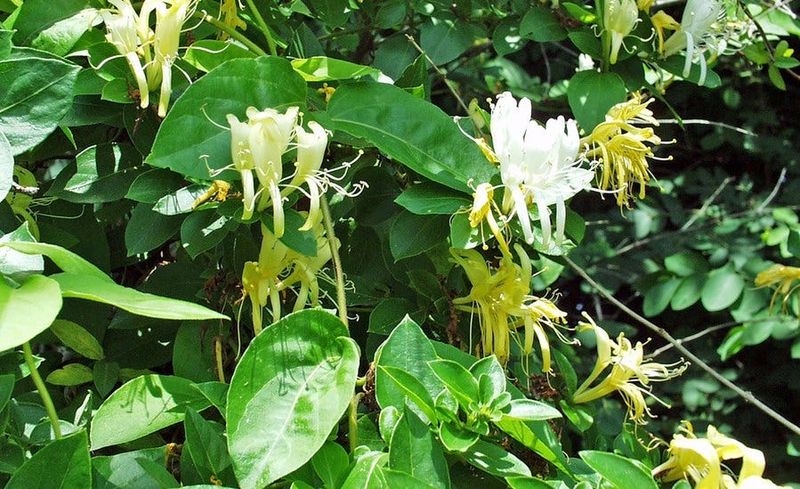
That sweet smell drifting over the fence on a summer evening is hard to resist, and many people let this vine ramble on purpose.
The trouble starts fast. Japanese honeysuckle climbs and sprawls with shocking speed, wrapping around native shrubs and small trees until it smothers them under a heavy blanket of leaves.
Whole patches of forest edge can turn into a tangled monoculture where nothing else grows. Birds may snack on the berries, but the loss of diverse native plants means far less food overall for the wildlife you care about.
3. English Ivy (Hedera helix)
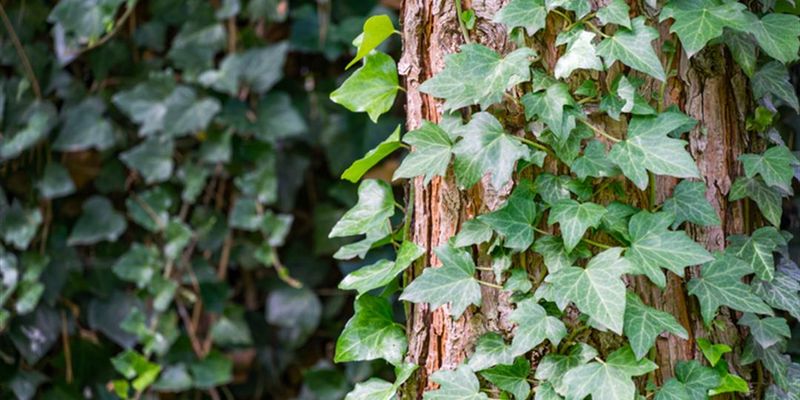
Picture the classic ivy-covered cottage wall, and you understand why so many gardeners plant this glossy green climber.
Left alone, English ivy becomes a bully. As groundcover it blankets the soil so nothing native can sprout, and as a climber it scales tree trunks, adding weight and blocking light until the tree weakens.
It can even pry apart siding and mortar on your house. The berries feed a few birds, but the damage to trees and the smothering of wildflowers make this a poor trade for real habitat.
4. Japanese Barberry (Berberis thunbergii)
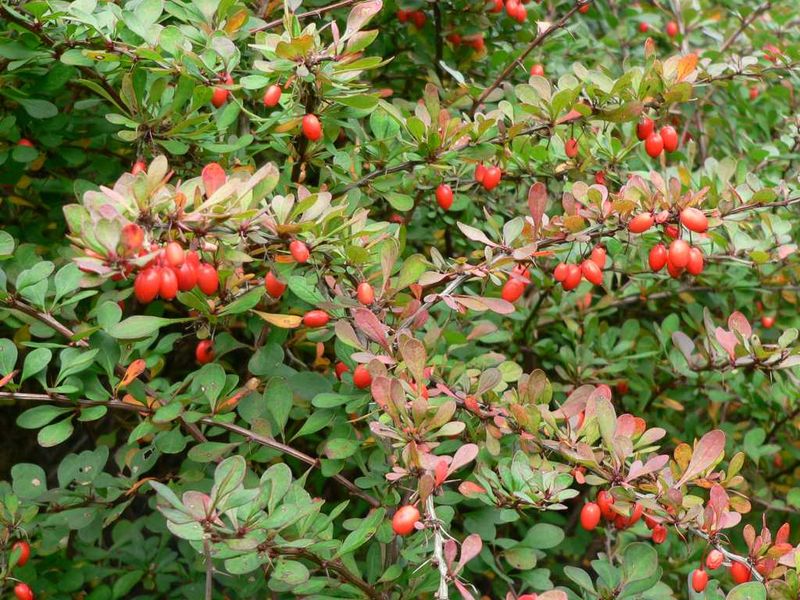
Compact, thorny, and available in tidy burgundy mounds, barberry has been a landscaping staple for decades.
Behind the neat looks hides a real health concern. Barberry thickets hold humidity close to the ground, and studies have linked those dense stands to higher tick populations, including the ticks that carry Lyme disease.
On top of the tick issue, it escapes gardens and forms prickly walls that shove native plants aside. You lose plant variety and gain a spot mice and ticks love to hide in.
5. Burning Bush (Euonymus alatus)
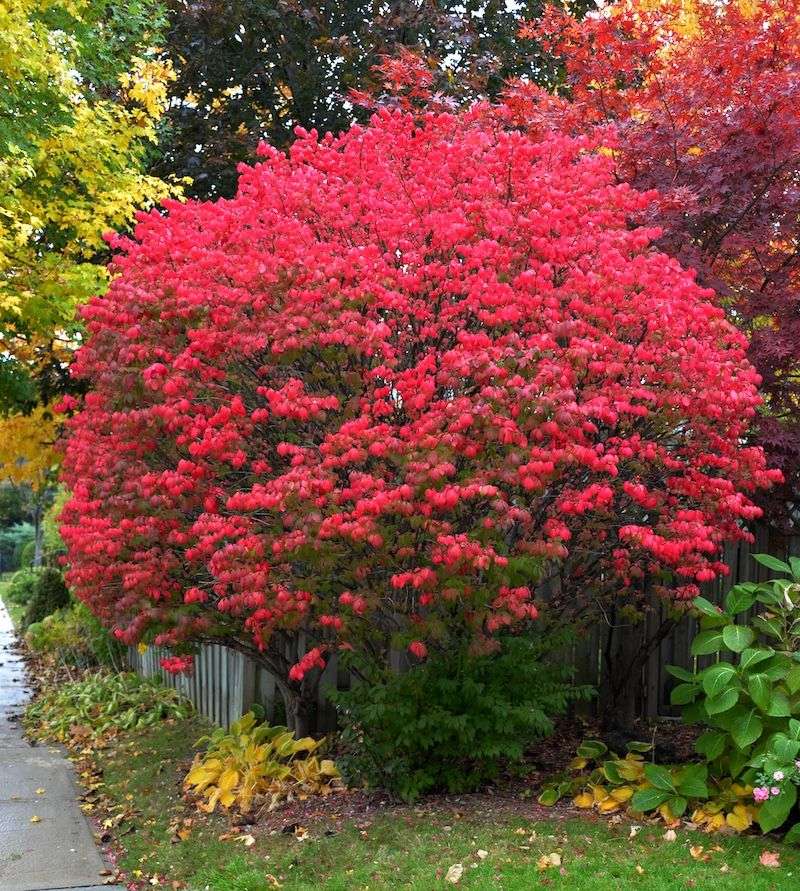
Come October, nothing sets a yard ablaze with color quite like this shrub, its leaves turning a jaw-dropping scarlet.
Birds spread the seeds far and wide after eating the berries, and that is exactly the problem. Burning bush pops up in forests where it forms dense, shady thickets that shade out the native seedlings trying to grow.
The fall show lasts a few weeks. The ecological damage lasts for years, replacing plants that fed caterpillars and pollinators with a shrub that mostly just looks good briefly.
6. Callery ‘Bradford’ Pear (Pyrus calleryana)
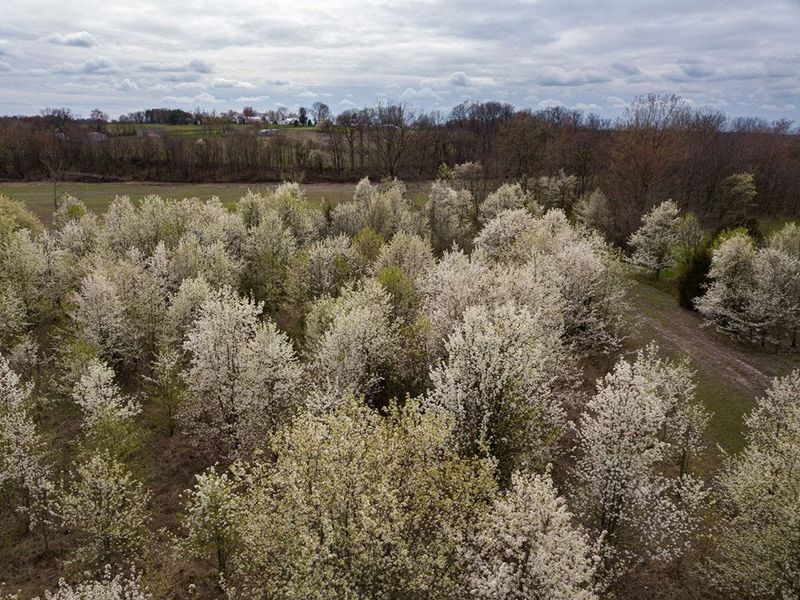
Every spring these trees erupt in clouds of white blossoms, and for years they were planted along streets everywhere.
The flowers smell unpleasant, but the bigger issue is what happens after. Callery pears cross-pollinate, produce loads of fruit, and birds scatter the seeds into fields and roadsides where thorny wild thickets take over.
Here is the part that matters most for wildlife lovers: this tree supports almost no caterpillar species. Since caterpillars are the main food for baby birds, a yard full of Bradford pears is nearly a food desert for nesting songbirds.
7. Chinese Privet (Ligustrum sinense)
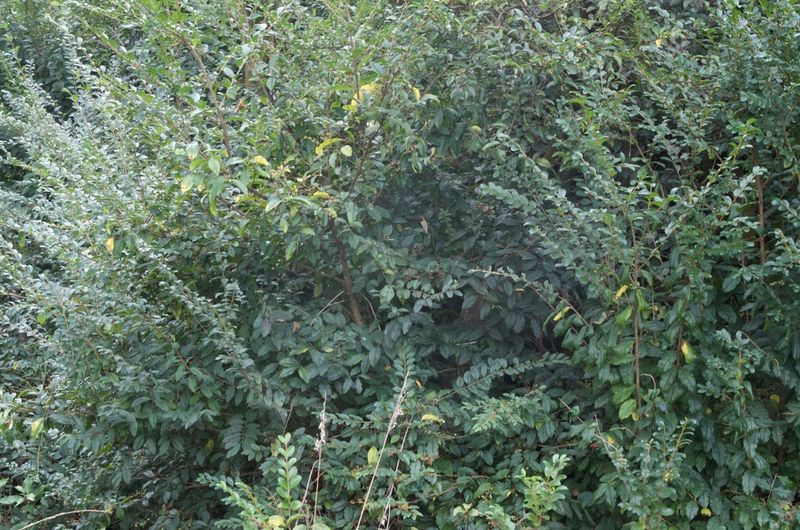
Cheap, fast-growing, and easy to shear into a hedge, privet has fenced off yards for generations.
Once it jumps the property line, it turns savage. Chinese privet forms shady, choking monocultures along streams and woodland edges, elbowing out the wildflowers and shrubs that support diverse insect life.
The berries feed birds enough to keep spreading the seeds, but the overall habitat it creates is dull and species-poor. What looks like a green wall of life is often a green wall of nothing much.
8. Autumn Olive (Elaeagnus umbellata)
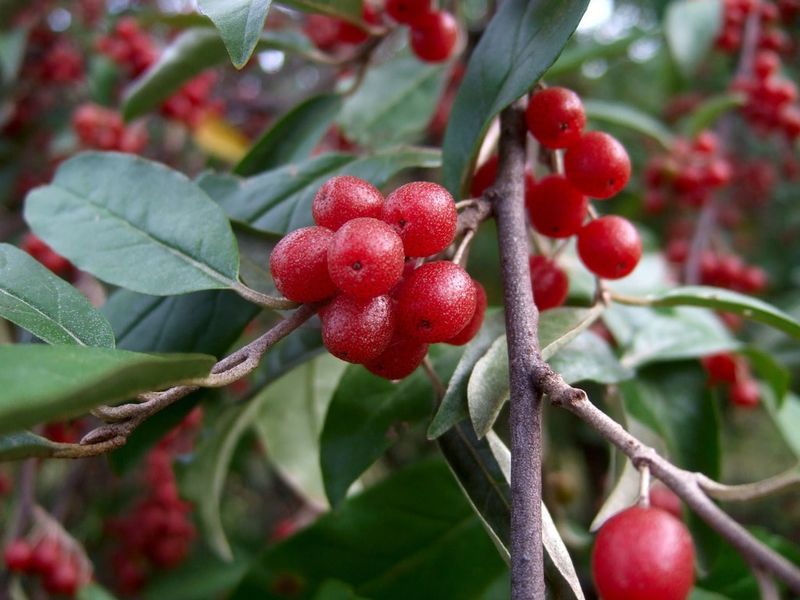
Ironically, this one was often planted on purpose to help wildlife and stop erosion, which shows how good intentions can go sideways.
Autumn olive fixes nitrogen and fruits heavily, so it seems generous. But it changes the soil chemistry and spreads uncontrollably, letting it dominate meadows and open woods.
Birds gorge on the abundant berries and drop seeds everywhere, speeding its takeover. The result is fewer of the varied native plants that provide balanced nutrition and caterpillar habitat throughout the year.
9. Multiflora Rose (Rosa multiflora)
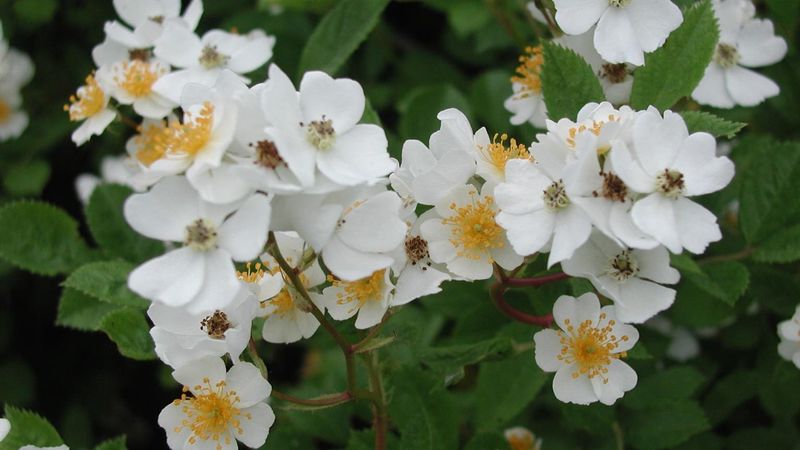
Farmers once planted it as a living fence, and its cascades of tiny white roses can genuinely charm you in June.
Give it a season or two and you will regret it. Multiflora rose builds impenetrable thorny thickets that swallow pastures, fence lines, and forest openings.
Those thickets shove out native berry bushes and grasses, actually reducing the forage available to deer, birds, and pollinators. A single plant can produce thousands of seeds, so what starts small becomes a spreading thorny mess.
10. Porcelainberry (Ampelopsis brevipedunculata)
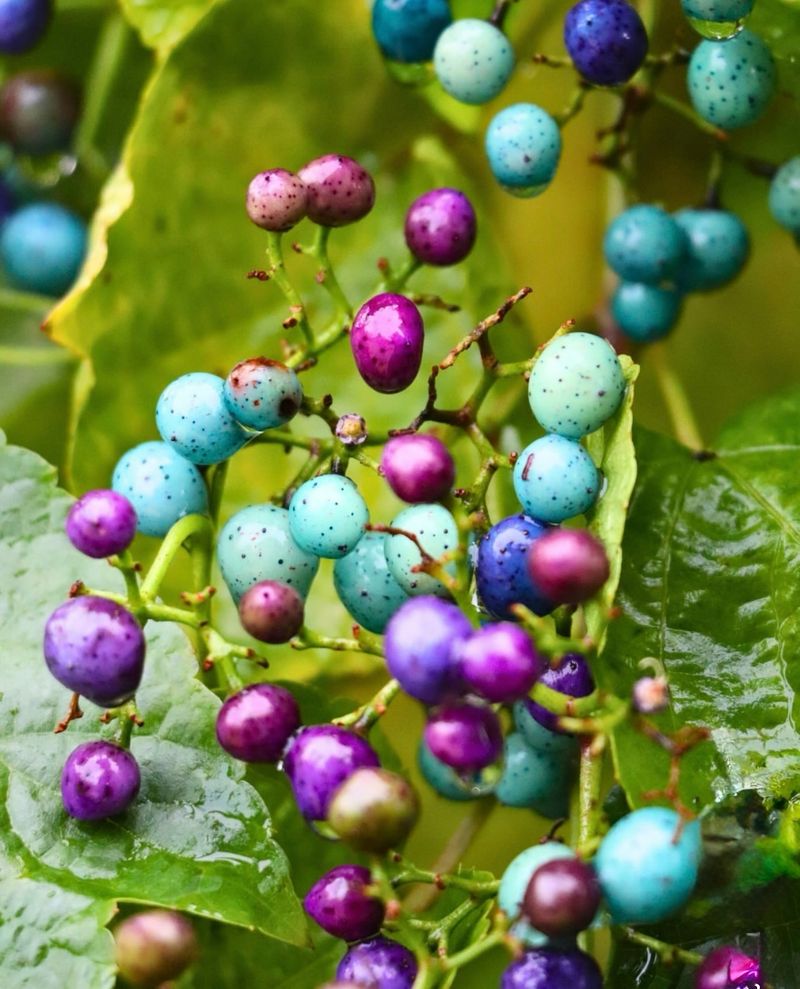
Those berries are genuinely stunning, shifting from pale lilac to turquoise to deep violet on the same cluster like little painted marbles.
Beauty aside, this vine is a strangler. Porcelainberry rockets up over shrubs and young trees, throwing a heavy leafy sheet across them that blocks sunlight and slowly kills the host.
Birds eat the colorful fruit and scatter the seeds into every open patch of ground. What you gain in eye candy you lose many times over in dead native plants.
11. Black Swallow-wort (Cynanchum louiseae)
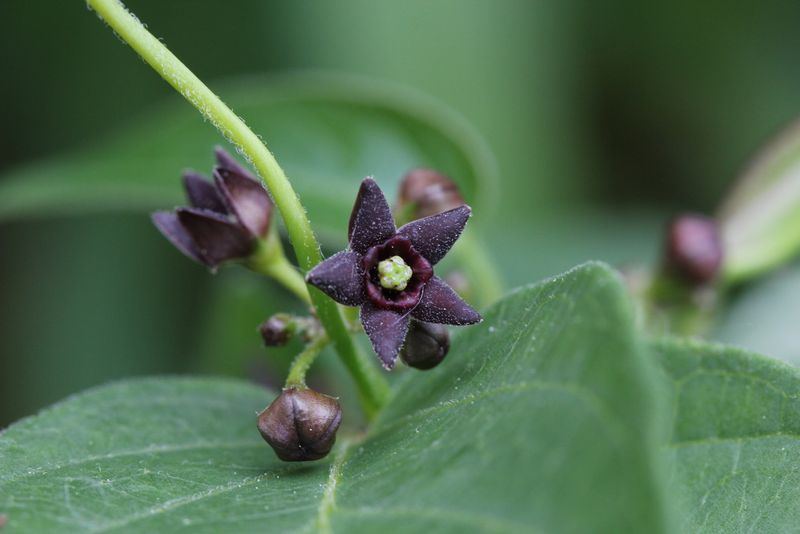
Here is one that breaks a butterfly lover’s heart, because it tricks the insects we are trying so hard to save.
Black swallow-wort is related to milkweed, so Monarch butterflies mistake it for a safe place to lay their eggs. But the plant is toxic to Monarch caterpillars, and the tiny larvae that hatch on it simply die.
Every egg laid here is a lost butterfly. The vine also spreads fast and smothers real native plants, making it a double blow to the wildlife it fools.
12. Swamp Titi (Cyrilla racemiflora)
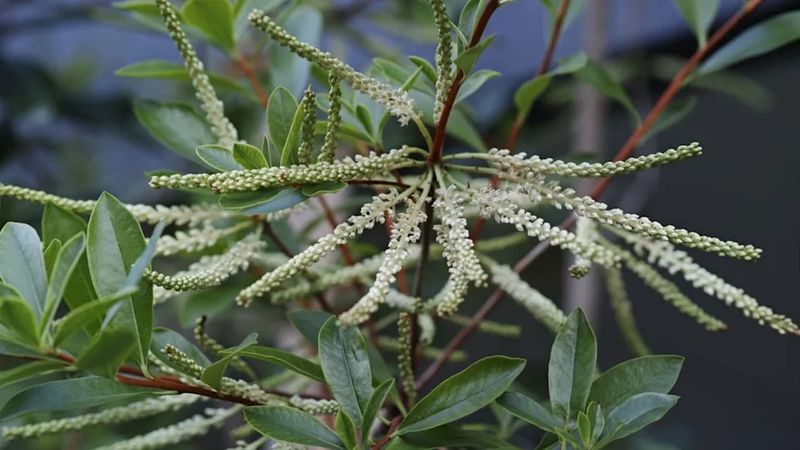
Native to southern wetlands, this shrub bursts with fragrant white flower tassels that seem like a pollinator paradise.
For honeybees, though, it carries a hidden danger. The nectar of swamp titi has been linked to a condition beekeepers call “purple brood,” which kills or deforms developing bee larvae inside the hive.
A beautiful bloom that damages the next generation of bees is not the wildlife win it appears to be. If you keep bees or live near hives, this is one to know about before planting near your apiary.
13. Yellow Jessamine (Gelsemium sempervirens)
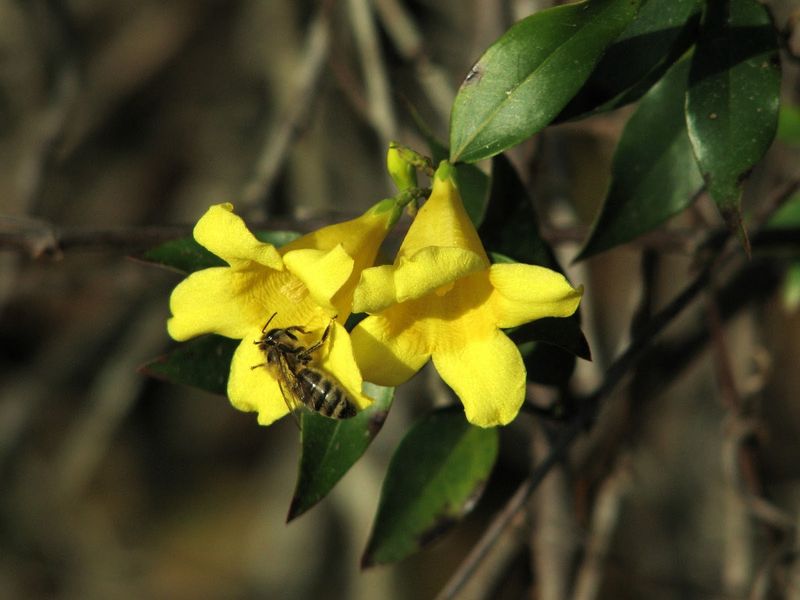
South Carolina loves this cheerful vine so much it named it the state flower, and the golden trumpets in early spring are hard to beat.
The sunny appearance hides a poison. Yellow jessamine’s nectar and pollen are toxic to honeybees, and hungry early-season foragers can die within a day of visiting the flowers.
Since it blooms when other food is scarce, bees are especially tempted by it. Pretty as it is on a mailbox arch, it can quietly thin out the bees you hoped to feed.
14. Silver Linden (Tilia tomentosa)
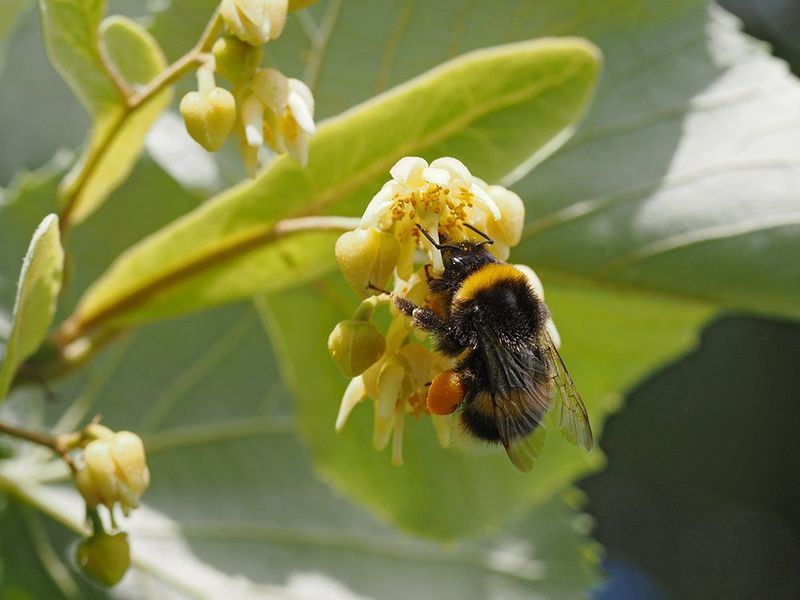
Shade, fragrance, and a gorgeous shimmer when the silvery leaf undersides flip in the wind make this a tempting street tree.
Under a blooming silver linden, however, you may find dazed or dead bumblebees on the ground. Certain linden species affect bumblebees like a narcotic, and heavy foraging on the flowers can leave them stunned or worse.
Experts still debate the exact cause, but the sight of bumblebees dropping beneath these trees is well documented. If you want a shade tree that pollinators can trust, other lindens and native trees are safer bets.
15. Rhododendron and Azalea (some non-native species)
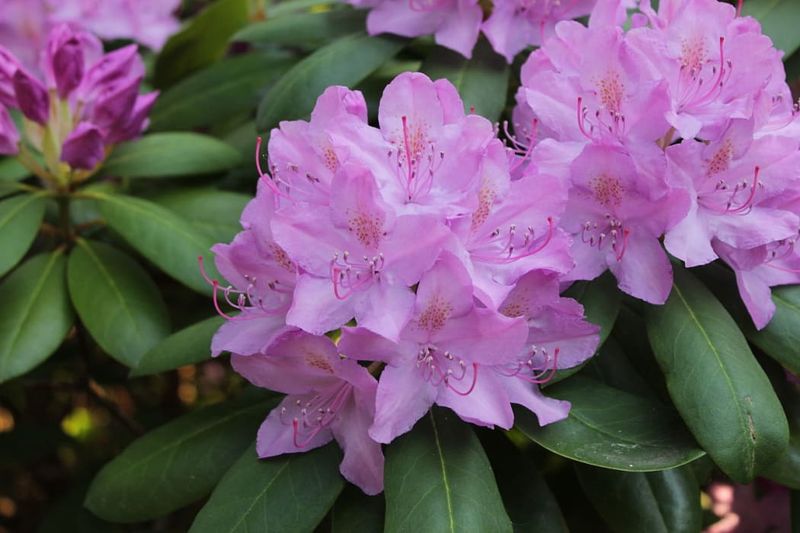
Few spring displays match a rhododendron in full bloom, its trusses of pink and purple flowers glowing in a shady corner.
Some varieties, though, contain a compound called grayanotoxin. In certain non-native species this toxin can harm honeybees and other pollinators that feed on the nectar, and it is the same chemical behind so-called “mad honey.”
Not every rhododendron is dangerous, so this is about choosing carefully rather than banning them all. Check the species before planting, and lean toward types known to be pollinator-safe or stick with regional natives.
16. Cucurbit Plants (Cucumber, Squash, Pumpkin)
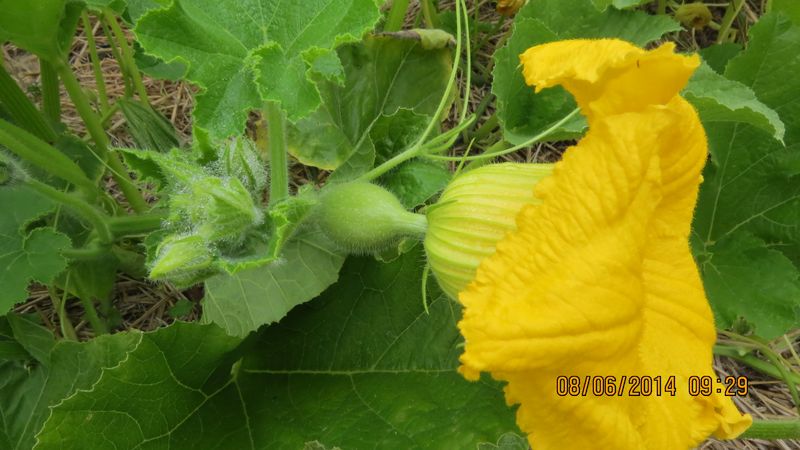
Now this one comes with a big asterisk, because nobody is telling you to rip out the pumpkin patch.
The pollen of cucurbit plants can actually be toxic to most bees if eaten in large amounts. Only specialized squash bees have evolved to forage safely on these giant orange and yellow blossoms.
So grow your cukes and pumpkins for the table with a clear conscience, just know they are not the pollinator buffet they look like. The lesson here is that a flower being big and showy does not automatically make it good bee food.
17. Milkweed (Asclepias spp.)
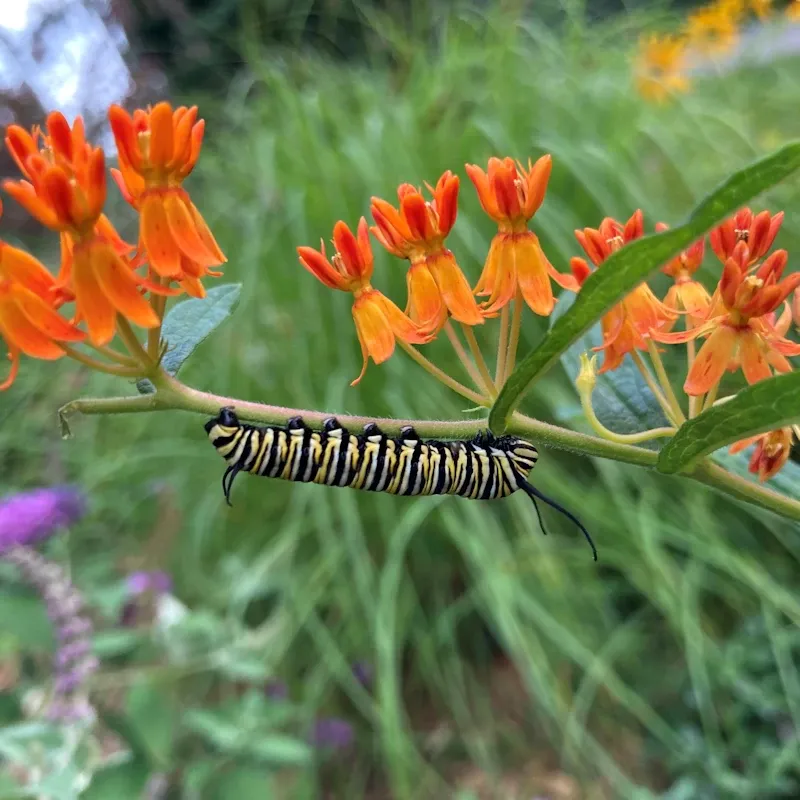
If Monarch butterflies could vote for a favorite plant, milkweed would win in a landslide, and for good reason.
Unlike the imposter swallow-wort, real milkweed is the only plant Monarch caterpillars can eat, making it the true nursery for the species. The flowers also pour out nectar for bees, wasps, and countless other pollinators.
Try common milkweed for big spaces, butterfly milkweed for its fiery orange blooms, or swamp milkweed for damp spots. Plant a patch and you will likely spot striped caterpillars munching away within a season, which is about as satisfying as gardening gets.
18. Coneflowers (Echinacea spp.)
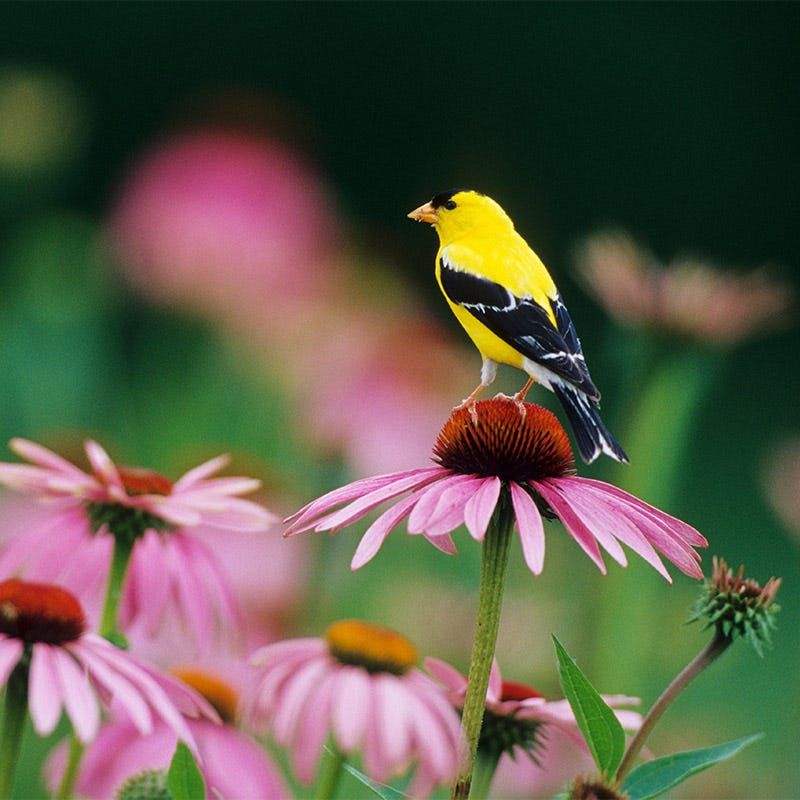
Tough as nails and cheerful all summer, purple coneflower is the plant that keeps giving long after the blooms fade.
Through the warm months, its daisy-like flowers draw bees and butterflies to sip nectar. Then in fall and winter, those spiky seed heads become a diner for finches and other seed-eating birds.
Leave the dried stalks standing instead of tidying them up, and you turn one plant into a two-season wildlife feeder. It shrugs off drought and heat too, so even nervous gardeners have a hard time killing it.
19. Wild Bergamot (Monarda fistulosa)
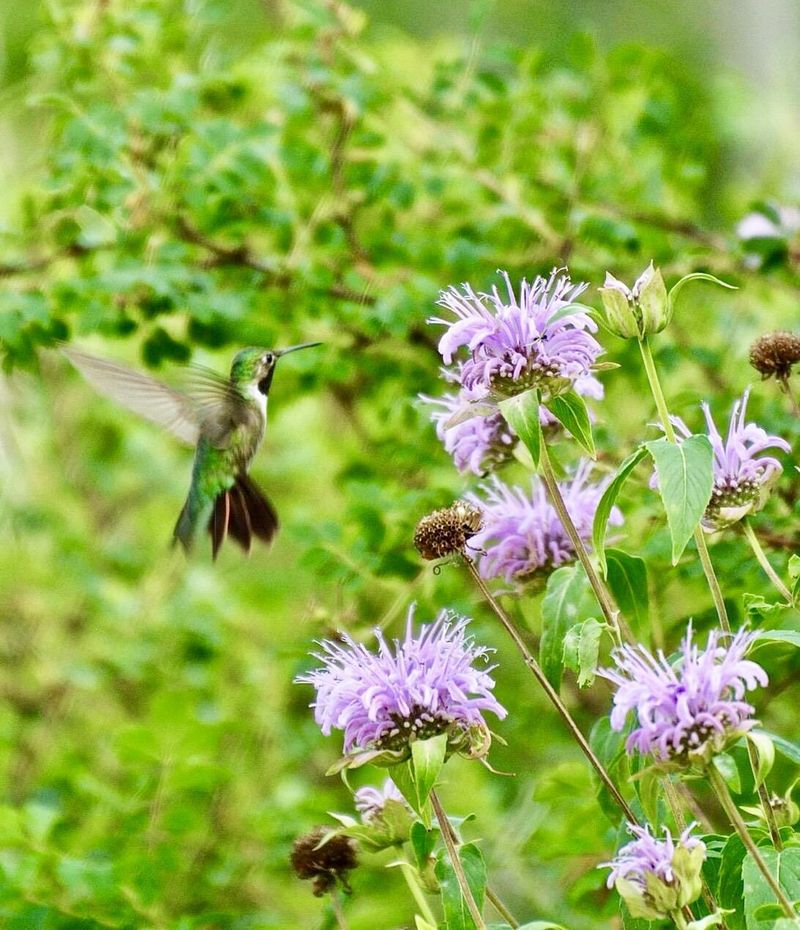
Crush a leaf of this plant and you will catch a whiff of oregano and mint, a hint at its old use in herbal teas.
Also called bee balm, wild bergamot throws up shaggy lavender flowers that hummingbirds, bees, and butterflies cannot resist. The tubular blooms are practically built for a hummingbird’s long tongue.
It spreads into a cheerful clump and adds bold color where you need it. Give it decent air circulation and sun, and this native rewards you with a buzzing, fluttering show all summer.
20. Goldenrod (Solidago spp.)
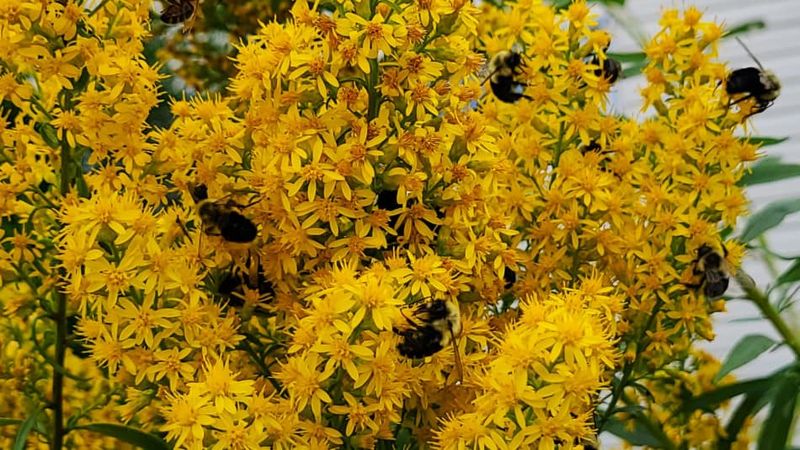
Poor goldenrod gets blamed for fall allergies it never caused, when the real culprit is the ragweed blooming nearby.
Set that myth aside and you have one of the most valuable native plants around. Goldenrod is a keystone species, pouring out nectar and pollen exactly when late-season bees and migrating butterflies need fuel the most.
Come autumn, its golden plumes hum with insect activity while most other flowers have quit. Plant a clump-forming type if you want the beauty without the aggressive spreading, and watch it become the busiest spot in your fall garden.
21. Serviceberry (Amelanchier spp.)
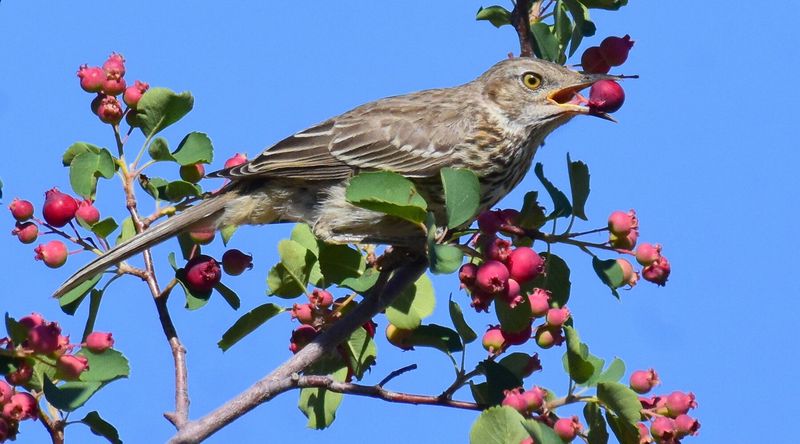
Few small trees pull double duty as gracefully as serviceberry, earning its place in yards big and small.
In early spring, before much else has woken up, it opens clouds of white flowers that give bees an urgently needed first meal. By early summer those blooms turn into sweet berries that birds absolutely mob.
You even get a bonus of blazing fall color. Whether you grow it as a shrub or a small tree, it delivers food and shelter across three seasons, which is exactly what a wildlife garden wants.
22. Native Sunflowers (Helianthus spp.)
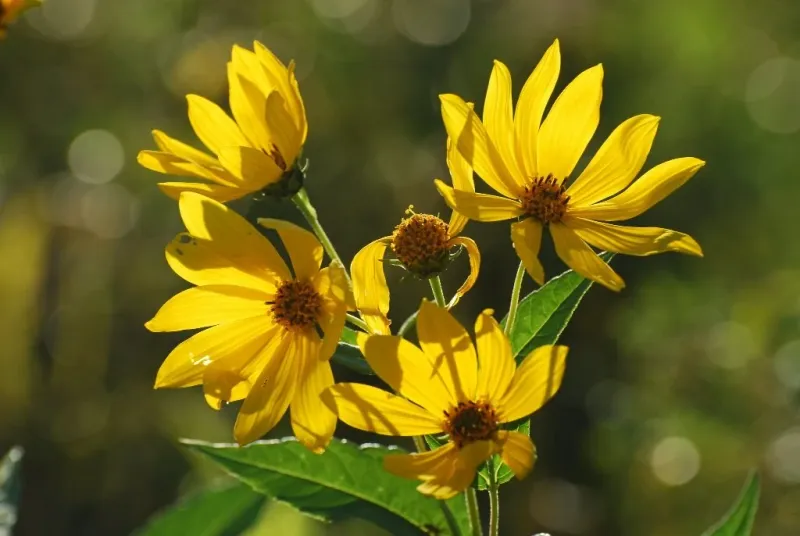
Everyone knows the giant grocery-store sunflower, but the native perennial kinds are the real wildlife workhorses.
Woodland sunflower and oxeye sunflower bloom in bright yellow drifts that bees and butterflies swarm for nectar. When the petals drop, the packed seed heads become a favorite feast for finches, chickadees, and other birds.
They come back year after year without replanting, spreading into sunny colonies that light up late summer. For a plant that feeds pollinators and birds while asking almost nothing in return, native sunflowers are hard to beat as a finishing touch to your wildlife garden.