
If You Keep Ripping Goosegrass Out Of Your Driveway Cracks, Here’s The Ancient Wound Remedy Hiding In Its Sticky Stems
That sticky weed clinging to your socks after a morning of driveway weeding has a surprisingly long history in traditional medicine. Before you toss it in the yard waste bin, it’s worth knowing which plant you’re actually dealing with, what herbalists believed it could do, and what modern science has actually tested.
The honest answer is more interesting than the headline suggests, and a lot more nuanced than “rub it on a cut.”
The “goosegrass” in this story may not be a grass
“Goosegrass” sounds like a precise name, but plant common names are notoriously unreliable. In most U.S. weed guides, goosegrass refers to Eleusine indica, a low-growing grass with a distinctive finger-like seed head that you’ll find flattened against lawns and sidewalk edges.
That plant and the one behind the wound-remedy story are entirely different species, and mixing them up matters because the medicinal evidence applies to only one of them.
The plant most likely described in traditional wound-remedy accounts is catchweed bedstraw, also called cleavers or stickyweed, with the scientific name Galium aparine. According to the NC State Extension plant profile for Galium aparine, “goosegrass” is listed as one of its regional common names, which explains the confusion.
The two plants share a nickname but share nothing else botanically.
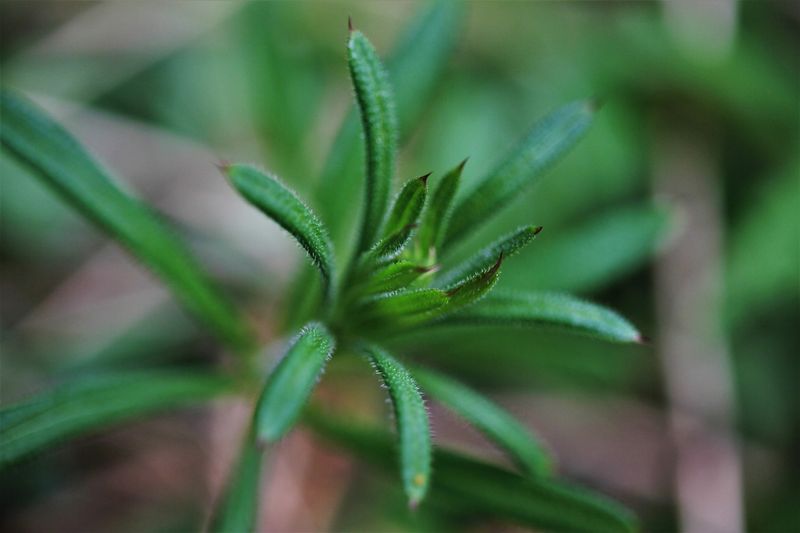
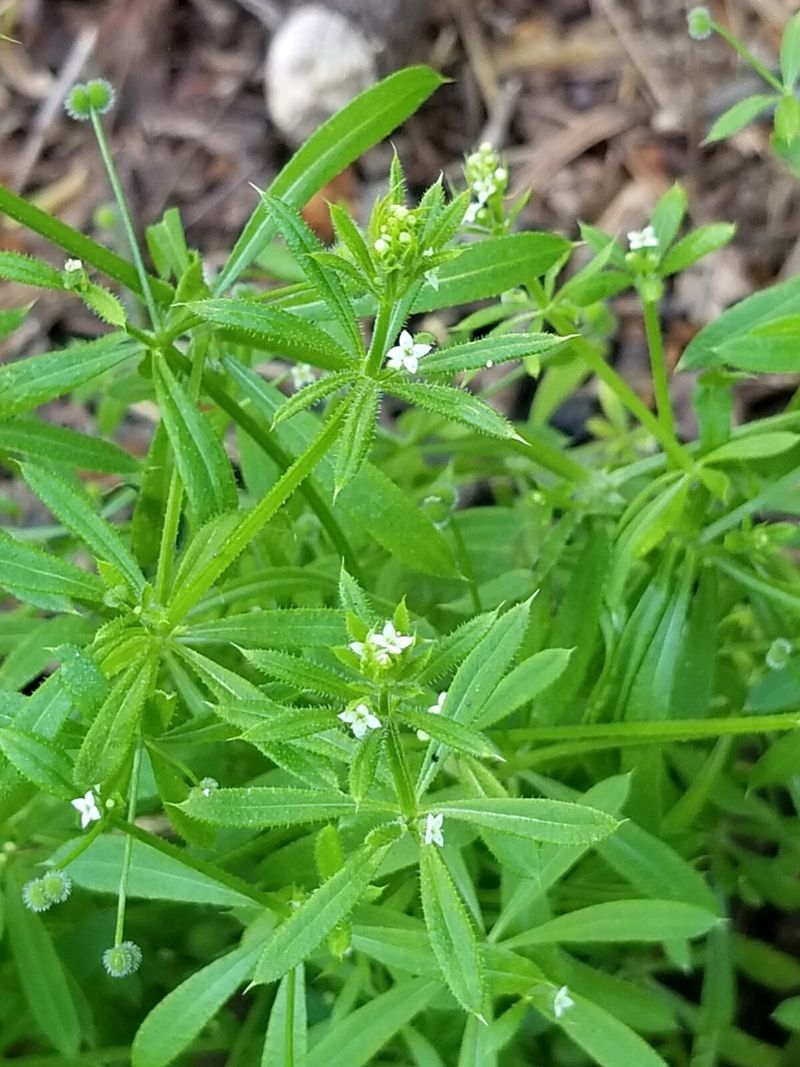
Galium aparine is not a grass at all. Its stems are weak and four-sided rather than round, and the leaves grow in whorls, meaning six to eight narrow leaves radiate outward from each point along the stem like spokes on a wheel.
According to the Wisconsin Horticulture catchweed bedstraw profile, the plant belongs to the madder family and grows as a sprawling annual in disturbed ground, garden beds, woodland edges, and moist soils.
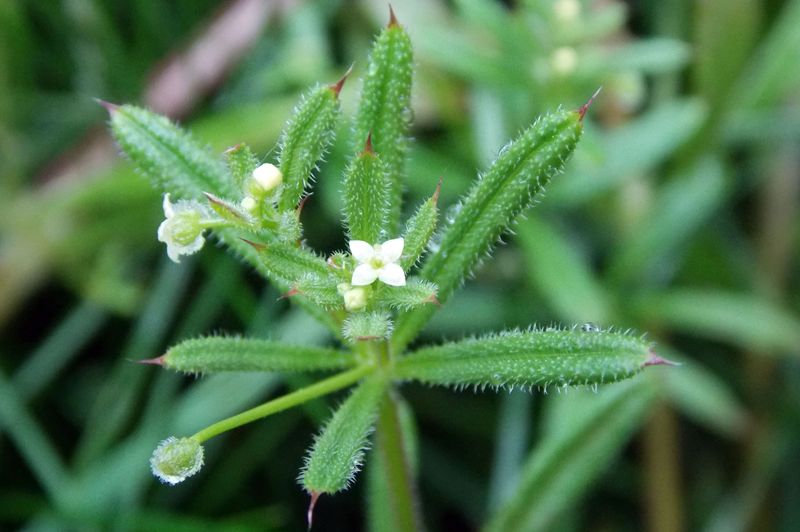
The telltale feature is texture. Run your fingers along a stem toward the tip and it feels smooth enough, but drag them back toward the base and tiny hooked hairs catch your skin.
Penn State Extension’s catchweed bedstraw guide notes that these hooks appear on the stems, leaves, and seed pods, giving the whole plant that Velcro-like grip on clothing and fur. If the weed in your driveway crack matches all of those traits, square stem, whorled leaves, and hooked hairs, you are probably looking at Galium aparine.
If it looks like a flat, finger-seeded grass, you have Eleusine indica, and none of the wound-related history or research discussed here applies to it.
Its stickiness helps it cling—it does not prove clotting
Picking up a handful of catchweed bedstraw and feeling it stick to your palm is a memorable experience, and it’s easy to leap from “this clings to skin” to “this must stop bleeding.” That leap skips over the actual mechanism, which turns out to be purely physical rather than chemical.
The hooks on Galium aparine are structural features shaped by evolution to help the plant disperse its seeds. When an animal or a person brushes past, the curved hairs catch on fur, fabric, or skin and the plant hitches a ride.
The Penn State Extension catchweed guide describes this as a mechanical adaptation for seed dispersal, not a biochemical interaction with blood or tissue.
Mechanical attachment to a surface is categorically different from triggering coagulation. A true styptic agent, something like alum or certain plant tannins, interacts with proteins in blood or tissue to constrict vessels or accelerate clotting.
The hooks on Galium aparine do nothing of the kind. They grip whatever they touch by shape alone, the same way a burr grips a wool sweater.
None of the sources reviewed for this article located any study demonstrating that fresh Galium aparine stems or juice stop bleeding in human or animal wounds. The Wisconsin Horticulture profile describes the hooks in terms of the plant’s clinging habit, with no mention of hemostatic properties.
Feeling a plant stick to your hand is satisfying in a strange way, but that sensation tells you about the plant’s seed-dispersal strategy, not its chemistry. The sticky quality that makes catchweed bedstraw such an aggravating weed to pull out of a garden bed is the same quality that makes the wound-remedy story feel plausible at first glance, but plausibility based on texture is not the same as evidence.
Traditional use is real, but the battlefield story is unproven
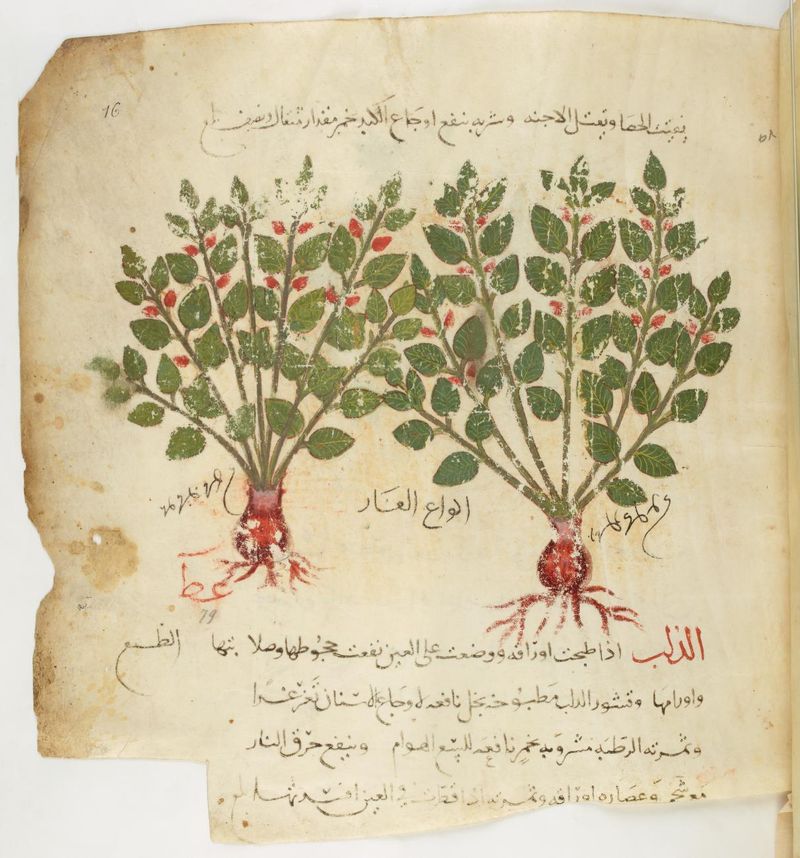
Catchweed bedstraw does appear in genuine historical medicine, and that part of the story deserves a fair hearing. The Greek physician Dioscorides, writing in the first century CE, compiled De Materia Medica, one of the most influential herbals in Western history.
The surviving translation of De Materia Medica describes the juice of a plant identified with this genus being taken for snakebites and other complaints, reflecting the broad range of ailments ancient practitioners believed plant preparations could address.
Later European herbal traditions continued to record topical uses for Galium aparine. The University of Michigan CLIMBERS database entry for Galium aparine notes documented folk medicinal uses including topical applications for skin irritation, burns, ulcers, swelling, and wounds across multiple cultures and time periods.
These are records of use and belief, not records of clinical outcomes or standardized treatment protocols.
That distinction matters enormously. Historical herbalists did not run controlled trials.
They observed, recorded, and passed on practices that seemed useful, but “seemed useful” in a pre-scientific context could mean many things: the wound healed on its own, the placebo effect reduced perceived pain, or the preparation genuinely contained active compounds. All three explanations are possible, and historical documentation alone cannot tell us which applied.
The specific claim that ancient soldiers carried sticky stems as a battlefield pharmacy, pressing them directly onto wounds to stop bleeding and prevent infection, is a vivid story, but the located translation of Dioscorides does not establish it. The historical record supports the conclusion that Galium aparine was a recognized medicinal plant in classical and folk traditions associated with skin-related complaints.
It does not support the narrower claim that it was a reliable, field-proven clotting or disinfecting treatment. Those are two meaningfully different things, and keeping them separate is the only honest way to read the historical evidence.
Laboratory findings suggest a possibility, not a first-aid remedy
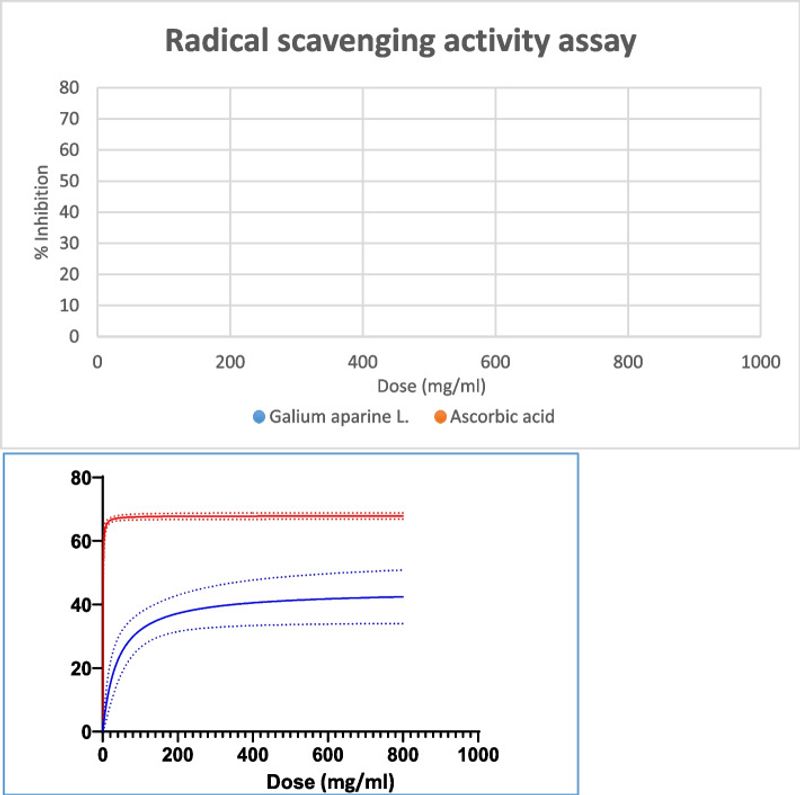
Modern researchers have taken Galium aparineGalium aparineStaphylococcus aureus seriously enough to test it under controlled laboratory conditions, and the results are genuinely interesting, as long as you read them carefully. A 2024 study published in BMC Complementary Medicine and Therapies used an authenticated hydroalcoholic extract of and tested it against selected bacteria, including .
The extract showed measurable antibacterial activity against the tested organisms, with stronger results against some bacteria than others.
The same study used cultured human dermal fibroblasts and endothelial cells in what researchers call a scratch assay. In this type of test, scientists create an artificial gap in a layer of cells growing in a dish, then measure how quickly the cells migrate to close that gap when exposed to the extract.
The assay is a standard early-stage tool for studying cell behavior related to wound closure. The extract improved gap closure compared to untreated cells.
Those findings are worth noting, but the study design also defines their limits. The researchers did not test a freshly pulled stem.
They did not apply plant material to a bleeding wound. They did not study infection prevention in living people, nor did they compare the extract against standard wound-care products like antiseptic ointments or sterile dressings.
A scratch assay measures cell migration in a dish, not healing in a person with a contaminated driveway cut.
The authors of the study acknowledged these boundaries directly, stating that animal studies and clinical trials are still needed before any wound-related use could be recommended. That is standard scientific caution, and it reflects where the evidence genuinely sits: promising enough to investigate further, but nowhere near strong enough to recommend applying a weed to a cut.
The gap between a laboratory petri dish and a bleeding hand on a driveway is wide, and this study, as well-designed as it is, does not bridge it.
A controlled extract is not the same as a driveway weed
Reading about a laboratory extract showing antibacterial activity can make it tempting to think: “The plant works, so I’ll just use the plant.” That reasoning skips a critical step, because the material tested in the lab and the weed in your driveway crack are not equivalent in any meaningful way.
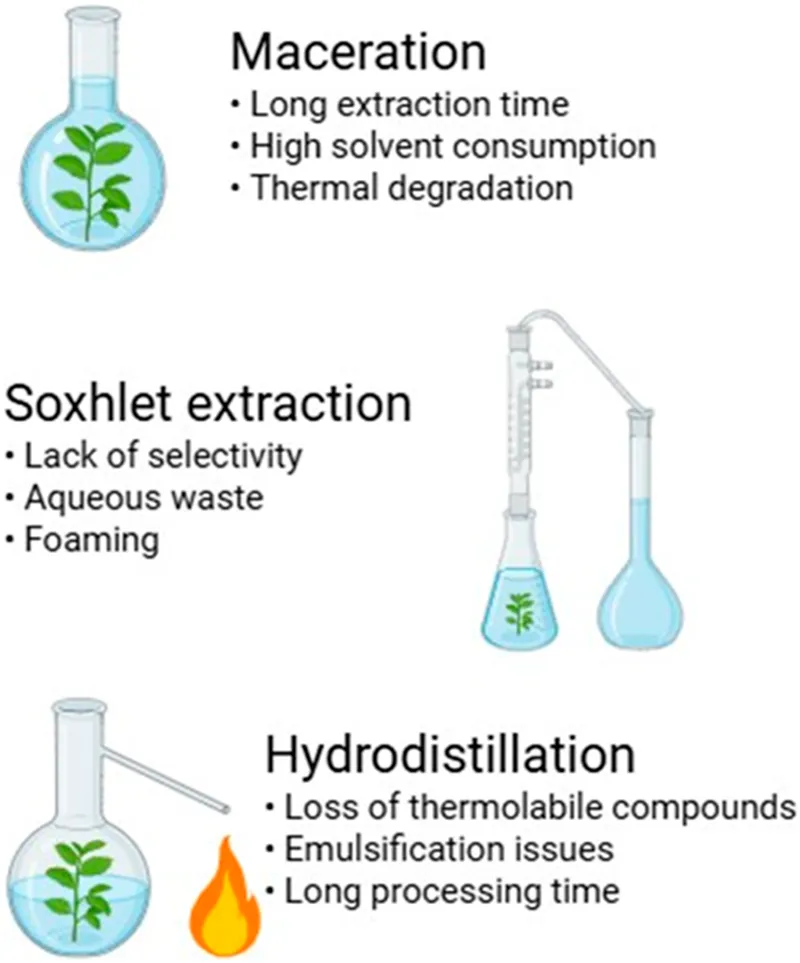
The 2024 study used an authenticated specimen, meaning the plant’s identity was confirmed by a qualified botanist before testing began. Researchers then prepared a hydroalcoholic extract at specified concentrations using controlled solvents.
Every variable, species identity, plant part, solvent type, extraction conditions, and dosage, was documented and controlled. That level of precision is what makes the results reproducible and interpretable.
A stem pulled from a driveway crack offers none of those controls. You cannot be certain of the species without botanical expertise.
You do not know the plant’s age, how much active compound it contains, what pesticides or road chemicals may have drifted onto it, or what microorganisms are living on its surface. Driveway plants grow in disturbed soil that may contain motor oil residue, heavy metals, animal waste, and a wide variety of bacteria.
Pressing that material into an open wound does not replicate a laboratory extraction. It introduces an unpredictable mixture of substances into a break in your skin.
The antibacterial activity observed in the study applied to selected organisms under controlled conditions. That finding cannot be generalized to mean that raw plant material will neutralize whatever bacteria happen to be on your driveway or in your wound.
One additional study in the research literature characterized the overall antimicrobial activity of Galium aparine preparations as selective and generally weak to moderate, dependent on the solvent used and the specific organism tested. “Selective and moderate” under ideal lab conditions is a far cry from broad protection against an unknown mix of driveway contaminants. The plant is interesting.
The weed in your crack is not the same thing as the extract in the study.
For a minor cut, use standard wound care
When you nick yourself pulling weeds or scrape your hand on the driveway edge, the impulse to grab the nearest plant and press it on the wound is understandable. Herbalists have done exactly that for centuries.
But the safest and most effective response to a minor cut follows a sequence that has nothing to do with what’s growing nearby.
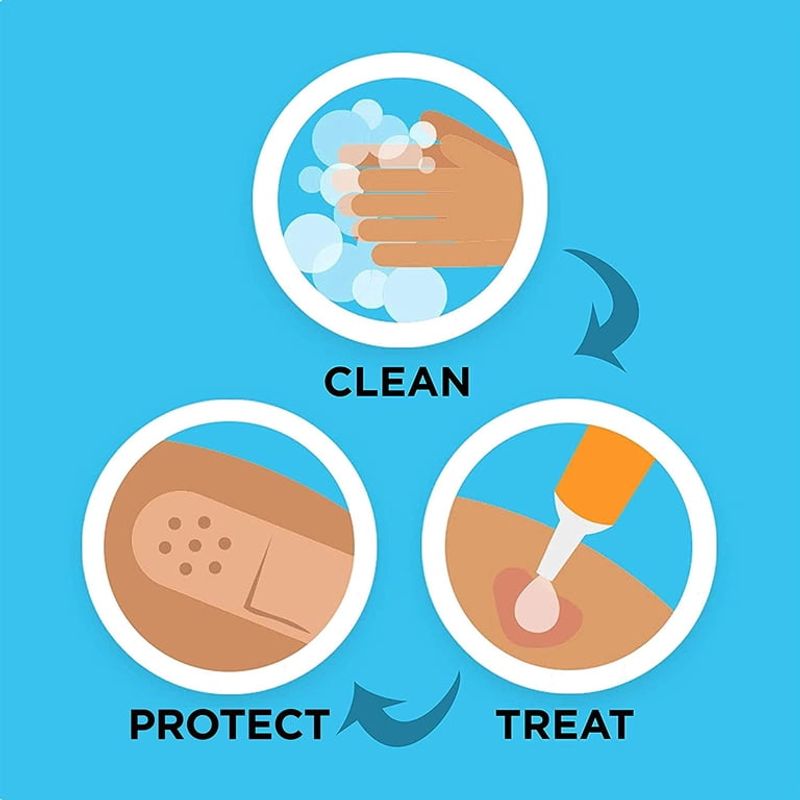
Start by washing your hands thoroughly before touching the wound. Then apply firm, direct pressure using a clean cloth or gauze to control bleeding.
Most minor cuts stop bleeding within a few minutes of steady pressure. Once bleeding is controlled, rinse the wound itself under clean running water for several minutes to flush out dirt and debris.
MedlinePlus wound care guidance recommends washing the skin around the wound with soap while keeping soap out of the wound itself, then applying petroleum jelly or an appropriate ointment to keep the area moist and reduce scarring risk. Cover it with a clean bandage or dressing, and change the dressing daily or whenever it gets wet or dirty.
That sequence works because it addresses the actual risks: contamination, continued bleeding, and the conditions that allow infection to take hold. A freshly pulled driveway weed, whatever its traditional reputation, cannot substitute for any step in that sequence.
Pressing raw plant material into an open wound skips the cleaning step entirely and adds an unknown quantity of soil microbes, surface debris, and plant compounds to a break in your skin barrier.
Pointing that out is not a dismissal of every plant-based remedy in history. Traditional medicine has contributed real knowledge to pharmacology.
The point is narrower: an unidentified, unclean plant pulled from a driveway is not an appropriate first-aid tool for an open wound, and standard wound care is both safer and better supported by evidence than any fresh-stem application could be right now.
The injury may matter more than the weed
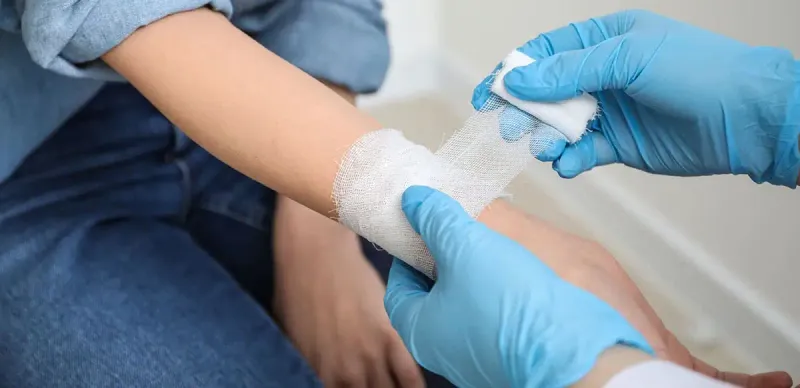
When something sharp catches your hand in the driveway, the plant you were pulling is quickly the least important part of the situation. The wound itself, its depth, shape, and what caused it, determines the real risks you need to manage.
Puncture wounds and cuts contaminated with dirt or soil carry a specific concern that many people underestimate: tetanus. Clostridium tetani, the bacterium responsible for tetanus, can survive in soil for years and enters the body through breaks in the skin.
CDC clinical guidance for wound management and tetanus prevention classifies puncture wounds and wounds contaminated with dirt or soil as higher-risk situations that require careful review of the patient’s vaccination history. If your last tetanus booster was more than five years ago and the wound was caused by something dirty, a call to your doctor or a visit to an urgent care clinic is appropriate.
Beyond tetanus, certain wound characteristics signal that home care is not enough. MedlinePlus lists the following as reasons to seek medical care: bleeding that is severe or does not stop after 10 to 15 minutes of firm pressure, a wound that is deep or has edges that gape open and may need stitches, debris that cannot be removed with rinsing, any loss of sensation or movement near the wound, and wounds caused by animal or human bites or by punctures from dirty or rusty objects.
Signs of infection developing in the days after the injury also warrant professional attention. Watch for increasing pain rather than decreasing pain, warmth, swelling, any drainage or pus, or a red streak spreading outward from the wound.
Each of those signs means the body is not handling the injury on its own, and waiting to see whether a home remedy helps is not the right call at that point.
Keep the curiosity, not the dangerous shortcut
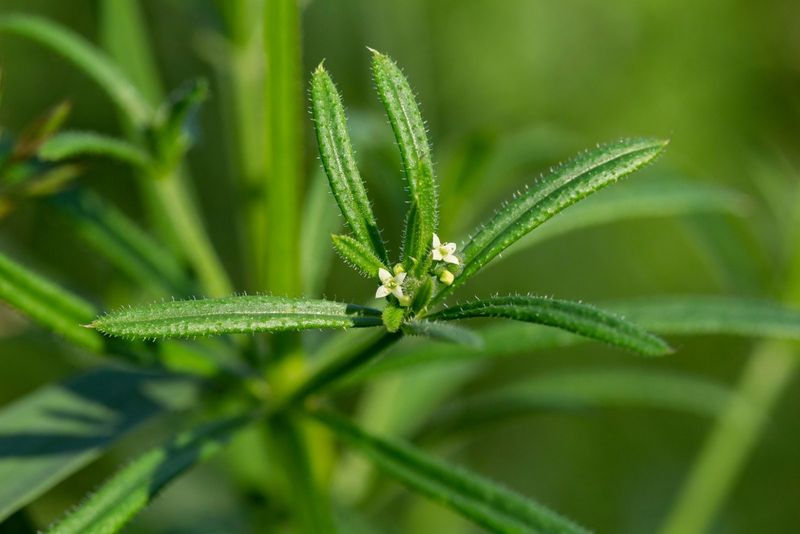
Catchweed bedstraw, or Galium aparine, is a genuinely fascinating plant once you know what you are looking at. Its distinctive square stems, whorled leaves, and hooked hairs set it apart from every other weed in your driveway, and its long history in traditional medicine across multiple cultures reflects real human curiosity about the plants growing underfoot.
The 2024 laboratory study showing antibacterial activity and improved cell closure in scratch assays is a legitimate scientific finding, worth following as researchers move toward animal and clinical testing. That is how plant-based medicine has always moved forward: from traditional observation, to laboratory testing, to rigorous human trials.
Galium aparine may eventually contribute something useful to wound care through that process.
Right now, though, the evidence stops well short of “press it on a cut.” Standard wound care, clean hands, firm pressure, running water, a dressing, and attention to tetanus status when the wound warrants it, remains the right response to a driveway cut. Identify the sticky weed, learn its name, appreciate its odd evolutionary trick, and then treat your cut the way the evidence actually supports.
The plant is more interesting when you understand it than when you mythologize it.