
If You Want A Border That Looks Better Every Year, Here Are 14 Shrubs That Fill In Bigger And Bloom Harder As They Age
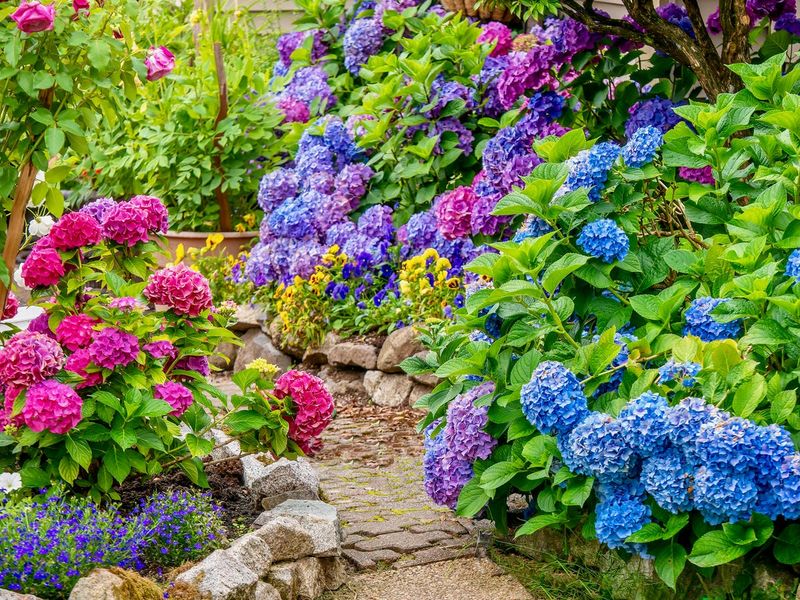
Some shrubs actually reward you for leaving them alone. Instead of fading or falling apart, they get wider, fuller, and covered in more flowers every single season.
If you have ever worried that you are doing something wrong when a plant looks small its first year, relax. These 14 shrubs are built to grow into your garden slowly and steadily, so your border looks better the longer you own it.
1. Weigela
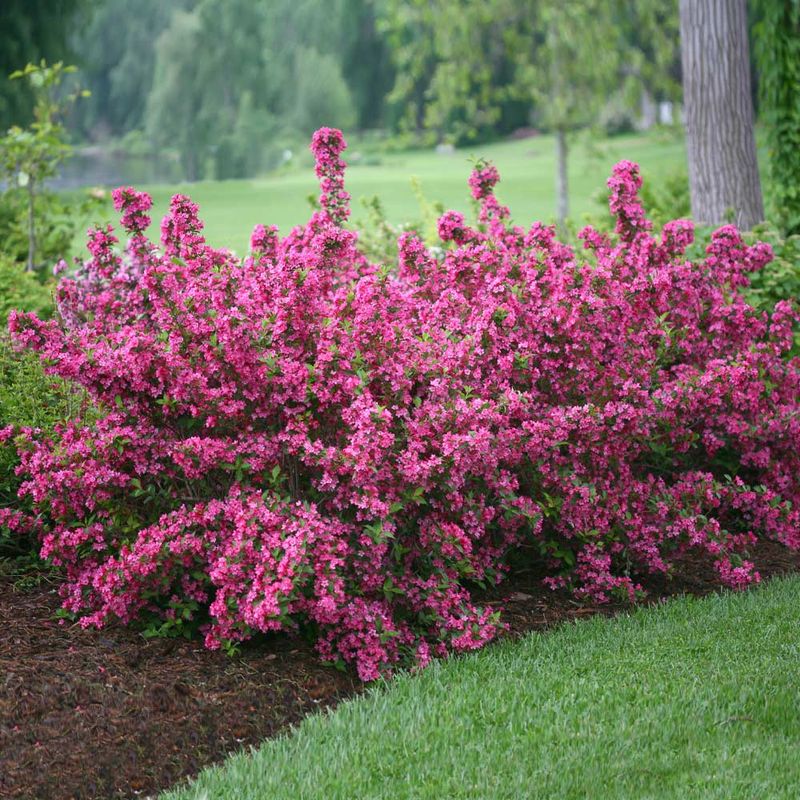
Picture a shrub that hums with hummingbirds every May, and you have got weigela. Those tubular pink, red, or white flowers are practically a landing pad for pollinators, and the show gets bigger as the plant packs on woody growth.
Weigela can climb anywhere from 3 to 10 feet tall depending on the variety, and it often throws out a few surprise reblooms later in summer. The main flush hits in late spring to early summer, then it teases you with sporadic flowers through the season.
To keep yours flowering hard, prune it right after that spring show finishes. Snipping older interior branches in late winter also freshens the plant and pushes more blooms.
Give it full sun to light shade, and enjoy the bonus that deer and rabbits tend to leave it alone. Weigela is happy in USDA Zones 4 to 8.
2. Potentilla (Shrubby Cinquefoil)
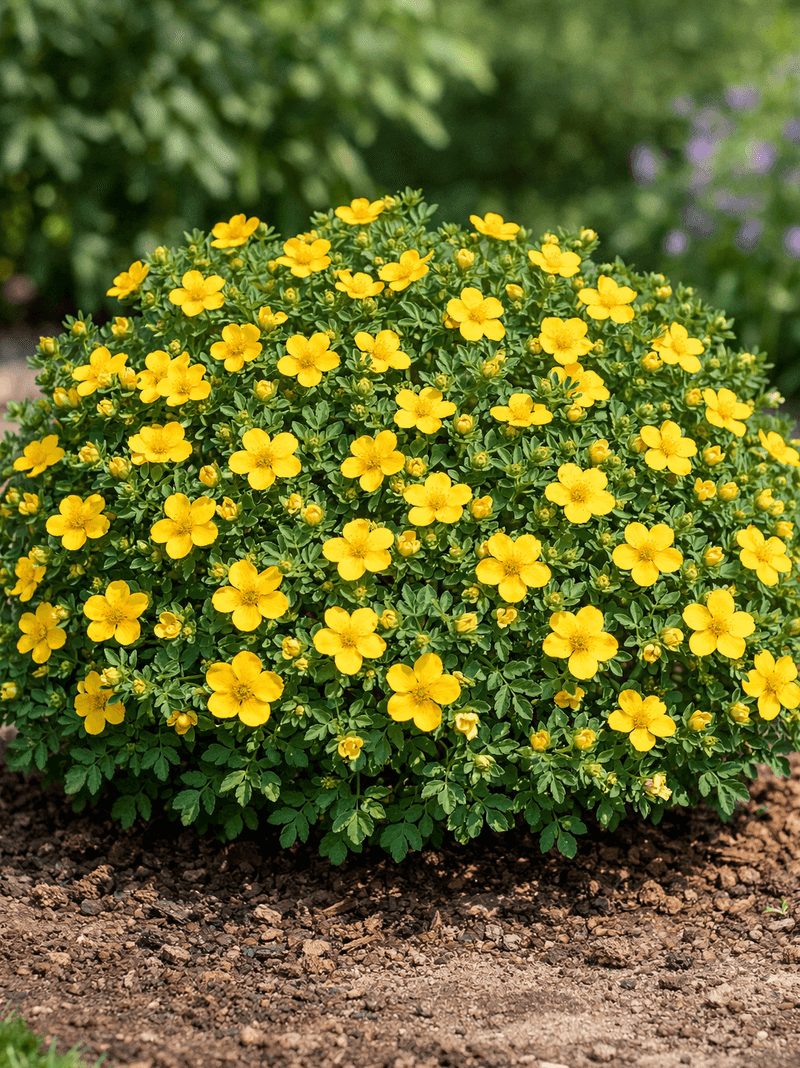
Few shrubs work as long a shift as potentilla. Those little five-petaled flowers open in late spring and just keep coming, often trickling all the way into early fall as the plant settles in.
It is a tough, tidy little thing that shrugs off cold and drought once its roots take hold. New plants do need regular water, but established ones can handle dry spells without complaint.
Give it full sun to partial shade, because skimpy light means skimpy flowers. Prune lightly in late winter or early spring to clear dead wood, but do not go overboard since it blooms on old wood.
If yours is loafing instead of blooming, check the sunlight first and ease up on fertilizer, since too much just grows leaves. Potentilla is rugged enough for USDA Zones 2 to 7.
3. Flowering Quince
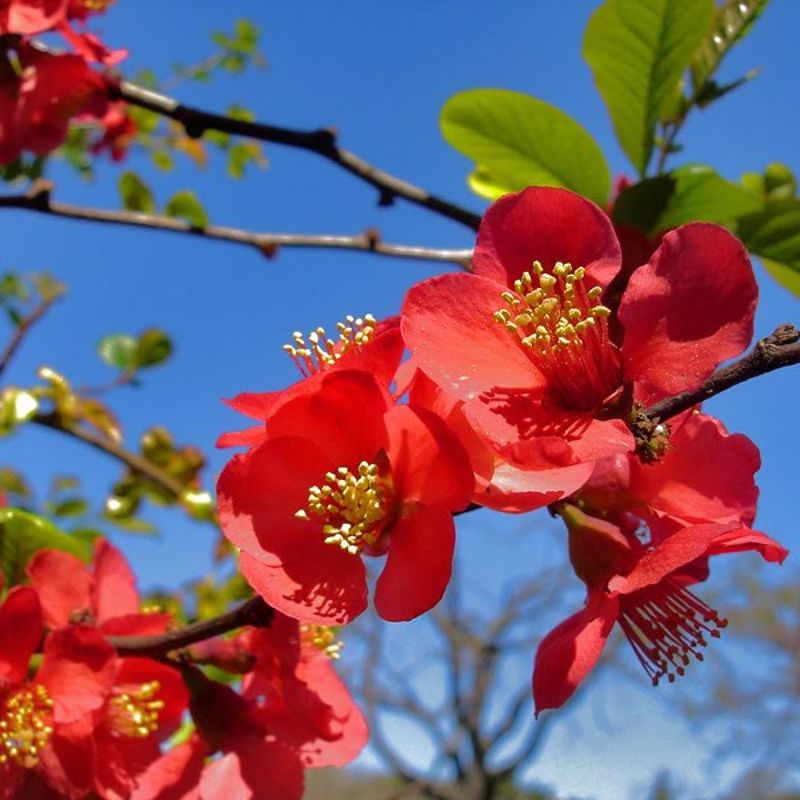
When almost nothing else is awake, flowering quince bursts open with bold color straight off its bare stems. Those vivid flowers show up in late winter to early spring, often before a single leaf appears, and it feels like a gift after a long winter.
Over the years it thickens into a dense, spreading thicket that can live for decades with barely any fuss. That maturity is exactly why the display gets more dramatic as time goes by.
Plant it in full sun to light shade, aiming for at least five hours of direct light a day, and you will get the most blooms. Prune in spring right after the flowers fade, since buds form on old wood, and skip any severe chopping.
It is a hardy, low-effort pick for a wide swath of US gardens.
4. Lilac
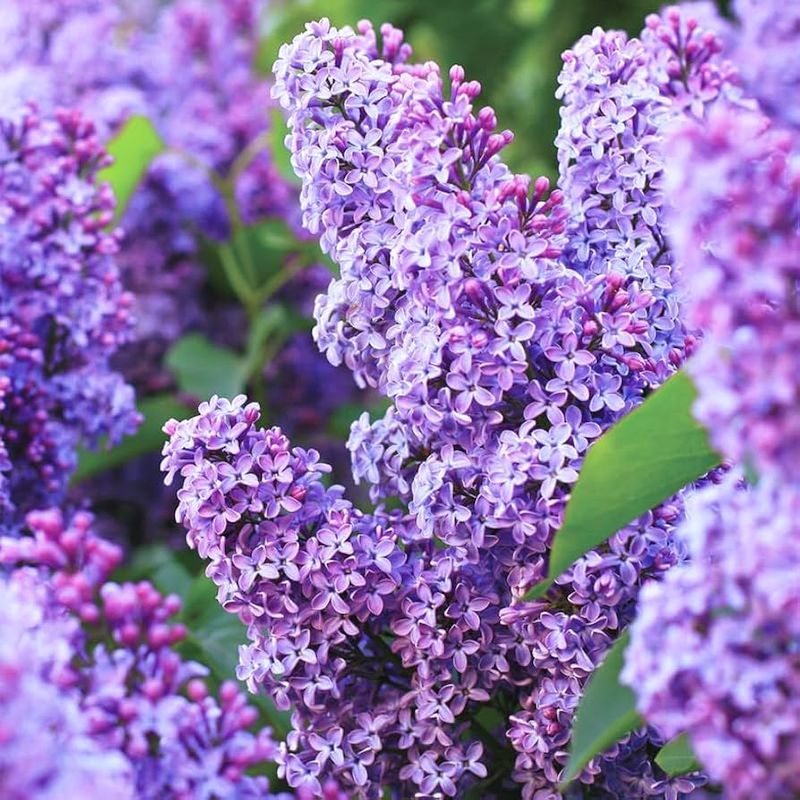
Did you know some lilacs have been blooming for over a hundred years? These fragrant classics are true heirlooms, and the older they get, the heavier and healthier the flowering becomes as old and new stems mingle.
That perfume alone is worth the wait, and a mature lilac in full bloom can stop you in your tracks on an evening walk.
For the best show, plant yours in full sun with at least six hours of light and well-drained, humus-rich soil. The biggest secret to more flowers is pruning right after the blooms fade in late spring, so you never accidentally cut off next year’s buds.
Go easy on nitrogen-heavy fertilizer, which can hand you lush leaves and few flowers; a spring topping of compost usually does the trick. Lilacs thrive in USDA Zones 3 to 8.
5. Shrub Roses (Knock Out and Drift)
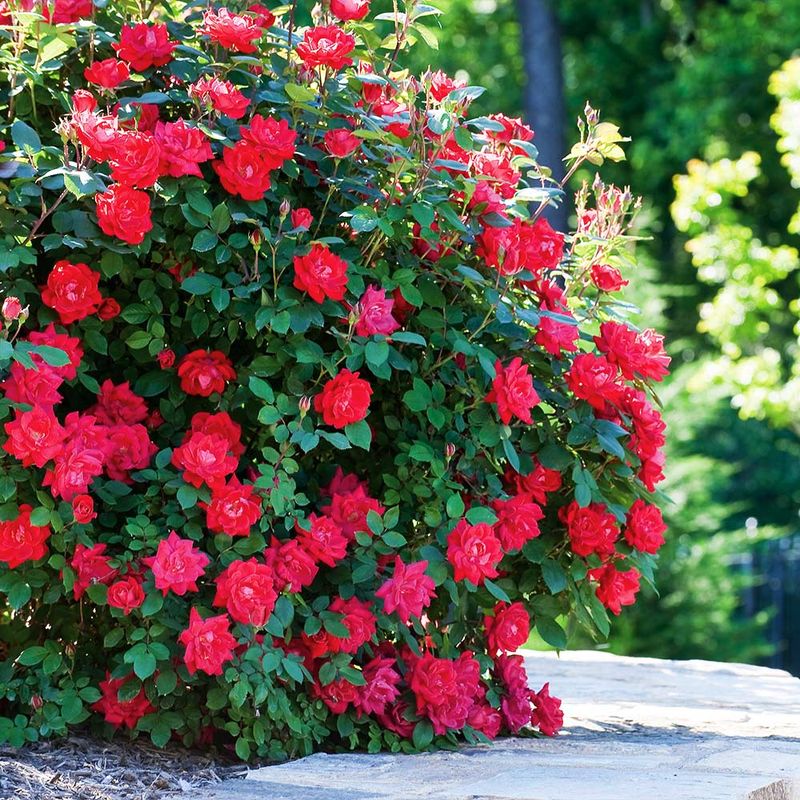
Nervous about roses? Knock Out and Drift shrub roses were basically bred for people who swear they kill everything.
They bloom from spring right through fall, and they get tougher and more flower-packed as they mature.
Disease resistance is where these really shine, so you skip the fussy spraying that scares beginners away from roses.
Set them in full sun with at least six hours of direct light and well-draining soil, and they will reward you generously. Many Knock Out types bloom so heavily that deadheading is basically optional.
Once established, they tolerate a range of soils, including dry or sandy spots that would sulk other plants. A lot of varieties are hardy in USDA Zone 4 and up.
6. Azaleas
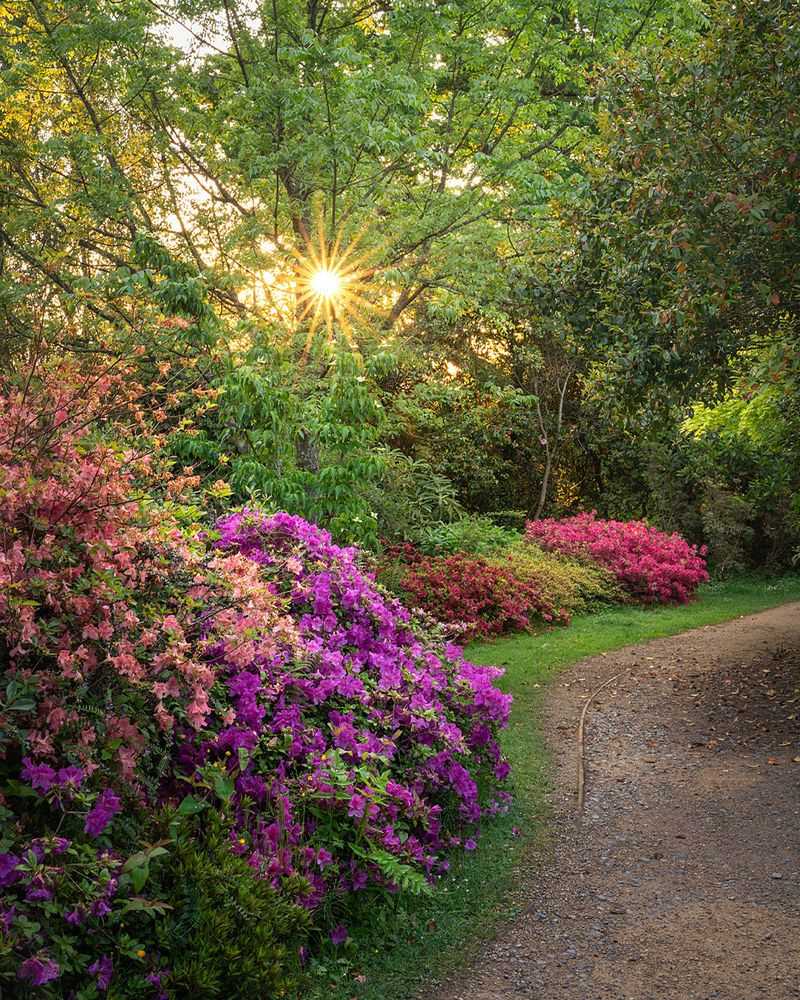
An azalea in peak spring bloom looks like someone spilled a bucket of color across your yard. These long-lived shrubs keep expanding their flower power over many years, and reblooming types like the Encore series toss in an encore of blooms in late summer and fall.
They are woodland plants at heart, so they crave cool, partly shaded spots, like the dappled light beneath pine trees.
Give them acidic, well-drained, organic-rich soil and shield them from harsh afternoon sun to prevent scorched leaves and pest headaches. Fertilize after the spring blooms fade to fuel next year’s show, and prune right after flowering to shape and encourage reblooming types.
If yours is a tired old overgrown mess, you can cut it back to 6 to 12 inches before spring growth, though you will sacrifice one year of flowers. Azaleas adapt to a wide range of climates.
7. Rhododendrons
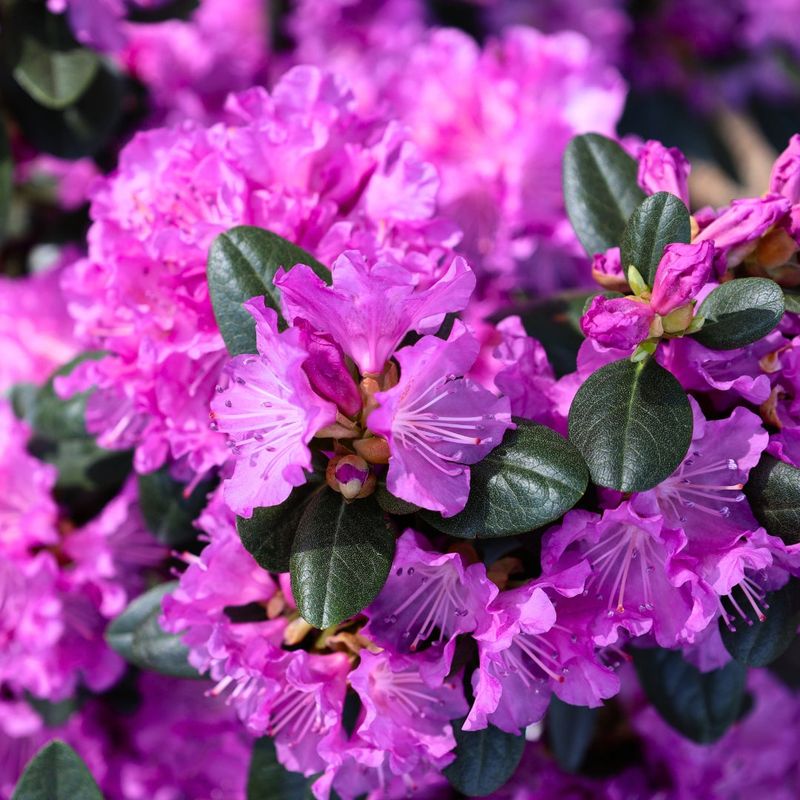
Cousins to azaleas but bolder in every way, rhododendrons put on dramatic clusters of spring flowers above glossy evergreen leaves that stick around all winter. Given time, they can become the majestic centerpiece of a border, blooming harder as they bulk up.
The evergreen foliage means they still earn their keep even in the cold months, which not every flowering shrub can claim.
They love dappled sunlight, cool roots, and rich, acidic soil, and they ask for little once settled. Prune right after they finish blooming, because next year’s buds form on old wood during summer.
A mid-spring feeding with an organic, acid-loving formula can push healthier growth and more flowers down the road. Rhododendrons handle USDA Zones 4 to 8, with some hardy varieties tolerating temperatures as low as minus 30 degrees.
8. Spirea
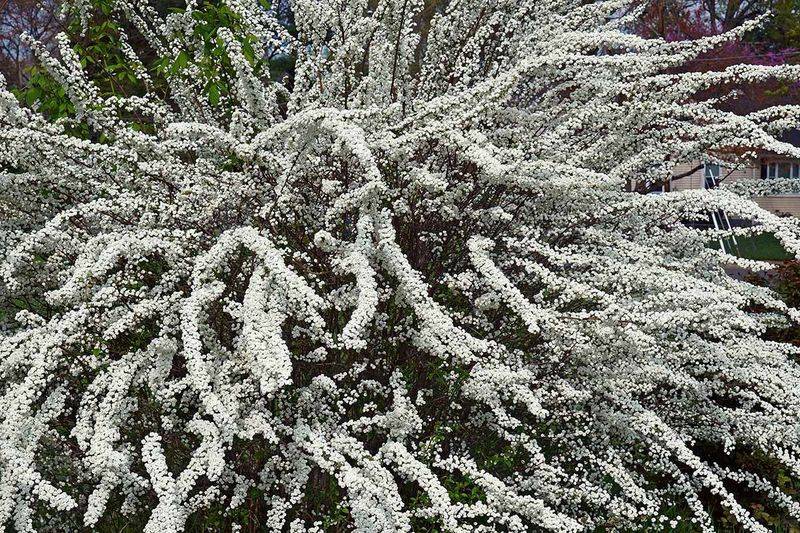
Spirea is the shrub that basically refuses to die on you. It laughs off poor soil, heat, cold, drought, and even city pollution, all while getting bigger and more floriferous with age.
The graceful arching form gives you multi-season interest, and the flowers keep coming over a long stretch of the growing season.
Plant it in full sun for the best blooms, though it will accept partial shade, and make sure the soil drains well to keep the roots happy. Water faithfully that first growing season, then relax, because established plants shrug off dry spells.
The real trick is timing your pruning to the type: spring bloomers flower on old wood and get pruned after they fade, while summer bloomers flower on new wood and prefer a late winter or early spring haircut. Spirea covers USDA Zones 3 to 9.
9. Viburnum
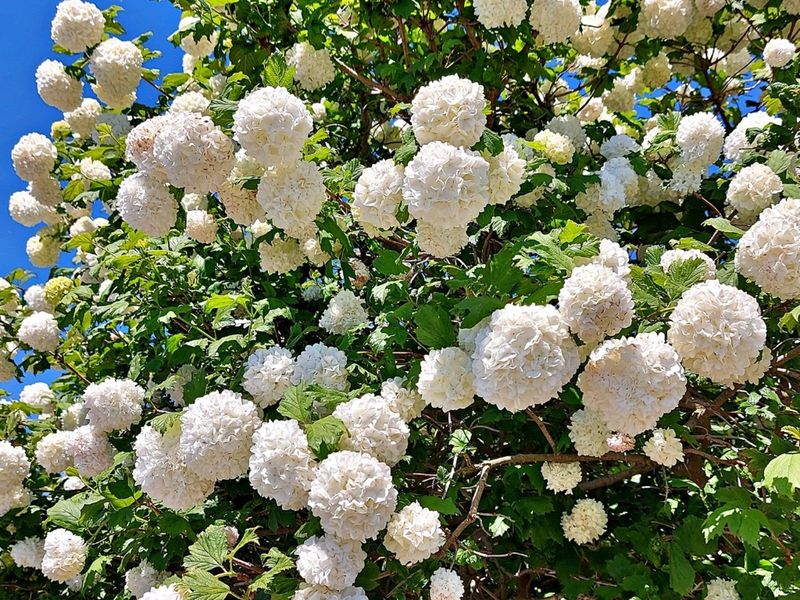
Talk about a multitasker. Viburnum hands you fragrant spring flowers, berries that feed the birds, and often knockout fall foliage, all from one dependable plant that matures into a substantial specimen.
Because they grow at a moderate to fast clip, you do not have to wait forever for that satisfying fullness.
They adapt to a surprising range, from wet to dry soil and full sun to partial shade, though most flower best with plenty of light. Once established, they generally shrug off drought and resist most pests and diseases.
Since most viburnums bloom on old wood, prune right after flowering so you keep next year’s buds, and remove old or weak canes now and then to keep things vigorous. Many viburnums are hardy in USDA Zones 3 to 8.
10. Deutzia
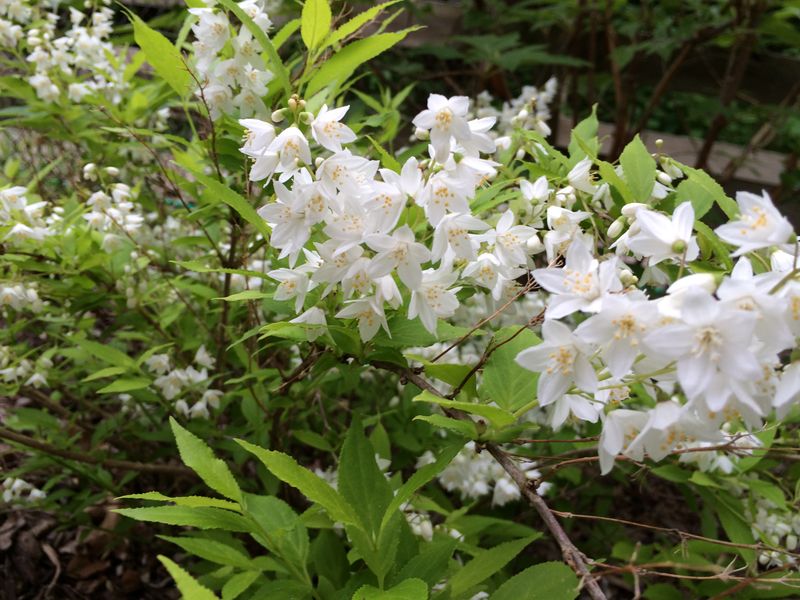
Deutzia is the underdog of the shrub world, quietly forming a tidy mound and then exploding with dainty bell-shaped flowers in white, pink, or lavender. It grows fuller each year, and some older varieties develop handsome peeling bark that keeps things interesting long after the petals drop.
The late spring to early summer bloom fills that awkward gap between the early bloomers and the summer crowd.
Give it full sun, ideally six hours a day, for the heaviest flowering, though it tolerates part shade. Plant in well-drained soil, water consistently the first year, and then enjoy its drought tolerance once established.
Prune right after flowering since it blooms on old wood, and give it a light early spring feeding. Most cultivars are hardy in USDA Zones 5 to 8.
11. Forsythia
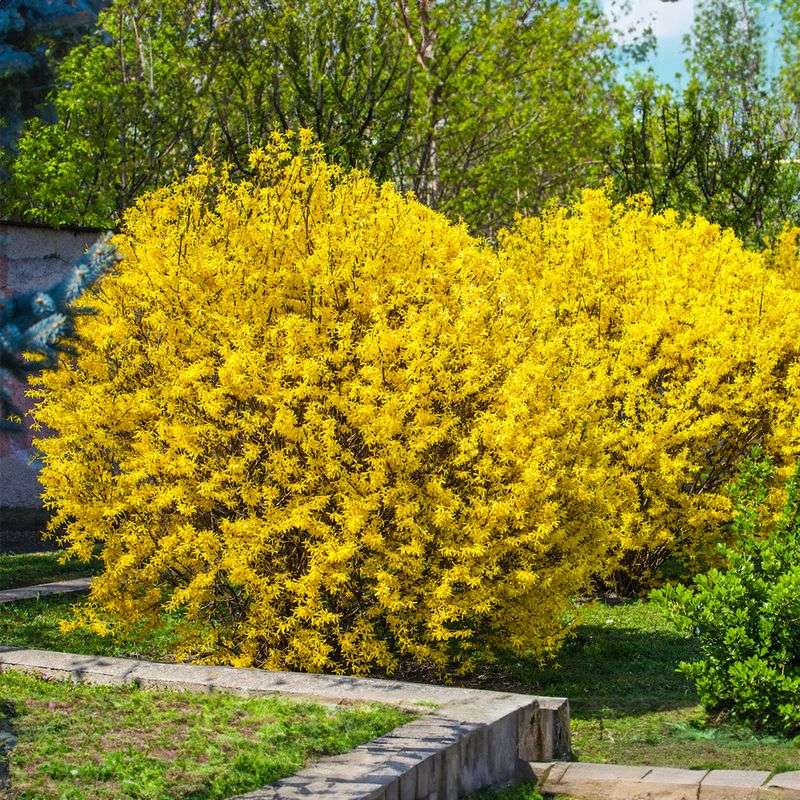
Nothing shouts spring is here quite like forsythia lighting up with brilliant yellow before anything else has leaves. This fast grower can hit 8 to 10 feet tall and 10 to 12 feet wide, and every year its cheerful display grows more impressive.
Those flowers pop straight out of bare branches, so it is often the very first burst of color in the whole neighborhood.
It is a forgiving plant that tolerates various soils, urban pollution, and drought once established. For the fullest flowering, put it somewhere sunny with at least six hours of direct light.
Water regularly the first two years to build strong roots, then prune right after the blooms fade, since flowers form on old wood. That timing sparks the new growth that carries next year’s show.
Most varieties are hardy in USDA Zones 4 to 8.
12. Ninebark
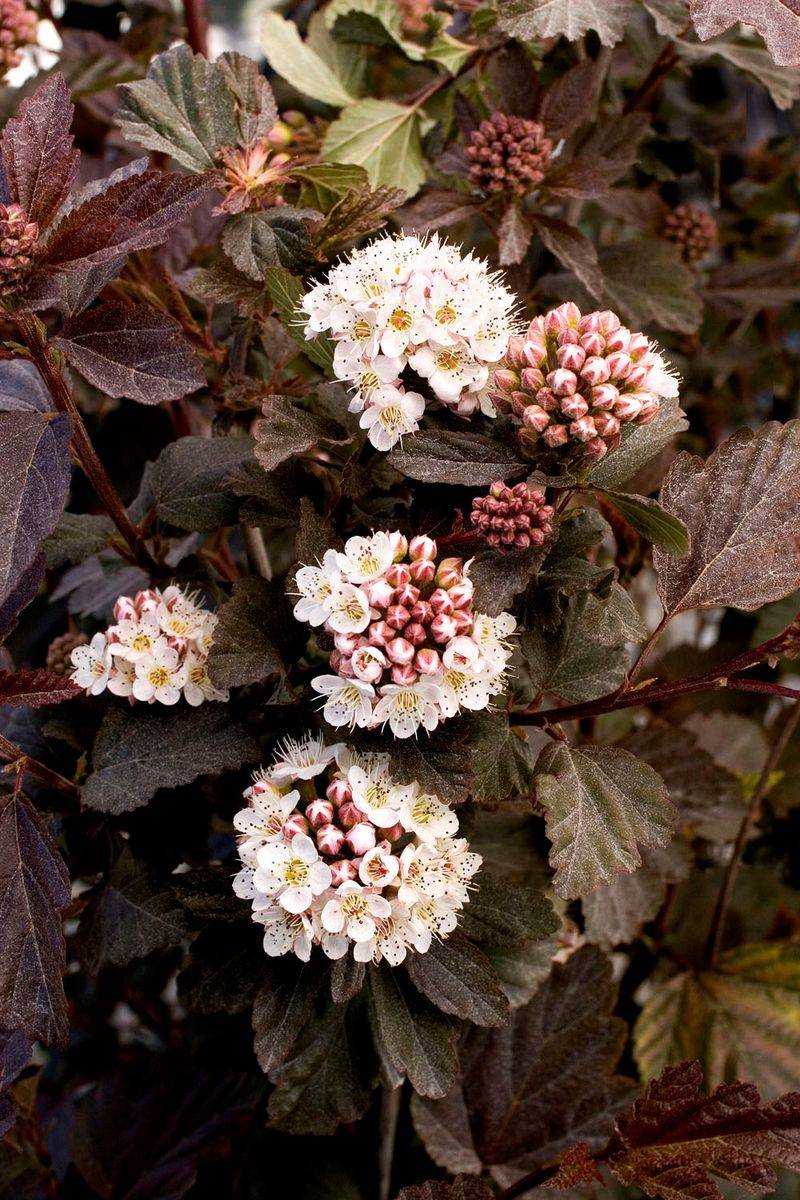
Ninebark brings the drama with foliage that ranges from lime green to gold to deep moody purple, so it earns its spot even before the flowers arrive. This rugged native fills out into a full, mounded shape and expands steadily as the years pass.
Clusters of white or pink flowers show up in late spring to early summer, and its peeling bark grows more striking with age, giving you something to admire in winter too.
It adapts to many soil types and pH levels but wants good drainage, and it colors up best in full sun. Once established, it is impressively drought-tolerant and deer-resistant.
Prune right after it finishes blooming since it flowers on old wood, and take out up to a third of the oldest stems at the base each year to keep it fresh. Skip heavy fall pruning.
Ninebark thrives in USDA Zones 2 to 7.
13. Panicle Hydrangea
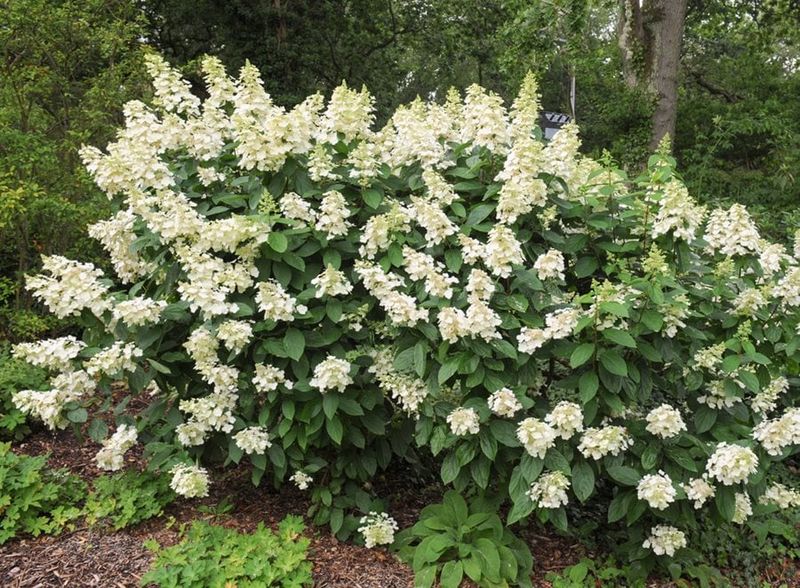
If you have ever watched a hydrangea skip blooming after a rough winter and felt like a failure, panicle hydrangea is your redemption. It blooms on new wood, which means it reliably flowers even when the cold has been brutal, so the disappointment simply does not happen.
Those big cone-shaped clusters open in mid-summer and roll into fall, often shifting color as they age for an even longer show. And this shrub genuinely gets bigger and more loaded with blooms each year.
Blooming on new wood also makes pruning stress-free: cut it back in late winter or early spring before growth starts, and you will not lose a single flower. It thrives in full sun to partial shade and likes steady moisture in well-draining soil.
Panicle hydrangeas are hardy all the way to USDA Zone 4.
14. Oakleaf Hydrangea
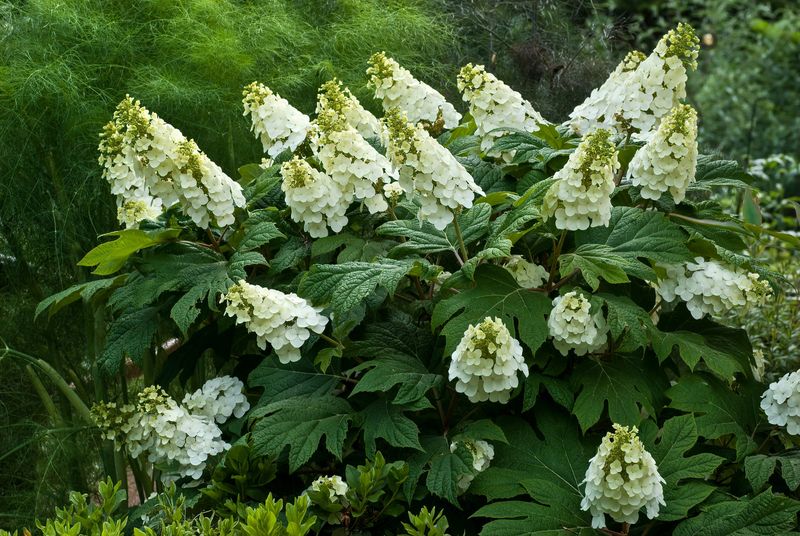
Patience pays off big with oakleaf hydrangea. It grows slowly, but as it matures into a dense, wide shrub it produces large, elongated flower cones that fade from white to pink to soft tan, giving you months of changing beauty.
The bold oak-shaped leaves turn rich colors in fall, and its cinnamon-toned peeling bark becomes more gorgeous with every passing year, so there is something to love in nearly every season.
Plant it in partial shade and in acidic, moist, rich, well-draining soil for the happiest results. Once established, it can handle short dry stretches.
Because it blooms on old wood, keep pruning minimal and do it right after flowering so you do not clip off next year’s buds. Oakleaf hydrangeas are hardy in USDA Zones 5 to 9.