
If You Want A Cutting Garden That Refills Itself, Here Are 15 Perennials You Snip All Summer And They Just Keep Coming
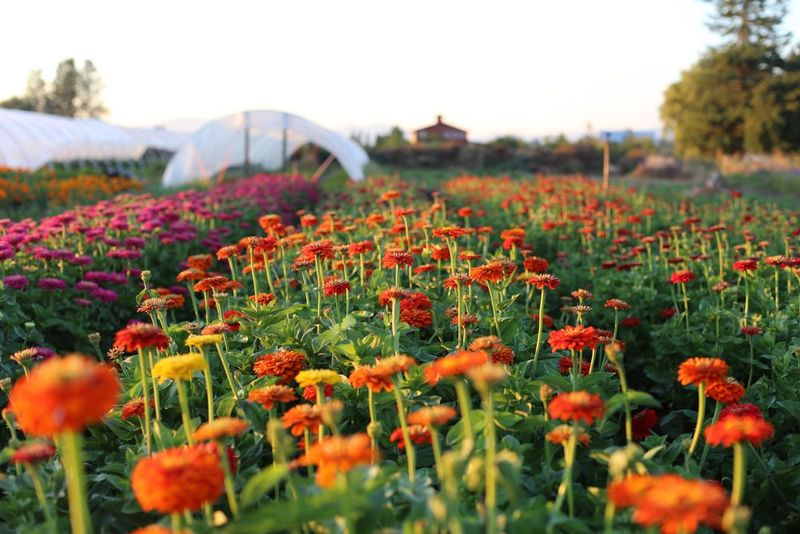
There is nothing better than walking outside with scissors and coming back in with a fresh bouquet, over and over, all summer long. The secret is picking perennials that actually bloom harder when you cut them, instead of quitting after one flush.
These 15 plants come back year after year, and most reward every snip with more flowers. Fill your beds with a few of these and you will have a cutting garden that basically restocks itself.
1. Nepeta (Catmint)
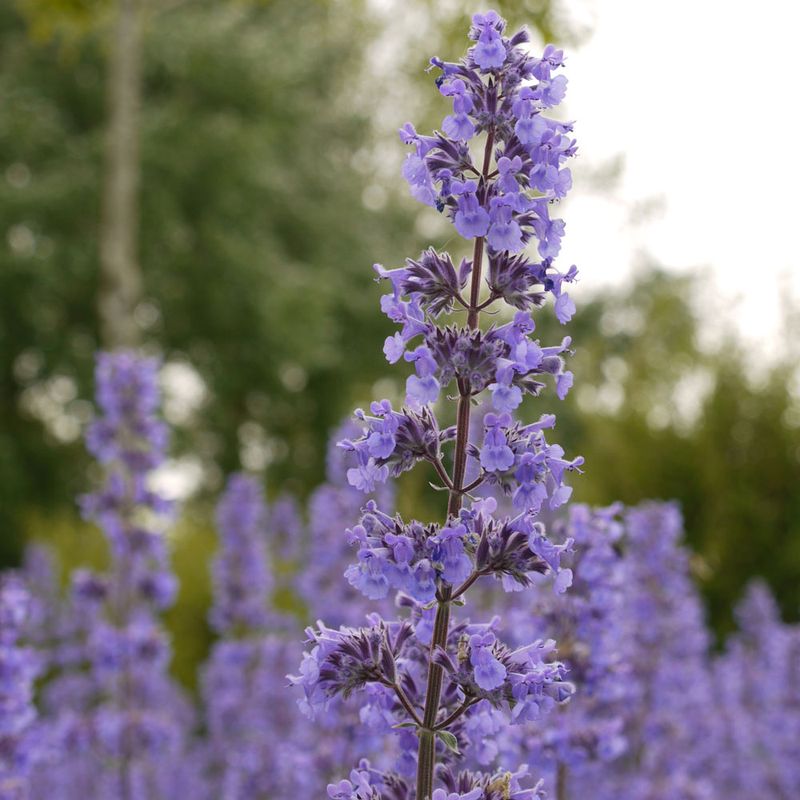
Bees adore it, and so will your vases. Catmint sends up soft, airy spires of lavender-blue in early to mid-summer, and it looks just as pretty spilling out of a jar as it does in the garden.
The real trick is what happens after that first big show. Shear the whole plant back by about a third once the blooms start to fade, and you often get a fresh flush a few weeks later.
It shrugs off heat and drought once established, so you are not babysitting it. That easygoing streak makes it one of the most forgiving plants on this list for nervous gardeners.
2. Rudbeckia (Black-Eyed Susans)
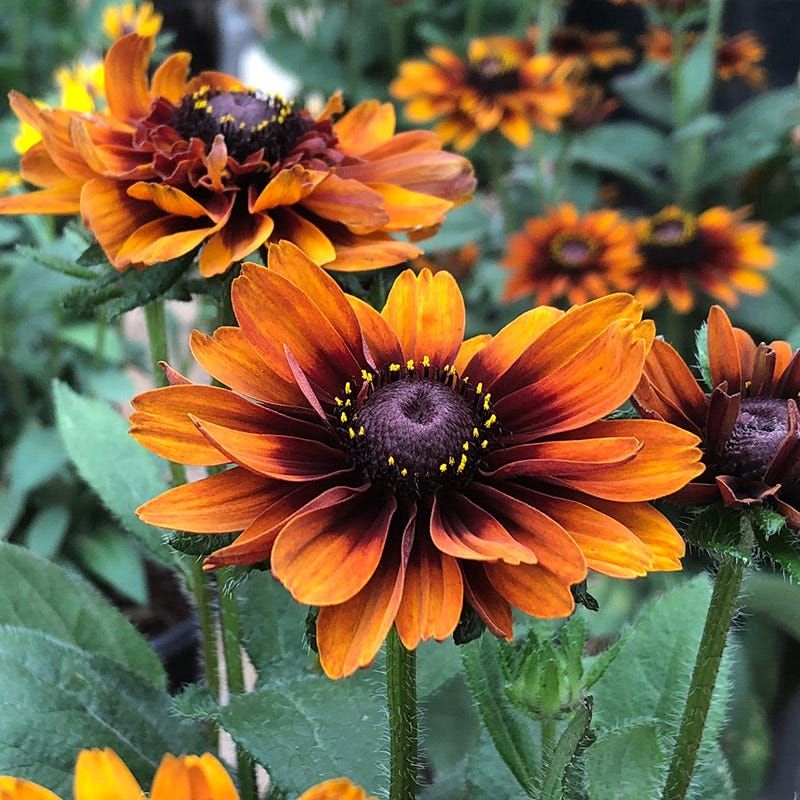
Golden petals, chocolate-brown centers, and a personality that just says summer. Black-eyed Susans start their show in mid-summer and keep going right into fall.
Their stems are sturdy and straight, which makes arranging them a breeze, and they hold up in a vase for a good long while. Keep snipping and the plant keeps pushing out more buds.
Fun bit of history: this native wildflower was named the state flower of Maryland, and pollinators treat it like a roadside diner. Cut freely and everybody wins.
3. Veronica (Spiked Speedwell)
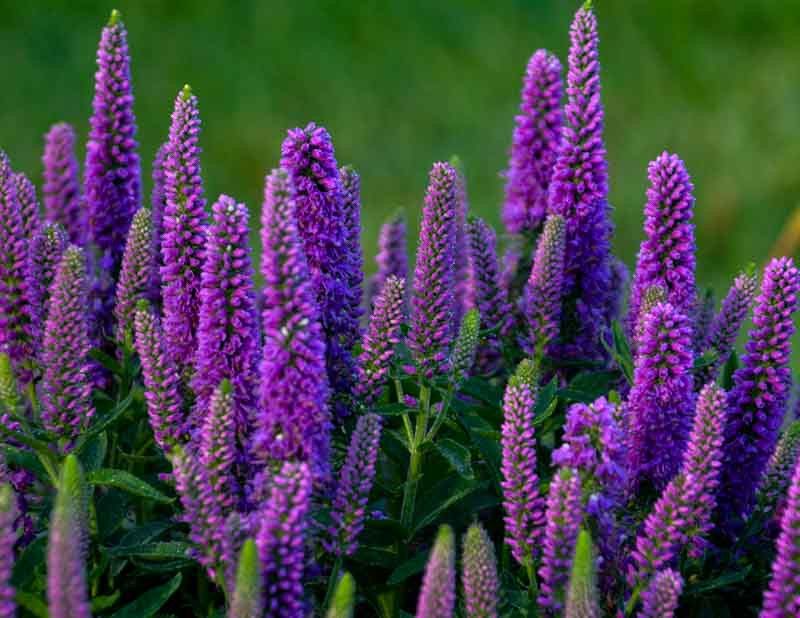
Need a little vertical drama in your bouquets? Veronica delivers slim, pointed spikes in pink, purple, and white that add height and rhythm to any arrangement.
What makes it a workhorse is its stamina. With regular cutting and deadheading, it can bloom from late spring all the way through fall, sending up new spikes as fast as you remove the old ones.
It stays tidy and upright, so it plays well with floppier neighbors. For gardeners who want structure without fuss, this one earns its spot.
4. Scabiosa (Pincushion Flower)
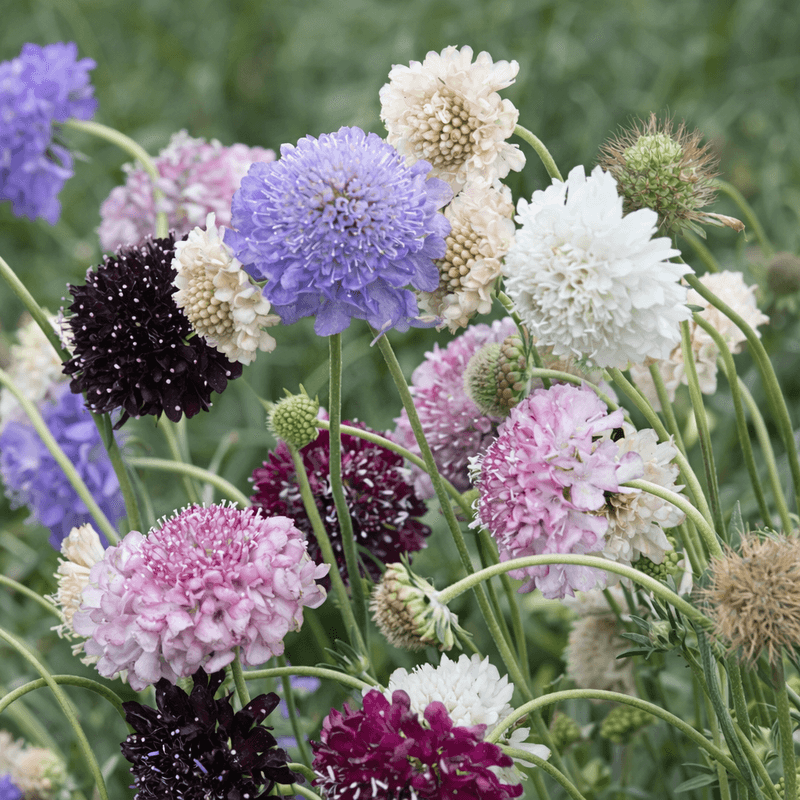
Those quirky button-topped blooms look like tiny pincushions, and once you notice them you will want a whole row. Scabiosa flowers on wiry, wiggly stems that give bouquets a playful, meadowy feel.
Happy plants can flower from spring clear through fall, which is a marathon by any measure. The more you pick, the more it keeps making, so a couple of plants can supply steady color.
Butterflies love landing on the flat blooms, so expect some winged company while you cut. It is a small plant with an outsized personality.
5. Salvia
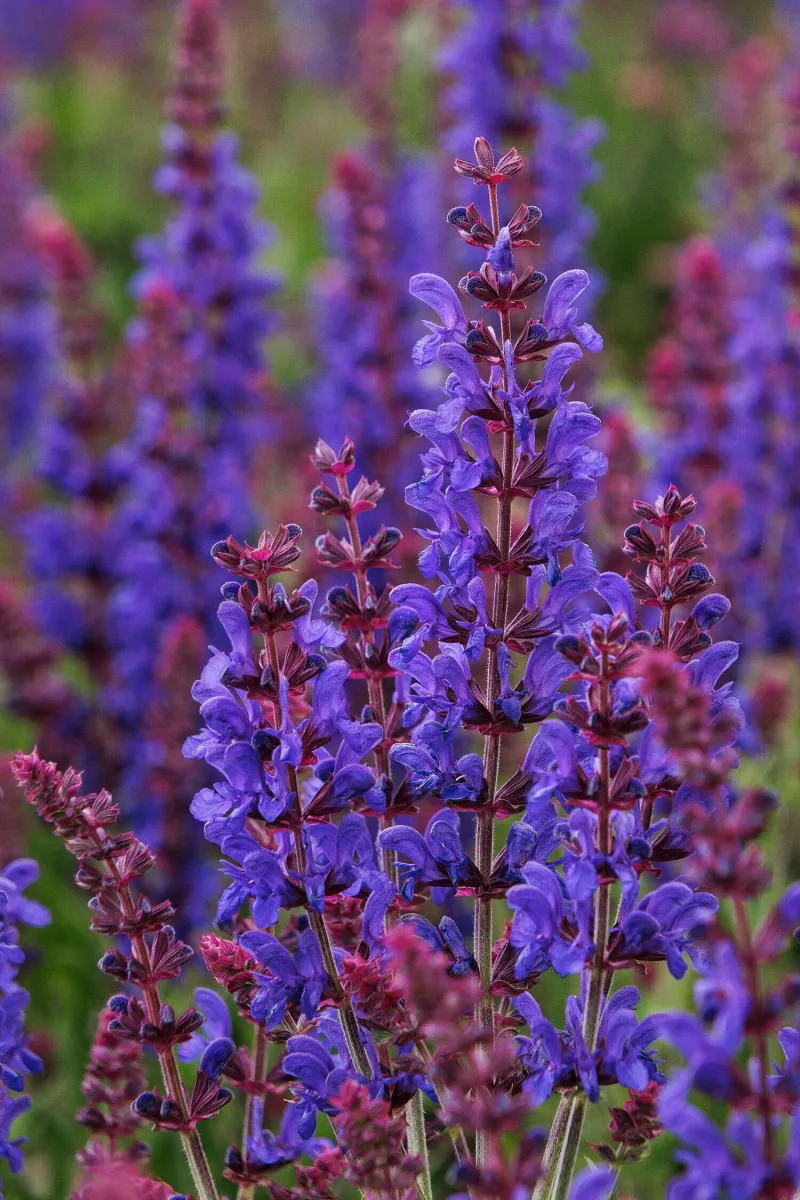
Hummingbirds treat salvia like a favorite fuel stop, zipping from spike to spike all day. The upright wands of purple, pink, or red bring bold color and a strong vertical line to arrangements.
It handles drought like a champ, so a missed watering will not send it into a sulk. After the first bloom fades, cut the spent stalks back and many varieties reward you with another round.
That combination of toughness and rebloom makes salvia a low-worry choice. If you tend to overthink your plants, this one lets you relax a little.
6. Coreopsis (Tickseed)
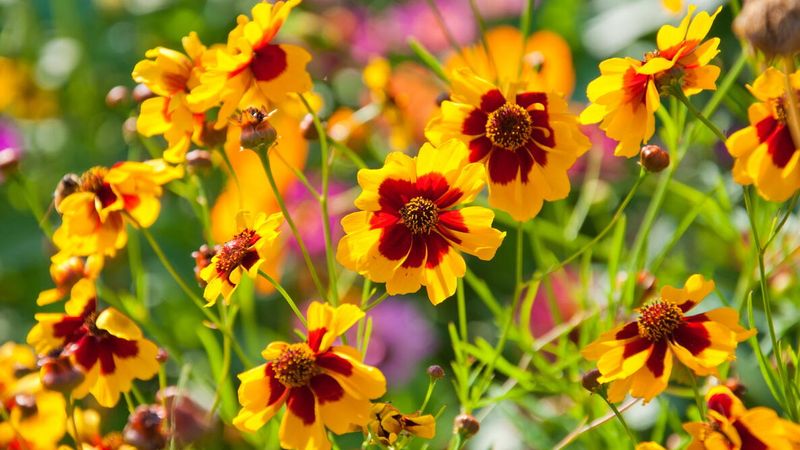
If sunshine had a flower, it would probably look like coreopsis. These cheerful daisies pump out yellow blooms, sometimes with bold red bicolor centers, from early summer until a hard frost shuts them down.
Few perennials bloom as long or as generously. The more you snip, the more it seems to produce, making it one of the most productive cut flowers you can grow.
The name tickseed comes from its seeds, which look a bit like ticks, but do not let that scare you off. The flowers are pure joy.
7. Coneflower (Echinacea)
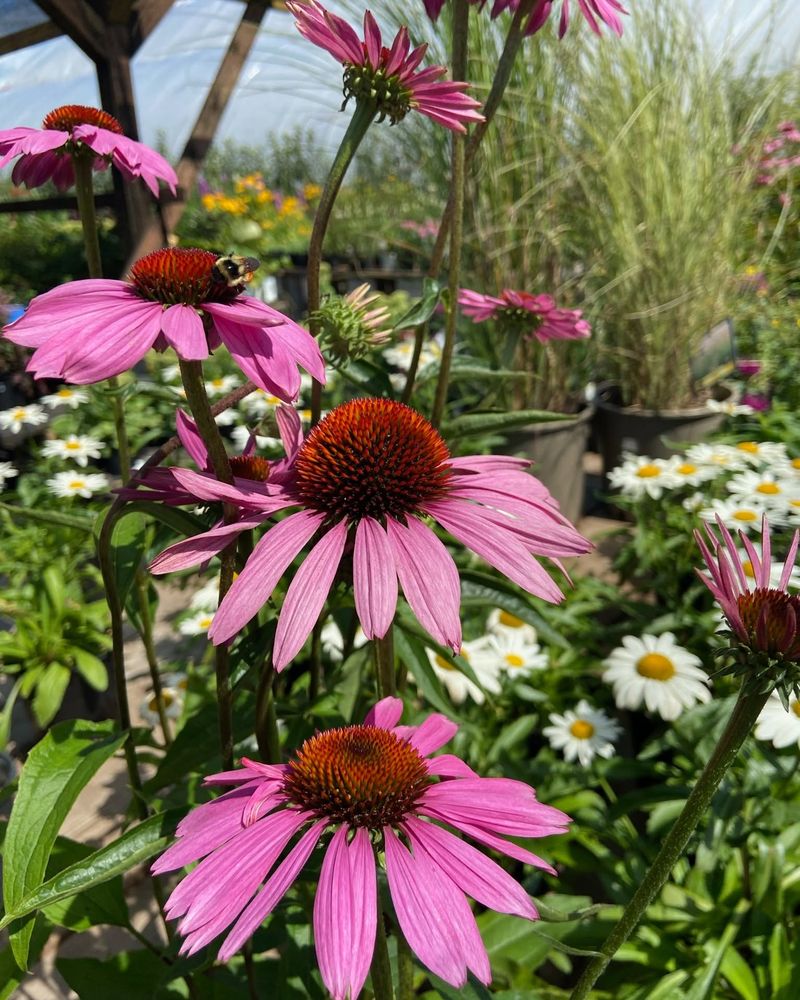
Sturdy, dependable, and a little bit dramatic thanks to those raised spiky centers, coneflowers are a cutting-garden staple. They open in mid-summer and keep going into early fall on long, rigid stems that practically arrange themselves.
Give them space and soil that drains well, and they ask for almost nothing in return. Sitting in soggy ground is about the only thing that trips them up.
Beyond the vase, they have a long history in herbal remedies, which is why you will spot echinacea on so many pharmacy shelves. In the garden, they are pure staying power.
8. Yarrow (Achillea millefolium)
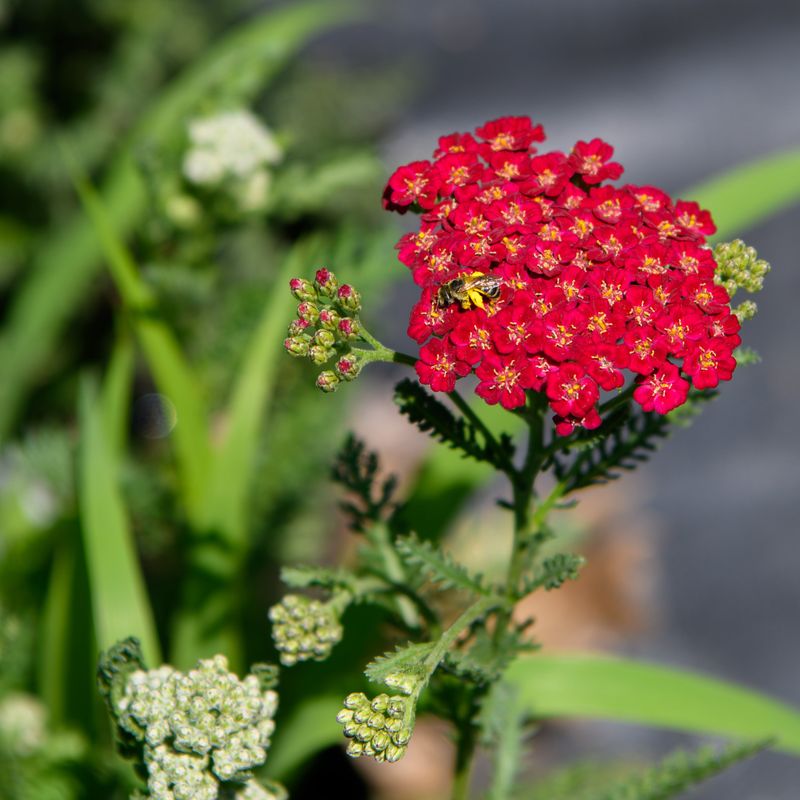
Flat-topped clusters of tiny flowers give yarrow a lacy, umbrella-like look that fills out bouquets beautifully. It comes in creamy whites, sunny yellows, and warm corals, so there is a shade for nearly every arrangement.
Native to North America, this tough little perennial practically thrives on neglect. Poor soil, dry spells, and hot sun barely register with it.
Keep cutting through the summer and it keeps offering more, plus the blooms dry wonderfully if you want to keep them past the season. Reliable is an understatement.
9. Tall Phlox (Phlox paniculata)
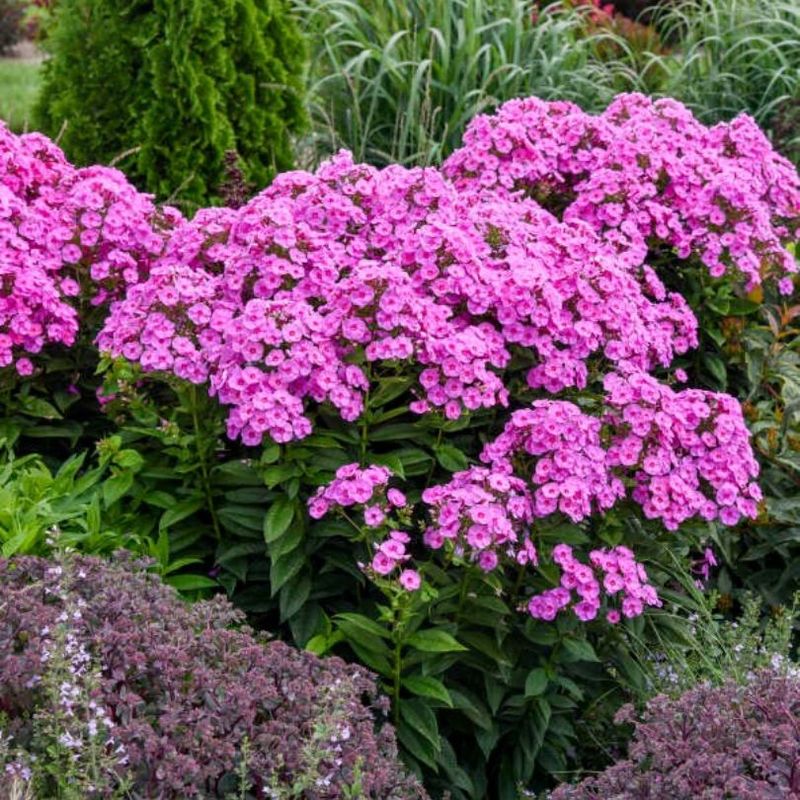
Lean in and take a whiff, because tall garden phlox brings fragrance to the party along with big, full flower heads. Those generous panicles add softness and volume that make a bouquet feel abundant.
It is a reliable midsummer bloomer, but it does have a couple of preferences. Give it good airflow between plants and steady water during heat waves, and it can shrug off the powdery mildew that sometimes bothers phlox.
Get those basics right and you will have armloads of scented blooms. It is the perennial that makes people ask what smells so good.
10. Bee Balm (Monarda)
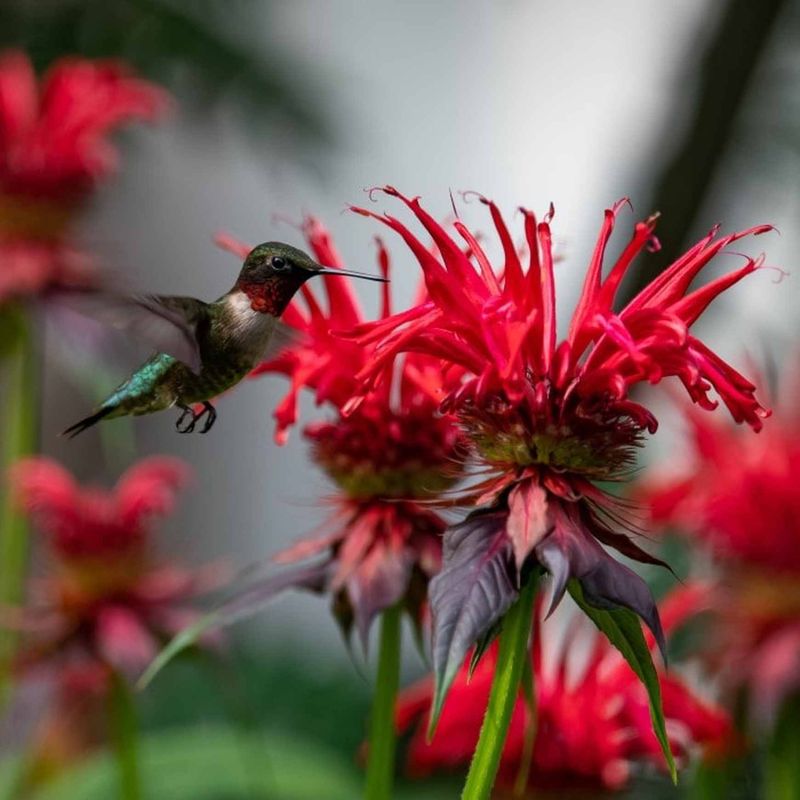
Wild-looking and proud of it, bee balm wears shaggy crowns of tubular flowers that bees, butterflies, and hummingbirds simply cannot resist. It brings a burst of energy and unusual texture to any arrangement.
It is drought-tolerant and a bit of a self-seeder, so it happily fills in gaps and keeps the blooms coming. The leaves smell minty when you brush them, a little bonus while you cut.
Early settlers once brewed the leaves into a tea, which is how it picked up the nickname Oswego tea. A pollinator magnet with a story to tell.
11. Sedum (‘Autumn Joy’ / ‘Autumn Fire’)
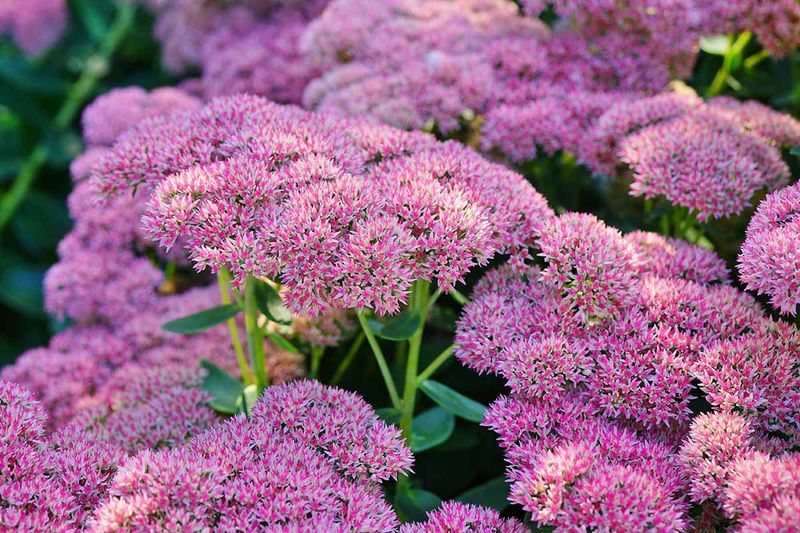
People think of sedum as a fall plant, but do not wait until then to start snipping. These vigorous varieties produce sturdy, broccoli-shaped flower heads you can cut through the summer, too.
Here is the pro move: cut them deeply and often earlier in the season. That extra pruning encourages more branching and gives you smaller, more manageable blooms that fit nicely into arrangements.
The succulent leaves add a fleshy, textural touch that most cut flowers do not have. It is a plant that rewards a heavier hand.
12. Delphinium
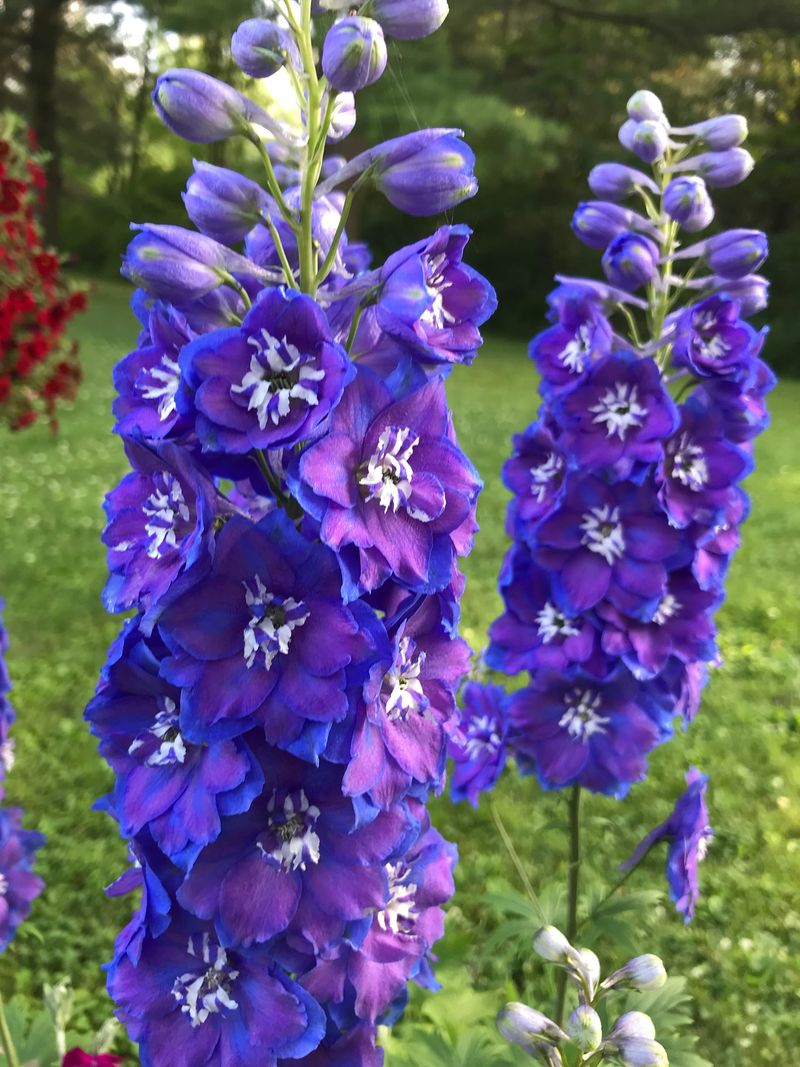
Few flowers command a room like delphinium. Those towering spikes of true blue, deep purple, pink, or white give arrangements a stately, old-fashioned elegance that is hard to match.
The strongest show comes in late spring and early summer, but the plant is not always finished. Cut back the spent flower stalks and you can often coax a second, smaller rebloom later in the season.
They appreciate a little support since those tall stems can flop in wind. Give them a stake and they will give you drama.
13. Daylilies (Hemerocallis)
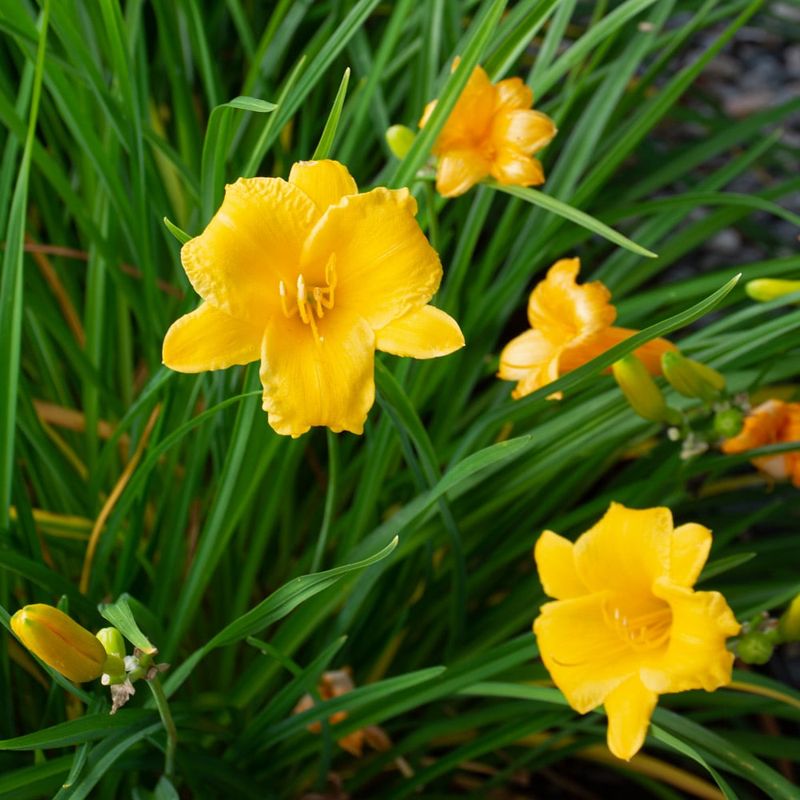
Each bloom lasts just a single day, which sounds like a downside until you see how many buds one plant carries. Modern re-blooming and extended-bloom daylilies keep sending up fresh flower stalks all summer.
That steady parade of new scapes means a reliable supply for cutting, even if you swap the flowers out often. Pick a stem loaded with buds and enjoy the show as they open one after another.
They are famously tough, handling heat, poor soil, and neglect without complaint. Beauty this durable is rare.
14. Garden Pinks (Dianthus)
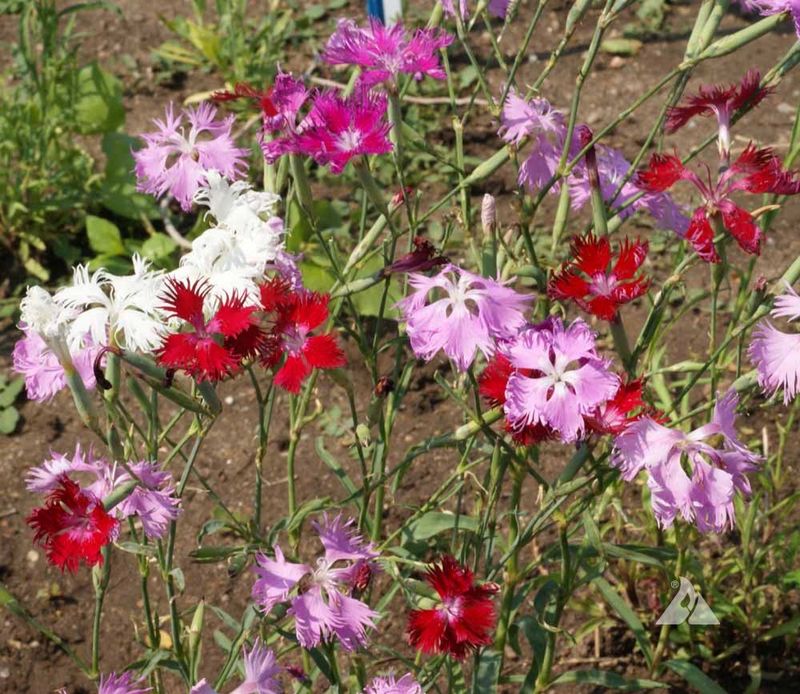
Small but mighty in the scent department, garden pinks fill the air with a spicy, clove-like fragrance that stops people in their tracks. Their fringed, ruffled petals bring charm to petite arrangements.
Many dianthus are perennial and bloom from late spring through summer, especially if you deadhead them regularly. Snip the faded flowers and fresh ones keep appearing.
The name pinks does not come from the color, by the way, but from the fringed edges that look like they were trimmed with pinking shears. A little flower with big character.
15. Lavender (Lavandula)
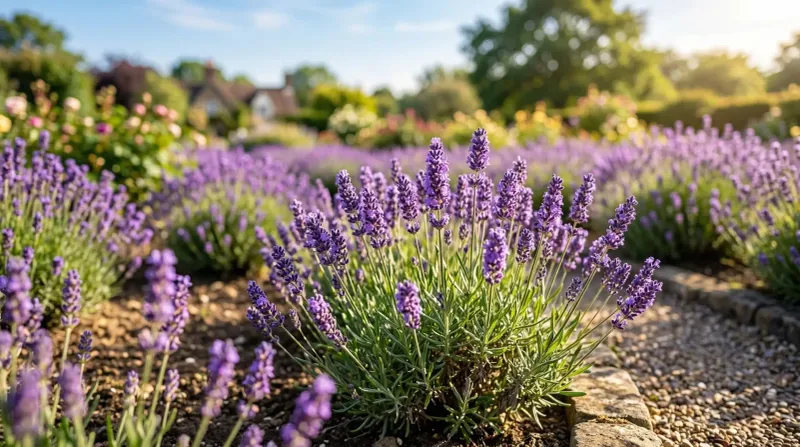
Close your eyes near a lavender plant and you might swear you are in the south of France. Those fragrant purple spikes are gorgeous fresh and even better dried, holding their scent for months.
The main flush comes in early to mid-summer, but the plant responds well to being harvested. Keep cutting and it will keep producing over a longer stretch than you might expect.
Beyond bouquets, the dried stems tuck into drawers, sachets, and even baking. It may be the most useful flower in your whole cutting garden.