
If You Want Blooms That Last Half The Summer, Here Are 18 Perennials That Flower For 3 Months Straight
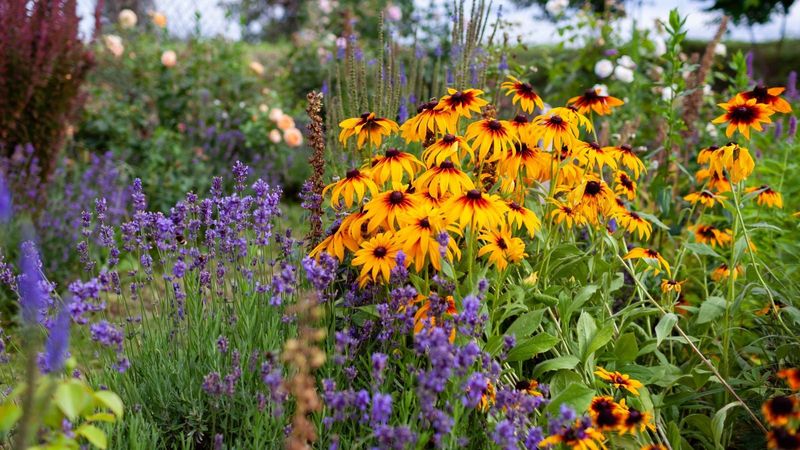
Watching your garden go quiet after just a couple weeks of flowers is a real letdown. The good news is that some perennials keep pumping out color for three months or longer, giving you a payoff that stretches across most of summer.
Below you will find 18 dependable bloomers, along with simple tips to keep them happy. Plant a few of these and your beds will stay cheerful long after the early flowers fade.
1. ‘Moonbeam’ Tickseed (Coreopsis verticillata ‘Moonbeam’)
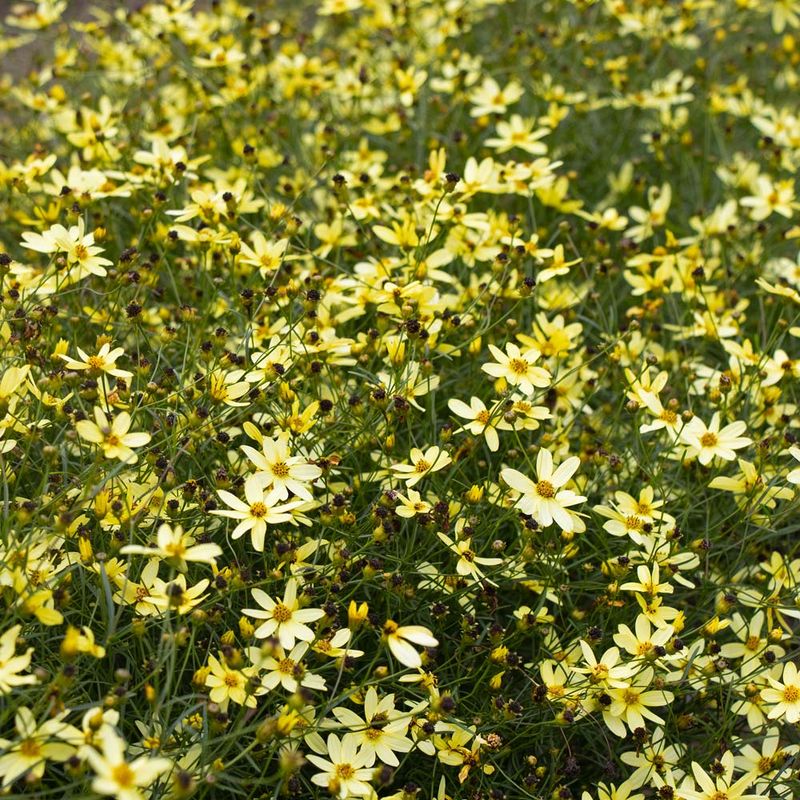
Soft, buttery-yellow flowers pop up all over this fine-leaved little plant, and they just keep coming from June clear through the end of August. That is a solid three months of color with almost no fuss on your part.
Coreopsis ‘Moonbeam’ shrugs off drought, ignores deer, and grows happily in poor soil across USDA Zones 3 to 9. All it really asks for is a sunny spot.
If flowering slows down, give the plant a light shearing and it usually bounces right back with a fresh flush. It also works beautifully as a low, spreading groundcover along the front of a border.
2. Rozanne Cranesbill (Geranium ‘Rozanne’)
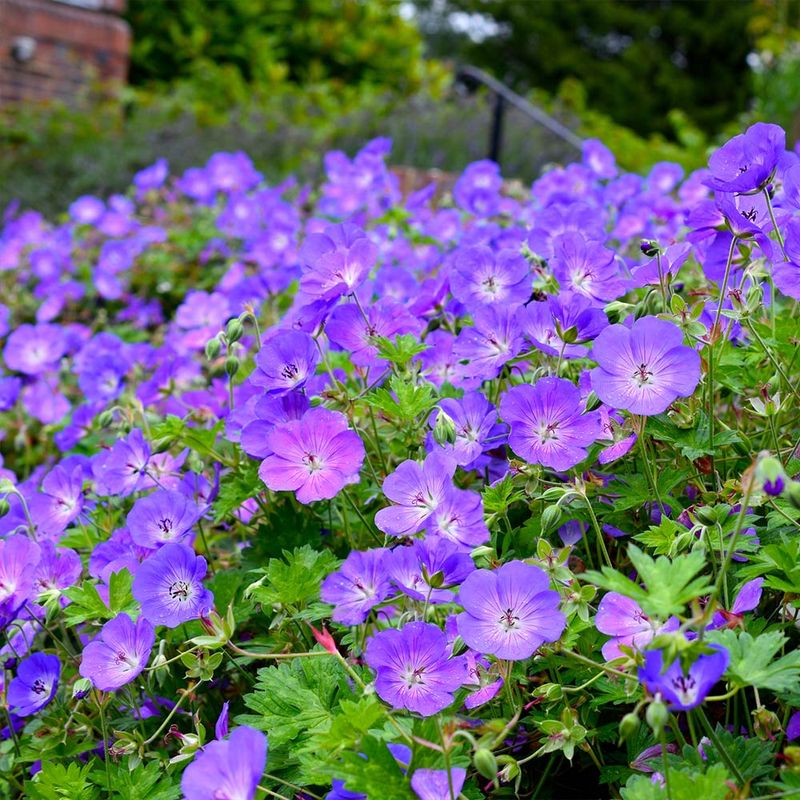
Crowned the “Geranium of the Millennium,” Rozanne earns the title by blooming for well over three months straight. Its violet-blue flowers with pale centers just refuse to quit.
Because it is a sterile cultivar, the plant pours all its energy into flowers instead of setting seed. It is hardy in zones 5 to 8 and appreciates a bit of afternoon shade where summers turn brutal.
Beyond the long show, Rozanne sprawls into a weed-smothering carpet that handles heat and dry spells with ease. Let it weave through neighboring plants and it fills gaps like a champ.
3. Agastache (Hyssop)
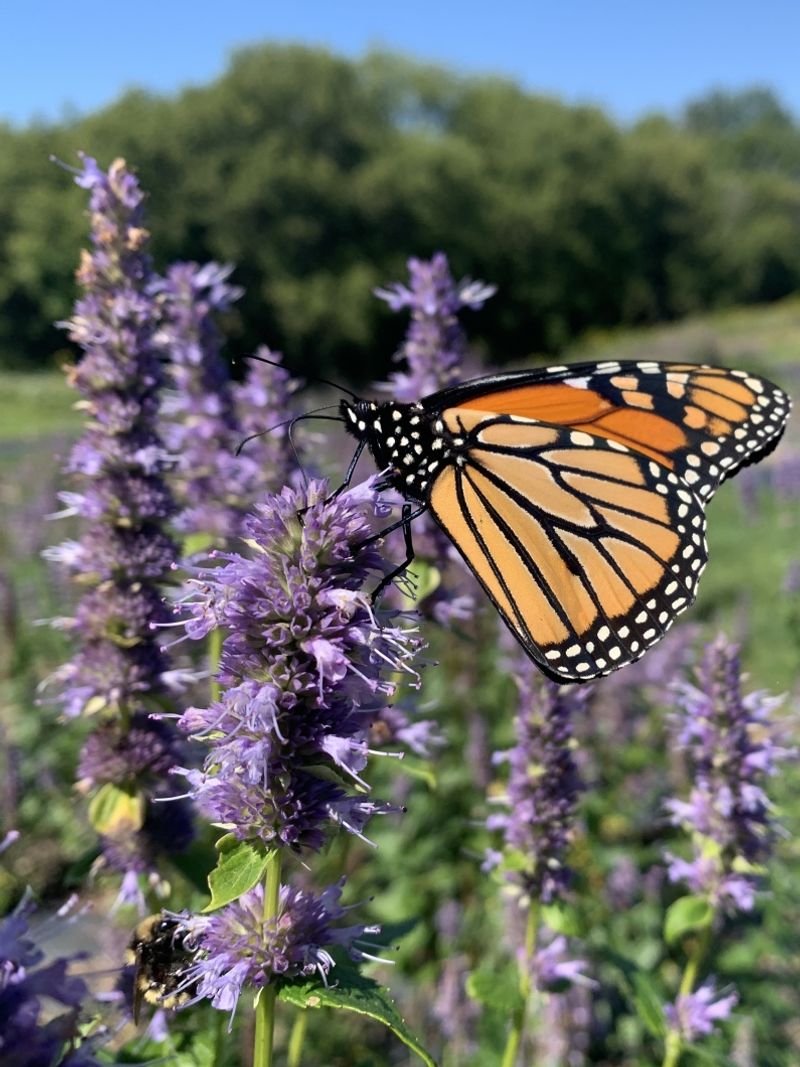
Bees and butterflies practically line up for Agastache, and that steady buzz of visitors is a good sign of just how long these spiky blooms last. Flowering runs from summer well into fall.
Crush a leaf and you get a licorice or minty scent that many gardeners love and most pests do not. Once established, hyssop asks for very little water or attention.
Give it full sun and sharp drainage, and it will reward you with upright color spikes for months. It is one of the easiest ways to keep pollinators happy all season.
4. Echinacea purpurea (Coneflower)
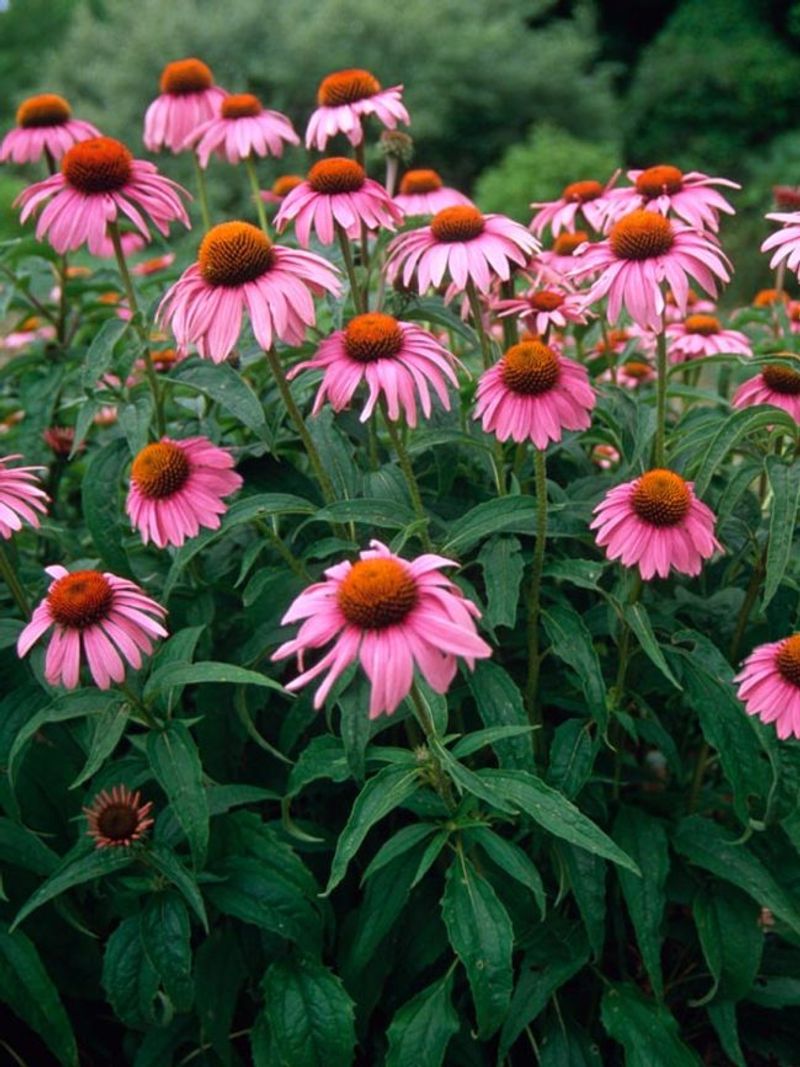
Few flowers feel as classically American as the coneflower, with its raised copper cone and swept-back petals. Backyard growers reach for it again and again for good reason.
Bloom time stretches from early summer straight through fall, and the sturdy stems barely flinch in dry weather. Newer hybrids add colors like orange, red, and creamy white to the old purple standard.
Leave the spent cones standing into winter and finches will feast on the seeds. It is a plant that gives back long after the petals fade.
5. Gaillardia aristata (Blanket Flower)
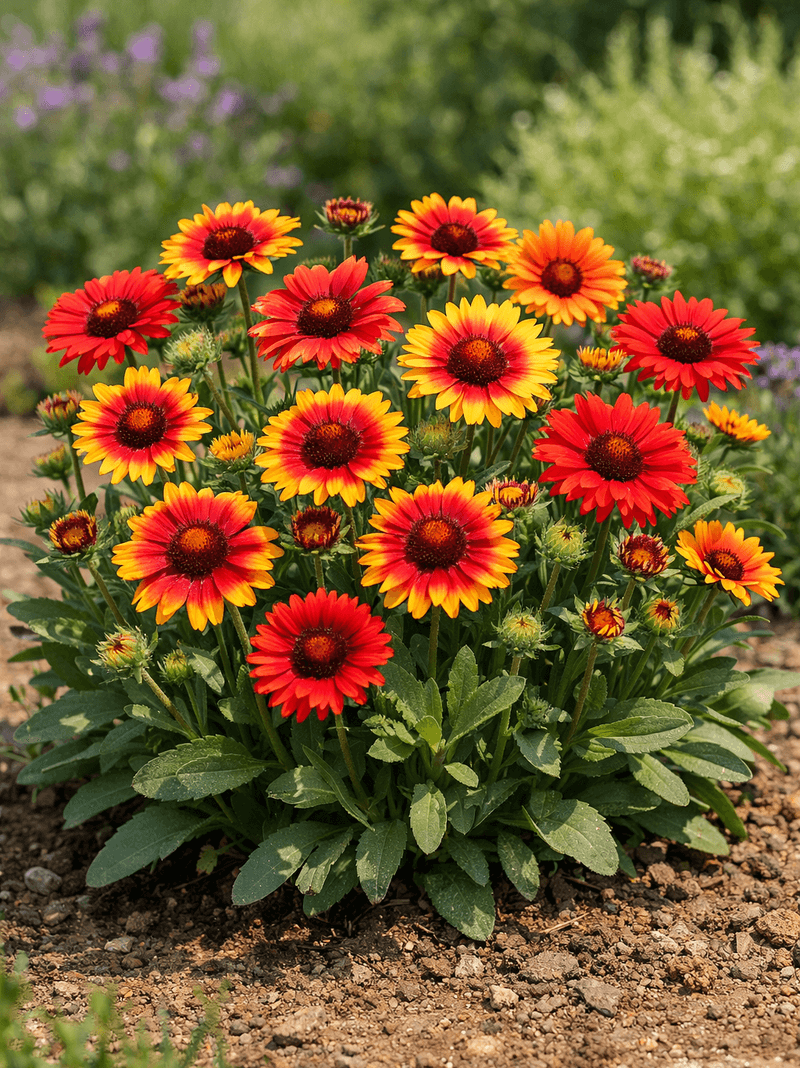
Fiery red-and-yellow blooms give this one its cozy name, and they blanket the plant from early summer right up until the first frost. That is about as long a run as a perennial can offer.
Blanket flower thrives on neglect, loving full sun and well-drained soil where fussier plants sulk. Heat and poor ground barely register with it.
Snip off faded flowers now and then and you will only speed up the parade of new ones. It is a reliable pick for hot spots that fry other flowers.
6. Gaura lindheimeri (Whirling Butterflies)
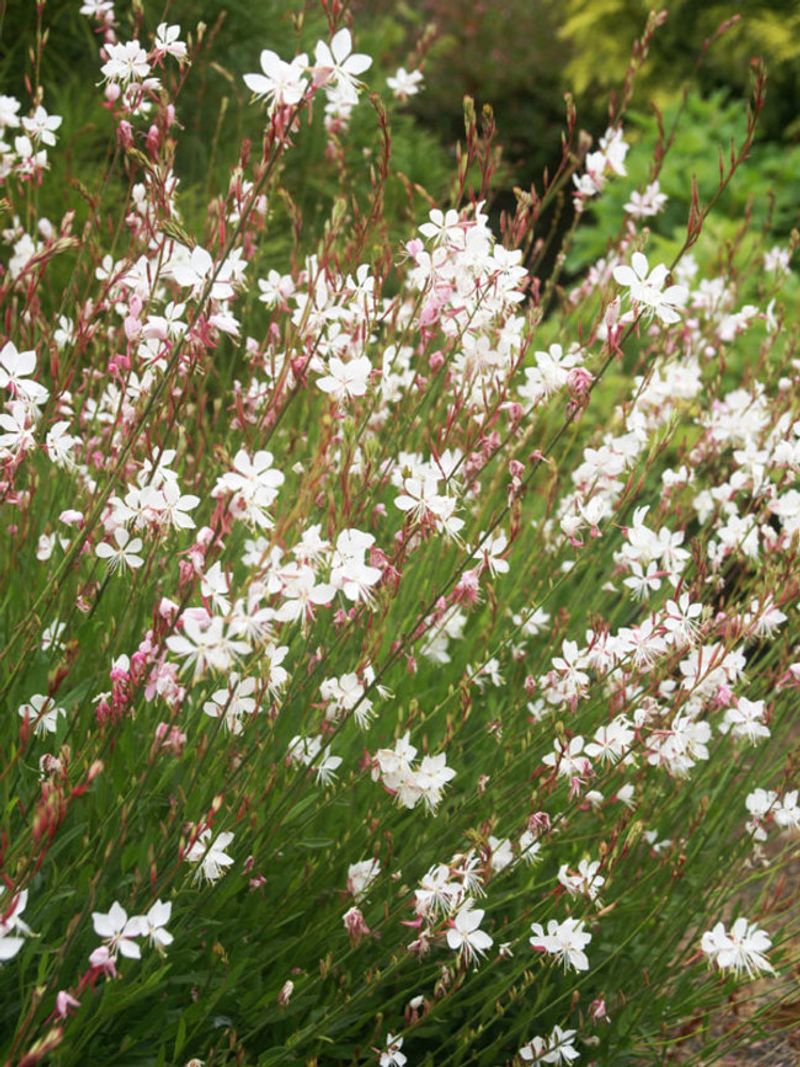
Watch Gaura on a breezy day and you will see why it earned the nickname Whirling Butterflies. Its dainty pink-and-white blooms flutter on wiry stems all season long.
Flowering starts in late spring or early summer and carries on into fall without much help. The plant loves heat and adds a light, dancing texture that heavier flowers cannot match.
Tuck it among stiffer perennials to soften the whole planting. It is proof that long-lasting color does not have to look stiff or bulky.
7. Hardy Hibiscus (Hibiscus species cultivars)
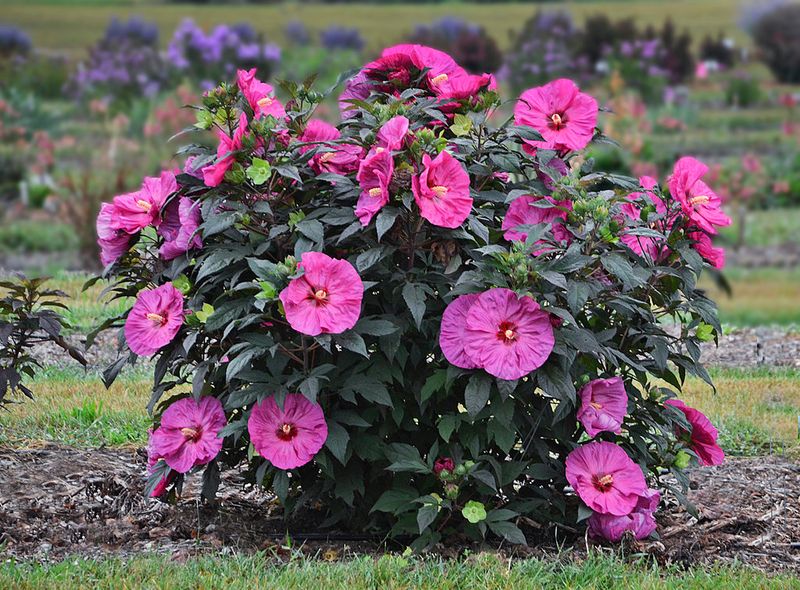
Dinner-plate flowers the size of your hand make hardy hibiscus impossible to ignore. It brings a tropical vibe to gardens far colder than the tropics.
Blooming kicks off in mid-summer and rolls on into fall, with fresh saucers opening day after day. Despite the exotic look, these cultivars are tough and hardy across many zones.
Be patient in spring, since it is one of the last perennials to wake up. Once it does, the payoff is huge and worth the wait.
8. Phlox paniculata (Garden Phlox)
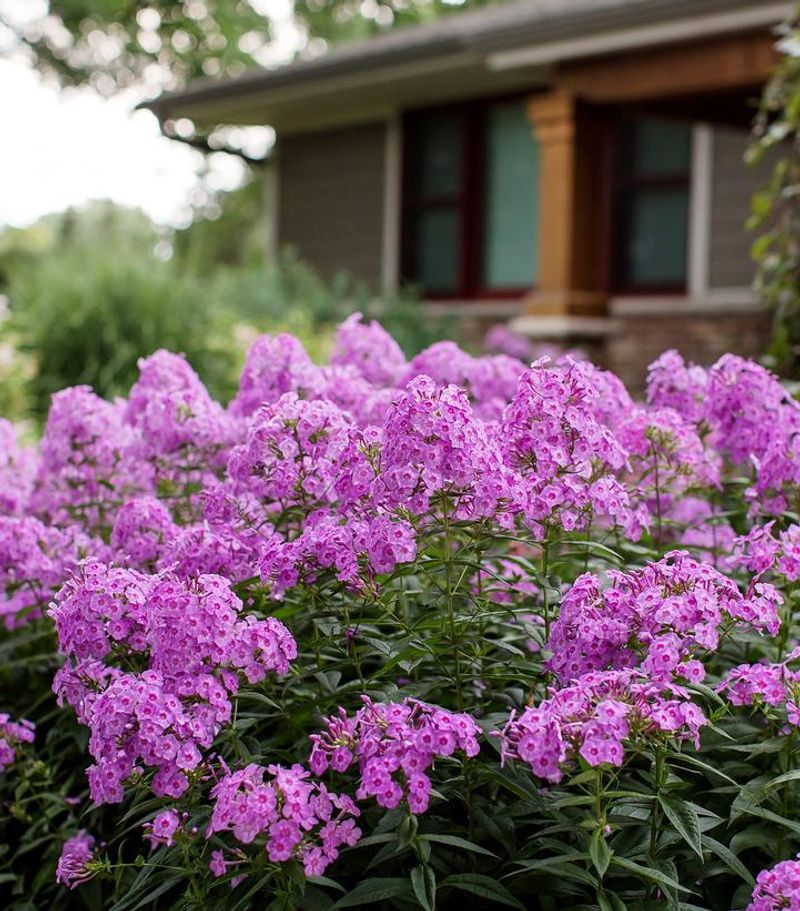
Fragrant clusters of pink, purple, and white make garden phlox a cottage-garden favorite that pulls double duty as a cut flower. Its perfume drifts across the yard on warm evenings.
The bloom window runs from mid-summer into early fall, and a little deadheading can push it several weeks longer. Snapping off spent flower heads keeps fresh buds forming.
Give it good air flow to keep mildew at bay, and space plants so leaves dry quickly. Do that and you get months of tall, showy color.
9. Rudbeckia (Black-Eyed Susan)
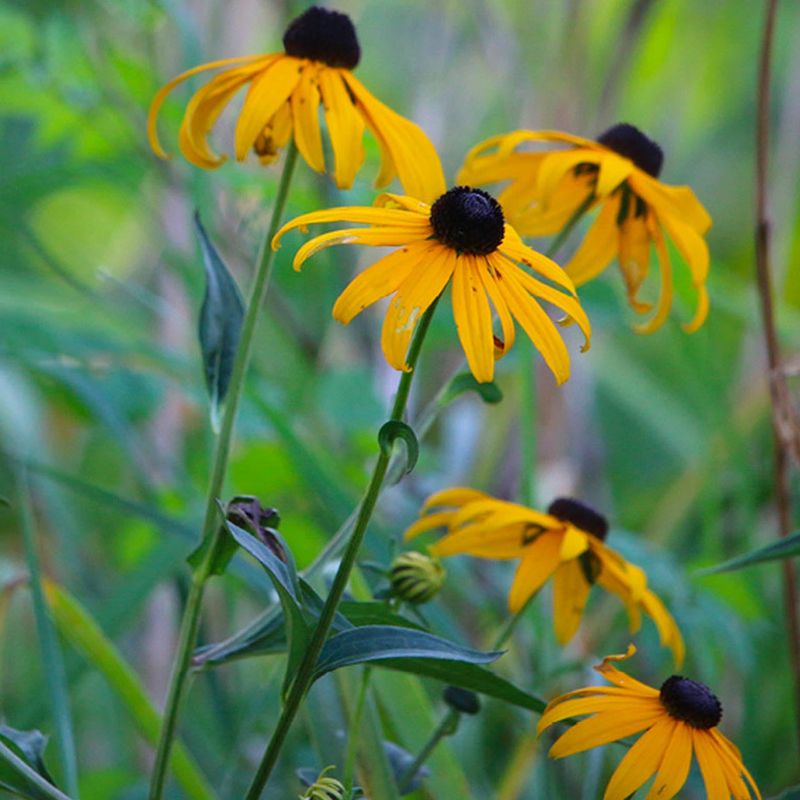
Golden petals circling a dark chocolate button, Black-Eyed Susans are the picture of a sunny summer garden. They bloom their hearts out from summer until frost shuts them down.
Resilient does not begin to cover it, since these plants handle heat, poor soil, and neglect while still glowing bright. A single clump can carry a whole bed.
Pollinators adore them, and the seed heads feed birds well into winter. For cheerful, dependable color, few perennials beat them.
10. Allium ‘Millenium’
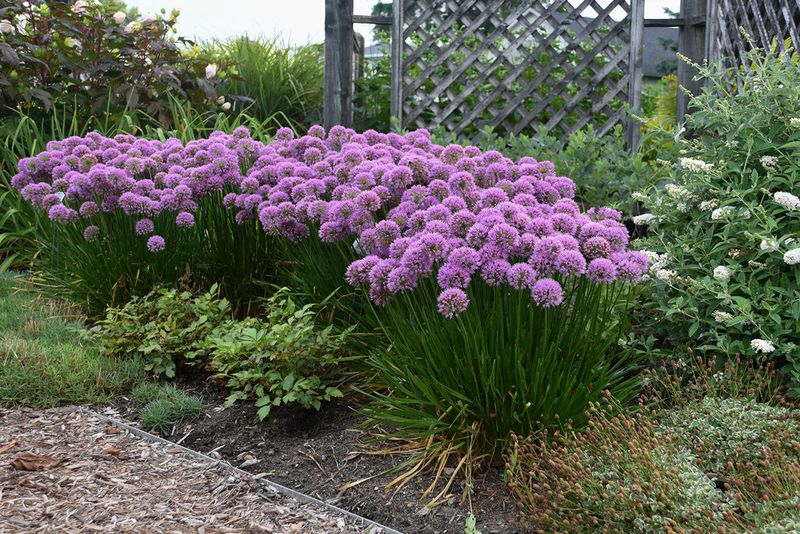
Rounded purple pom-poms hover above tidy grassy foliage, and Allium ‘Millenium’ keeps them coming from late summer into early fall. Bees swarm every globe like it is a party.
Named perennial of the year by growers, this ornamental onion is neat, non-invasive, and drought-tough. The clumps stay well-behaved instead of spreading everywhere.
Plant a group of three or five for the best effect, since the globes really pop in numbers. It fills the late-season gap when other flowers start to tire.
11. Achillea millefolium (Yarrow)
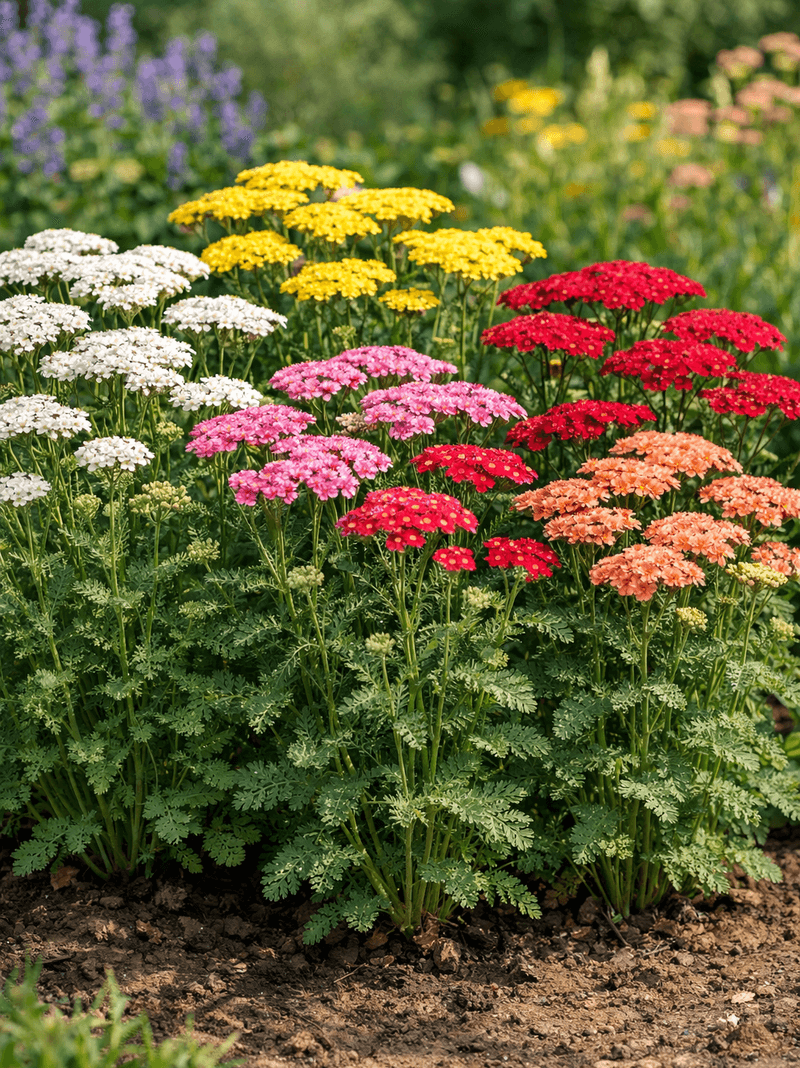
Flat, plate-like flower heads in yellow, pink, red, and white give yarrow a slightly old-fashioned charm. The blooms roll on from late spring or early summer through fall.
Its ferny leaves and tough roots let it laugh off drought once it settles in. Pollinators and beneficial insects flock to the wide landing pads of flowers.
Shear it back after the first flush and it will often rebloom before the season ends. Yarrow also dries beautifully for indoor arrangements.
12. Calamintha nepeta ssp. nepeta (Calamint)
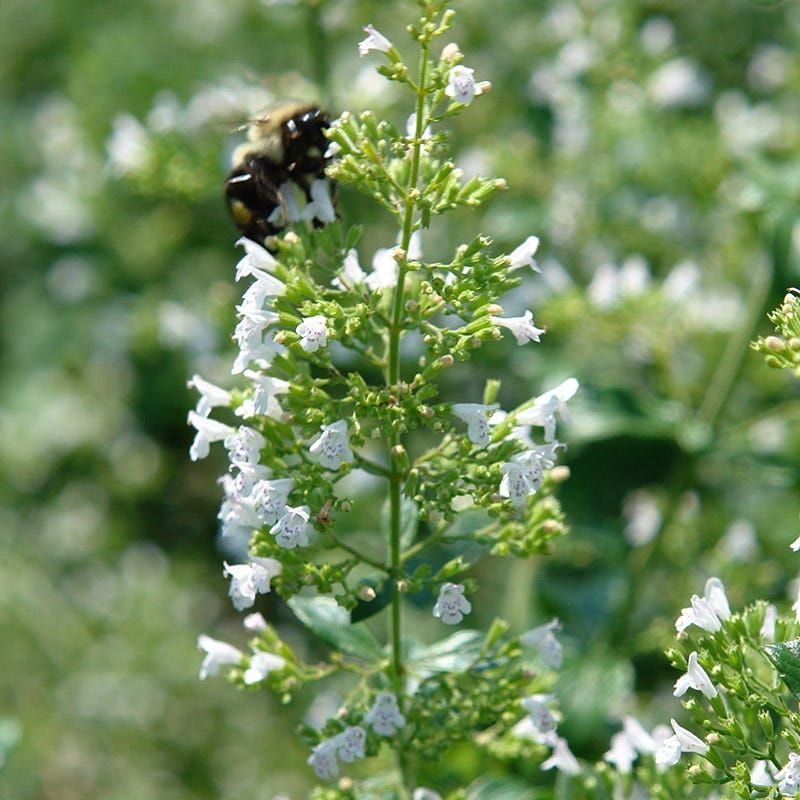
A soft cloud of tiny white-and-blue flowers, calamint looks delicate but performs like a workhorse from early summer into fall. Brush against it and a fresh minty scent rises up.
Low-maintenance to a fault, it asks for little more than sun and decent drainage. Bees find the airy haze irresistible and hum around it all day.
Use it as a frothy filler between bolder perennials to tie a planting together. Few plants offer this much bloom for so little effort.
13. Reblooming Daylilies (Hemerocallis reblooming varieties)
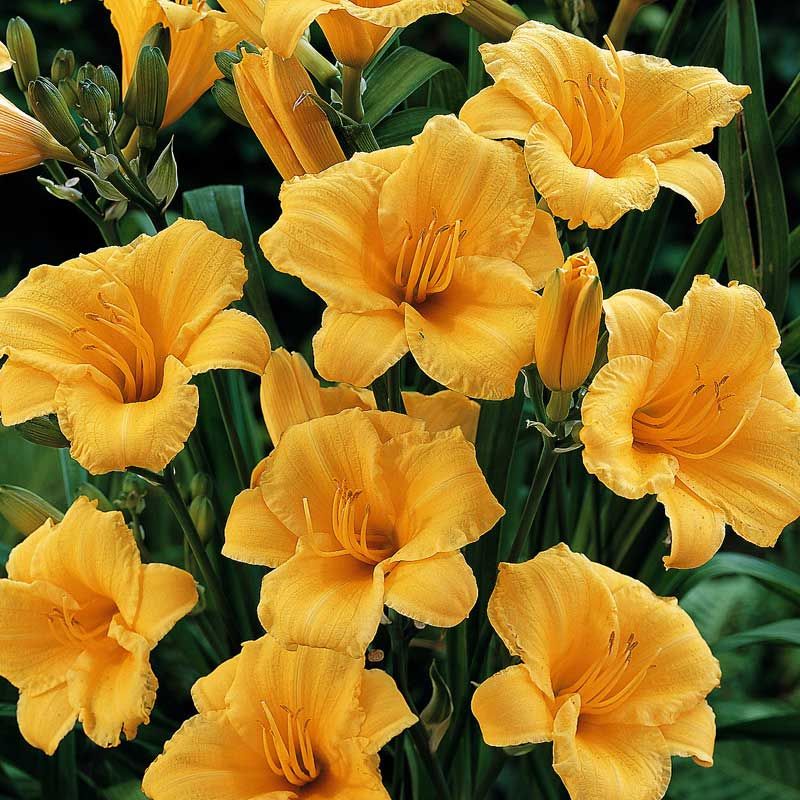
Old-school daylilies put on a quick show and then quit, but reblooming types like the famous golden ones keep sending up fresh flushes all summer. That habit is what earns them a spot here.
Each trumpet lasts only a day, yet the plant produces so many buds you never notice. Removing spent scapes tidies things up and nudges the next round along.
They tolerate a wide range of soils and shrug off tough conditions. For nonstop trumpets with almost no drama, rebloomers are hard to beat.
14. Nepeta x faassenii (Catmint)
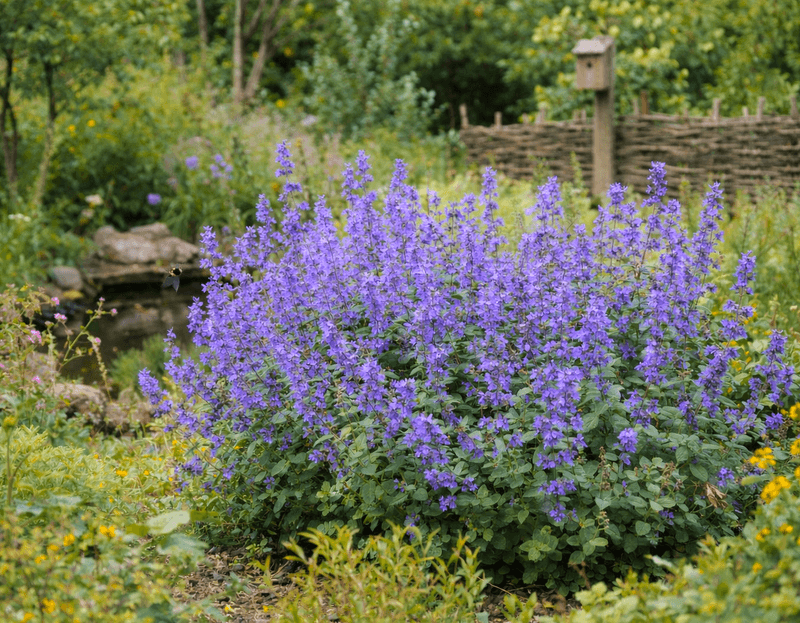
Hazy lavender-blue spikes and soft gray-green leaves make catmint a dreamy edging plant. It flowers from late spring through summer and often keeps going into fall.
Here is the trick that unlocks its full potential: shear the whole plant back after the first big flush. New growth pops up fast and a second wave of blooms follows.
Drought and heat barely faze it, and deer tend to walk on by. It pairs especially well with roses and pale-flowered perennials.
15. Perovskia (Russian Sage)
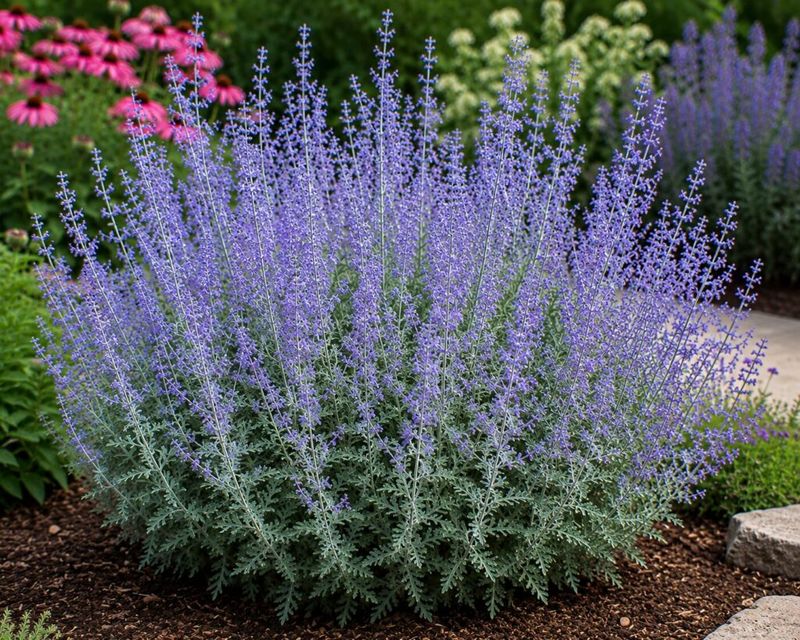
Silvery stems topped with a haze of lavender-blue flowers give Russian sage an almost misty look in the summer heat. It blooms from mid-summer right up until frost.
Hot, dry, sun-baked spots are exactly where it shines, making it a go-to for problem corners. The aromatic foliage keeps deer and rabbits at a distance.
Cut it back hard in early spring to keep the shape tidy and full. Once established, it practically thrives on being ignored.
16. Decadence Baptisia (False Indigo)
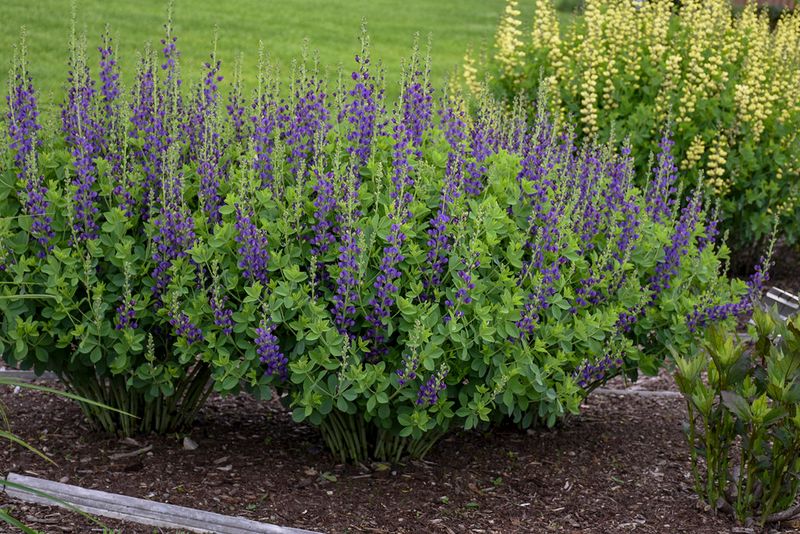
The Decadence series took a native prairie plant and dressed it up in richer colors, from deep purple to butter yellow. Blooms start in late spring and the plant stays handsome into fall.
Once its deep roots settle in, false indigo becomes remarkably drought-tough and loves full sun and heat. Hardy in zones 4 to 9, it needs no fertilizing and no deadheading.
The blue-green foliage looks like a tidy shrub even after flowering ends. Plant it, water it in, and then mostly leave it alone.
17. Festival Star Gypsophila (Baby’s Breath)
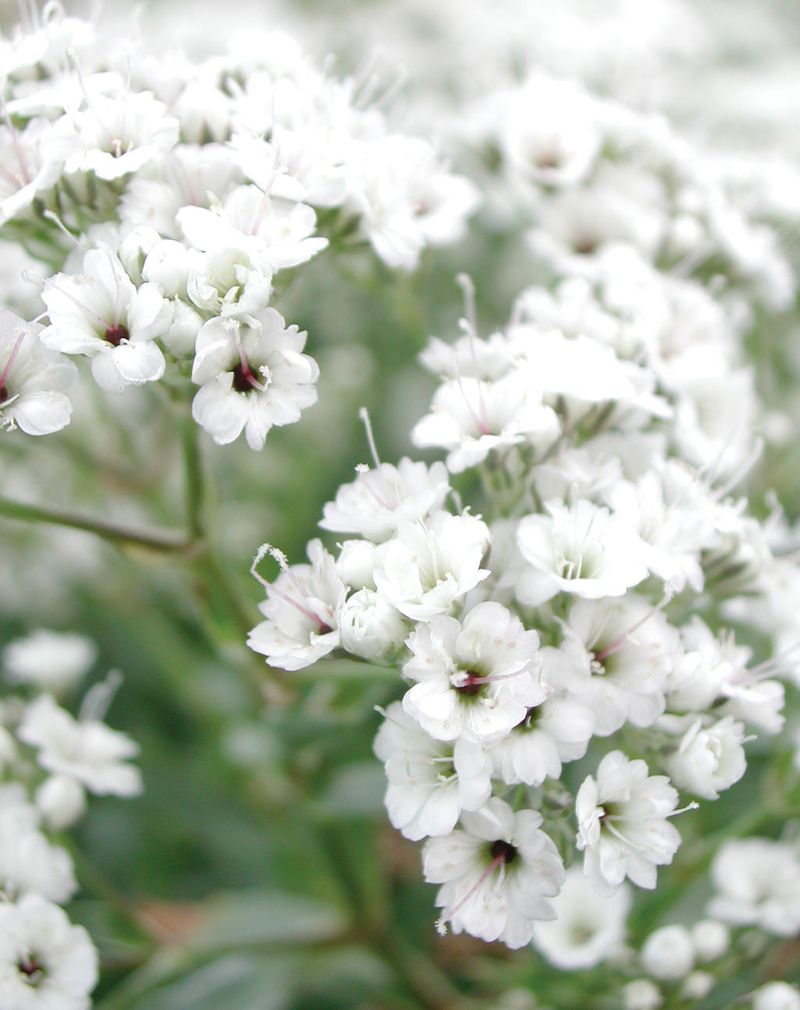
Clouds of tiny white flowers give this improved baby’s breath the look of a soft summer snowfall. Unlike older types, Festival Star blooms from late spring into fall without going dormant in the heat.
Best of all, it does not need deadheading to keep flowering. The airy froth softens bolder blooms and makes a lovely filler in bouquets.
Give it a very sunny spot and sharp drainage, and let the soil dry a bit between waterings. Hardy in zones 3 to 9, it rewards good drainage with months of white haze.
18. Sweet Romance Lavandula (Lavender)
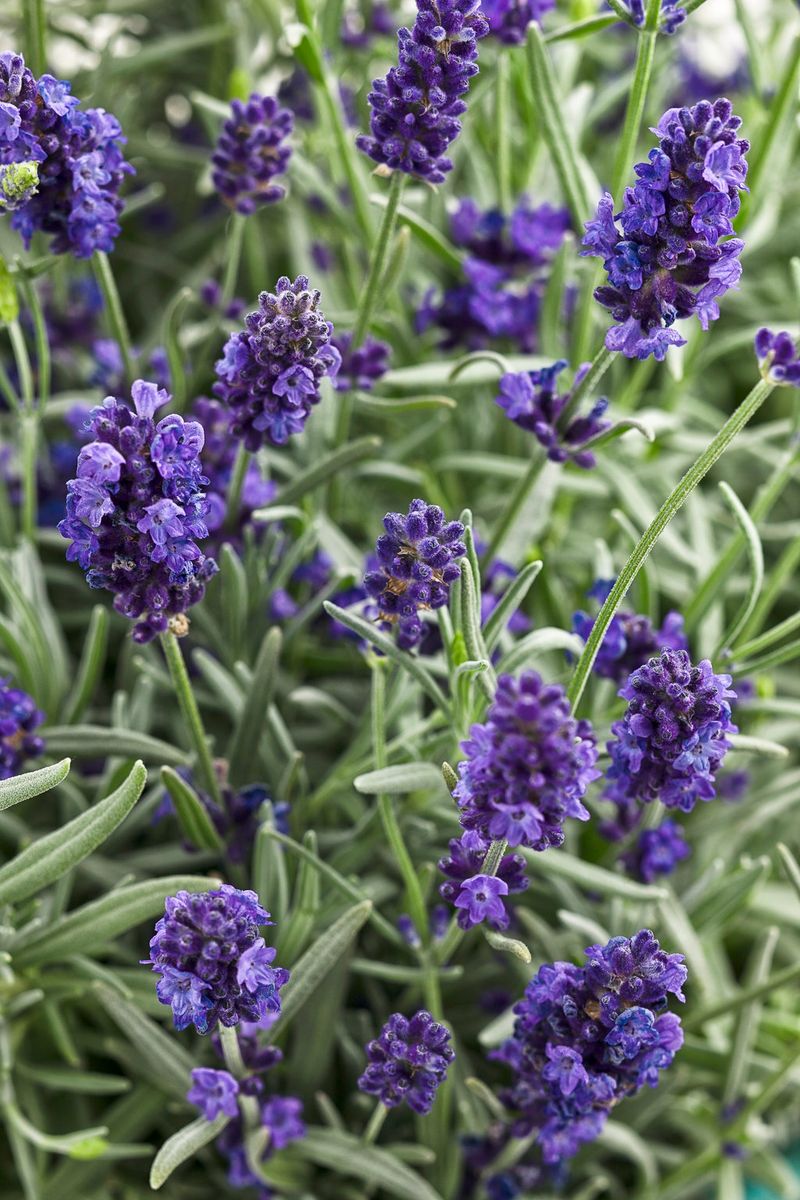
Run your hand across Sweet Romance lavender and the sweet, calming scent follows you around the garden. Deep purple spikes rise from early summer through late summer or early fall.
Full sun and gritty, well-drained soil are its non-negotiables, so avoid soggy ground. Get those basics right and it flowers long and steady.
Bees adore the blooms, and you can snip stems to dry for sachets or cooking. It is a fragrant, long-lasting anchor for any sunny bed.