
If You Want Color Every Spring Without Replanting, Here Are 13 Bulbs That Multiply Bigger Every Year
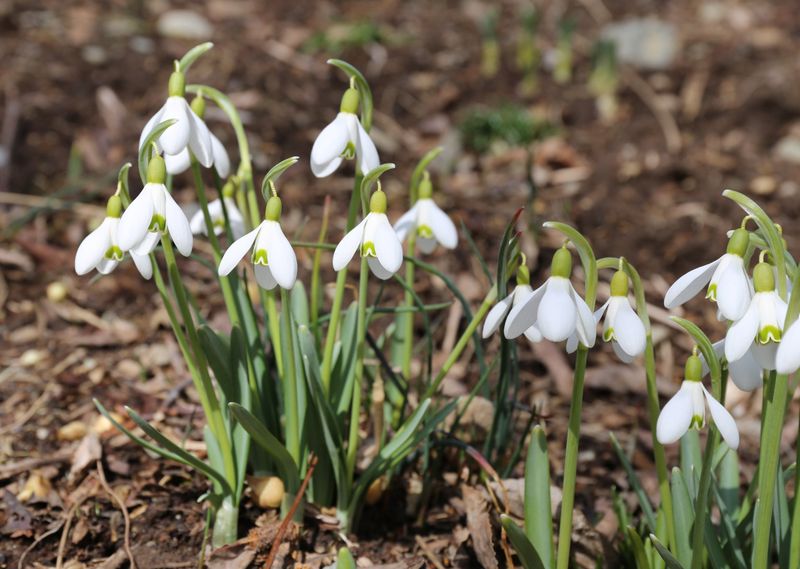
Tired of digging up your tulips every fall, only to replant them and hope they come back? Some bulbs do the opposite of fading away.
They quietly make baby bulbs underground, so each spring your patch of color gets a little wider and brighter. Plant these once, and they can keep paying you back for years.
1. Daffodils
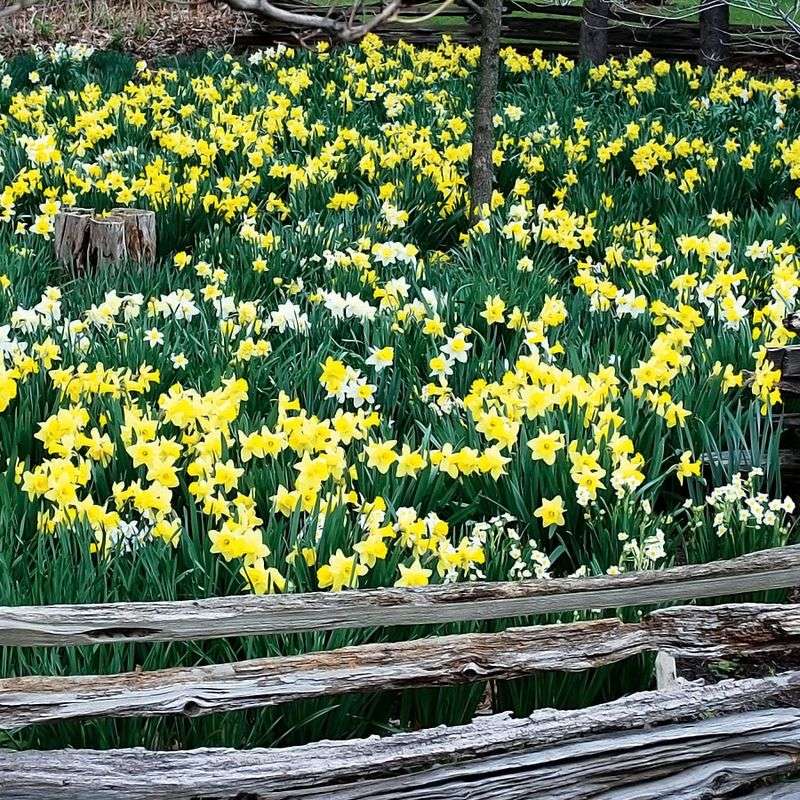
Ask any gardener which bulb never lets them down, and daffodils usually win. They come back reliably, and every year each bulb makes small daughter bulbs called offsets.
Deer and squirrels leave them alone because the bulbs taste bitter and are toxic to critters. That makes them a smart pick if wildlife has eaten your tulips before.
The one mistake that stops blooms? Cutting the leaves too soon.
Let the foliage yellow on its own for about six weeks so the bulb can store energy for next spring.
2. Crocuses
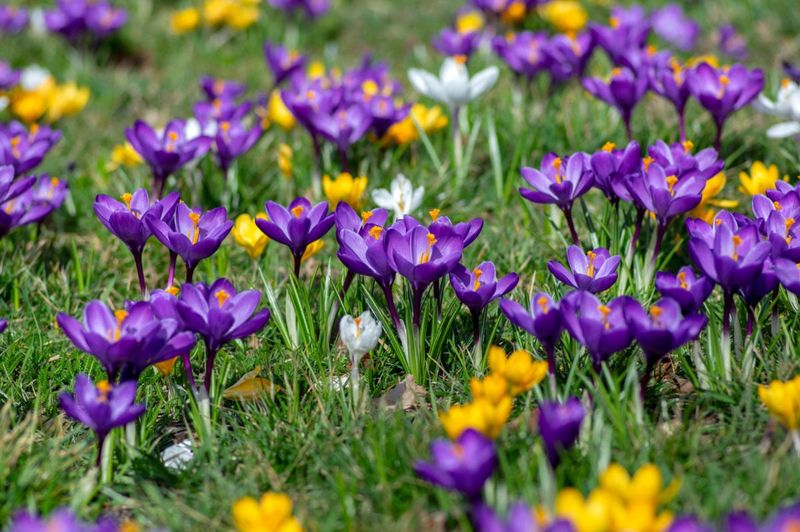
Picture a gray March lawn suddenly dotted with purple and gold. Crocuses pull off that trick, often blooming while snow is still melting.
They spread two ways: by making new corms and by dropping seeds. In a few seasons, a handful turns into a cheerful carpet.
Got squirrels digging them up? Plant a little deeper, around 4 inches, and lay chicken wire over the spot until the ground settles.
Tommasini crocus is less tempting to rodents than the big Dutch types.
3. Snowdrops
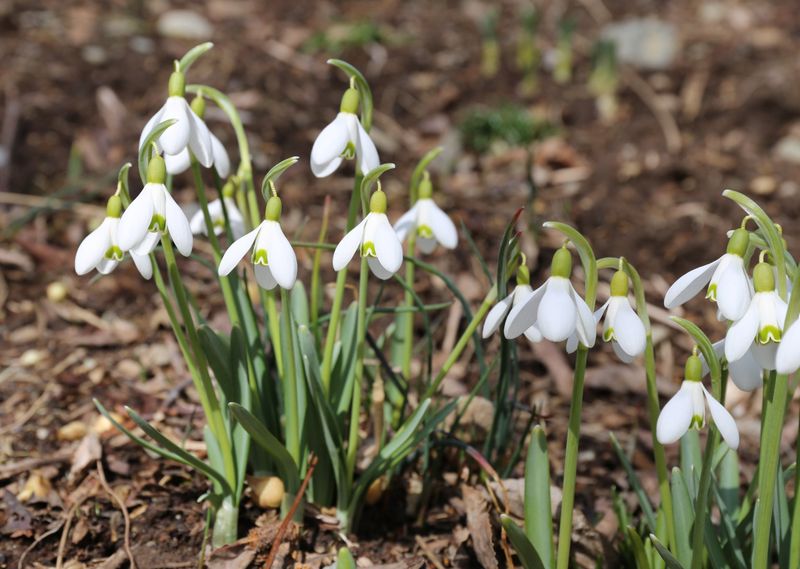
Long before most of your garden wakes up, snowdrops are already hanging their little white bells. In many US zones, they show up in February.
Each bulb slowly builds a tight clump of offsets. When a clump gets crowded and blooms less, dig and split it right after flowering while the leaves are still green.
Fun fact: in England, people hold whole festivals for these flowers, and rare types have sold for hundreds of dollars a bulb.
4. Grape Hyacinths
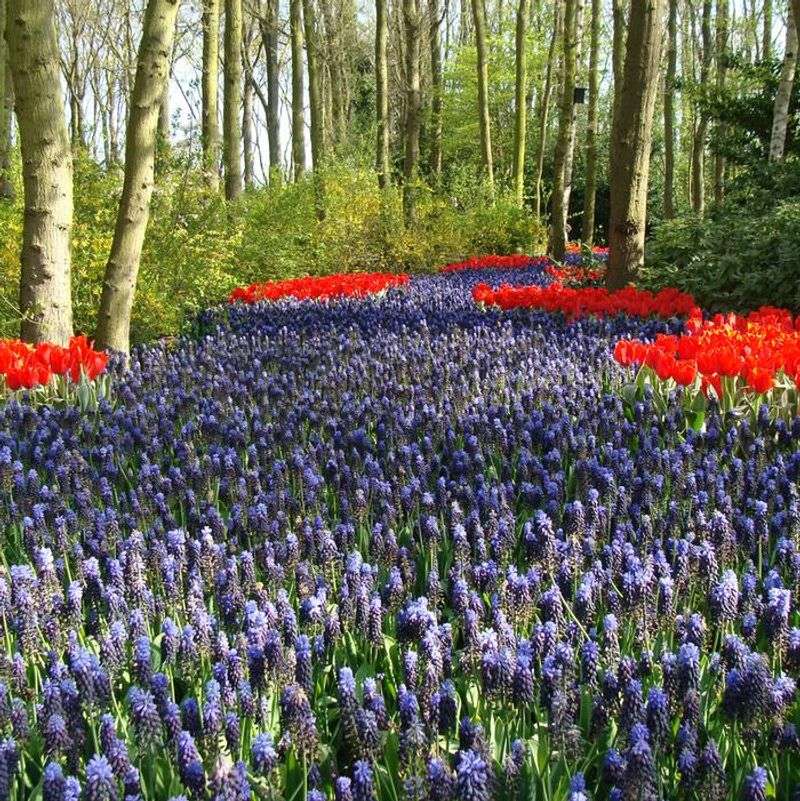
Want a blue river winding through your beds? Grape hyacinths are the easiest way to get one.
They multiply fast, sometimes faster than you expect. Plant them along paths or under shrubs where spreading is welcome.
Do not panic if leaves appear in fall. That is normal for muscari and will not hurt spring flowers.
5. Siberian Squill
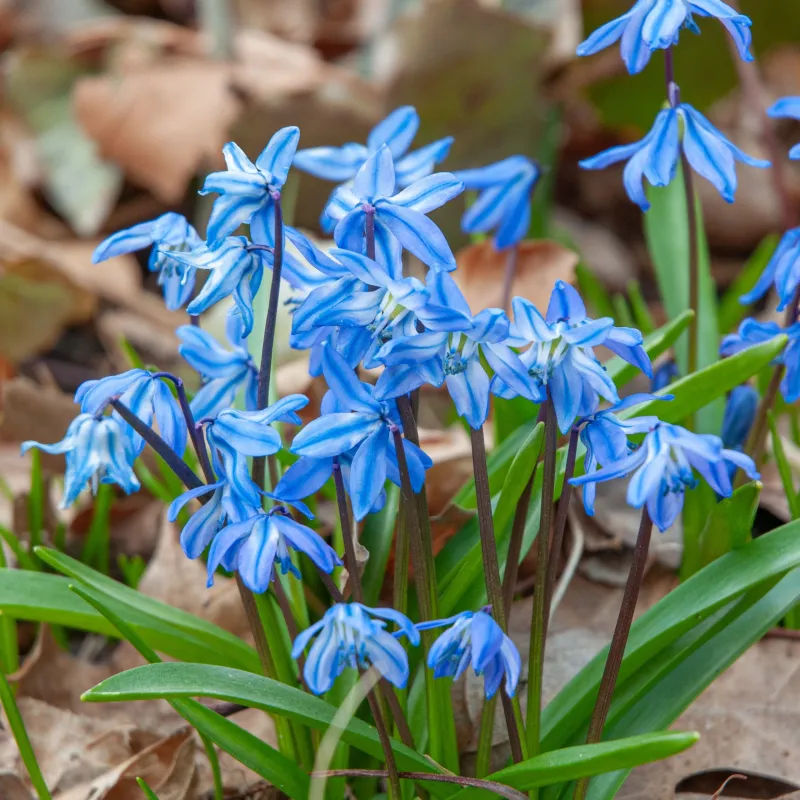
Some neighborhoods have yards that turn electric blue every April, and Siberian squill is the reason. The tiny nodding flowers are a color few spring bulbs can match.
Squill spreads by seed and offsets, filling bare ground under trees where grass struggles. It handles cold winters down to zone 2.
A heads-up: it can spread into lawns and is considered invasive in some Midwest areas. Check your local list before planting near wild spaces.
6. Alliums
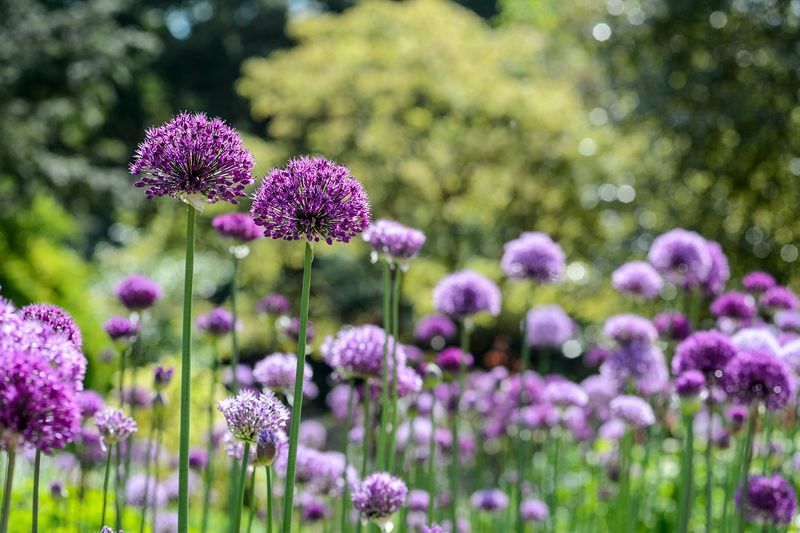
Purple balls on sticks, floating over your garden like something from a cartoon. Alliums bring height when early bulbs are done.
Many types, like Drumstick and Purple Sensation, multiply each year. They are ornamental onions, so deer and rabbits skip them.
Give them full sun and soil that drains well. Soggy ground is the main reason allium bulbs rot.
Bonus: the dried seed heads look great well into summer.
7. Species Tulips
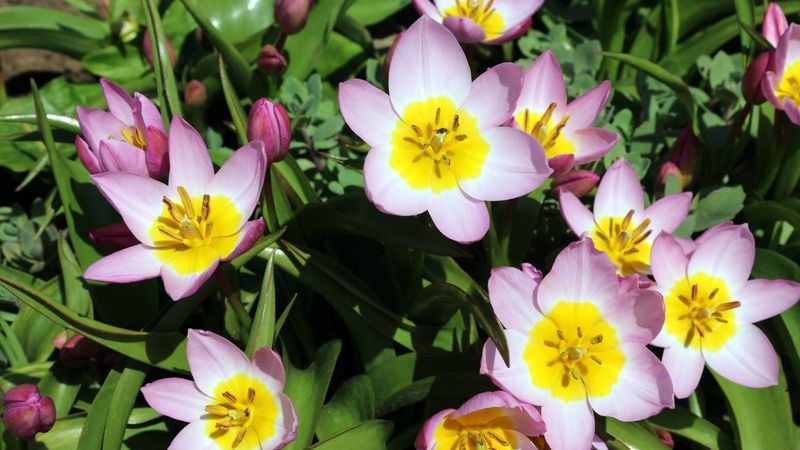
If your fancy tulips bloomed great once and then gave you only leaves, you are not alone. Most big hybrids fade after a year or two.
Species tulips are different. These smaller wild types, like Lady Jane and Tulipa tarda, return and spread over time.
Plant them in a sunny, dry spot. They actually like a hot, dry summer rest, so skip watering them after the leaves die back.
8. Glory-of-the-Snow
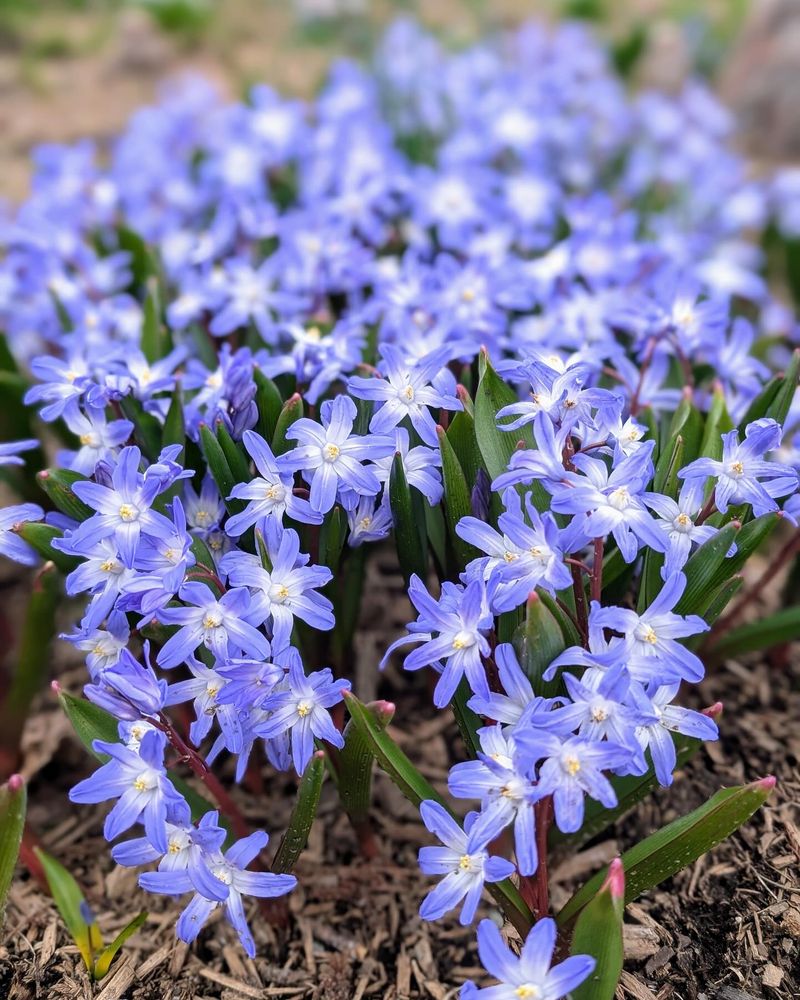
Its name tells the story: these starry flowers often push up through the last snow. Each one is blue or pink with a bright white center.
Chionodoxa self-seeds happily, so a small planting can become a sweeping patch. It looks lovely tucked under roses or hydrangeas, which are still bare in early spring.
Plant 3 inches deep in fall, and then leave it alone. That is honestly the whole job.
9. Winter Aconite
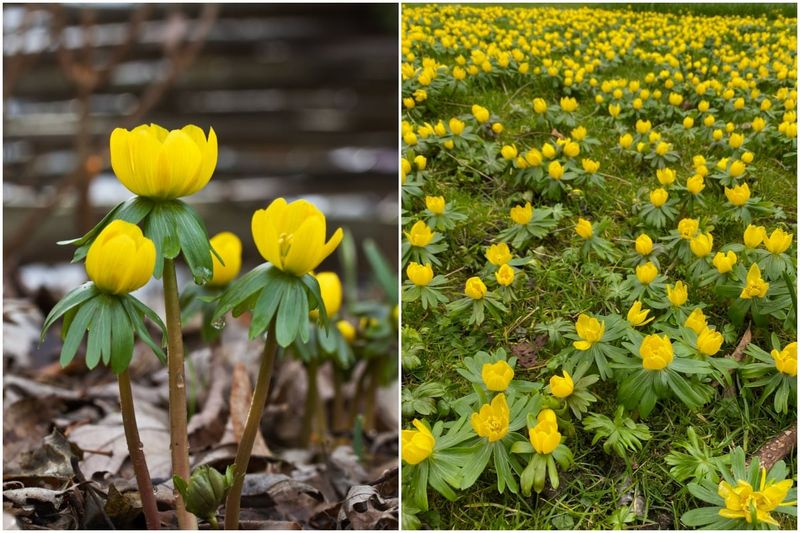
Tiny golden cups wearing green collars, blooming in February. Winter aconite looks like a buttercup that got up way too early.
The tubers dry out easily, which is why many plantings fail. Soak them overnight in water before planting in fall, and they will have a much better shot.
Once settled in shady, moist spots, they seed around and form glowing yellow pools.
10. Fritillaria Meleagris
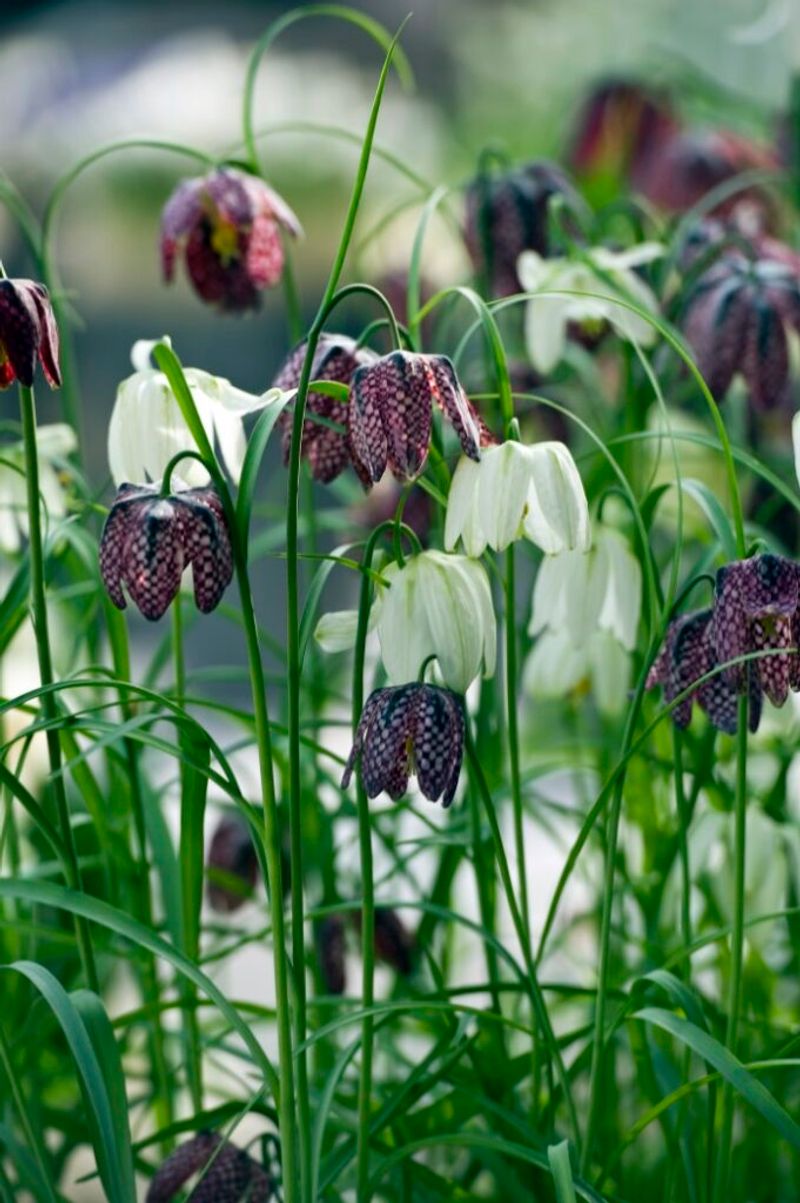
Look closely and you will see a checkerboard pattern on each bell. The snake’s head fritillary is one of the strangest, prettiest bulbs you can grow.
It loves damp spots where many bulbs rot. If you have a low area in your yard that stays moist in spring, this is your plant.
Over time it makes new bulbs underground and spreads by seed.
11. Spring Snowflake
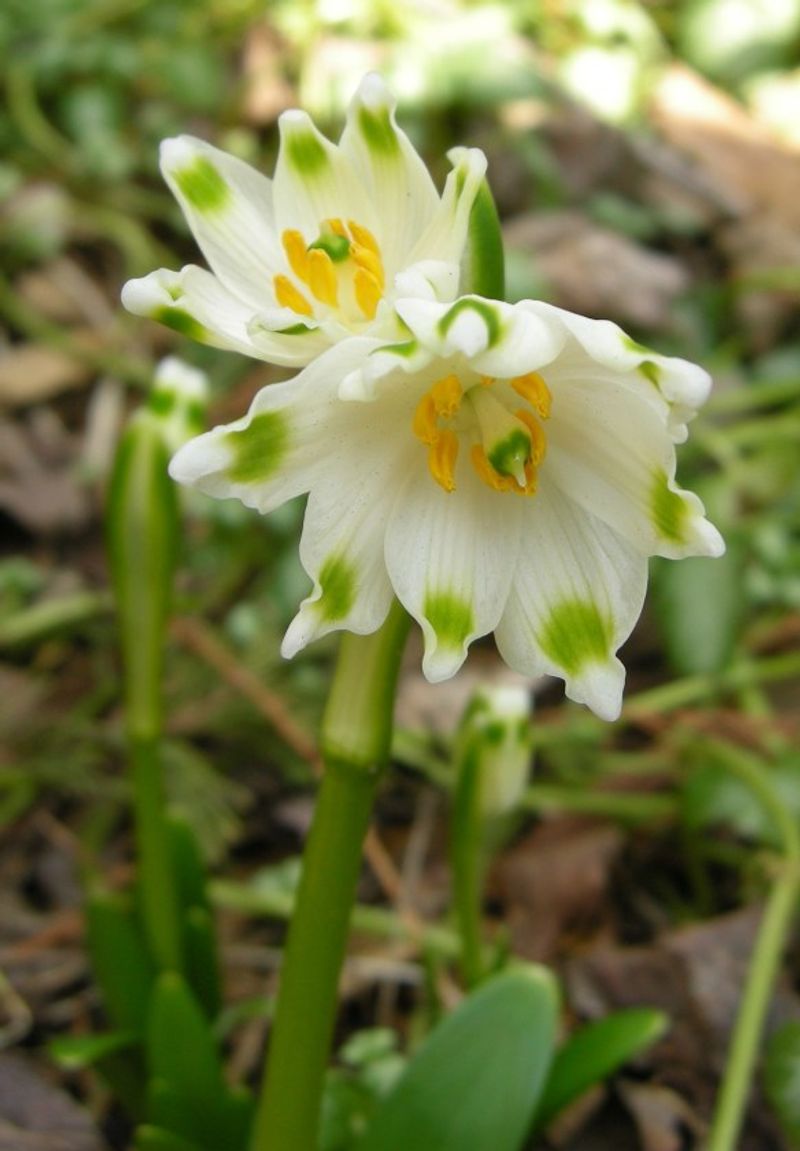
People mix them up with snowdrops all the time. Here is the trick: snowflakes have green dots on the tip of every petal and stand taller.
Leucojum takes clay and wet soil in stride, and it forms bigger clumps each year. It is also deer resistant.
Divide crowded clumps every few years after the leaves fade to keep blooms coming.
12. Camassia
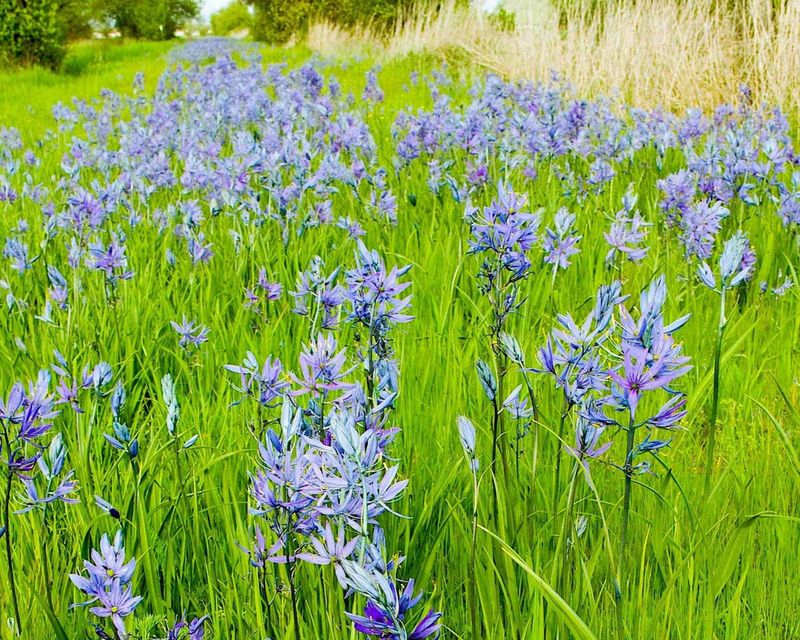
Native Americans once harvested camas bulbs as food, and the plant grew wild across western meadows. Today it is a showy, homegrown choice for your yard.
Tall blue spikes appear in late spring, right as daffodils finish. That fills the color gap many gardeners notice in May.
Camassia grows well in heavy, moist soil and slowly forms larger clumps. Just do not eat garden bulbs, since a lookalike called death camas is poisonous.
13. Anemone Blanda
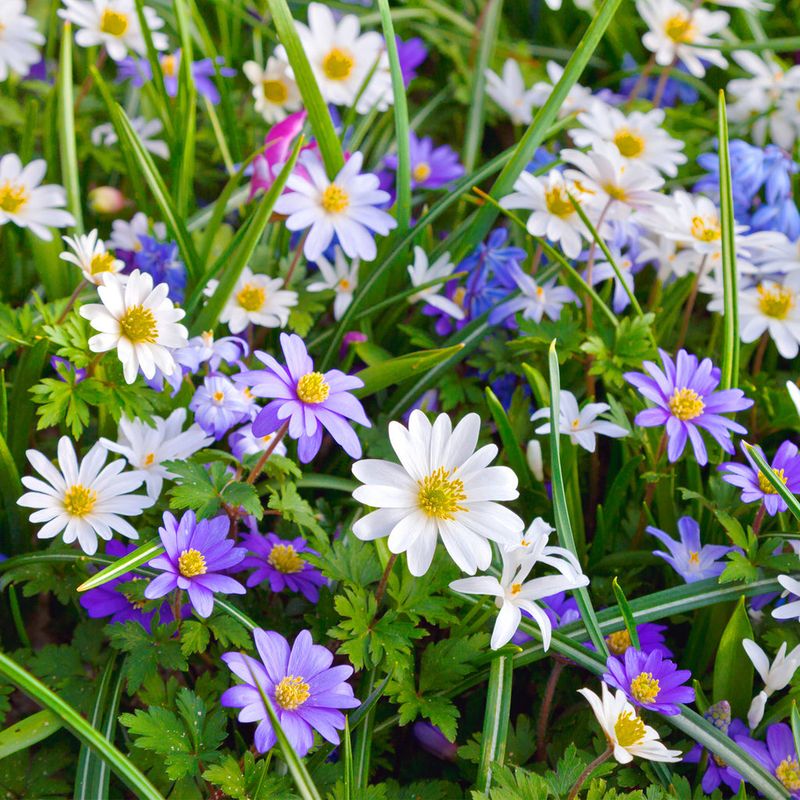
Daisies in March? Anemone blanda gives you that surprise, with blue, pink, or white petals that open wide in sunshine.
The knobby tubers look like dried pebbles, and it is hard to tell up from down. Soak them for a few hours, then plant on their sides.
They will sort it out.
Year after year, they creep outward into a low, cheerful mat.
Plant a few bulbs from this list this fall, and next spring will only be the beginning.