
If You Want Fresh Flowers On Your Table Next Summer, Here Are 15 Cut-And-Come-Again Annuals To Sow This Fall
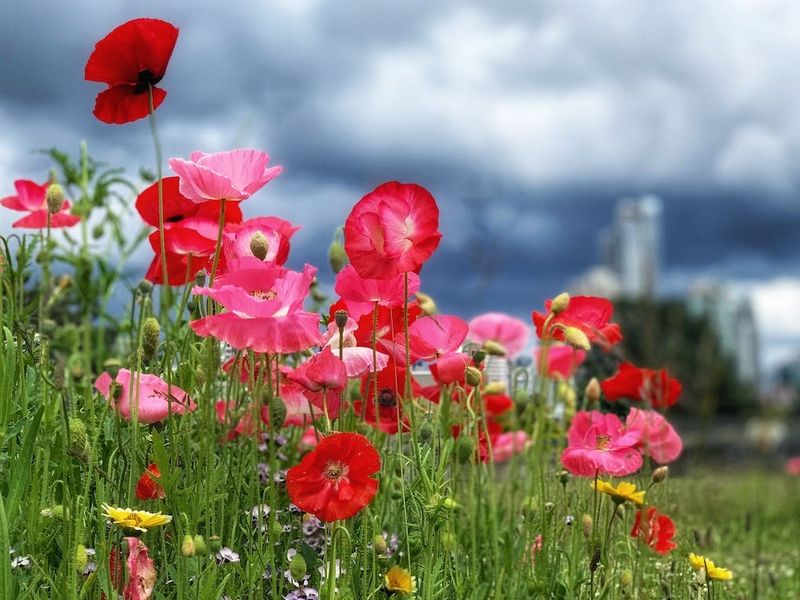
Most gardeners wait until spring to plant flower seeds, and that is exactly why their first bouquets show up so late. Many tough annuals actually grow better when you sow them in fall, because they build strong roots over the winter and bloom weeks earlier.
The best part is that these picks keep making new flowers every time you cut them. If you want a vase full of homegrown color next summer without the spring rush, here are 15 annuals worth sowing now.
1. Larkspur
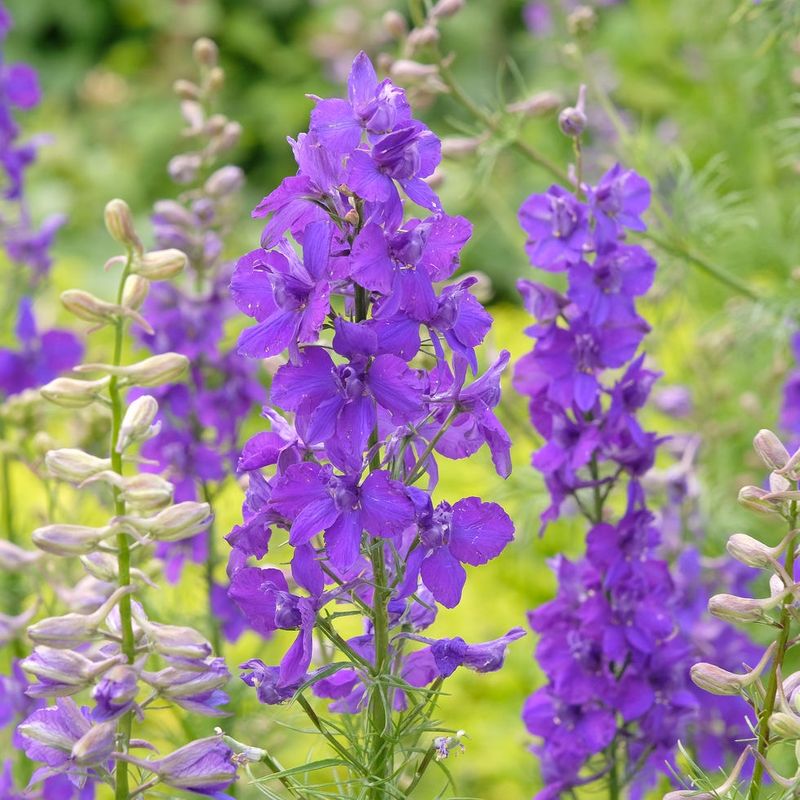
Spring-sown larkspur often sulks, stays short, and flops before it really gets going. Sow it in fall instead and you get taller, sturdier stems that bloom earlier.
The secret is cold. Larkspur seeds want cool soil to sprout and a chilly stretch to flower well, so scatter them right into prepared beds in early autumn and let winter do the work.
For the vase, cut stems when just the bottom few flowers have opened. The rest of the buds will keep unfolding indoors, and the plant will push out side shoots for more cutting.
Leave a few spikes to drop seed, and you may never need to buy larkspur again.
2. Bachelor’s Buttons
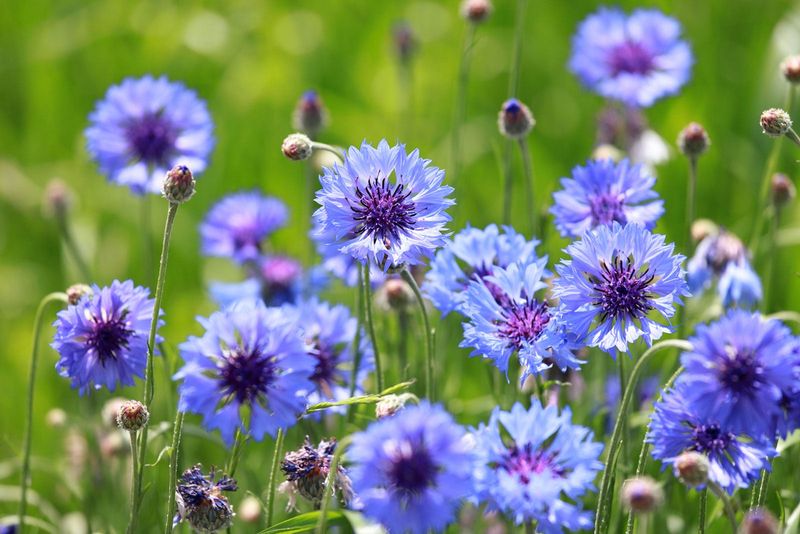
Grandma probably grew these in a corner by the fence, and there’s a good reason they never went out of style. Bachelor’s buttons are about as easy as cut flowers get.
Fall-seeded plants turn into bigger, bushier clumps with longer stems and larger blooms by mid-spring. Aim to sow about six weeks before your first fall frost so the seedlings can settle in before winter.
Keep snipping the flowers and the plant keeps answering with more. When you finally tire of cutting, let a few heads dry on the stem, and next year’s crop will plant itself.
3. Shirley Poppies
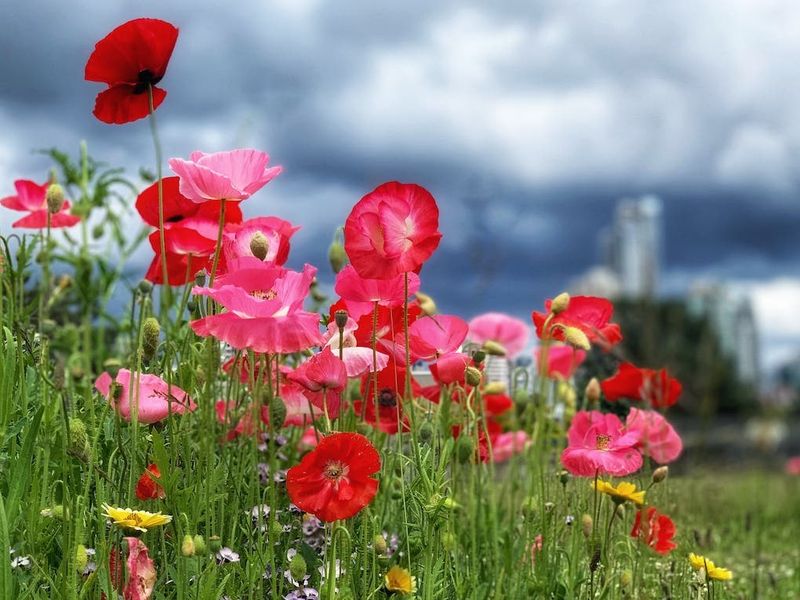
Here’s a confession many gardeners share: they tried poppies in spring and got nothing. Poppy seeds are fussy about warmth and often refuse to sprout once the weather heats up.
Fall fixes that. Scatter seeds thinly over bare soil in late fall, after the ground has cooled or after a hard frost, and don’t cover them much.
Annual types like Shirley and breadseed poppies establish over winter and come up strong in cool spring weather.
They aren’t endless producers like some on this list, but cutting blooms or pulling faded ones before pods form can stretch the show. For vase use, pick them right as the buds crack open and sear the stem ends in hot water.
4. Nigella (Love-in-a-Mist)
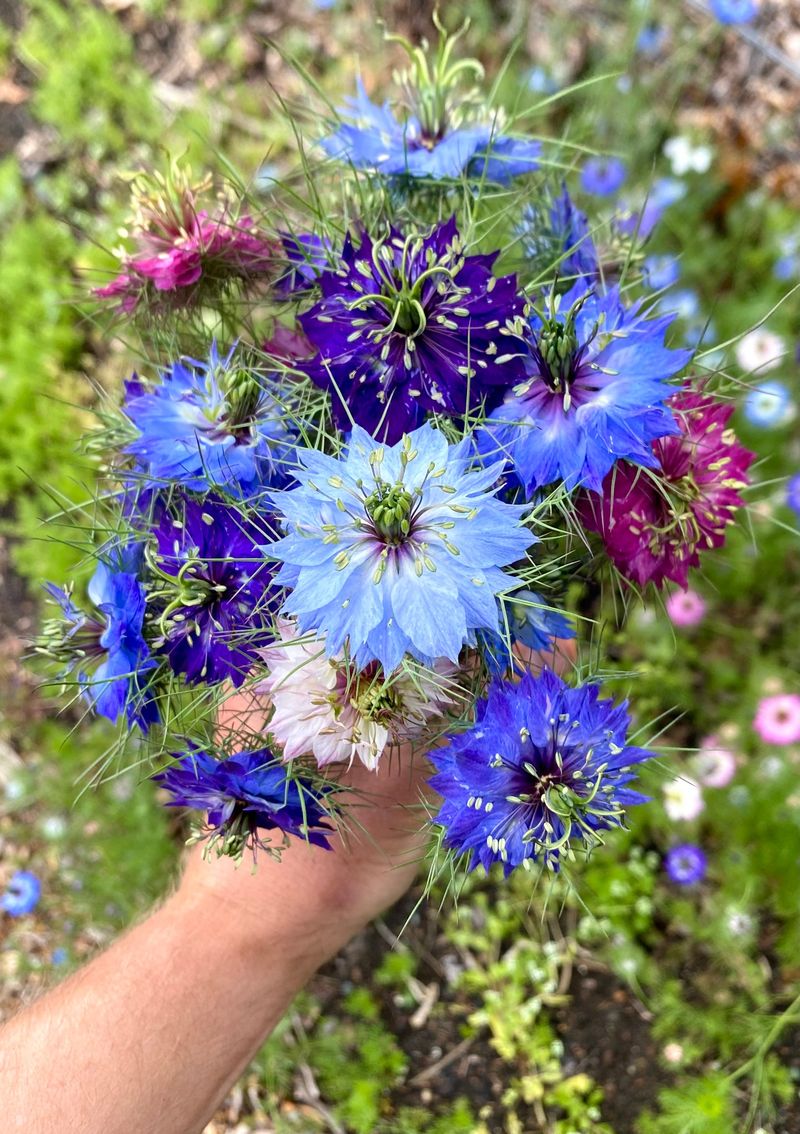
Two bouquets for the price of one. Nigella gives you frilly blue, white, or pink flowers first, then puffy striped seed pods that look great fresh or dried.
Autumn sowing gives you earlier, stronger plants that start flowering around late May or June. Sow directly where you want them, because nigella hates having its roots moved.
Plants do slow down after a few weeks of cutting. To keep your table supplied, sprinkle a few more seeds every few weeks into spring, and you’ll have new flushes coming in as older plants fade.
5. Calendula
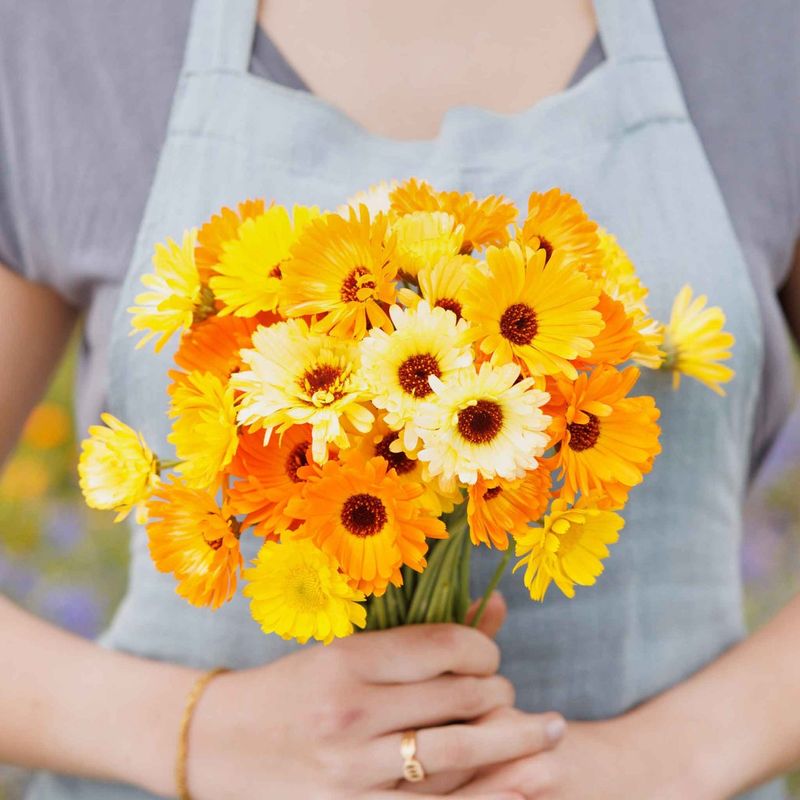
Few flowers shrug off a cold snap like calendula. Those sunny orange and yellow daisies can keep blooming into chilly weather when everything else has quit.
Gardeners in zones 7 through 9 can sow in October or November for sturdy plants and a long flowering season. In colder spots, wait until after your first killing frost so seeds don’t sprout too early.
The rule with calendula is simple: the more you pick, the more you get. Once it starts making seeds, it slows down, so harvest often.
Fun bonus: the petals are edible and have been tossed into soups and salads for centuries.
6. Sweet Peas
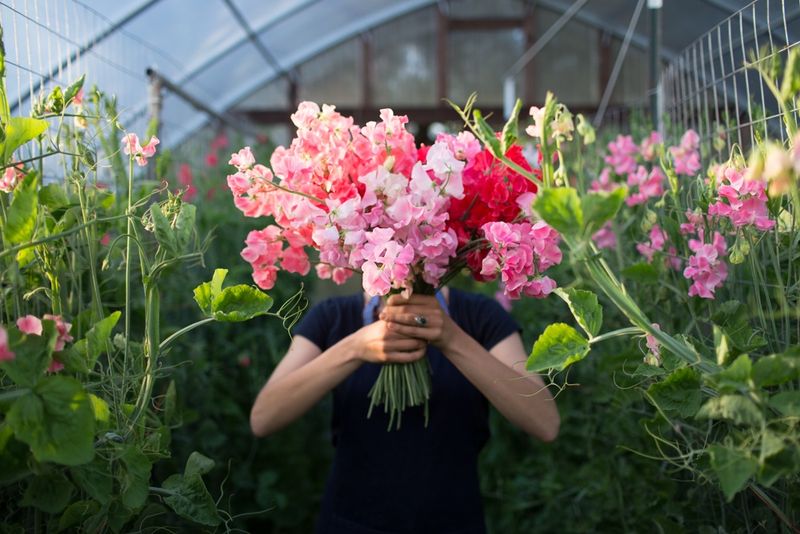
One whiff of a sweet pea bouquet and you’ll understand why people get obsessed. These old-fashioned vines are maybe the most rewarding cut flower you can grow.
In mild-winter areas, fall sowing lets sweet peas grow deep roots before the heat hits. That usually means earlier, bigger blooms and more of them.
In colder zones, start in late winter instead.
When seedlings are 4 to 6 inches tall, pinch out the top tip to make them branch. After that, cut every couple of days.
If you let pods form, the vine thinks its job is done and quits flowering, so keep picking even when you’re out of vases.
7. Ammi (Queen Anne’s Lace)
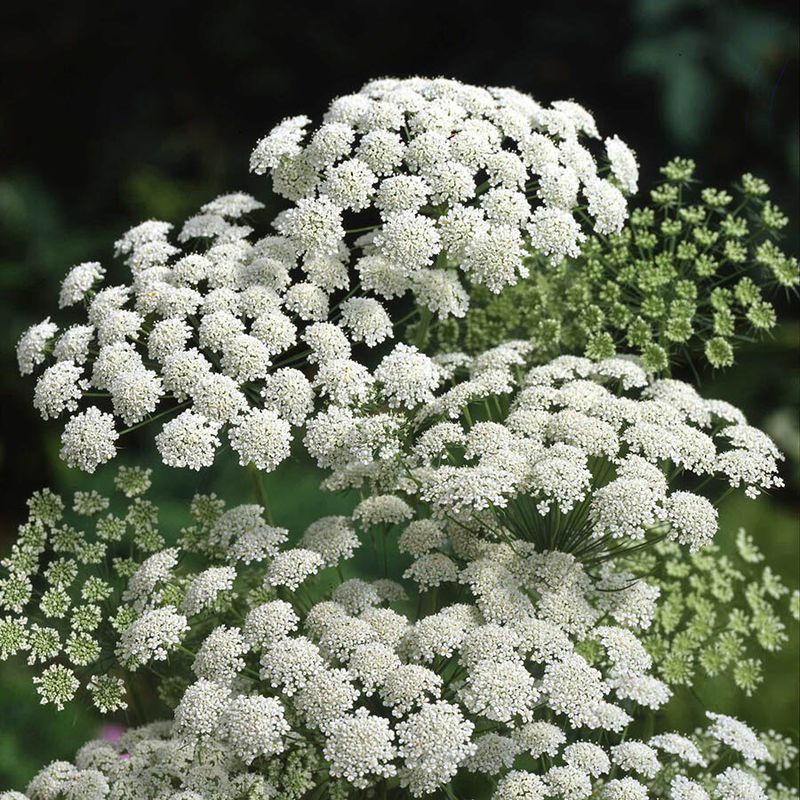
Every great bouquet needs something airy to soften the big blooms, and ammi does that job beautifully. Its lacy white umbels make even a few grocery-store stems look professional.
Direct sow in late summer or early autumn so plants get established before winter. By late May you can expect a big wave of flowers.
In colder zones, a simple low tunnel of row cover can help young plants get through.
Plants can grow tall, so a little support keeps them upright. Wear gloves when handling lots of stems, since the sap can bother sensitive skin in the sun.
8. Bells of Ireland
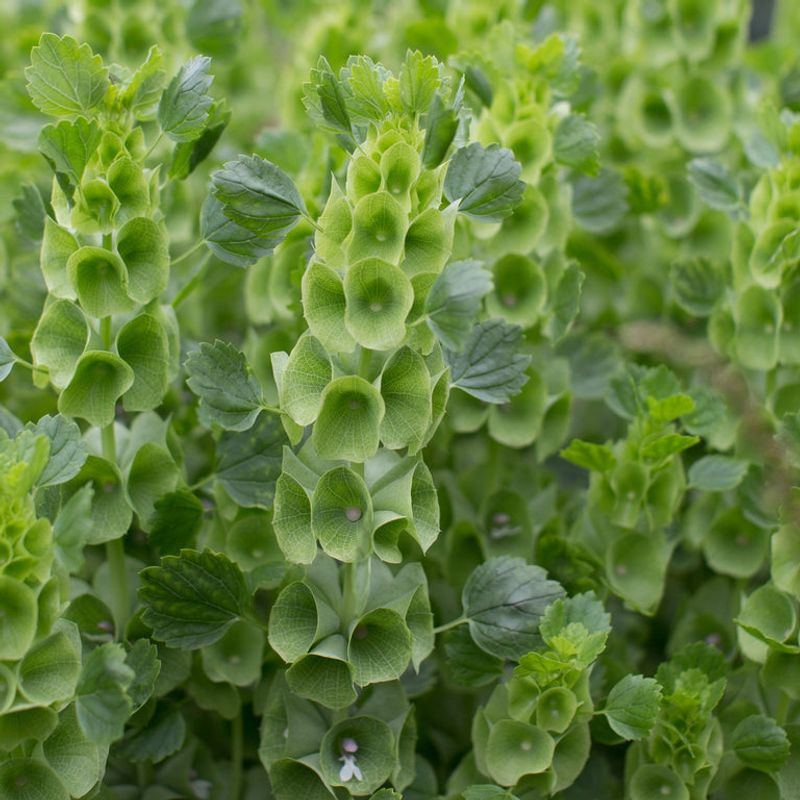
Patience required here. Bells of Ireland are known for slow, stubborn germination, and many spring sowings simply fail.
Fall sowing helps a lot, because winter gives the seeds the natural cold treatment they crave. They also need light to sprout, so press seeds onto the soil surface or barely cover them.
The payoff is tall spires stacked with bright green bell-shaped cups that last a long time in water. Regular harvesting keeps the plants producing longer.
Despite the name, they actually come from the eastern Mediterranean, not Ireland.
9. Clarkia
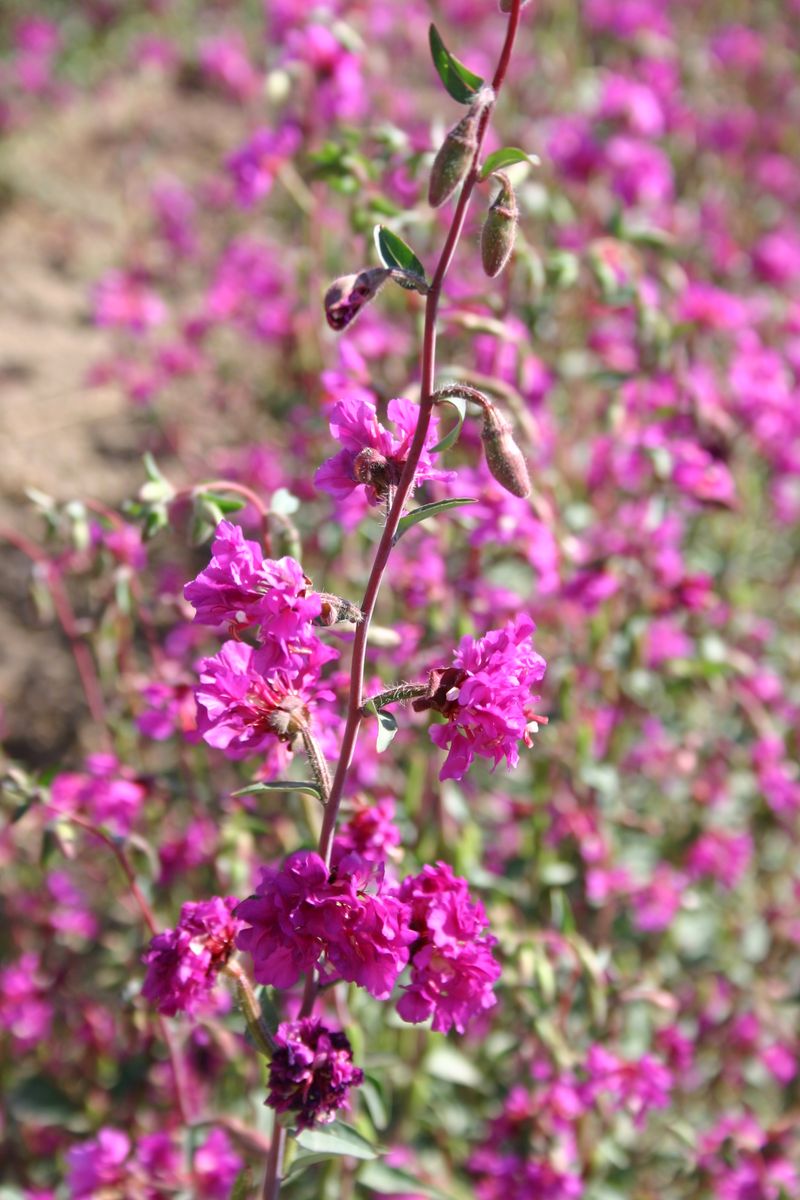
Clarkia is a West Coast native wildflower with satiny ruffled blooms that look almost too fancy to be this easy. Stems are lined with flowers in pink, purple, and white.
In zones 8 through 10 especially, fall sowing is the way to go. Sow in mid to late fall and just press seeds onto the soil, since they need light to germinate.
Cut stems when a few flowers are open, and the buds keep opening in the vase for days. Deadhead whatever you don’t cut to stretch the season.
It’s named after William Clark of the Lewis and Clark expedition.
10. Agrostemma (Corn Cockle)
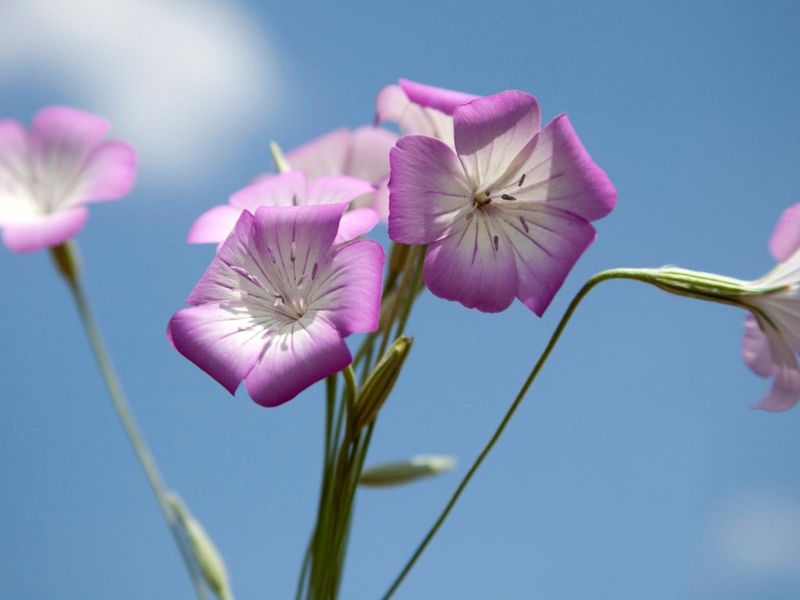
Picture slim stems swaying in the breeze, each topped with a shiny pink flower that looks like it’s lit from within. That’s agrostemma.
It’s one of the easiest seeds you’ll ever sow. In zones 5 through 9, plant in October or November, and the plants will be ready to bloom early the next season.
Stems are thin but sturdy, so they add movement to arrangements. Keep in mind the seeds are toxic, so plant it away from spots where kids or pets might snack.
11. Chinese Forget-Me-Not
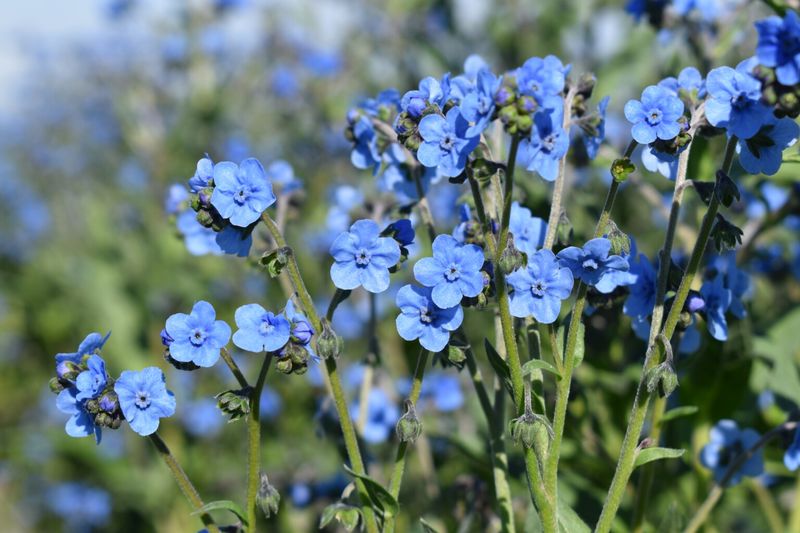
Got a spot that only gets morning sun? Chinese forget-me-not doesn’t mind.
It’s one of the few cutting annuals that handles part shade well.
Sow in October or November in zones 5 through 9. Plants form loose sprays of tiny true-blue flowers that add a soft, cottage feel to any jar on the table.
Cut frequently to keep new sprays coming. One heads-up: the seeds are a bit sticky and will hitch rides on your clothes, so pick before too many set.
12. Annual Scabiosa
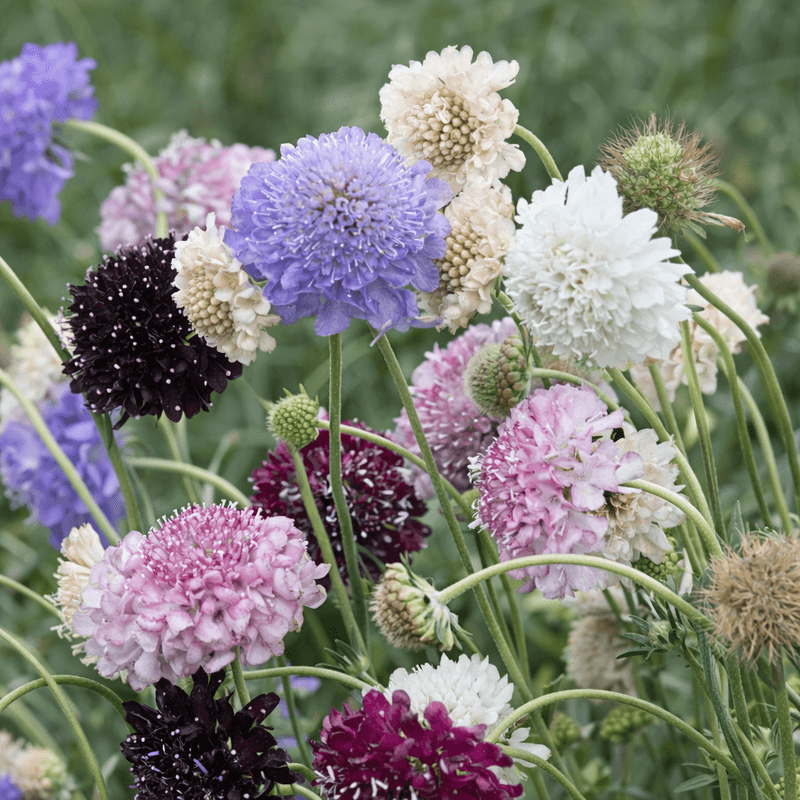
Bees love it, florists love it, and you probably will too. Annual scabiosa, or pincushion flower, has round domed blooms in shades from deep burgundy to soft lavender.
Sown in autumn, it gets a jump on the season and blooms earlier and fuller. It’s a true cut-and-come-again plant, so regular cutting brings wave after wave of flowers all summer.
If you skip harvesting for a week, the plant quickly slows down. Cut long stems right above a side bud, and new flowers will follow.
13. Annual Baby’s Breath
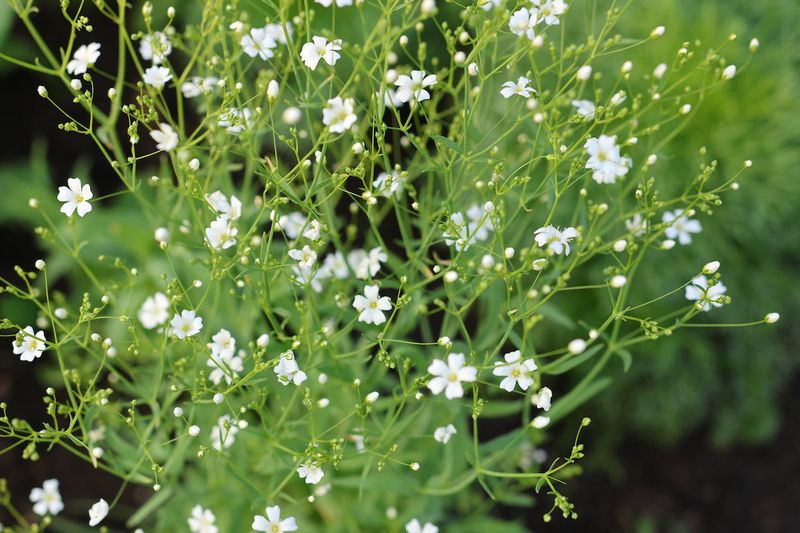
That classic cloud of tiny white flowers from wedding bouquets is surprisingly simple to grow yourself. Annual baby’s breath is fast, cheap, and charming.
Some varieties are hardy enough for fall sowing, especially in zones 8 and 9, where an October planting leads to earlier blooms. In colder areas, spring sowing works better.
Plants bloom fast and finish fast, so keep cutting and consider sowing a second batch a few weeks later to keep the clouds coming.
14. Cerinthe (Honeywort)
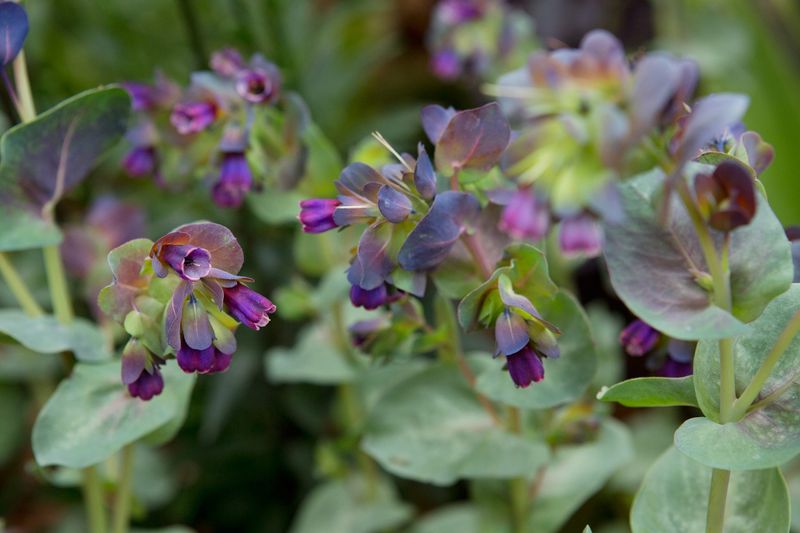
Visitors always ask about this one. Cerinthe has dusky blue-purple bells dangling from silvery blue leaves, and it looks like nothing else in the garden.
Fall sowing gives you plants that appear early the following year. Once you grow it, it often self-seeds, so you may get volunteers popping up on their own.
Freshly cut stems may droop at first. Dip the ends in hot water for a few seconds, then into cool water, and they usually perk right up.
15. Bupleurum
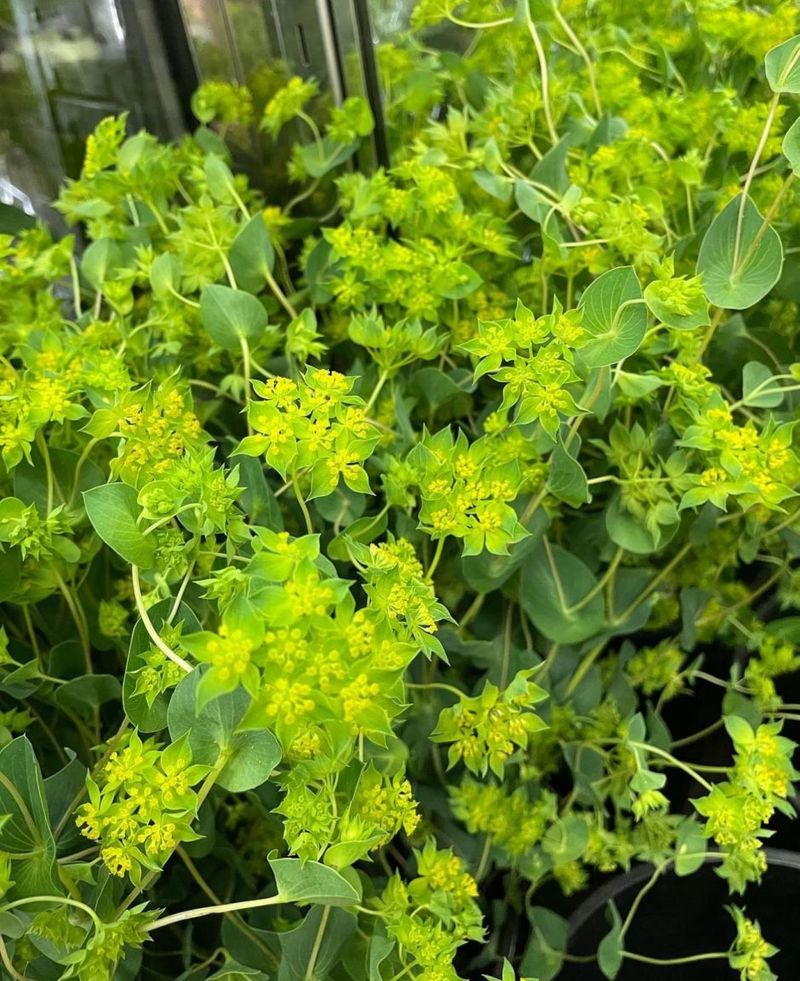
Not every star needs bright petals. Bupleurum’s lime-green clusters and round leaves make every other flower in the jar look brighter.
Fall sowing helps the plants establish early, which leads to sturdy growth and lots of cutting material the next summer. It’s also known for lasting a long time in a vase.
Treat it as your secret weapon for filler. Tuck a few stems around sweet peas or scabiosa and your homegrown bouquet suddenly looks like it came from a florist.