
If Your Aster Grows Tall And Leafy But Flops Over Right As Fall Buds Form, You Skipped One Summer Cut

Tall fall-flowering asters can grow beautifully all season long and then collapse into a tangled heap the moment their buds start to open. For many gardeners, a single early-summer shaping step is what separates a tidy, upright display from a plant leaning on everything around it. Skipping that cut is one common reason tall asters flop, though it is not the only one. Understanding what the cut does, when to do it, and what else can cause weak stems puts you in a much better position heading into fall.
Identify the tall fall-blooming aster first
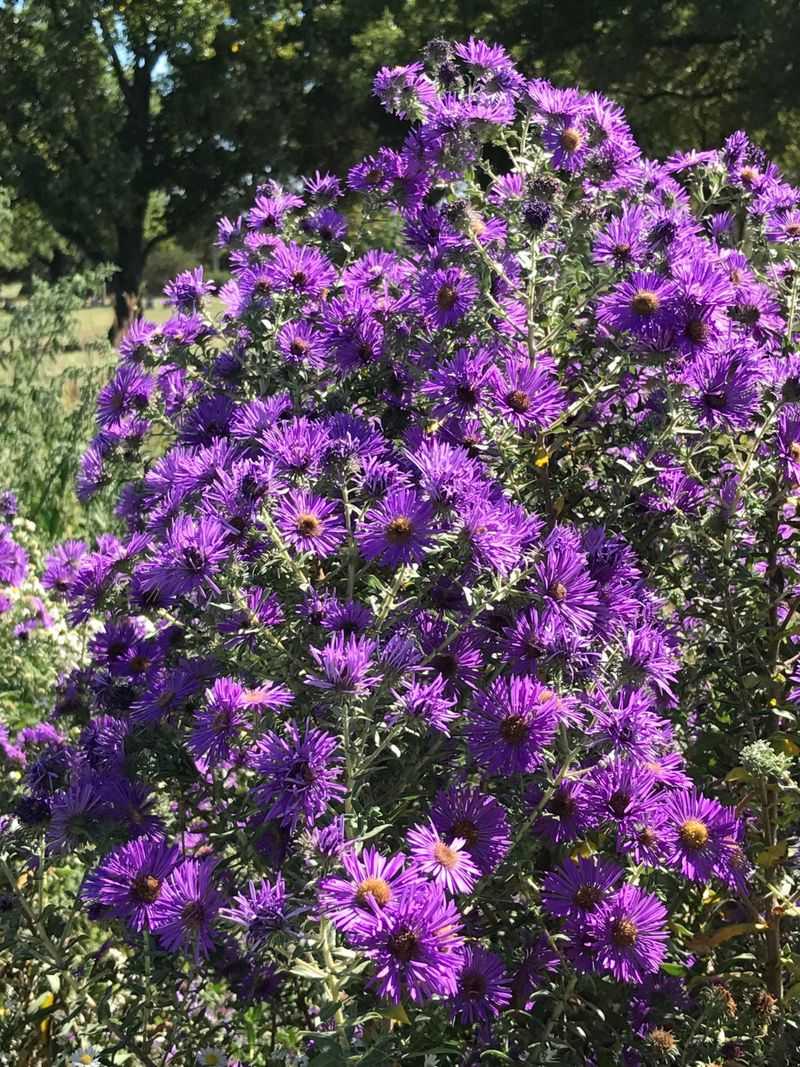
Not every plant sold as an aster behaves the same way, and the advice in this article is aimed at a specific group: tall, fall-flowering species in the genus Symphyotrichum, particularly New England aster (Symphyotrichum novae-angliae) and New York aster (S. novi-belgii). These are the classic late-season bloomers that grow vigorously through summer, produce dense leafy stems, and then burst into clouds of purple, pink, or white flowers just as most other perennials are winding down.
Height is the key variable. University of Wisconsin Extension notes that aster heights range from about 6 inches to 7 feet depending on species and cultivar, so the floppy-fall-bloomer problem is most relevant to plants at the taller end of that range. A 2-foot compact cultivar like ‘Purple Dome’ behaves very differently from a 4- to 5-foot New England aster growing in a rich backyard border. Missouri Extension identifies compact cultivars that naturally form low, tidy mounds and rarely need the same structural intervention that tall types require.
Before applying any cutting advice, confirm what you are growing. Stokes aster (Stokesia laevis) is a completely different plant that belongs to a different genus. Clemson Extension describes Stokes aster as flowering mainly from May through July, with some cultivars extending later into summer, which is a very different schedule from a fall-blooming Symphyotrichum. Annual asters and alpine asters also have different habits and should not automatically receive the same treatment.
Matching the advice to the right plant is the first practical step.
How early shaping changes the plant
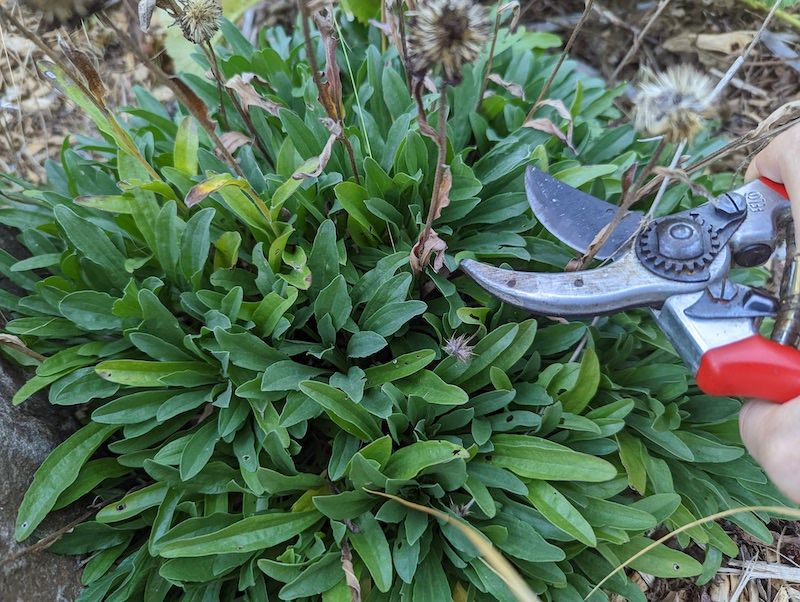
Pinching or cutting back actively growing aster stems in early summer changes the physical structure of the plant. When you remove the tip of a stem, the plant redirects energy into the side buds that were already waiting lower on that stem. Those side buds develop into lateral branches, which means the plant ends up shorter, fuller, and carrying more individual stems than it would have if left alone. That branching response is why the practice can reduce the top-heavy, lanky growth that leads to flopping.
University of Maryland Extension recommends pinching asters several times before mid-July to encourage this kind of compact, bushy form. The result is a plant that distributes its weight more evenly across a wider base of stems rather than concentrating it at the top of a few tall ones. Penn State Extension explains that pruning herbaceous plants in this way encourages lateral growth and a more uniform overall shape, which is exactly what a tall aster needs before it starts carrying heavy flower heads.
There are honest tradeoffs to acknowledge. The same pinching that promotes more flowering stems can delay bloom by a week or two, and individual flowers on a pinched plant may be slightly smaller than on an unpinched one. Iowa State University Extension notes that timing and technique affect how flowering responds to cutbacks. A pinched plant may carry a fuller, more uniform display overall, but claiming it will always produce more total flowers is an overstatement.
The goal is a sturdier structure and a tidier plant, not a guaranteed flower count.
Complete the cut before flower buds develop
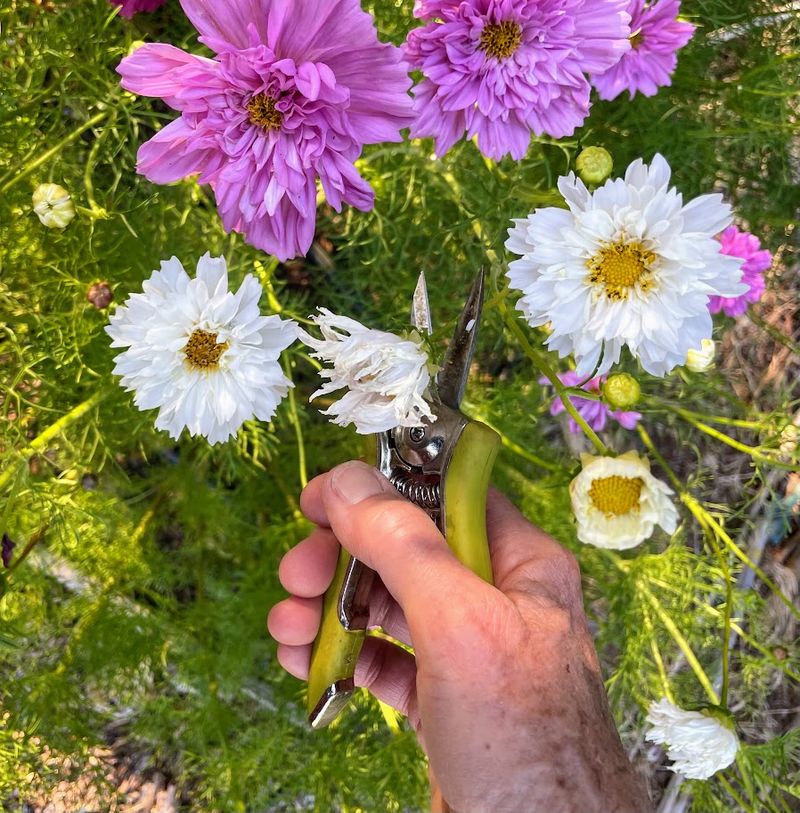
Timing is what separates a useful cut from a damaging one. The window for shaping tall fall-flowering asters generally opens in late May or early June and closes by early to mid-July, though your specific region, cultivar, and the pace of your plant’s growth determine the exact date. The most reliable signal is the plant itself: while the stems are actively pushing new leafy growth and no flower buds are visible, the cut is still appropriate.
Nebraska Extension recommends cutting or pinching aster stems back 4 to 6 inches once or twice in spring to early summer, with a regional cutoff of June 15 as the latest point for that guidance. University of Illinois Extension advises finishing the major cutback by early July at the latest, while University of Maryland Extension places the window through mid-July for its region. None of these dates are universal across the continental United States, so treat early to mid-July as a general outer limit while watching the plant for bud formation.
Once flower buds begin to develop, the situation changes completely. University of Nebraska Extension warns that a hard cutback on a budded or flowering plant can remove the current season’s flowers and leave the plant without enough time to produce replacement growth before frost. A late hard cut is not a rescue strategy for a floppy aster in August or September. If buds are already visible, skip the cutting and move to a support plan instead.
Make a moderate, even cut across the clump
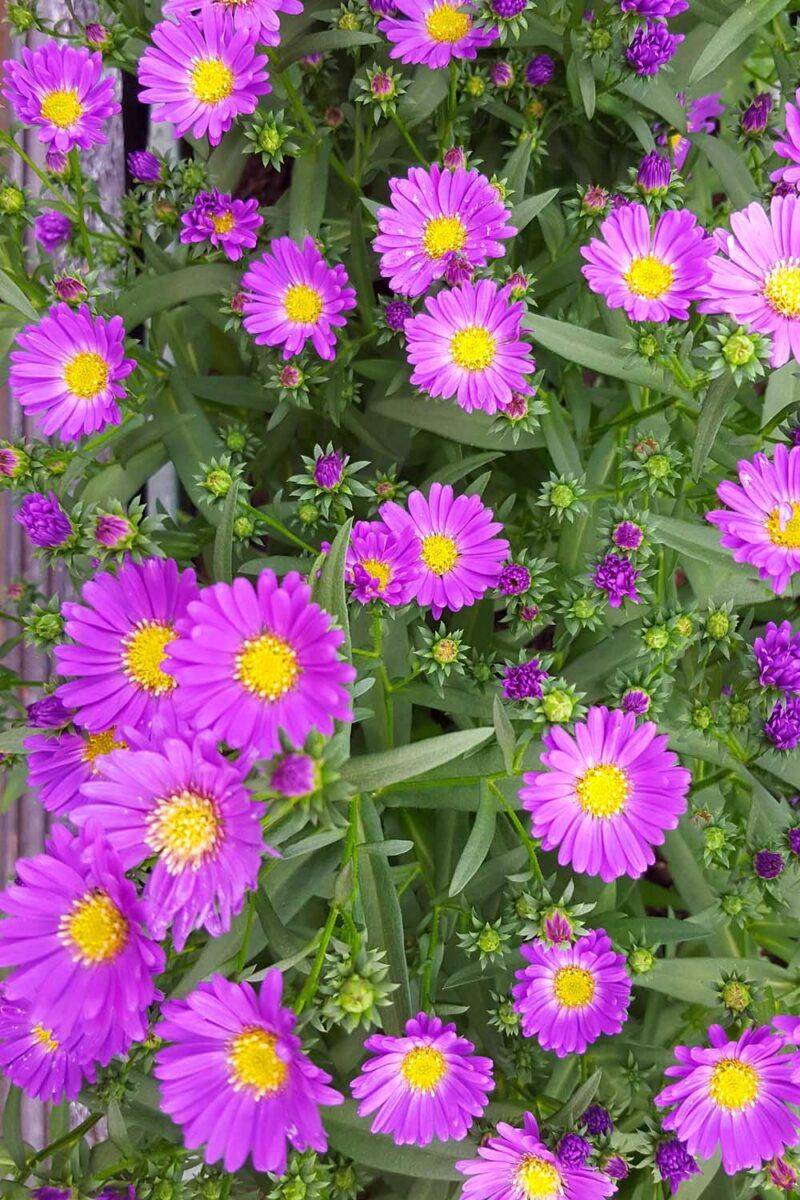
Once you have confirmed the timing is right, the method is straightforward. Remove roughly one-third to one-half of each stem’s current length, working your way evenly around the entire clump. Nebraska Extension specifically recommends cutting each stem back about 4 to 6 inches once or twice during spring to early summer, which is a practical starting point for many gardeners in the Midwest and similar climates. That measurement is a regional guideline, not a universal rule, so adjust based on how much growth your plant has put on and how tall it is running.
Penn State Extension advises cutting evenly around the plant rather than removing growth from one side only. Uneven cutting can leave the clump lopsided, which creates both a visual problem and an uneven weight distribution that can actually contribute to leaning later in the season. Work around the whole plant systematically, cutting each stem to roughly the same height so the regrowth comes in balanced.
Repeated pinches and one or two larger cutbacks are both accepted approaches, and neither is the single correct method. University of Maryland Extension recommends pinching asters several times before mid-July, while Nebraska Extension supports one or two larger cuts. Your choice can depend on how much time you have, how fast your aster grows, and whether you prefer the incremental control of repeated pinches or the efficiency of one good cutback. One practical option: leave a few stems unpinched to bloom earlier, while cutting the rest to stagger your display across a longer period rather than concentrating all the flowers at once.
Stake a plant that is already tall or budded
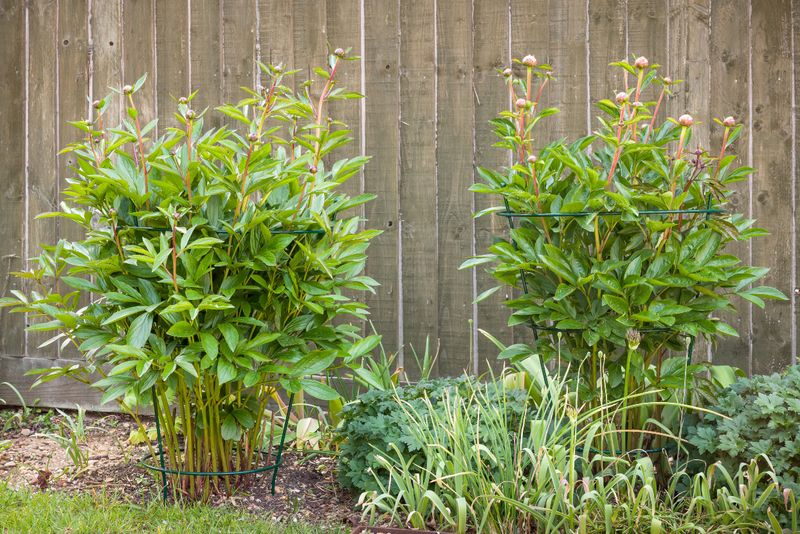
Summer shaping is a preventive tool, not a late-season rescue. If your aster is already tall, beginning to form buds, or leaning noticeably, cutting it back hard at that stage is likely to cost you the fall display. The stems carrying those developing buds are the same stems that will open into flowers in a few weeks, and removing them leaves the plant with little time to push replacement growth before temperatures drop.
The practical answer at this stage is support. A plant-support ring, grow-through grid, or individual stakes placed around the clump can hold floppy stems upright without sacrificing a single bud. University of Nebraska Extension recommends placing support materials before plants reach about 6 inches tall so the stems grow up through the structure and conceal it naturally. That ideal window has passed for a plant already in bud, but a support ring installed now can still prevent the clump from splaying outward and protect the flowers from storm damage.
Nebraska Extension also recommends staking tall asters in late summer as a standard practice for plants that outgrow their own structural capacity, and University of Wisconsin Extension advises staking for tall aster varieties as a routine expectation rather than a sign of failure. Push three or four stakes evenly around the outside of the clump and run soft twine or a support ring around them at about two-thirds of the plant’s height. Keep the tie loose enough that individual stems can still move slightly in the breeze, which reduces the risk of stem damage while still holding the overall shape upright through bloom.
Check other causes of weak, floppy stems
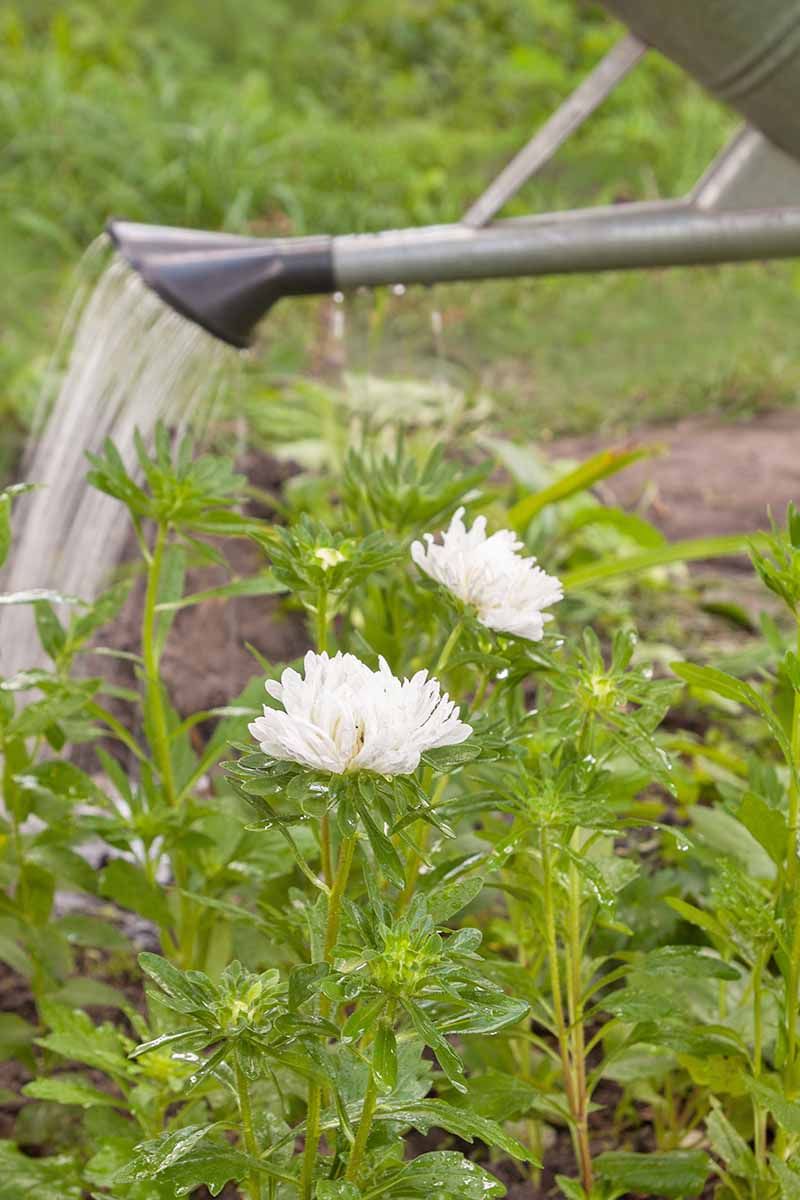
A missed summer cut is one possible reason a tall aster flops, but it is rarely the whole story. Before assuming the plant just needed a pinch, run through a short checklist of other common contributors. University of Maryland Extension identifies several reasons flowering plants fall over, including genetics, excessive fertilizer, overly wet or rich soil, insufficient light, and crowding, all of which can weaken stems regardless of whether the plant was pinched.
Genetics and cultivar are worth checking first. Some tall asters simply grow to heights where staking is a reasonable expectation, pinched or not. Missouri Extension notes that excess nitrogen fertilizer can push lush, soft vegetative growth that lacks the structural strength to hold upright under the weight of flowers and foliage. If you applied a high-nitrogen lawn or general garden fertilizer near your asters earlier in the season, that could be contributing to the problem.
Light and spacing matter more than many gardeners expect. Asters grown in partial shade tend to stretch toward available light, producing longer, weaker internodes between leaves. University of Wisconsin Extension recommends growing asters in full sun with adequate spacing for good air circulation. Crowded clumps also compete for light and airflow, which increases the risk of powdery mildew in addition to causing leaning stems.
University of Illinois Extension recommends dividing aster clumps every two to three years to keep them vigorous and well-spaced. A clump that has spread outward over several years often has a hollow, weak center that collapses under its own weight, and dividing it restores the tight, upright structure of a younger plant.
Match the schedule to the kind of aster

Applying one universal pinching schedule to every plant called an aster is a reliable way to create problems. The early-summer cutback advice in this article is built around tall, fall-flowering Symphyotrichum species, and it does not translate automatically to every aster-labeled plant in the garden. University of Wisconsin Extension lists aster heights ranging from 6 inches to 7 feet, which reflects just how different individual plants within this group can be. A compact cultivar growing 18 inches tall may hold its shape all season without any intervention, while a 5-foot New England aster almost certainly benefits from early shaping.
Stokes aster is a plant that often causes confusion because it is widely sold alongside fall-blooming asters in garden centers. Clemson Extension describes Stokes aster as blooming primarily from May through July, which means its active growing and flowering period is months earlier than a fall-blooming Symphyotrichum. Applying a July pinch to a Stokes aster could cut off its existing or finishing flowers rather than shaping pre-bud growth, which is the opposite of the intended effect.
Colorado State University Extension notes that annual asters and other aster-like plants sold in spring also follow different schedules and should not be treated as interchangeable with tall perennial Symphyotrichum species. The practical approach is to base your timing and technique on three things: confirmed plant identity, actual plant height at maturity, and the presence or absence of flower buds at the time you plan to cut. Those three factors tell you more than any calendar date alone.
Plan the seasonal fix instead of forcing a late rescue
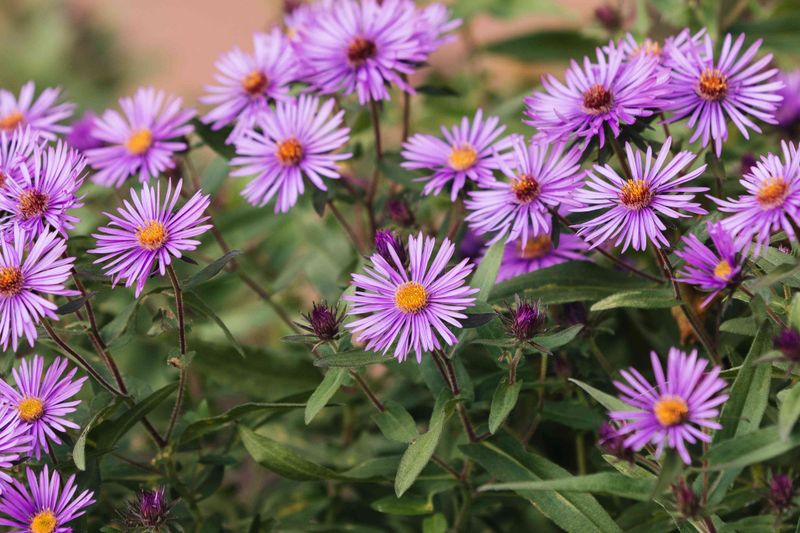
Next season’s plan is simpler than it sounds. Confirm you have a tall fall-flowering Symphyotrichum aster, then mark your calendar for late May or early June as the start of the shaping window. Remove roughly one-third to one-half of each stem’s length while the plant is actively growing and well before any flower buds appear. Cut evenly around the whole clump, finish before early to mid-July at the latest, and install a support ring early if the cultivar runs tall regardless of pinching.
A missed early-summer cut is a fixable planning gap, and it is one common contributor to fall flopping in tall asters, but it is not a guaranteed diagnosis for every plant that leans. University of Maryland Extension and University of Wisconsin Extension both continue to recommend staking for tall asters as a normal part of care, which means even a well-pinched plant may need support in a bad storm year or on a particularly vigorous cultivar.
Fall cleanup is a separate decision from summer shaping. University of New Hampshire Extension notes that healthy perennial stems can be left standing through winter to provide wildlife habitat and protect the crown from freeze-thaw cycles, while diseased material should be removed promptly to reduce overwintering spores. The plant that stood tall and bloomed well this fall is worth protecting all the way through to spring. Getting the summer cut right next year is simply a matter of watching the calendar and watching the stems, not waiting until the plant is already on the ground to ask what went wrong.