
If Your Beds Go Quiet By Late Summer, Here Are 19 Perennials That Steal The Show When Everything Else Fades
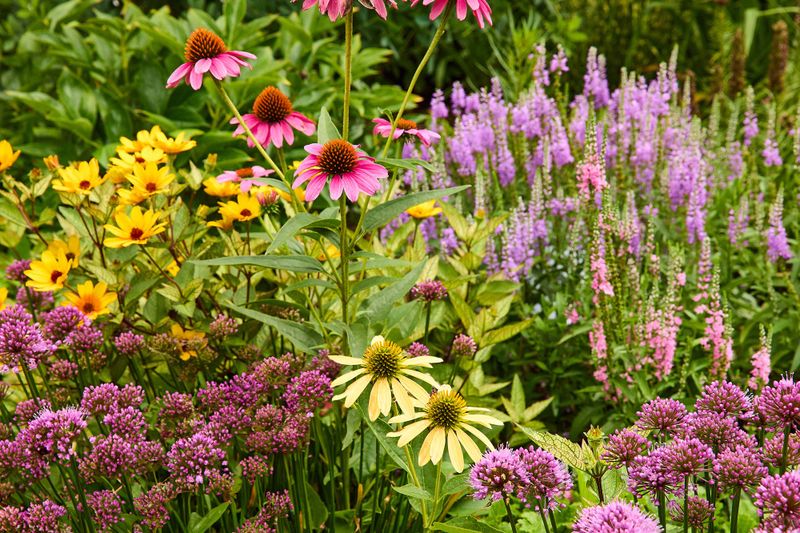
By August, a lot of gardens start looking tired. The spring stars have finished, the summer favorites are winding down, and your beds can feel a little empty right when you want them full.
The good news is that some perennials are just getting started when everything else quits. Here are 19 tough, reliable plants that keep the color coming until frost.
1. Asters
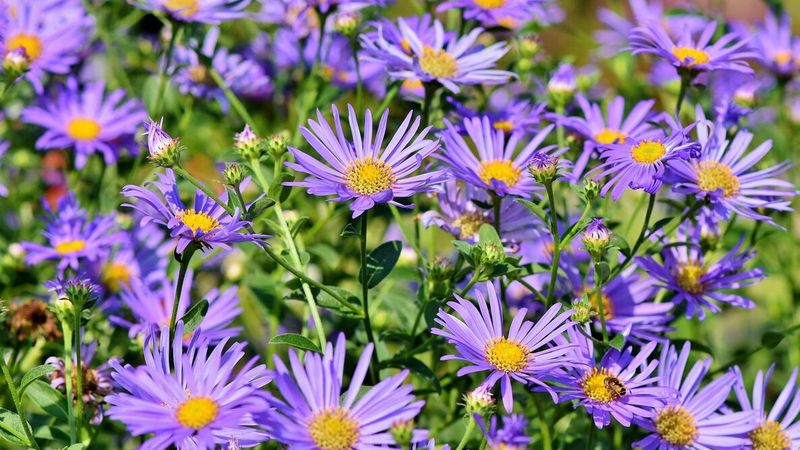
Just when the garden feels like it is packing up for the year, asters explode into color. Their small daisy-like flowers cover the plant in waves of purple, blue, pink, and white from late summer straight through fall.
Bees and butterflies love them, so your beds stay busy with visitors even in September. Snip off the faded flowers now and then, and you will keep the plant tidy and often coax out even more blooms.
Fun bit: asters are sometimes called the star of the fall garden, which fits since the name comes from the Greek word for star.
2. Sedum (Stonecrop)
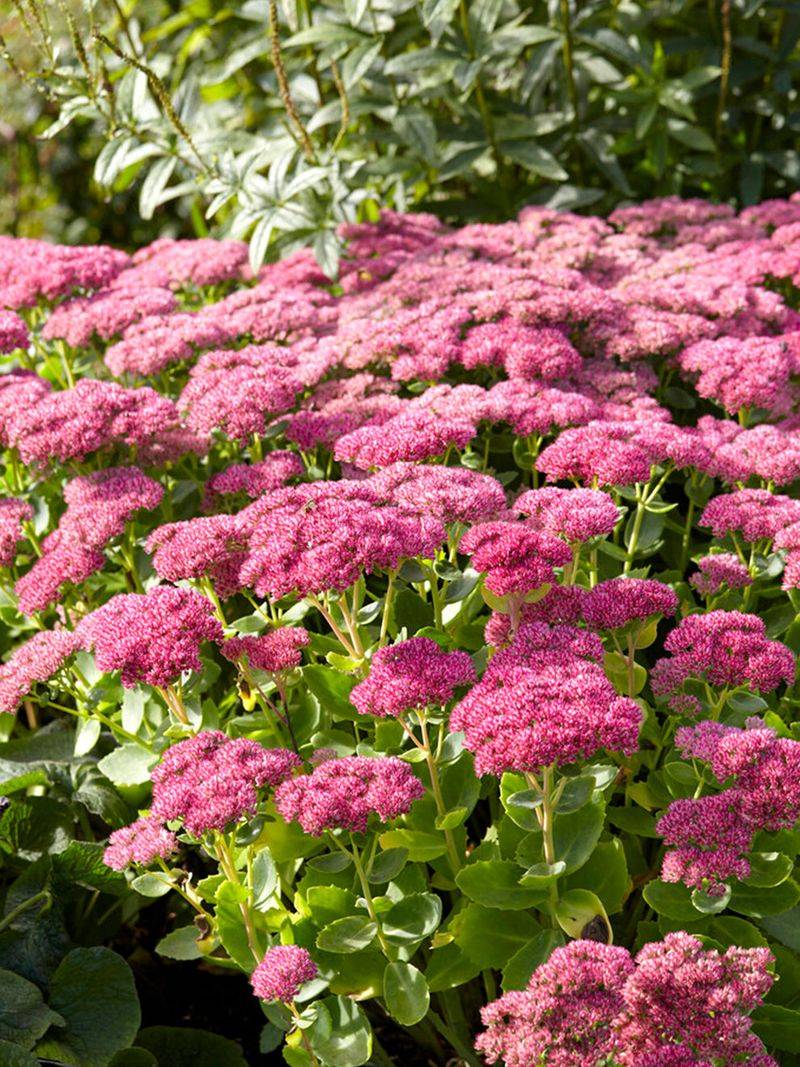
Sedum is the plant for gardeners who forget to water. Its thick, fleshy leaves store moisture, so it shrugs off heat and dry spells that would flatten fussier flowers.
The taller types put up big, flat flower heads in dusty pink or deep red that open through late summer and hang on into fall. Bees and butterflies treat those blooms like a landing pad.
Even after the flowers fade, the seed heads stand up nicely, giving your beds structure and interest right through the cooler weeks.
3. Coreopsis (Tickseed)
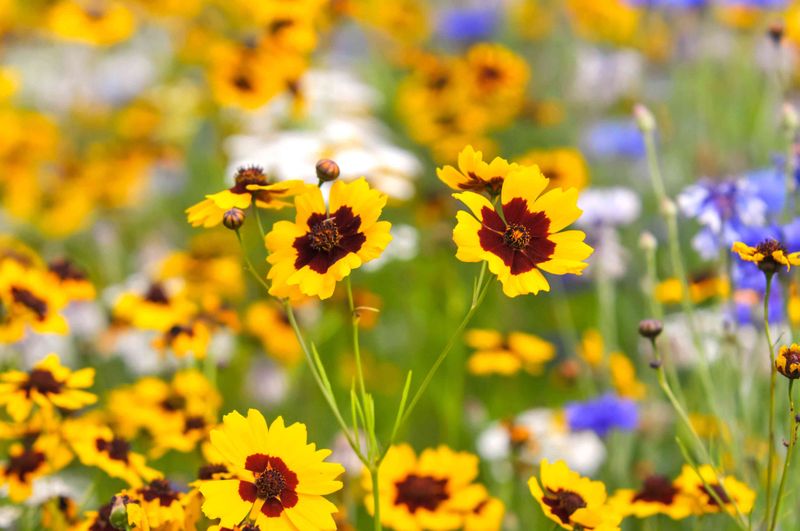
Few plants pump out cheerful color as long as coreopsis does. Many varieties start flowering earlier in the season and simply keep going into fall without complaint.
Heat and dry soil barely faze it once the roots are established, which makes it a lifesaver for those baked spots along a driveway or fence.
Give it a quick trim of the spent flowers, and you can encourage a fresh round of that sunny gold and orange. It is about as low-drama as a perennial gets.
4. Gaillardia (Blanket Flower)
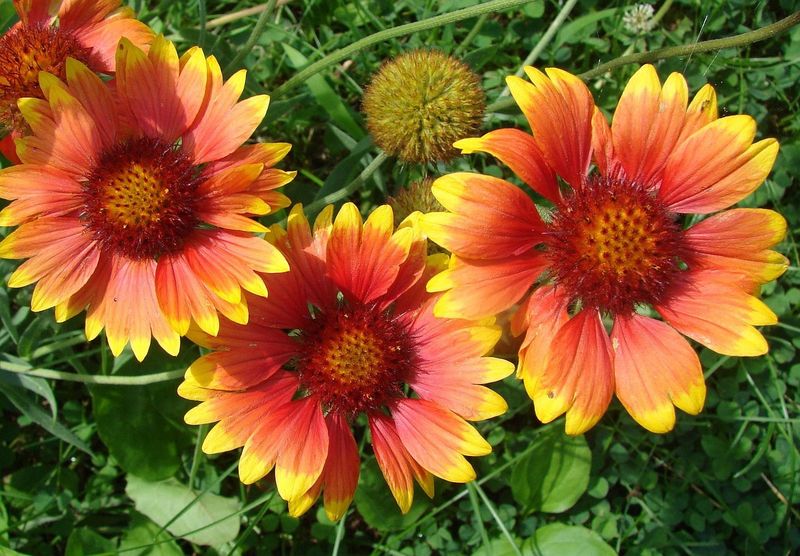
Blanket flower earns its keep in the toughest corners of the yard. Native to the US, it blooms nonstop from midsummer until the first frost, and it actually prefers the hot, dry spots where other perennials sulk.
The fiery red-and-yellow petals look like a tiny sunset on every stem, which is how it got its name.
Here is the trick most people miss: do not pamper it. Full sun and well-drained soil are all it wants, and overwatering or feeding it too much will do more harm than good.
5. Agastache (Giant Hyssop)
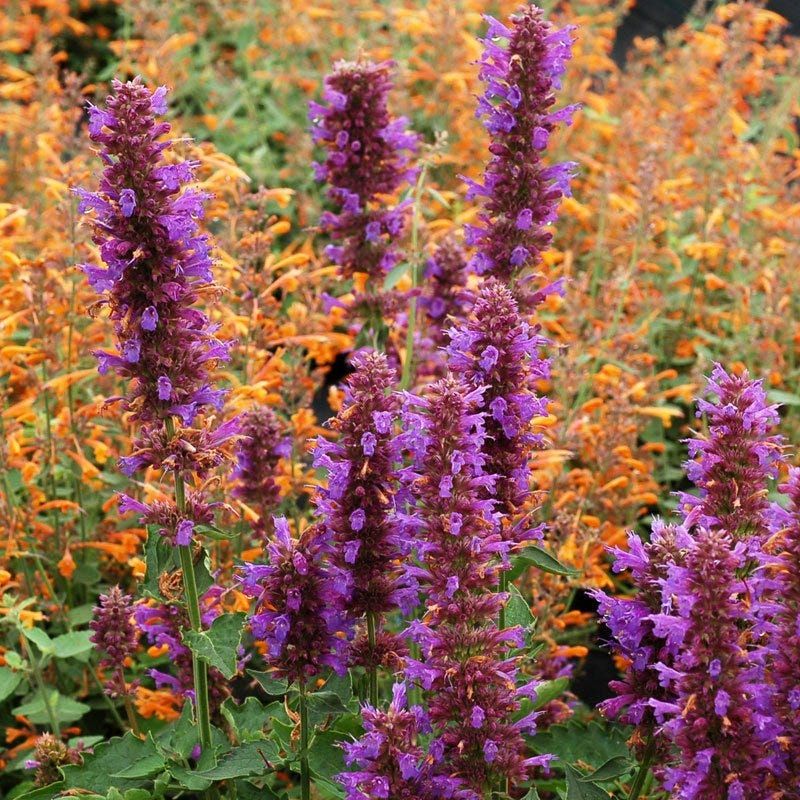
If you want your yard buzzing and fluttering late in the year, agastache is the plant to add. Its tall flower spikes act like a fuel station for butterflies, hummingbirds, and bees when other nectar sources are drying up.
The blooms come in soft blues, purples, and warm oranges, and many types give off a light licorice or mint scent when you brush past them.
Because it keeps feeding pollinators well into the season, it quietly does double duty: pretty to look at and genuinely useful to the wildlife around you.
6. Nepeta (Catmint)
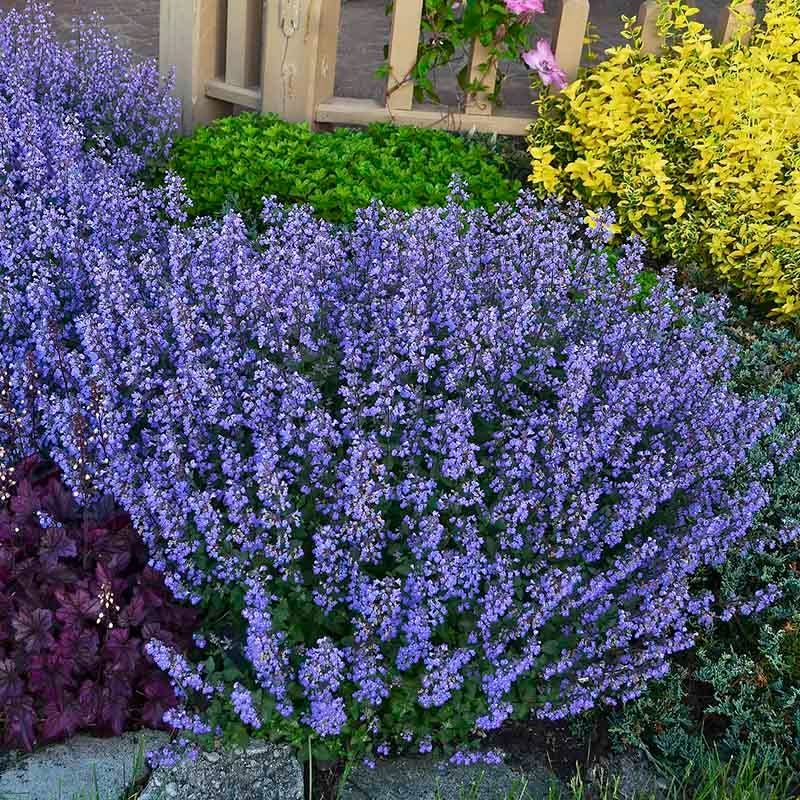
Catmint has a habit gardeners call yawning: by late August it can look floppy and worn out. Do not write it off, though, because it responds beautifully to a haircut.
Give it a firm trim in late summer and, as long as there are four or five weeks of growing weather left before a hard freeze, it will push out a whole new flush of those soft blue-purple flowers.
The silvery foliage smells wonderful, holds up in dry soil, and spills over path edges in a way that softens any bed.
7. Russian Sage
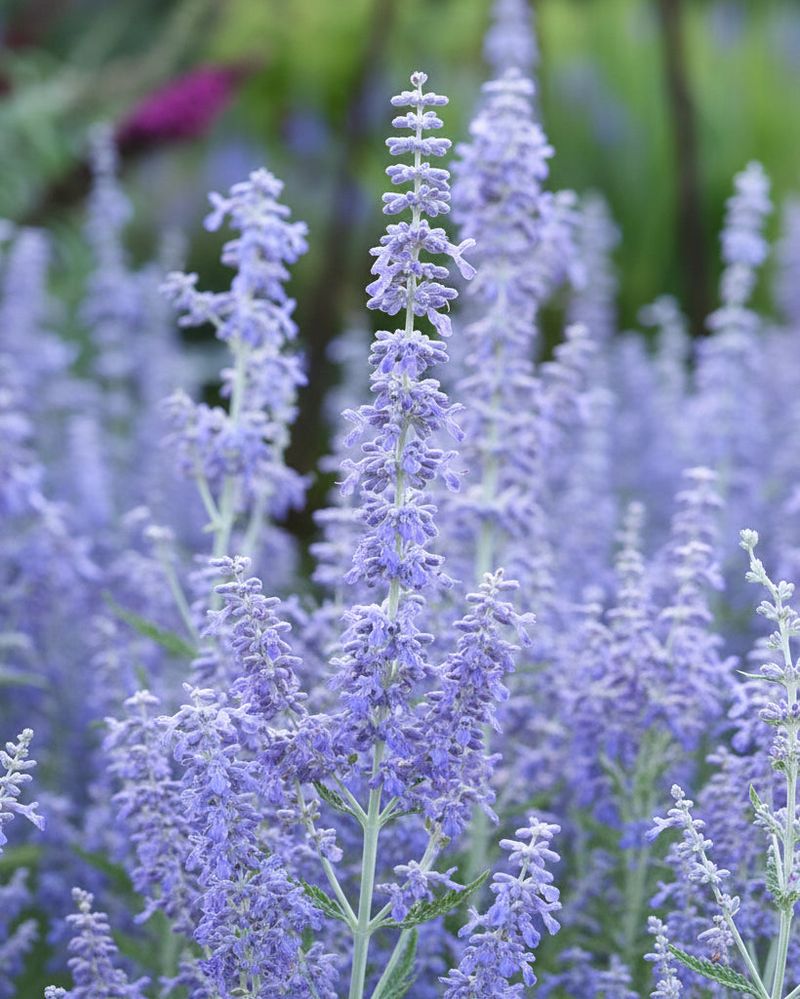
There is something dreamy about Russian sage swaying in a hot afternoon breeze. Its silvery stems and clouds of lavender-blue flowers give beds a hazy, soft look right when summer color is fading.
Heat and poor soil do not bother it one bit, so it thrives in the sunny, dry places where you might otherwise struggle.
Plant it in full sun with good drainage and then mostly leave it alone. It is happiest when you resist the urge to fuss over it.
8. Nippon Daisy
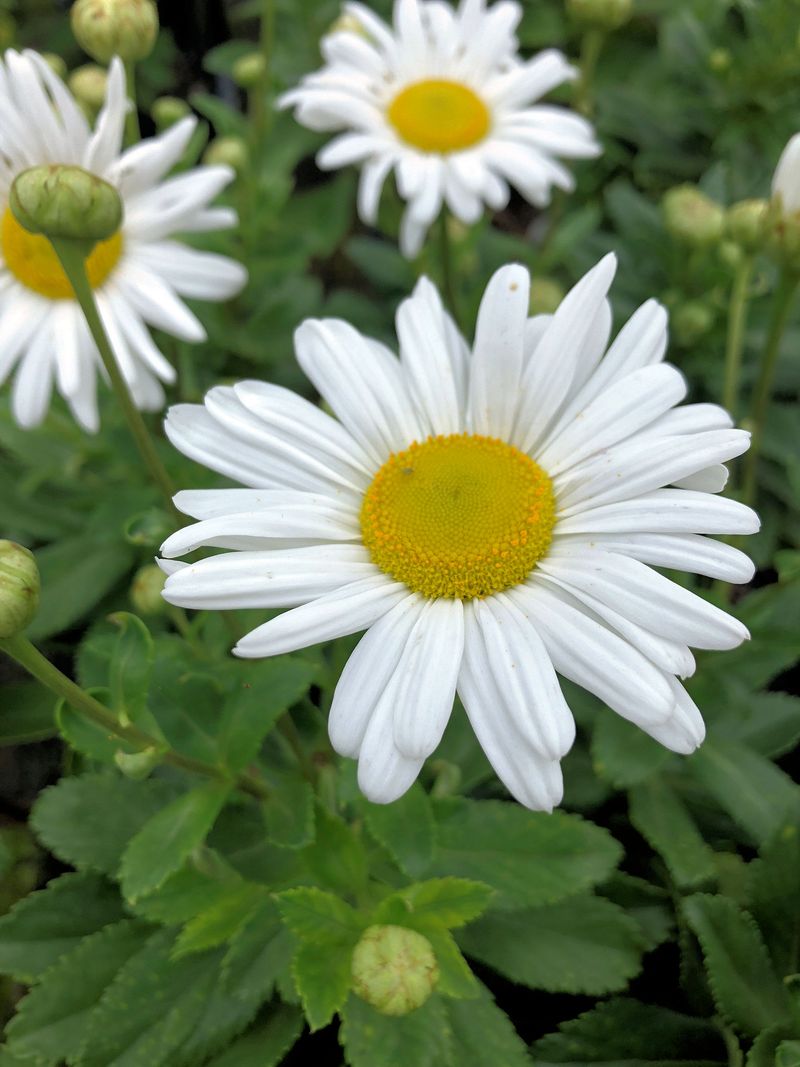
Meet the daisy that shows up fashionably late. While most daisies have finished by late summer, the Nippon daisy waits its turn and bursts open with crisp white petals and sunny yellow centers just as the season winds down.
Its glossy, deep green leaves look fresh all summer, so the plant earns its spot even before the flowers arrive.
For gardeners who miss that classic daisy look in autumn, this one fills the gap and keeps beds cheerful when the light turns golden.
9. Balloon Flower
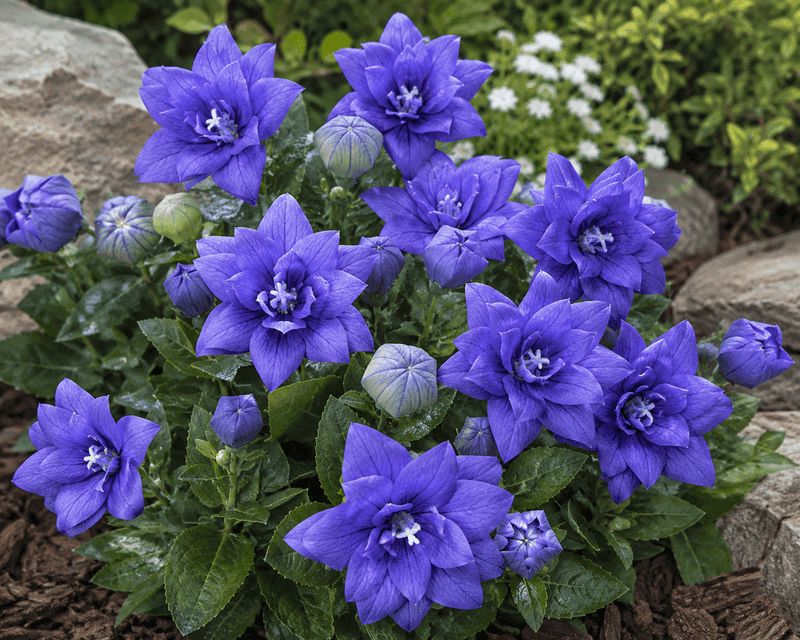
Kids and grown-ups both get a kick out of balloon flower. Before the blooms open, the buds puff up like little balloons, and it is honestly tempting to give them a gentle squeeze.
Once they pop open, you get star-shaped flowers in blue, pink, or white that keep coming from late summer into fall.
It is a well-behaved, tidy plant that does not sprawl or take over, making it a friendly choice for smaller beds or the front of a border.
10. Goldenrod
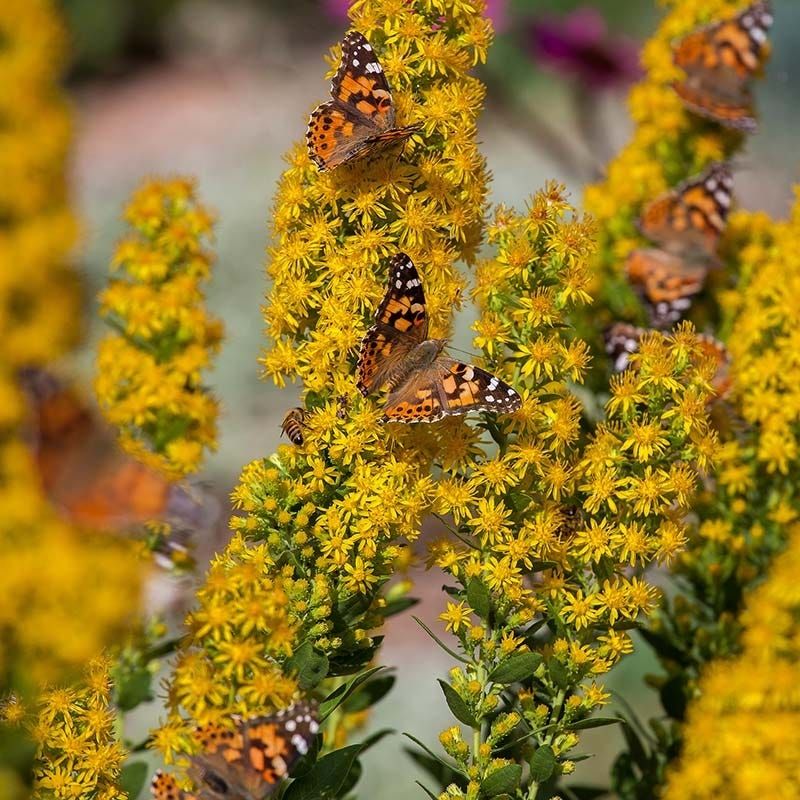
Poor goldenrod gets blamed for fall allergies it never caused, when the real culprit is usually ragweed nearby. Once you clear its name, you will see it is one of the hardest-working native perennials out there.
Its bright golden plumes light up the garden in late summer and pour out nectar and pollen for bees and butterflies when they need it most.
Tough, adaptable, and unmistakably cheerful, goldenrod deserves a spot in far more American gardens than it gets.
11. Joe Pye Weed
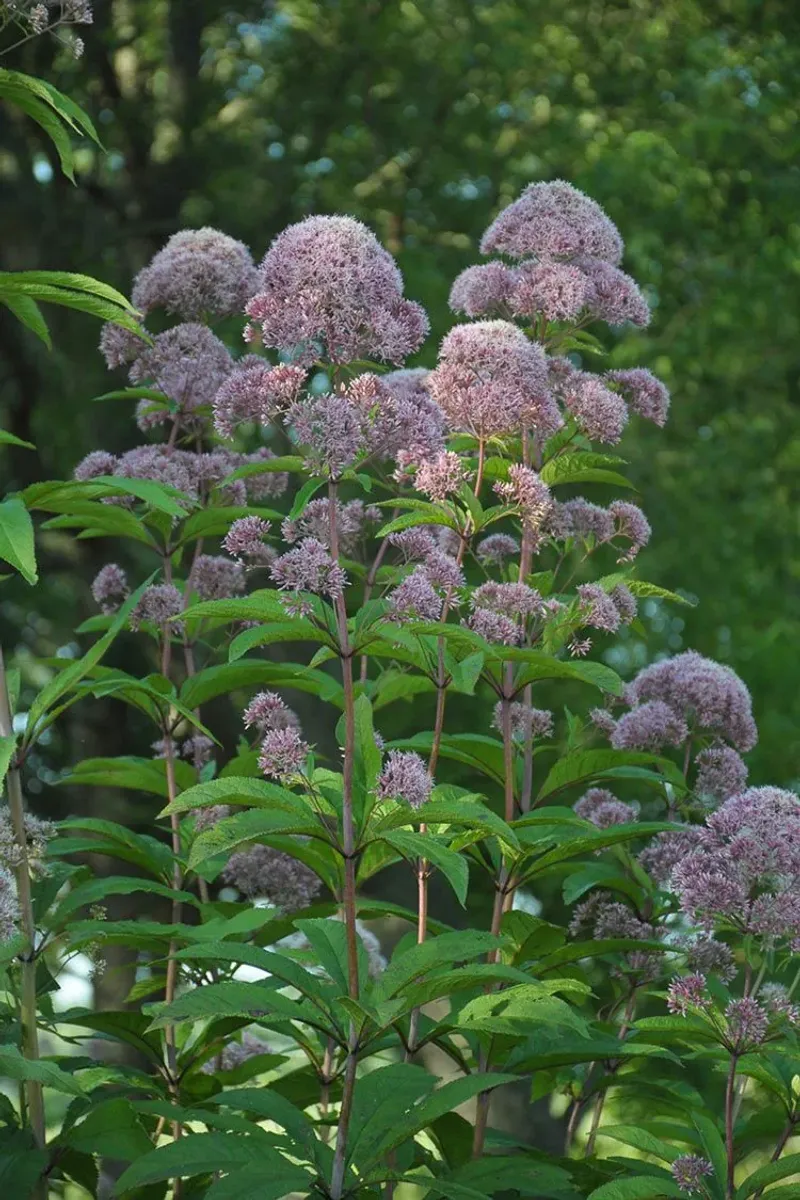
For sheer drama, it is hard to beat Joe Pye weed towering at the back of a border. This tall, sturdy native lifts big, fluffy clusters of mauve-pink flowers high above the rest of the bed from late summer into fall.
Butterflies flock to it, so a single clump can turn into a living, fluttering centerpiece on a warm afternoon.
It really hits its stride in warmer climates and moist soil, rewarding you with months of color and a whole crowd of pollinators.
12. Helenium (Sneezeweed)
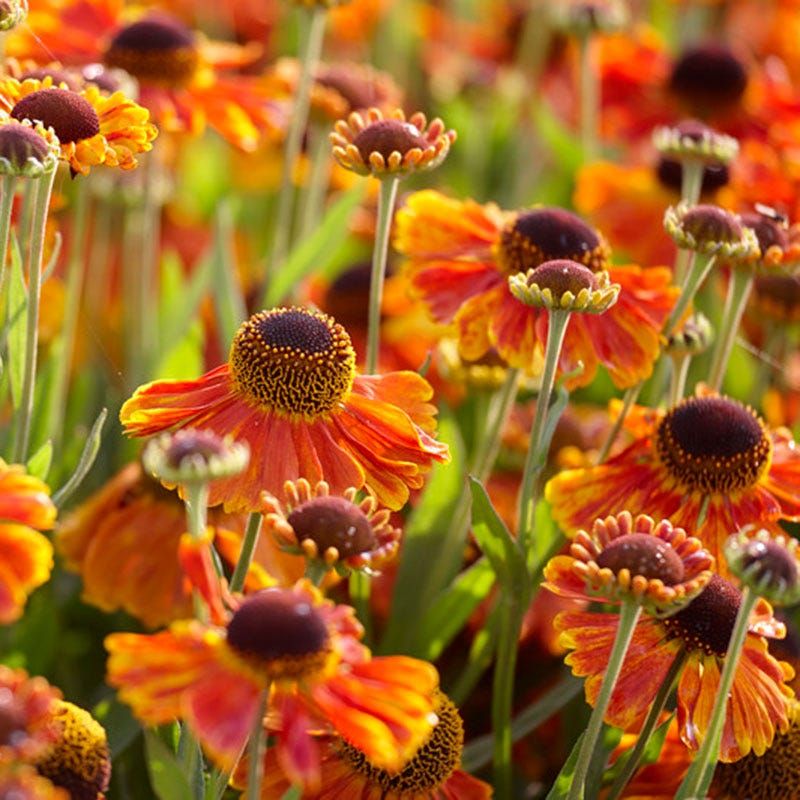
Do not let the unfortunate name fool you: helenium will not make you sneeze. What it will do is set your late-summer beds glowing with daisy-like blooms in warm yellows, oranges, and deep rusty reds, each one topped by a raised button center.
These tough North American natives handle real garden conditions without a lot of coddling.
Bees and butterflies swarm the flowers, so this is a great pick if you want your garden to feel alive right up until frost.
13. Japanese Anemone
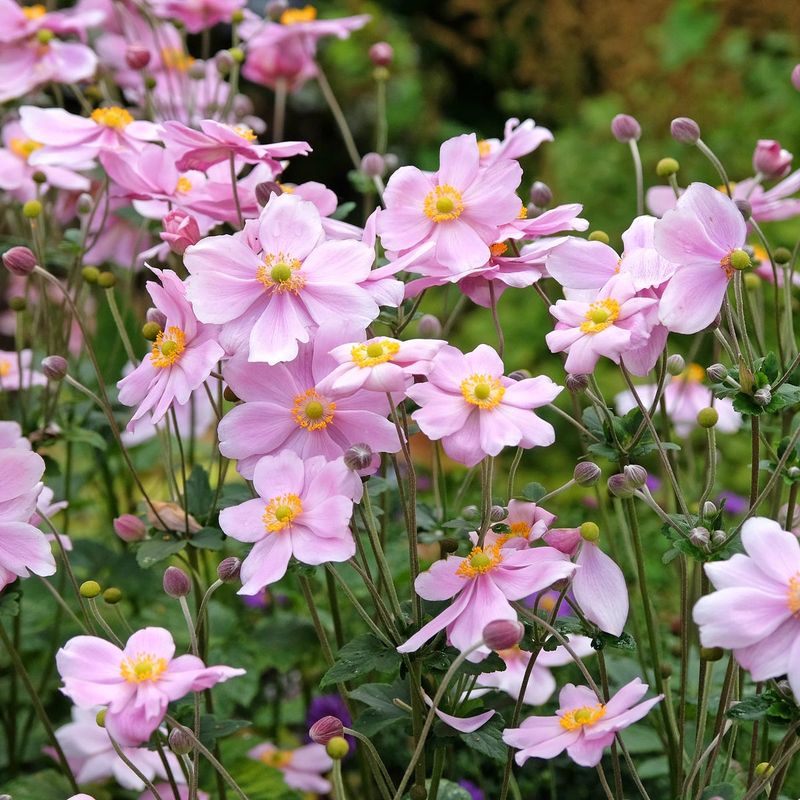
Elegant is the word that comes to mind with Japanese anemone. Its buttercup-shaped flowers float on thin, wiry stems that sway with the slightest breeze, giving the garden a graceful, almost weightless feel.
Blooming from late summer into fall, it brings soft pink and white to shadier spots where color can be hard to find that time of year.
Give it a little patience to settle in, and it will reward you with an airy, romantic show year after year.
14. Echinacea (Coneflower)
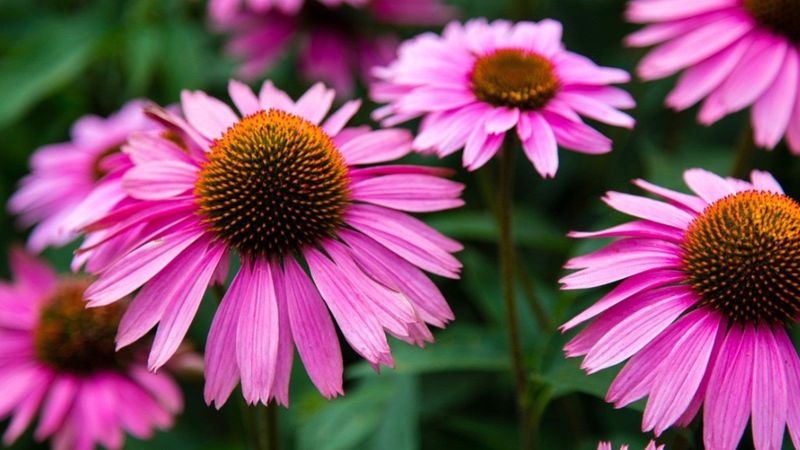
Coneflower is proof that a little upkeep pays off. It often starts blooming earlier in the summer, but if you deadhead the spent flowers and feed it around midsummer, it will keep flowering right into September.
Drought does not scare it, so it holds up when the rain gets scarce and the heat gets intense.
Leave a few seed heads standing at the end and you get a bonus: songbirds like goldfinches will drop by to pick at the seeds all fall.
15. Chrysanthemum (Mums)
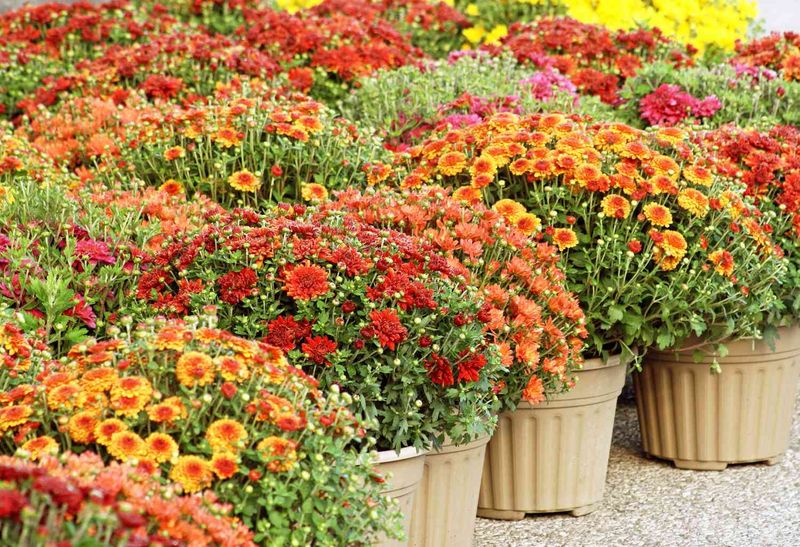
Nothing says fall color quite like a mounded mum covered in blooms. They are the classic go-to when you want a burst of gold, bronze, purple, or rust as the season turns.
You have two easy routes here. Plant hardy garden mums in the ground and they will return and bloom year after year, or grab a few potted mums for instant, last-minute color when a bed looks bare.
Either way, they carry your garden from late summer straight through the cooler weeks with almost no effort.
16. Clematis (Reblooming or Sweet Autumn)
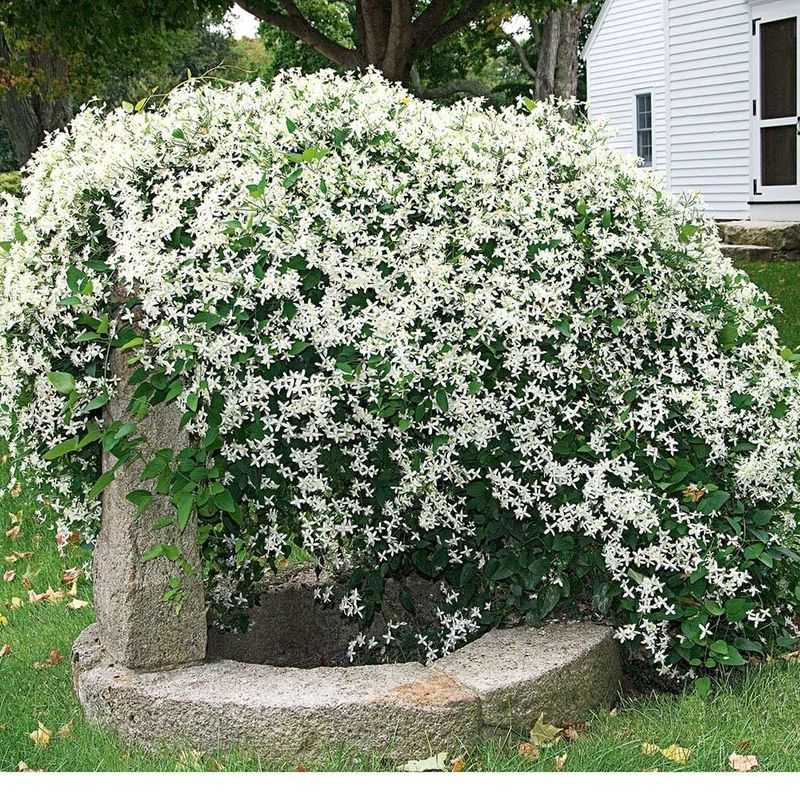
Vertical color often gets overlooked, and that is where clematis shines late in the year. Reblooming varieties put on a heavy show in June, then circle back for a second act of flowers in late summer and fall.
Sweet Autumn Clematis is the real scene-stealer, though. This vigorous vine drapes itself in a cloud of tiny, creamy-white blossoms that perfume the whole area around it.
Train it up a fence, trellis, or arbor and it will hide a plain surface in soft, fragrant flowers just when you thought the season was done.
17. Rudbeckia (Black-Eyed Susan)
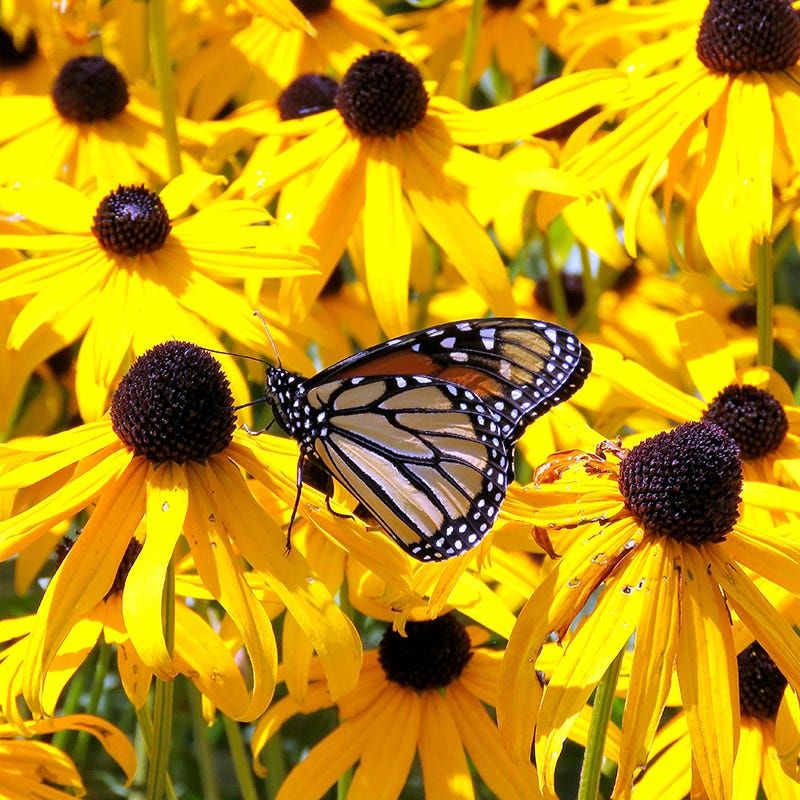
Bold, sunny, and impossible to ignore, black-eyed Susan brings a punch of gold to the garden from midsummer well into fall. The dark button centers against those bright yellow petals make a crisp, classic look.
It loves full sun and asks for very little in return, blooming for weeks on end.
Bees and butterflies work the flowers all day, and the long bloom time means your beds stay warm with color long after many other plants have called it quits.
18. Salvia
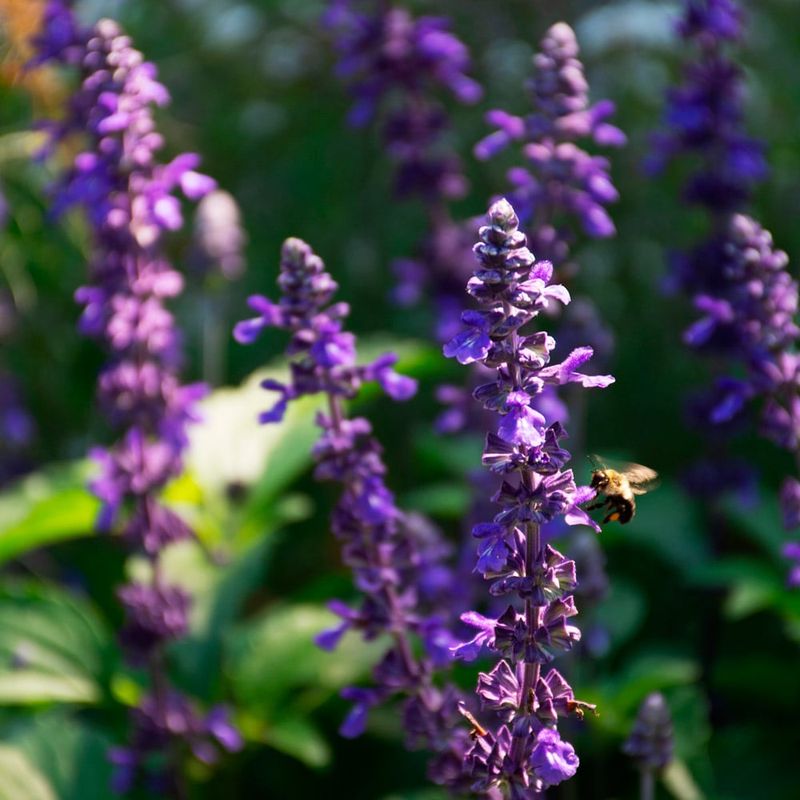
Salvia is the kind of plant that keeps giving if you give it a nudge. Many varieties bloom again and again with a little occasional deadheading, sending up bold flower spikes in rich purples, blues, and reds.
Heat does not slow it down, which makes it a smart choice for those sun-baked beds that fry other flowers.
When your salvia starts looking tired and going to seed in late summer, cut it back. That trim wakes it up and often triggers one more flush of color before frost arrives.
19. Hydrangea (Panicle varieties)
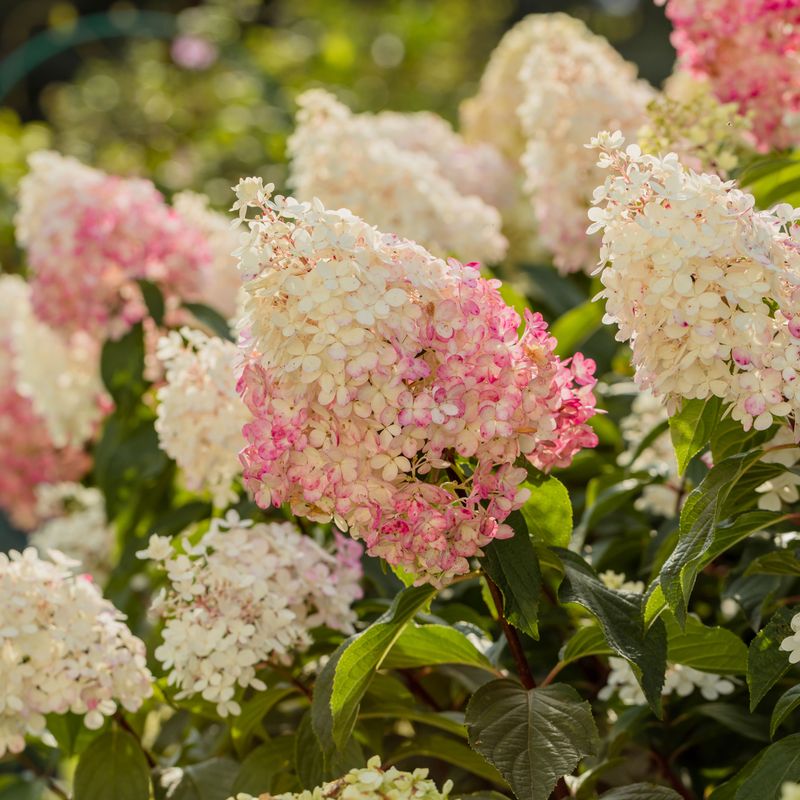
Most hydrangeas steal the spotlight in early summer, but panicle hydrangeas save their best for August and September. Their huge, cone-shaped flower clusters keep going strong while the rest of the hydrangea world is fading.
Part of the fun is watching the blooms change color as the weeks pass, often shifting from creamy white to soft pink or rose.
Unlike some of their fussier cousins, panicle types can take more sun, and keeping the soil moist but well-drained helps them look their absolute best deep into the season.