
If Your Cucumber Plants Give You Just A Handful, Here Are 13 Moves That Double The Harvest
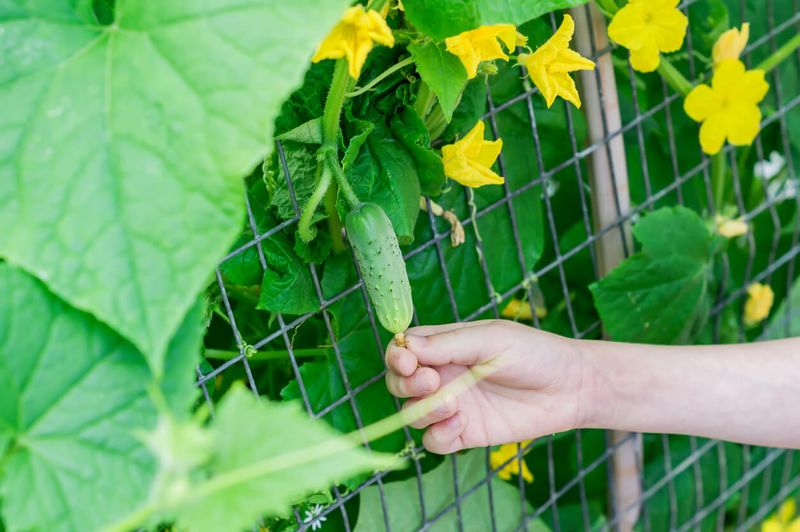
You planted cucumbers hoping for baskets full, but your vines keep handing you just a few sad fruits. The good news is that a thin harvest almost always traces back to a handful of fixable mistakes.
Cucumbers are eager growers when you give them what they want, and small changes can flip a struggling plant into a producing machine. Here are 13 moves that can turn that trickle into a steady supply.
1. Optimize Fertilization for Growth and Fruiting
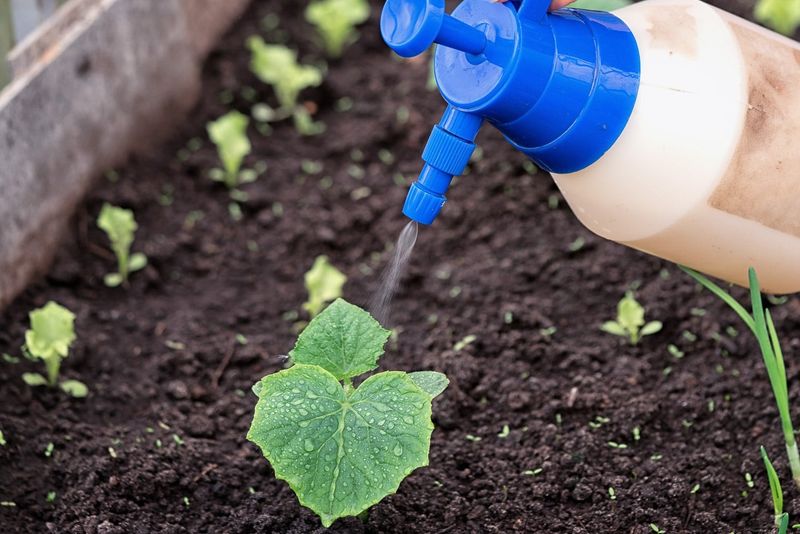
Feeding your cucumbers the same thing all season is like giving a marathon runner only carbs and no water. When plants are young, a balanced N-P-K blend such as 10-10-10 or 15-15-15 builds strong roots and leafy structure.
The moment flowers appear, though, your plant’s needs shift. Switch to a liquid fertilizer that’s lower in nitrogen and higher in phosphorus and potassium.
Too much nitrogen after this point pushes leafy growth at the expense of actual cucumbers.
Keep the momentum going by side-dressing with that flower-and-fruit-focused feed every two to three weeks once blooming starts. Steady nutrition means steady fruit, instead of one small flush and then nothing.
2. Provide Consistent and Deep Watering
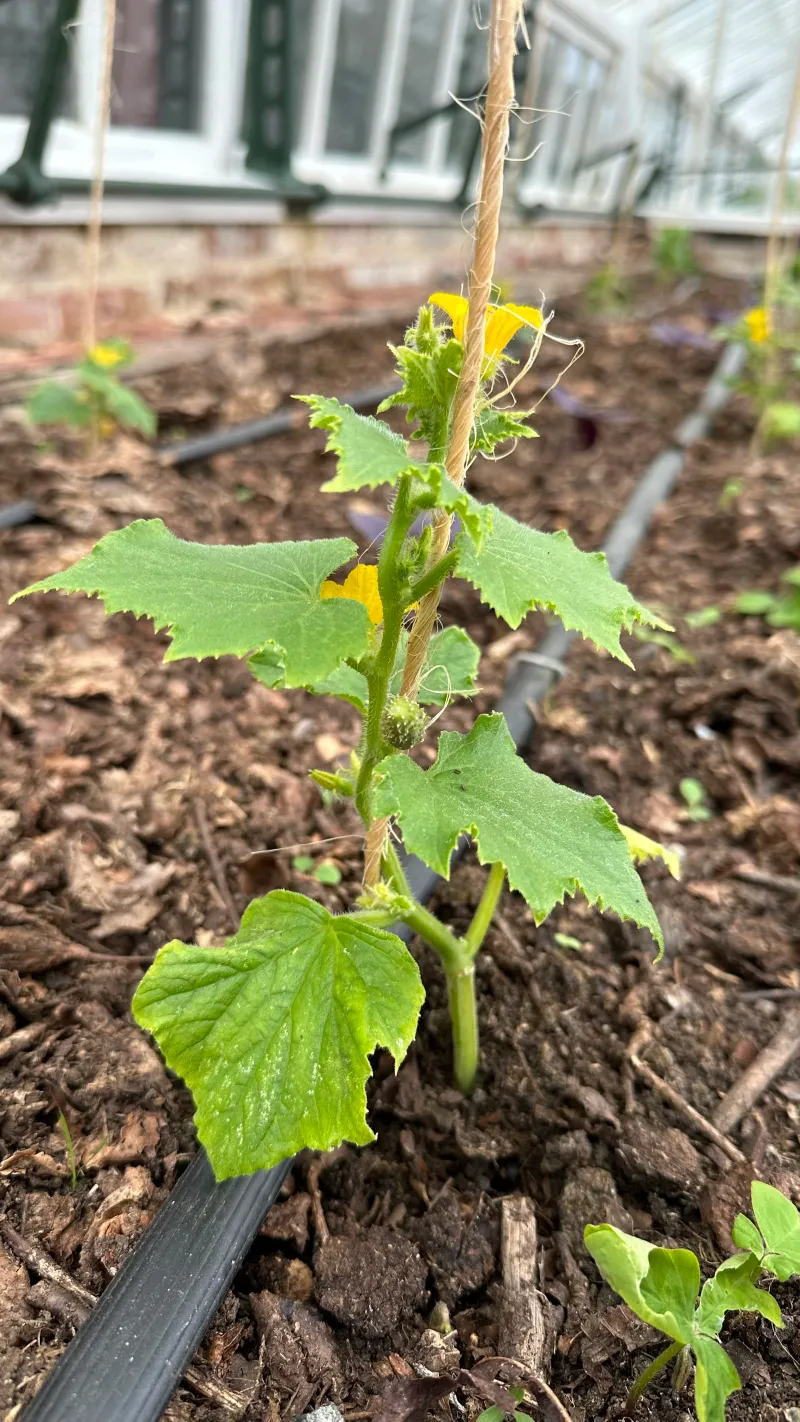
A cucumber is basically water wearing a green jacket, so it’s no surprise that thirsty plants produce sad fruit. Aim for one to two inches of water per week from rain or your hose, keeping the soil evenly moist but never soggy.
Once flowering and fruiting kick in, the demand spikes. Plants may want a drink every one to two days now, compared to every two or three days during their leafy phase.
Water at the soil line rather than over the leaves, which keeps foliage dry and discourages powdery mildew. Skip the erratic on-again, off-again watering too, because that swing is what leaves you with bitter, curled, or stunted cucumbers.
3. Ensure Adequate Pollination
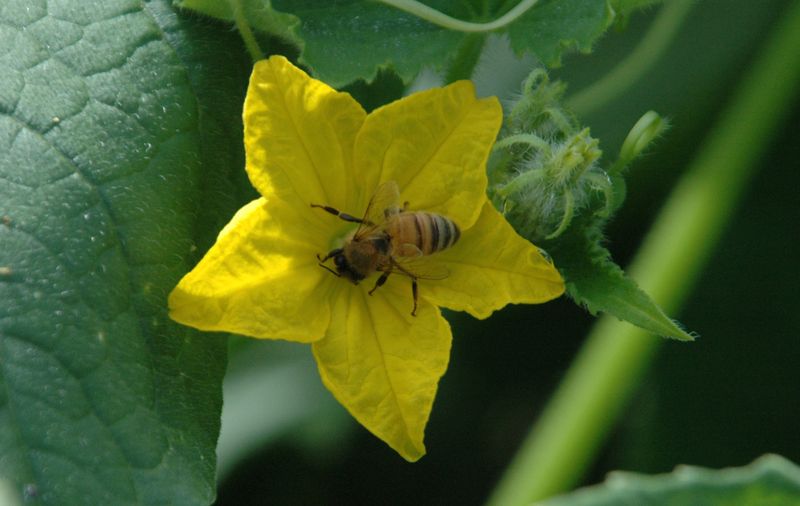
Bees are the unsung heroes of your cucumber patch. Each plant makes separate male and female flowers, and without pollinators shuttling pollen between them, those little fruits shrivel and drop.
Poor pollination is one of the sneakiest reasons for lopsided cucumbers and low yields. Invite more bees by tucking flowering plants nearby, and if you must spray anything, do it at dawn or dusk when bees have clocked out for the day.
When the bees just aren’t showing up, you can play matchmaker yourself. Grab a small brush or cotton swab, dab pollen from a male flower (no baby fruit at its base), and swipe it onto a female flower (the one with a tiny cucumber behind the petals).
4. Prune Strategically for Higher Yields
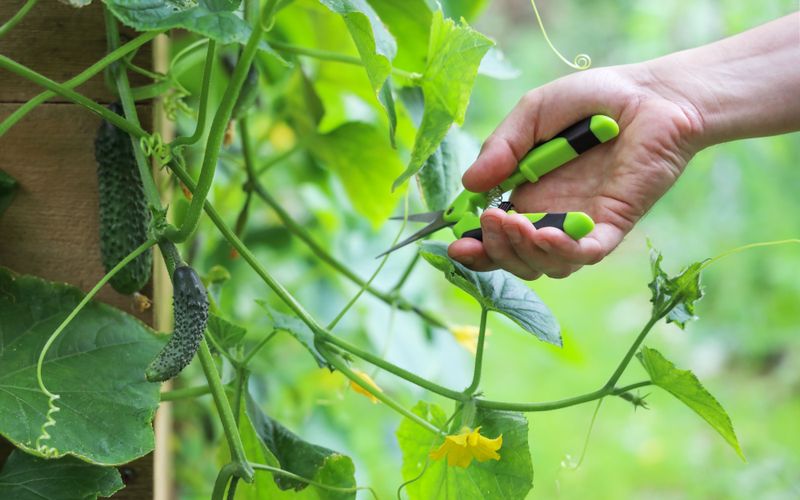
Snipping away part of your plant feels wrong, yet it’s one of the best ways to steer energy toward fruit. For vining types, pinch off the growing tip once the plant hits 12 to 18 inches to trigger side branches, and side branches mean more fruiting spots.
Stay on top of it as the season rolls along. Remove tiny new suckers under two inches, plus any leaves that are damaged, yellowing, or dragging in the soil near the base.
Light, regular pruning opens the plant up so sunlight and air can move through. Crowded, tangled vines invite disease and hide fewer, weaker cucumbers.
5. Utilize Trellises for Vertical Growth
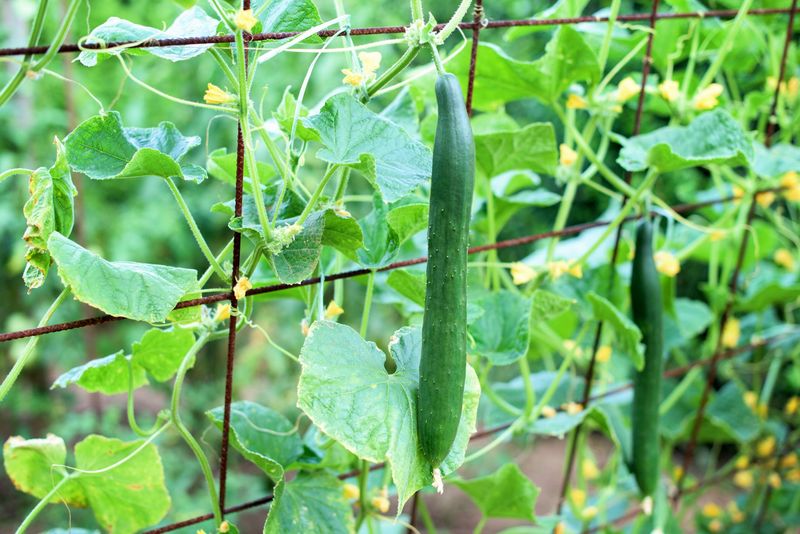
Give a cucumber something to climb and it repays you handsomely. Cucumbers are natural climbers, using curly tendrils to grab netting, stakes, or bean frames as they reach skyward.
Going vertical does more than save space. Airflow around the leaves improves, sunlight reaches more of the plant, and the risk of fungal trouble drops sharply.
Off the damp ground, your cucumbers grow cleaner and straighter instead of curling into pale, rot-prone lumps. Harvesting becomes a breeze too, since the fruit dangles right at eye level instead of hiding under a jungle of leaves.
6. Harvest Frequently and at the Right Time
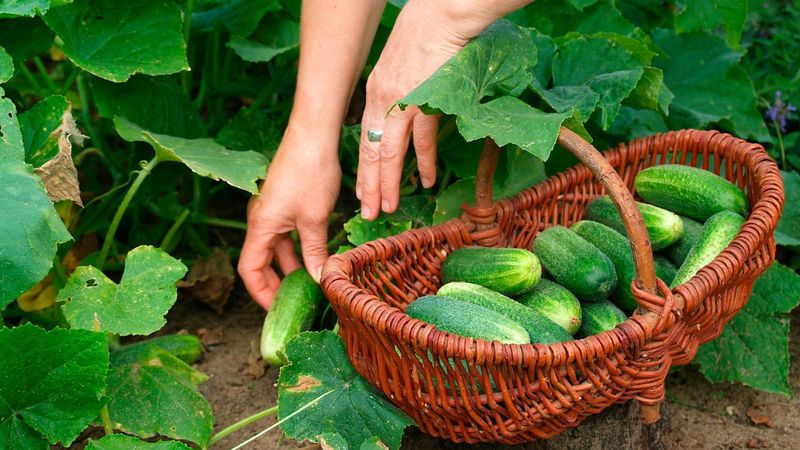
Leaving cucumbers on the vine too long is like telling your plant, “You’re done here.” Once fruit gets oversized and overripe, the plant reads it as mission accomplished and slows new production to a crawl.
Pick them while they’re firm, crisp, and vividly green, before they bloat or fade to yellow. The more you harvest, the harder the plant works to make more.
Be gentle with those brittle vines. Instead of yanking or twisting, use clean shears or a sharp knife to cut each cucumber free at the stem so you don’t tear the plant.
7. Ensure Ample Sunlight

Cucumbers are proud sun worshippers with zero patience for shade. They need at least six to eight hours of direct sunlight every day to pump out a decent crop.
Tuck them in a dim corner or behind taller plants and you’ll get spindly stems and barely any fruit. If your current spot is shadier than you thought, watch where the sun actually falls throughout the day before deciding where next year’s vines go.
8. Practice Proper Spacing

Cramming cucumbers together seems efficient until the plants start fighting each other. Overcrowded vines compete for water, nutrients, and light, and the losers hand you fewer, smaller fruits.
Room to breathe changes everything. Good spacing lets air flow freely between plants, which keeps leaves drier and diseases from jumping vine to vine.
Give each plant its own zone at planting time and resist the urge to sneak in one more seedling. A few well-spaced plants will outproduce a crowded mob every time.
9. Prepare Rich, Well-Drained Soil

Everything good about your harvest starts underground. Cucumbers love loose, nutrient-packed soil that drains well and holds plenty of organic matter.
Before planting, work several inches of aged compost or rich organic material into the bed. That single step improves the soil’s structure and feeds your plants for weeks.
Keep an eye on pH too, since cucumbers are happiest between 6.0 and 6.8. Getting the dirt right first spares you a lot of head-scratching later when the plants seem stuck.
10. Mulch Around Plants
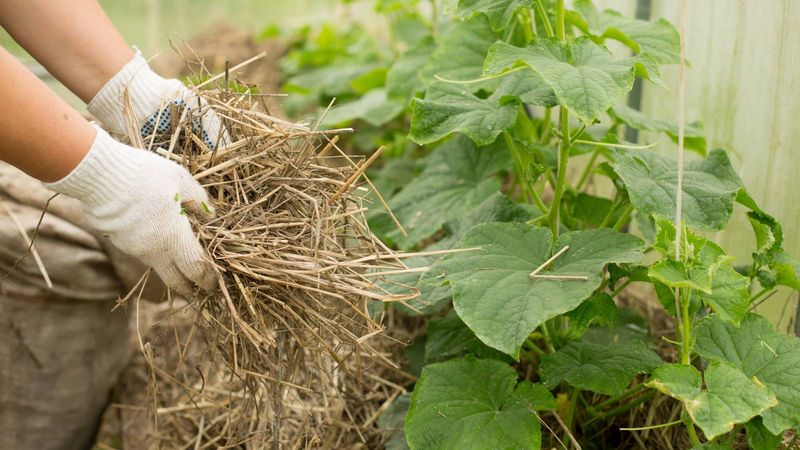
A cozy blanket of mulch does quiet, steady work all season long. Lay down straw or wood chips around your cucumbers and the soil holds moisture longer, stays cooler in the heat, and grows far fewer weeds.
That steady moisture is the secret weapon against bitter cucumbers. When the ground dries out and rewets over and over, the fruit turns sharp and unpleasant, but a mulched bed keeps things even and mellow.
11. Monitor Soil Temperature and Plant at the Right Time

Rushing cucumbers into cold ground is a classic spring mistake. These warm-season crops despise the chill and sulk badly if frost or cool soil catches them.
Wait until soil temperatures settle reliably into the 70s Fahrenheit, which usually lands at least two weeks after your last frost date. A cheap soil thermometer takes the guesswork right out of it.
Plant too early and you’ll get stunted, sickly seedlings that never fully recover. A little patience up front buys you a much stronger, more productive plant down the line.
12. Manage Pests and Diseases Early
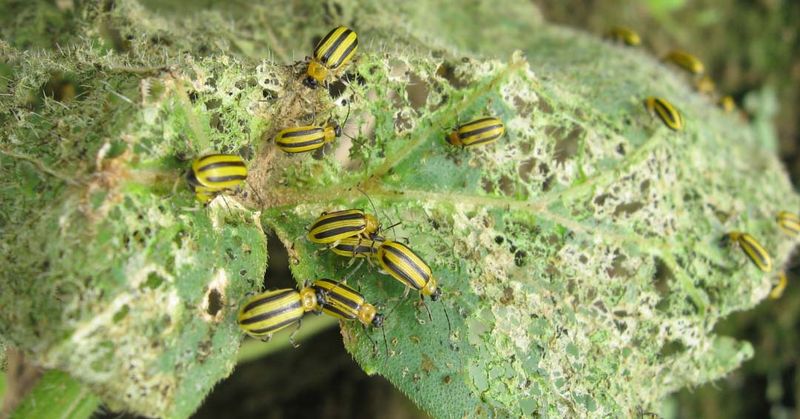
A stressed cucumber plant is a stingy one. Pests and diseases quietly drain the energy your vines should be spending on fruit, so catching trouble early makes a real difference.
Walk your patch often and look for the usual suspects: cucumber beetles chewing holes, or the dusty white film of powdery mildew creeping across the leaves. The sooner you spot them, the easier they are to knock back.
Reach for organic or chemical controls as needed, but time your sprays carefully. Applying during peak daytime hours can harm the very bees you need, so aim for early morning or evening instead.
13. Identify Male and Female Flowers
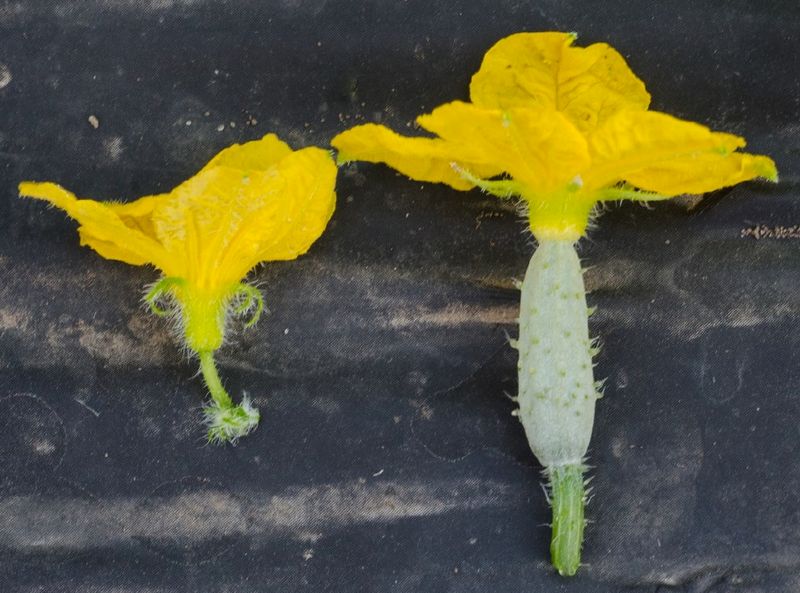
Learning to read your cucumber’s flowers turns you into a backyard detective. Male blooms usually show up first and in greater numbers, sitting on slim, plain stems behind the petals.
Female flowers are easy to spot once you know the trick. Look for a small, swollen bump right behind the petals, which is the baby cucumber waiting to be pollinated.
Watching how many of each type appear, and when, tells you whether pollination is working. If female flowers keep dropping without swelling into fruit, that’s your cue to step in with a brush and hand-pollinate.