
If Your Geraniums Are Blooming Spent And Faded, Here Are 15 Signs It’s Time To Deadhead (And Exactly How To Do It)
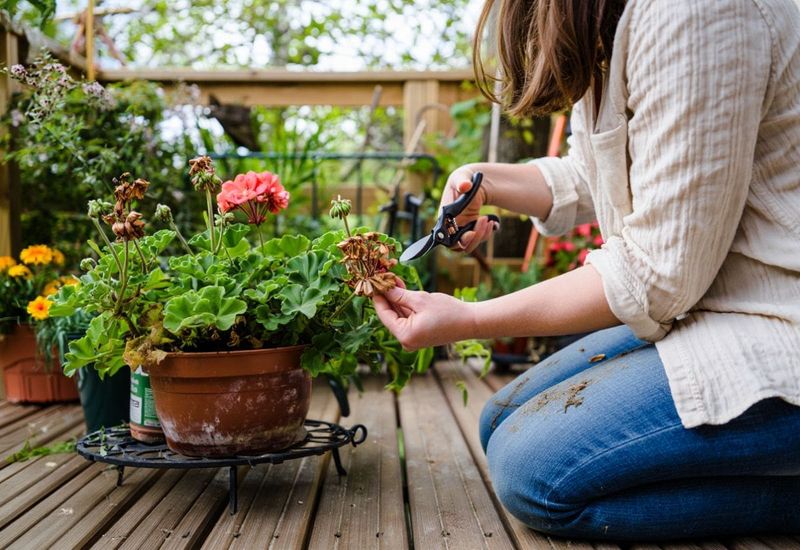
Geraniums are famous for their bright, cheerful blooms, but even the best ones start to fade over time. When you snip off those old, tired flowers, your plant puts its energy back into making fresh new ones instead of seeds.
The trick is knowing exactly when and how to do it, and that is easier than you might think. Here are 15 clear signs your geraniums are begging for a trim, plus a simple step-by-step guide to get it right.
1. Brown Flower Heads
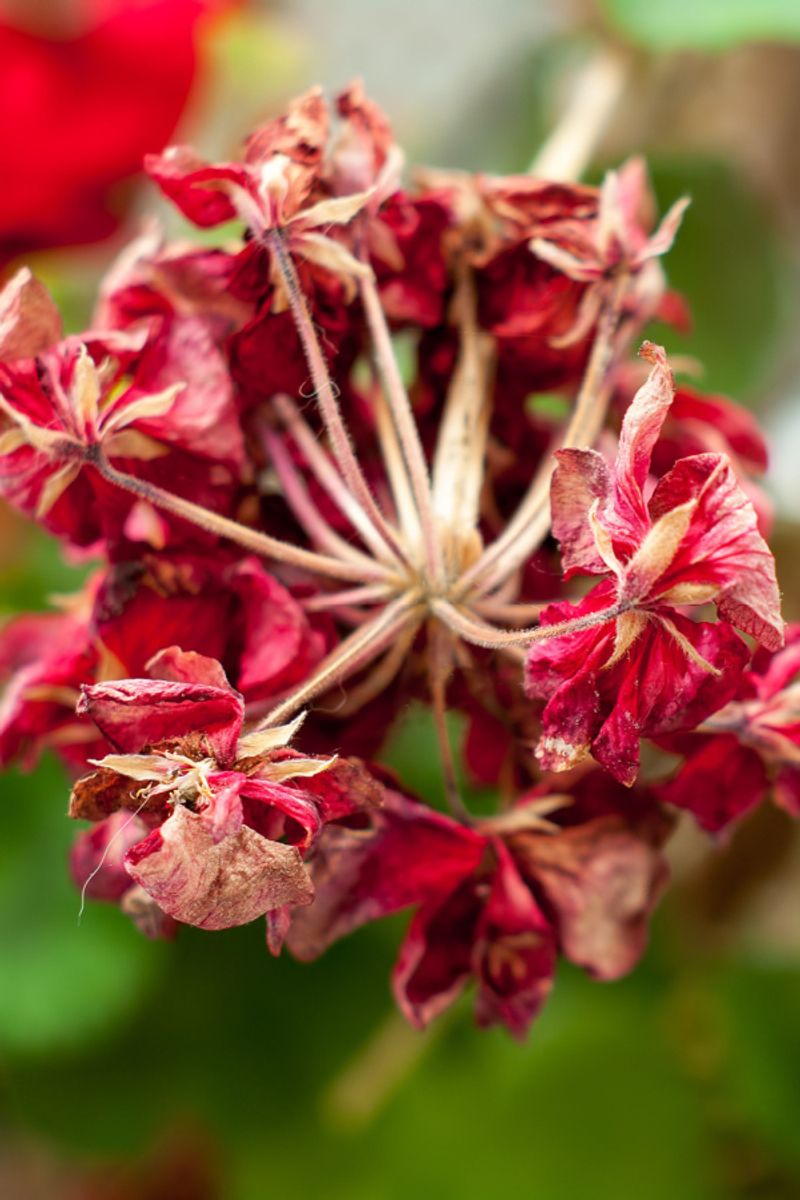
Nothing signals “trim me” quite like a flower head that has turned crispy and brown at the top of the stem. That color change means the bloom is finished and no amount of watering will bring it back to life.
Once a cluster goes brown, your plant starts pouring energy into forming seeds instead of new petals. Snipping those brown heads off tells the geranium to keep the flower party going.
Run your eyes over the plant every few days and you will spot them fast. They stand out against the healthy green leaves and the vibrant blooms still going strong.
2. Faded Blooms
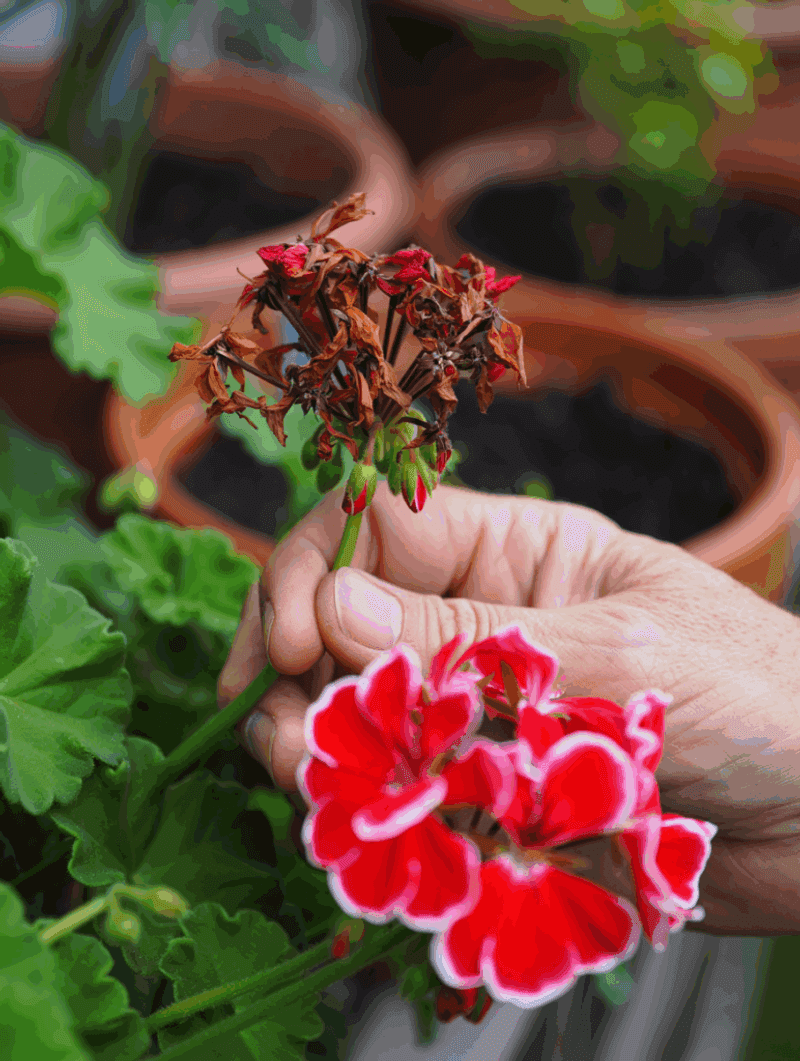
Remember how bold and saturated your geranium petals looked the day they opened? When that punchy color drains away and the flowers look washed out, the bloom is on its way out.
Faded flowers are a gentle early warning, not a full-on emergency. Catching them at this stage keeps your plant looking tidy before things get messy.
Pinch or snip these fading clusters and you free up room for the next round of color to steal the show.
3. Spent Blooms Past Their Prime
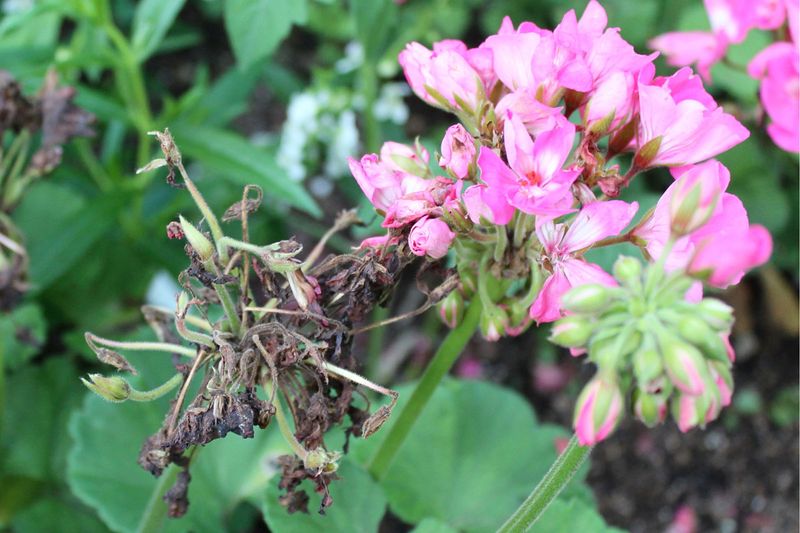
Some flowers just look downright tired, drooping and limp like they have partied a little too hard. Gardeners call these “spent” blooms, and they are prime candidates for the chop.
Leaving spent flowers on the plant is like keeping leftovers on the counter. They serve no purpose and only slow down fresh growth.
A quick removal redirects all that plant power toward the buds waiting in the wings. Your geranium will thank you with a fuller, livelier display.
4. Formation Of Seed Pods
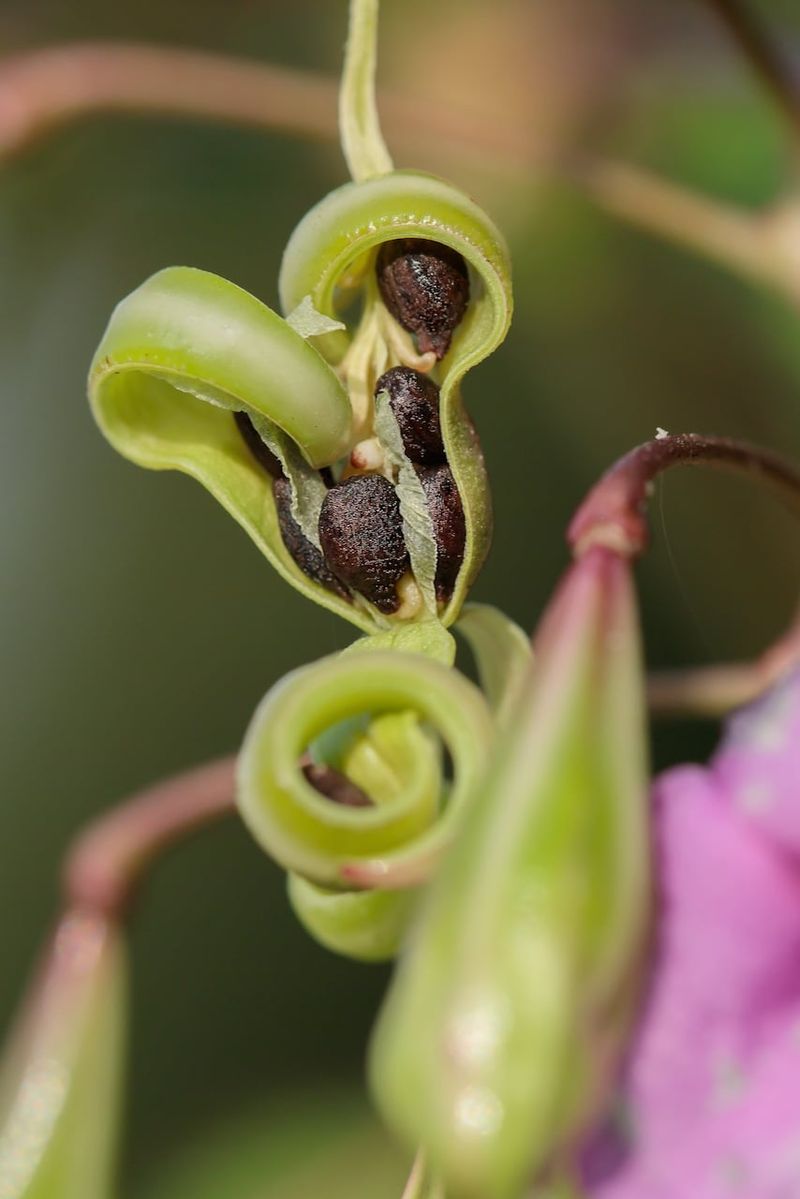
Here is a sneaky one many folks miss. After a flower fades, your geranium naturally starts building little seed pods, often shaped like tiny pointed beaks.
Seed making is a huge energy drain. Every pod your plant grows is energy it is not spending on new flowers.
By clipping off spent blooms before pods fully form, you interrupt that seed-making mission. The result is a plant that keeps blooming instead of settling down to reproduce.
5. Yellow Leaves
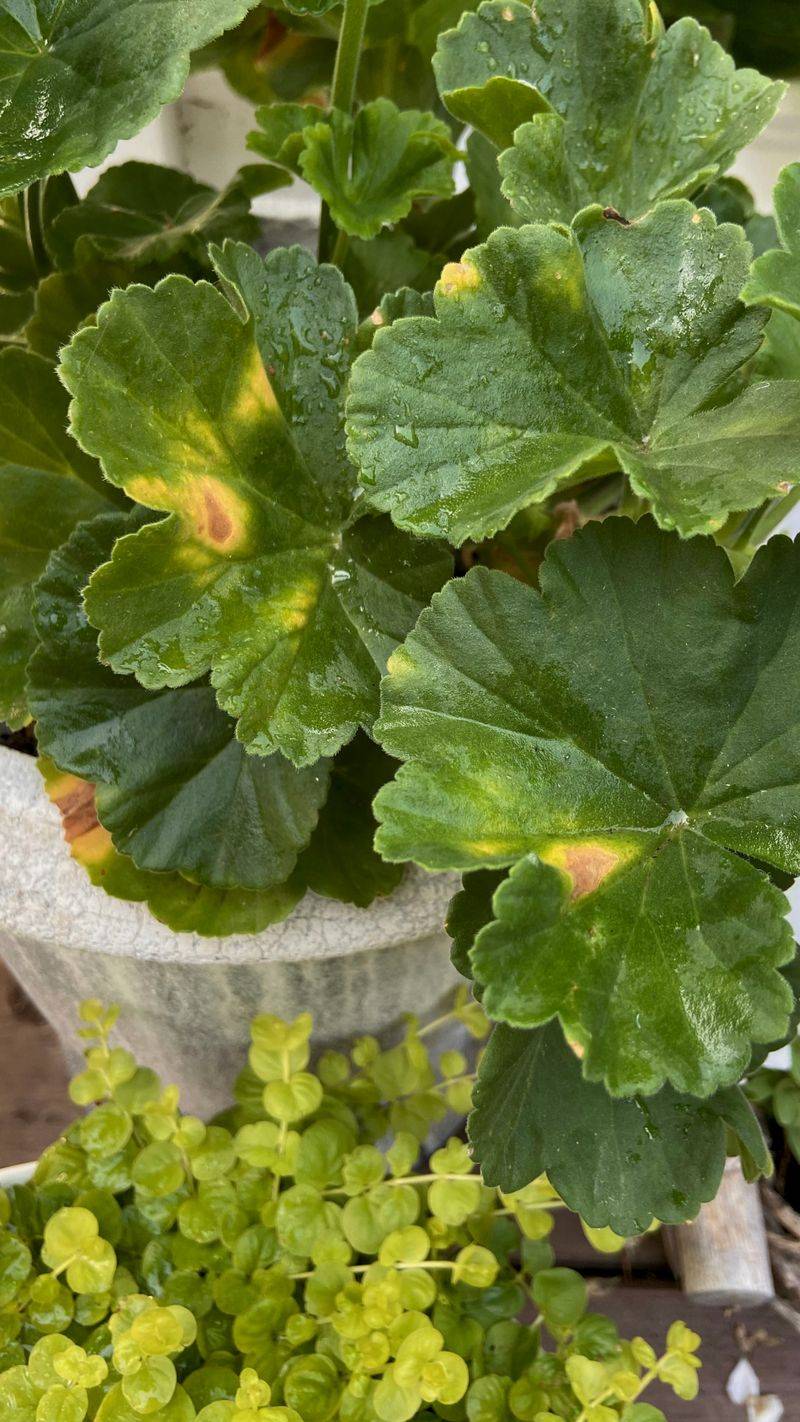
Yellowing leaves are your plant waving a little flag for attention. While they are not blooms themselves, they often show up right when a plant needs some cleanup and care.
When you head out to deadhead, treat yellow leaves as part of the same chore. Removing them improves airflow and keeps the plant focused on its strongest, greenest parts.
A geranium free of yellow foliage looks healthier and puts on a much better flower show. Think of it as a two-for-one tidy-up.
6. Leggy Stems
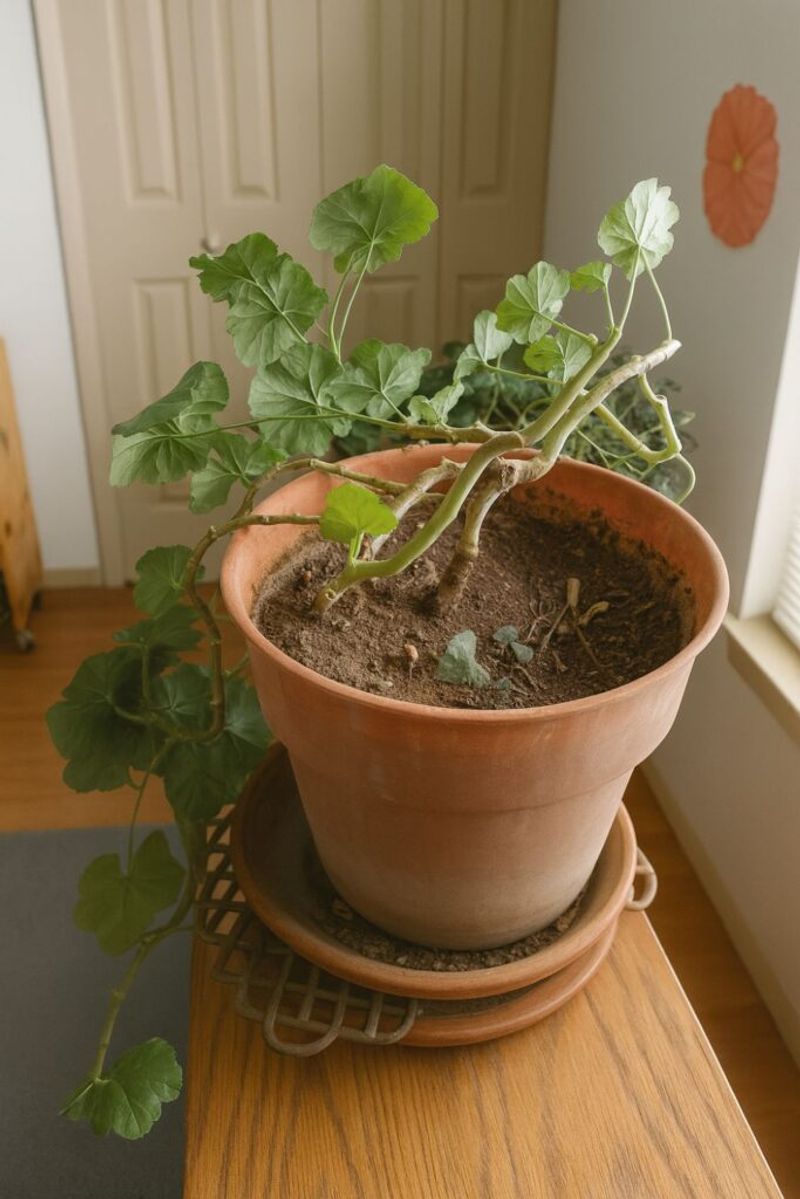
Ever notice your geranium looking stretched out and skinny, with long bare stems and blooms only at the tips? That is legginess, and it is a sign the plant needs a little rejuvenation.
Leggy growth usually means the plant is reaching for light or has gone too long without a trim. Deadheading and light pinching encourage it to branch out and grow bushier.
Cutting back those stretched stems feels bold, but geraniums bounce back beautifully. You trade a gangly look for a compact, flower-packed one.
7. Sparse Flowering
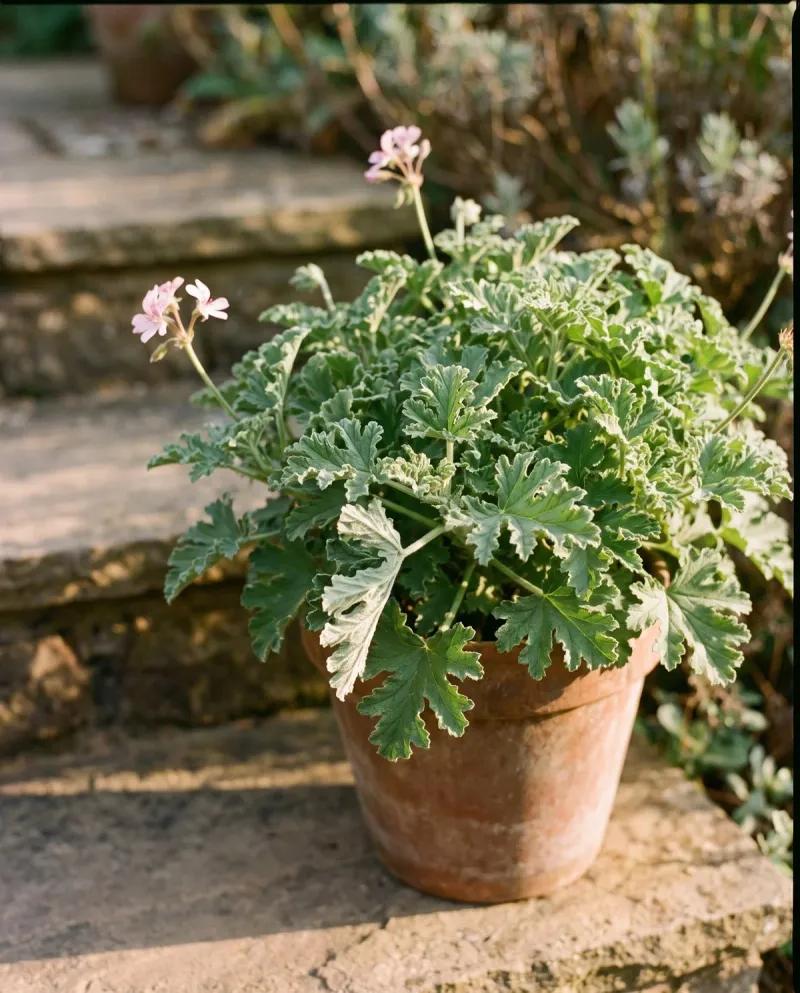
When your geranium starts producing just a handful of flowers where there used to be dozens, something is holding it back. Often that something is a load of old blooms hogging the plant’s energy.
Sparse flowering is one of the most rewarding signs to act on. A good deadheading session frequently kicks off a fresh wave of buds within a week or two.
If your plant looks stingy with its flowers, grab your snips. You are likely just one trim away from a comeback.
8. Blooms Appearing Weak
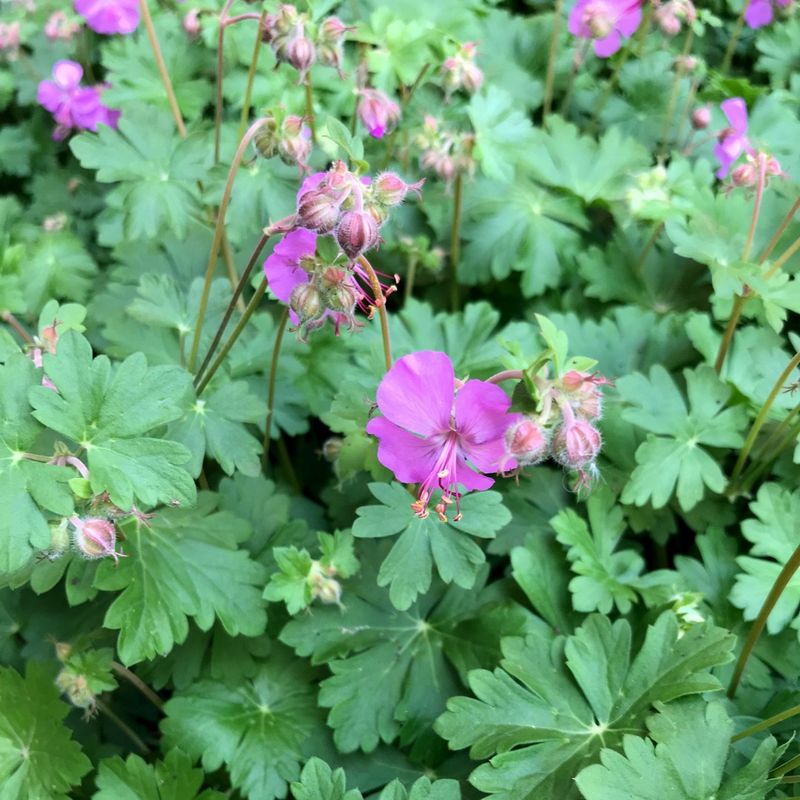
Sometimes the flowers are still hanging on, but they look thin, floppy, and a bit sad instead of plump and perky. Weak-looking blooms are a quiet hint that the cluster is fading.
Rather than waiting for them to fully collapse, get ahead of it. Removing weak flowers early keeps the plant looking crisp and encourages stronger blooms to take their place.
Your geranium only has so much energy to go around. Directing it toward robust new growth pays off fast.
9. Blooms Looking Dried
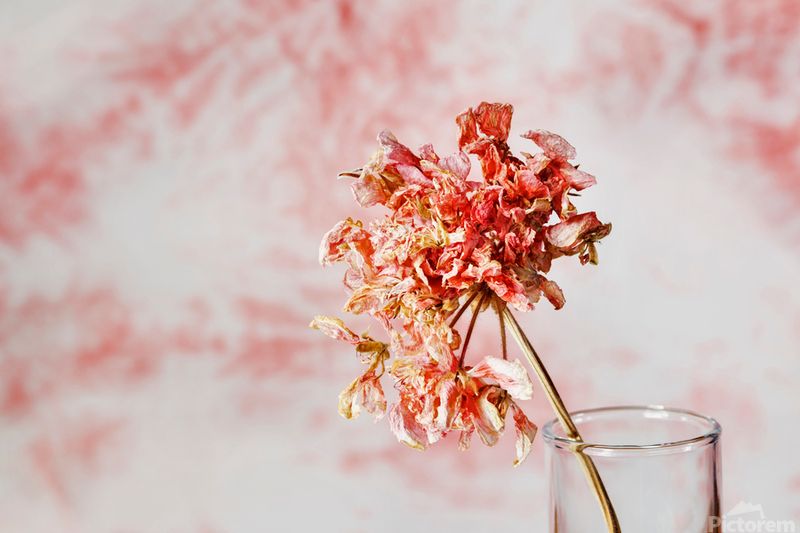
Dried-out blooms have a papery, shriveled feel that is easy to spot once you know it. The petals lose their softness and start to look almost like crinkled tissue paper.
A dried flower is completely done, no question about it. There is no reviving it, so off it goes.
Clearing away dried blooms not only tidies the plant but also removes material that could crumble and settle into the foliage, where it may cause trouble later.
10. Dull Color In Flower Clusters
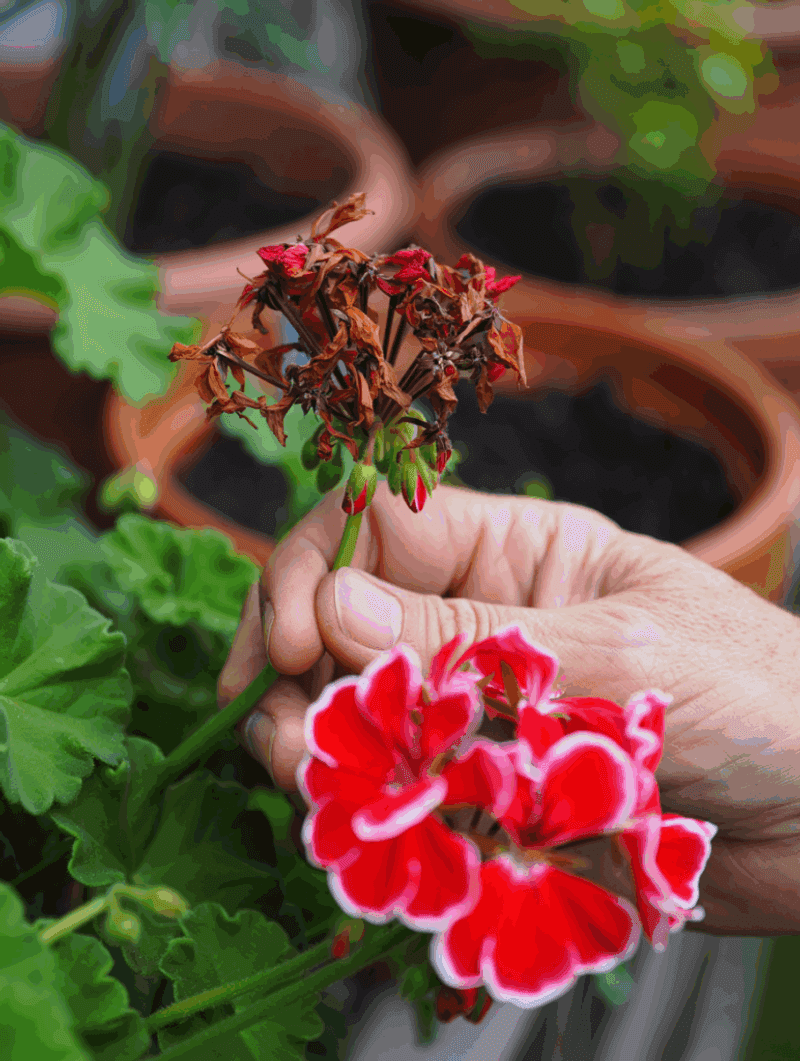
Vibrant reds, pinks, and whites are the whole reason we grow geraniums, so when a cluster turns dull and muted it stands out. Loss of that rich color is an early tell that the bloom is winding down.
Dullness can sneak up gradually, which is why a regular look-over helps. You will catch the fade before the whole cluster goes brown.
Snipping dull clusters keeps your display looking as bright and lively as the day you bought the plant.
11. Crispy Exterior On Faded Blooms
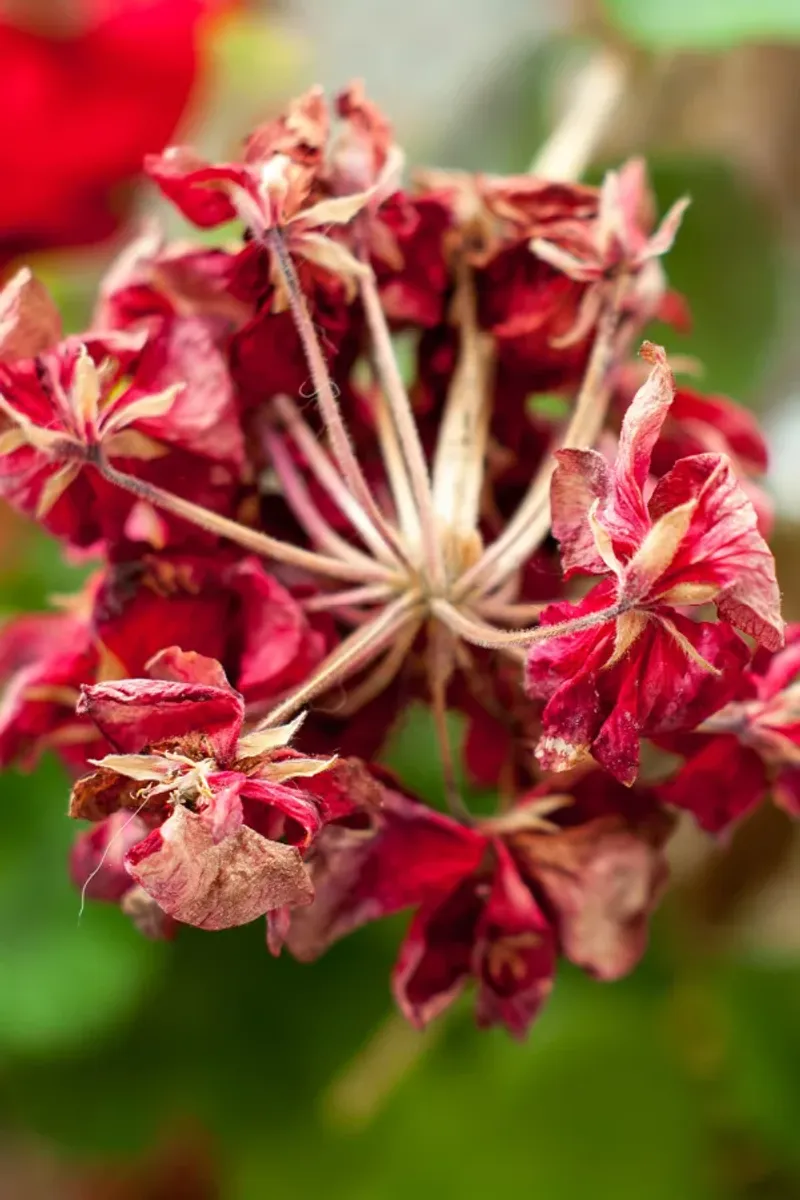
Touch a fading geranium flower and you might feel a crispy, brittle edge along the petals. That crunch is a dead giveaway that the bloom has dried past the point of return.
Crispy petals tend to crumble and scatter, dropping bits into the plant’s crown. That debris can trap moisture and invite problems.
Give crispy clusters a clean removal at the base. Your plant stays fresher and cleaner for it.
12. Flower Clusters Looking Generally Spent
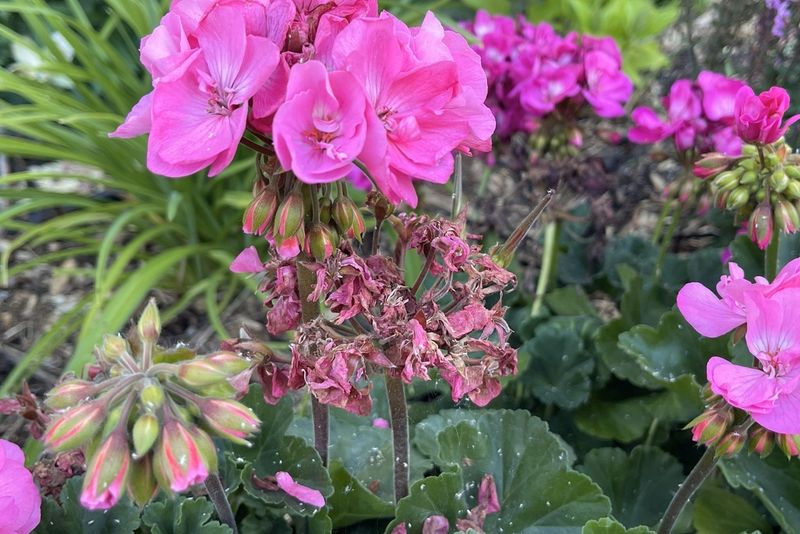
Sometimes a cluster just gives off that overall “I am done” vibe, even if you cannot point to one exact problem. The petals sag, the color dips, and the whole bunch looks weary.
Trusting your gut here works well. If a cluster no longer adds beauty, it is fair game for deadheading.
Clearing tired clusters keeps the plant’s appearance sharp and reminds the geranium to keep pushing out new flowers.
13. Plant Looking Stretched, Tired, Or Uneven
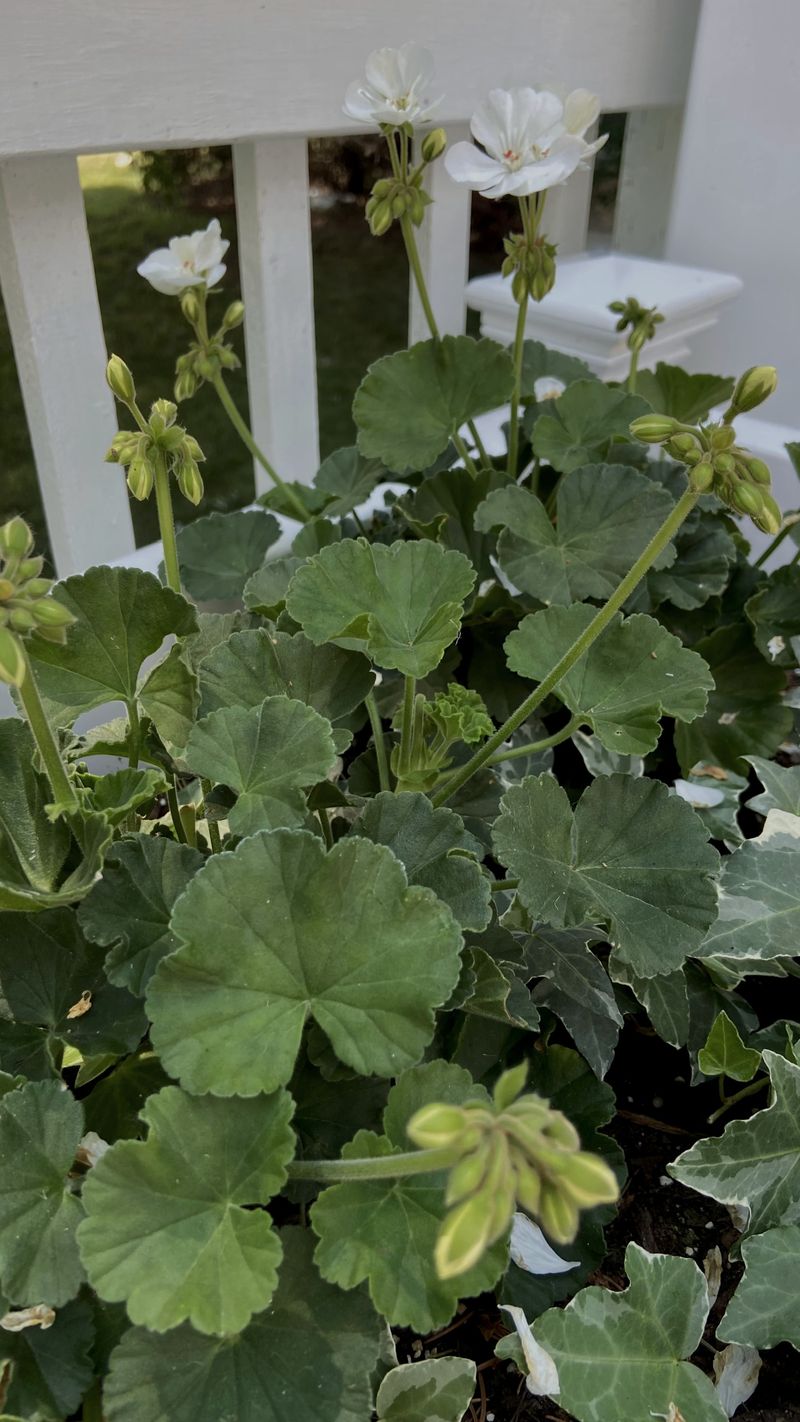
Step back and look at the whole plant now and then. If your geranium seems stretched, lopsided, or just plain tired, it is asking for a refresh.
An uneven shape often builds up when old blooms and stems are left in place too long. A round of deadheading and light shaping evens things out.
The payoff is a balanced, full plant that looks intentional rather than scraggly. Your whole container or bed looks better for it.
14. Old Blooms Hidden Beneath New Growth
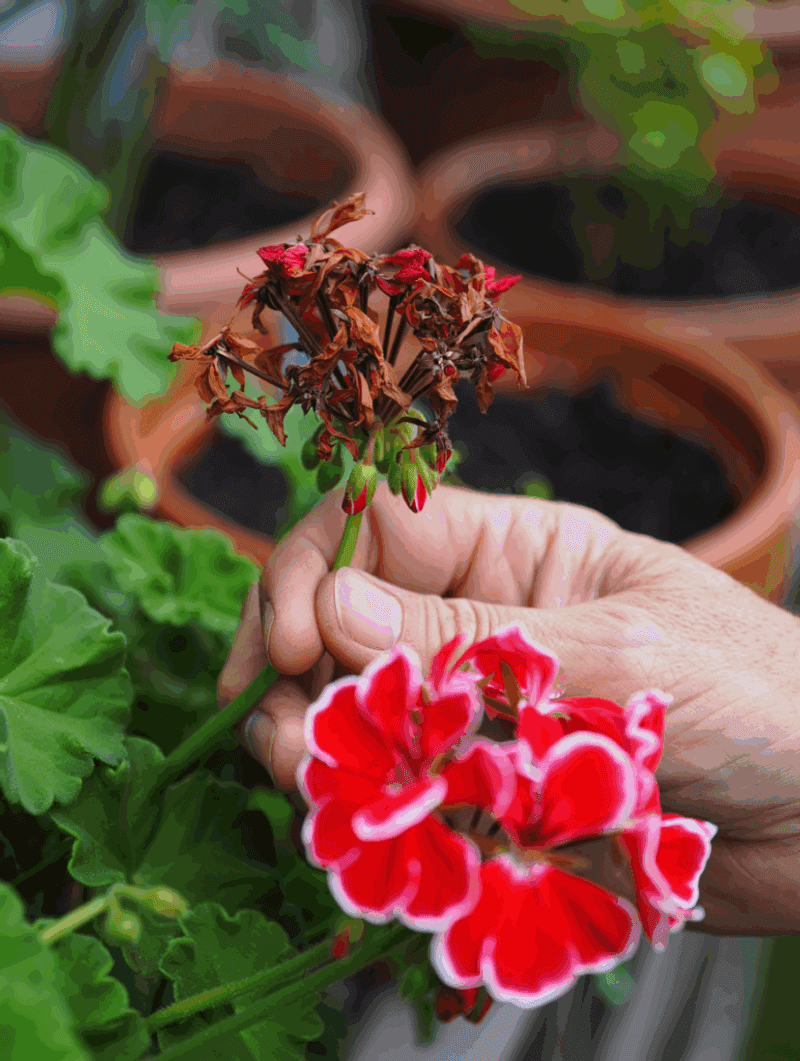
Hanging baskets are gorgeous, but they hide a secret. Old blooms often get buried under the fresh growth on top, where you cannot see them and air cannot move freely.
Trapped, decaying flowers in a crowded basket create the perfect setup for disease. Poor air circulation only makes it worse.
Gently part the foliage and hunt for those hidden spent blooms. Removing them keeps your basket healthy and blooming right down to the last stem.
15. Decaying Material On The Plant
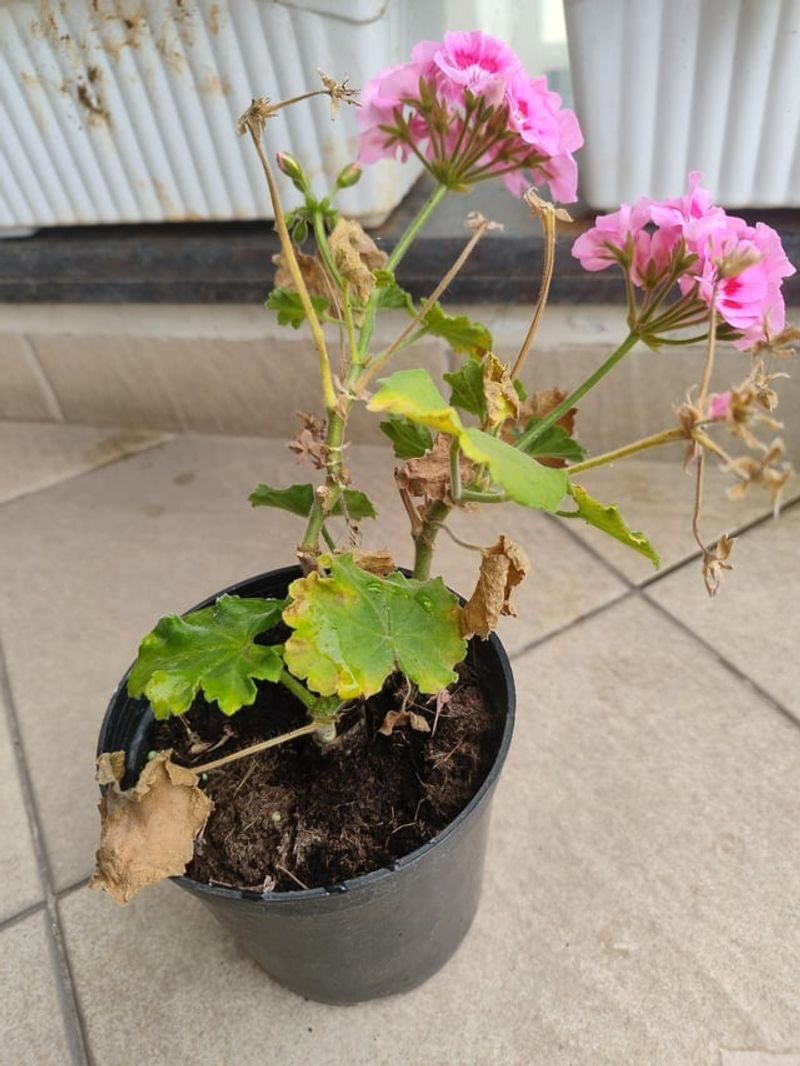
Mushy, rotting bits of old flowers or leaves are more than just an eyesore. Decaying material can harbor fungus and disease that spread to healthy parts of the plant.
Whenever you deadhead, sweep away any rotting debris you find clinging to stems or resting in the crown. A clean plant is a resilient plant.
Fun fact for the road: geraniums are tough survivors that many gardeners overwinter indoors, so keeping them free of decay helps them thrive season after season.
How to deadhead, step by step: First, spot the spent bloom that is brown, faded, or dried. Trace its stem all the way down to where it meets the main stem or a leaf node.
Remove the entire stalk, not just the petals, using clean pruners, scissors, or your thumb and forefinger. Snap or snip it cleanly at a bumpy joint, then inspect for yellow leaves or weak stems while you are at it.
Repeat every few days or at least weekly through the growing season for the fullest, tidiest plant.