
If Your Houseplants Suddenly Have Fungus Gnats, These Common Watering Habits Are Feeding Them
Tiny dark flies hovering around your houseplant pots are one of those problems that sneaks up on you fast. Most people assume the plant is sick or that something is wrong with the soil, but the real culprit is often hiding in how the pot holds water. Fungus gnats multiply in persistently damp growing media, and some very common watering habits create exactly the environment they need. Understanding what drives the infestation makes it much easier to fix without harming your plants.
Those Tiny Flies Are Probably Fungus Gnats, Not Fruit Flies
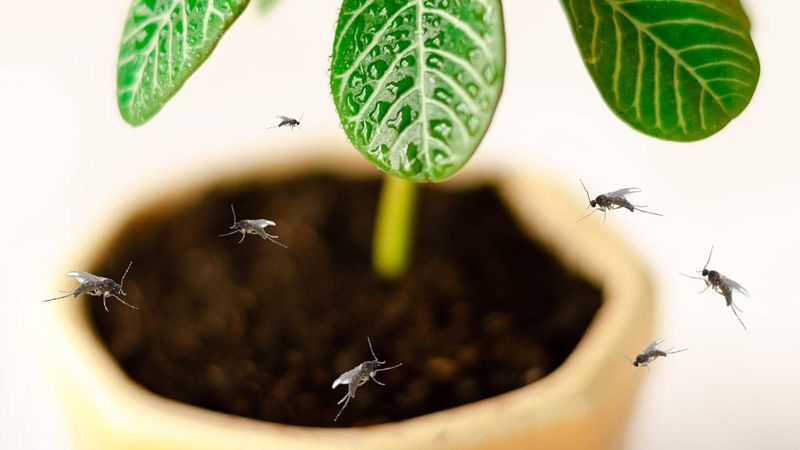
Small dark flies circling your plant pots or crawling across the potting mix are almost certainly fungus gnats, and knowing that upfront matters because the right fix depends on identifying them correctly. Adult fungus gnats are slender, dark-bodied flies, typically around one-eighth of an inch long, with long legs and a habit of hovering just above the soil surface rather than gathering near fruit or drains. UC IPM notes that adults do not bite and are mostly a nuisance, but they signal that larvae are likely active below the surface.
The larvae are the life stage that actually lives in the growing medium, feeding on fungi, algae, decaying organic matter, and occasionally plant roots. Seeing adults flying around does not automatically mean your established houseplant is in serious trouble, but it does mean conditions in the pot are favorable for reproduction. Seedlings and young plants are more vulnerable to larval feeding than mature, established specimens.
Fungus gnats are not the same pest as fruit flies, drain flies, or shore flies, and that distinction changes how you respond. University of Wisconsin Extension explains that fruit flies are drawn to fermenting fruit and vinegar, not potting media, so vinegar traps are not a reliable fix for what is breeding in your soil. Drain flies cluster near slow drains and organic buildup in pipes. If the flies are consistently near your plant pots and especially near the soil surface, fungus gnats are the most likely culprit, and Colorado State University Extension confirms they are one of the most common houseplant pests encountered indoors.
Getting the identification right before choosing a control method saves time and keeps you from reaching for something that will not work.
Persistent Moisture Creates the Nursery They Need
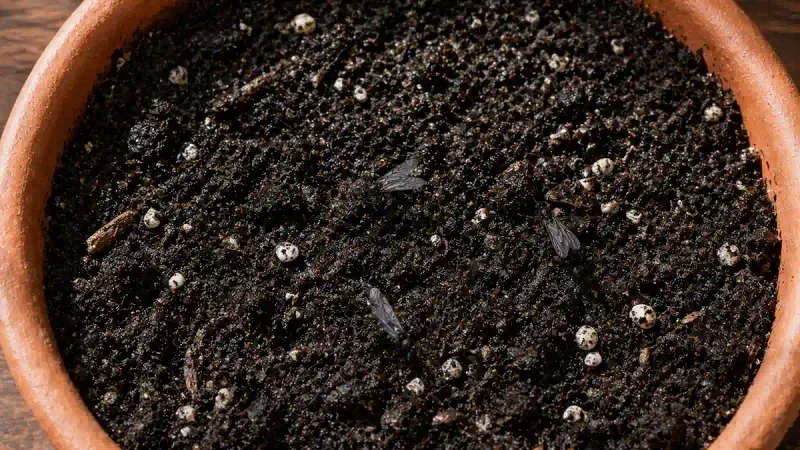
Fungus gnat larvae do not appear out of nowhere. They need a specific set of conditions to survive and develop, and the most important one is a growing medium that stays consistently moist. When potting media holds onto water for extended periods, it supports the fungi, algae, and decomposing organic matter that larvae feed on. Iowa State University Extension explains that fungus gnats thrive in wet, organically rich media, which is exactly the environment that develops when a pot does not dry adequately between waterings.
The connection between moisture and reproduction is direct. Female fungus gnats lay eggs in the top few inches of moist potting mix, and those eggs hatch into larvae that feed and develop in the damp zone. A pot that dries properly between waterings interrupts that cycle because larvae cannot survive in a medium that has lost enough moisture. The wetter and more organic-rich the environment stays, the faster a small population can grow into the kind of swarm that grabs your attention.
What is easy to miss is that the plant itself is rarely the cause. University of Maryland Extension points out that the container environment, specifically the moisture level and available organic material in the medium, is what allows an introduction to become a larger population. A healthy, well-cared-for plant growing in a pot that drains and dries appropriately offers far less opportunity for gnats to establish. The plant is the host, but the wet medium is the nursery, and that is the part of the situation you can actually change.
The Watering Habits That Keep the Root Zone Wet
Most fungus gnat problems are not caused by a single careless watering. They build up over time because of habits that keep the root zone persistently damp, and the first step toward fixing the problem is recognizing which habits apply to your setup. Watering on a fixed calendar schedule is one of the most common offenders. Plants do not dry out at a predictable rate because light levels, temperature, humidity, pot size, and soil type all change, so a Tuesday-and-Friday routine can easily mean you are adding water to a root zone that never fully dried from the last round.
Watering again before the appropriate portion of the mix has dried is a related habit. Colorado State University Extension identifies keeping the soil too moist as a key factor in supporting fungus gnat populations, and many growers water based on how the surface looks rather than checking deeper into the root zone. A dry-looking top layer can be misleading because dense, degraded, or peat-heavy mixes, large pots, and cachepots without drainage holes can leave lower layers wet even when the surface appears ready for water.
Standing water in saucers and cachepots is another habit worth auditing. When a pot sits in water for hours or days after watering, moisture continues wicking upward and the root zone never gets a chance to approach the drying threshold. Cornell IPM notes that allowing water to stand in saucers contributes to the wet conditions that support fungus gnats. Leaking self-watering reservoirs or decorative pots without drainage holes create similar problems.
Penn State Extension recommends checking that pots have adequate drainage as a basic step in preventing waterlogged conditions. The audit is less about blaming a single watering decision and more about recognizing patterns that collectively keep the root zone wetter than it needs to be.
Water by the Plant’s Drying Threshold, Not the Calendar
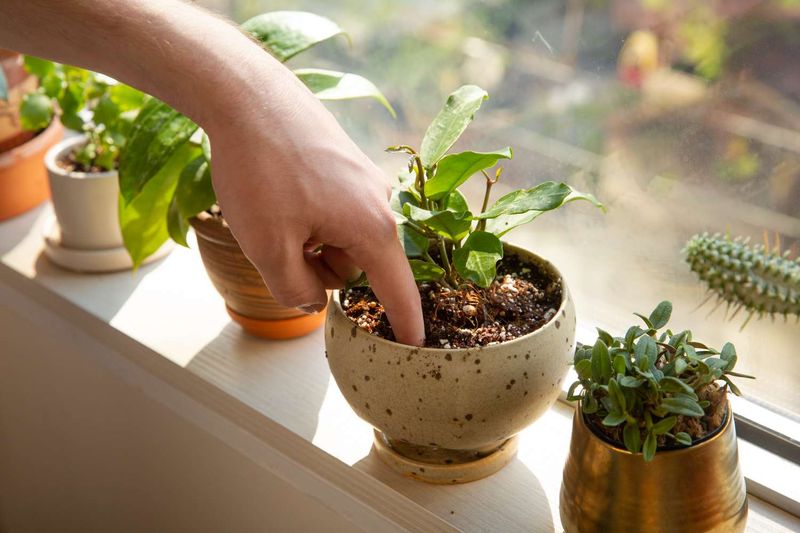
Once you have identified the habits keeping your root zone wet, the practical correction is straightforward: check the medium and let the appropriate amount dry before watering again. What counts as appropriate depends on the plant, not a universal rule. Virginia Cooperative Extension recommends matching your watering frequency to the plant’s actual moisture needs rather than a set schedule, which means learning whether your specific plant prefers to dry out more between waterings or stay more evenly moist.
For plants that tolerate or prefer drying, University of Wisconsin Extension suggests allowing roughly the top one to two inches of potting medium to dry before watering again as a general starting point for managing fungus gnats. Colorado State University Extension uses a similar benchmark of allowing approximately the top half-inch to dry. Both figures are context-dependent rather than a single fixed prescription, and they are meant to guide you toward checking the medium rather than picking a number and sticking to it regardless of conditions.
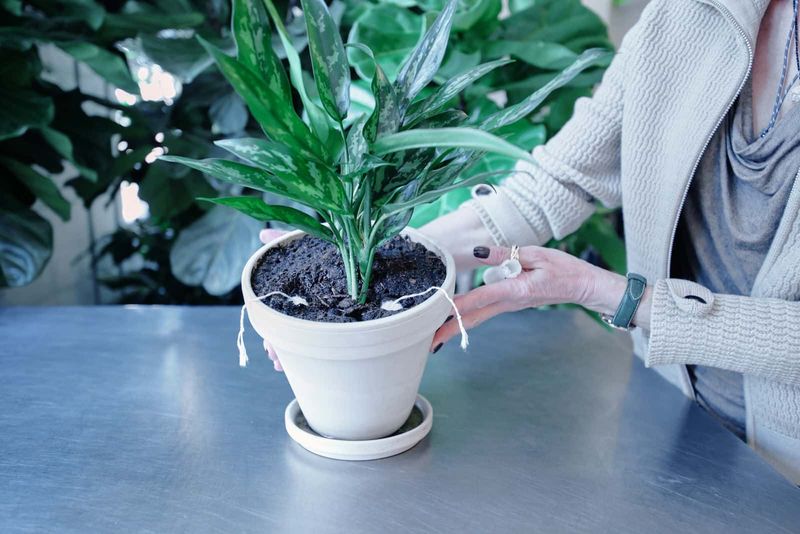
The finger test is a reliable and free tool. Push your finger one to two inches into the mix and feel whether it is still damp below the surface before deciding to water. Penn State Extension recommends combining a finger check with knowledge of whether the specific plant prefers drying or consistently moist conditions, which keeps you from applying the same correction to a cactus and a fern.
Moisture-loving plants, including many tropical foliage species, ferns, and seedlings of any kind, can suffer if you interpret gnat advice as permission to let every root ball go bone-dry. Virginia Cooperative Extension’s container watering guidance cautions that different species have different tolerances and that the goal is always the right moisture level for that plant, not the driest possible condition across the board. Adjusting to the plant’s actual drying threshold removes the persistently wet environment gnats depend on without putting the plant at risk.
Drainage and Sanitation Remove the Conditions Gnats Exploit
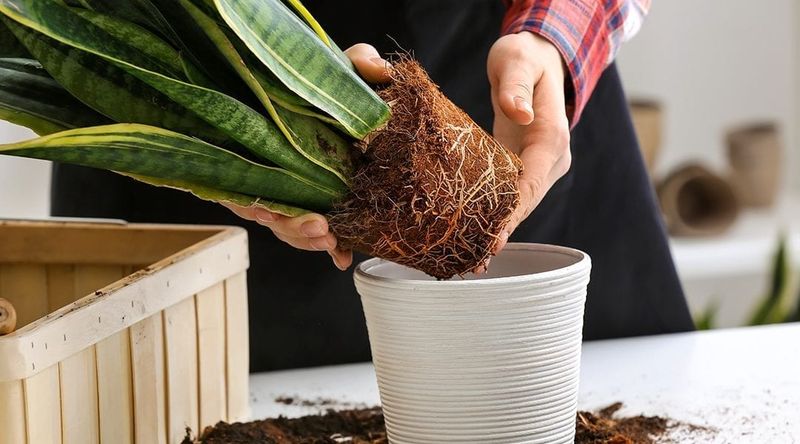
Adjusting how often you water helps, but the correction lasts longer when the physical setup of the pot supports proper drainage. Every container growing a houseplant should have at least one drainage hole. Without one, excess water pools at the bottom of the pot and keeps the lower root zone saturated regardless of how carefully you water at the top. UC IPM lists drainage improvement alongside watering changes as a core step in reducing fungus gnat conditions.
Emptying saucers and cachepots within an hour or two after watering removes the standing water that would otherwise wick back into the root zone. Dead leaves, spent blooms, and other decaying organic material sitting on the soil surface give larvae additional food, so clearing that debris regularly is a straightforward sanitation step. Colorado State University Extension recommends removing this material as part of managing the conditions that support larval development.
Repotting into fresh, well-draining medium makes sense when the current mix has broken down and stays wet far longer than it should. Peat-based mixes degrade over time, losing their structure and holding moisture in a dense layer that dries slowly even with good drainage below. Iowa State University Extension notes that repotting into a fresh mix with good drainage is a useful corrective step when the existing medium is contributing to the problem. That said, repotting is not necessary for every adult gnat you spot.
If the mix still drains well and the pot has adequate holes, improving your watering habits and sanitation may be all that is needed before considering anything more disruptive to the plant.
Treat the Adults and Larvae as Separate Problems
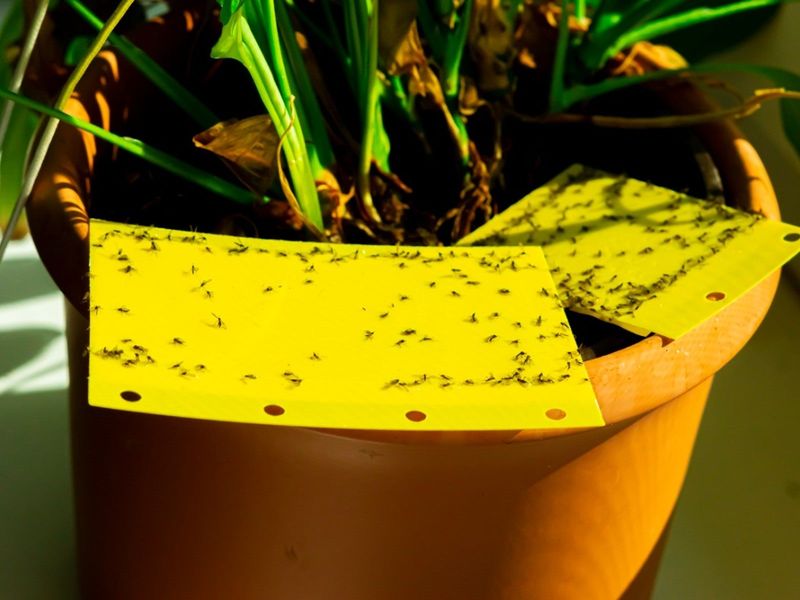
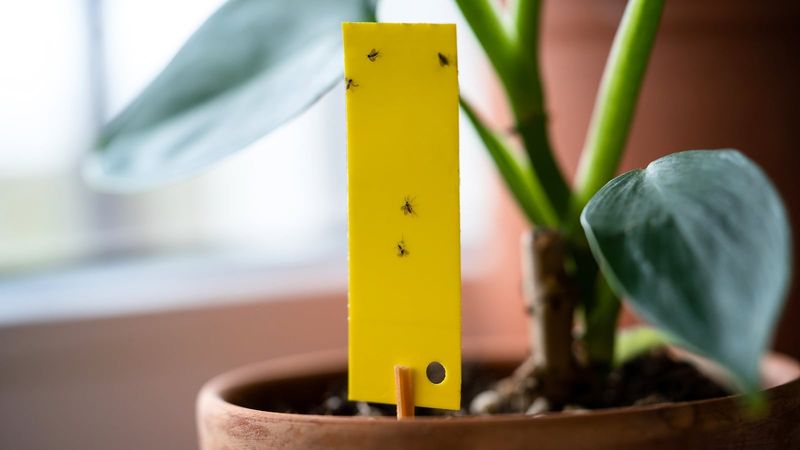
Yellow sticky cards are a practical first tool to add once you have started adjusting moisture and drainage. Placed horizontally near the soil surface or vertically just above the pot, they catch flying adults and give you a rough count of how active the population is. Colorado State University Extension recommends sticky traps as part of a monitoring and management approach, noting that they help reduce the adult population but do not reach larvae already developing in the medium below.
For persistent infestations that do not respond to moisture changes alone, a soil-directed treatment targeting larvae is the next step. Products containing Bacillus thuringiensis subspecies israelensis, widely known as Bti, can control fungus gnat larvae when applied to the growing medium. Bti is a naturally occurring soil bacterium, and EPA guidance on Bti describes it as a low-risk option when used according to label directions. The key qualifier is that the product must be registered and labeled specifically for fungus gnat larvae and for use in the intended application site, such as indoor potted plants.
Bti is not the same as Bacillus thuringiensis var. kurstaki, which is a different subspecies used against caterpillars. EPA registration records for Mosquito Bits confirm that a Bti-based product can be labeled for fungus gnat larvae, but the label and registration for the specific product you purchase are what matter legally and practically. Always read the label before applying any product to a plant.
Colorado State University Extension frames the overall approach as combining moisture management, sanitation, adult monitoring, and larval control when needed, because each tactic addresses a different part of the life cycle. No single intervention eliminates an established infestation immediately, and expecting one product to do everything usually leads to disappointment and repeated applications.
A Watering Fix Cannot Prevent Every New Introduction
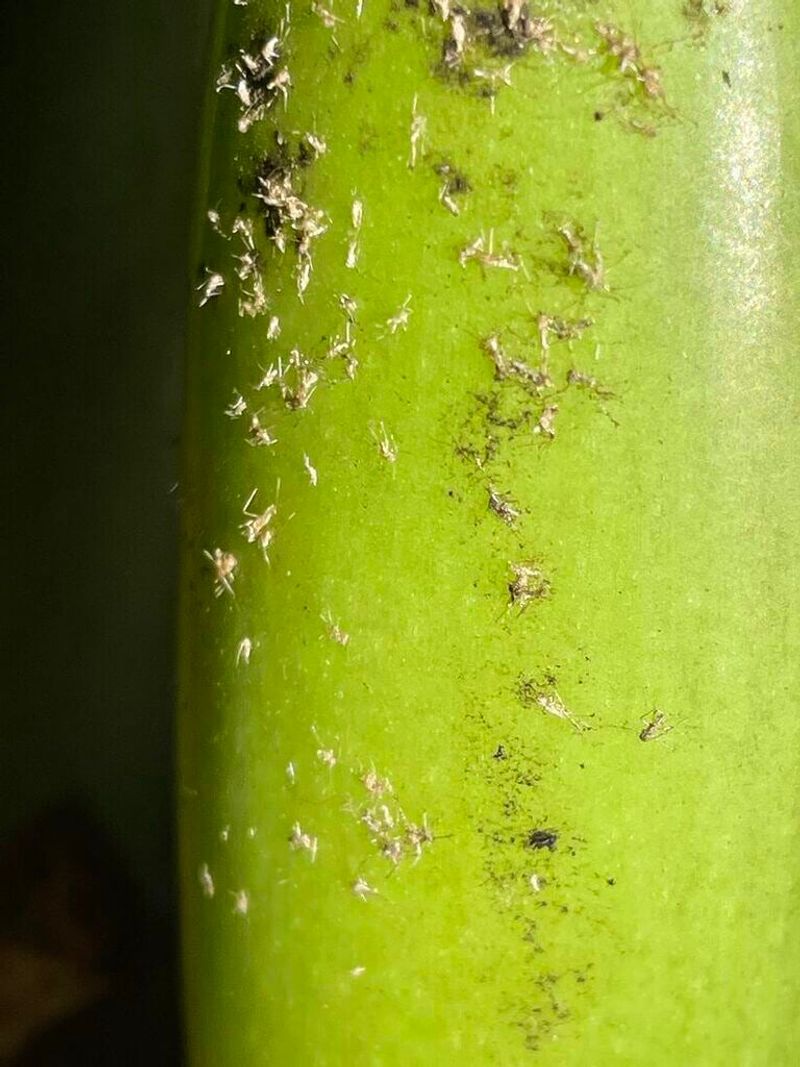
Correcting your watering habits removes the conditions that allow fungus gnats to multiply, but it does not explain every infestation in the first place. Gnats can arrive through routes that have nothing to do with how you water. Newly purchased plants are one of the most common sources. Colorado State University Extension recommends inspecting new plants carefully and considering isolating them for a few weeks before placing them with the rest of your collection, which gives you time to spot any developing problem before it spreads.
Reused potting media and bags of mix that have been stored open or kept in humid conditions can also carry eggs or larvae before you ever add water. Plants that spent the summer outdoors and were brought back inside in fall may carry gnats or eggs picked up from garden soil. Washington State University Pestsense notes that introduction through infested growing media is a documented pathway, and research published in the Journal of Economic Entomology confirms that contaminated growing media can carry fungus gnats into new environments.
The practical reconciliation between these two ideas is straightforward. Moisture is what allows a small introduction to become a large population. A gnat that arrives on a new plant but lands in a pot that drains well and dries appropriately has far less opportunity to reproduce successfully. Fixing the moisture environment does not prevent every introduction, but it significantly limits what any introduction can become.
Quarantining new plants, using fresh potting media from sealed bags, and checking outdoor plants before bringing them inside are the layers of prevention that address what watering changes alone cannot reach.
The Fix Is a Healthier Moisture Rhythm, Not a Bone-Dry Plant
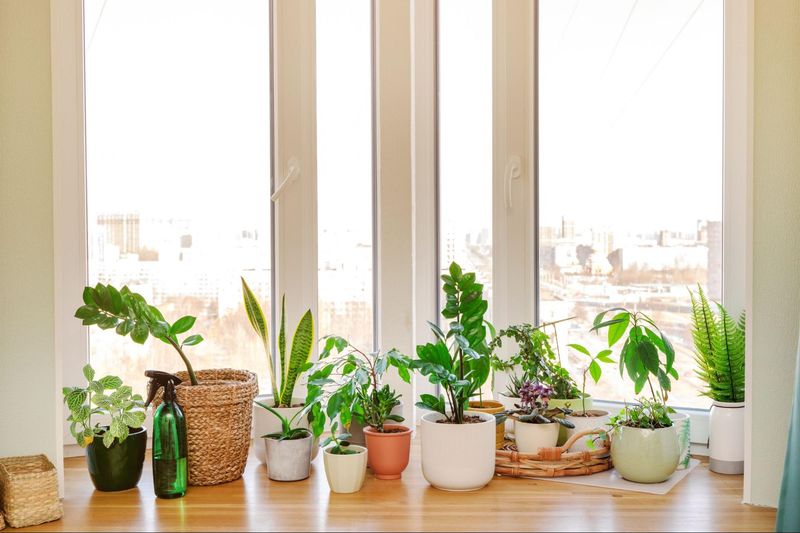
Pulling together everything covered here leads to a practical sequence rather than a single dramatic action. Start by confirming you are dealing with fungus gnats and not a different fly. Then check the actual moisture in the root zone, not just the surface, and stop adding water on a fixed schedule. Empty any saucers after watering, remove decaying material from the soil surface, and make sure every pot drains freely.
UC IPM identifies this combination of moisture management, drainage correction, and sanitation as the foundation of effective fungus gnat control.
Add yellow sticky cards near the soil to monitor adult activity, and if larvae persist after a few weeks of improved moisture management, consider a Bti product that is registered and labeled for fungus gnat larvae in indoor containers. Colorado State University Extension supports this layered approach because each step targets a different part of the problem. Penn State Extension reinforces that matching watering to each plant’s actual needs is the habit that prevents the problem from returning.
The goal is not a pot that never holds moisture. Plants need water to function, and some need more consistent moisture than others. What fungus gnats need is a root zone that never gets a chance to dry, and taking that away is the most durable fix available.