
If Your Hydrangea Blooms Are Turning Brown At The Edges, Here Are 13 Reasons And The Fix For Each
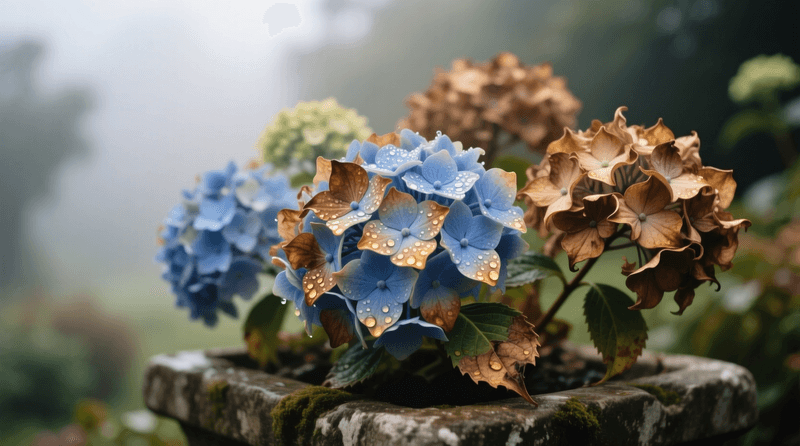
You walk out to check on your hydrangea and notice the flower edges have gone crispy and brown. It’s frustrating, and it usually means the plant is trying to tell you something.
The good news is that most causes are easy to spot once you know what to look for, and the fixes are simple. Let’s go through 13 common reasons your blooms are browning and exactly how to turn things around.
1. Underwatering or Drought Stress
Hydrangeas practically drink like they’ve just run a marathon, especially when summer temperatures climb. Their name even comes from the Greek word for water, so a thirsty plant is often the first thing to check.
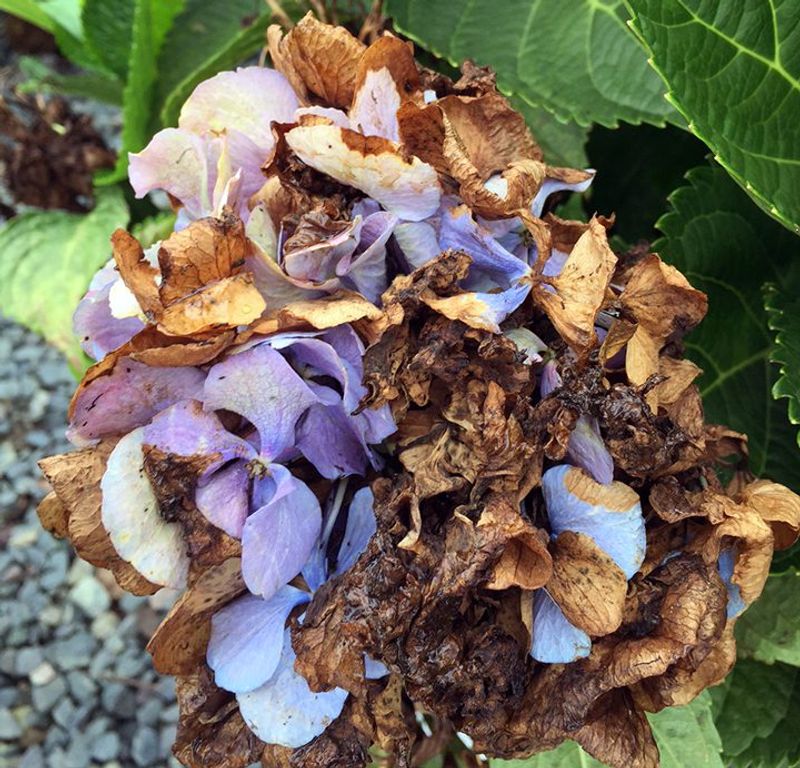
When the soil dries out, the plant loses moisture through its leaves faster than the roots can replace it. The result is crispy, brown-edged blooms and sometimes browning leaf tips too.
The Fix: Water deeply and more often instead of a quick daily splash. Push your finger or a soil moisture meter a few inches down to see if it’s dry.
A two to three inch layer of mulch around the base helps lock in moisture and keeps the roots cooler during heat spells.
2. Overwatering or Poor Drainage
Here’s the twist that trips up a lot of caring gardeners: too much love with the watering can backfire. Soggy soil suffocates roots and invites root rot.
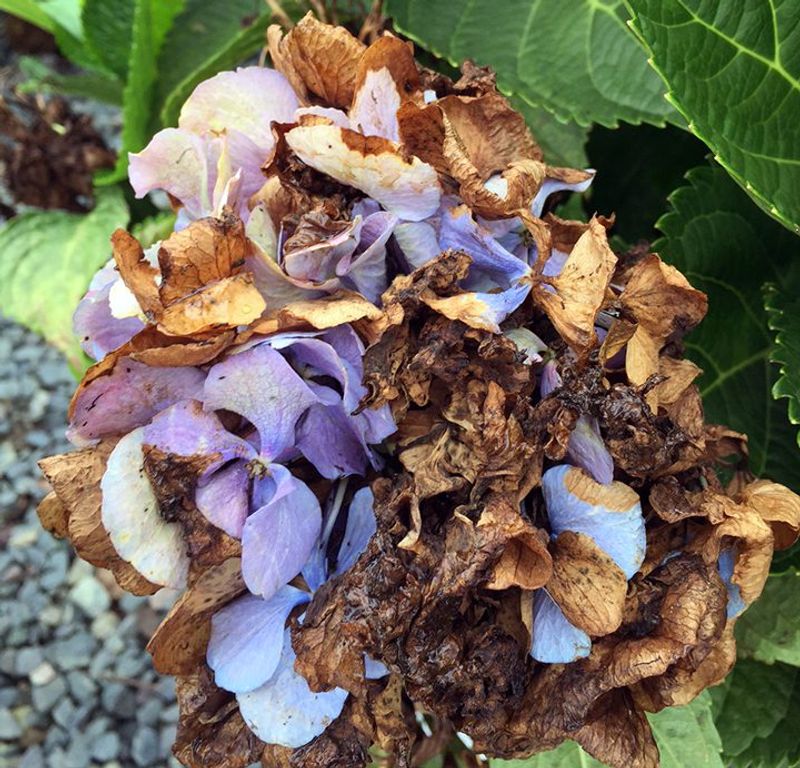
Once the roots are damaged, they can’t pull up water and nutrients properly. Oddly enough, the plant then shows the same wilting and browning you’d expect from a dry hydrangea.
The Fix: Check the soil before you reach for the hose, and only water when the top layer feels dry. Make sure your hydrangea sits in well-draining soil, and if it lives in a pot, confirm there are drainage holes at the bottom.
3. Too Much Sunlight or Sun Scorch
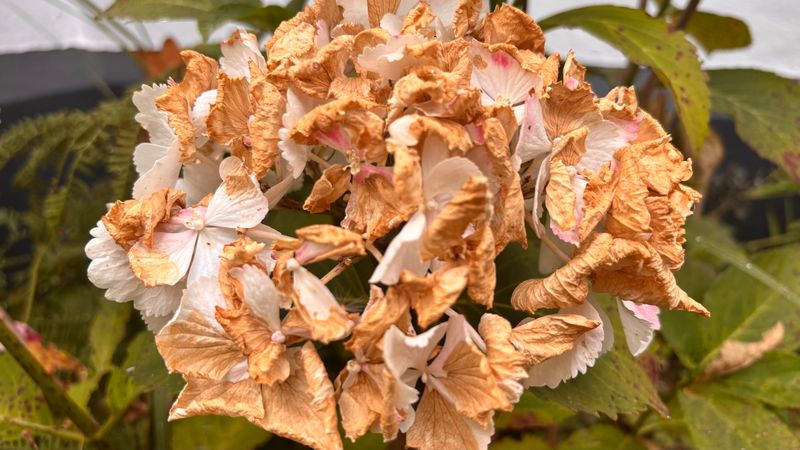
Those big, papery mophead and lacecap petals are gorgeous, but they burn as easily as pale skin at the beach. Harsh midday and afternoon sun can scorch them in a single hot afternoon.
You’ll often see the color drain out first, then the edges crisp up and turn brown. It happens fast, sometimes over just a day or two of intense exposure.
The Fix: The sweet spot for most hydrangeas is morning sun with afternoon shade. Potted plants can simply be moved to a shadier corner during the hottest hours.
For plants stuck in the ground, a temporary shade cloth can shield delicate blooms until the heat backs off.
4. Heat Stress from High Temperatures
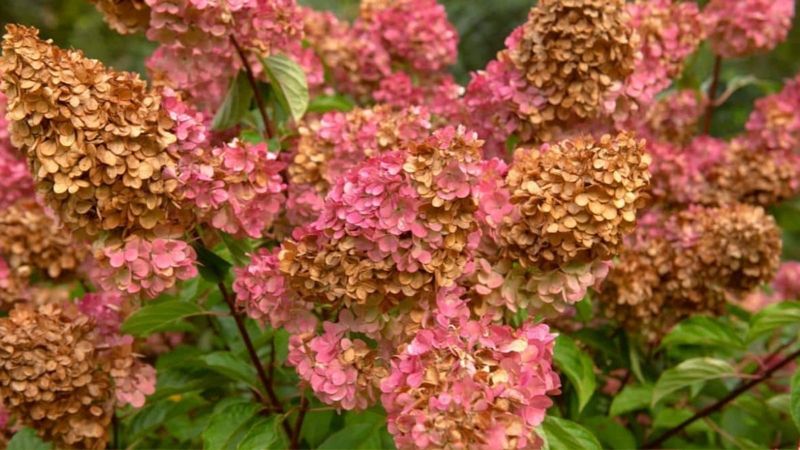
Sometimes you’re doing everything right, watering well and providing shade, yet a brutal heatwave still turns your blooms brown. Extreme heat alone can stress a hydrangea past its comfort zone.
Certain varieties simply weren’t built for scorching summers and will show it in their flowers first. If your area regularly bakes, the plant is fighting an uphill battle.
The Fix: Keep watering deep and steady, and add shade during peak afternoon heat. If you garden in a warm region, lean on tougher types like oakleaf or panicle hydrangeas.
Fun fact: panicle hydrangeas can shrug off far more sun and heat than their mophead cousins, making them a smart pick for hot yards.
5. Pest Infestation

Tiny troublemakers like aphids and spider mites love to set up camp on hydrangeas. They pierce the plant and sip its sap, quietly draining the moisture and nutrients your blooms need.
The damage shows up as wilting and browning across flowers, leaves, and stems. Spider mites leave a telltale calling card: fine webbing and a dusty look on the undersides of leaves.
The Fix: Inspect your plant often, flipping leaves over to catch pests early. A strong blast of water knocks aphids loose, and insecticidal soap handles bigger populations.
Organic neem oil works well against both aphids and spider mites, so it’s a handy all-rounder to keep on the shelf.
6. Fungal Diseases
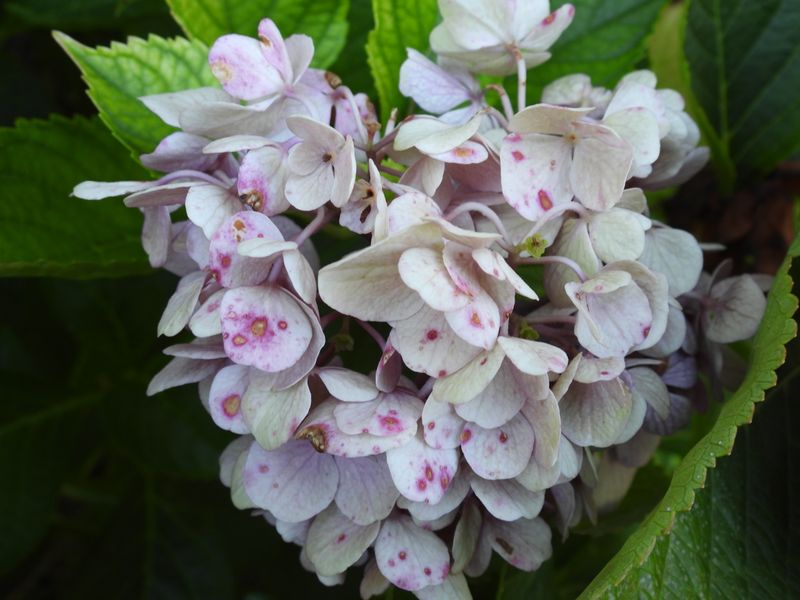
Warm, damp, humid weather is a party invitation for fungi. Culprits like botrytis blight, anthracnose, and Cercospora leaf spot can splatter your blooms with brown spots, blotches, or a powdery film.
Once fungus takes hold, it spreads from flower to flower and leaf to leaf if you let it linger. Crowded, soggy conditions only speed things up.
The Fix: Snip off and toss any badly affected leaves and flowers so the spores don’t spread. Give the plant breathing room for better air circulation, and water at the base instead of over the top.
Raking up fallen leaves and old plant debris removes hiding spots where fungus overwinters.
7. Over-fertilization or Fertilizer Burn
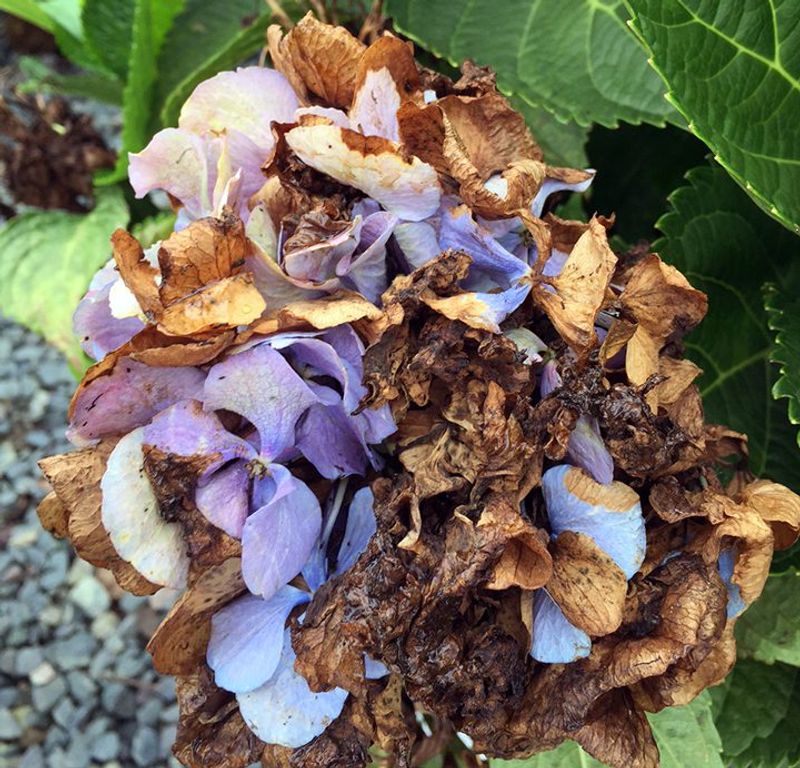
More food does not equal more flowers, and hydrangeas will let you know if you overdo it. Piling on fertilizer, especially high-nitrogen synthetic kinds, causes a salt buildup in the soil.
Those excess salts actually pull water back out of the roots, leaving you with brown, crispy edges on both leaves and blooms. It’s a stress response, not a growth spurt.
The Fix: Water thoroughly before and after you feed the plant to dilute the salts. Stick to a balanced, slow-release fertilizer once or twice a season and follow the label to the letter.
If you think you’ve gone overboard, water daily for a stretch to help flush the extra salts out of the soil.
8. Natural Aging of Blooms
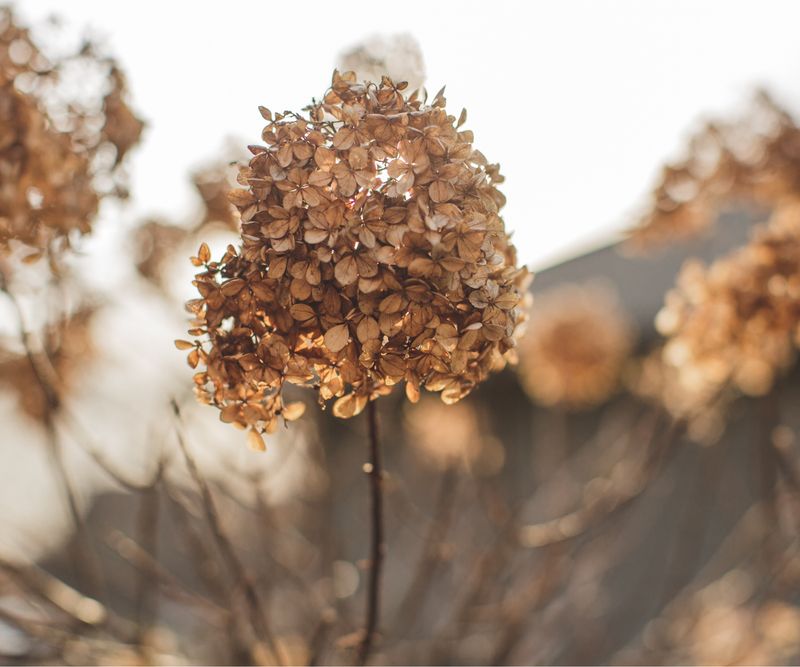
Before you panic, take a look at the calendar. As summer winds toward fall, hydrangea flowers naturally fade and drift toward brown as their blooming season wraps up.
Nothing is wrong here, it’s simply the plant finishing its cycle the way it always has. Many gardeners even love the antique, papery look aged blooms take on.
The Fix: Deadhead the spent flowers by snipping just below the browned head. For reblooming varieties, this tidy-up can nudge the plant to push out fresh flowers.
It’s also a natural moment to start prepping your hydrangea for the colder months ahead.
9. Transplant Shock
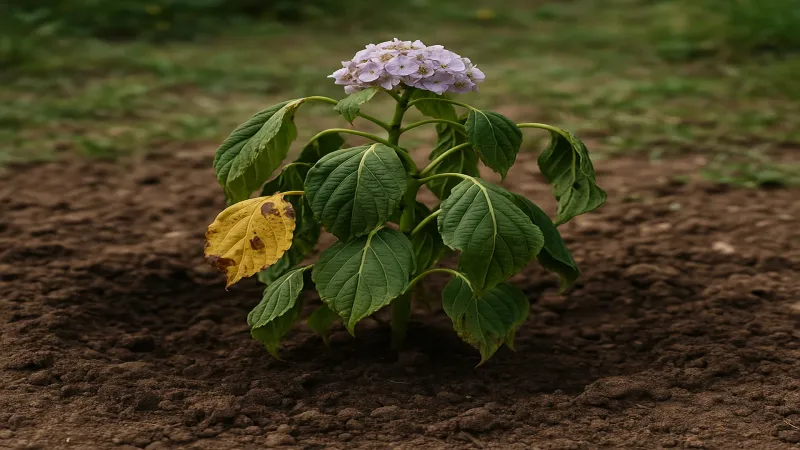
Moving to a new home is stressful, even for a plant. A freshly transplanted hydrangea often sulks for a while as its roots settle into unfamiliar soil.
That adjustment period, known as transplant shock, can show up as wilting and browning flowers. It looks alarming, but it’s usually temporary.
The Fix: Keep the soil consistently moist while the roots get established, and avoid moving plants during the peak of summer or on blistering hot days. Give it a few weeks of patience and steady watering.
Most hydrangeas bounce back once they feel at home, so resist the urge to fuss too much.
10. Chemical Burn
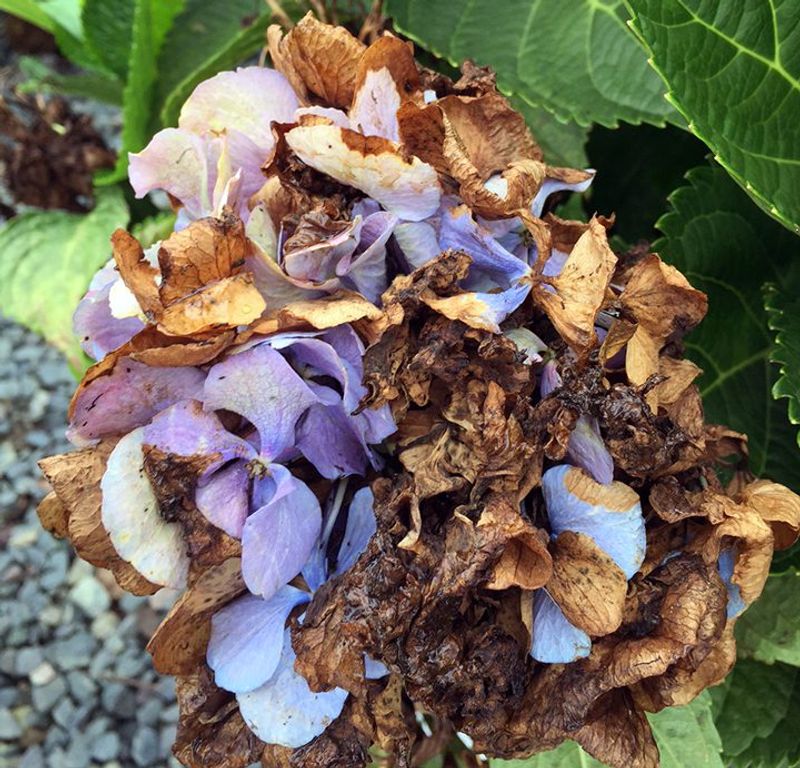
Your hydrangea can be an accidental bystander to chemicals drifting around the yard. Herbicides, pressure-washing solutions, and other sprays can leave blooms looking burned and brown.
Here’s a sneaky one: water sitting in a hose baking in the sun can come out scalding hot and shock delicate flowers on contact. It’s an easy mistake to make on a summer afternoon.
The Fix: Shield your hydrangeas with a cover or barrier whenever you’re spraying chemicals nearby. And always let hot hose water run cool for a moment before it touches your plants.
11. Cold Damage or Late Frost
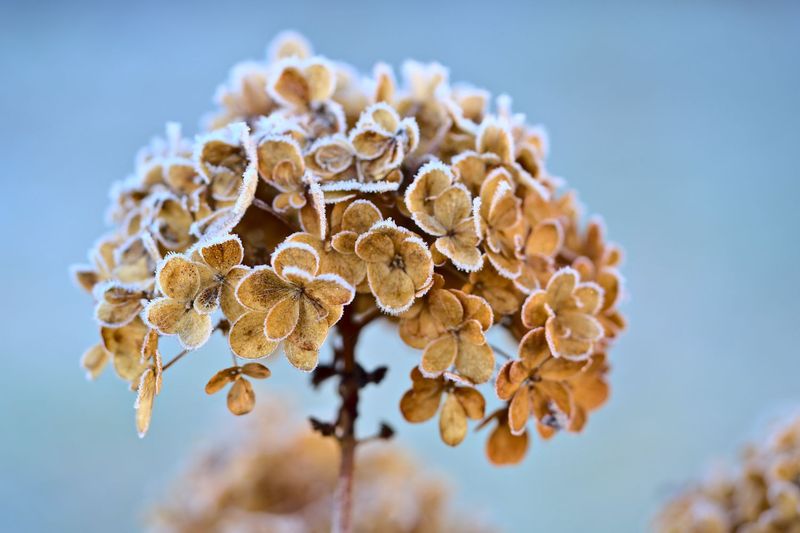
Spring can be a tease, luring out tender new buds and then hitting them with one last frost. When that happens, delicate hydrangea flowers and shoots can brown and blacken almost overnight.
The fresh growth is especially vulnerable because it hasn’t toughened up yet. A single cold snap at the wrong time can undo weeks of promising development.
The Fix: When frost is in the forecast, drape your hydrangeas with burlap, frost cloth, or old blankets overnight. In fall, pile on a thick mulch layer to insulate the roots through winter.
Skip late-season pruning and fertilizing, since both encourage tender new growth that frost loves to nip.
12. Nutrient Imbalance
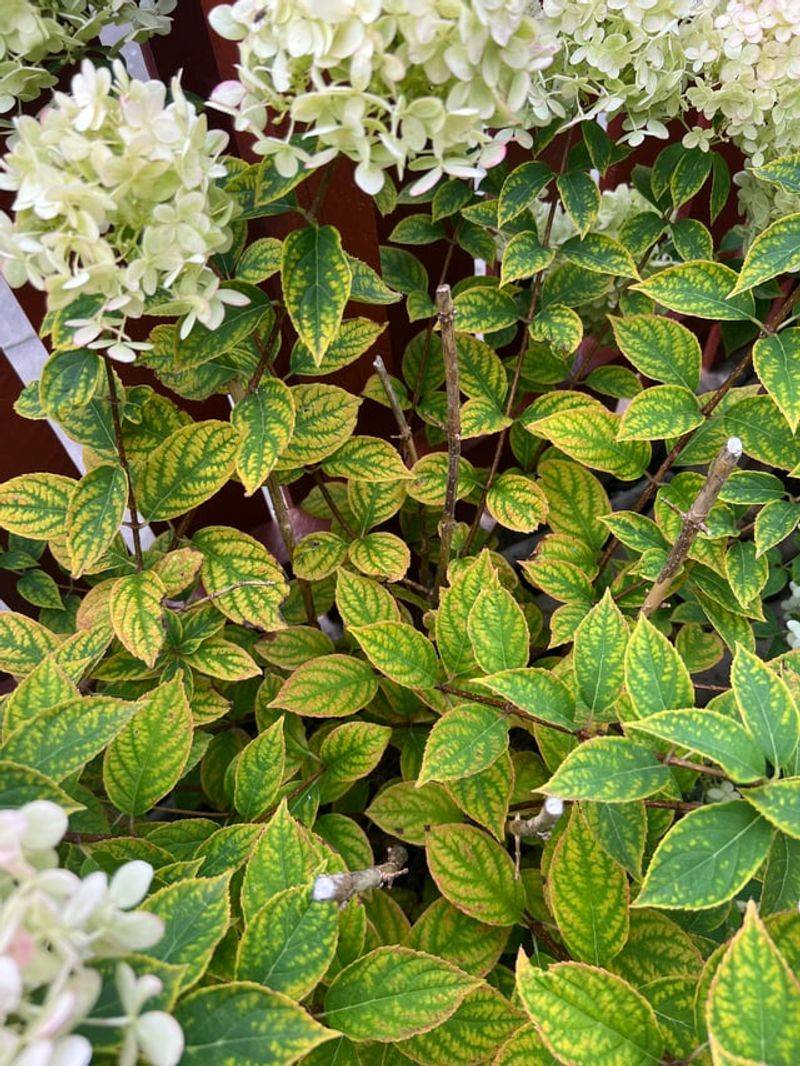
Nutrients usually get blamed for leaf color trouble, but an overall imbalance can quietly weaken the whole plant. A run-down hydrangea is simply more likely to fall victim to the other browning causes on this list.
Nitrogen shortages, for instance, tend to yellow the leaves rather than brown the blooms directly. Still, a poorly fed plant struggles to defend itself against stress.
The Fix: If you suspect a nutrient problem, run a simple soil test to pinpoint what’s actually missing. Then apply a balanced fertilizer or the specific amendment the test recommends.
Resist the temptation to overcompensate, because too much feeding creates a whole new set of problems.
13. Inconsistent Watering Leading to Repeated Wilting
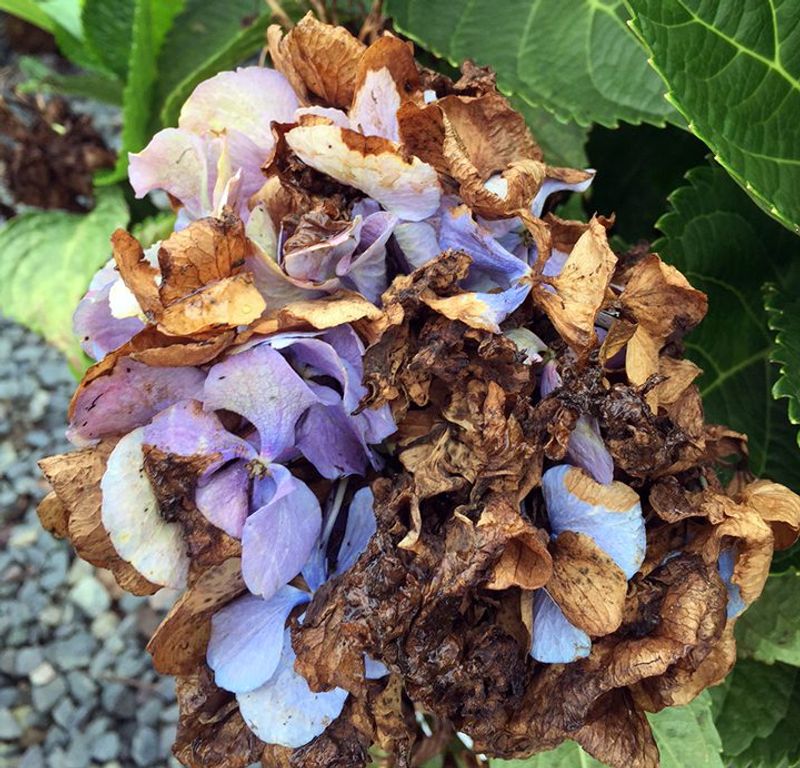
One dramatic wilt won’t ruin your hydrangea, but a repeated cycle of drying out and bouncing back will. Every time the plant flops in the heat and then perks up after watering, the blooms take a hit.
Eventually those flowers reach a point of no return and turn brown for good. The damage becomes permanent even if you finally get the watering right.
The Fix: Trade light daily sprinkles for a deep soak every few days, which trains roots to grow strong and reach for moisture. Keep an eye on soil moisture so you catch dry spells before the plant droops.
Consistency is the whole game here, so a steady routine beats occasional heroic watering every time.