
If Your Hydrangeas Are All Leaves And Barely Any Flowers, Here Are 13 Simple Moves That Double The Blooms
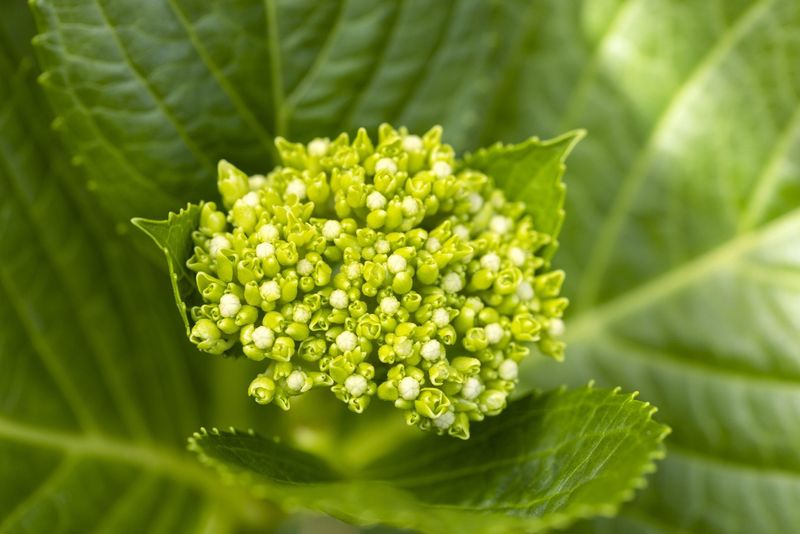
You water, you wait, and all your hydrangea gives you is a big pile of green leaves and hardly a bloom in sight. It feels like the plant is teasing you, and it is easy to think you are doing something wrong.
The good news is that leafy, flowerless hydrangeas almost always come down to a handful of fixable habits. Sort out these 13 simple moves and you can turn that sea of green into a summer full of flowers.
1. Understand Your Hydrangea Type for Pruning
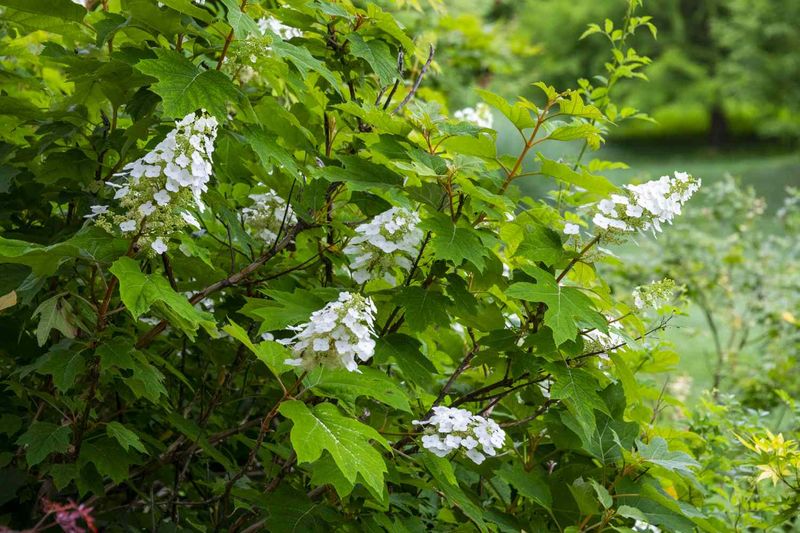
Before you touch a single stem, you need to know what kind of hydrangea you actually own. It is the one detail that decides almost everything else you do, and getting it wrong is the number one reason gardeners cut off their own flowers.
Some hydrangeas bloom on “old wood,” meaning stems that grew last year. Bigleaf (Hydrangea macrophylla), oakleaf (H. quercifolia), mountain (H. serrata), and climbing (H. anomala) types all fall into this camp.
Others bloom on “new wood,” the fresh growth of the current season, and that includes panicle (H. paniculata) and smooth (H. arborescens) hydrangeas.
Here is why it matters so much: old-wood bloomers carry next year’s flower buds through winter on those bare-looking stems. Chop them at the wrong time and you toss the whole show.
Check a plant tag, snap a photo for a plant ID app, or match the leaf and flower shape online. Once you know your type, the rest of this list clicks into place.
2. Prune Old-Wood Bloomers Correctly
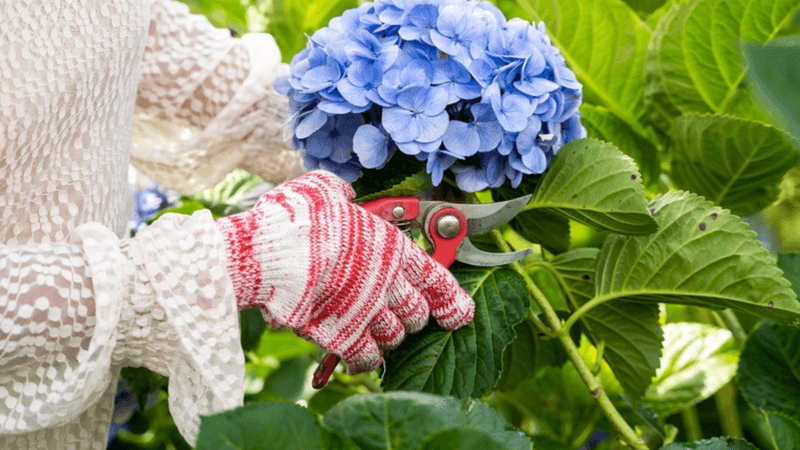
Timing is everything with old-wood hydrangeas, and it trips up more people than any other mistake. If your bigleaf or oakleaf hydrangea leafs out beautifully but never flowers, bad pruning timing is usually the culprit.
The safe window is right after the plant finishes flowering, generally late summer or early fall, before it starts setting the buds for next year. Cut then and you clean up the shrub without touching a single future bloom.
What you want to avoid is pruning in fall, winter, or early spring. By then the plant has already loaded its stems with tiny flower buds, and snipping them off means a whole leafy, flowerless season.
When in doubt, do not prune old-wood types at all. They rarely need it, and leaving them alone almost always beats an aggressive haircut at the wrong moment.
3. Prune New-Wood Bloomers Correctly
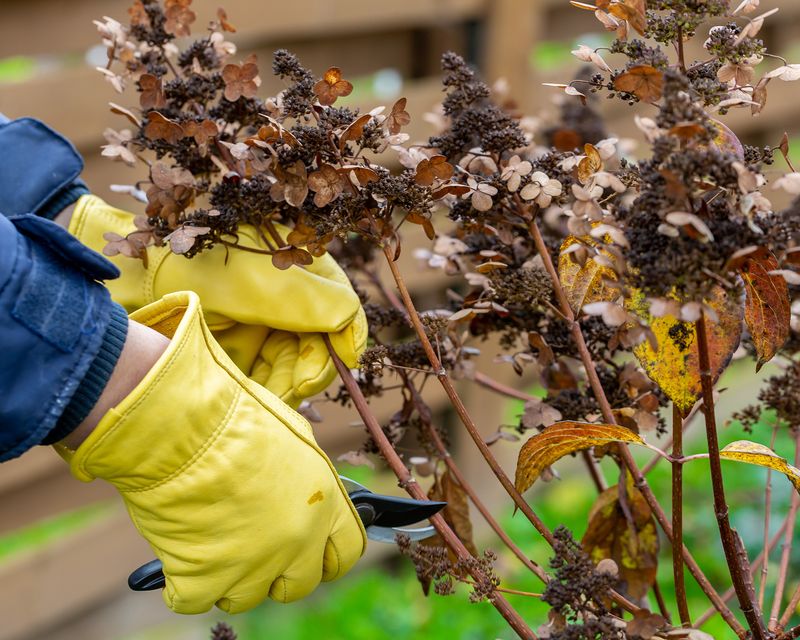
Good news if you grow panicle or smooth hydrangeas: these are the easygoing members of the family. Because they flower on stems that grow this season, you get a lot more freedom and a lot less panic about ruining the blooms.
Prune them in late winter or early spring, before new growth pushes out. Cutting back at that point actually helps, since it encourages sturdy new stems that will hold the summer flowers upright instead of flopping over.
You can be fairly bold here. A hard prune on a smooth hydrangea like ‘Annabelle’ often produces bigger, more numerous flowers, though very thick removal can lead to floppy stems, so leave a framework of older wood for support.
Either way, the plant rewards a spring trim rather than punishing you for it.
4. Provide the Right Amount of Sunlight
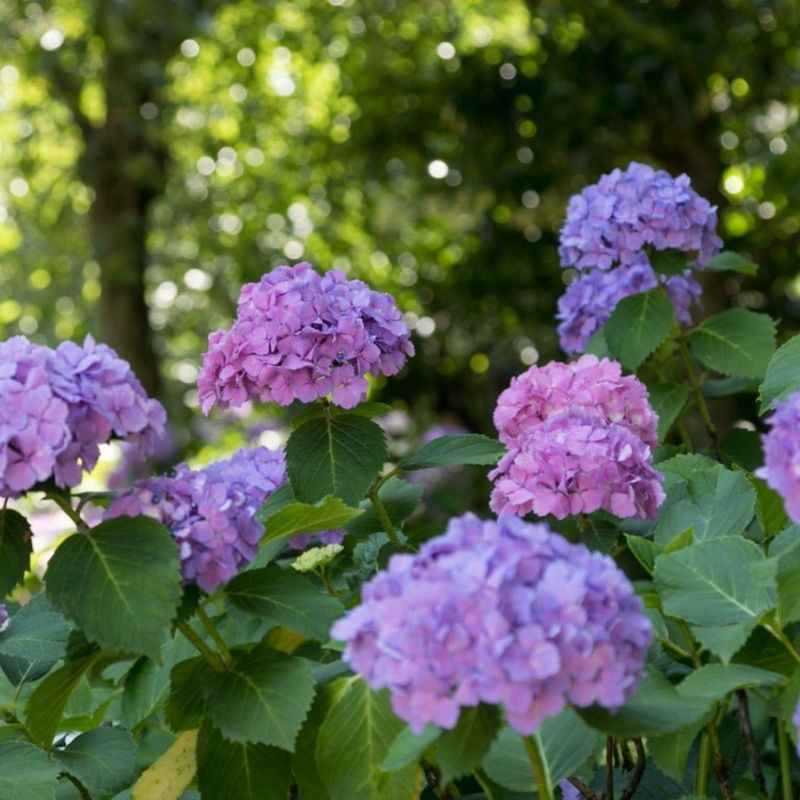
Hydrangeas are a little like people who love the beach but burn easily: they want sun, just not too much of the harsh kind. Light is one of the quietest reasons a plant stays all leaves and no flowers.
Sit a hydrangea in deep shade and it may never form flower buds at all, pouring its energy into big leaves instead. Push it into blazing all-day sun and you get the opposite problem, with scorched foliage, wilting, and stressed plants that skip blooming to survive.
The sweet spot for most types is several hours of gentle morning sun with shelter from brutal afternoon rays, or bright dappled shade all day. If your shrub is buried under a tree canopy or baking against a west-facing wall, consider moving it during the dormant season.
A better spot can flip a leafy sulker into a bloomer.
5. Use a Low-Nitrogen, High-Phosphorus Fertilizer
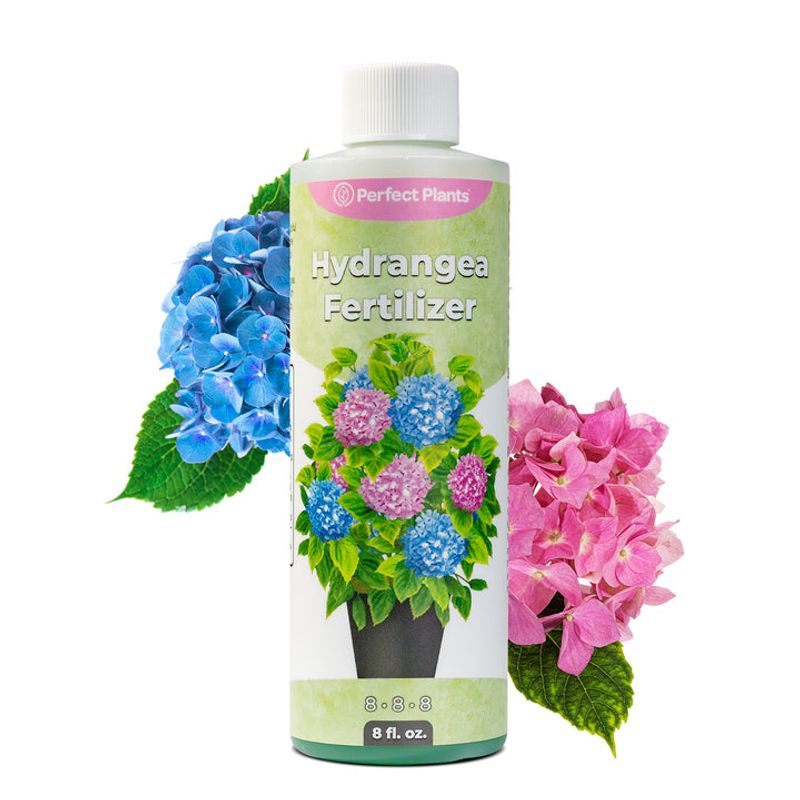
Ever notice your hydrangea looks like a bodybuilder, all bulging green leaves and zero flowers? That muscle-bound look often comes straight from too much nitrogen in the soil.
Nitrogen fuels leafy growth, so an overload tells the plant to keep pumping out foliage instead of blooms. Lawn fertilizer drifting into your beds is a sneaky, common cause of exactly this problem.
To steer that energy toward flowers, switch to a balanced slow-release feed like 10-10-10, or one made for flowering plants with a higher middle number (phosphorus) in the N-P-K ratio. Apply it in mid-spring as the leaves appear and before blooms form.
Go light rather than heavy, since more fertilizer is rarely the answer and can make the leafy problem worse.
6. Protect from Winter Damage and Late Frosts
Sometimes the reason for a flowerless summer happened months earlier, back in the cold. Harsh winters, wild temperature swings, and surprise late-spring frosts can quietly kill the flower buds while the roots stay perfectly fine.
Old-wood bloomers are the most vulnerable, because their buds ride out the whole winter exposed on the stems. Lose those to a hard freeze and the plant still leafs out normally in spring, leaving you confused about the missing blooms.
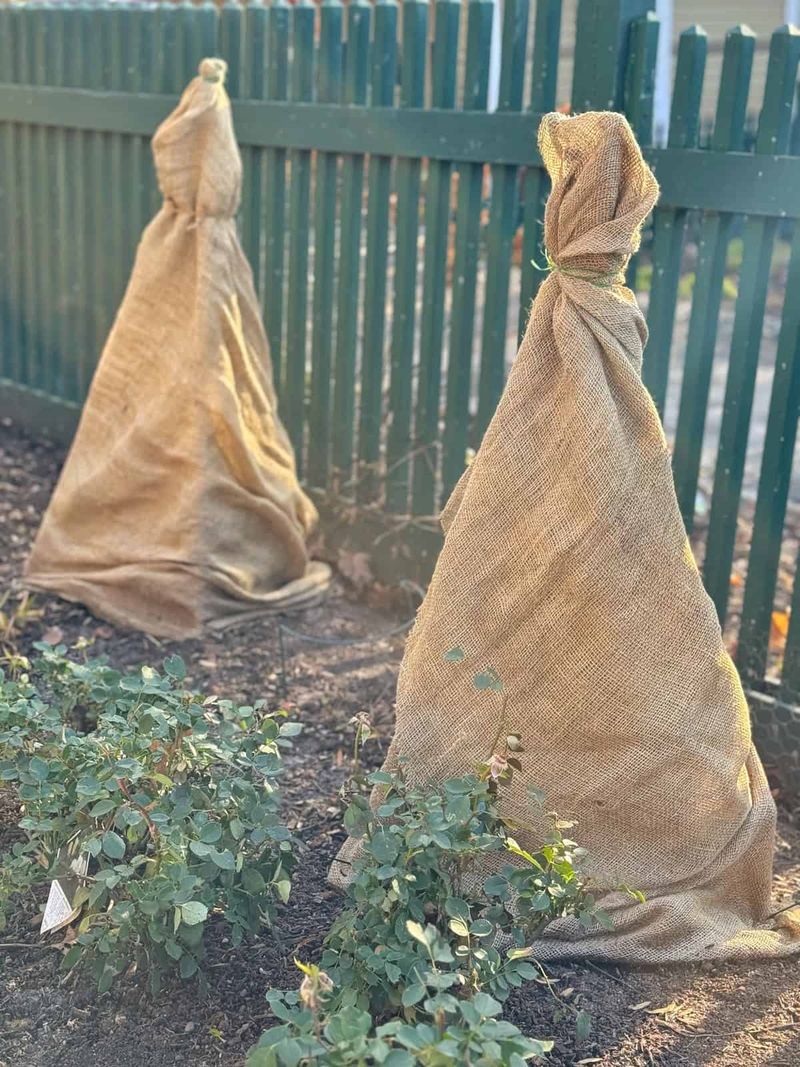
In colder regions, pile several inches of organic mulch like compost or straw around the base each fall to insulate the roots. When a brutal cold snap or a late frost threatens, drape burlap or frost cloth over the shrub for the night.
That simple cover can be the difference between a bare bush and a blooming one.
7. Ensure Consistent Watering
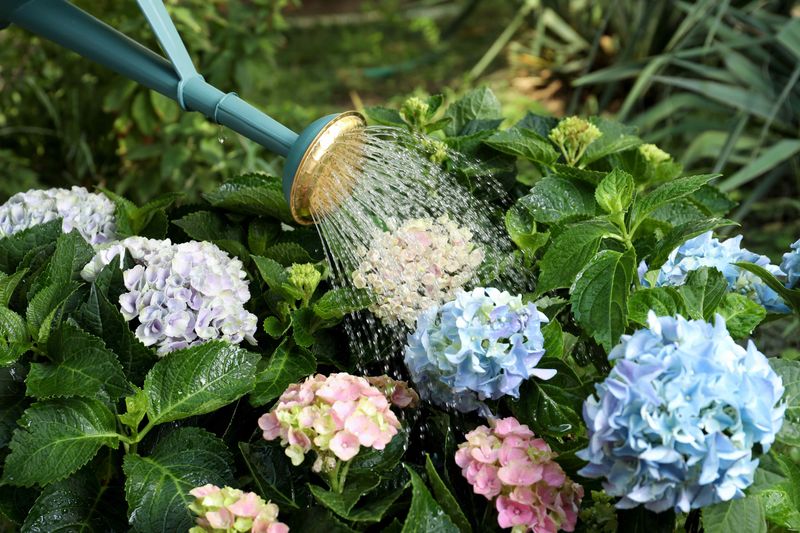
Those giant leaves and thirsty blooms mean hydrangeas practically earned their name from water, and inconsistent moisture throws them off fast. Let them swing between bone dry and soaked, and they may stall out on bud development entirely.
Aim for roughly 1 to 2 inches of water per week, bumping it up during heat waves. Deep watering two or three times a week beats a daily splash, because it trains roots to grow down where moisture lasts.
Before you water, poke a finger a couple inches into the soil. If it feels damp, hold off, since soggy roots can be just as harmful as dry ones.
Steady, thoughtful watering keeps the plant calm enough to focus on flowers instead of survival.
8. Mulch Around the Base
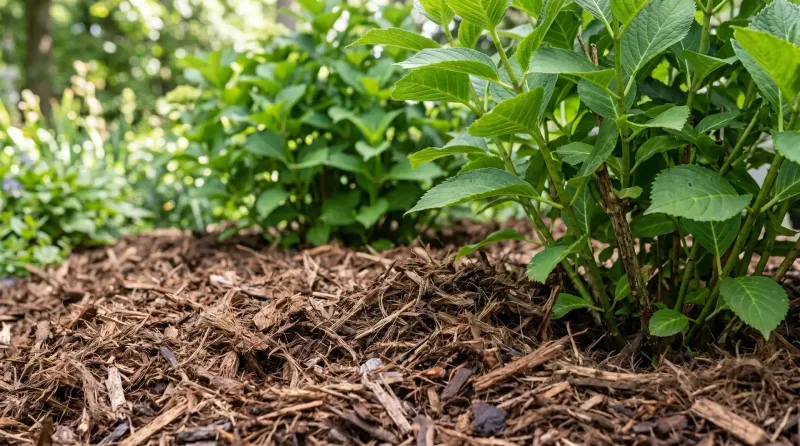
Think of mulch as a cozy blanket and a water reservoir rolled into one. A simple 2 to 4 inch layer of shredded bark or compost around your hydrangea does a surprising amount of behind-the-scenes work.
It locks moisture into the soil, so the roots do not dry out between waterings. It also steadies soil temperature, shielding roots from both scorching heat and sudden cold.
On top of that, mulch smothers weeds that would otherwise compete for water and nutrients. Keep it pulled back an inch or two from the stems to avoid rot, and refresh it each year.
A stable, moist root zone gives the plant the security it needs to invest in bigger, better blooms.
9. Deadhead Spent Blooms (Especially for Rebloomers)
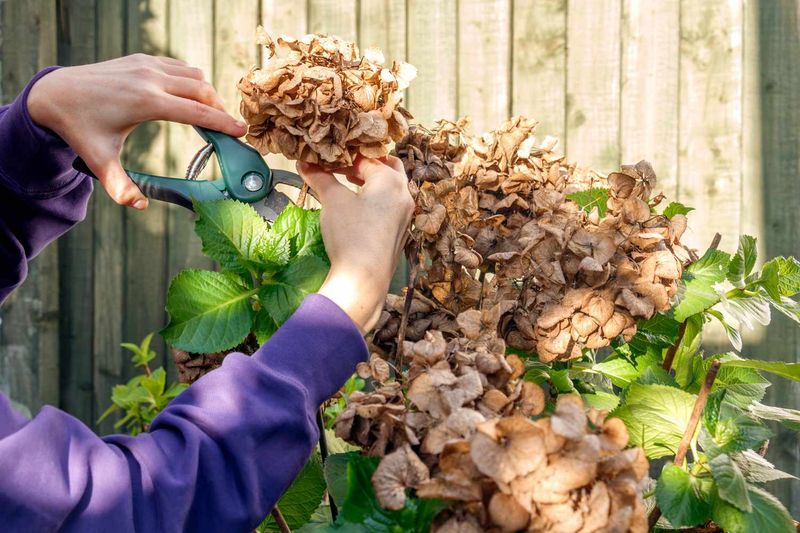
Snipping off tired, faded flowers feels almost too easy to matter, yet it can nudge your hydrangea to keep the party going. Removing spent blooms redirects the plant’s energy away from making seeds and back toward fresh flowers.
Reblooming varieties respond best, rewarding regular summer deadheading with a second flush of color. Just clip the old flower head down to the first set of healthy leaves or a plump bud.
One important catch: stop deadheading by mid to late fall. At that point old-wood types are setting next year’s buds, and you want to leave those alone.
Timed right, deadheading keeps the display fuller for longer without any extra products or fuss.
10. Be Patient with Young Plants
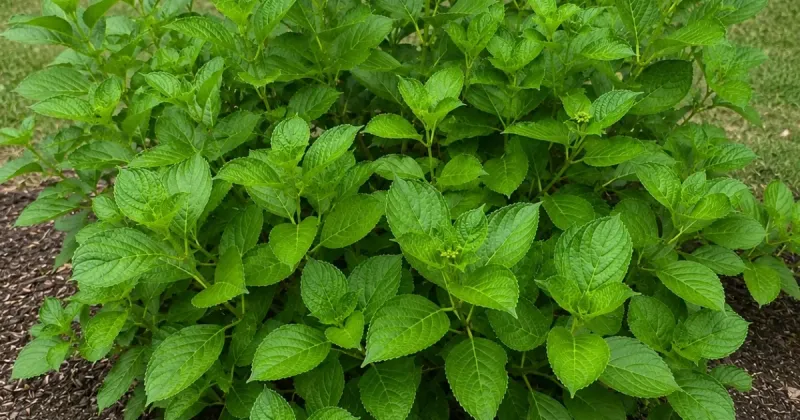
Sometimes there is nothing wrong at all, and the plant just needs time to grow up. A young hydrangea often spends its first few years building roots and structure before it feels ready to flower heavily.
During that stretch, you may see loads of healthy leaves and only a handful of blooms, or none. It is easy to assume you failed, when really the plant is simply establishing itself underground where you cannot see the progress.
Keep giving it steady water, decent light, and a light spring feeding, then resist the urge to fuss or overhaul everything. Most young hydrangeas hit their stride and bloom generously once they mature.
Patience really can be the whole fix.
11. Check and Adjust Soil pH (for Bigleaf and Mountain Hydrangeas)
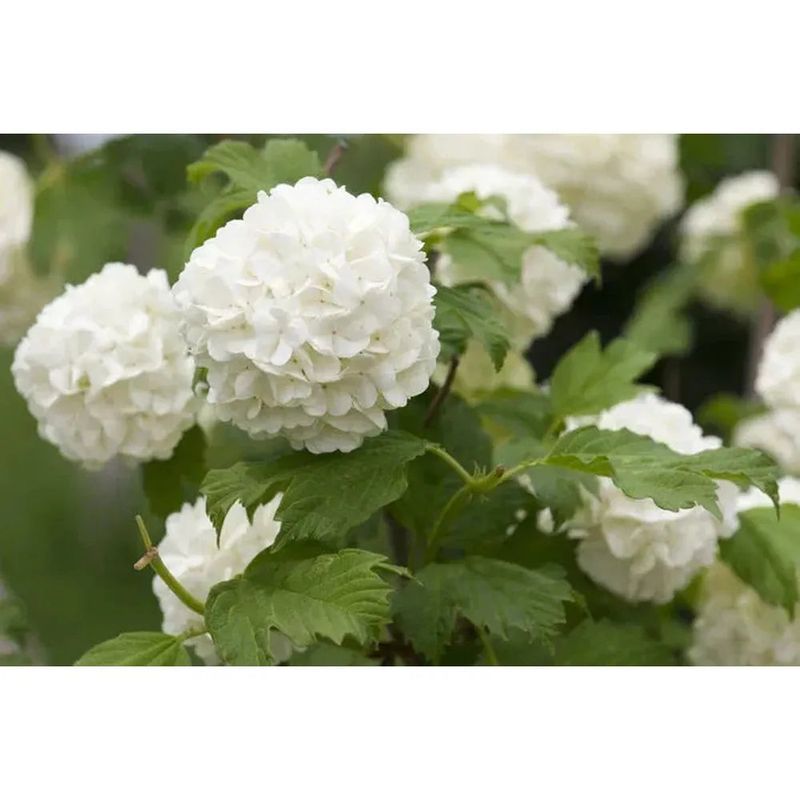
Here is a fun quirk: with bigleaf and mountain hydrangeas, the soil itself acts like a mood ring. Acidic soil tends to turn blooms blue, while alkaline soil pushes them toward pink.
Color aside, pH also controls how easily the roots can grab the nutrients they need. Hydrangeas generally prefer slightly acidic ground, around pH 5.5 to 6.5, for the best uptake and overall vigor.
Grab an inexpensive soil test kit to see where you stand. If things are out of range, garden sulfur can lower pH and lime can raise it, adjusting gradually over time.
Healthier nutrient flow means a stronger plant, and a stronger plant is far more likely to reward you with abundant flowers.
12. Ensure Good Drainage
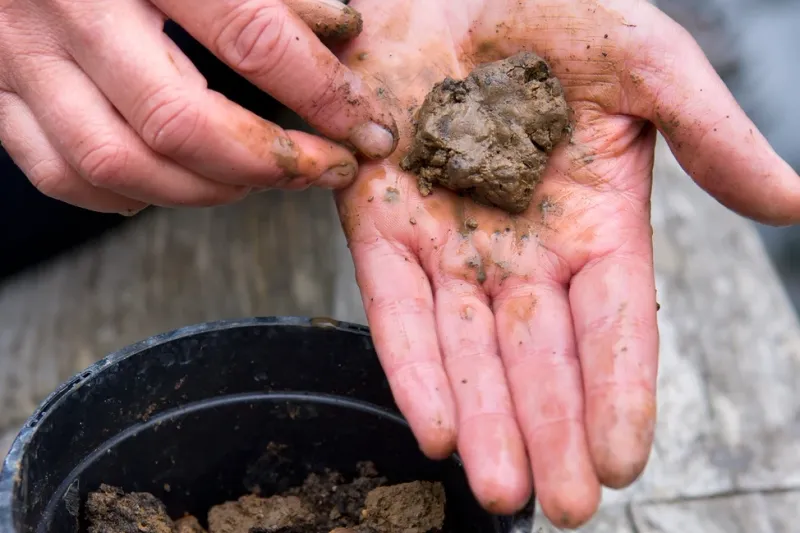
Hydrangeas love moisture but hate wet feet, and that fine line trips up a lot of gardeners. Roots sitting in constantly waterlogged soil get stressed, and stressed roots simply will not push out flowers.
The goal is soil that stays evenly moist yet drains freely, rich with organic matter. Heavy clay is the usual villain, holding water like a bathtub after every rain.
Fix it by working plenty of compost into the bed to loosen the texture and open up drainage channels. In really stubborn spots, planting on a slight mound or in a raised bed keeps the crown out of standing water.
Give the roots room to breathe and they will happily switch their focus back to blooming.
13. Protect from Deer Damage
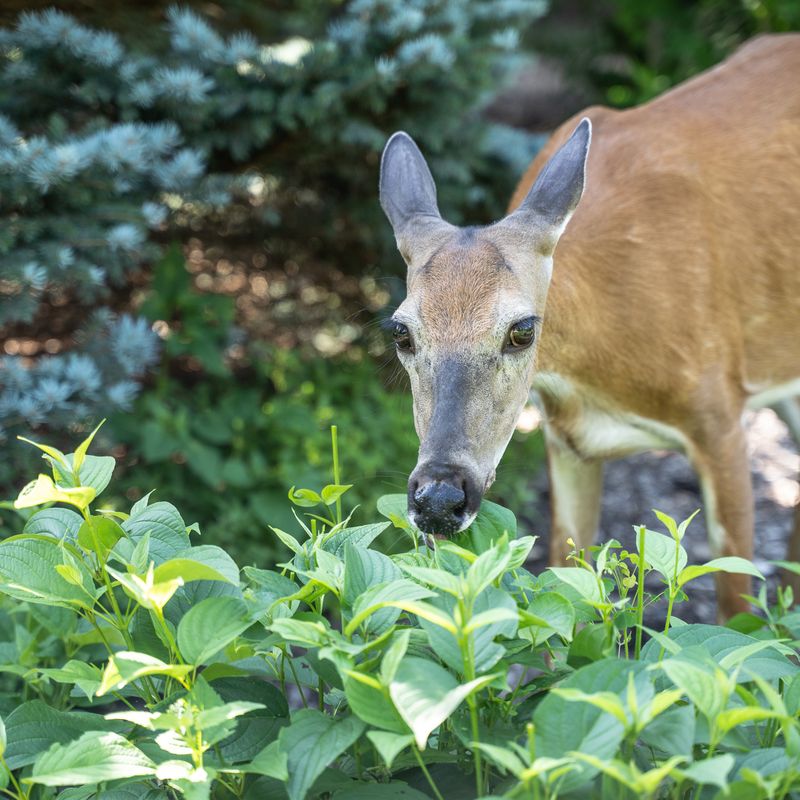
Picture this: you did everything right, the buds formed perfectly, and then one morning they are simply gone. Deer are notorious for browsing hydrangeas and snacking on the tender flower buds before they ever open.
If you live where deer wander through, that midnight buffet may be the real reason your shrub looks leafy but bloomless. The leaves get nibbled too, but losing the buds hurts the most.
A physical barrier like fencing is the most reliable defense, while scent-based repellents can help deter browsing when you reapply them regularly, especially after rain. Rotating a couple of repellent types keeps clever deer guessing.
Protect those buds and all your other hard work finally gets to show off.