
If Your Hydrangeas Barely Bloomed This Year, Here Are 5 Early-Spring Moves That Wake Them Up For A Fuller Show
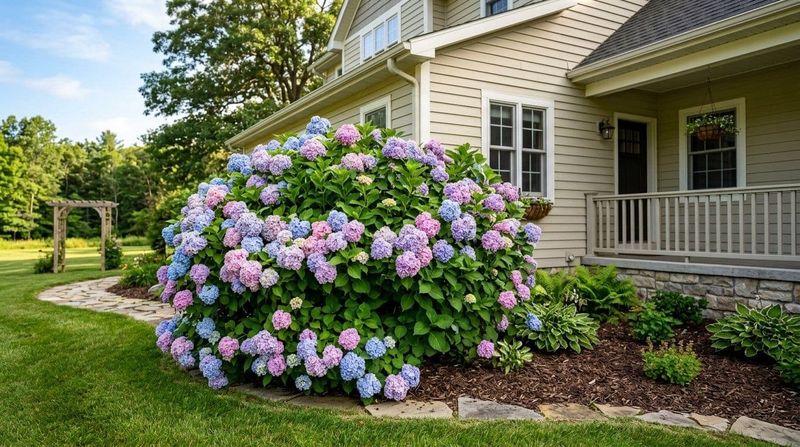
Few things sting quite like watching your hydrangea grow bushy and green all summer while giving you almost no flowers. The good news is that skimpy blooming usually comes down to a handful of fixable early-spring habits, not a doomed plant.
Get these moves right while your shrub is still waking up, and you set the stage for a much fuller show. Here are five simple changes you can make this spring to bring the flowers back.
1. Feed With The Right Nutrients As New Growth Emerges
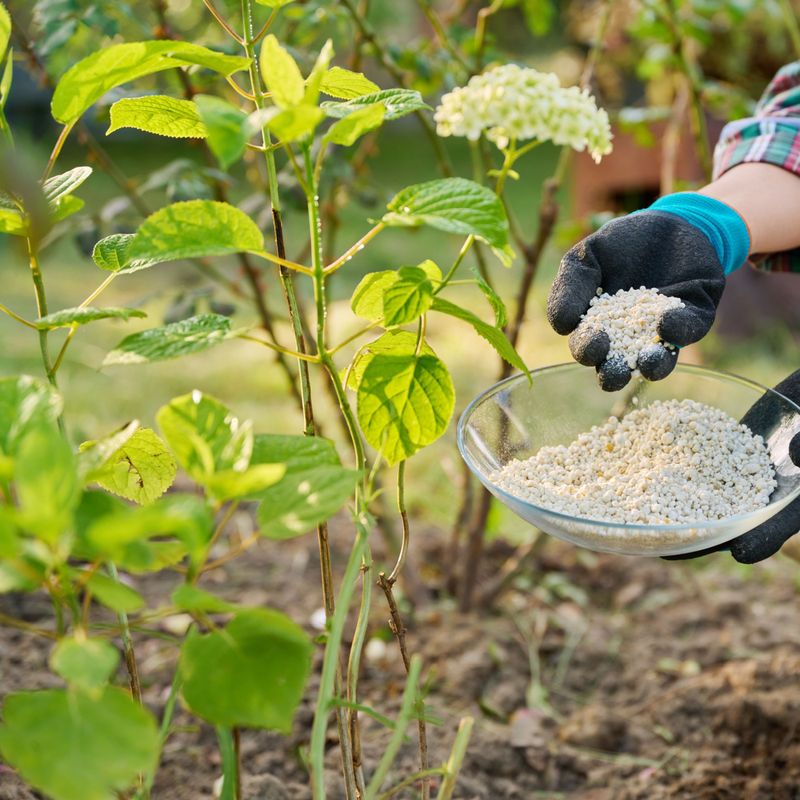
Hungry hydrangeas throw plenty of leaves and stingy flowers, and early spring is your window to fix that. As the first new growth pushes out, work in a balanced, slow-release granular fertilizer with a ratio like 10-10-10 or 14-14-14.
Doing it now gives the plant fuel for the whole season before flower buds start forming.
If you would rather skip the bagged stuff, a thick layer of finished compost around the base works beautifully. It feeds slowly, feeds gently, and improves the soil structure at the same time.
Here is the trap to watch for: more is not better. Pouring on high-nitrogen fertilizer pushes lush, leafy growth at the expense of blooms, which is exactly the problem you are trying to solve.
One measured feeding beats three heavy-handed ones. Water it in well so the nutrients reach the roots instead of sitting on top of dry soil.
2. Prune By Type So You Don’t Cut Off Next Year’s Flowers
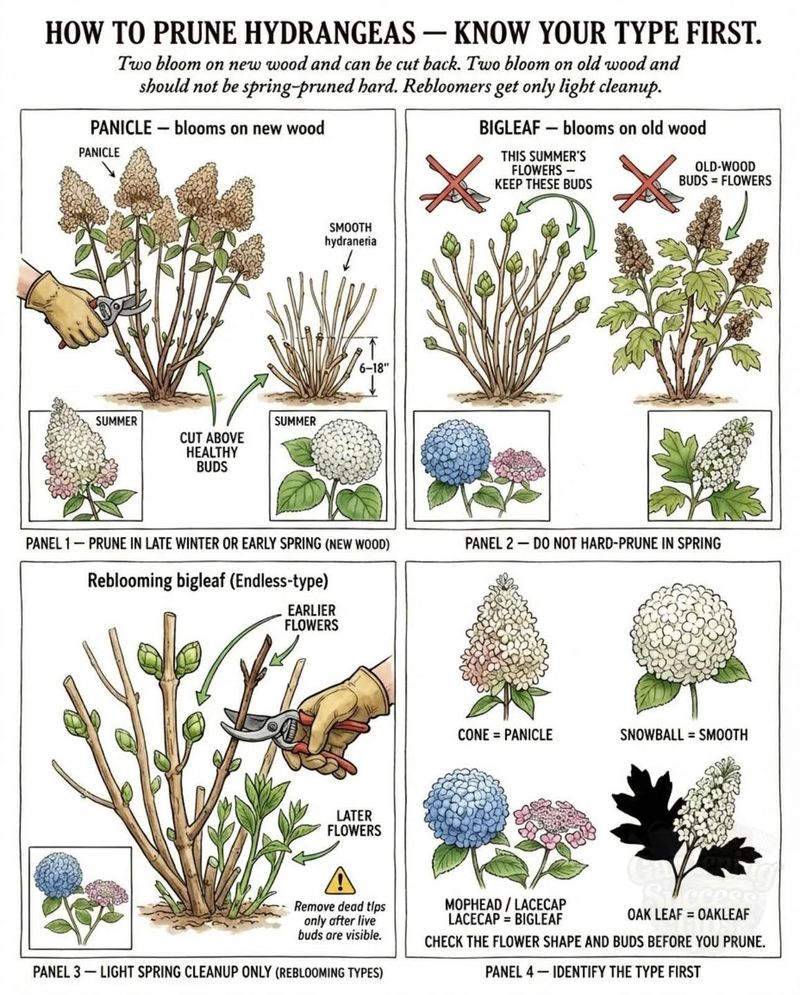
Cutting at the wrong time is one of the sneakiest reasons hydrangeas refuse to bloom, and it fools even experienced gardeners. The whole game comes down to knowing whether your shrub flowers on old wood or new wood.
Panicle and smooth hydrangeas bloom on new wood, meaning this year’s growth. Prune those in late winter or early spring before growth starts, and you encourage strong new stems that carry flowers.
Bigleaf and oakleaf types are the opposite. They bloom on old wood, so their buds formed last season and are already sitting on the stems.
If you chop those back in spring, you are literally snipping off the flowers you wanted. For these, limit yourself to removing only dead, damaged, or diseased stems.
Reblooming varieties like Endless Summer flower on both old and new wood and ask for very little pruning at all. When in doubt, cut less.
You can always trim more later, but you cannot glue a bud back on.
3. Water Deeply And Consistently As Plants Wake Up
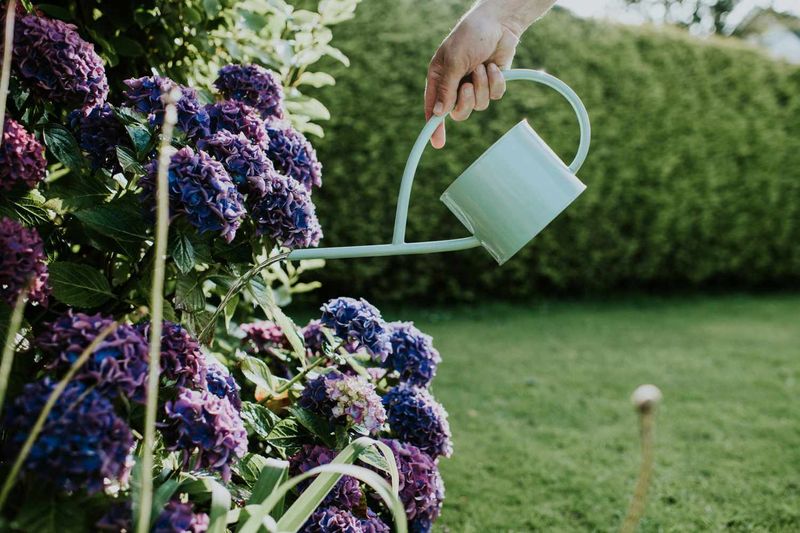
Think of spring watering as filling up the tank before a long road trip. As hydrangeas break dormancy, they need steady moisture to build the energy for flower buds, and dry roots at this stage lead straight to stunted growth and no blooms.
The trick is depth over frequency. A deep soak two or three times a week reaches the entire root zone, while a quick daily sprinkle only dampens the surface and trains roots to stay shallow.
Stick a finger a couple inches into the soil to check before you water. If it feels dry down there, give it a long, slow drink at the base rather than over the leaves.
Consistency matters more than a rigid schedule, so keep an eye on rain and heat and adjust as the weather swings.
4. Check The Sunlight And Move Plants Stuck In Shade
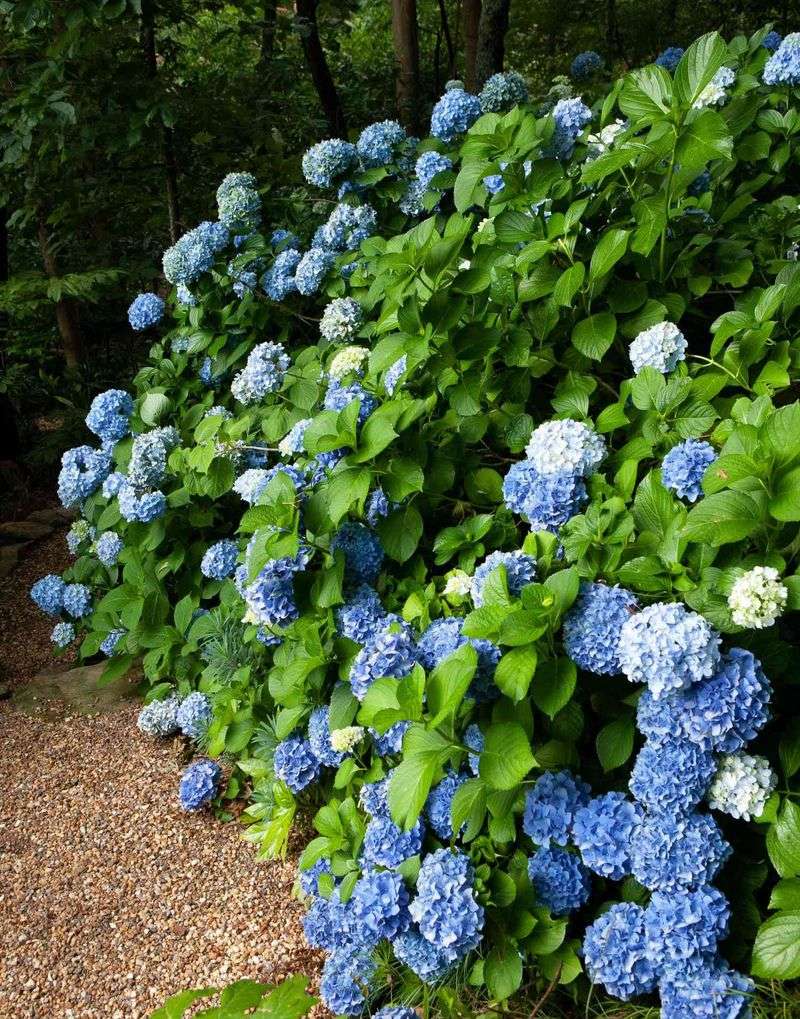
Ever notice your hydrangea looks perfectly healthy but simply won’t flower? Too much shade is often the culprit.
Leaves can thrive in low light, but flower buds need real sun to form.
Most hydrangeas do best with morning sun and a little afternoon shade, especially where summers get hot. If yours sits in gloom all day, that is likely why the show has fizzled.
Trees are usually the quiet reason a once-sunny spot went dark. Branches that have filled in over the years can steal the light your shrub used to get, so a little thoughtful trimming may bring it back.
For a young hydrangea that is clearly in the wrong place, transplanting it to a brighter spot during dormancy is worth the effort. Give it a season, and you may be amazed at the difference more light makes.
5. Shield Tender Buds From Late Spring Frosts
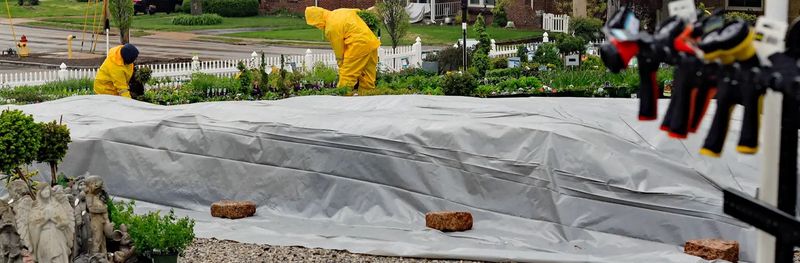
Just when you think winter is done, a surprise cold snap can undo everything. Late spring frosts are brutal on tender new growth, and for old-wood bloomers, one frozen night can wipe out an entire season of flowers.
Keep half an eye on the forecast once your hydrangea starts budding out. If frost is coming after the buds have swelled, you have a simple rescue on hand.
Drape the shrub with a frost cloth, an old heavy blanket, or even flip a bushel basket over a smaller plant for the night. Uncover it in the morning once temperatures climb back up so the plant can breathe and catch the light.
It takes ten minutes and can save the very blooms you spent all spring encouraging.
Do this for a couple of risky nights and your hydrangea sails into the growing season with its buds intact.