
If Your Hydrangeas Keep Disappointing You, Here Are 15 Flowering Shrubs That Are Far Easier To Love
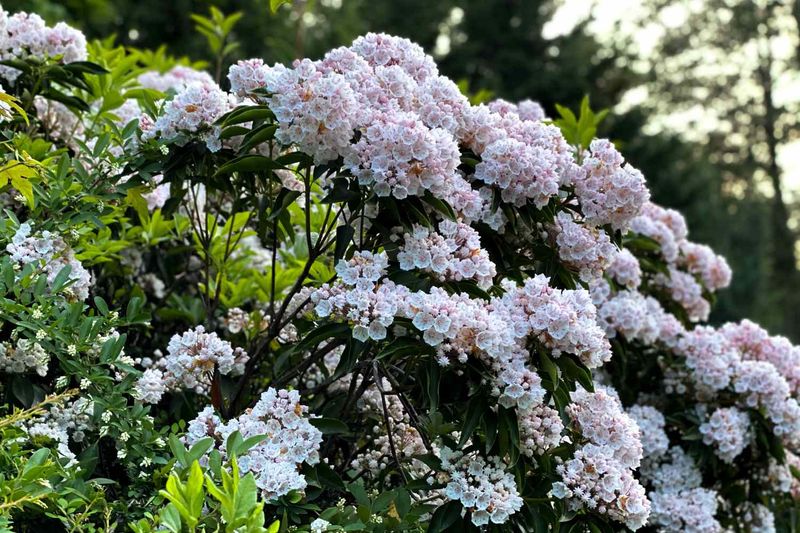
Hydrangeas look gorgeous on a plant tag, but they can be picky about pruning, sun, water, and even soil, which leaves a lot of gardeners staring at a leafy bush that just won’t bloom. If yours keeps letting you down season after season, you’re not doing anything terribly wrong, you may just be growing a fussy plant.
The good news is there are plenty of shrubs that bloom reliably with way less babysitting. Here are 15 flowering shrubs that forgive your mistakes and still put on a show.
1. Weigela
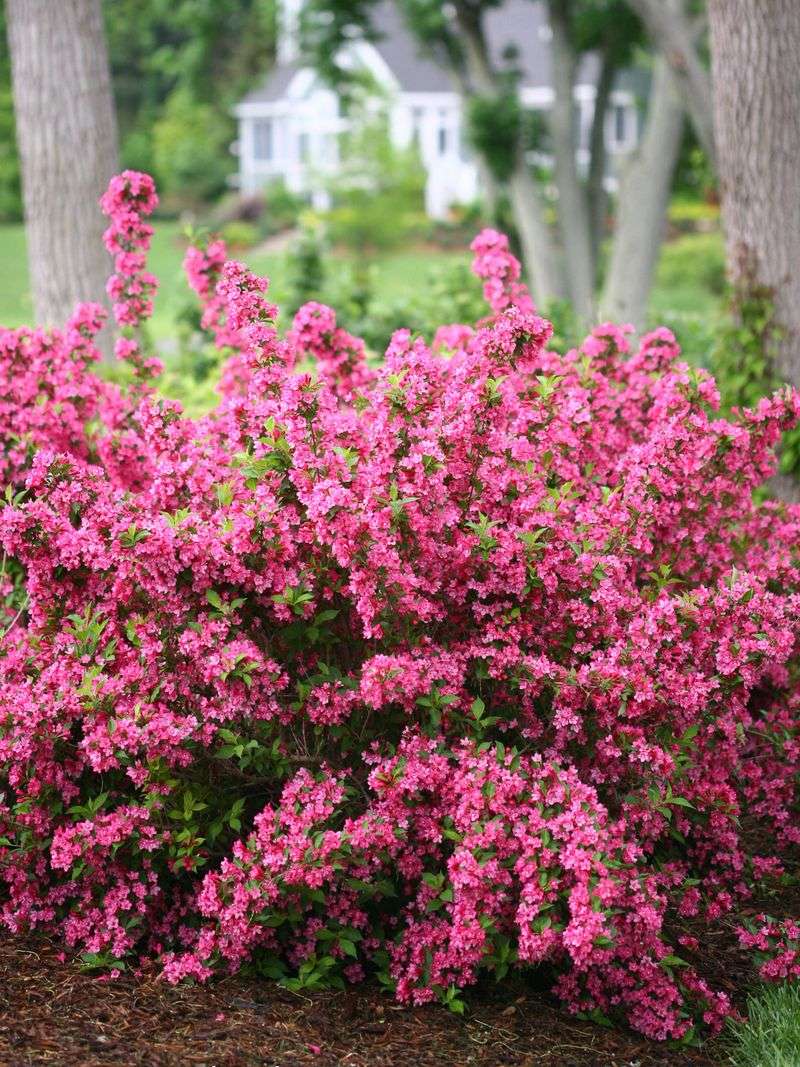
Picture a shrub that shrugs off a heat wave and still hands you trumpet-shaped blooms in late spring, sometimes with a bonus flush later in summer. That is weigela in a nutshell.
Where hydrangeas panic if you prune at the wrong moment, weigela is genuinely forgiving. Snip it after flowering or leave it alone entirely, and it keeps performing.
Plant it in full sun and average soil, and once it settles in it handles drought like a champ. Hardy in zones 4 through 8, it is a low-stress swap for anyone tired of bloomless hydrangea seasons.
2. Rose of Sharon
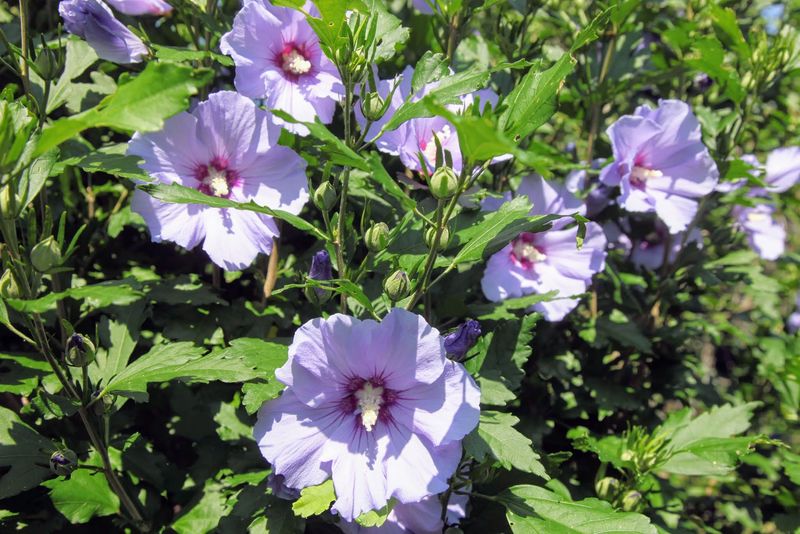
When the July heat has flattened half your garden, Rose of Sharon is just getting started. Its hibiscus-like flowers open in midsummer and keep coming into fall, right when most shrubs have called it quits.
Poor soil? It laughs at that.
Blazing sun? Bring it on.
This tough plant tolerates conditions that would leave a hydrangea crispy and sad.
Colors range from white and pink to purple and blue, so you get that cool hydrangea-blue look without the drama. It thrives in full sun and well-drained soil in zones 5 through 9.
3. Spirea
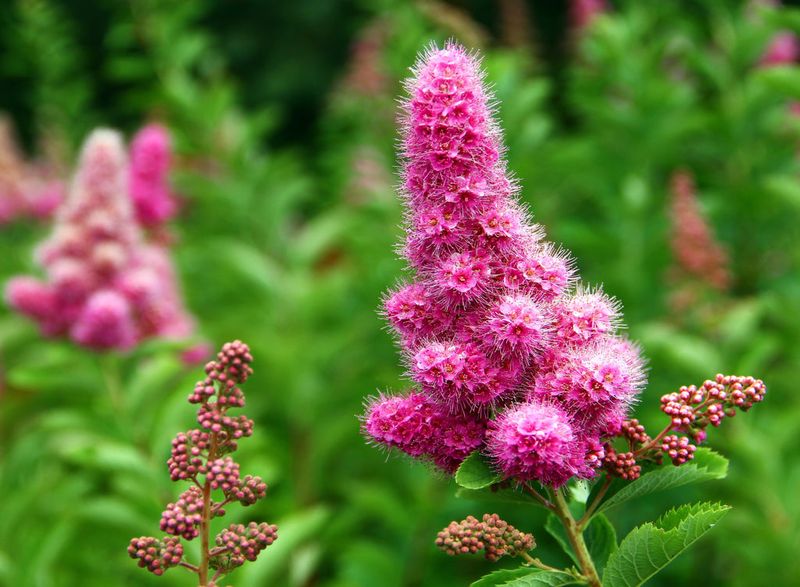
Few shrubs are as easygoing as spirea, which comes in so many sizes and colors that there is basically one for every yard. Whether you want a knee-high mound or a taller fountain of blooms, it delivers.
It grows fast, flowers in pink, white, or red, and once established it barely notices a dry spell. Full sun and well-drained soil are all it really asks for.
Give the whole plant a light shearing after the first flush and many types will rebloom, no complicated old-wood-versus-new-wood math required. Spirea is happy across zones 3 through 9.
4. Viburnum
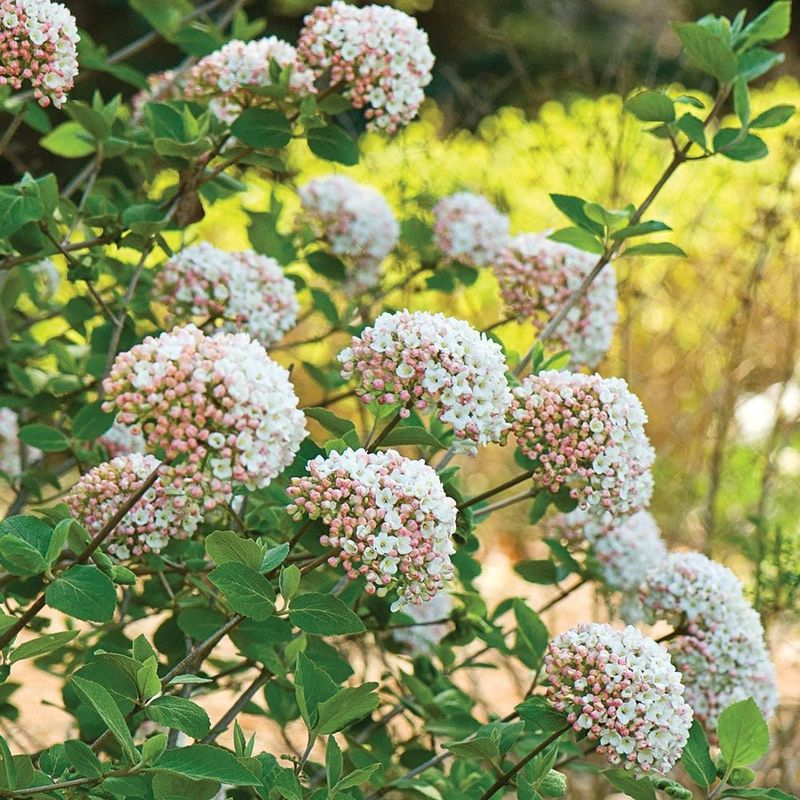
Think of viburnum as the overachiever of the shrub world. Fragrant flowers arrive in spring, then colorful berries take over in fall and winter, so the plant earns its spot in every season.
The family is huge, which means you can find one that fits a tight corner or one that becomes a small tree. That flexibility alone makes it a smart hydrangea alternative.
Viburnums are comfortable in full sun or partial shade and simply want well-drained soil. With hardiness stretching from zones 2 to 9, there is a viburnum for nearly every backyard in the country.
5. Potentilla
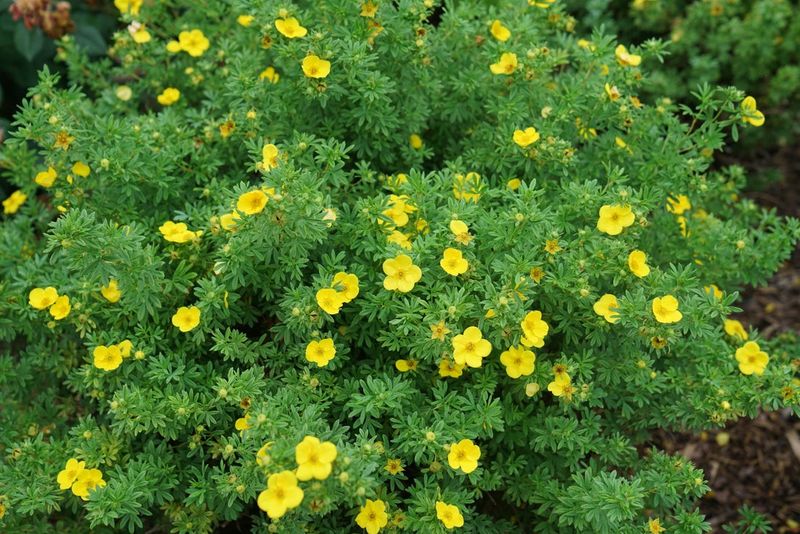
Small but mighty describes potentilla perfectly. This compact little workhorse pumps out cheerful yellow, orange, or white flowers from late spring all the way to fall.
It stays neat at one to four feet, so it never sprawls into a mess, and it barely blinks at drought once its roots settle in. That is a refreshing change if you have babysat a wilting hydrangea all summer.
Give it full sun and well-drained soil and it will reward you for years. Cold-climate gardeners will love that it thrives clear down to zone 2.
6. Ninebark
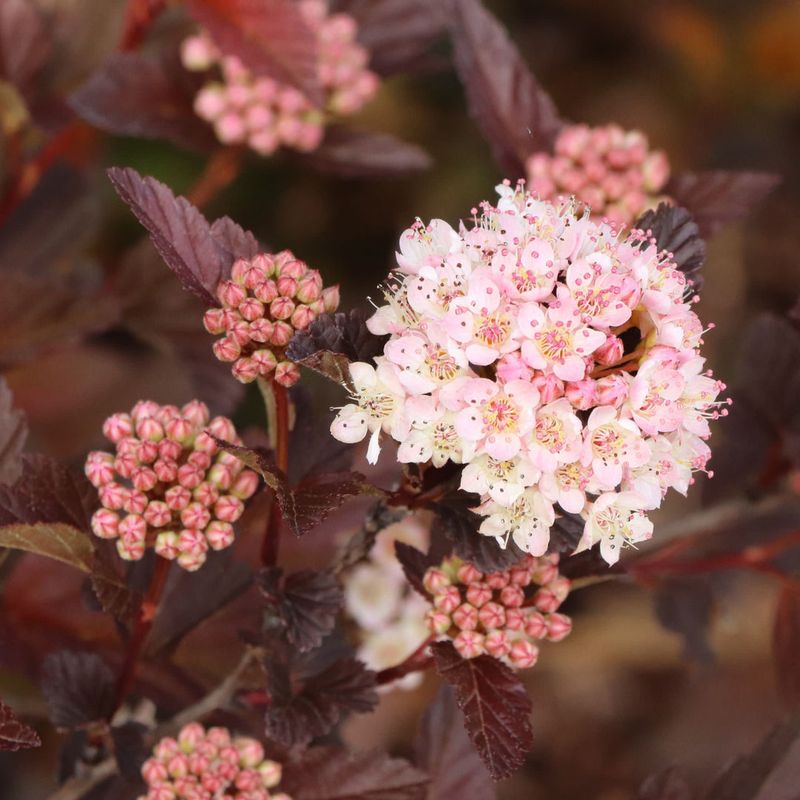
Ninebark pulls double duty, which is exactly why gardeners love it. The foliage comes in bold shades of burgundy, gold, and green, so even before the flowers open the plant already looks great.
Come late spring, delicate white or pink flower clusters appear against that colorful backdrop. It is a striking combination you rarely get from a plain green hydrangea.
This fast grower is drought-tolerant once established and happy in full sun to partial shade with well-drained soil. Tough as nails, it survives from zone 2 up to zone 8.
7. Shrub Roses
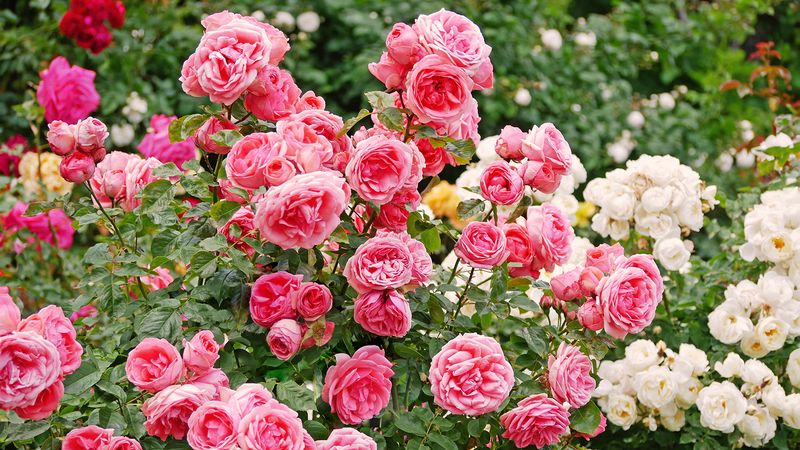
Forget everything you think you know about fussy roses. Modern shrub roses were bred to bloom nonstop and shrug off disease, so you get armfuls of flowers without the spraying and coddling.
Did you know some of these varieties will flower from late spring until frost? That is months of color from a plant that mostly wants to be left alone.
Plant them in full sun with well-drained soil and enjoy the show. Available across zones 4 through 10, they bring that continuous bloom power hydrangeas can only dream of.
8. Lilac
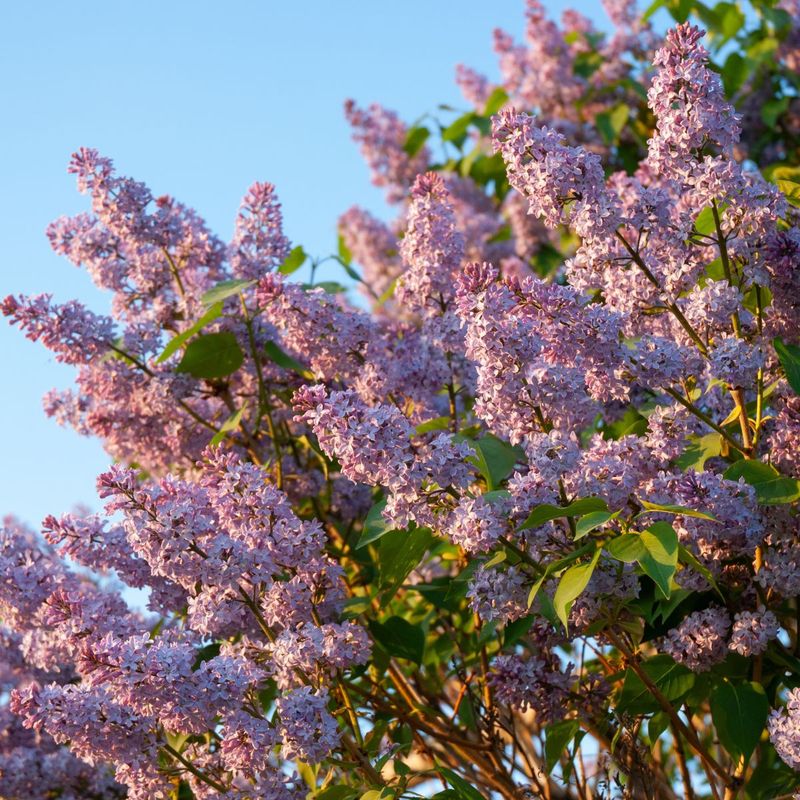
Nothing says spring quite like the perfume of a lilac drifting across the yard. Those fragrant purple, pink, or white clusters are the kind of thing people stop and sniff on a walk.
Beyond the scent, lilacs are dependable. They handle cold winters beautifully and become drought-tolerant once established, asking mainly for full sun and well-drained soil.
If space is tight, dwarf varieties keep the same fragrance in a smaller package. Classic and hardy in zones 3 through 7, a lilac rarely leaves a gardener disappointed.
9. Witch Hazel
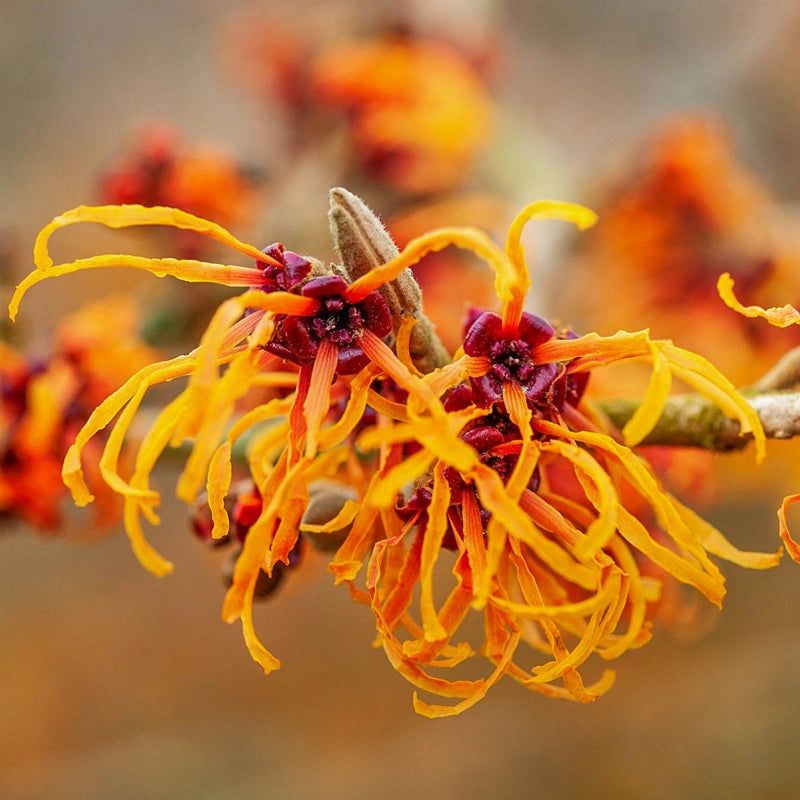
Here is a shrub that blooms when almost nothing else dares. Witch hazel unfurls its odd, spidery, fragrant flowers in late fall through early spring, painting color onto a gray landscape.
That off-season timing makes it a conversation piece, and the sweet scent is a welcome surprise on a cold day. It is the opposite of a summer-only hydrangea.
Give it full sun to partial shade and well-drained soil, and it settles in for the long haul. Witch hazel grows happily across zones 3 through 8.
10. Daphne
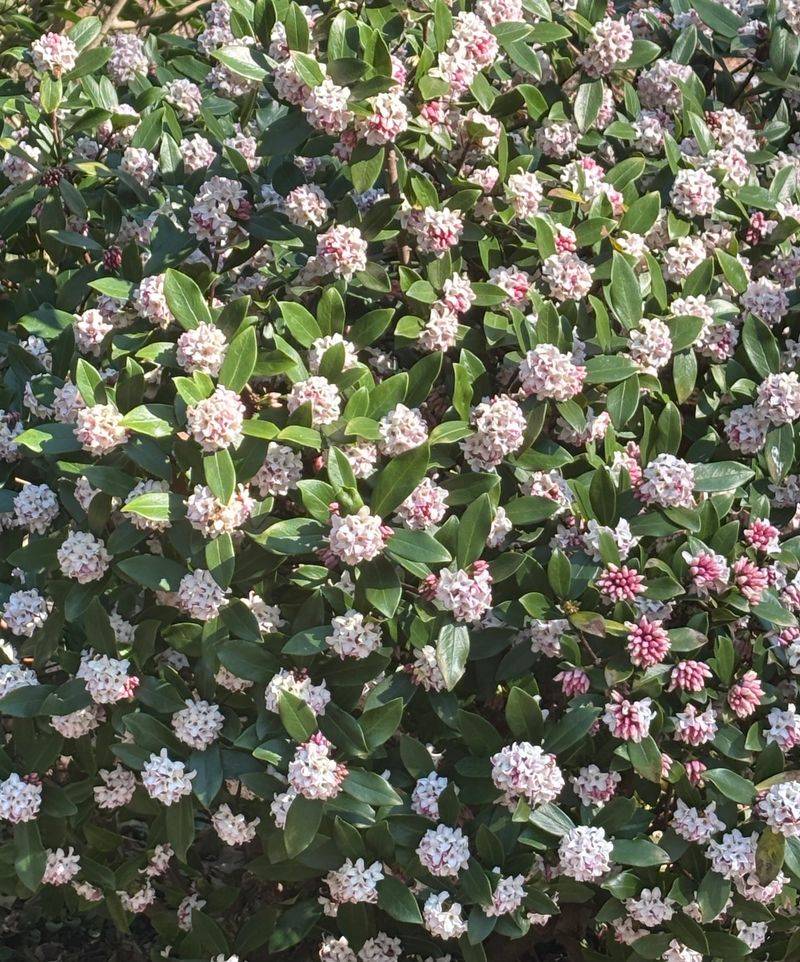
Some plants earn devoted fans purely for their fragrance, and daphne is one of them. In late winter to early spring it opens delicate clusters of pink or white flowers that scent the whole area.
It is a slow, tidy grower that tops out around three to five feet, so it never demands the hard pruning that trips up hydrangea owners. Barely any trimming is needed at all.
Set it in partial shade with well-drained soil and resist the urge to fuss. Comfortable in zones 4 through 9, daphne rewards patience with an unforgettable perfume.
11. Forsythia
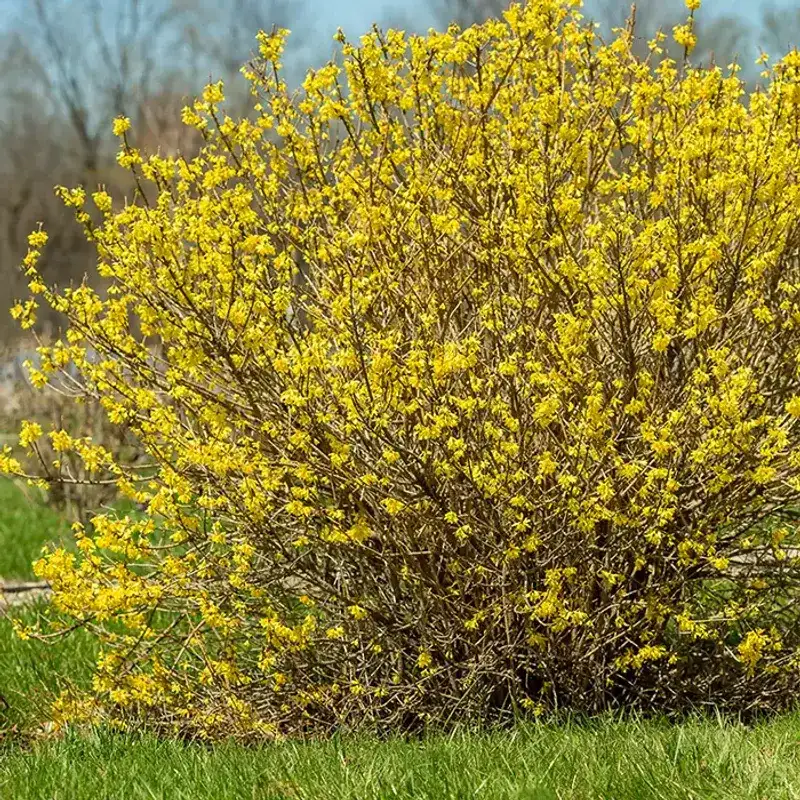
If you want a shrub that practically shouts that spring has arrived, forsythia is your plant. Its branches erupt in brilliant yellow flowers early in the season, often before the leaves even show up.
Adaptable is the word here. It puts up with all sorts of soil, tolerates full sun or partial shade, and grows fast enough to fill a space in no time.
Prune it right after it blooms and it stays neat, but even a neglected forsythia keeps glowing each spring. It is hardy in zones 4 through 8.
12. Plumbago (Cape Leadwort)
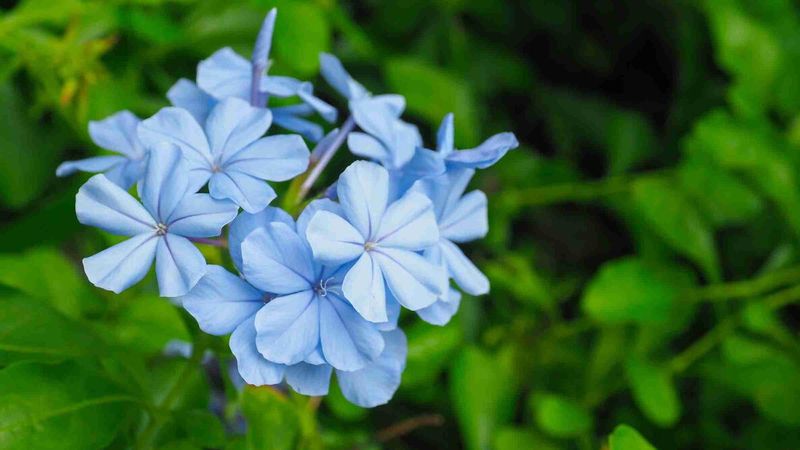
Gardeners chasing that dreamy hydrangea-blue color often find their match in plumbago. Its soft sky-blue flowers keep coming right through late fall, long after other blooms fade.
What really sets it apart is toughness in the toughest conditions. It handles the Deep South’s heat and humidity like a pro, the very climate that fries many hydrangeas.
Plant it in full sun and it becomes fairly drought-tolerant once established, asking very little in return. For hot-climate gardeners, it is a cool-colored lifesaver.
13. Bluebeard (Caryopteris x clandonensis)
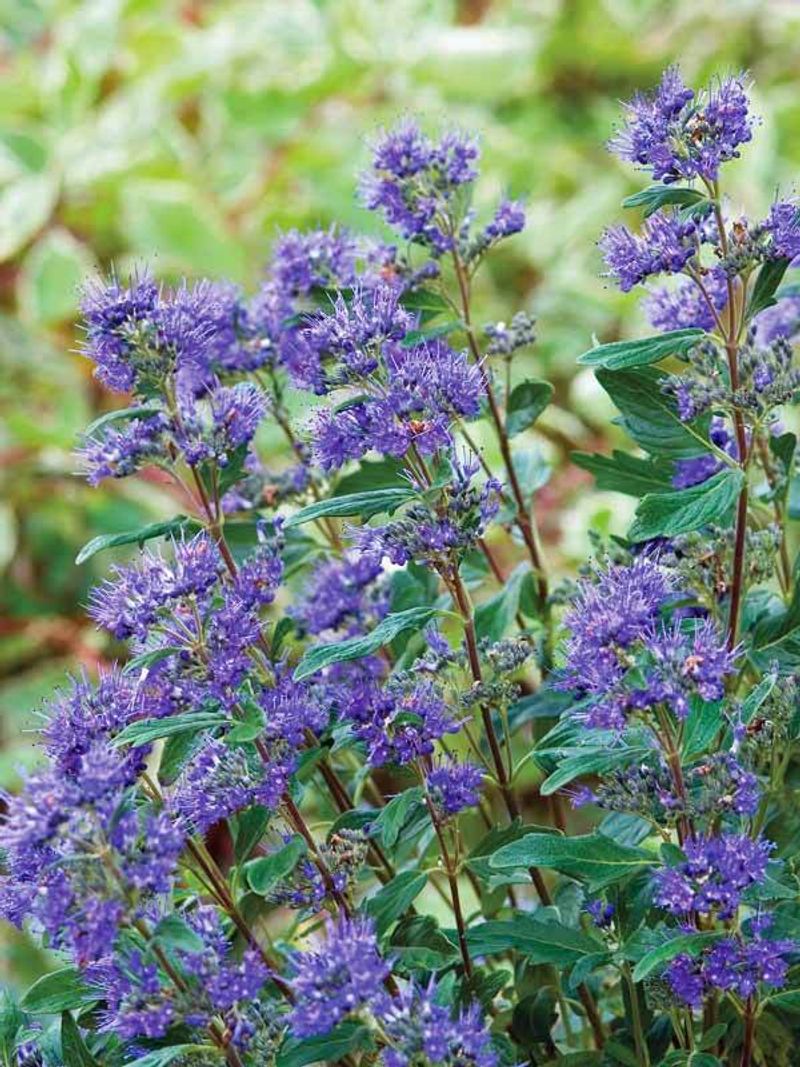
Bluebeard is proof that good things come in small, mounded packages. In summer it covers itself in scented blue flower clusters that pollinators absolutely swarm.
Even the foliage earns its keep, releasing a pleasant fragrance and keeping a soft blue-green tone from spring through fall. There is honestly not a dull moment with this shrub.
It likes full sun and well-draining, loamy soil, and it stays refreshingly low-fuss. Bluebeard thrives across zones 5 through 9, making it a breezy alternative to a temperamental hydrangea.
14. Fothergilla
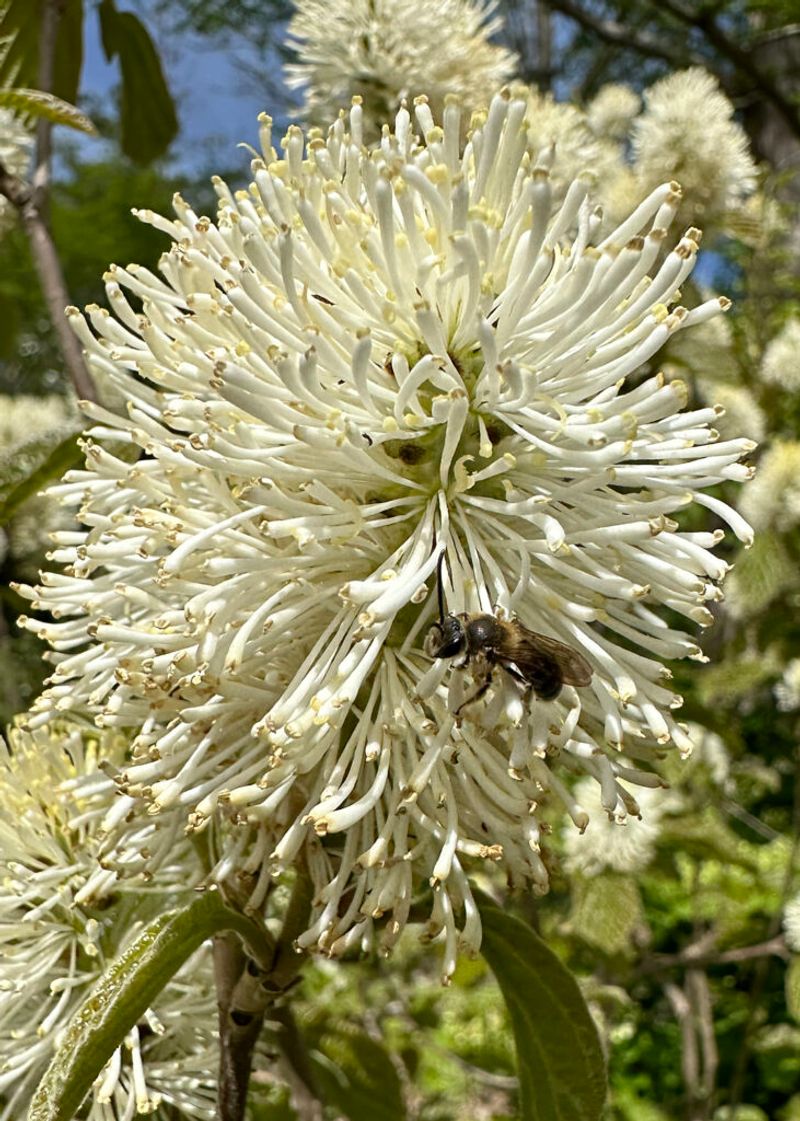
Native plant fans, this one is for you. Fothergilla greets spring with fuzzy white bottlebrush blooms, then closes out the year with fiery multicolor autumn foliage in orange, red, and gold.
Getting two dramatic seasons from a single shrub is a fantastic deal, and being native means it fits right into the local landscape and supports pollinators.
It happily tolerates part shade, giving you flowering options for spots where hydrangeas sulk. Easygoing and rewarding, fothergilla is a smart choice for a lower-maintenance yard.
15. Compact Native Azaleas
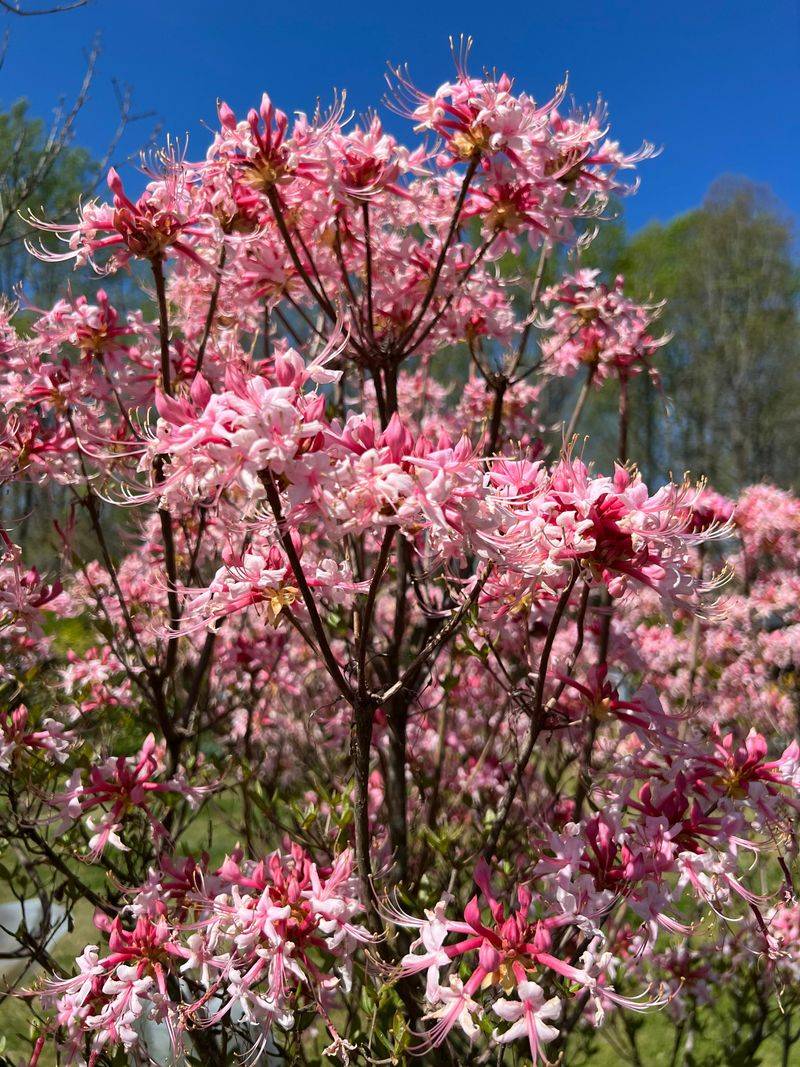
Rounding out the list are compact native azaleas, which bring a burst of spring color with real ecological payoff. Their blooms brighten the season while their native roots feed local pollinators and wildlife.
Because these varieties stay small, they slot neatly into tight beds and borders where a sprawling shrub would overwhelm. That makes them a friendly pick for modern smaller yards.
Better adapted to their home region than many fussier ornamentals, they tend to settle in and thrive with less coaxing. For gardeners craving spring impact without the hydrangea headaches, they are a lovely finish.