
If your hydrangeas look healthy but barely bloom, the problem is usually a few pruning mistakes
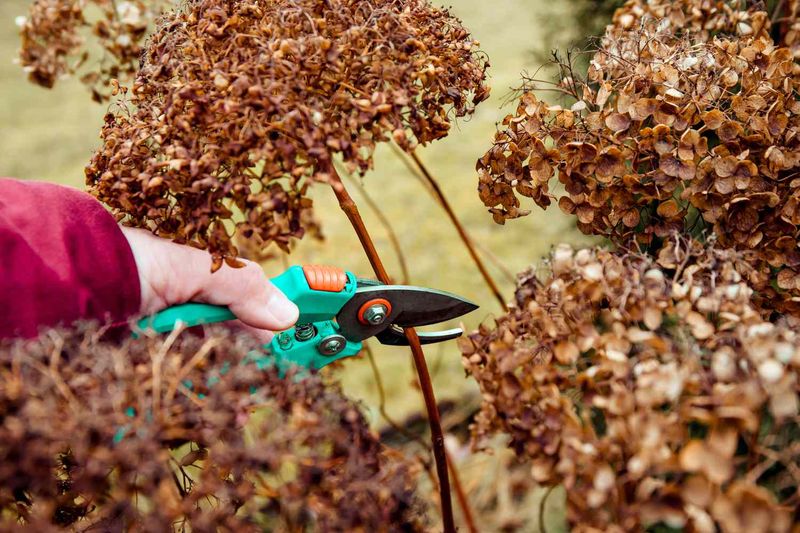
You did everything right – the plant looks full and green, the leaves are lush, and yet your hydrangea produces almost no flowers. That disconnect is one of the most frustrating things a gardener can run into, and the good news is that there are usually just a handful of reasons it happens. Pruning at the wrong time is often the first thing worth checking, especially for certain types of hydrangeas, but it is not always the whole story.
Check pruning first—but do not assume it is the answer
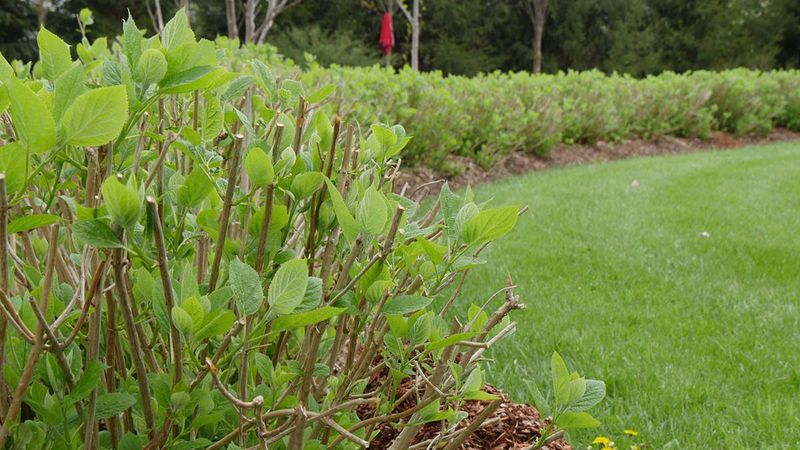
Wrong-time pruning stands out as a leading reason healthy-looking hydrangeas produce few or no flowers. University of Maryland Extension calls improper pruning the number-one reason hydrangeas fail to flower, and Washington State University Extension identifies it as the most common cause as well. For old-wood bloomers especially, a hard cut at the wrong time of year removes the buds that were already set and waiting for spring.
Still, pruning is the first possibility to assess, not a guaranteed diagnosis. Penn State Extension and University of Georgia Cooperative Extension both point out that winter injury, late spring freezes, too much shade, excess nitrogen, cultivar limitations, and plant immaturity can all produce the same lush-but-flowerless picture. A plant that was never touched by pruners can still come up bloomless after a rough winter.
The practical approach is to treat pruning as the first thing to investigate, not the only thing. Gather a few pieces of evidence before drawing a conclusion: What kind of hydrangea is it? Was it pruned last year, and if so, when? Did the winter bring unusual cold, ice, or late freezes?
Has anything about the light, fertilizer, or site changed recently? Working through those questions gives you a far clearer picture than looking at the plant alone.
Identify the hydrangea before choosing a pruning date
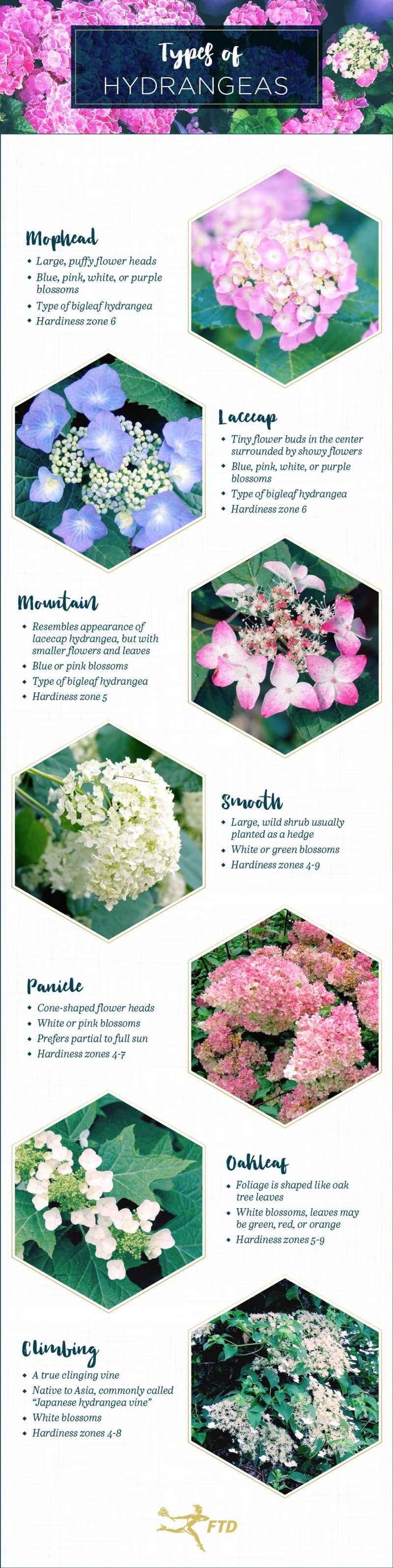
Before you pick up pruners or mark a calendar date, figure out which hydrangea you actually have. The species determines everything about when and how to cut, and using the wrong approach on the wrong plant is exactly how flowers disappear for an entire season. University of Maryland Extension’s pruning guide organizes recommendations by species precisely because a single universal rule does not exist.
Bigleaf hydrangeas (Hydrangea macrophylla), which include the familiar mophead and lacecap types, along with mountain hydrangeas (H. serrata), generally flower on old wood – meaning stems that grew the previous season and survived winter. Oakleaf hydrangeas (H. quercifolia) also belong in this old-wood category. All three of these types can lose their flower buds if stems are cut back at the wrong time of year.
Smooth hydrangeas (H. arborescens), the group that includes the popular Annabelle, and panicle hydrangeas (H. paniculata), which produce the cone-shaped flower heads, work differently. Both types flower on new growth produced in the current season, so late-winter or early-spring pruning is generally safe and even beneficial for them. Applying old-wood rules to these plants – or new-wood rules to old-wood plants – is a common source of confusion.
A third category is worth knowing: some modern bigleaf and mountain cultivars are described as remontant or reblooming, meaning they can flower on both old wood and new growth. Endless Summer is a well-known example. These plants reduce the risk of a completely flowerless season after a bad pruning or a cold winter, but they do not eliminate it entirely. Knowing which group your plant belongs to is the foundation for every pruning decision that follows.
Old-wood types can lose next season’s flowers to late cuts
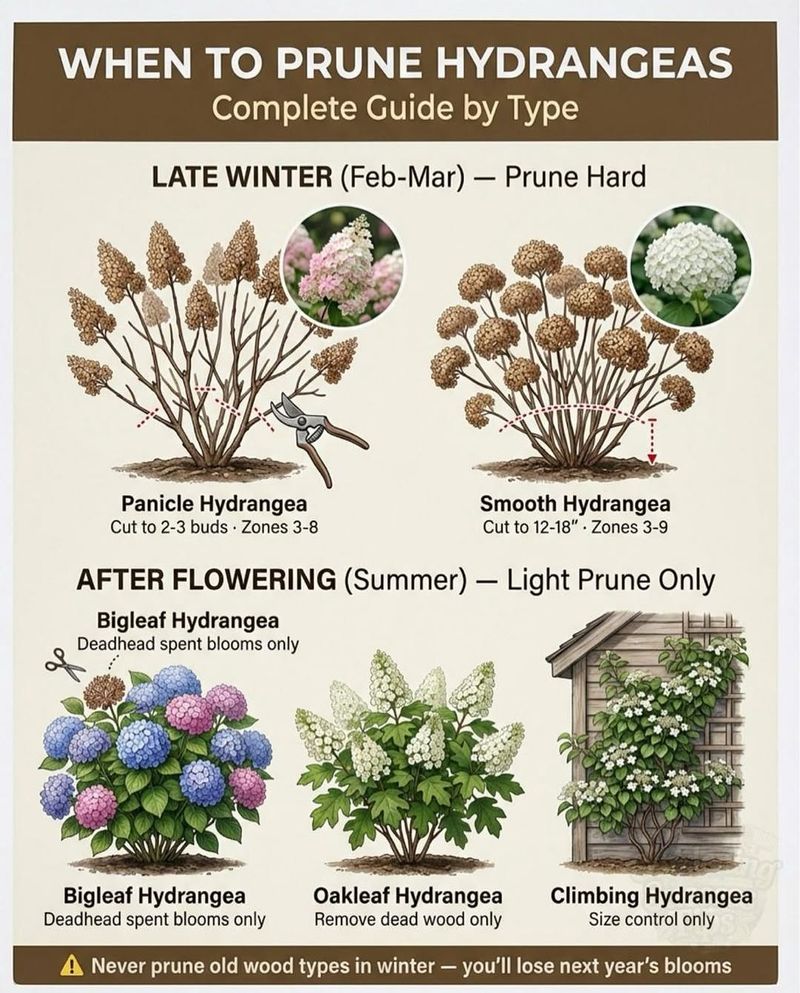
Bigleaf, mountain, and oakleaf hydrangeas set the buds for next year’s flowers during late summer of the current year. Those buds sit on the stems through fall and winter, waiting to open the following spring and summer. Cut those stems back in late summer, fall, winter, or early spring – and the buds go with them, leaving behind a plant that looks perfectly healthy but has nothing to flower from.
The timing principle for these types is straightforward: prune immediately after flowering, and remove as little stem as necessary to accomplish the goal. That window is relatively short. University of Georgia Cooperative Extension advises avoiding pruning bigleaf hydrangeas after approximately August 1 as a regional rule of thumb, because buds are typically forming by that point in the season. That date is a guideline for the Southeast and similar climates, not a universal calendar rule for every US region, but the underlying principle – prune before buds set, not after – applies broadly to old-wood types.
University of Maryland Extension reinforces that the safest approach for bigleaf and mountain hydrangeas is to cut back only what needs to go, right after the flowers fade. Oakleaf hydrangea follows the same general principle and typically needs even less intervention – removing dead or damaged wood after spring growth begins, plus any light shaping after flowering, is usually all it requires.
If you look back at last year and realize you did prune one of these types in fall or early spring, that history is a strong clue. A lush plant with no flowers and a fall pruning on record is a pattern worth taking seriously as you plan the season ahead.
New-wood hydrangeas need a different approach
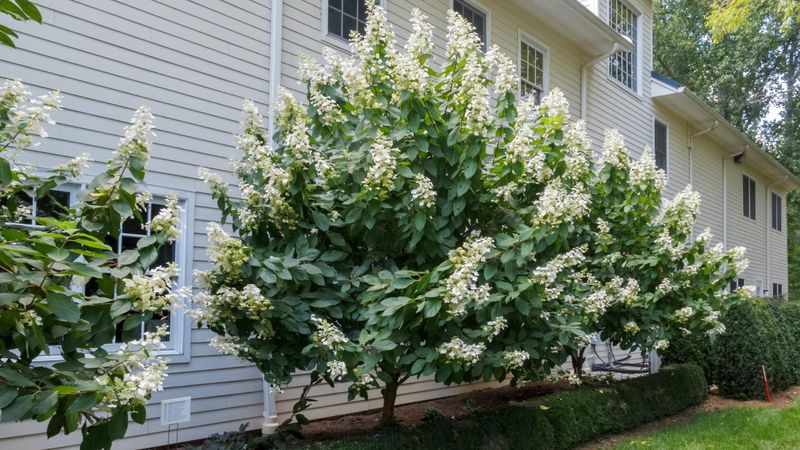
Smooth and panicle hydrangeas operate on a completely different schedule from their old-wood relatives, and treating them like bigleaf or oakleaf types is an equally common mistake – just in the opposite direction. Because both of these types flower on new growth produced in the current season, cutting them back in late winter or early spring before leaves emerge is not only safe, it is the recommended approach.
For smooth hydrangea, the timing of the cut also shapes the flower display. University of New Hampshire Extension’s pruning fact sheet explains that cutting stems lower in spring tends to produce fewer flower clusters that are individually larger, while leaving older stems intact generally results in more clusters that are somewhat smaller. Neither approach is wrong; the choice depends on what you want from the plant that season.
Panicle hydrangea is even more tolerant of substantial pruning. University of Maryland Extension notes that panicle types can handle more aggressive cuts before leaf emergence without sacrificing flowers, because all the season’s blooms will develop on the new growth that follows. This flexibility makes panicle hydrangea a forgiving plant for gardeners who are still learning their pruning timing.
The important caution here is that this flexibility belongs exclusively to new-wood types. Seeing that a neighbor’s panicle hydrangea looks great after a hard spring cut and then applying that same logic to a bigleaf hydrangea is one of the more reliable ways to end up with a flowerless summer. The species determines the rules, and those rules do not transfer between groups.
Separate winter injury from pruning damage
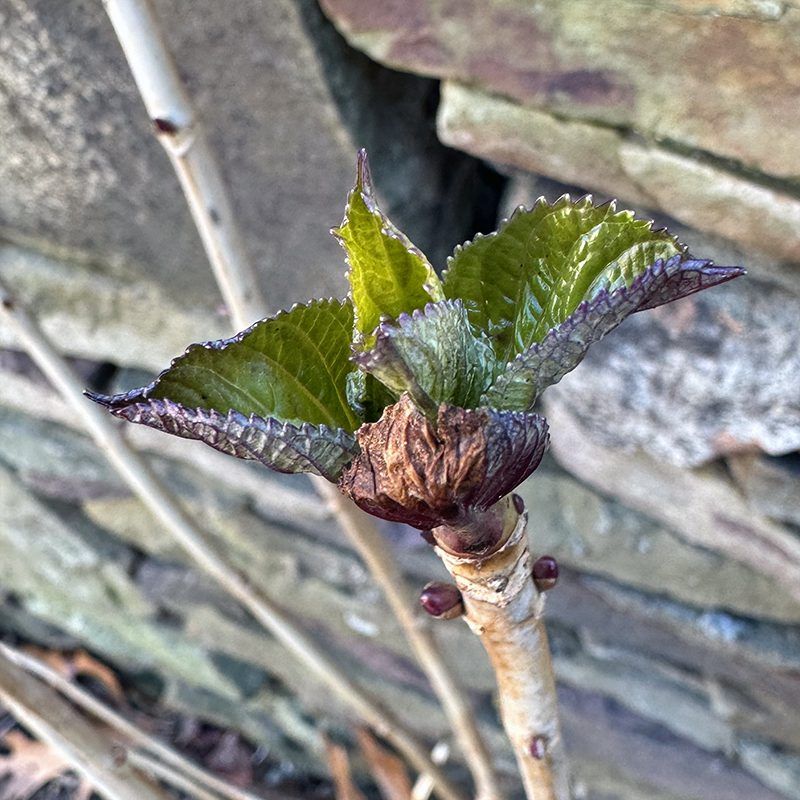
A plant that was never pruned can still arrive at spring with no flowers. Cold temperatures, drying winter winds, sudden temperature swings, and late spring freezes can all kill flower buds on old-wood hydrangeas while leaving vegetative buds and foliage completely intact. The result looks identical to a pruning mistake from the outside – a full, green, healthy-looking shrub that simply does not bloom.
University of New Hampshire Extension and University of Maryland Extension both advise gardeners in cold regions to wait until spring growth is actively underway before removing stems that appear dead on bigleaf or mountain hydrangeas. Brown or blackened stem tissue above ground does not necessarily mean the entire stem is gone; lower portions may still carry viable buds. Cutting back too early risks removing wood that would have leafed out and flowered.
Once growth begins, the approach is targeted rather than sweeping. Work down each stem from the tip until you find live tissue, which typically appears green or cream-colored when you scratch the bark lightly. Cut just above a healthy bud or node, and leave anything that is clearly alive. UGA Extension’s guidance on spring freezes and landscape plants notes that late freezes after growth has started can be particularly damaging, since newly emerged tissue is far more vulnerable than dormant buds.
Penn State Extension points out that in northern or exposed sites, winter injury may be at least as important a factor as any gardening decision. If your hydrangea bloomed fine for years and then stopped after a notably harsh winter, weather is a strong candidate even if your pruning timing was correct.
Make selective cuts instead of a blanket haircut
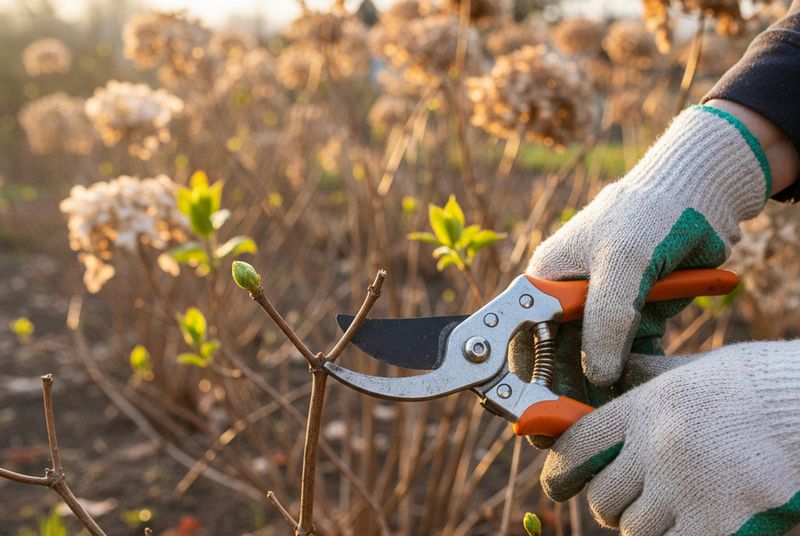
Once you have assessed the likely cause and identified the plant type, the actual pruning work should be selective rather than sweeping. Penn State Extension Master Gardener guidance on pruning deciduous shrubs recommends using sharp, appropriately sized bypass pruners for smaller stems and loppers for thicker canes, making clean cuts close to – but not into – the branch collar or a healthy outward-facing bud. Ragged cuts from dull tools invite disease and slow recovery.
The goal on any hydrangea is to remove what needs to go: dead, damaged, or crossing stems that create structural problems. Shearing every cane to a uniform height is one of the more common mistakes home gardeners make, and it is particularly damaging on old-wood types where you may be cutting off every bud the plant has. University of Maryland Extension is explicit that indiscriminate shearing is not appropriate for most hydrangeas.
Oakleaf hydrangea deserves a specific mention here because it needs the least intervention of any common type. University of New Hampshire Extension notes that oakleaf hydrangea generally requires only the removal of dead or damaged wood once growth begins, plus any light shaping done right after flowering. Reaching for pruners out of habit on a plant that does not need them is a risk not worth taking.
If you realize mid-season that an old-wood hydrangea already has buds set and still needs some pruning done, Clemson Cooperative Extension presents removing no more than about one-third of the canes as a damage-control approach that preserves some flowering wood. That is not a preferred routine – it is a way to limit the loss when pruning cannot be avoided at an imperfect time.
Deadheading – removing faded flower heads – is a separate action and a genuinely optional one. It does not harm plant health either way, and on repeat-flowering cultivars it may encourage a faster second flush. What it cannot do is restore buds that were already removed by an earlier hard prune. Deadheading and structural pruning are different jobs, and treating them as the same thing leads to confusion about what each one can accomplish.
Investigate light, nitrogen, and cultivar fit when pruning was not the problem
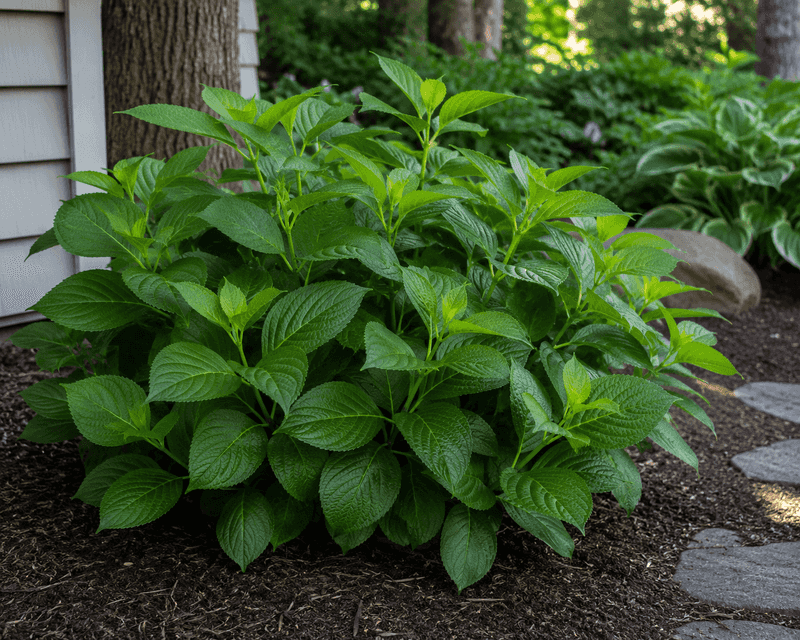
Sometimes a gardener checks their pruning record, realizes they did everything at the right time, and still faces a plant with almost no blooms. That is when a second layer of investigation becomes useful. Illinois Extension identifies insufficient light as a real factor in poor flower-bud formation, and it is worth walking around the planting site at different times of day to see how much direct sun the plant actually receives across the season.
Light needs vary by species and climate, so the answer is not simply to move every hydrangea into full sun. University of Georgia Cooperative Extension recommends morning sun with afternoon shade and moist, well-drained soil for bigleaf hydrangea – particularly in warmer climates where afternoon heat is intense. A plant getting four hours of morning sun may actually be better positioned than one baking in afternoon sun with stressed foliage.
Fertilizer is another variable worth reviewing. Excess nitrogen pushes the plant toward vigorous leafy growth at the direct expense of flowers, which is why a lawn fertilizer applied too close to the shrub or a heavy feeding with a high-nitrogen product can produce exactly the lush, flowerless look described in this article. Penn State Extension flags excess nitrogen as a contributing cause, and the correction is to reduce or stop nitrogen applications rather than add more fertilizer of a different kind.
Cultivar fit and plant history are two more things to consider. A hydrangea sold in a grocery store or florist shop in full bloom may be a tender variety selected for indoor display rather than outdoor hardiness. Its roots might survive in the ground while its flower buds and upper stems repeatedly take winter damage, year after year. Young plants and recently transplanted shrubs may also flower poorly for the first season or two simply because they are still establishing themselves, and that is normal rather than a sign of a problem to fix.
Set expectations for the next flowering season
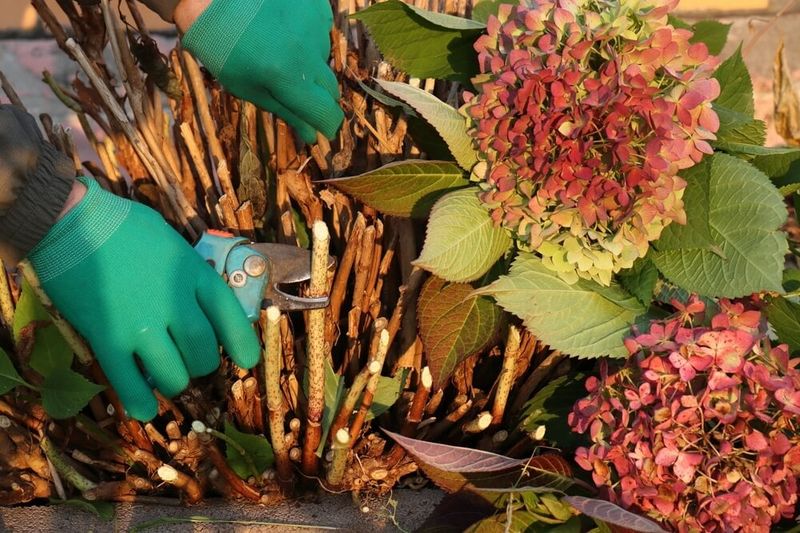
Getting a flowerless hydrangea back on track starts with a short checklist rather than a single fix. Identify the species or at minimum determine whether it flowers on old wood, new wood, or both. Review what pruning was done last year and when. Inspect the stems in early spring for signs of winter damage before removing anything.
Then make only the cuts that the plant’s type and current condition actually call for.
Penn State Extension and University of New Hampshire Extension are both clear that correcting pruning timing cannot bring back buds that were already removed or frozen. An old-wood hydrangea that lost its buds to a fall cut or a hard winter may simply need to grow a full new set before it can flower, which means waiting for the following season. That is a realistic expectation, not a failure.
Reblooming cultivars offer some buffer because they can produce flowers on new growth after old-wood damage, but they do not guarantee a full or normal bloom season in a recovery year. University of Maryland Extension notes that even remontant types are affected by pruning timing. The most durable rule across all types is to match every cut to how that specific plant flowers – not to a habit, a universal date, or what worked on a different shrub in a different corner of the yard.