
If Your Hydrangeas Look Weak And Floppy Right Now, Here Are 8 Late-Summer Moves That Get Them Strong Before Fall
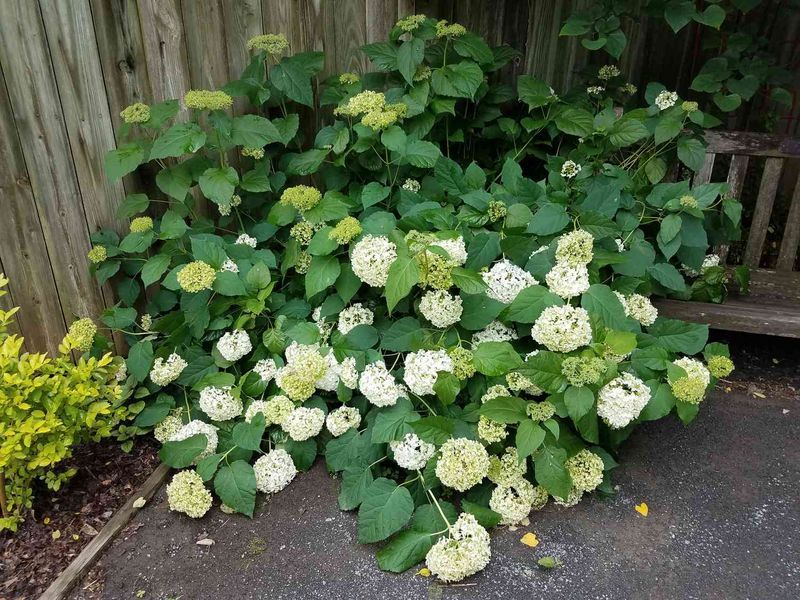
Nothing makes a gardener panic quite like walking outside to droopy, tired-looking hydrangeas in the heat of late summer. The good news is that floppy stems and sad blooms usually mean your plant needs a small change, not a funeral.
With a few simple moves you can do this week, you can help your hydrangeas bounce back and get tough before cooler weather arrives. Here are eight easy fixes that make a real difference.
1. Ensure Consistent and Deep Watering
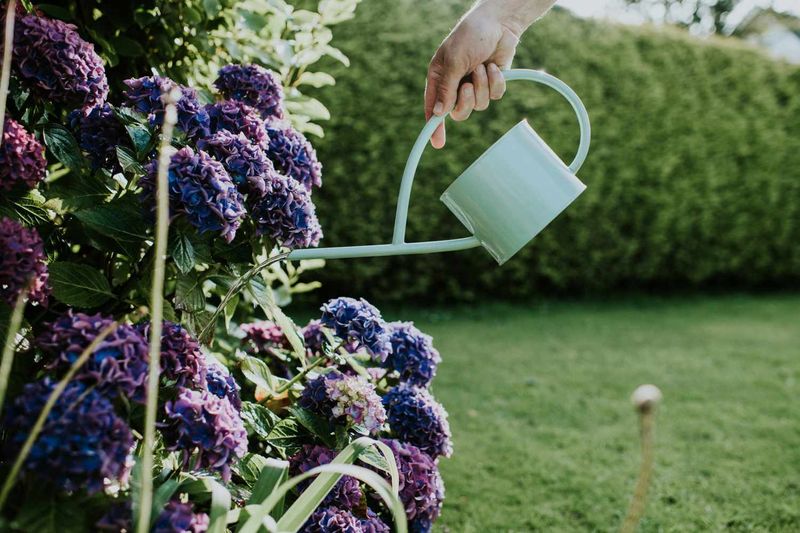
Thirst is the number one reason hydrangeas flop, and it makes sense once you learn what the name means. Hydrangea literally comes from Greek words for water, so these plants practically drink for a living.
Instead of a light daily sprinkle, water deeply a few times each week and aim right at the root zone, not the leaves. Deep soaking pushes roots down where the soil stays cooler and moist longer, which builds a stronger, sturdier plant.
During a heatwave, potted hydrangeas may need water twice a day since containers dry out fast. Early morning or evening is the smart time to water, because less moisture evaporates in the cooler air.
Before you reach for the hose, poke a finger two to three inches into the soil. If it feels dry down there, water; if it is still damp, wait.
Soggy, waterlogged roots can suffocate and cause wilting too, so good drainage matters just as much as regular watering.
2. Provide Protection from Intense Afternoon Sun
Ever notice your hydrangeas perk up in the evening but wilt dramatically by two in the afternoon? That midday collapse is often the plant crying out from harsh, direct sun.
These shrubs are happiest in partial shade, and blazing afternoon rays cause them to lose water faster than their roots can replace it. The result is that heat-stressed, floppy look that scares so many gardeners.
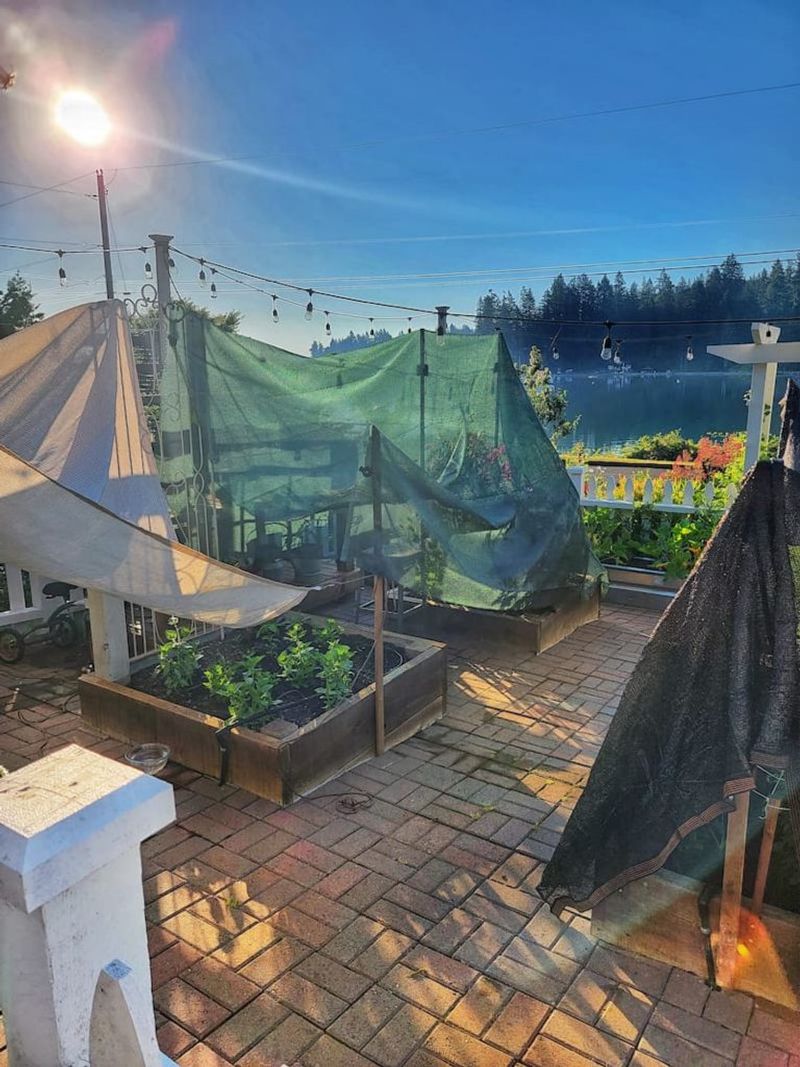
If your plants sit in a hot, exposed spot, rig up some temporary relief. A shade cloth, a patio umbrella, or even a strategically placed lawn chair can block the worst of the afternoon blast during extreme heat.
Got hydrangeas in pots? Even easier.
Just slide them to a shadier corner of the yard or porch until the heat wave breaks. A little afternoon shelter now helps them save energy for building strong stems and roots.
3. Apply or Refresh Mulch Around the Base
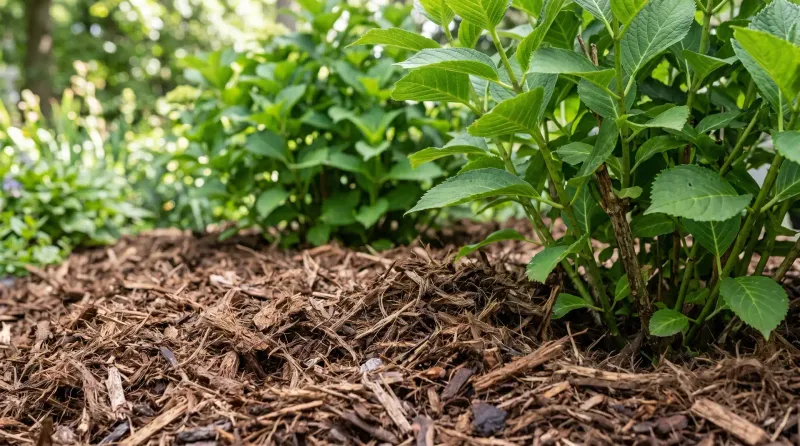
Think of mulch as a cozy blanket for your hydrangea’s roots, except it works in summer by keeping them cool instead of warm. A fresh two to three inch layer can transform how your plant handles heat.
Organic mulch like shredded bark, straw, or wood chips does triple duty. It locks moisture into the soil, keeps roots from overheating, and slows down evaporation on scorching days.
Spread it in a wide ring around the base, but leave a few inches of open space right around the main stem. Piling mulch against the stem traps moisture where you do not want it and can invite rot.
If you laid mulch back in spring, it has probably thinned out or broken down by now. Topping it off in late summer gives your hydrangea a moisture buffer just when the season is at its hottest and driest.
4. Cease Fertilization by Late Summer
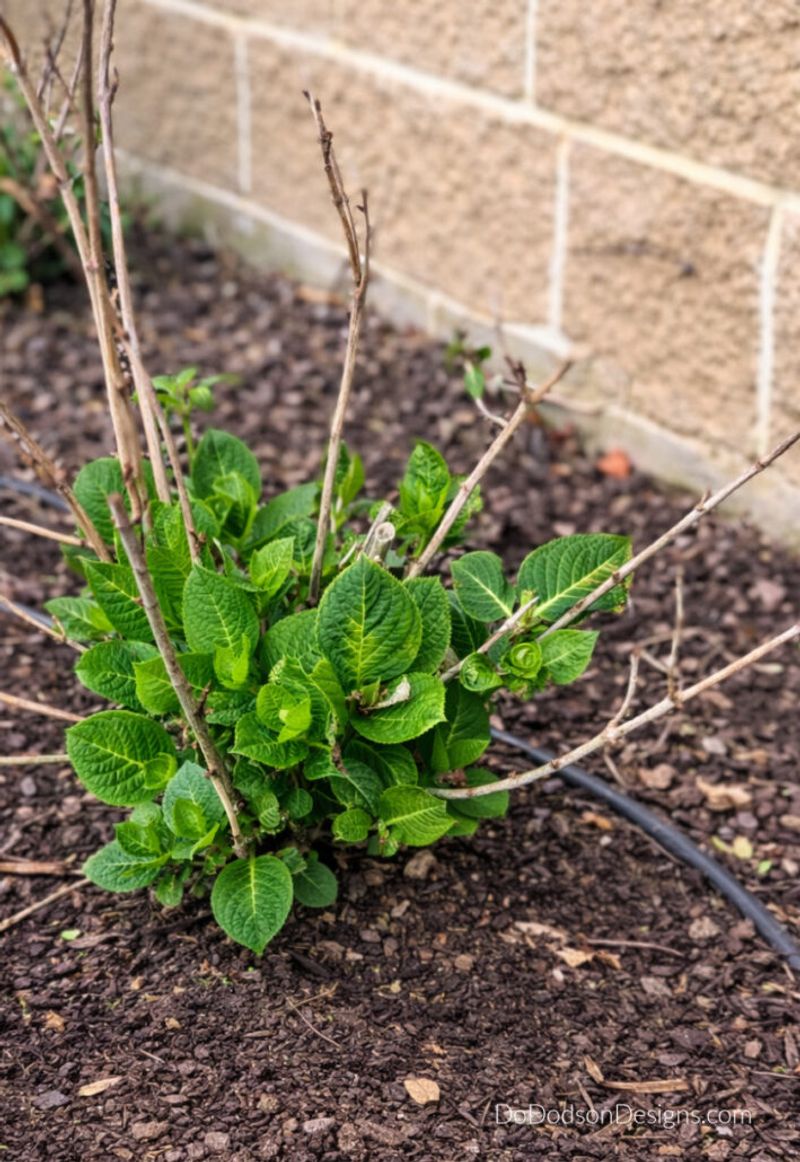
Here is a move that means doing less, not more, which every busy gardener loves. Put the fertilizer away by late July or early August and leave it there until spring.
Feeding hydrangeas late in the season pushes out tender new growth that has no time to toughen up before the first frost. That soft growth gets zapped by cold and can leave your plant weaker heading into winter.
There is another catch too. Too much fertilizer, especially the nitrogen-heavy kind, encourages tall, leggy stems that simply cannot hold up those big, heavy flower heads.
So if your hydrangeas are looking floppy, an extra dose of plant food is the last thing they need. Let the plant slow down naturally and focus its energy on firming up roots and stems for the months ahead.
5. Prune Prudently, Focusing on Deadheading and Health
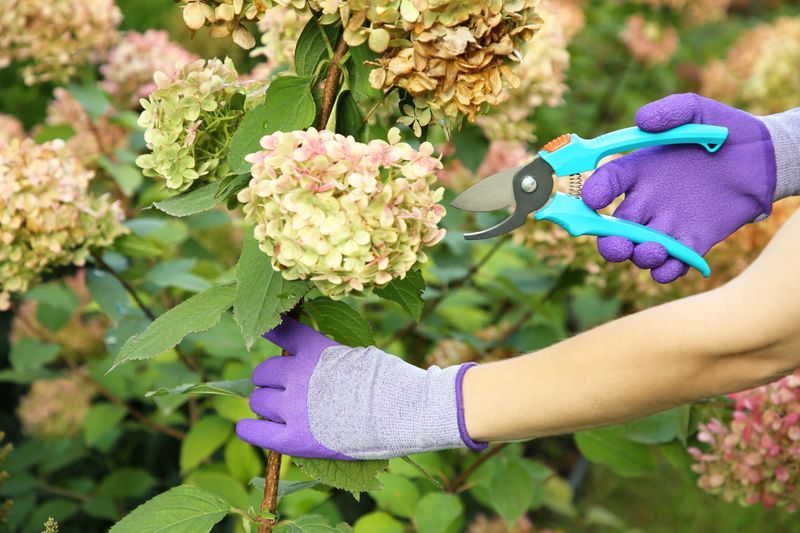
Grab your pruners, but hold on before you go wild. Late-summer pruning is all about a light touch, and cutting the wrong stems can cost you next year’s flowers.
If you grow bigleaf or oakleaf hydrangeas, they bloom on old wood, meaning next spring’s buds are already forming on this year’s stems. Heavy chopping now would snip those future blooms right off.
Deadheading, though, is fair game and often helpful. Snipping off spent, brown flower heads tells the plant to pour its energy into roots, leaves, and overall strength instead of tired old blossoms.
No matter which type you have, always remove dead, damaged, or diseased stems. Clearing those out improves air flow and helps keep problems from spreading.
For panicle and smooth hydrangeas that bloom on new wood, save the big cuts for late winter, but feel free to deadhead now.
6. Assess and Improve Soil Drainage and Health
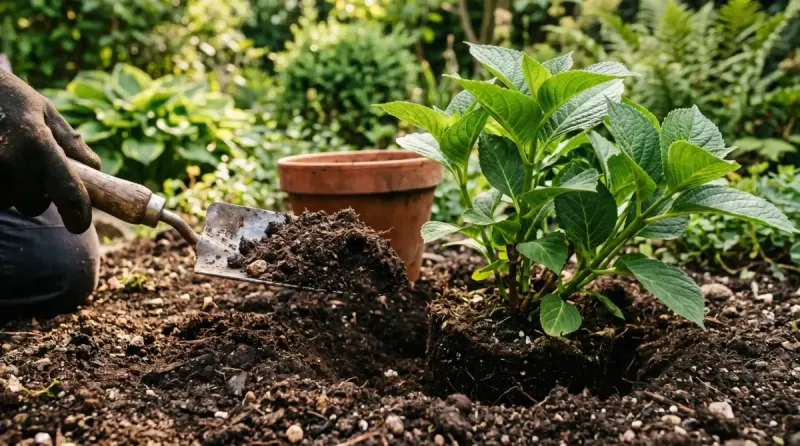
Sometimes the trouble is not what you can see up top, but what is happening down in the dirt. Hydrangeas want soil that stays moist yet drains well, and that balance is easy to miss.
When drainage is poor, water pools around the roots, and soggy roots can rot and cause the same wilting you would expect from a plant that is too dry. It feels backwards, but overwatered soil looks a lot like thirst.
Working in organic matter is the fix that keeps on giving. Compost, peat moss, or dehydrated cow manure loosens heavy soil, improves drainage, and holds onto nutrients at the same time.
Healthier soil grows healthier roots, and strong roots are the foundation of a plant that stands tall instead of sprawling. A little soil TLC now pays off well into next season.
7. Consider Staking for Support
Some hydrangeas flop simply because they are showing off. Certain cultivars grow flower heads so big and heavy that the stems buckle under their own beauty, especially after a heavy rain soaks the blooms.
Young, newly planted hydrangeas also tend to lean and sag. Their root systems have not fully settled in yet, so the stems stay a bit soft and floppy for a while.
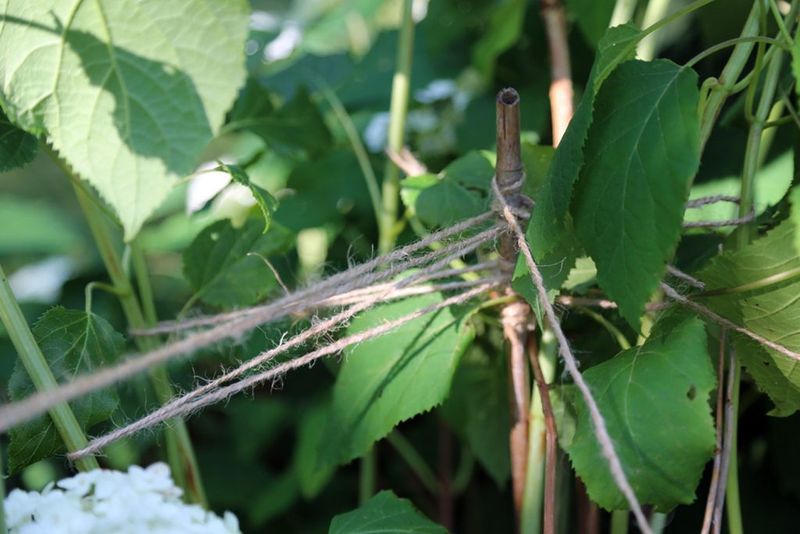
A few well-placed stakes or plant supports can quietly do the heavy lifting. Slip them in around the plant and gently tie up the drooping branches so the blooms sit upright again.
The trick is to keep it discreet, using green stakes or hidden supports so all anyone notices is the flowers, not the scaffolding. Your hydrangea instantly looks stronger and healthier, even while its roots finish getting established.
8. Prepare for Winter Protection (Gather Materials)
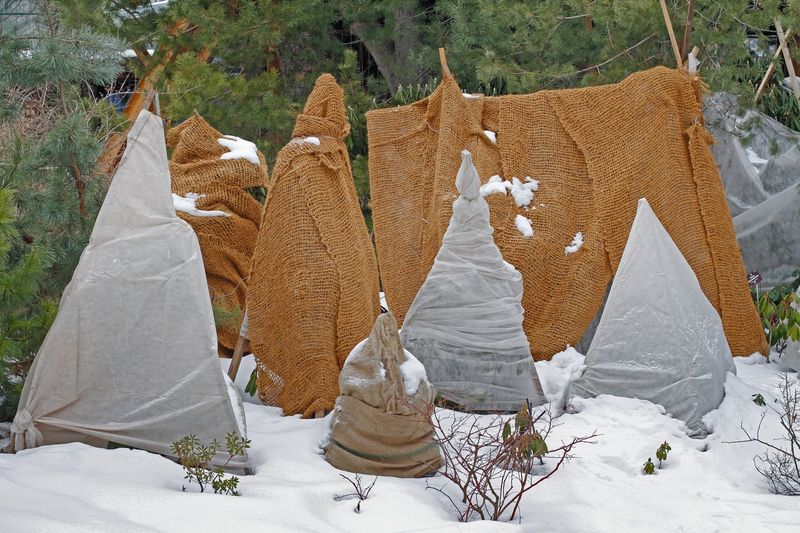
Winter feels ages away in the sticky heat of August, yet a little planning now saves a scramble later. The actual bundling up happens in fall, but late summer is the perfect time to get your supplies together.
If you live somewhere with real winters or grow more sensitive varieties, gather materials like burlap or protective covers while you are thinking about it. Having them ready means you can act fast when the first cold snap threatens.
Being prepared also lowers the stress on your plant when temperatures drop suddenly. Instead of leaving your hydrangea exposed while you hunt for supplies, you can wrap it up right on time.
Consider it a small favor to your future self. A quick shopping trip now sets your hydrangeas up to survive the cold and come back strong when spring rolls around.