
If Your Lawn Turned Brown And Bumpy This Summer, Here Are 14 Fixes That Bring It Back Without Renting Equipment
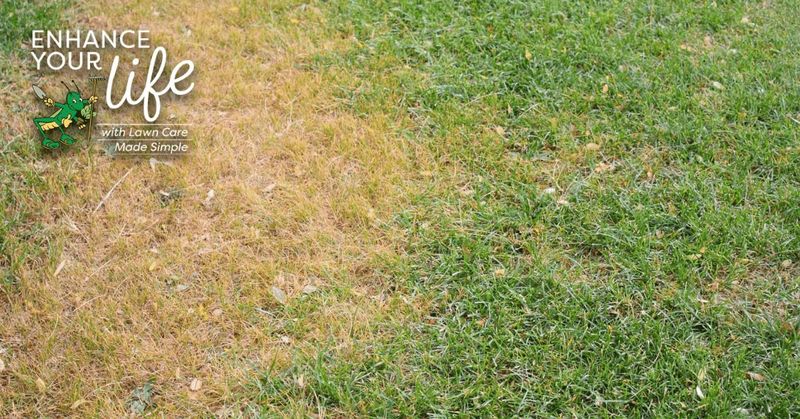
A lawn that went crispy and lumpy over the summer can feel like a lost cause, but most of the time it is just stressed, not dead. The good news is you can bring it back using hand tools and habits you already have, no expensive rental machines needed.
Below are 14 practical fixes, each aimed at a specific reason your grass looks rough right now. Pick the ones that match what you are seeing outside, and start today.
1. Water Deeply and Infrequently in the Morning
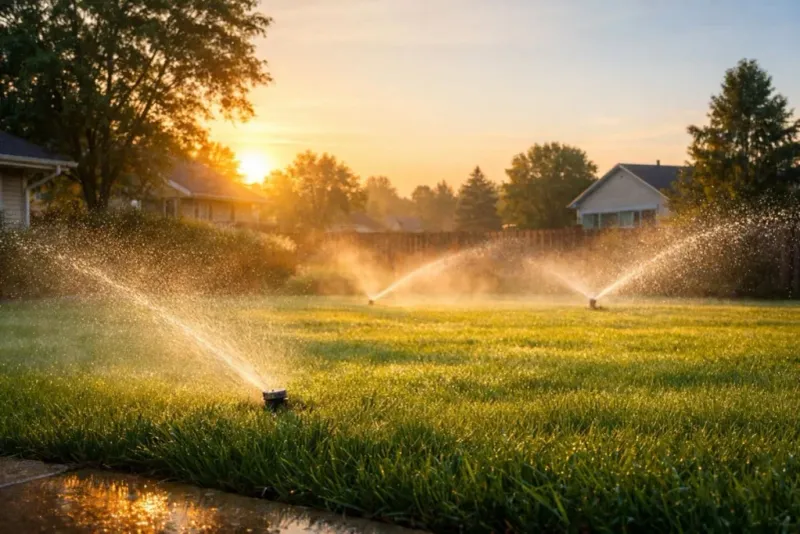
Grass roots grow toward water, so if you sprinkle a little every evening, the roots stay shallow and lazy. Give your lawn about one inch of water once or twice a week instead, and those roots will dig deep enough to survive a heat wave.
Timing matters just as much as the amount. Watering in the early morning lets the blades soak up moisture and then dry out before nightfall, which starves the fungus that loves damp, cool grass overnight.
Set an empty tuna can on the lawn while the sprinkler runs. Once it fills to about an inch, you know you have watered enough for the week.
2. Mow Taller with Sharp Blades
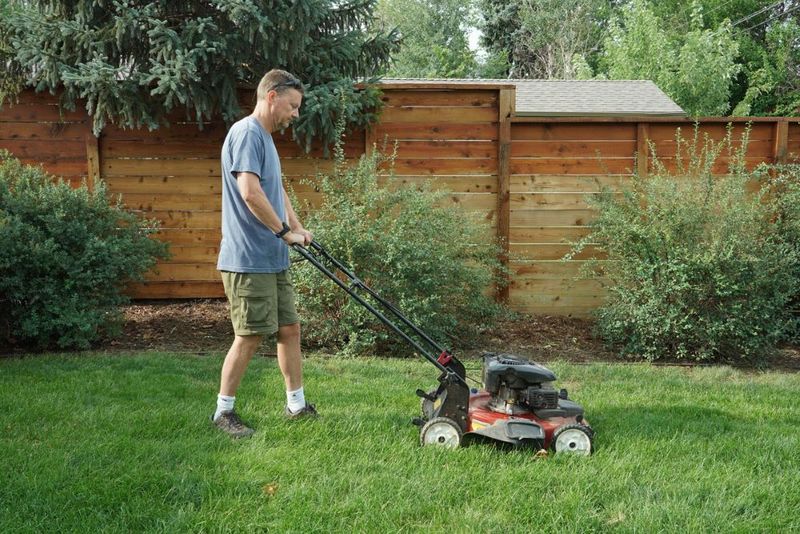
Scalping your lawn short in summer is one of the fastest ways to turn it brown. Taller grass, cut to three or four inches, shades its own soil, keeps roots cooler, and holds moisture far longer than a buzz cut ever could.
Dull mower blades tear the grass instead of slicing it, leaving ragged tips that dry out and brown at the ends. A sharp blade makes a clean cut that heals fast and looks tidy.
Sharpen your blade once or twice a season and never remove more than a third of the blade height in a single mow. Your grass will thank you with thicker, greener growth.
3. Loosen Compacted Soil by Hand
Ever notice how the paths people walk turn hard and thin? That is compaction, and packed-down soil chokes off the air, water, and nutrients roots need to thrive.
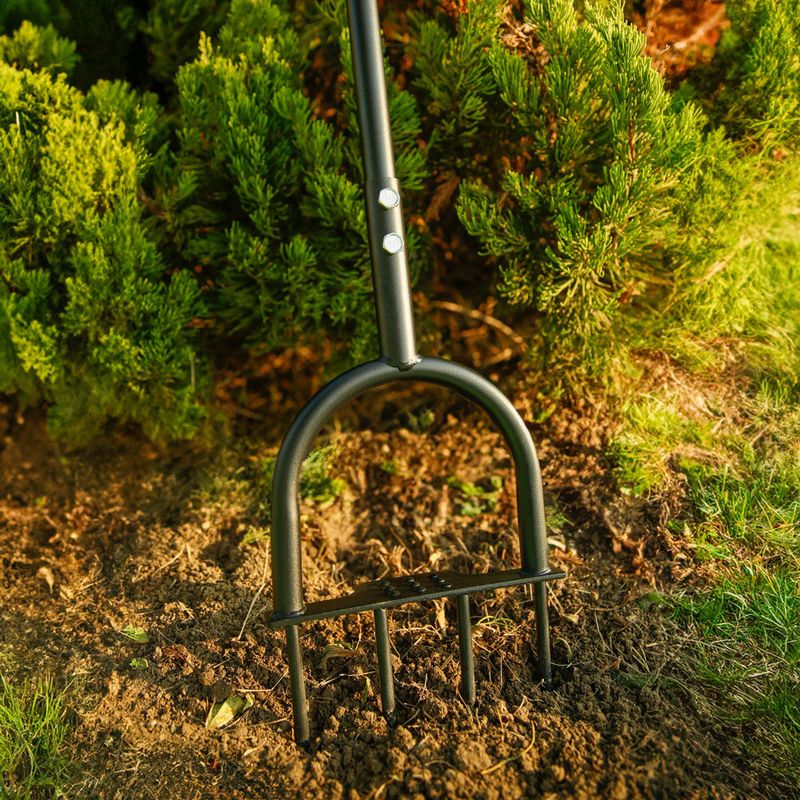
You do not need a rented aerator for small spots. A sturdy garden fork works great.
Push the tines a few inches deep, wiggle back and forth, and pull out. Repeat every few inches across the trouble area.
For an extra boost, sweep a little compost into those fresh holes. It filters down to the roots and slowly rebuilds crumbly, healthy soil where the grass can breathe again.
4. Topdress the Bumps and Dips
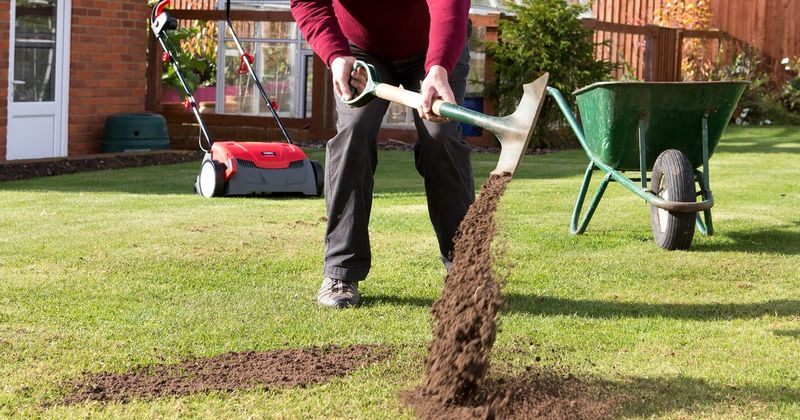
Small hills and hollows make mowing a nightmare and leave scalped brown spots on every bump. The gentle fix is topdressing, which levels the surface a little at a time without tearing everything up.
Mix soil, sand, and compost together, then spread a thin layer over the uneven areas. Rake it smooth so the grass tips still poke through, since burying the blades completely will smother them.
It is a patience game. Add a little each season, and over time your lumpy lawn flattens into a surface you can actually walk across without tripping.
5. Overseed the Thin and Bare Patches
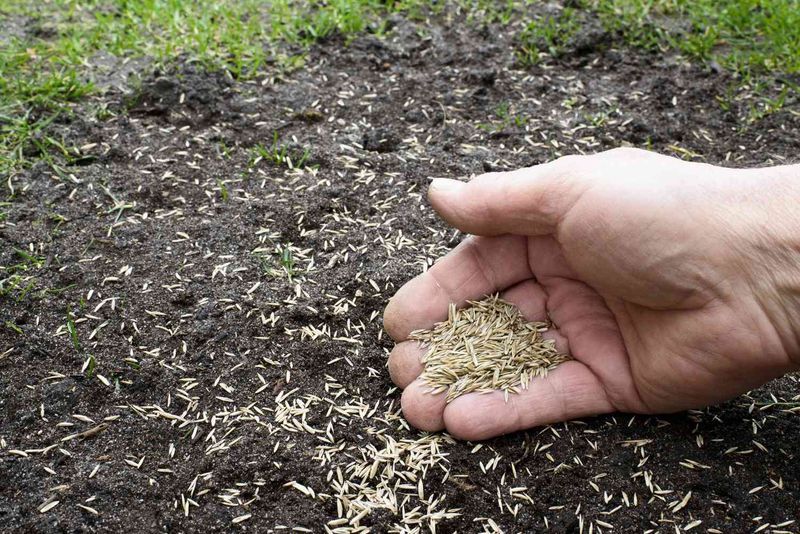
Bare dirt is basically an invitation for weeds to move in. Filling those gaps with new grass crowds the weeds out and thickens your turf at the same time.
Scratch up the bare spot with a rake so the soil is loose, then scatter grass seed that matches the rest of your lawn. Cover it with a light dusting of compost or topsoil to hold moisture and hide it from birds.
Keep the seeded area lightly damp with daily sprinkles until the tiny sprouts appear. Once they are up and growing, ease back to your normal watering schedule.
6. Check for and Treat Grubs
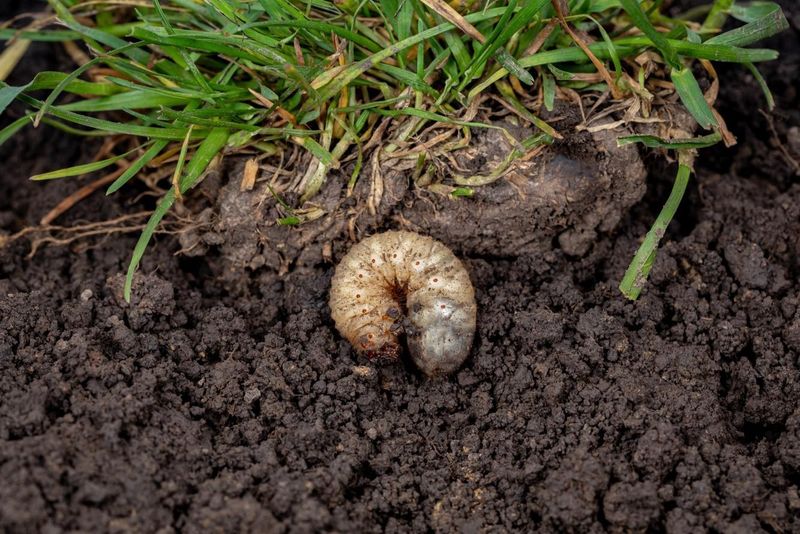
Here is a spooky test: if your brown turf peels back like a loose rug, something has been eating the roots underneath. That something is usually grubs, the fat white C-shaped larvae of beetles.
Dig up a one-foot square of turf and count them. Ten or more grubs in that patch means you have a problem worth treating, not just a coincidence.
Beneficial nematodes, which are tiny helpful organisms you water into the soil, can knock back grub numbers without harsh chemicals. A home grub-control product works too.
Fix the grubs and you also remove the buffet that draws digging animals.
7. Beat Fungal Brown Patch with Smart Habits
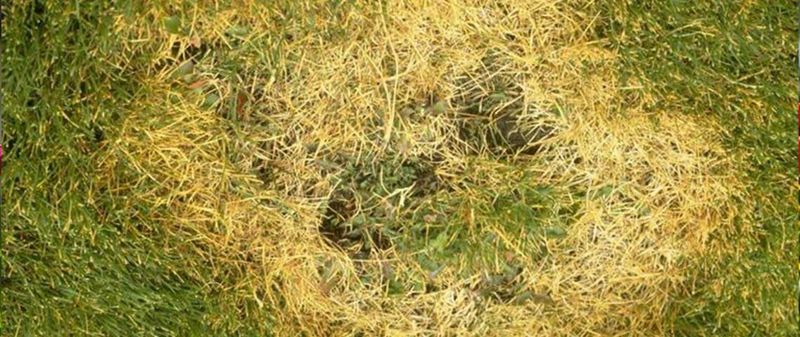
Those spreading circles of tan, dead-looking grass in muggy weather are often brown patch, a fungus that thrives when the lawn stays wet and stuffy.
You can fight it without spraying much of anything. Water only in the early morning so the grass dries fast, and prune back nearby shrubs to let air flow through and carry away dampness.
Hold off on high-nitrogen fertilizer while the disease is active, since that just feeds tender growth the fungus loves. Gently rake apart any matted, slimy patches to break up the fungal mats and give the healthy grass room to recover.
8. Dethatch with a Sturdy Rake
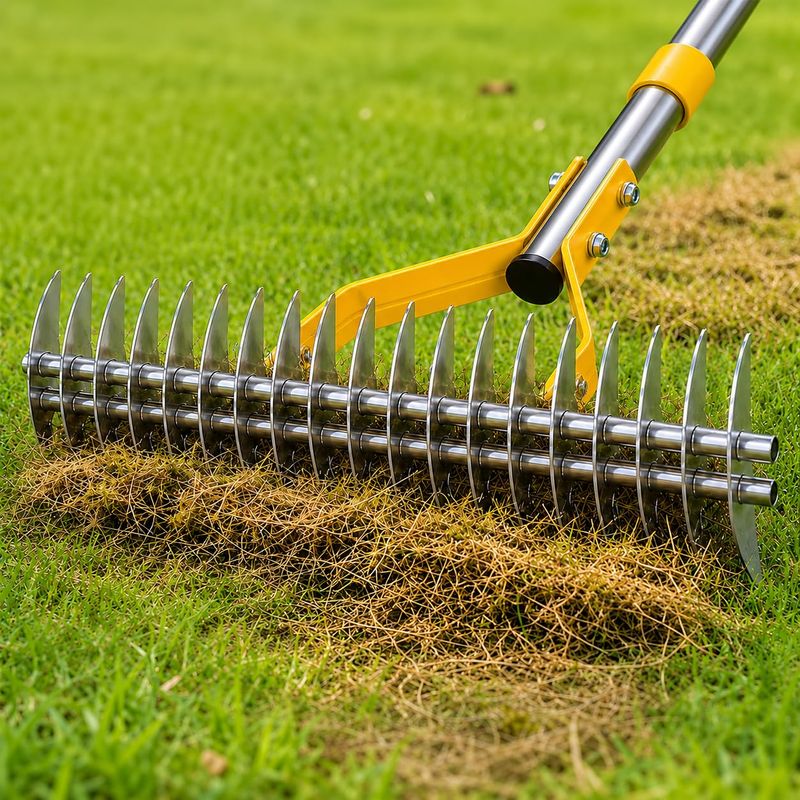
Poke your fingers down to the soil. If there is a spongy brown mat of dead stems more than half an inch thick sitting on top, that is thatch, and it blocks water and nutrients from reaching the roots.
A thin layer is fine and even helpful, but too much makes the lawn feel bouncy and stressed. The manual fix is simple muscle work with a stiff rake.
Rake firmly at an angle to tear the dead layer loose, then bag up what you pull out. It is a workout, but your grass will drink and eat far better once that suffocating mat is gone.
9. Stop Animals from Digging
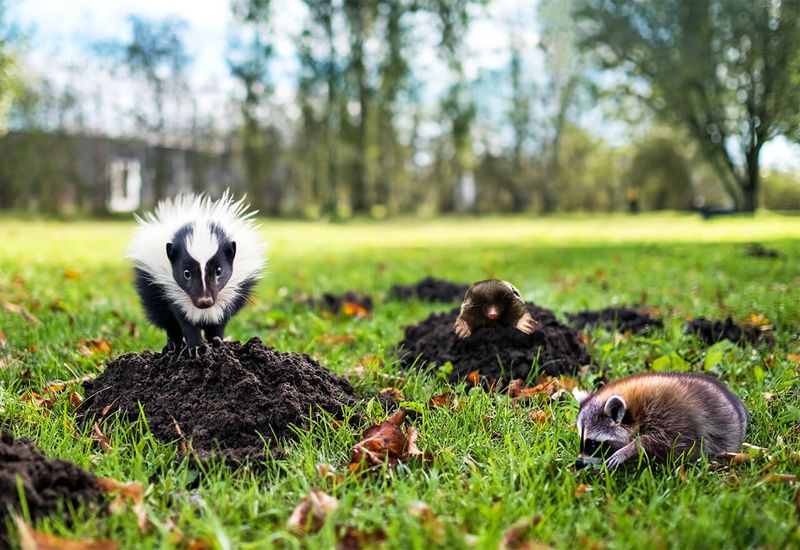
Waking up to fresh mounds and torn-up turf is maddening, and simply patting the holes back down never works. Moles, skunks, voles, and raccoons will just return the next night.
Figure out who the culprit is first. Neat little dirt volcanoes point to moles, while cone-shaped divots and flipped chunks of sod usually mean skunks or raccoons hunting for grubs.
Since many of these diggers are chasing insects, treating your grub problem often solves the digging too. Humane deterrents and removing their food source beat filling holes every morning for the rest of the summer.
10. Clean Up Chemical and Fuel Spills
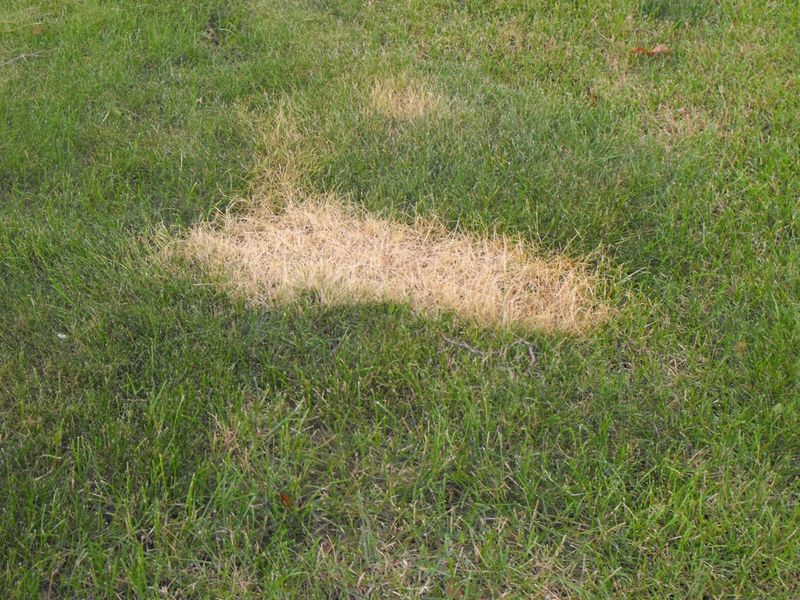
A sharp brown streak or oddly shaped dead spot with no disease pattern is often a chemical accident. Overloaded fertilizer, spilled weed killer, or a dribble of gasoline from the mower can scorch grass fast.
Prevention is mostly about following the label. Spread products at the recommended rate and refuel the mower on the driveway, not the lawn.
If a spill happens, flush the spot with plenty of water right away to dilute it before it soaks in. Catching it early can mean the difference between a small brown mark and a bare patch you have to reseed later.
11. Dilute Dog Urine Spots
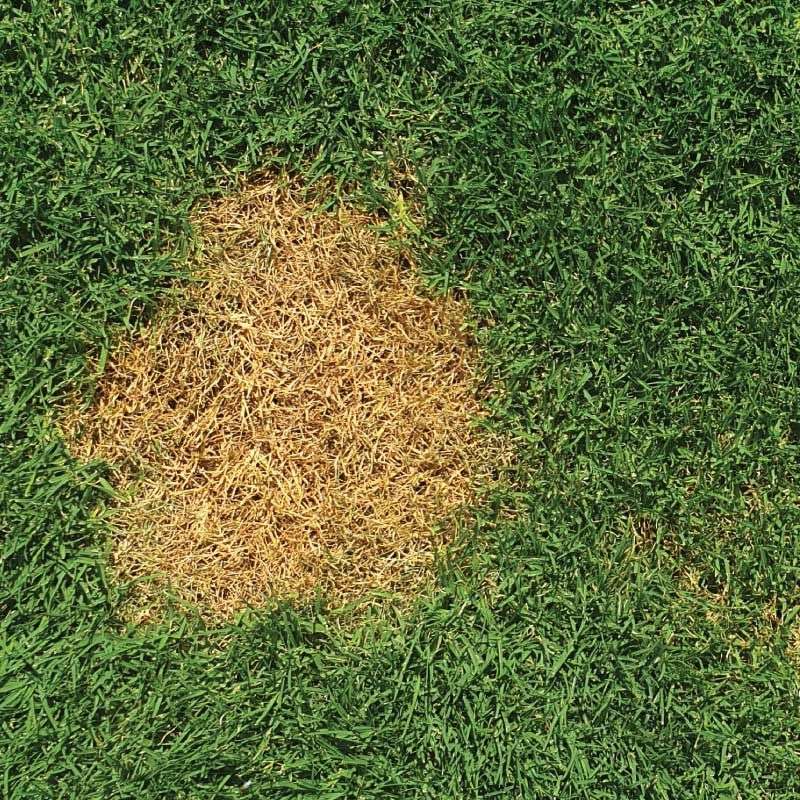
Round brown circles, sometimes ringed by extra-green grass, are the classic signature of a dog doing its business in the same spot. The nitrogen in urine acts like a concentrated fertilizer burn.
The quickest trick is to grab the hose and pour water on the spot soon after your pup goes, spreading that nitrogen out so it feeds the grass instead of frying it.
For a longer-term peace, train your dog to use a mulched or gravel corner of the yard. It saves the visible lawn and gives your four-legged friend a dependable bathroom of their own.
12. Work Compost into the Soil
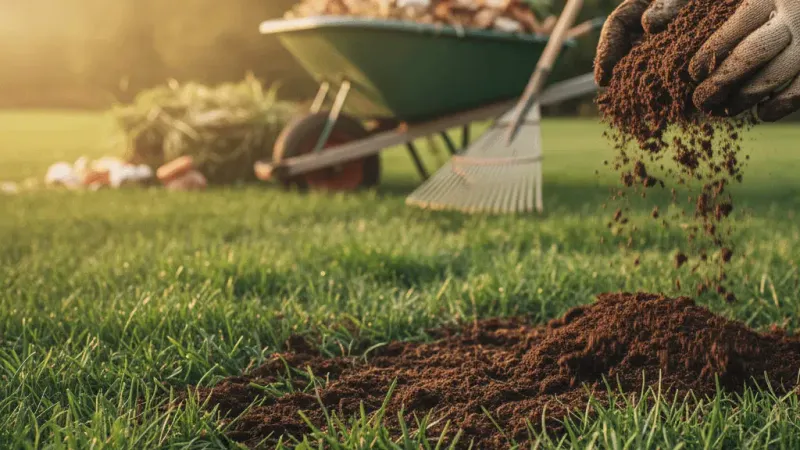
Think of compost as a multivitamin for tired soil. A thin layer spread across the whole lawn quietly improves everything underneath, from structure to nutrients to how well the ground holds water.
Better soil means grass that shrugs off heat and bounces back from stress instead of browning at the first dry spell. It is one of the few fixes that helps every other problem on this list.
Spread it about a quarter inch thick and rake it in so it reaches the soil rather than sitting on the blades. Do this once or twice a year and you build a lawn that practically takes care of itself.
13. Test and Adjust Your Soil pH
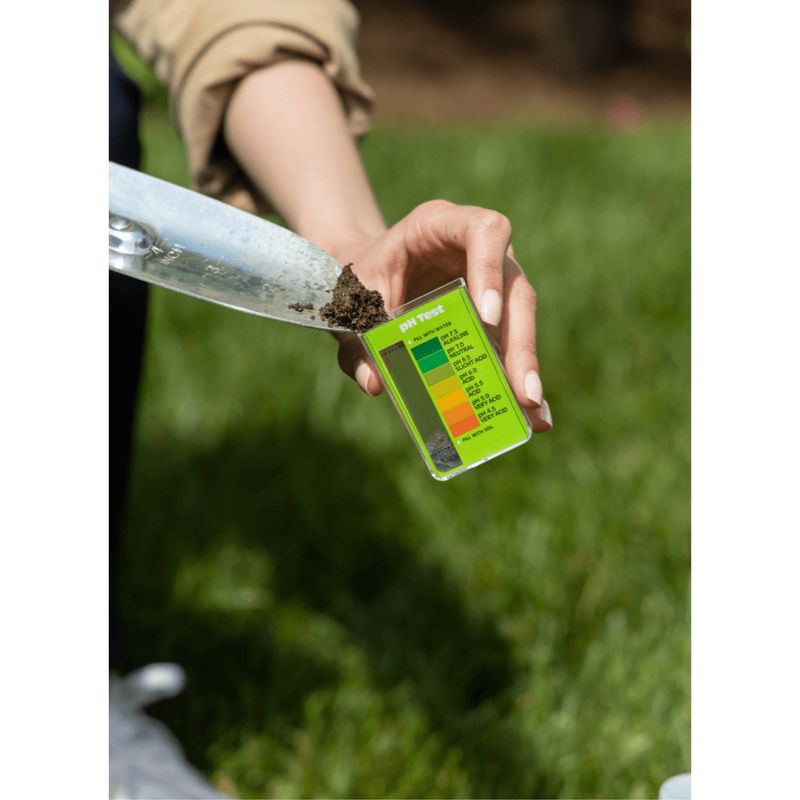
Sometimes you fertilize and water perfectly and the lawn still looks hungry and pale. The hidden villain is often pH, because grass cannot absorb nutrients if the soil is too sour or too sweet.
A cheap soil test kit from the garden center takes the guesswork out of it. Most lawns are happiest between 6.0 and 7.0 on the pH scale.
If your reading is off, the fix is straightforward. Lime raises a low pH and elemental sulfur lowers a high one.
Adjust as the test recommends, and suddenly all those nutrients you have been adding actually reach the roots.
14. Fix Soggy Spots and Improve Drainage
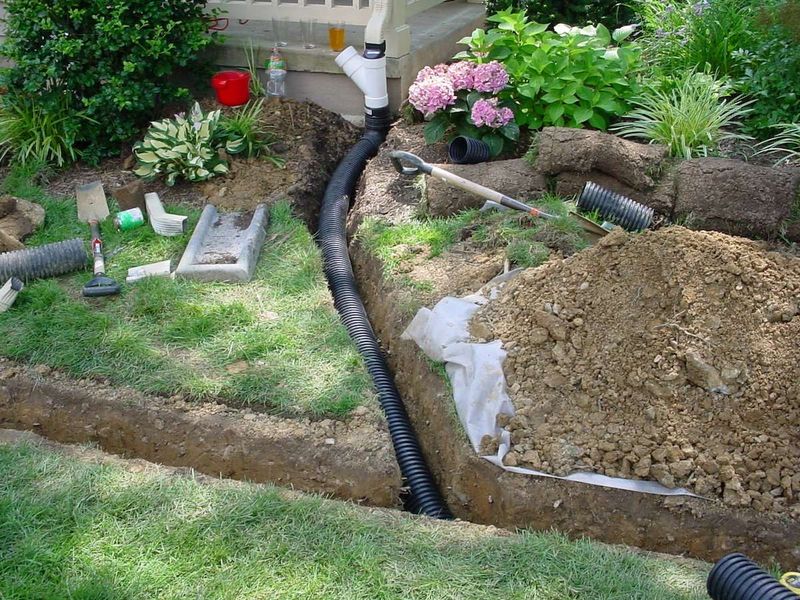
If one part of the yard stays squishy long after the rain stops, the grass there is basically drowning. Constant wetness invites fungus and rots the roots, leaving mushy brown patches.
You can improve minor drainage with hand tools alone. Use a shovel to gently reshape a low spot so it slopes toward a better outlet, or carve a shallow channel to guide water away from the puddle.
Even a small tweak that keeps water moving instead of pooling makes a big difference. Once the ground can dry out between rains, healthy grass has a real shot at filling back in.