
If Your Poinsettia Stayed Green All Year, Here Are 13 Fixes That Turn It Red By Christmas
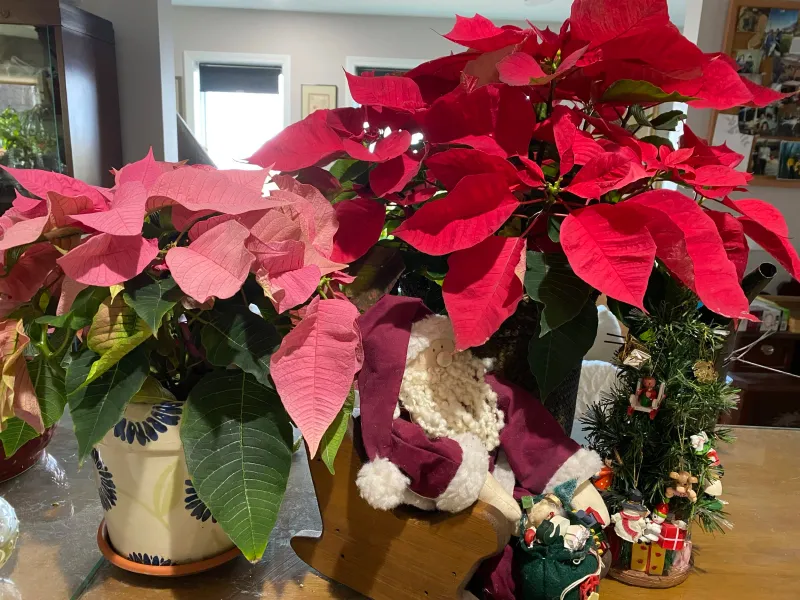
You kept your poinsettia alive all year, and now it is still plain green while the holidays creep closer. That is not a failure, and your plant is not broken.
Poinsettias only turn red when they get the right mix of long nights, steady warmth, and a little patience. Follow these 13 fixes and you can have bright red color back in time for Christmas.
1. Start Short-Day Treatment in Early Fall
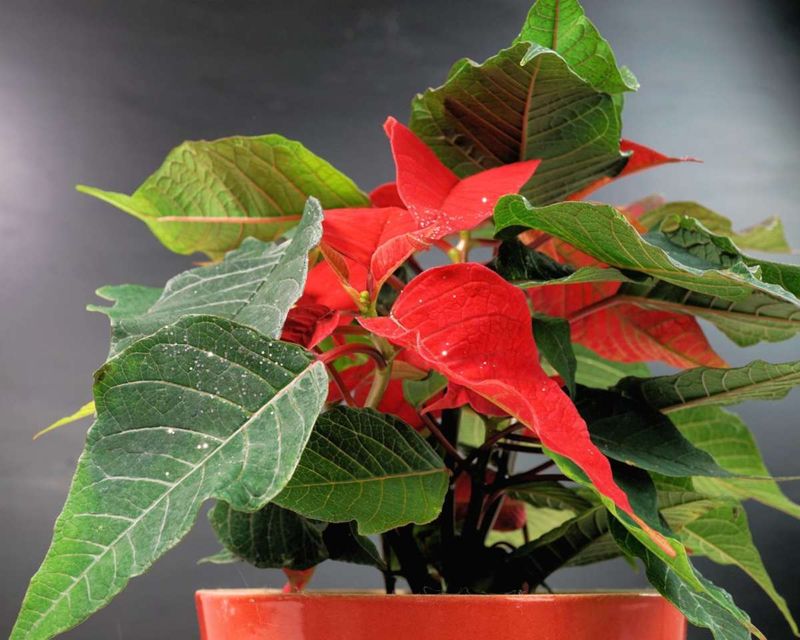
Timing is the secret most people miss. Poinsettias need about eight to ten weeks of special care before their leaves change color, so waiting until Thanksgiving is simply too late.
Mark your calendar for late September or the first week of October. Counting back from Christmas, that window gives the plant enough time to build full, rich color.
If you are reading this in mid-October, do not panic. Start today, and you may still see color by the holidays, even if it arrives a little later than you hoped.
2. Give It 14 to 15 Hours of Darkness Every Night
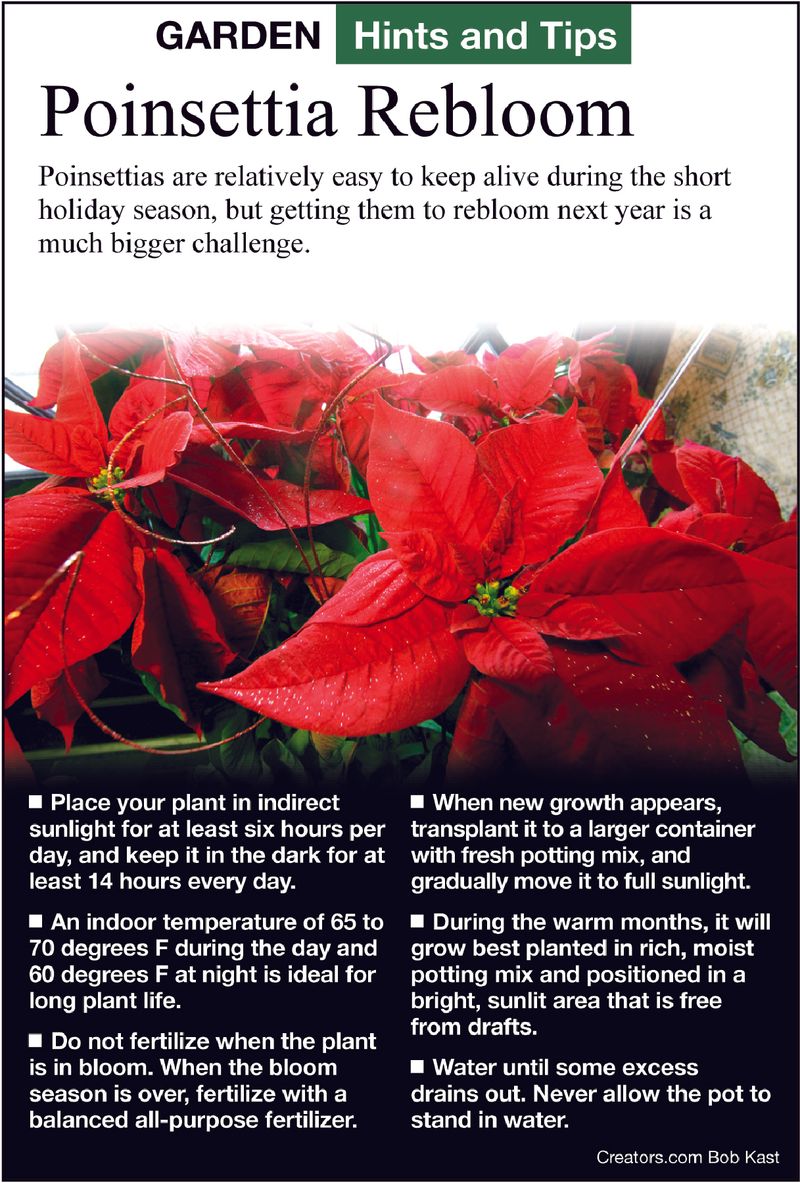
Here is a fun fact: those red parts are not flowers at all. They are special leaves called bracts, and they only change color when nights grow long.
Your plant needs 14 to 15 hours of total darkness each day. A simple routine works well, such as covering it at 5 PM and uncovering it at 8 AM.
Some guides say 12 hours is enough, but the longer stretch tends to give deeper color. Consistency matters more than anything, so try not to skip a single night.
3. Block Every Tiny Bit of Light

A single nightlight can undo weeks of effort. Poinsettias are surprisingly sensitive, and even a quick flash of a lamp or car headlights through the window can reset their clock.
Walk through the room at night and look for sneaky light sources. Streetlights, TV glow, phone chargers, and hallway lights all count.
If you open the closet to grab a coat, be quick about it. One slip here and there probably will not ruin everything, but repeated interruptions often keep the plant green.
4. Use a Box, Closet, or Thick Cloth
Nothing fancy is required. An upside-down cardboard box, a dark closet, or an unused basement corner works just as well as any store-bought gadget.
If you go with a box, make sure it is tall enough that it does not crush the leaves. A heavy blanket can also work, but hold it up to a lamp first to be sure no light shines through.
Pick whatever method you can stick with every evening. The best setup is the one you will actually use for eight straight weeks.
5. Move It Into Bright Light During the Day
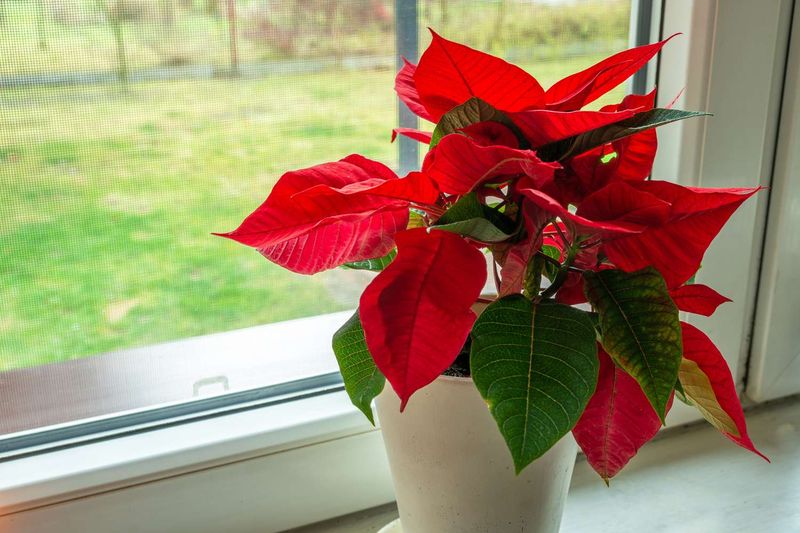
Darkness gets all the attention, but daylight fuels the whole show. During its 8 to 10 light hours, your poinsettia needs energy to build strong, colorful bracts.
Set it near a south, east, or west window where it gets plenty of bright, indirect light. A sheer curtain helps if the sun feels harsh.
Plants kept in dim corners during the day often color up weakly or unevenly. So every morning, take the cover off and let it soak up the sun.
6. Keep Nights Between 60 and 65 Degrees
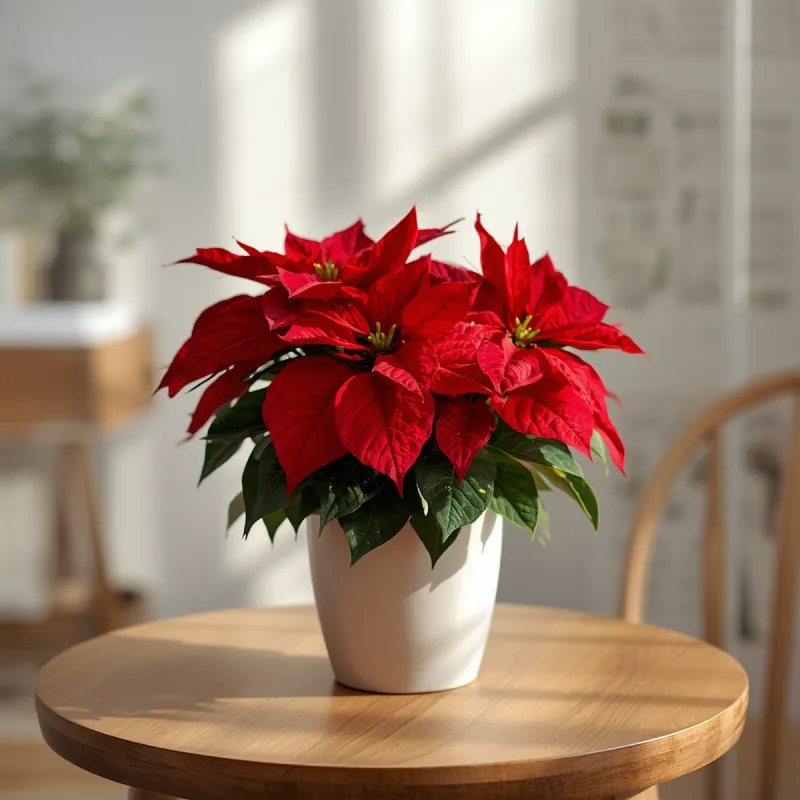
Warm houses can quietly block color. When nights stay above 70 to 75 degrees, many poinsettias delay or skip their color change entirely.
Aim for nighttime temperatures between 60 and 65 degrees. A cool spare bedroom or basement often hits that range naturally.
Going too cold can cause trouble too, with smaller bracts or a greenish, yellow tint. Stay in the middle and your plant will thank you.
7. Aim for Mild Daytime Temperatures
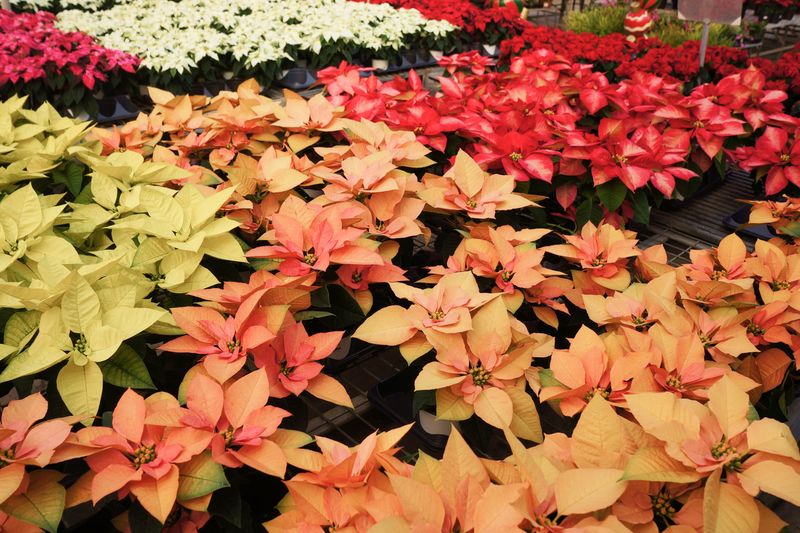
Think of your poinsettia as a houseguest who likes the same comfort you do. Daytime temperatures of about 65 to 75 degrees suit it perfectly.
Most homes already sit in that range, which makes this one of the easier fixes. Just watch sunny windows on warm fall afternoons, since glass can heat up fast.
If the leaves look droopy on a hot day, slide the pot back a foot or two. Small adjustments keep growth steady while color develops.
8. Protect It From Drafts and Heat Vents
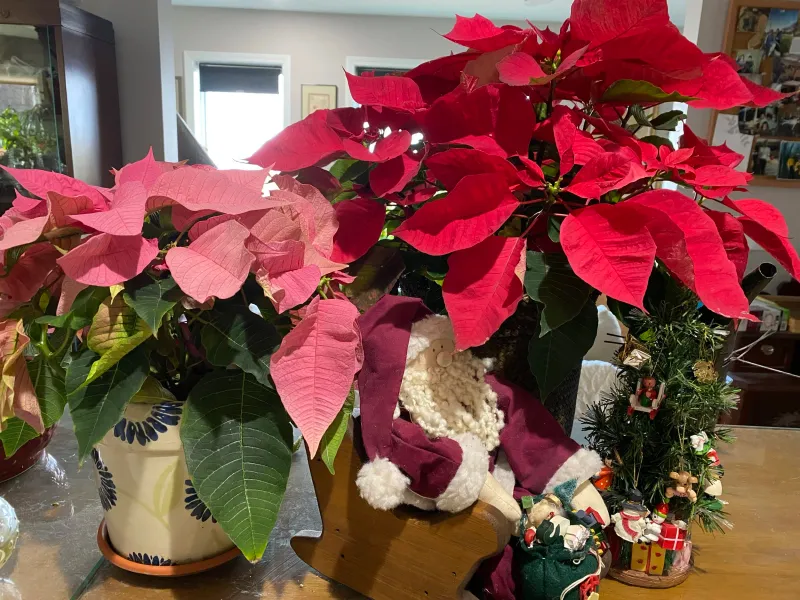
Poinsettias come from Mexico, where temperatures stay fairly even. Sudden blasts of cold or heat stress them, and stressed plants drop leaves instead of coloring up.
Keep yours away from drafty doors, open windows, radiators, fireplaces, and heating vents. Once the furnace kicks on in fall, check where the warm air blows.
Leaf drop is often the first warning sign. If you notice it, look around for a draft before blaming anything else.
9. Water Only When the Top Soil Feels Dry
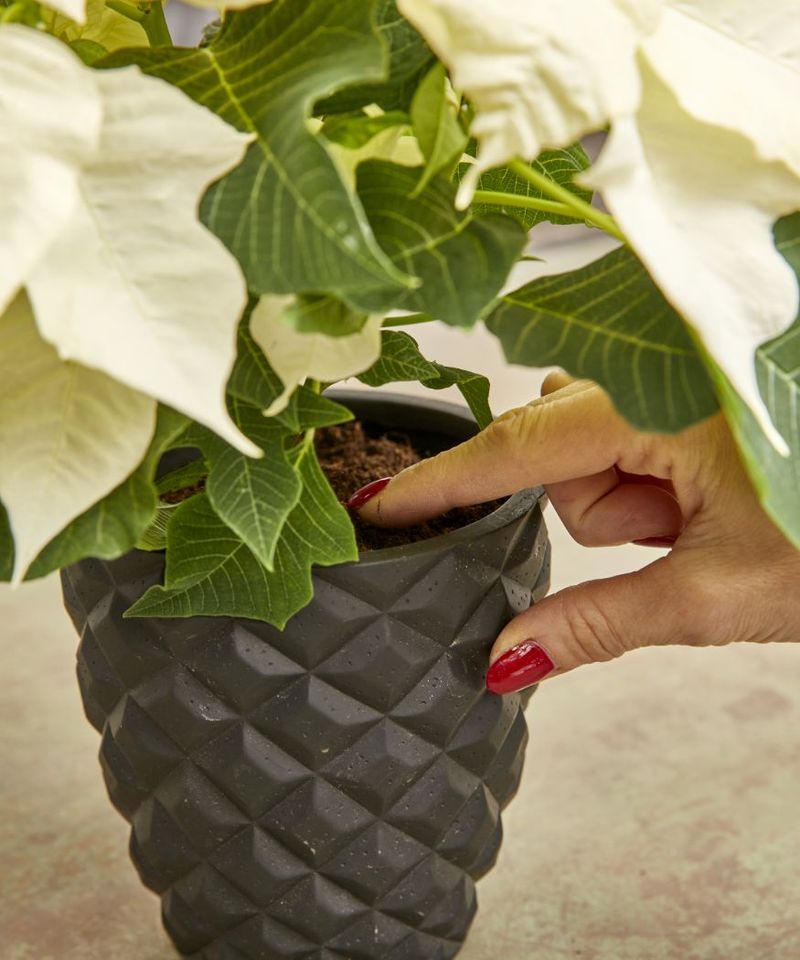
Overwatering kills more poinsettias than almost any other mistake. Soggy roots rot, and a sick plant rarely has the strength to turn red.
Push your finger into the soil. When the top feels dry, water thoroughly at the sink and let the extra drain away completely.
Never leave the pot sitting in a saucer of water or a foil wrapper full of runoff. On the flip side, do not let it wilt badly either.
10. Ease Off the Fertilizer
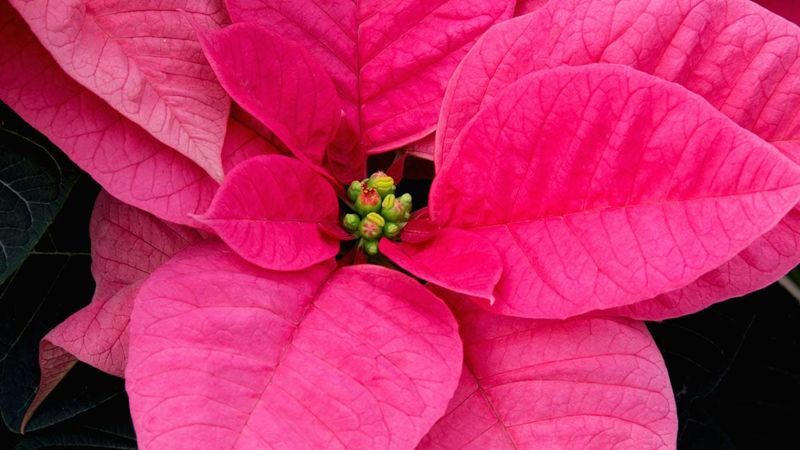
Feeding felt helpful all summer, and it was. Once darkness treatment begins, though, your poinsettia shifts from growing leaves to building color.
Cut back sharply or stop fertilizing during the short-day weeks. Extra nutrients now can push leafy green growth instead of red bracts.
Save the fertilizer for spring, when new stems appear. That simple pause costs nothing and can make a real difference.
11. Prune and Pinch for More Stems
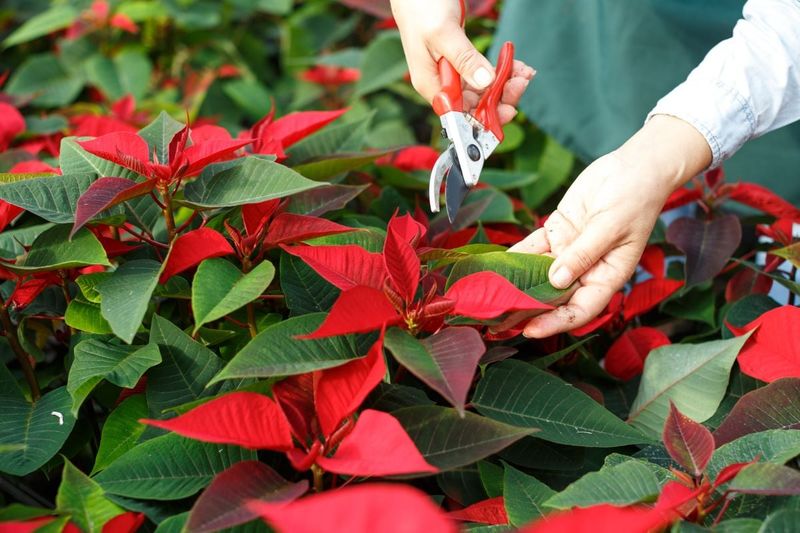
More stems mean more red. Every branch tip can produce a colorful bract, so a bushy plant gives a bigger holiday display.
In March or April, cut stems back to about four to six inches. Then pinch off new tips in July and again around mid-August, but stop there so buds have time to form.
If you missed pruning this year, your plant can still color up. Just note it for next spring and enjoy a fuller plant later.
12. Repot in Spring if Roots Are Crowded
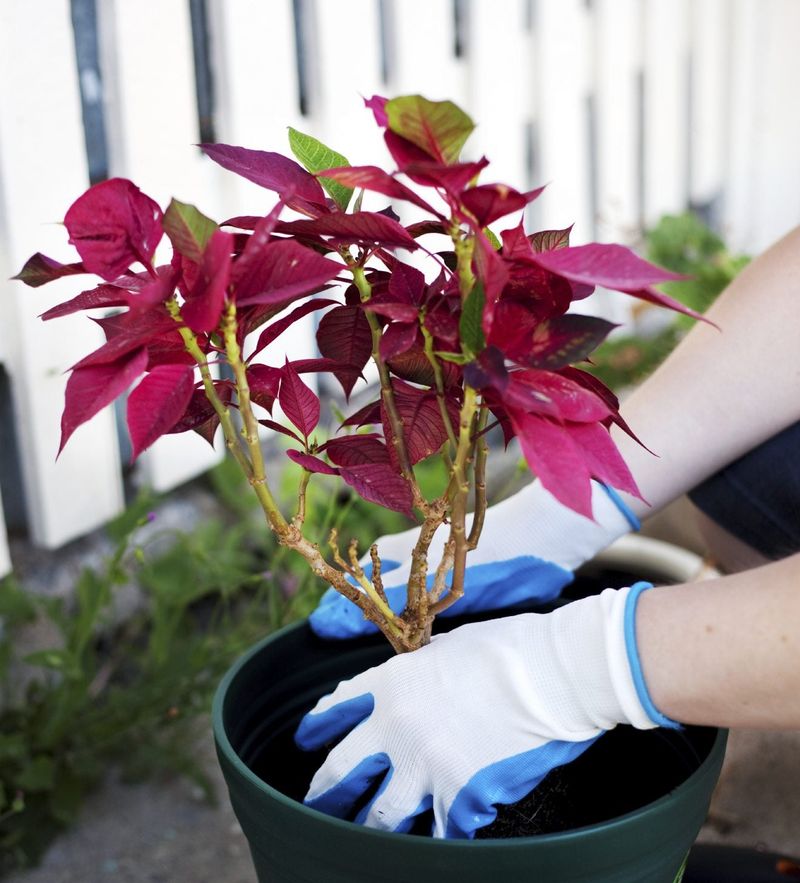
Roots circling the bottom of the pot tell a clear story. A cramped plant struggles to take up water and nutrients, which can mean weak color come December.
Repot in March or April into a container just one size bigger. Use fresh, quality potting mix and make sure there are drainage holes.
Avoid repotting during the fall darkness weeks, since that adds stress at the worst time. Spring is your best chance.
13. Balance Humidity and Air Flow

Dry winter air from furnaces can leave leaves crispy. Poinsettias like some humidity, so grouping plants together or running a humidifier nearby may help.
Skip misting the leaves directly, though. Wet foliage can invite leaf spot, and cool, stagnant air may encourage gray mold called Botrytis.
Give the plant a little breathing room so air can move around it. Healthy leaves set the stage for that bright red finish.