
If Your Potted Hydrangeas Wilt And Struggle In Their Container, Here Are 15 Reasons And The Fix For Each
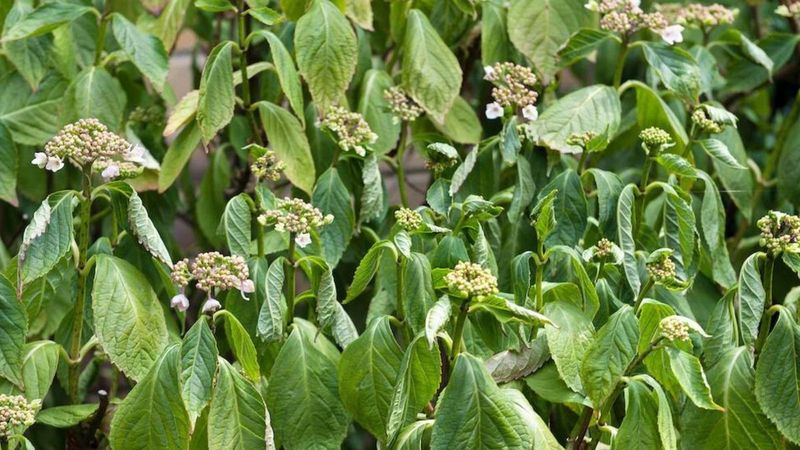
There’s nothing more frustrating than watching your beautiful potted hydrangea droop and sag when you’ve been trying so hard to care for it. The good news is that most wilting problems come from a handful of common mistakes, and almost every one has a quick fix.
Once you learn to read what your plant is telling you, you can bring it back to life fast. Let’s walk through the 15 reasons your container hydrangea might be struggling and exactly how to help it thrive again.
1. Underwatering (The Soil Dried Out)
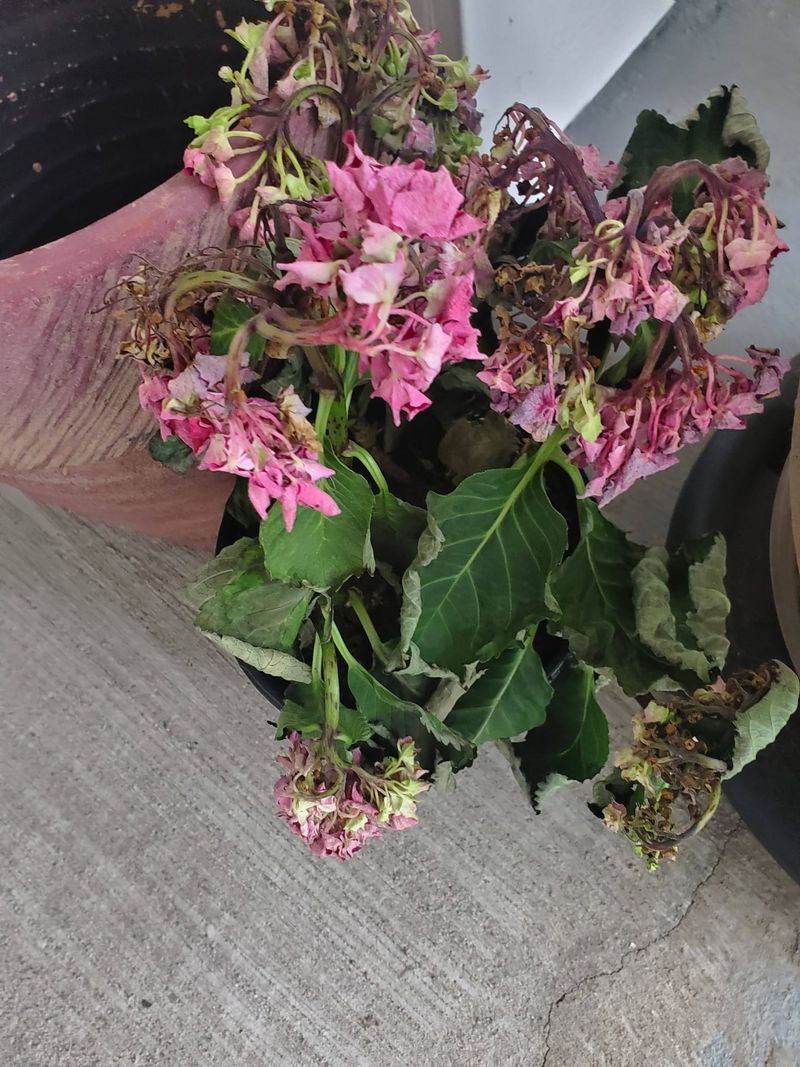
Hydrangeas practically drink like they’re at a buffet, and a pot holds only so much water before it runs dry. When the soil turns bone-dry, your plant can’t hold itself upright, and those big leaves flop over almost overnight.
Container hydrangeas dry out much faster than ones planted in the ground because there’s simply less soil to hold moisture. On a hot summer afternoon, a pot can go from damp to parched in a matter of hours.
The fix is simple but requires attention. Water deeply until you see it draining out the bottom, and during heat waves check the pot daily, sometimes even twice.
Stick your finger 2 to 3 inches into the soil, and if it feels dry, it’s time to water again.
2. Overwatering and Poor Drainage
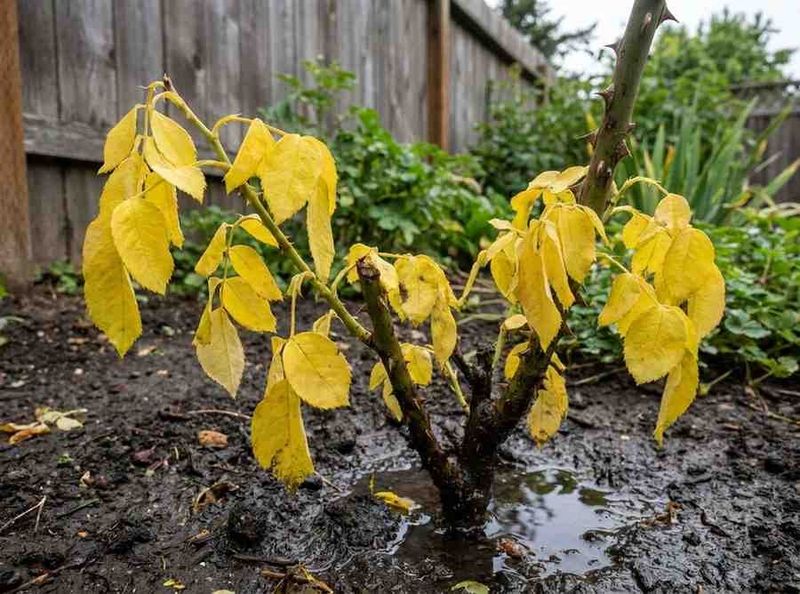
Here’s a sneaky twist that catches a lot of gardeners off guard: too much water can make your hydrangea wilt just like too little. Soggy soil suffocates the roots and invites root rot, which stops the plant from drinking up moisture at all.
Watch for yellow leaves that feel soft and mushy, or a swampy smell coming from the pot. If you dig around and find dark, slimy roots, root rot has already set in.
Stop watering right away and let the soil dry out. Make sure the drainage holes aren’t clogged.
If the rot is bad, gently lift the plant, trim off the mushy dark roots with clean scissors, and repot it in fresh, well-draining soil.
3. Heat Stress and Too Much Sun
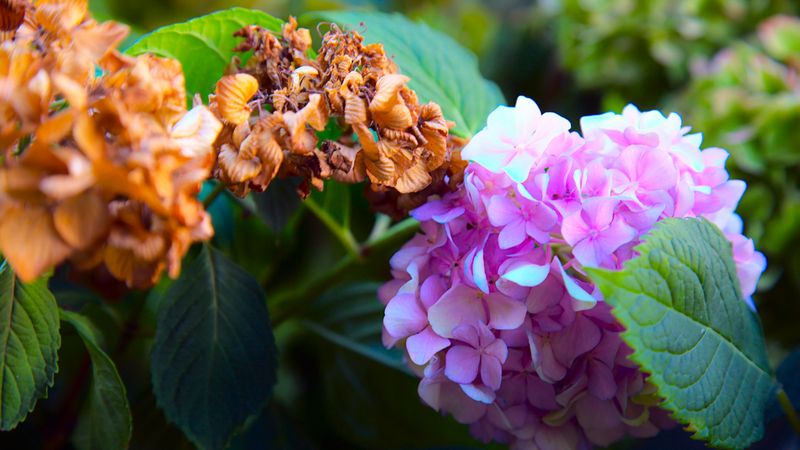
Blazing afternoon sun can turn your hydrangea into a wilted mess before dinnertime. These plants love bright light but generally prefer a break from the harsh rays, especially in warmer regions.
Potted plants have it even rougher because their roots heat up quickly inside a container, drying out faster than roots buried in cool ground.
Move your pot to a spot that catches gentle morning sun and rests in shade during the hottest part of the day. When a heat wave rolls through, prop up an umbrella or drape shade cloth over the plant to give it a break from the blast.
4. Natural Temporary Afternoon Wilting
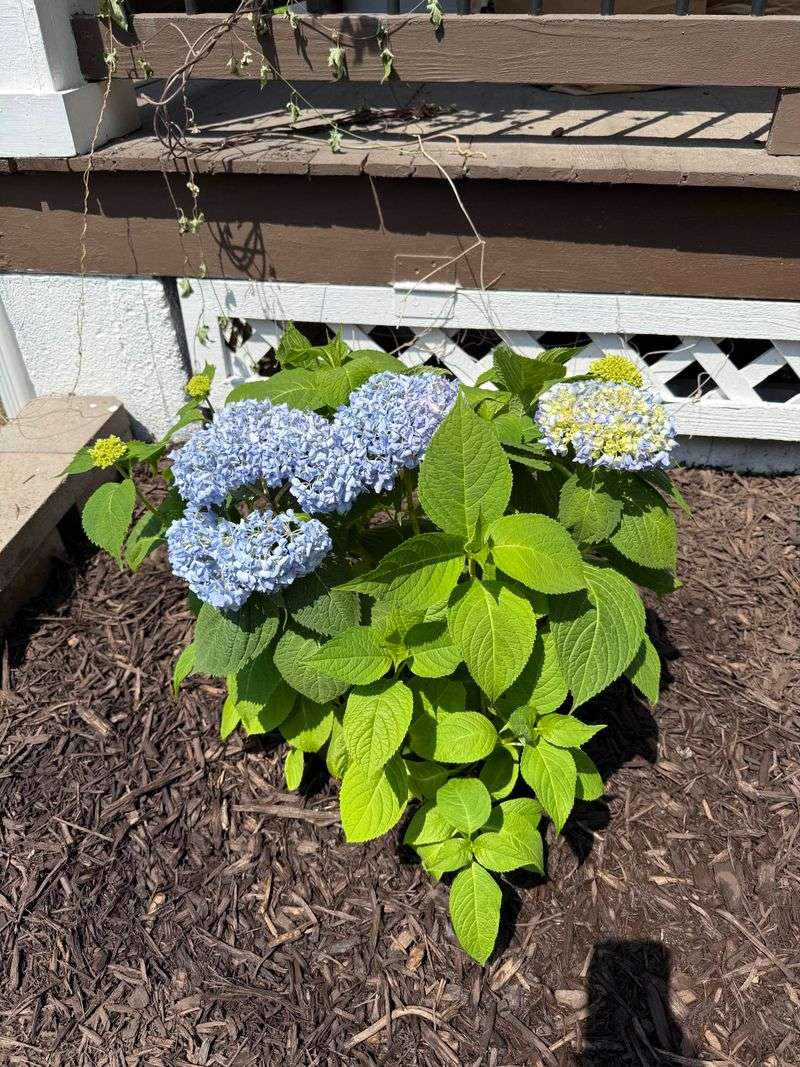
Before you panic, know that some wilting is completely normal. On scorching days, hydrangeas will droop their leaves as a clever way to save water, then perk right back up once the evening cools things down.
Think of it like the plant taking a nap during the hottest stretch. It’s protecting itself, not crying for help.
Check on it in the evening. If the leaves bounce back on their own, you don’t need to do anything special beyond keeping your watering consistent.
Adding a layer of mulch on top of the soil helps keep the roots cooler and locks in moisture so the afternoon slump is less dramatic.
5. The Container Is Too Small
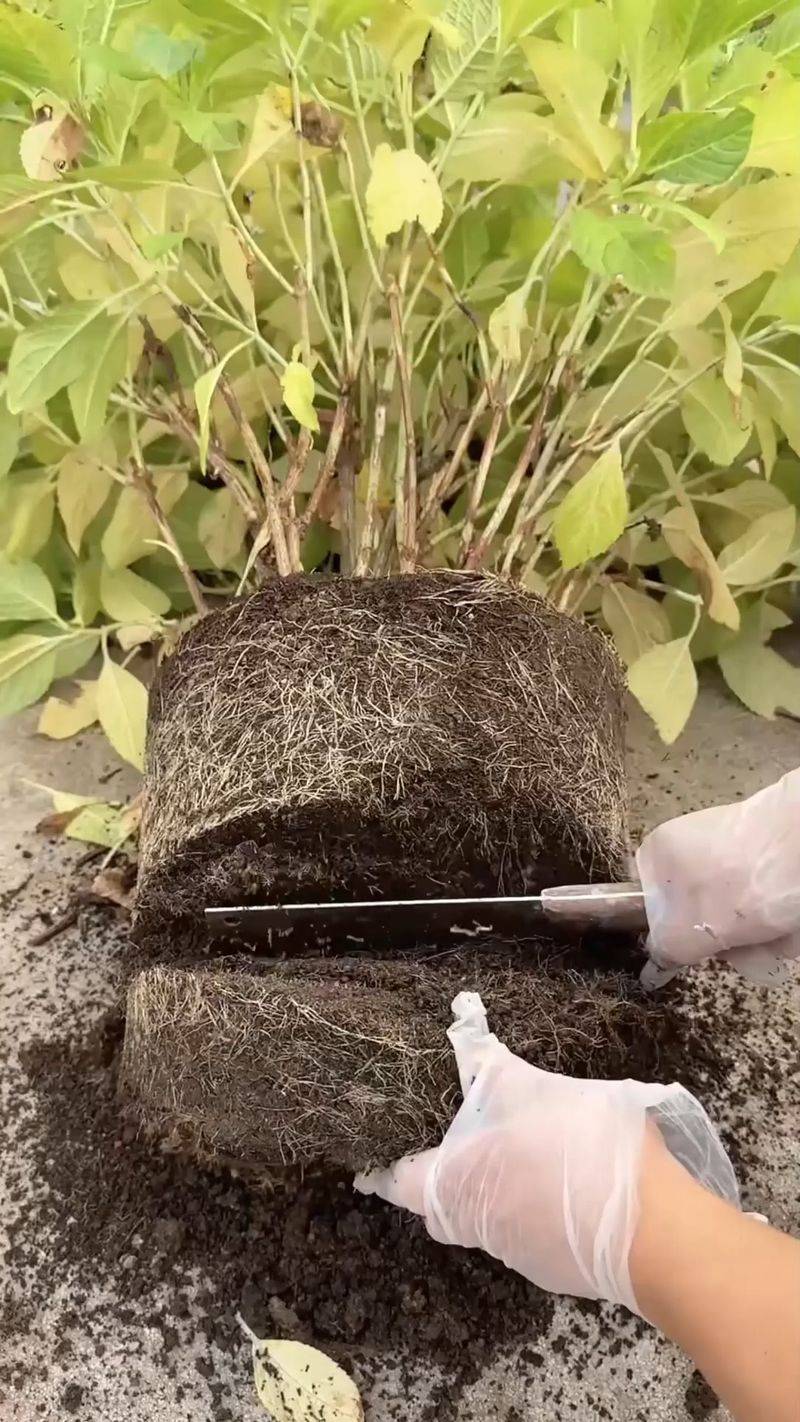
Hydrangeas grow bold, hungry root systems, and cramming them into a tiny pot is like asking someone to sleep in a shoebox. When roots run out of room, they circle around themselves and can’t grab enough water or nutrients.
A root-bound plant wilts easily and never seems fully happy no matter how much you water it.
Give it an upgrade by moving it into a container a few inches larger all around. Before you settle it in, gently loosen and massage those tangled roots so they can spread out.
Fill in with fresh potting soil, and your hydrangea will breathe a sigh of relief.
6. Transplant Shock
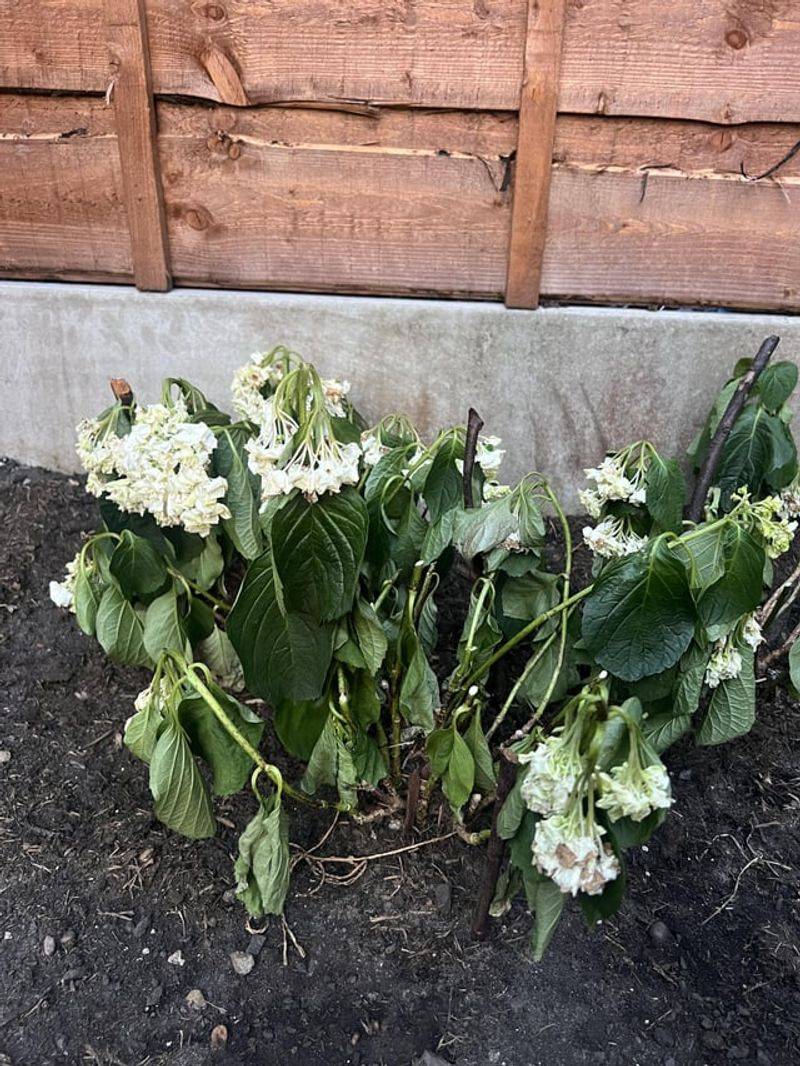
Just moved or repotted your hydrangea? A little drama afterward is completely expected.
When a plant lands in a new home, its roots need time to settle in, and during that adjustment it may wilt while it figures things out.
The stress is temporary, but how you handle the first couple of weeks makes all the difference.
Keep the soil steadily moist, never soggy, to help those roots recover. Park the pot in afternoon shade so the plant isn’t fighting heat while it heals.
Hold off on fertilizer until it’s clearly settled, and water slowly and deeply so the moisture reaches down where the roots need it.
7. Damaged Roots
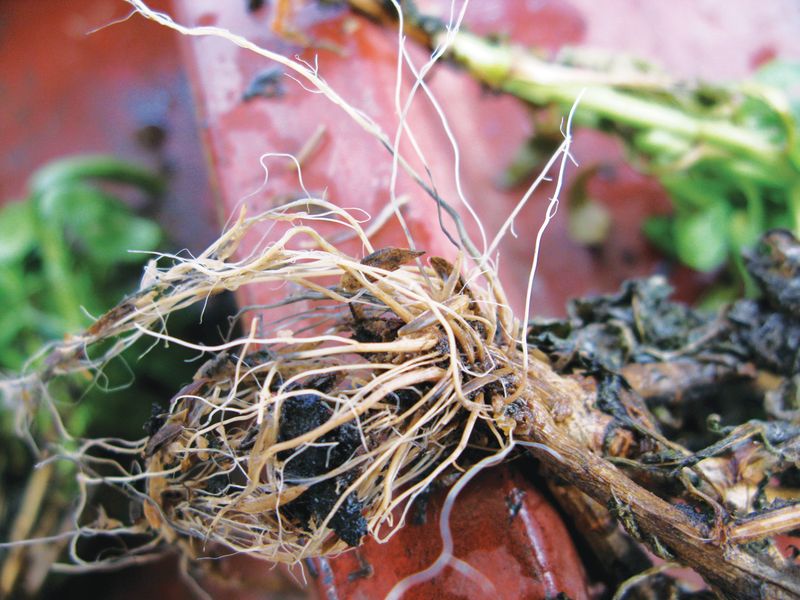
Roots are the plant’s lifeline, and when they’re hurt, the whole hydrangea suffers. Damage can come from tiny pests like nematodes, from planting too deep or too shallow, from packed-down soil, or from rot in constantly wet conditions.
Once the roots can’t absorb water properly, wilting follows no matter how carefully you water.
Loosen compacted soil and make sure water drains well instead of pooling. If you suspect rot, lift the plant and snip away the dark, damaged roots the same way you would for overwatering.
When nematodes are the culprit, keep the soil from staying too wet and wipe down your pruning tools so you don’t spread trouble around.
8. Incorrect Fertilization
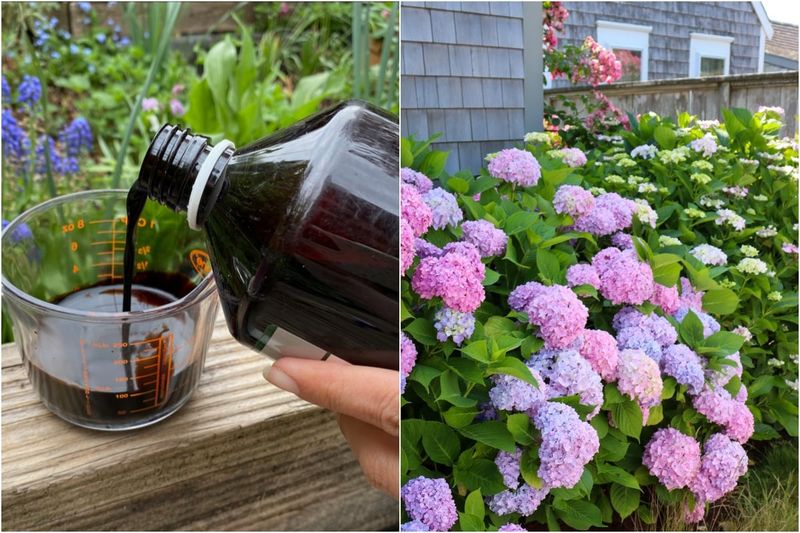
Feeding your hydrangea sounds helpful, but pouring on too much fertilizer can backfire. Loads of nitrogen push out leafy growth while leaving the roots weak and underdeveloped, which makes the whole plant flimsy and quick to wilt under stress.
On the flip side, a starved plant lacking nutrients turns pale and weak too.
Reach for a balanced, slow-release fertilizer made for flowering shrubs and apply it in spring. A quick soil test can tell you what your plant actually needs before you feed it.
Skip the high-nitrogen products, and never fertilize a plant that’s already suffering from heat stress, since that only piles on the pressure.
9. Poor Soil Quality
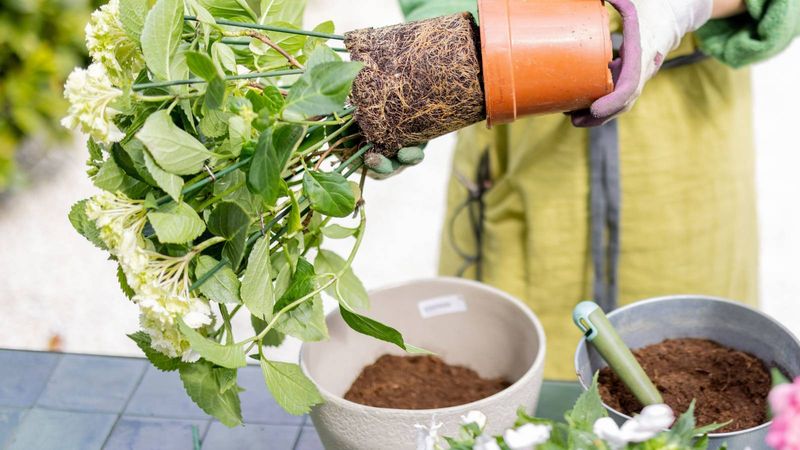
The dirt in your pot matters more than you might think. Heavy clay-like soil clings to water and drowns the roots, while overly sandy soil lets water rush straight through, leaving the plant thirsty within hours.
Soil that’s low on nutrients simply can’t support a lush, thriving hydrangea.
Mix in plenty of organic matter like compost to strike the right balance, holding just enough moisture while still draining freely. A good potting blend that’s rich and crumbly gives roots the cozy, breathable home they crave.
Get the soil right, and half your wilting worries disappear.
10. No Drainage Holes in the Pot
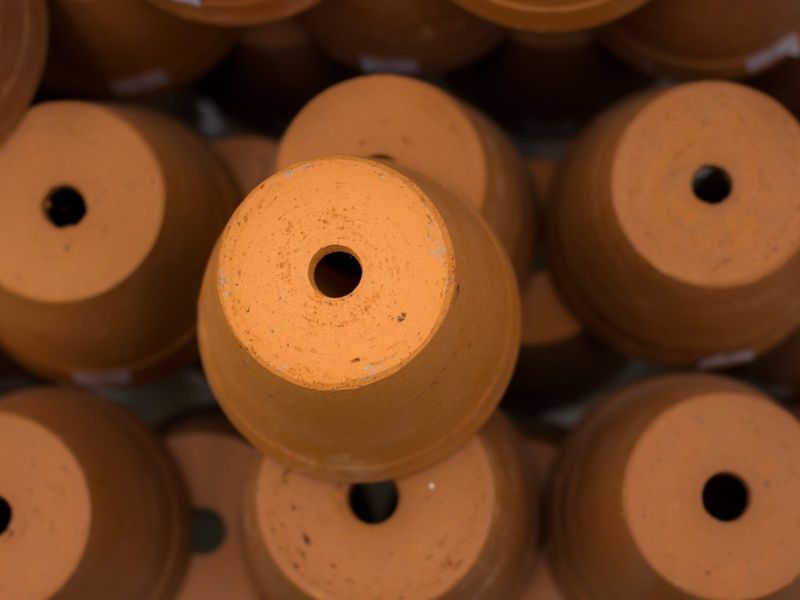
That gorgeous decorative pot with no hole in the bottom might be secretly drowning your hydrangea. Without an escape route, water pools at the base and creates a soggy swamp where roots suffocate and rot.
It’s one of the most common mistakes, and it’s completely avoidable.
Always choose a pot with at least one drainage hole. If you’re set on using a container that doesn’t have one, grab a drill and add a few holes yourself, or simply repot the plant into something that drains properly.
Your hydrangea will thank you with firm, upright stems instead of a sad droop.
11. Pests Feeding on Your Plant
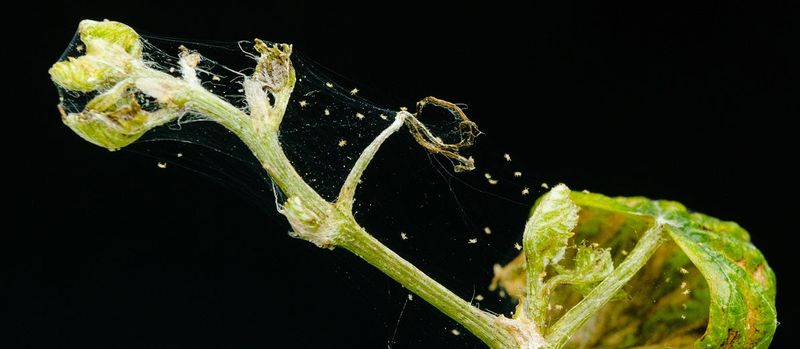
Tiny troublemakers can sap the life right out of your hydrangea. Aphids, spider mites, and nematodes feed on the plant’s sap or roots, slowly weakening it, draining its moisture, and leaving the leaves limp and wilted.
Spider mites are especially sly, hiding on the undersides of leaves and leaving behind fine webbing and a dusty film.
Make a habit of inspecting your plant closely, flipping over leaves to catch problems early. When you spot an infestation, treat it with insecticidal soap or neem oil, repeating as needed until the bugs clear out.
Catching pests early keeps a small problem from becoming a plant-wide disaster.
12. Fungal and Bacterial Diseases

Diseases can quietly undermine an otherwise healthy hydrangea. Fungal troubles like powdery mildew, leaf spot, and root rot, along with bacterial wilt, all interfere with the plant’s ability to move water where it needs to go, which leads to that familiar droop.
You might notice white powder, dark spots, or leaves that just won’t stay firm.
Snip off the infected leaves and boost air flow around the plant so moisture doesn’t linger and feed the fungus. If root rot is the issue, follow the overwatering steps to rescue the roots.
When shopping for new plants, look for disease-resistant varieties to save yourself future headaches.
13. Wind Exposure
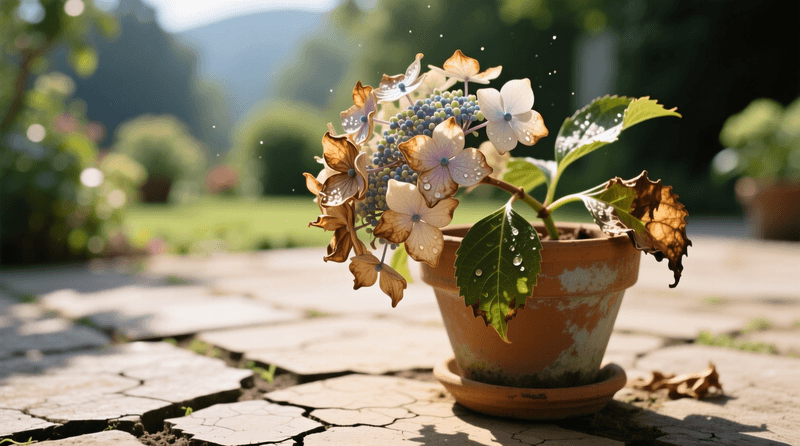
Wind might seem harmless, but it can quietly dry your hydrangea to a crisp. A steady breeze pulls moisture from the leaves faster than the roots can replace it, and before long you’ve got a wilting plant even though you watered it that morning.
Exposed balconies and open corners are especially rough on these moisture-loving shrubs.
Tuck your pot into a sheltered spot, maybe against a wall or beside taller plants that block the gusts. A simple barrier like a screen or trellis can cut hot, drying winds down to size.
Give your hydrangea a calm place to grow, and its leaves will hold onto the moisture they need.
14. Too Much Shade (Not Enough Light)
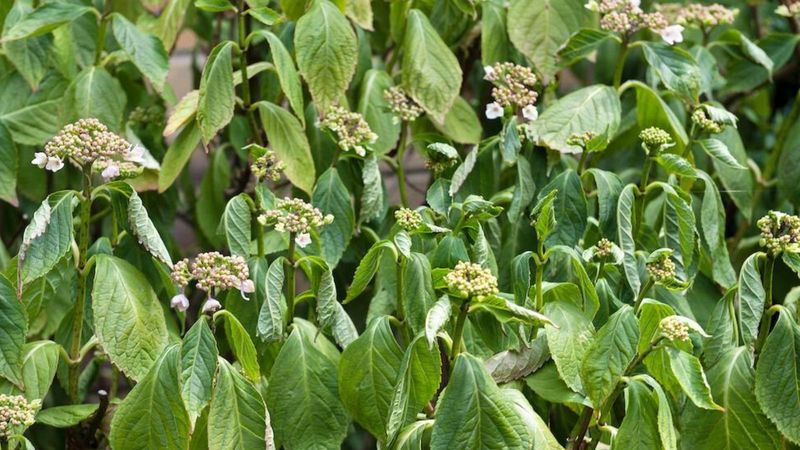
While hydrangeas do enjoy some shade, hiding them away in a dark corner backfires. Starved of light, the foliage turns weak, thin, and pale, and the whole plant struggles to build the strength it needs to stand tall.
Wilting usually points to too much sun, but constant deep shade quietly weakens the plant in its own way.
Aim for at least 4 to 6 hours of gentle morning sun, or plenty of bright, indirect light throughout the day. Bigleaf hydrangeas especially appreciate this balance.
Just don’t leave your plant sulking in permanent gloom, because a little sunshine goes a long way toward keeping it robust.
15. Pot Color and Material
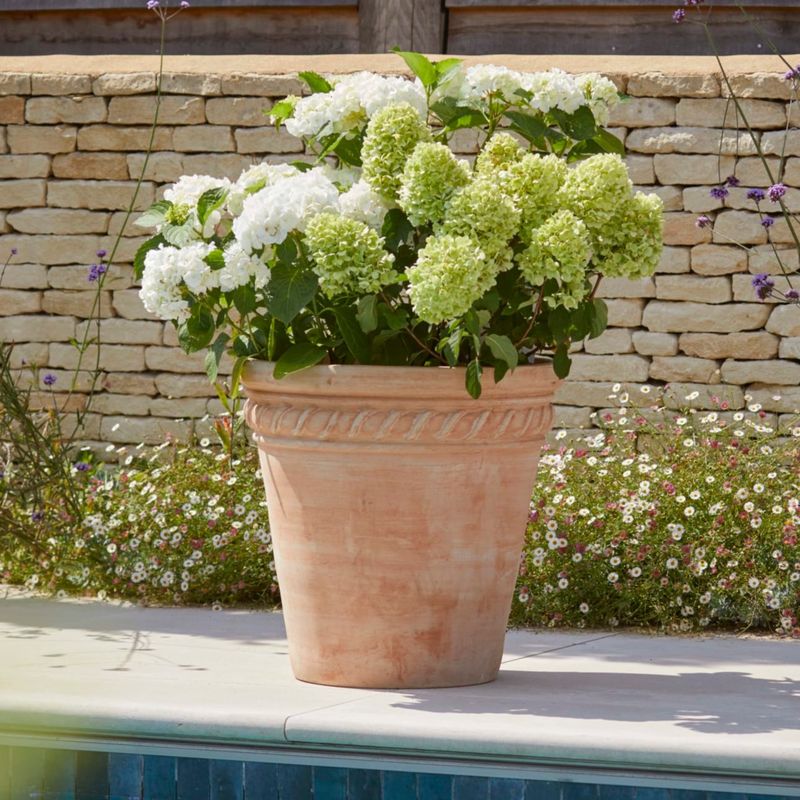
Believe it or not, the pot itself can cook your hydrangea’s roots. Dark containers soak up heat like a sponge, and on a hot day the soil inside can get uncomfortably warm, drying out fast and stressing the roots.
A black plastic pot in full sun is basically a little oven for your plant.
Switch to a larger, light-colored container made of terracotta, glazed ceramic, or breathable fabric, since these stay noticeably cooler. Bigger pots hold more soil and resist temperature swings.
Raising the pot off a hot surface with feet or a stand also helps insulate the roots from scorching pavement.