
If Your Roses Push Leaves But Stop Blooming In The Heat, Here Are 14 Fixes That Bring The Flowers Back
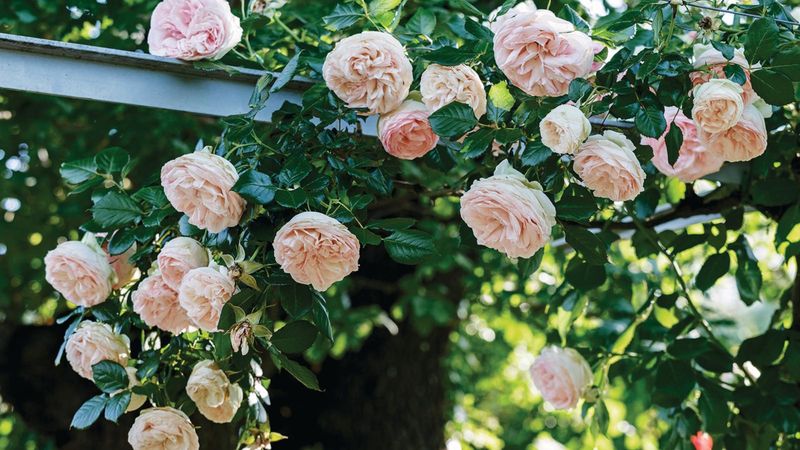
You water your roses, they grow lush green leaves, but the flowers just stop showing up once summer heat rolls in. That is frustrating, and it usually means your plant is stressed, not dying.
Roses often skip blooming in the heat to save energy for survival. The good news is that a handful of simple changes can coax those blooms right back.
1. Water Deeply And Consistently Early In The Morning
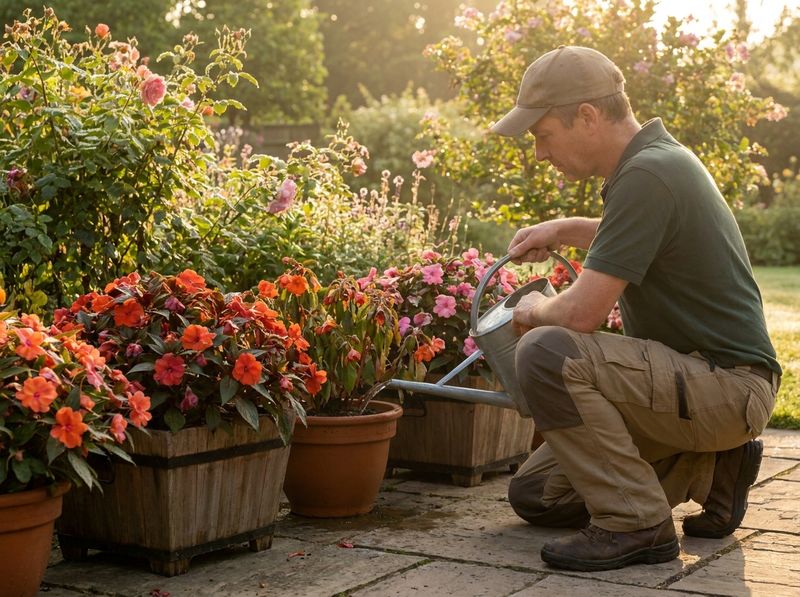
Roses drink hard when the temperature climbs, and a shallow splash simply does not reach the thirsty roots below. Watering early, before the sun gets brutal, gives your plant a full tank to work with through the hottest hours.
Aim the water low, at the soil, and let it soak deep instead of just wetting the top inch. Morning watering also lets any stray droplets dry off fast, so leaves are not sitting damp overnight.
Get this rhythm right and a rose that was only pushing leaves often finds the energy to set buds again.
2. Check Soil Moisture Daily Or Regularly
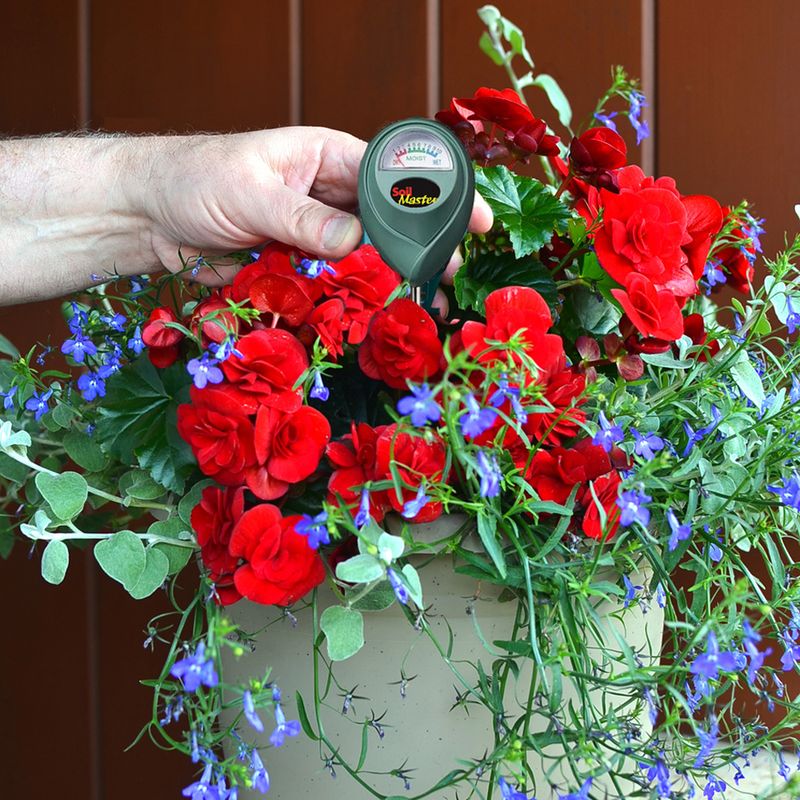
A calendar-based watering plan falls apart fast during a heatwave, because the ground dries out at a wildly different pace from one day to the next. Your fingers are the best tool you own here.
Push a finger two or three inches into the soil near your rose. If it comes out dry, water; if it still feels cool and damp, wait a day.
Checking daily keeps you from both drowning the roots and letting them bake, and roses reward that steady moisture with fresh flowers.
3. Water At The Base Of The Plant, Avoiding Foliage
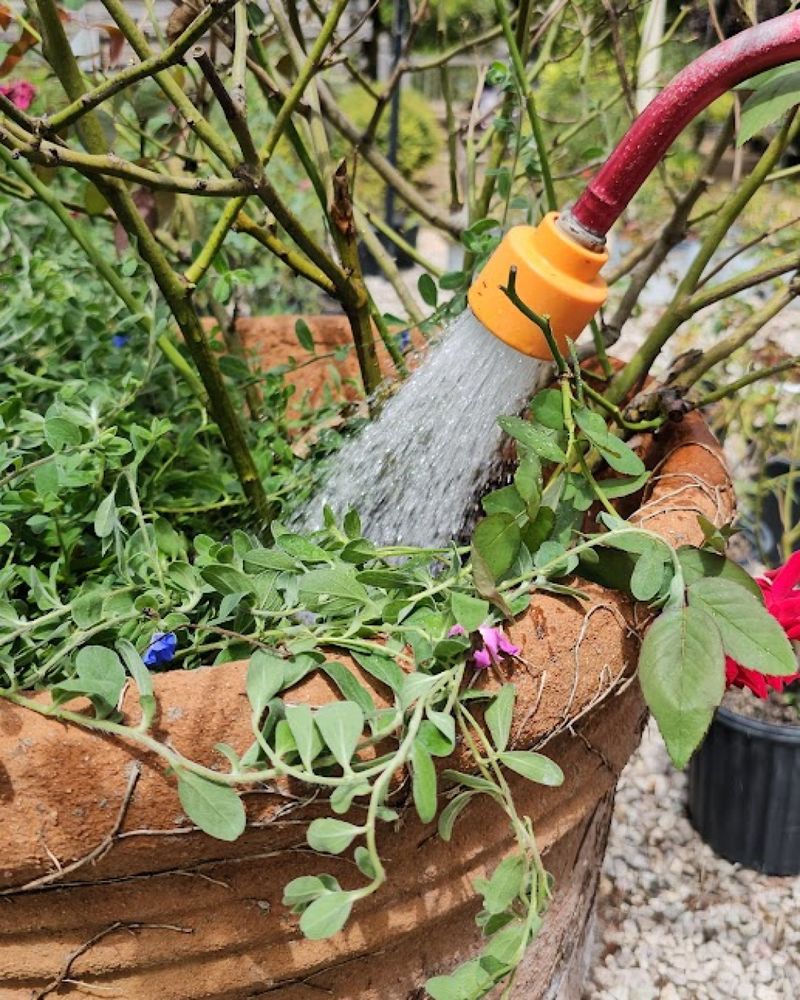
Splashing water across rose leaves in the heat is a quiet mistake many good gardeners make. Wet foliage under a blazing afternoon sun can scorch, and lingering moisture invites fungal trouble like black spot.
Send the water straight to the root zone instead, using a gentle hose stream, a soaker hose, or drip irrigation. The roots grab it efficiently, and the leaves stay dry and healthy.
Cleaner leaves mean less disease pressure, and a plant that is not fighting infection has more to spend on blooming.
4. Ensure Good Drainage To Prevent Soggy Soil

Here is the tricky part: roses need lots of water in summer, but they hate sitting in it. Waterlogged soil chokes the roots of oxygen and opens the door to root rot, which can shut down blooming entirely.
If puddles linger long after you water, your soil likely needs help. Mix in compost or coarse organic matter to loosen heavy clay, or consider a raised bed for stubborn spots.
Roots that can breathe while staying hydrated are the foundation for a rose that keeps flowering all season.
5. Apply 2 To 4 Inches Of Organic Mulch
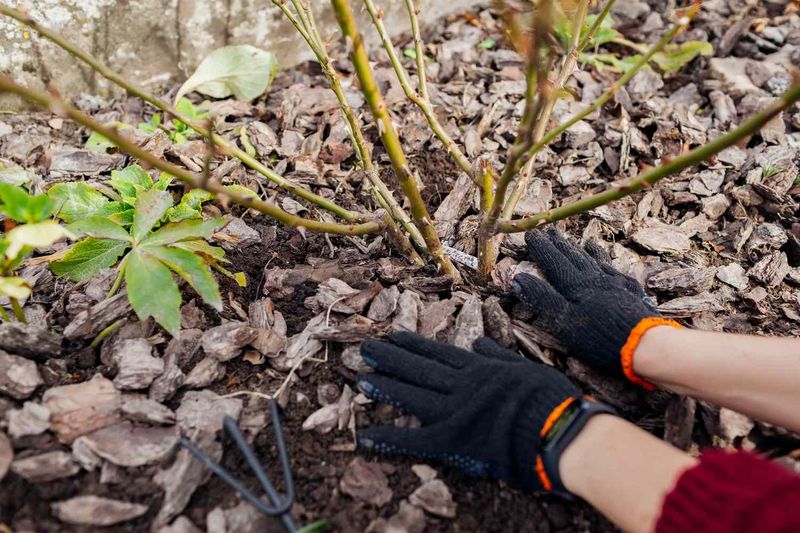
Think of mulch as a cool blanket for your rose’s roots during a heatwave. A two to four inch layer of compost, bark chips, straw, or shredded leaves locks moisture in and keeps the soil temperature from spiking.
Spread it around the plant but leave a little breathing gap around the base of the canes, since piling mulch against the stems can cause rot.
Cooler, damper roots stay far less stressed, and a relaxed rose is much more willing to put out flowers.
6. Avoid Inorganic Mulches Like Rocks Or Gravel

Rocks and gravel look tidy, but around roses in summer they work against you. Stone soaks up the sun’s heat all day and radiates it right back into the soil, essentially cooking the root zone.
That extra warmth adds to the very heat stress that stopped your blooms in the first place. Skip the decorative stone near your roses and stick with organic materials that cool rather than roast.
Swapping gravel for bark or straw is a small change that takes real pressure off a struggling plant.
7. Provide Temporary Afternoon Shade For Roses
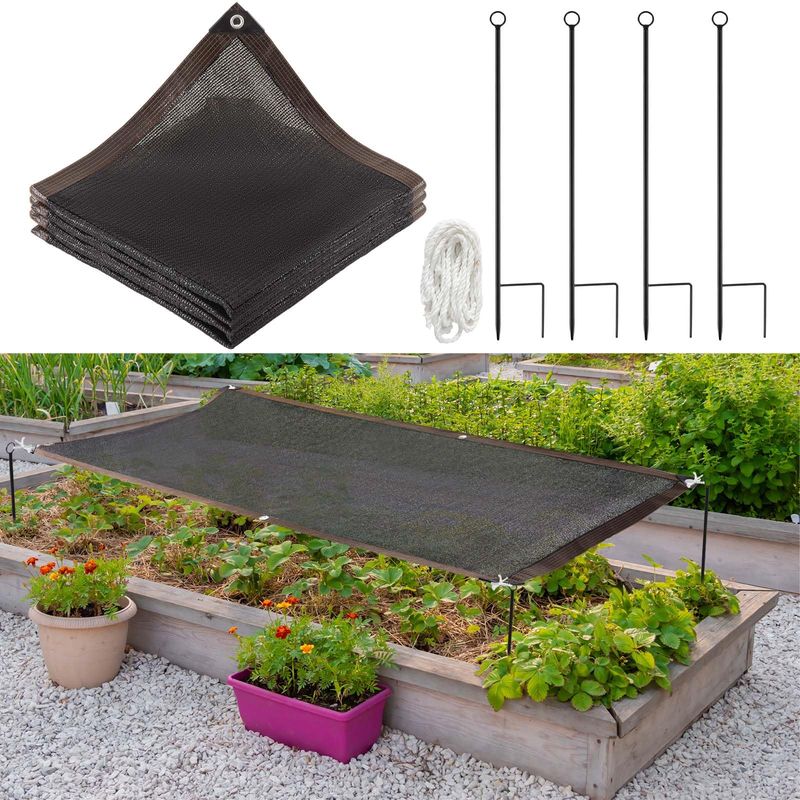
Even sun-loving roses can hit their limit when the thermometer climbs past 95 degrees. At that point, blistering afternoon rays do more harm than good and can trigger the plant to stop blooming.
Rig up a piece of shade cloth or even a patio umbrella to block the worst of the midday and afternoon sun. Position it so morning light still reaches the leaves, since roses still need those gentler rays to fuel flowers.
A few hours of relief during a brutal spell can be the difference between a bare bush and one setting fresh buds.
8. Move Potted Roses To Shadier Locations During Peak Heat
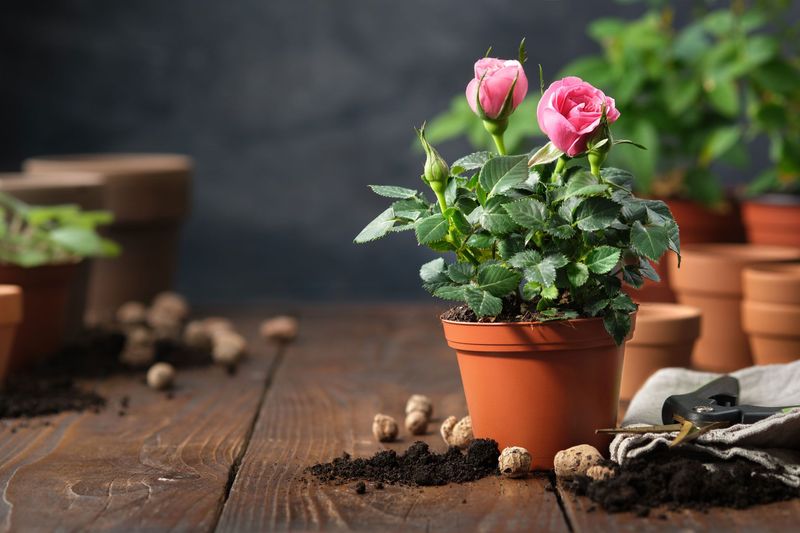
Container roses live life on hard mode when it gets hot. Pots heat up fast and dry out even faster than garden beds, so a potted rose can crash in an afternoon.
The great advantage of a pot, though, is that you can move it. Slide it to a spot with morning sun and afternoon shade, like an east-facing wall or the dappled cover under a large tree.
Giving your potted rose an escape from the harshest heat keeps its roots comfortable and its flowers coming.
9. Do Not Fertilize Heavily During Heatwaves
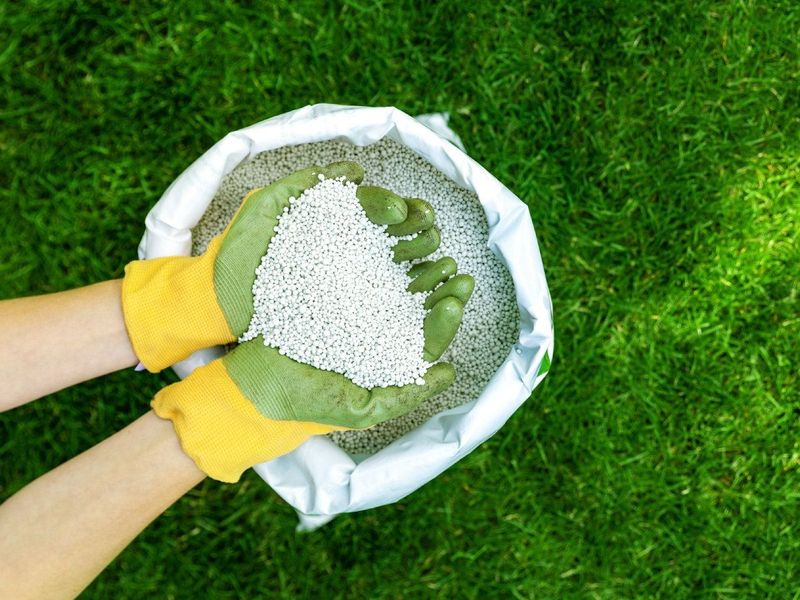
When your rose looks tired and bloomless, the instinct is to feed it, but heavy fertilizer during a heatwave can backfire badly. A stressed plant is already stretched thin, and forcing new growth only piles on more strain.
Concentrated salts in fertilizer can also burn roots that are struggling in dry, hot soil. During extreme heat, put your energy into steady moisture and shade instead of feeding.
Hold off on the heavy nutrients until things cool down, and your rose can recover without the added shock.
10. Feed Lightly With Phosphorus Or Potassium After The First Flush
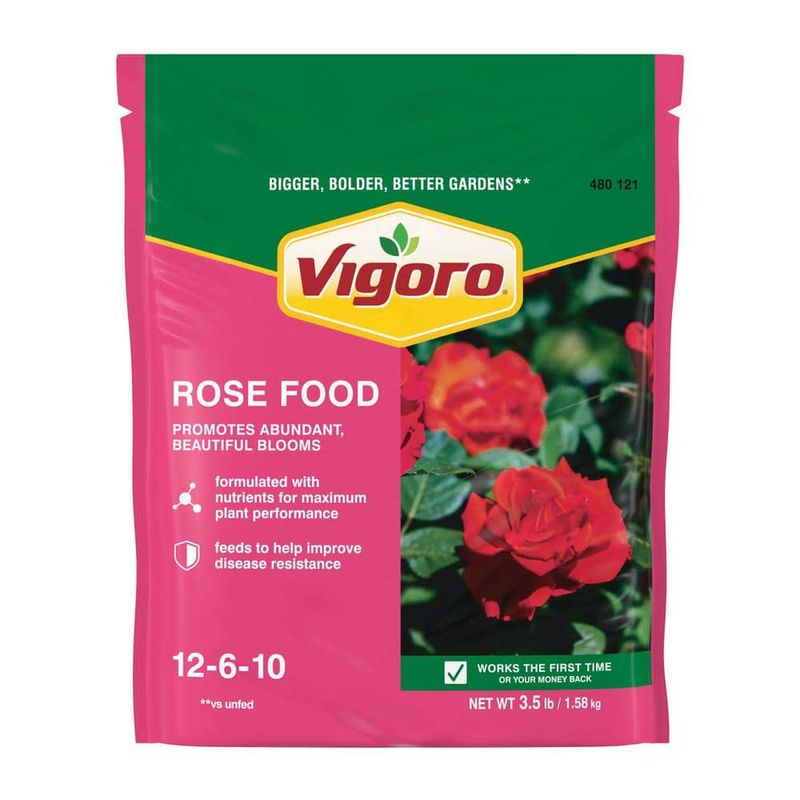
Once your roses finish their first big round of flowers and temperatures are reasonable, a gentle, targeted feeding can nudge repeat blooms along. Reach for a formula rich in phosphorus or potassium, the same kind of nutrients a tomato fertilizer offers.
Keep the dose light, and water thoroughly both before and after applying so you do not burn the roots. Steer clear of high-nitrogen blends during bloom season, since those push leaves at the expense of flowers, which is exactly the problem you are trying to fix.
Done right, this small boost tips the plant back toward making buds instead of just greenery.
11. Deadhead Spent Blooms Regularly

A faded rose flower is not just ugly, it is a signal. Left alone, the plant starts making seed-filled hips, and once it thinks its job of reproducing is done, it eases off on new blooms.
Snip those spent flowers away and you flip that switch back on. Cut the stem down to just above a healthy, outward-facing bud or a set of five to seven leaves.
Regular deadheading redirects the plant’s energy straight into fresh flowers, and it is honestly one of the most satisfying five-minute jobs in the garden.
12. Lightly Prune To Remove Dead, Damaged, Or Diseased Wood
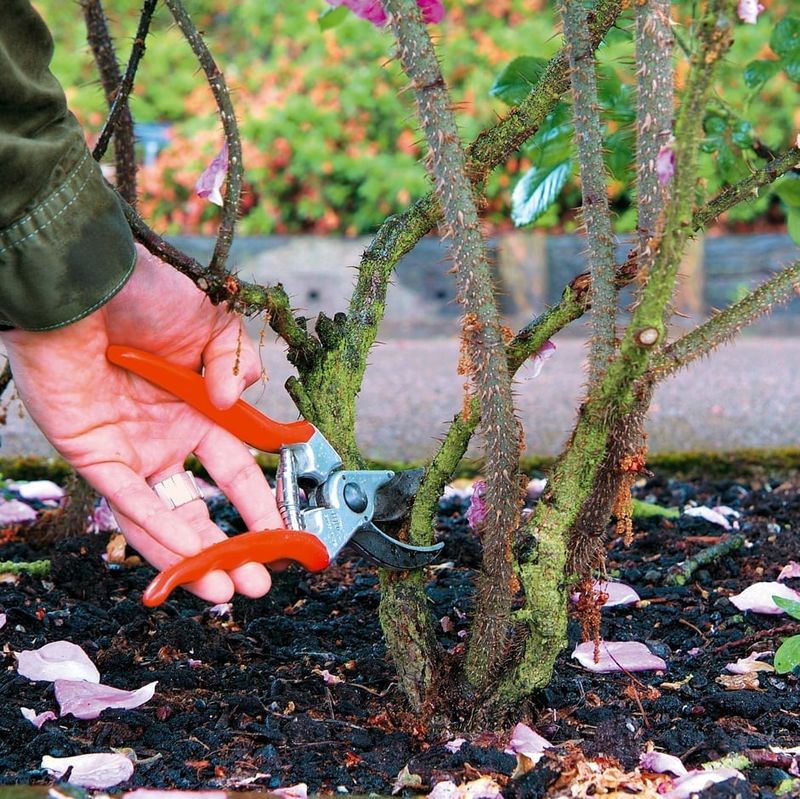
Dead and damaged canes are dead weight, quietly draining resources your rose could be spending on blooms. Clipping out brown, brittle, or diseased wood clears the way for vigorous new growth.
Keep it light during hot weather, though. A hard, aggressive prune in the heat can shock an already stressed plant, so just tidy up the obvious problem canes and leave the rest.
A cleaner, healthier framework helps the whole bush bounce back and get on with flowering.
13. Promote Good Air Circulation Through Spacing And Selective Pruning
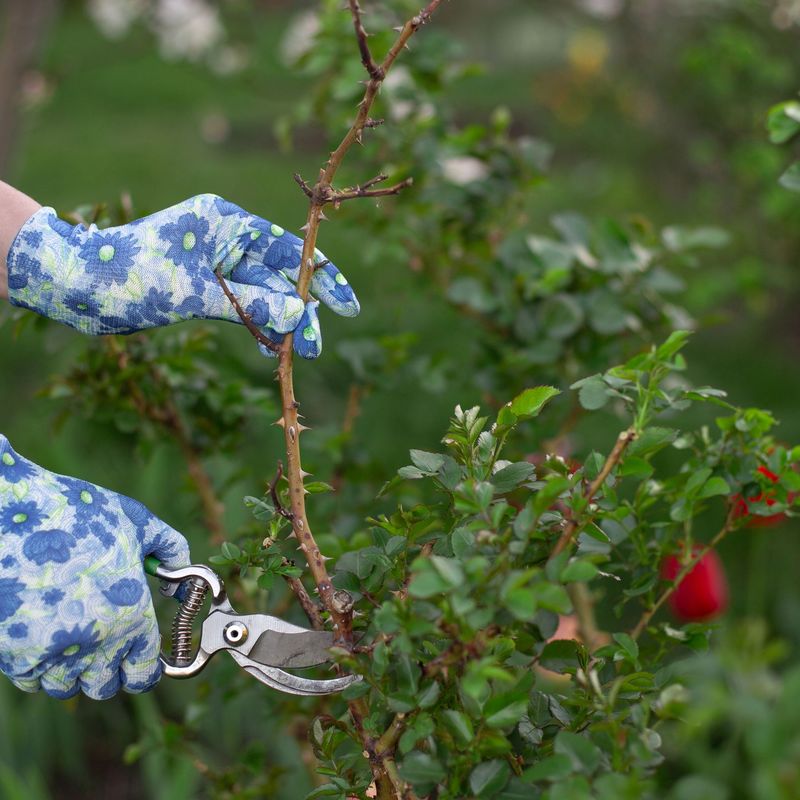
Crowded, tangled canes trap warm, humid air right where fungal diseases love to settle in. Opening up the center of the plant lets breezes move through and dries the foliage faster after rain or dew.
Thin out a few of the most congested inner canes, and if you are planting new roses, give them enough elbow room from the start. Better airflow means fewer disease headaches like black spot and mildew.
When a rose is not busy battling fungus, it has plenty left over to spend on blooming.
14. Address Pest And Disease Issues Promptly
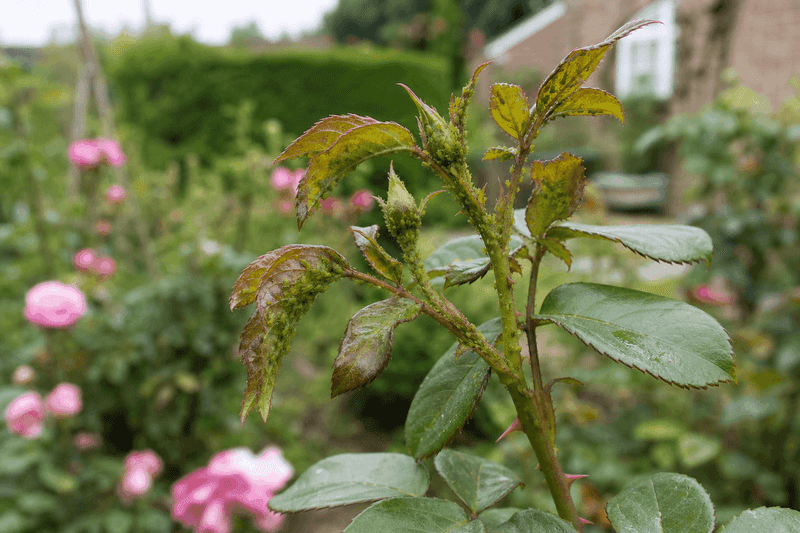
Hot, muggy weather is basically an open invitation for aphids, spider mites, and fungal diseases to move in. Every leaf they damage is one less that fuels flowers, and the stress adds up quickly.
Check your roses often, peeking under leaves and along new growth, and deal with trouble the moment you spot it. A blast of water can knock aphids off, and removing infected leaves may slow disease from spreading.
A healthy, pest-free rose is a resilient rose, and resilience is what puts flowers back on the bush when the heat finally breaks.