
If Your Snapdragons Fizzle Out By Midsummer, Here Are 17 Longer-Blooming Flowers To Grow In Their Place
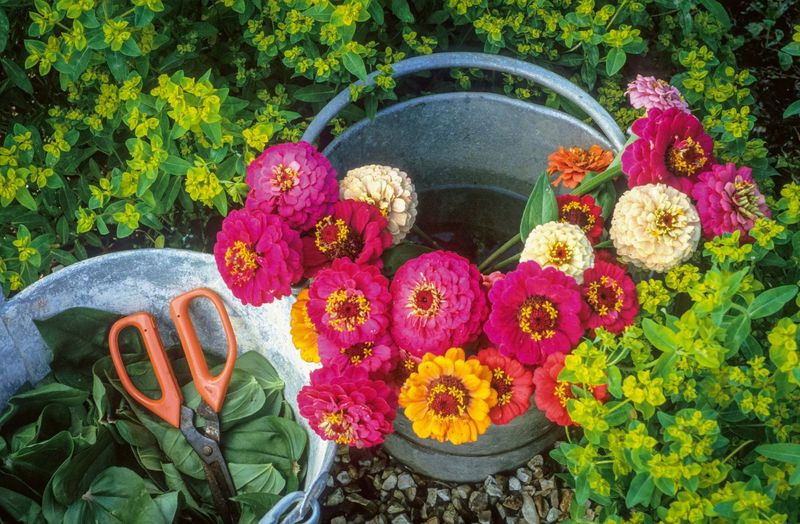
Snapdragons are lovely in spring, but once summer heat rolls in, they often stop blooming and look tired. If yours have quit on you by July, you did nothing wrong.
These 17 heat-tolerant flowers keep the color coming all season long, so you can fill that empty spot fast and enjoy blooms right up until frost.
1. Angelonia (Summer Snapdragon)
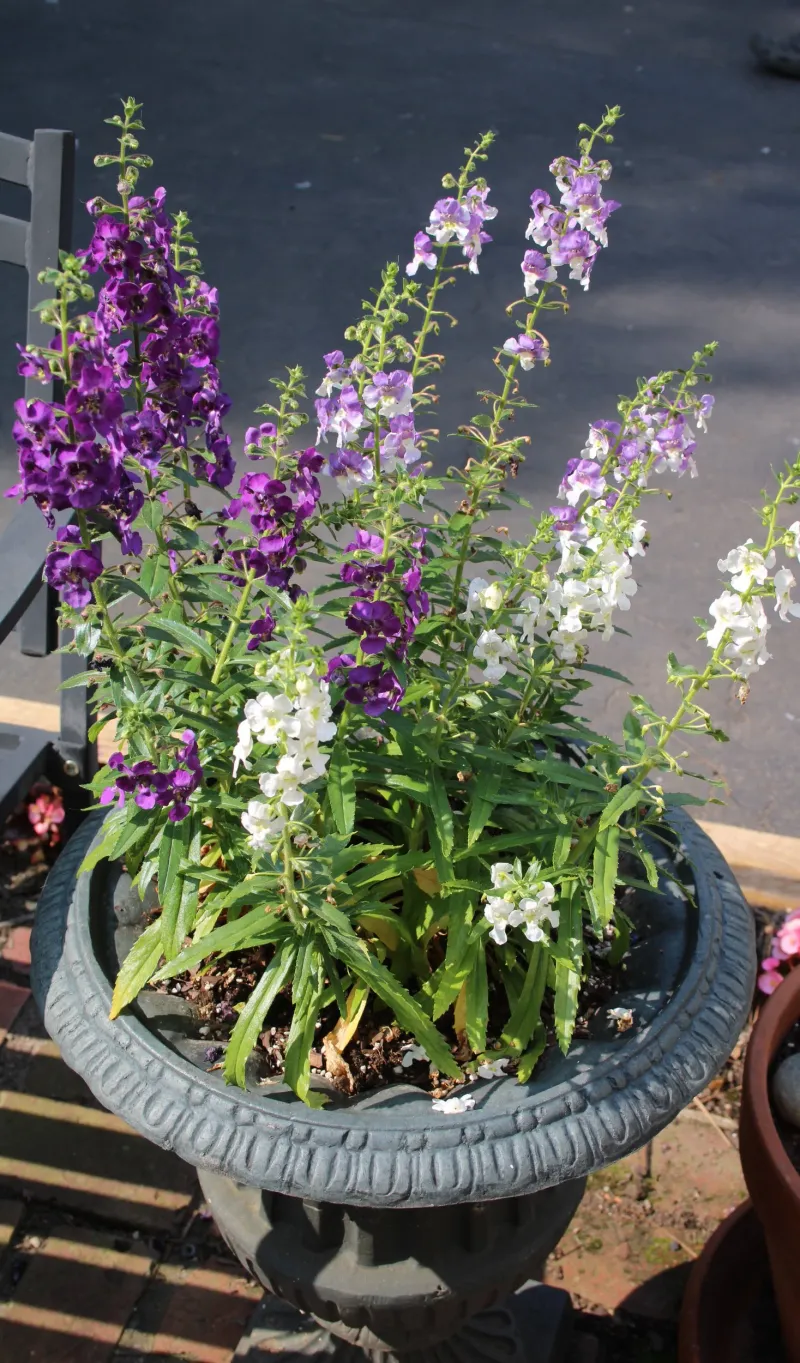
Here’s a swap that barely feels like one. Angelonia goes by the nickname “summer snapdragon” because its upright flower spikes look a lot like the real thing, only these ones love the heat that makes true snapdragons quit.
Plant it in full sun and it will bloom steadily from late spring all the way through fall. It asks for very little, shrugs off humidity, and deer tend to leave it alone.
If you loved the shape of your snapdragons, this is the closest match you can grow without the midsummer meltdown.
2. Lantana
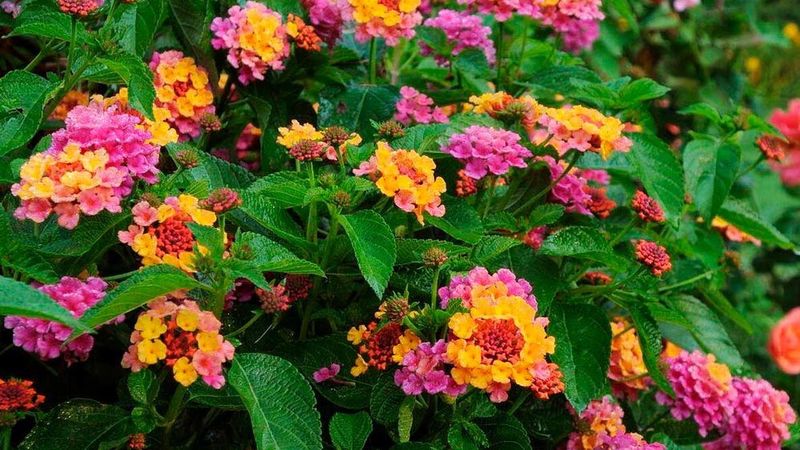
Tough as nails and covered in color, lantana practically thrives on neglect. It blooms from late spring until frost, and in frost-free areas it barely takes a break at all.
Hot, dry, sunny spots that fry other plants are exactly where lantana does its best work. Once it settles in, you can skip the fussing and just enjoy the show.
Butterflies adore the clustered blooms, which often shift colors as they age, giving each plant a two-tone look.
3. Portulaca (Moss Rose)
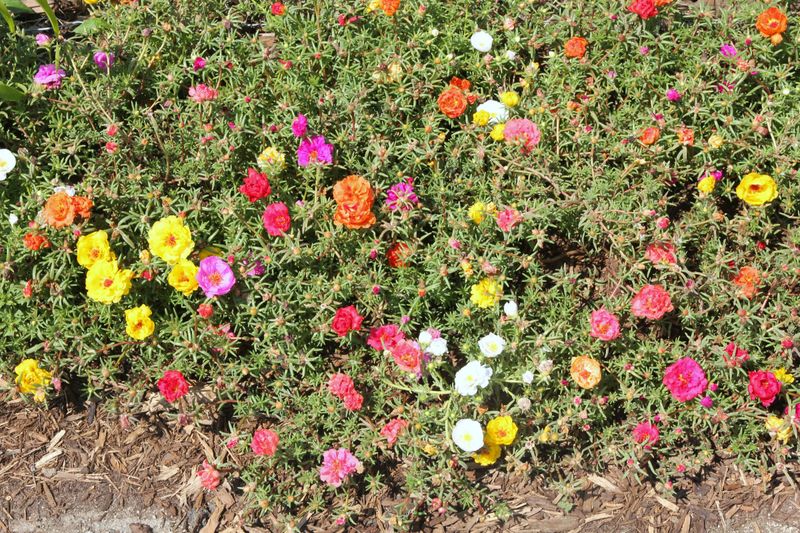
Got a spot that bakes and never seems to stay moist? Portulaca will move right in and bloom happily where most flowers give up.
A warm-season succulent, it flowers from summer until frost and handles heat, humidity, drought, and even poor soil without complaint. Its cheerful blooms close up at night and on cloudy days, then reopen when the sun returns.
Tuck it into beds, borders, or containers where you need low-maintenance color that won’t quit.
4. Zinnia
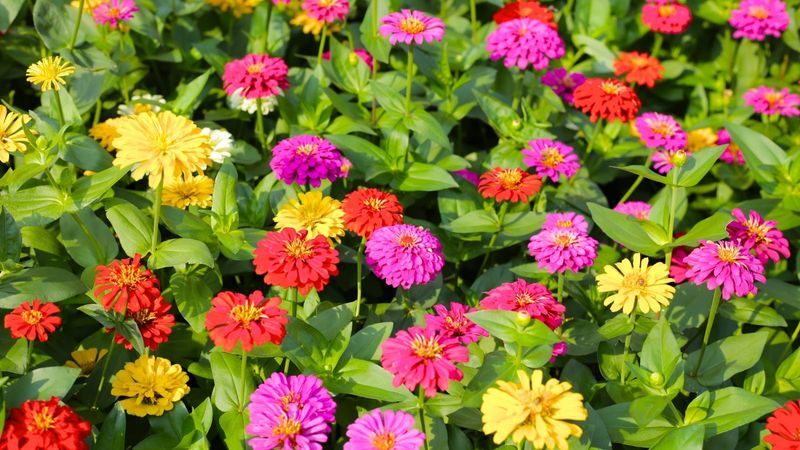
Few flowers give you more bang for so little effort than zinnias. Sow the seeds and in roughly 60 to 80 days you’ll have blooms, then they just keep coming from early summer to first frost.
They love full sun and warm weather, which means the same heat that ended your snapdragons only encourages them. The more you cut, the more they flower.
Fill a vase, feed the butterflies, and watch them bloom on repeat all season.
5. Verbena
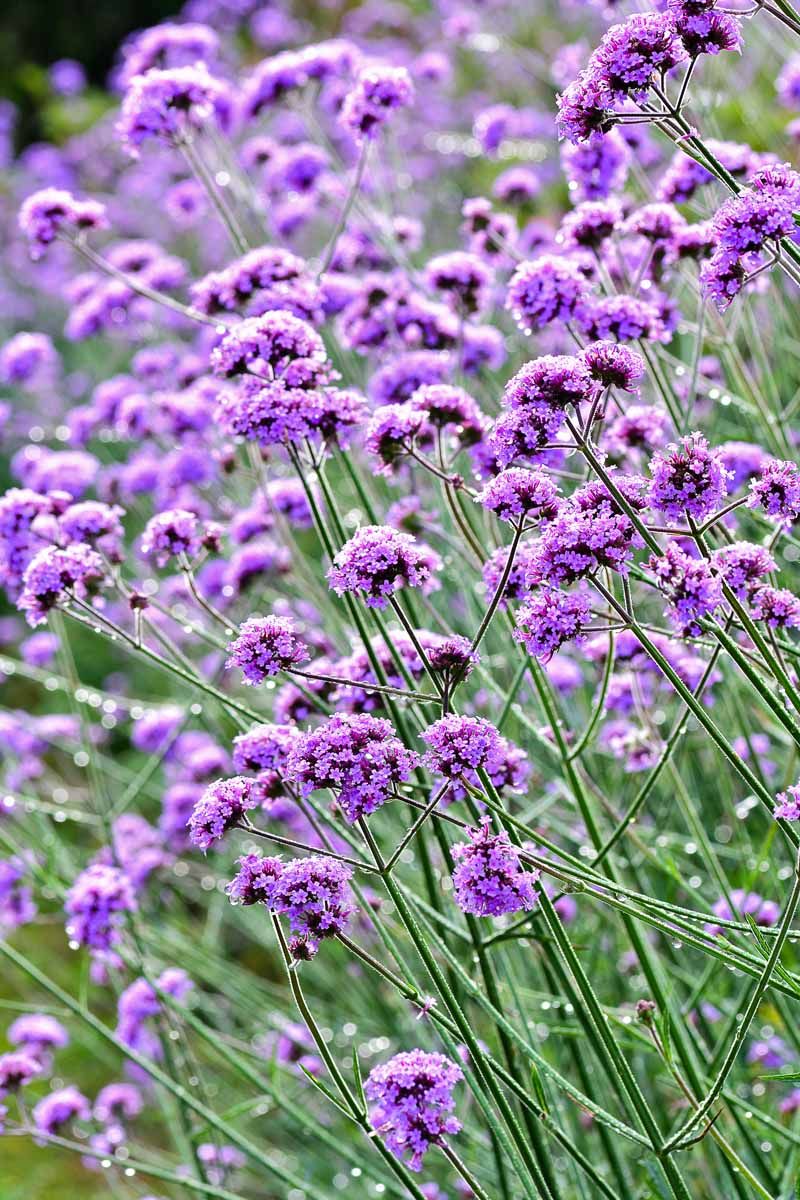
Verbena is the kind of plant that just keeps going without asking for much. Garden verbena, grown as an annual, can bloom from May right through October or the first hard frost.
It handles heat well and wants full sun with well-drained soil, spilling nicely over the edges of pots and beds. For a taller, airy look, Verbena bonariensis floats its purple clusters above the border from summer into fall.
Either way, you get months of color from a plant that rarely fusses.
6. Celosia
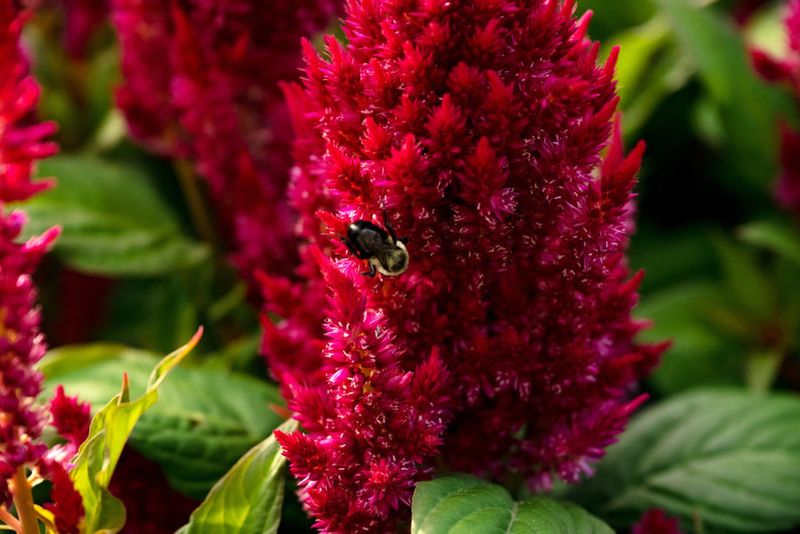
If you want something with real personality, celosia brings it. Some varieties look like feathery flames, others like fuzzy velvet, and they hold their bold color for weeks.
These heat-lovers bloom from early summer through the first hard frost, hitting their peak from mid-July into mid-September in most areas. They want consistent warmth and full sun, so summer suits them perfectly.
The textured blooms also dry beautifully if you want to keep the color indoors later on.
7. Marigolds
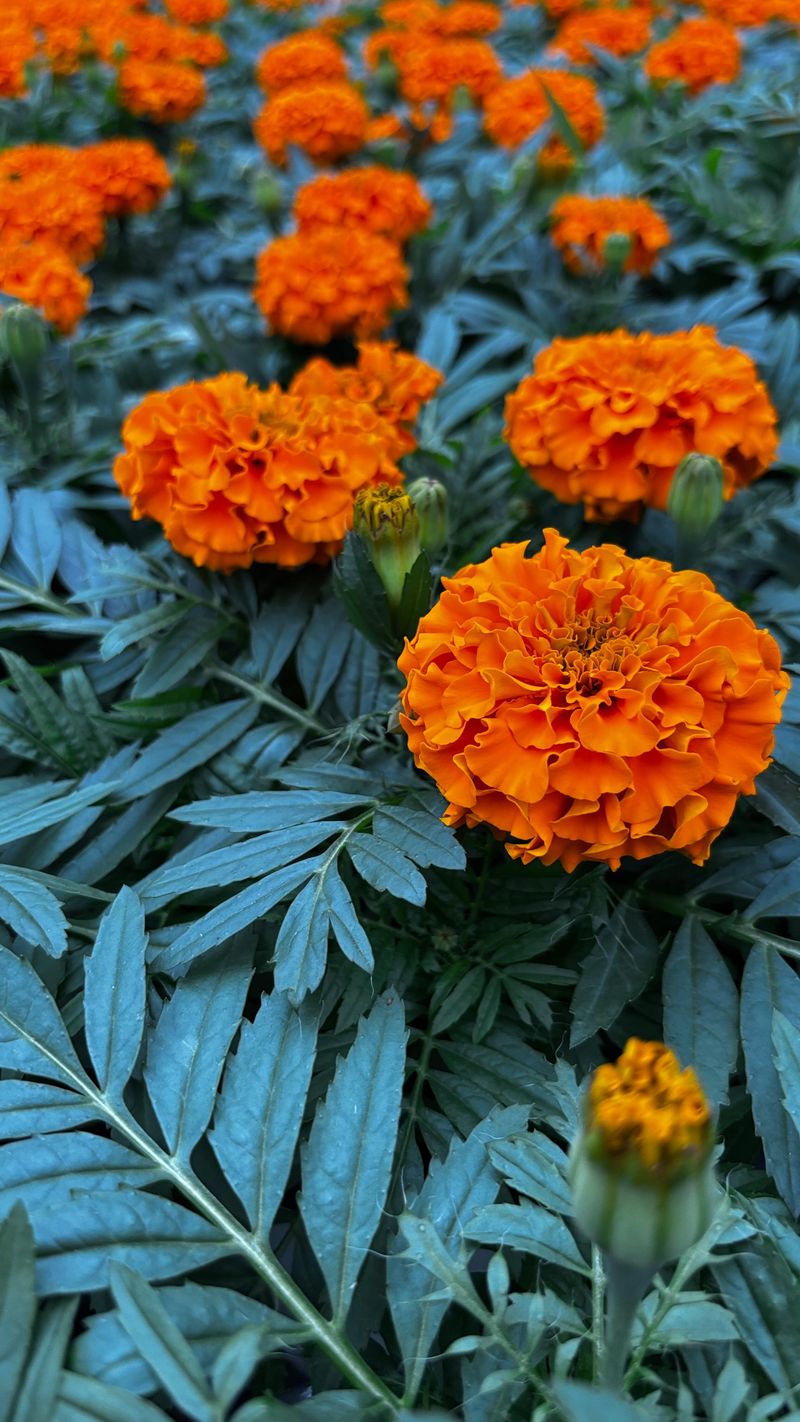
An old-fashioned favorite for good reason, marigolds are about as reliable as flowers come. They bloom nonstop from late spring or early summer until frost, and they’re often at their most gorgeous in August when other flowers look worn out.
Give them full sun and well-drained soil and they’ll reward you with steady color. Their warm golds and oranges brighten any bed or pot.
Gardeners have long tucked them near vegetables, believing their scent may help keep some pests at bay.
8. Cosmos
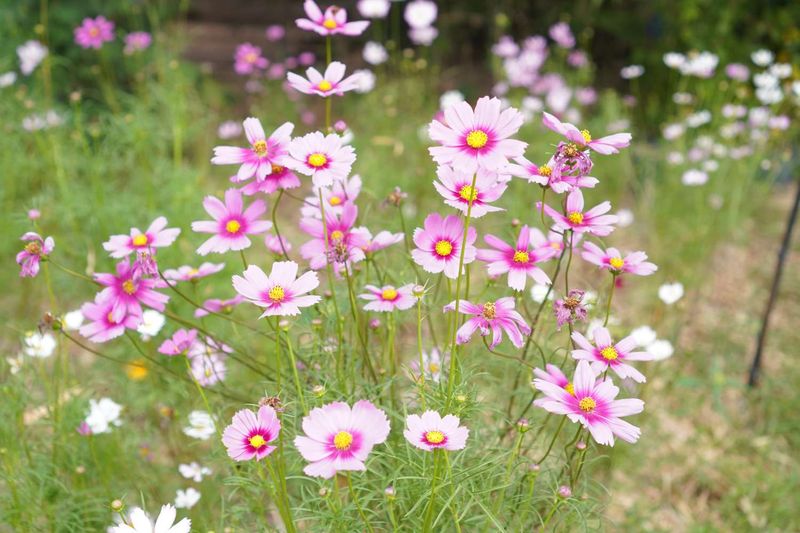
For an easygoing, cottage-garden feel, cosmos are hard to beat. Their daisy-like flowers dance above delicate, feathery leaves and keep coming from summer to fall or the first frost.
Sun-loving and forgiving, they don’t need rich soil or much attention to put on a long, generous display. In fact, leaner soil often produces more blooms.
Scatter some seeds where your snapdragons faded and you’ll have a soft cloud of color in no time.
9. Gaillardia (Blanket Flower)
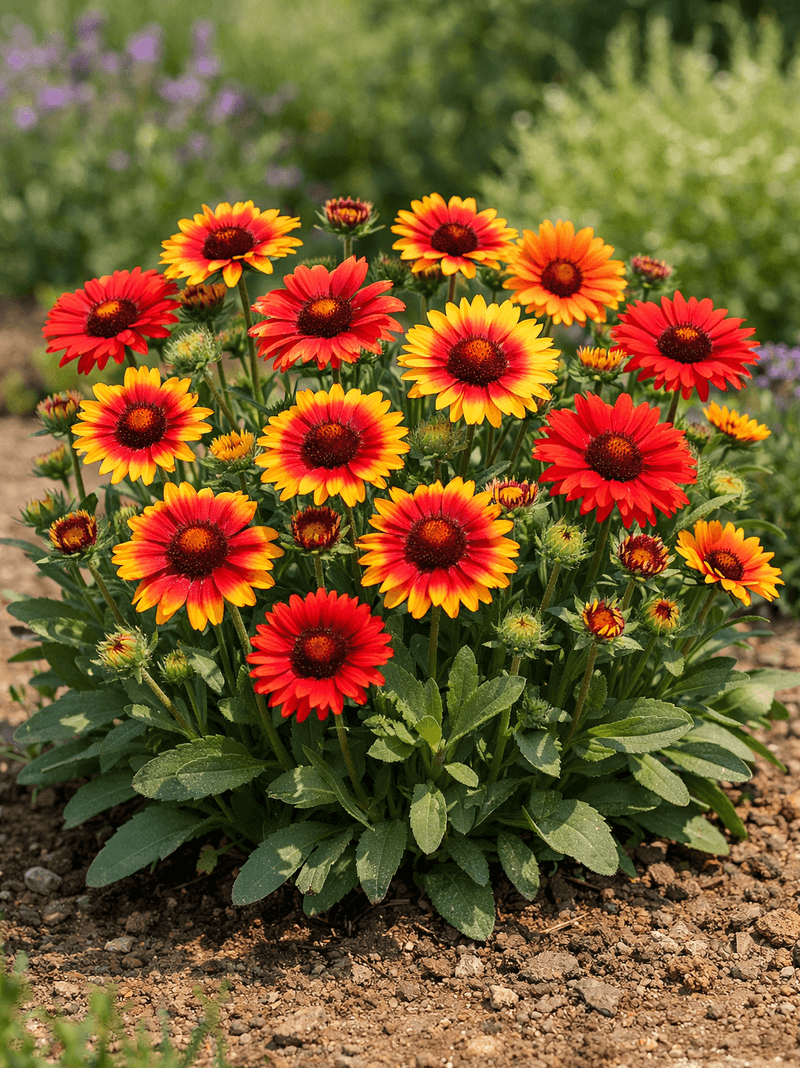
Native prairies gave us this rugged charmer, and it acts like it. Blanket flower blooms profusely from early summer to fall in fiery shades of red, orange, and gold.
As a drought-tolerant perennial, it needs little care once its roots settle in, making it a smart pick for hot, dry spots. It comes back year after year, which is a nice bonus over annuals.
Give it sun and good drainage and it will carry the color torch for months.
10. Echinacea (Coneflower)
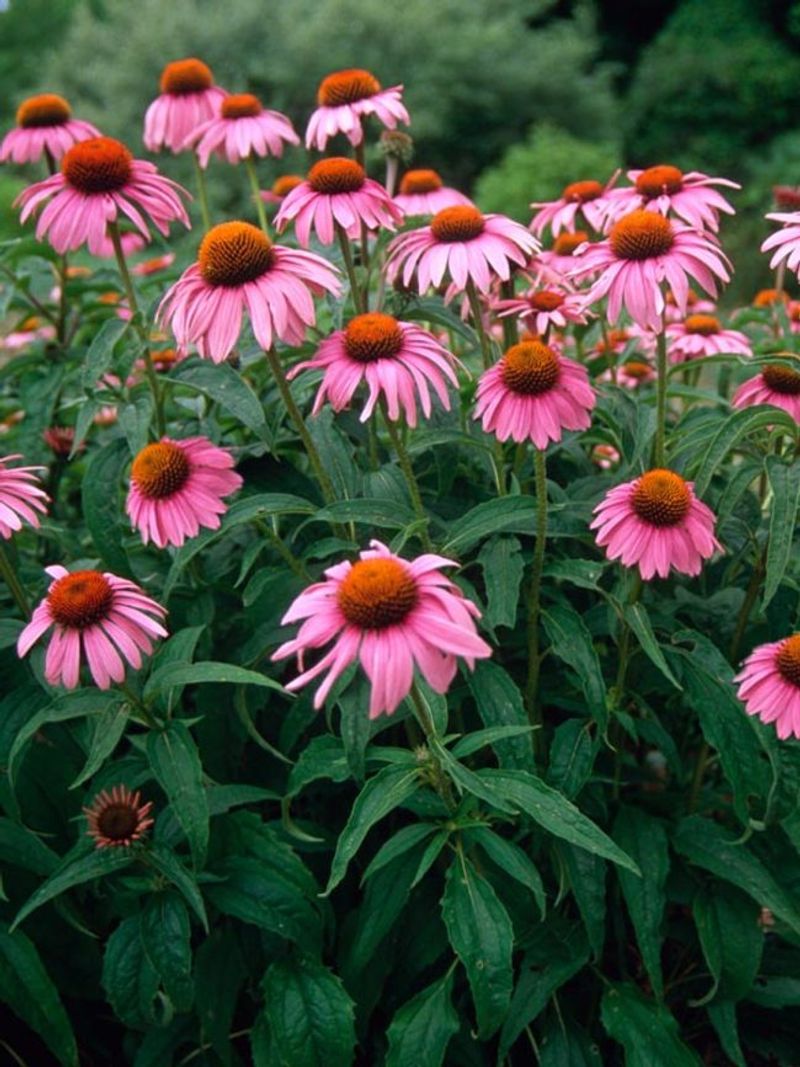
Coneflowers are the dependable workhorses of the summer perennial border. Hardy in zones 3 through 9, they bloom from midsummer and keep going sporadically until frost.
Once established, they shrug off drought, heat, and humidity like champs. Bees and butterflies flock to their raised centers, and the seed heads feed birds later in the season.
Plant them once and enjoy tough, colorful blooms that return every year with almost no effort on your part.
11. Salvia
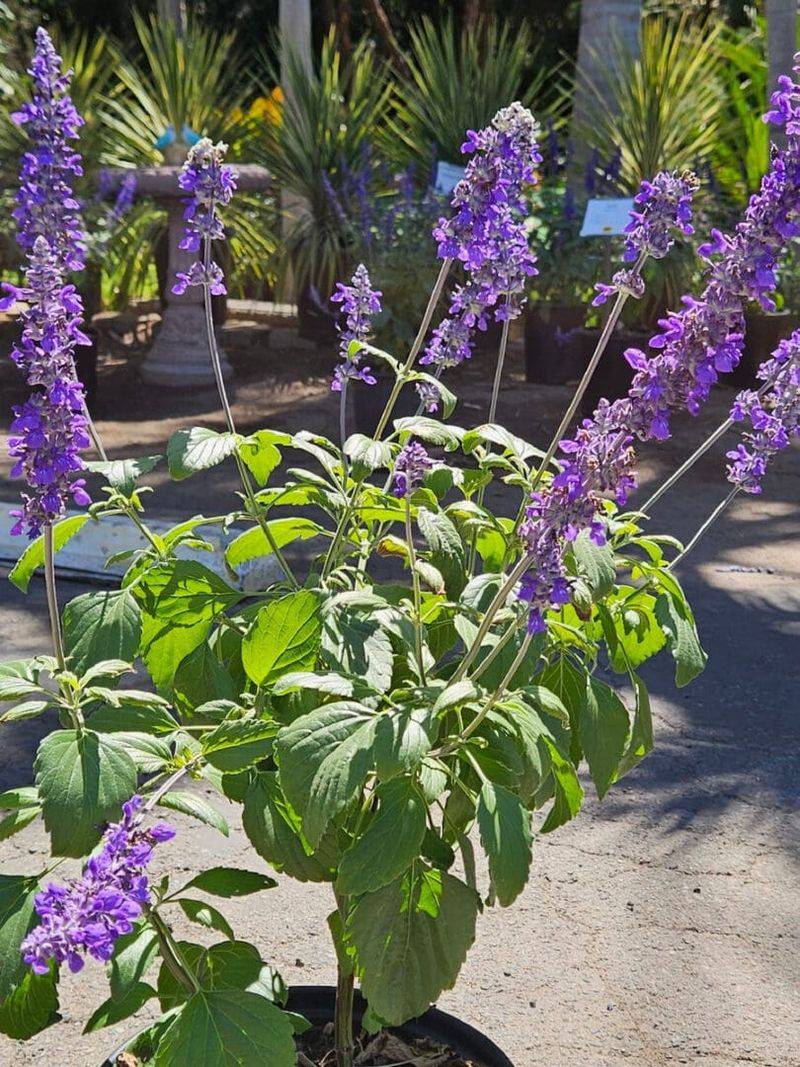
Spiky, colorful, and buzzing with visitors, salvia keeps the garden lively all season. Many varieties bloom from spring until frost, especially the ones bred for full sun and heat.
Their upright flower spikes come in rich purples, blues, reds, and pinks that hummingbirds simply can’t resist. Snip off spent stems and you’ll often coax even more flowers.
With annual and perennial types available, there’s a salvia to fit almost any sunny spot you need to fill.
12. Pentas (Egyptian Starcluster)
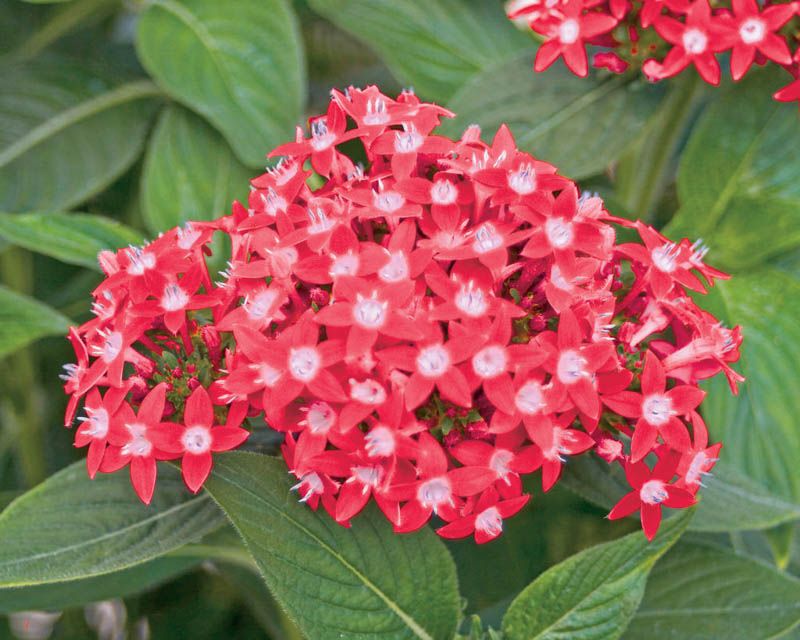
Look closely and you’ll see why pentas earned the name starcluster, each bloom is packed with tiny five-pointed stars. They flower almost nonstop from spring through fall, especially where summers run warm.
Heat is a friend, not an enemy, to these plants, so the season that ends snapdragons just keeps pentas going. Butterflies and hummingbirds treat them like a favorite diner.
Set them in a sunny bed or pot and enjoy a pollinator party from spring until the weather cools.
13. Gomphrena (Globe Amaranth)
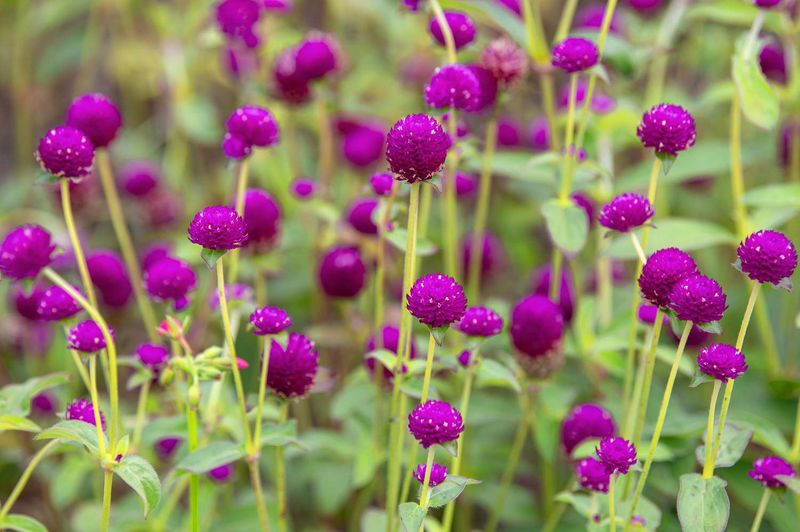
The little clover-like globes of gomphrena look almost too cheerful to be so tough. This annual pumps out its round, papery blooms from early summer until frost.
Extreme heat and drought barely faze it, so it holds up in the hottest, sunniest corners of your yard. The blooms sit on wiry stems and keep their color even after cutting.
Dry a bundle and you’ll have long-lasting color for arrangements well past the growing season.
14. Vinca (Catharanthus roseus)
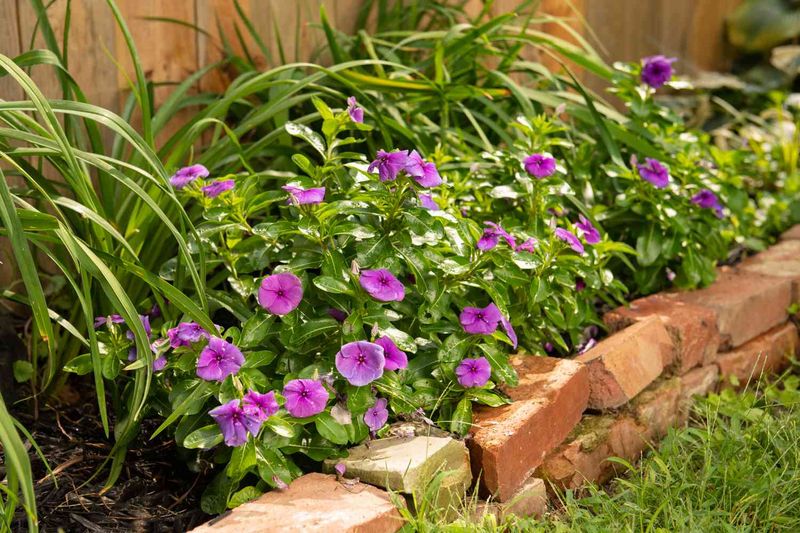
When the thermometer climbs and everything else wilts, annual vinca just keeps smiling. Also called Madagascar periwinkle, it produces glossy blooms in pinks, whites, and reds from spring until frost.
Heat and dry spells are no problem once it’s established, making it a lifesaver for tough sunny beds. Its neat, tidy habit needs almost no deadheading to stay looking sharp.
Don’t confuse it with the ground-cover vinca vine, this one is a heat-loving bedding star.
15. Scaevola (Fan Flower)
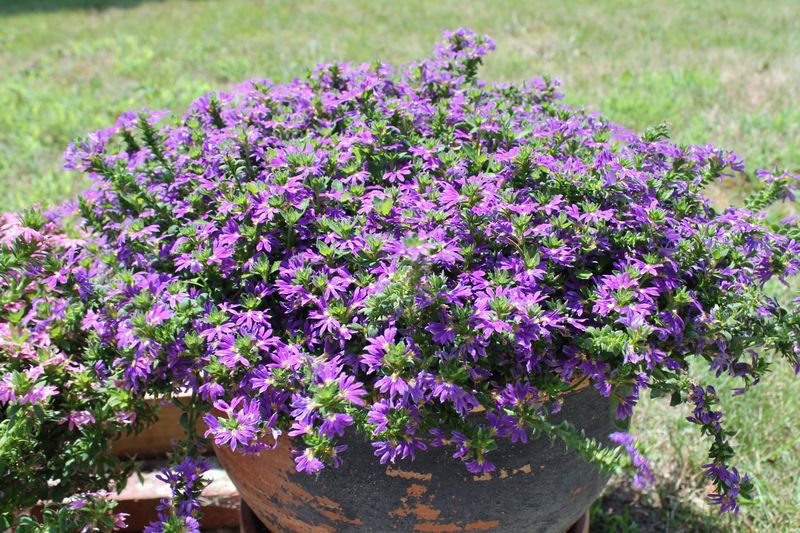
Straight from the Australian outback comes a flower built for tough conditions. Scaevola’s odd, fan-shaped blooms fan out like tiny hands and keep coming from late spring through fall.
It trails beautifully, making it a top choice for hanging baskets and as a spreading ground cover. Heat and drought hardly slow it down once it’s rooted in.
If you want a spiller for your containers that won’t sulk in July, this one delivers.
16. Calibrachoa (Million Bells)
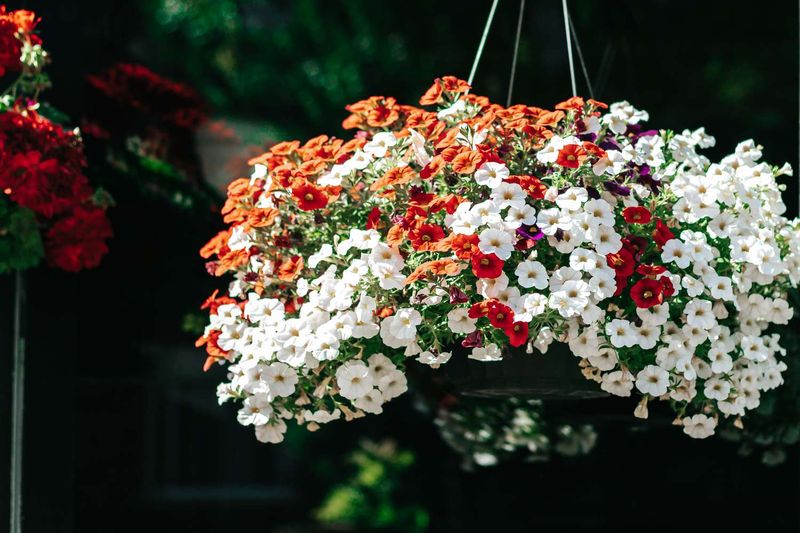
Think of calibrachoa as a petunia’s tidier, tougher cousin. These plants cover themselves in tiny, bell-shaped blooms that look like miniature petunias, and newer heat-tolerant types keep flowering from spring until frost.
They shine in containers and baskets, spilling over the edges in a waterfall of color. Give them steady moisture and regular feeding and they’ll reward you generously.
The best part is you never have to deadhead them, they clean up after themselves.
17. Cuphea (Mexican Heather/Firecracker Plant)
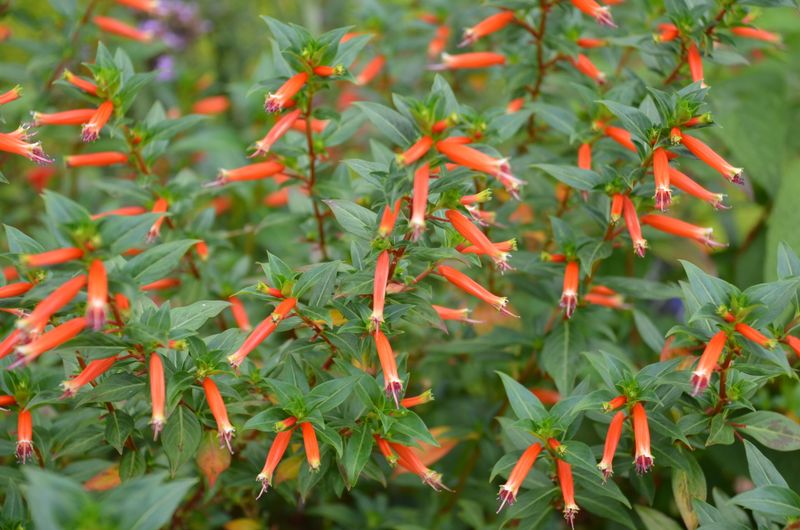
Hummingbirds will thank you for planting this one. Cuphea covers itself in small, tubular flowers, and the firecracker types light up with bright red blooms that nectar-seekers can’t resist.
Many varieties bloom continuously from spring through fall and take summer heat in stride. They prefer full sun and reward you with nonstop color and constant winged visitors.
Fun fact: the firecracker nickname comes from those little red tubes that really do look like tiny fireworks. Fill that empty snapdragon spot with cuphea and you’ll trade a midsummer flop for months of glowing color.