
If Your Squash Leaves Are Turning Yellow, Check This One Routine Before Anything Else
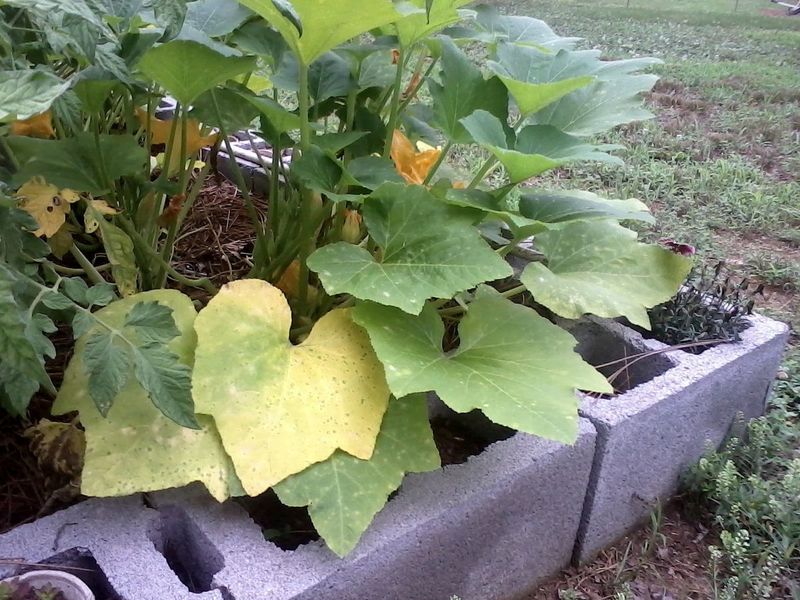
A yellow leaf on your squash plant can make your stomach drop. The good news is that yellow leaves are a clue, not a verdict.
A few quick checks can point you toward the real cause before you reach for the hose or the fertilizer. Here is the simple order that helps you avoid guessing.
Start with the soil-moisture check, not a diagnosis
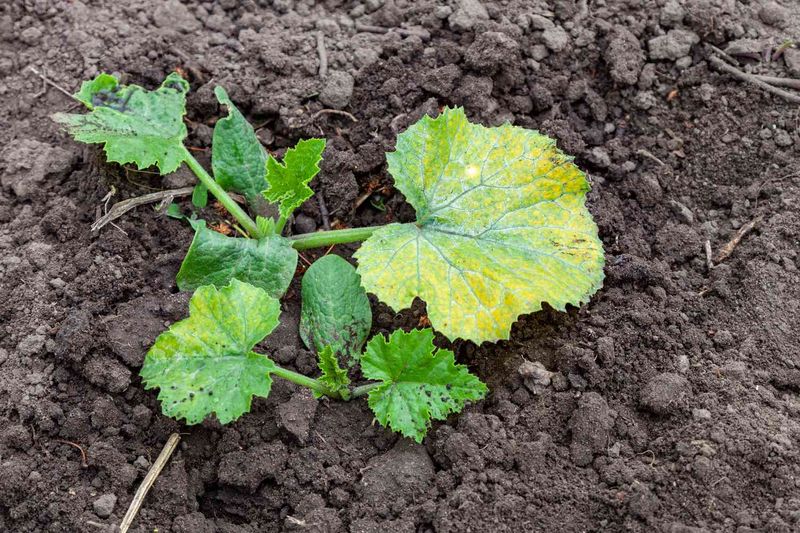
Soil moisture and your watering routine make a sensible first stop when squash leaves turn yellow. That does not mean water caused the problem.
It just means this check is quick, free, and easy to do before you change anything else.
Squash does best when the soil stays adequately moist but also drains well. University of Minnesota Extension recommends watering thoroughly and also points out that yellowing can come from environmental conditions, insects, or disease.
So the color alone cannot tell you which one you are dealing with.
Think of the soil check as ruling something in or out. If the soil is bone dry several inches down, that is a useful clue.
If it is soggy, that is a different clue. If it feels comfortably damp, you can cross water off the list for now and keep looking.
Here is the order this article follows. First, check the soil.
Second, look over the leaves, the undersides, and the base of the plant for other signs. Only then decide whether to adjust watering or take a different action.
That sequence keeps you from treating a pest problem like a thirst problem, and it keeps your plant from getting care it does not need.
Try not to blame yourself, either. Squash plants deal with heat, pests, and disease all season, and a few yellow leaves are often just the plant asking you to look closer.
Check the soil before changing the watering routine
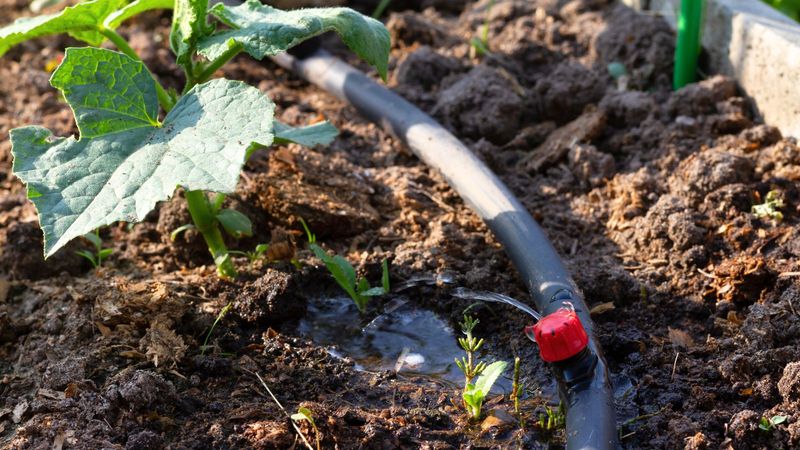
Push a finger two or three inches into the soil near the plant. If it feels dry and crumbly, the plant may be short on water.
If it feels wet or muddy, more water is the last thing it needs. Rain from the past few days counts too, so think back before you turn on the hose.
As a general starting point for in-ground summer squash and zucchini, University of Minnesota Extension suggests about 1 inch of water per week, including rainfall. Treat that number as a guide, not a calendar.
Sandy soil drains fast and may need water more often, and trellised plants can dry out sooner as well.
When you do water, go slow and deep. A thorough soaking at soil level reaches the roots better than a quick sprinkle.
Drip lines, soaker hoses, or a gentle stream at the base all work well.
Keeping the leaves dry where practical is a smart habit for general plant health. It does not mean overhead watering causes powdery mildew, and it will not cure yellow leaves on its own.
It simply keeps your routine tidy while you investigate.
Drainage matters just as much as quantity. If water pools around the plant after a normal watering, that is worth noting.
Squash wants moisture, but it does not want to sit in a puddle.
Read the pattern of the yellow patches
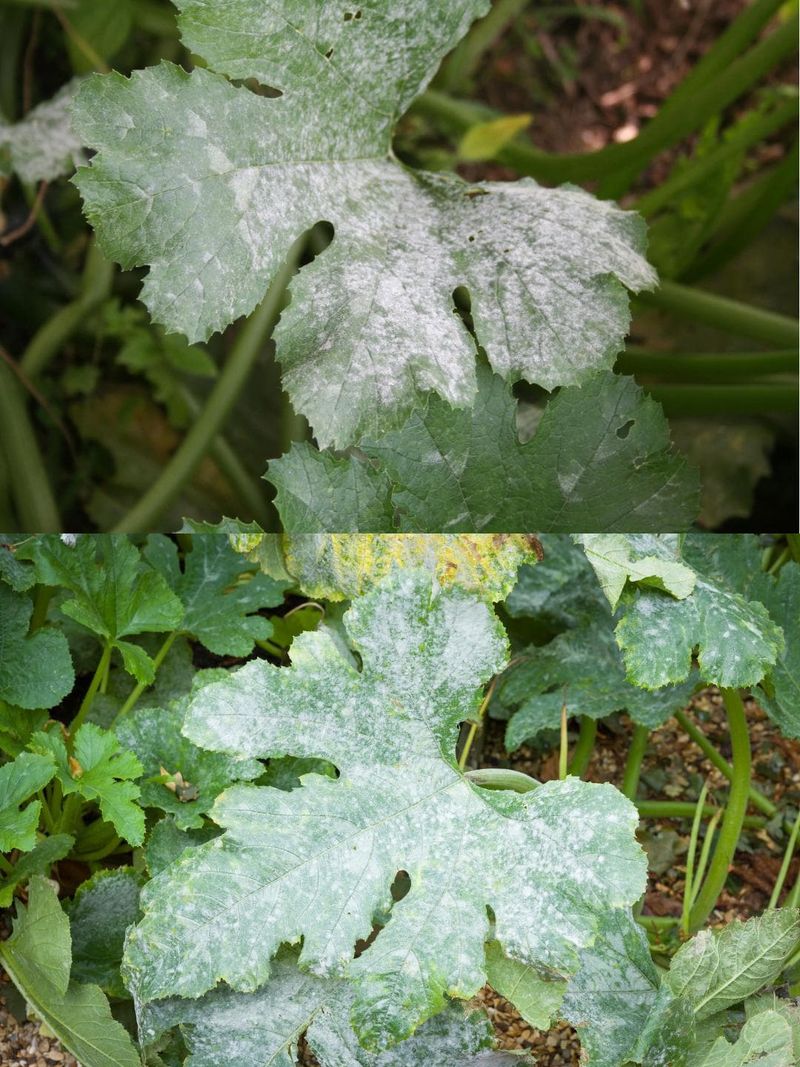
Where the yellow shows up and what it looks like can tell you more than the color itself. Is the whole leaf fading evenly, or are there spots, patches, or edges?
Are older leaves near the center affected first, or new growth at the tips? Jot down what you see.
The University of Minnesota diagnostic guide for discolored squash leaves shows that several different problems can cause yellowing. Powdery mildew, squash bugs, vine borers, viruses, and mites can all change leaf color, so the pattern and the signs around it matter.
Powdery mildew is a good example. Extension research on powdery mildew of cucurbits notes that it can begin with pale yellow spots, often on older leaves, followed by white or gray powdery growth.
That powder is the key clue.
Yellow spots with no powder do not equal mildew. They also do not equal a watering problem.
Look at both sides of the leaf, and run your eye along the stems for anything unusual.
If you do spot the white powdery growth, you have a much clearer picture and can look up disease management steps for your area. If you do not, keep investigating.
The next place to look is underneath.
Inspect leaf undersides and the plant base for pests
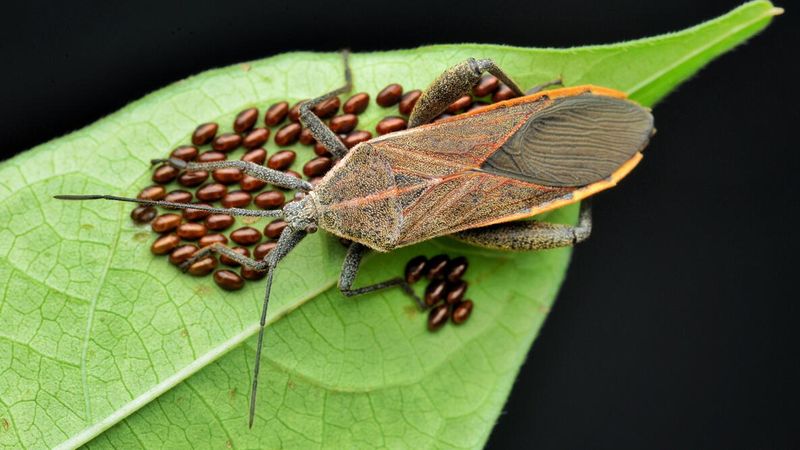
Some yellowing has nothing to do with water, and no change in your hose habits will fix it. Pests are a common example.
A quick look under the leaves and around the base of the stem can save you a lot of guessing.
Squash bugs can cause yellow-to-brown spotting and wilting, according to the University of Minnesota diagnostic guide. Flip leaves over and look for adults, small nymphs, and clusters of eggs stuck to the underside.
Check the soil surface and the base of the plant too, since the bugs like to hide there.
If you find them, Utah State University Extension describes hand-removing adults and nymphs and destroying egg clusters as home-garden options. A bucket of soapy water makes the job easy.
Squash vine borer looks different. Yellowing and wilting can show up along with holes or sawdust-like frass near the base of the stem, as Purdue Extension describes.
A plant that wilts even though the soil is damp, with damage at the base, points away from a simple moisture issue.
Finding a pest is not a sign you did something wrong. It is just useful information, and it tells you which action will actually help your plant.
Use symptom context and soil guidance before feeding
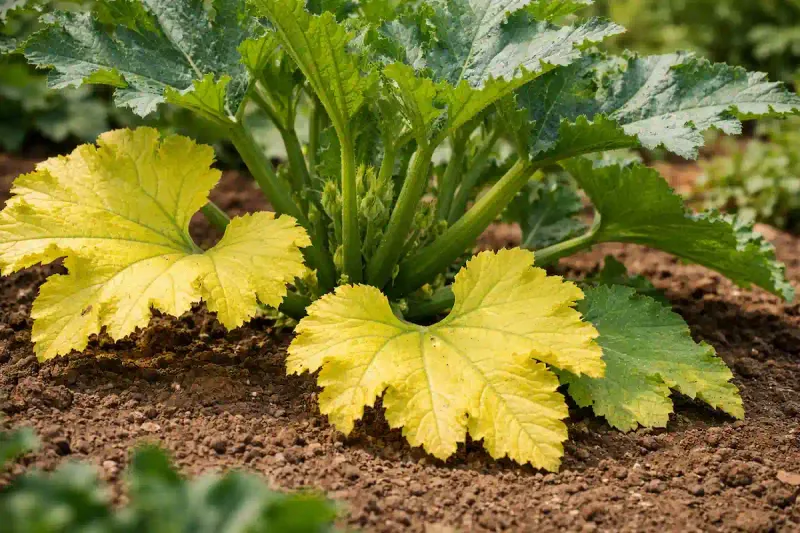
Fertilizer feels like an easy rescue, but it works best when it matches the real problem. Yellowing of older leaves along with slow or stunted growth can be consistent with nitrogen deficiency.
It does not prove it, because other stresses can look very similar.
According to Utah State University Extension nutrient guidance, nitrogen shortage is associated with pale yellow-green color and early loss of older leaves. The same guidance cautions that feeding on that clue alone risks treating the wrong problem.
Extra fertilizer can also be associated with greater powdery mildew risk.
A soil test gives you something firmer than a hunch. Utah State’s guidance on soil for cucurbits points gardeners toward soil-test-based fertility decisions.
Your local extension office can usually tell you how to collect a sample and read the results.
Treat the yellow older leaves as a clue, not a diagnosis. Combine it with what you learned from the soil moisture check, the leaf patterns, and the pest inspection.
If the soil test points to low nitrogen, you can feed with confidence. If it does not, you have saved yourself money and avoided pushing the plant in the wrong direction.
Choose the next step after checking the clues
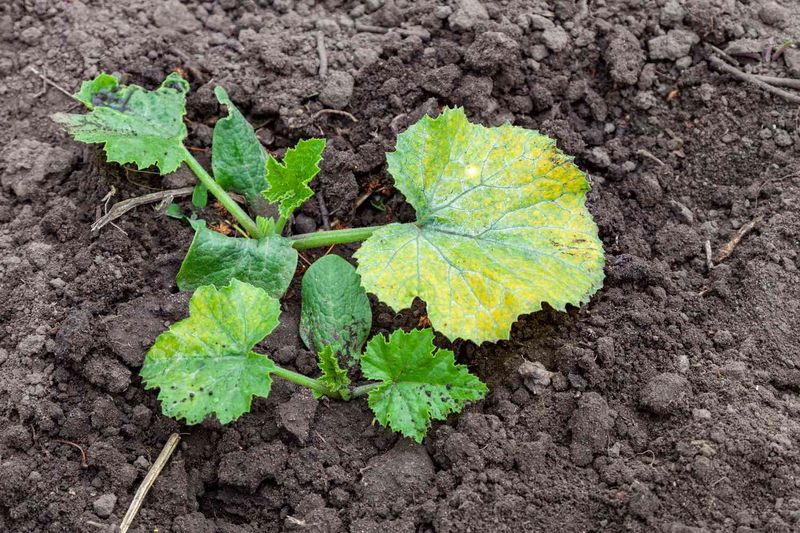
Run the checks in order. Test the soil for moisture and drainage, compare it with your recent rain and your watering routine, then study the leaf patterns, undersides, and base.
Adjust watering or add nutrients only when the clues support it.
Yellow leaves have no single cure, and that is why the checking matters. A few minutes of looking usually beats a week of guessing.