
If Your Tomato Leaves Are Yellowing From The Bottom Up, Here Are 15 Causes And The Quick Fix For Each
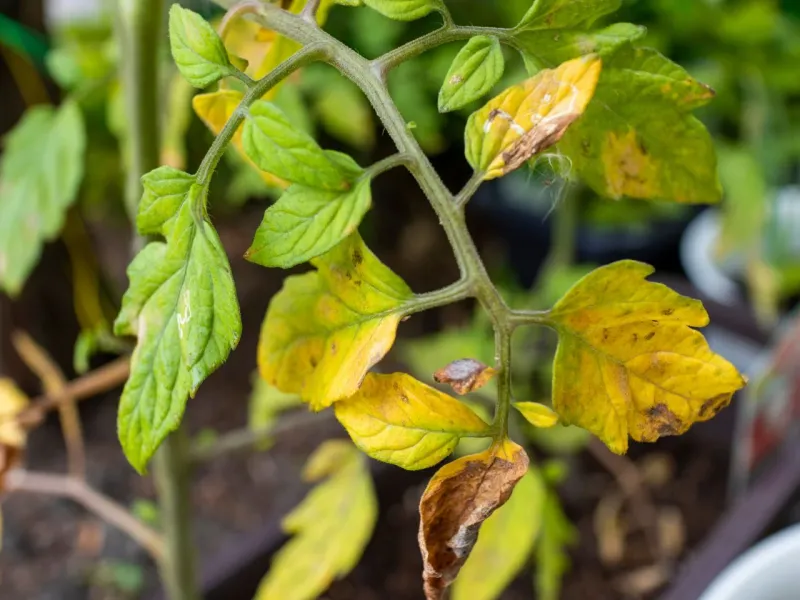
Few things make a gardener nervous like spotting yellow leaves creeping up from the base of a healthy-looking tomato plant. The good news is that bottom-up yellowing usually points to a handful of common problems, and most of them are easy to fix once you know what you are looking at.
Below you will find 15 likely causes, from hungry roots to sneaky fungal diseases, plus a simple rescue for each one. Grab your garden gloves and let’s figure out exactly what your tomato is trying to tell you.
1. Nitrogen Deficiency
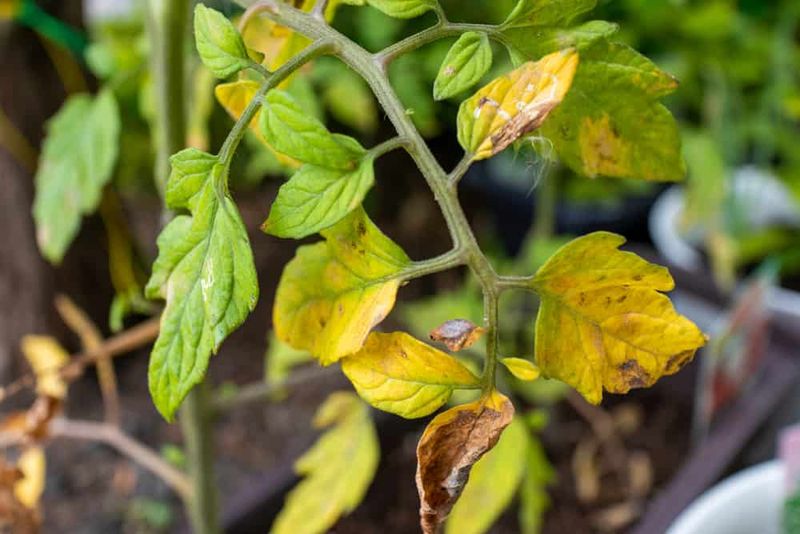
Picture your tomato plant as a busy manager that always pays its newest workers first. When nitrogen runs low, the plant pulls it out of the old bottom leaves to feed fresh top growth, and those lower leaves fade to a soft, even yellow.
The yellowing usually spreads across the whole leaf rather than just the edges. It is one of the most common reasons for that classic bottom-up pattern, especially in fast-growing summer plants.
Quick fix: feed with a water-soluble or balanced liquid fertilizer so the roots can grab nitrogen fast. A simple soil test can confirm the shortage before you overdo it, since too much nitrogen leads to leafy plants with few tomatoes.
2. Magnesium Deficiency
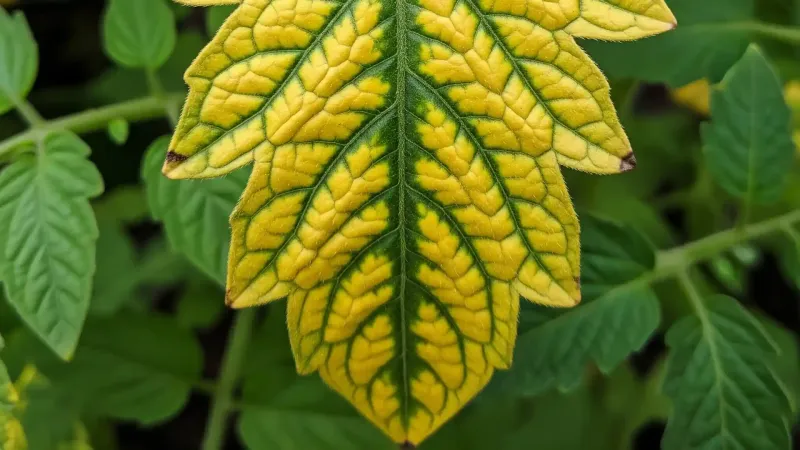
Here’s a telltale clue worth memorizing: if the leaf turns yellow between the veins while the veins themselves stay green, magnesium is likely the culprit. Sometimes older lower leaves even pick up red, purple, or brown tints in bad cases.
Overwatering or leaning too hard on high-potassium fertilizers can quietly trigger this shortage. The plant simply can’t move enough magnesium to keep those older leaves green.
Quick fix: dissolve about 1 teaspoon of Epsom salts per liter of water and mist the foliage every two weeks, skipping hot sunny afternoons. You can also side-dress with 1 tablespoon per plant, and make sure your regular fertilizer includes micronutrients.
3. Potassium Deficiency
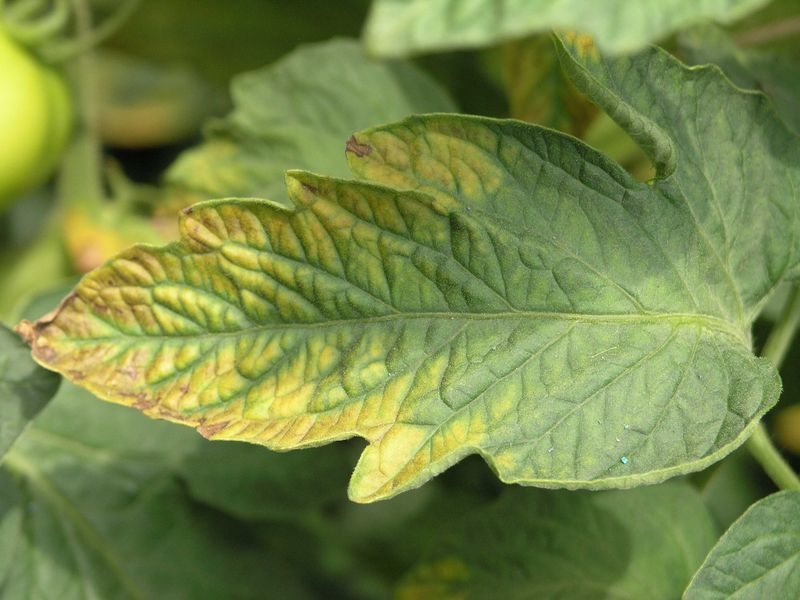
Watch the outer rim of the older leaves. A potassium shortage tends to yellow the edges first, sometimes leaving them scorched and crispy while the center hangs on a little longer.
Sandy soil, heavy rains, drought spells, and overly acidic ground all raise the odds of running short. Potassium also plays a big role in fruit quality, so a shortfall can hurt more than just the leaves.
Quick fix: switch to a good liquid fertilizer to correct the balance quickly, and keep up a regular feeding routine with a balanced product. Steady nutrition keeps every element available when the plant needs it.
4. Overwatering
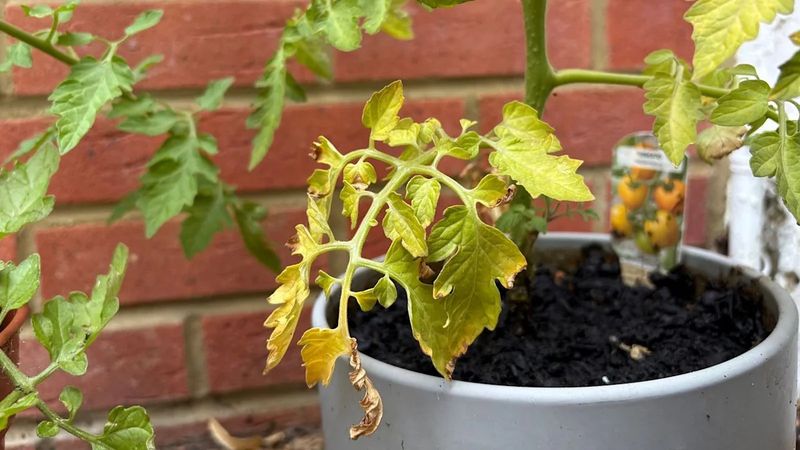
It sounds backwards, but drowning your tomato in kindness is a real thing. Too much water fills the air pockets in the soil, so the roots can’t breathe, and starved-for-oxygen roots signal the bottom leaves to yellow and wilt.
Soggy, heavy soil that never seems to dry is the big red flag here. Container plants sitting in saucers of water are especially at risk.
Quick fix: let the top inch or two of soil dry out before watering again. Improve drainage by mixing in compost or other organic matter, then water deeply but less often, aiming right at the base of the plant.
5. Underwatering and Drought Stress
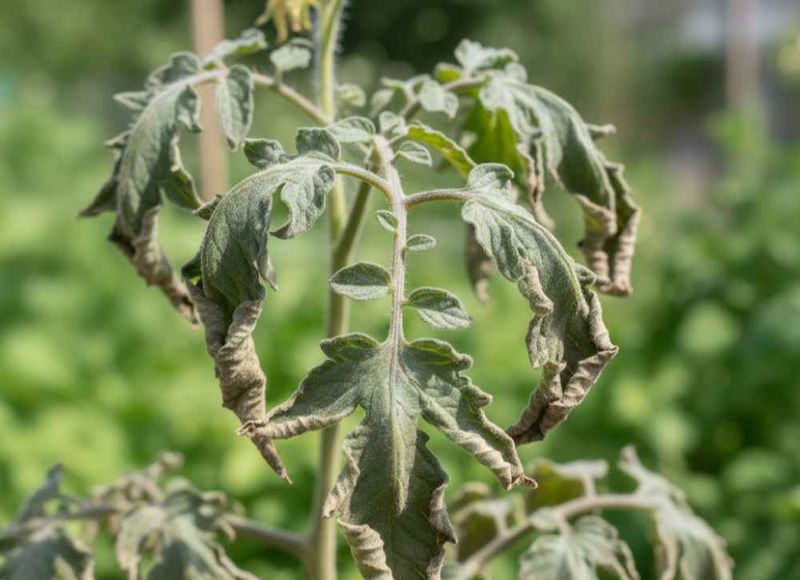
On the flip side, a thirsty tomato throws warning signs too. When the soil stays bone dry for too long, the lower leaves wilt first, then turn a dull yellow as the plant conserves what little moisture it has.
Summer heat waves make this happen fast, sometimes within a day or two. You might notice the whole plant looking droopy in the afternoon.
Quick fix: set up a consistent, deep watering schedule, watering more often during hot stretches. Always water at the base so moisture soaks down to the roots instead of evaporating off the leaves.
6. Inconsistent Watering
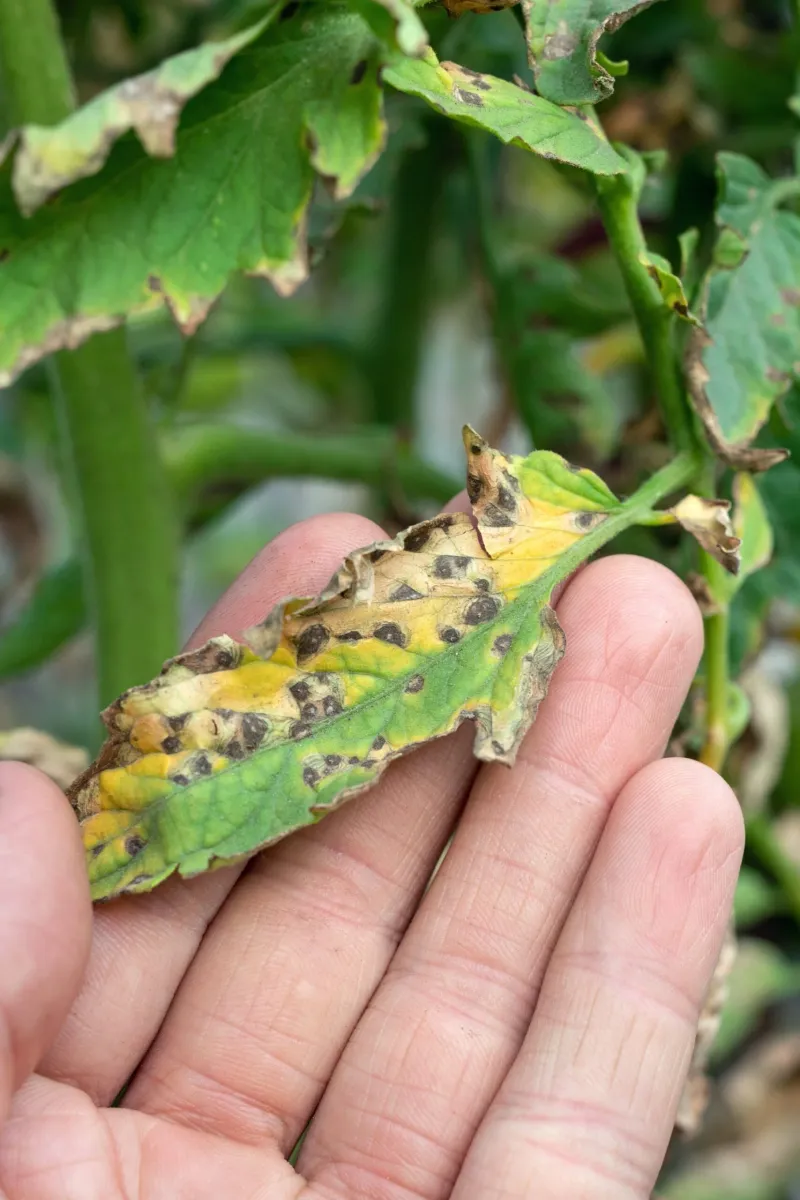
Tomatoes are creatures of habit, and a feast-then-famine watering routine really rattles them. Bouncing between drenched and parched soil stresses the plant and leaves the lower foliage yellowing in protest.
Those swings also block the roots from steadily pulling in nutrients, so you can end up with deficiency symptoms on top of the stress. It is a sneaky double whammy.
Quick fix: aim for even, steady soil moisture week to week. Water deeply and check the soil a few inches down with your finger before you reach for the hose again.
7. Early Blight
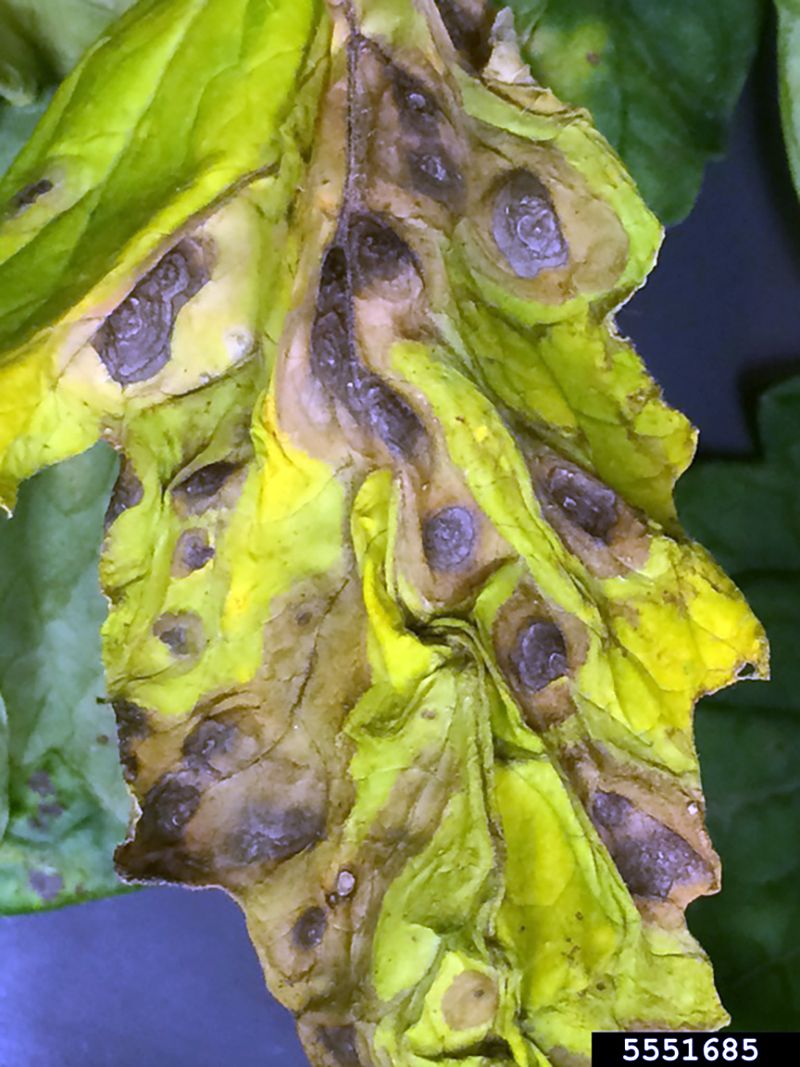
If those yellowing leaves also carry dark spots with bullseye-like rings, early blight has arrived. This fungal disease loves to strike the lowest leaves first, painting them yellow around brown or black target-shaped patches.
Warm, wet, humid weather is its playground, and splashing rain or watering spreads the spores from the soil onto leaves. Left alone, it climbs steadily up the plant.
Quick fix: snip off affected lower leaves and toss them far from the garden, never in the compost. Stake plants for better airflow and lay straw mulch at the base to stop soil from splashing spores upward.
8. Septoria Leaf Spot
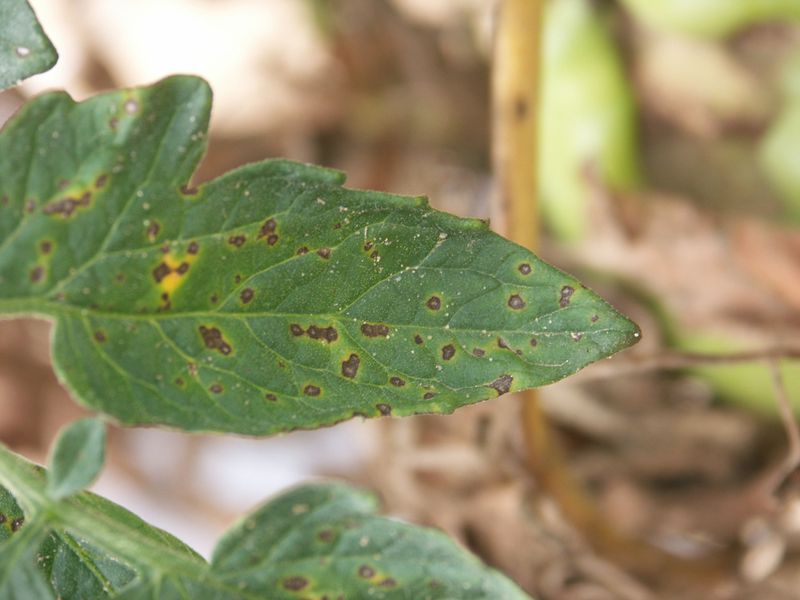
Tiny polka dots are the giveaway here. Septoria leaf spot peppers the bottom leaves with small, dark circular spots, each often ringed by a soft yellow halo, and those spots multiply quickly in damp conditions.
Unlike early blight’s big target rings, these lesions are numerous and small, but they can defoliate a plant just as fast if ignored.
Quick fix: remove the infected lower leaves right away and improve airflow by staking. In stubborn cases, a labeled fungicide such as chlorothalonil or mancozeb may help slow it, but always follow the product directions closely.
9. Fusarium Wilt
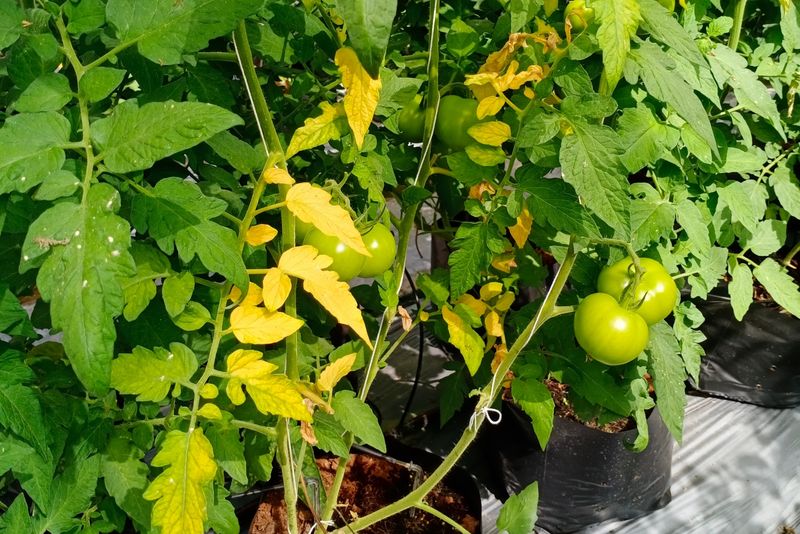
Sometimes the yellowing shows up lopsided, hitting one side or one branch before the rest. Fusarium wilt, a soilborne fungus, works its way up from the lower leaves, yellowing and wilting them as it clogs the plant’s plumbing.
By the time you notice, the fungus is usually deep inside the stem, which makes this a heartbreaker. There is no cure once a plant is infected.
Quick fix: pull and destroy the infected plant so it can’t spread to neighbors. Next season, plant Fusarium-resistant varieties, often marked with an F on the label, and rotate where you grow.
10. Verticillium Wilt
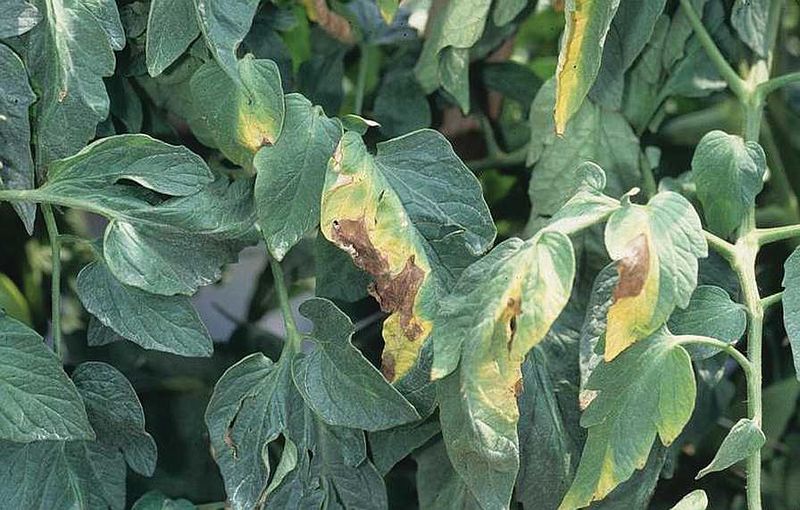
Cousin to Fusarium, Verticillium wilt plays a nearly identical trick. It starts low, yellowing and wilting the bottom leaves before creeping upward, and it favors cooler soil temperatures.
You may see yellow patches shaped like a V pointing inward along the leaf. Like its relative, it lives in the soil and can linger for years.
Quick fix: there is no effective treatment once a plant catches it, so remove and discard the affected plants promptly. For future seasons, choose Verticillium-resistant varieties, usually tagged with a V, and give the bed a break from tomatoes.
11. Transplant Shock
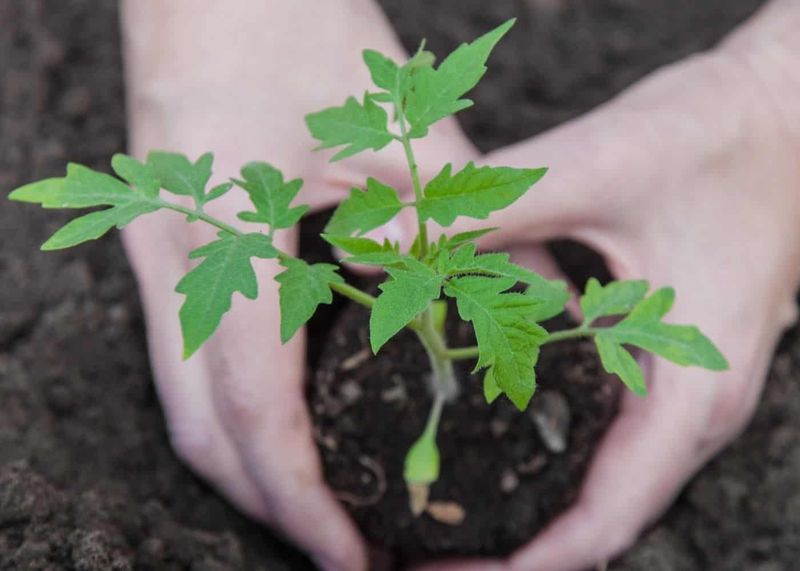
A young tomato that just moved into the garden might sulk for a bit, and a few yellow bottom leaves are part of the adjustment. New light, temperature, and humidity throw seedlings off balance while their roots settle in.
Good news: this kind of yellowing is temporary and usually clears up within one to two weeks. It is more of a hiccup than an emergency.
Quick fix: water the plant well right after transplanting and shield it from cold snaps, especially nights in the low 40s Fahrenheit. Hardening off seedlings for a week beforehand makes the move far gentler.
12. Normal Aging of Lower Leaves
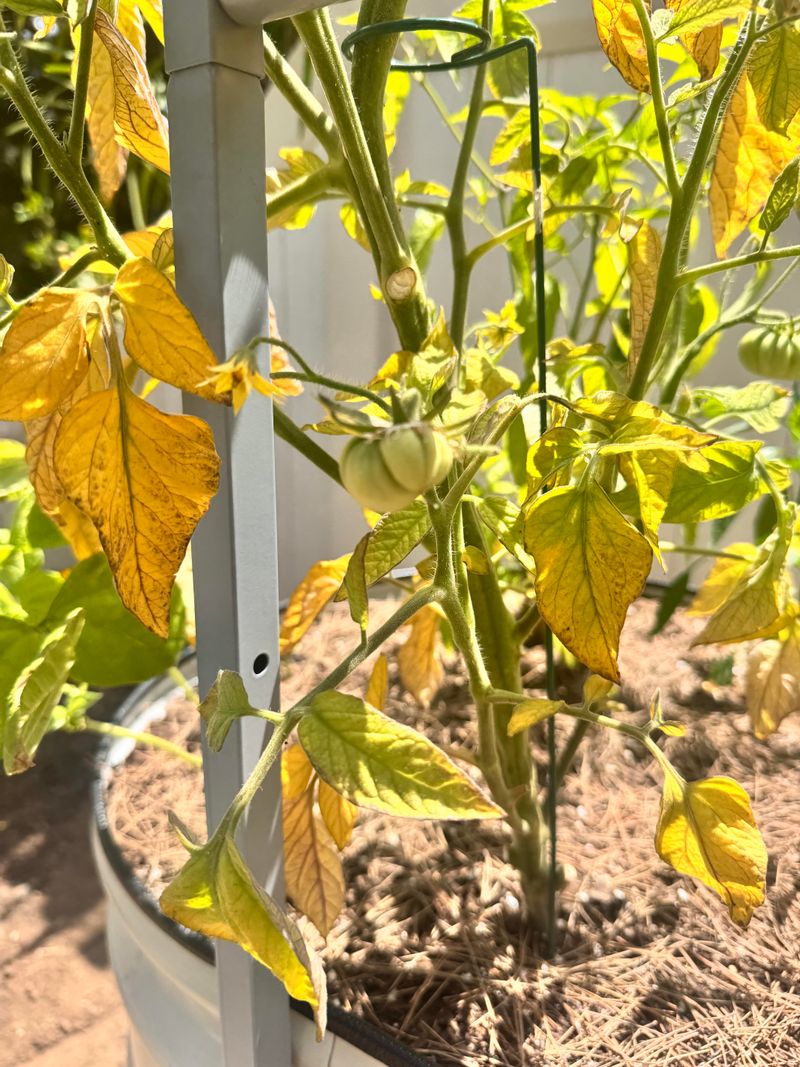
Before you panic, take a breath, because sometimes yellow leaves are just old age at work. The very lowest, oldest leaves, including the little seedling cotyledons, naturally yellow and drop as the plant pours energy into new growth and fruit.
If only the bottommost leaves are fading while everything above looks lush and green, this is almost certainly nothing to worry about.
Quick fix: no rescue needed here at all. Just pinch or snip off the yellowing leaves to keep the plant tidy and improve airflow near the ground.
13. Lack of Sunlight on Lower Leaves
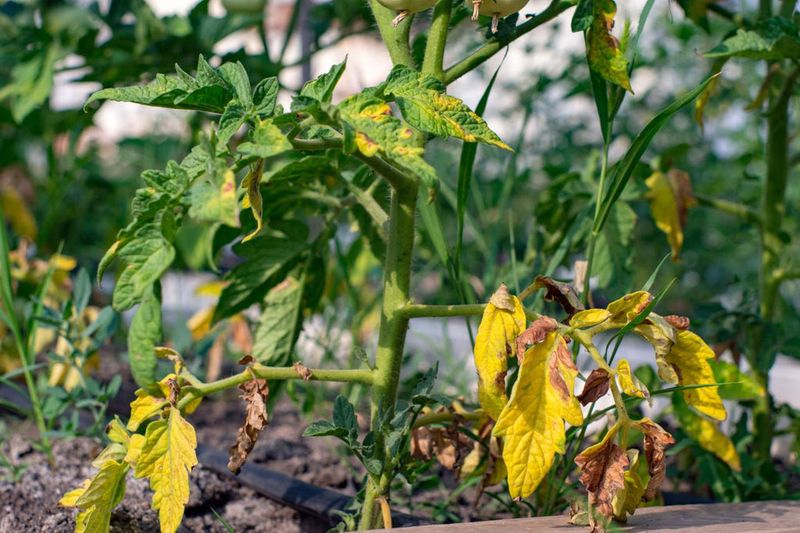
Bushy plants can shade themselves into trouble. When thick upper growth or a nearby fence blocks the sun, the lower leaves can’t photosynthesize well and slowly turn yellow from lack of light.
Crowded plantings and container tomatoes tucked in dim corners run into this often. The leaves aren’t sick, they’re simply starving for sunshine.
Quick fix: move potted plants to a brighter spot and trim back any trees or shrubs casting heavy shade. Thinning out some lower, non-fruiting leaves also lets light and air reach deeper into the plant.
14. Soil pH Imbalance
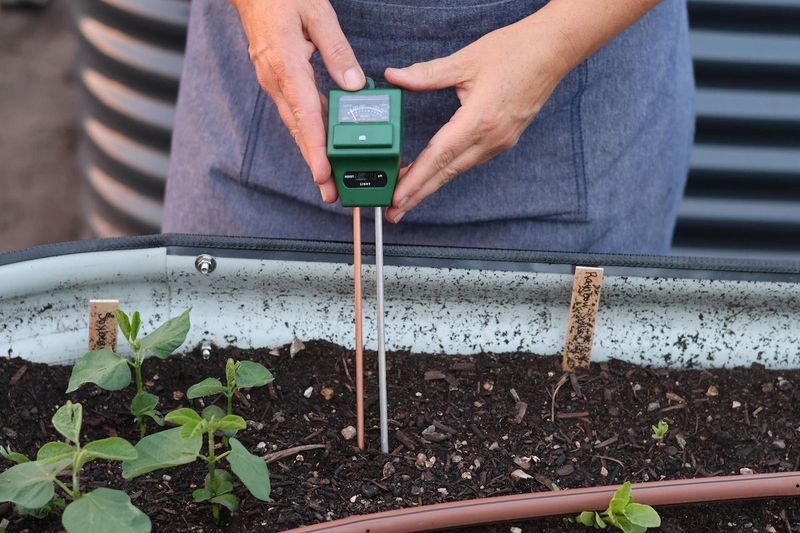
Your soil might be full of nutrients and still leave your tomato hungry if the pH is off. Tomatoes like it slightly acidic, between 6.2 and 6.8, and when the number drifts too high or too low, roots simply can’t unlock the food that’s sitting right there.
The result often looks like several deficiencies at once, with yellowing that starts down low. It is a frustrating puzzle because feeding more won’t help until the pH is corrected.
Quick fix: run a soil test to see where you stand. Then adjust as directed, using an acidifying fertilizer or sulfur to bring a high pH down, or garden lime to raise a low one.
15. Root Rot
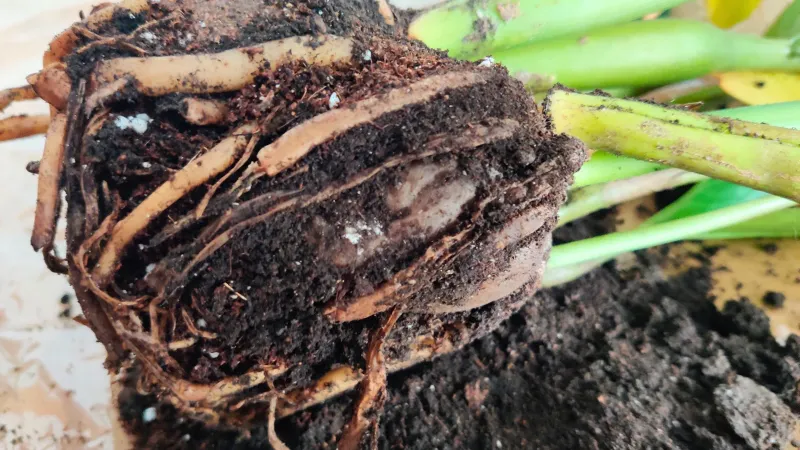
When overwatering drags on and drainage is poor, the trouble moves underground into full-blown root rot. Deprived of oxygen, the roots start to decay from fungal pathogens, and they can no longer pull up water and nutrients, so the bottom leaves yellow and the whole plant wilts.
If you gently lift a struggling plant and find brown, mushy, foul-smelling roots instead of firm white ones, this is your answer.
Quick fix: stop the overwatering immediately and let the soil dry out thoroughly. Boost drainage with compost, clear any blocked drainage holes on containers, and in severe cases repot into fresh, well-draining soil to give surviving roots a fighting chance.