
If Your Tomatoes Keep Cracking, Curling, And Rotting, Here Are 8 Watering Mistakes Behind It All
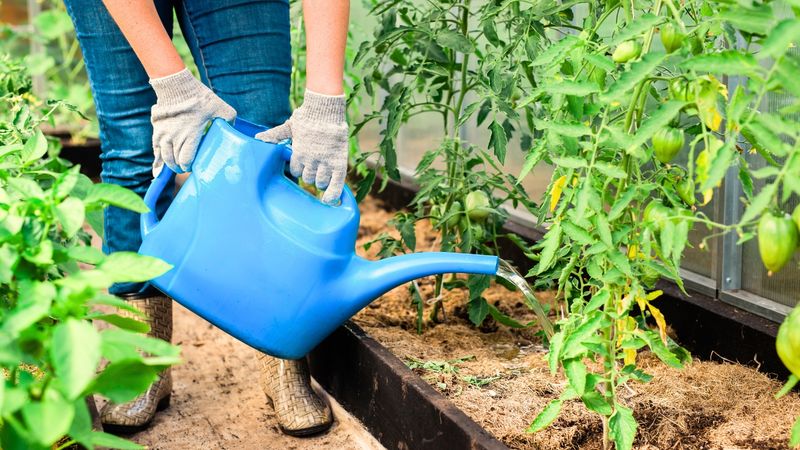
You planted your tomatoes, watched them grow, and now the fruit is splitting open, the leaves are curling, and the bottoms are turning black and mushy. The good news is that most of these problems come down to how you water, not some mysterious disease.
Once you spot the mistake you are making, the fix is usually quick and free. Here are the eight watering slip-ups causing all that trouble, and exactly how to turn things around.
1. Inconsistent Watering
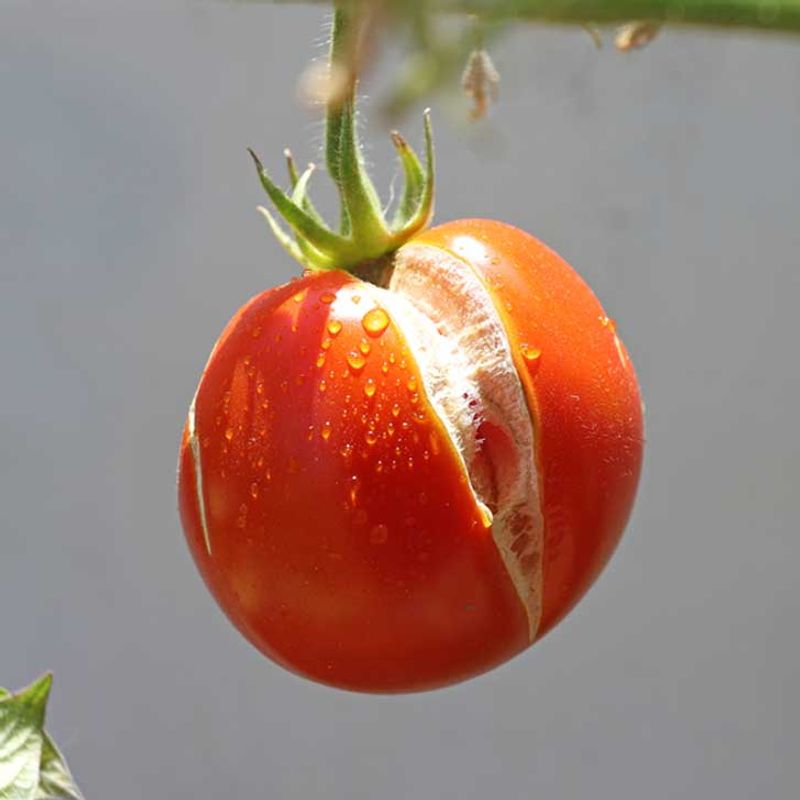
Picture your tomato going a week thirsty, then getting slammed with a heavy soak or a summer downpour. That swing from bone-dry to soaking wet is the number one reason fruit splits right open.
When the plant suddenly gets a flood of water, the inside of the tomato swells faster than the skin can stretch. The result is a crack, either around the top or running down the side.
The same up-and-down moisture also blocks the plant from pulling in calcium, which brings on that dreaded black-bottomed blossom end rot.
The fix is steadiness. Set a real schedule and stick to it, aiming for about one to two inches of water a week.
Keep the soil evenly damp instead of letting it seesaw, and adjust a little during heat waves or rainy stretches. Consistency does more for your harvest than any fancy fertilizer.
2. Overwatering
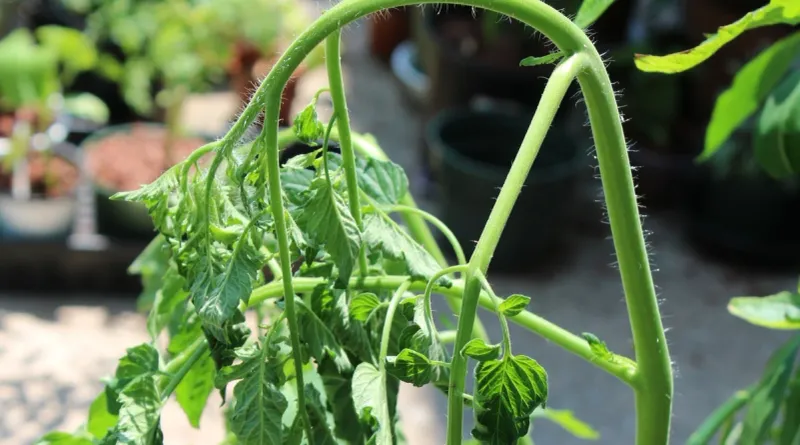
More water feels like more love, but tomatoes can absolutely drown. Soggy, waterlogged soil pushes the air out around the roots, and roots need oxygen just like the rest of the plant.
Starved of air, the roots start to suffocate and can begin to rot. Watch for the telltale signs: droopy leaves that curl downward and a plant that just seems stuck, refusing to grow or set fruit no matter what you do.
Let the top inch of soil dry out a bit before you reach for the hose again. Poke your finger in first; if it comes out muddy, wait.
If your beds stay swampy again and again, mix in compost to loosen things up or move your plants to raised beds where extra water can escape.
3. Underwatering
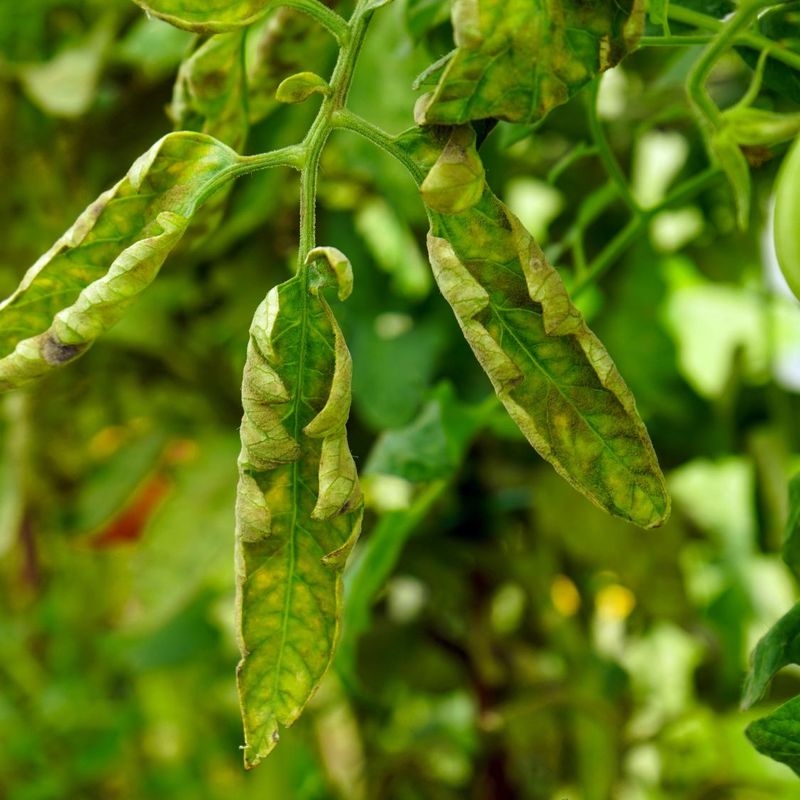
On the flip side, a thirsty tomato tells on itself fast. Leaves that roll upward and inward are the plant curling in on itself, trying to hold onto every last drop of moisture.
Long dry spells stress the plant hard, and they mess with calcium uptake too, which is another road to blossom end rot. Then comes the double trouble: when you finally drench a parched plant, the fruit gulps water so fast it cracks.
Give your tomatoes a slow, deep drink so the water actually reaches the deeper roots instead of running off the surface. The goal is soil that stays reliably moist, never soggy and never dust-dry.
Deep and steady beats a panicked splash every time.
4. Watering Too Shallowly or Too Frequently
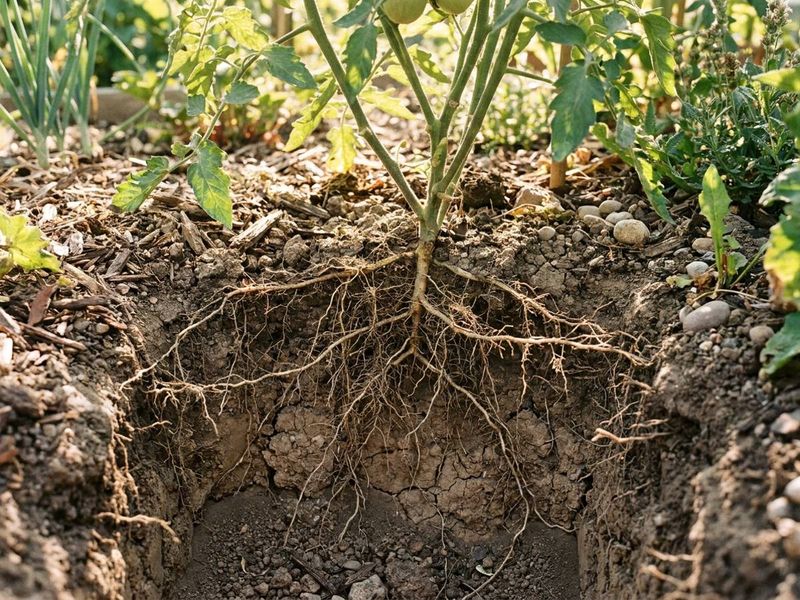
Here is a sneaky one: a quick sprinkle every single day feels responsible, but it actually trains your tomatoes to be weaklings. When water only wets the top layer, the roots stay lazy and hang out near the surface.
Shallow roots dry out in a flash and can’t ride out a hot afternoon or a skipped watering. That fragility opens the door to both cracking and rot when conditions get tough.
Flip your approach. Water deeply and less often so the roots chase moisture down into the ground.
Try to soak the soil six to eight inches deep, then let it ride until the plant needs a real drink again. Deep roots make a tomato that can handle whatever summer throws at it.
5. Watering at the Wrong Time of Day
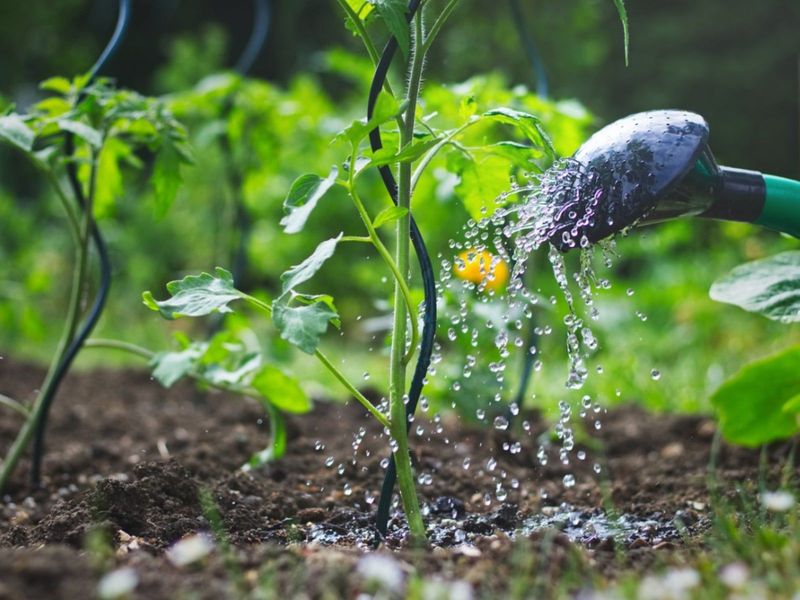
Grabbing the hose at high noon seems harmless, but under a blazing sun a big chunk of that water simply vanishes into the air before it ever soaks in. Your plant ends up thirstier than you think.
Midday watering is basically pouring money into the breeze. The soil warms up, evaporation speeds up, and the roots get shortchanged, which quietly turns into underwatering even when you feel like you are doing everything right.
Early morning is the sweet spot. Water then and it soaks down before the heat kicks in, giving roots a full day of moisture.
Skip evening watering when you can, since leaves left damp overnight become a welcome mat for fungal diseases.
6. Overhead Watering
Spraying water down over the whole plant looks efficient, like a little rain shower. In reality, it splashes dirt up onto the leaves, wets the foliage, and invites fungus to move in.
Plenty of that overhead water evaporates before it reaches the roots too. And for fruit that is close to ripe, water landing right on the tomato can sneak in through tiny openings in the skin and trigger cracks.
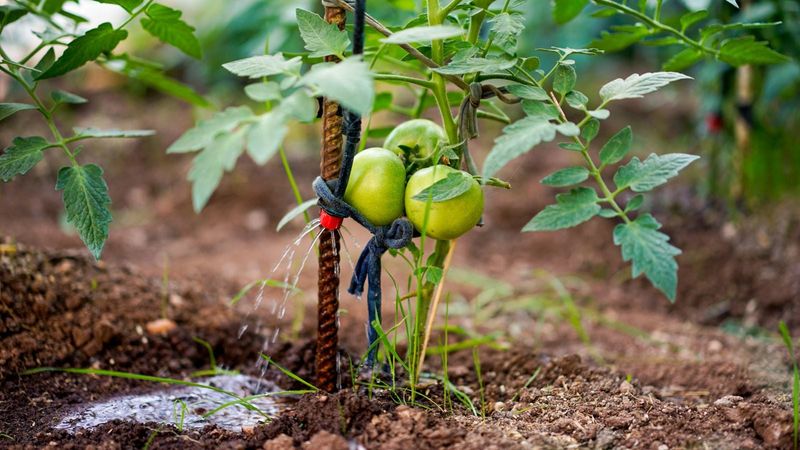
Aim low instead. Deliver water straight to the soil at the base of the plant using a soaker hose, drip line, or a watering wand pointed at the ground.
Keeping the leaves and fruit dry cuts down on disease and puts every drop where it counts.
7. Not Using Mulch
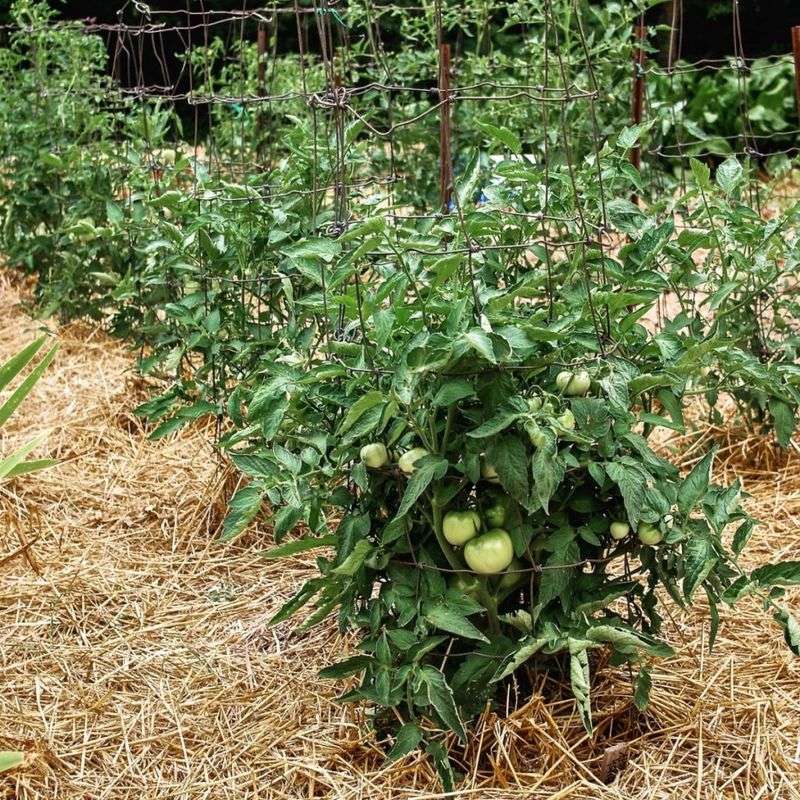
Bare dirt around your tomatoes is working against you all day long. Uncovered soil bakes in the sun, loses moisture fast, and swings wildly in temperature between afternoon and night.
Those constant moisture ups and downs are exactly what fuels cracking and blossom end rot. A simple layer of mulch acts like a blanket that steadies everything out.
Spread two to three inches of organic mulch, such as straw or wood chips, around the base once the soil has warmed. Mulch holds moisture in, keeps the soil temperature even, and softens the blow of a sudden heavy rain so your fruit doesn’t gorge and split.
It is one of the cheapest upgrades you can make.
8. Ignoring Soil Type and Drainage
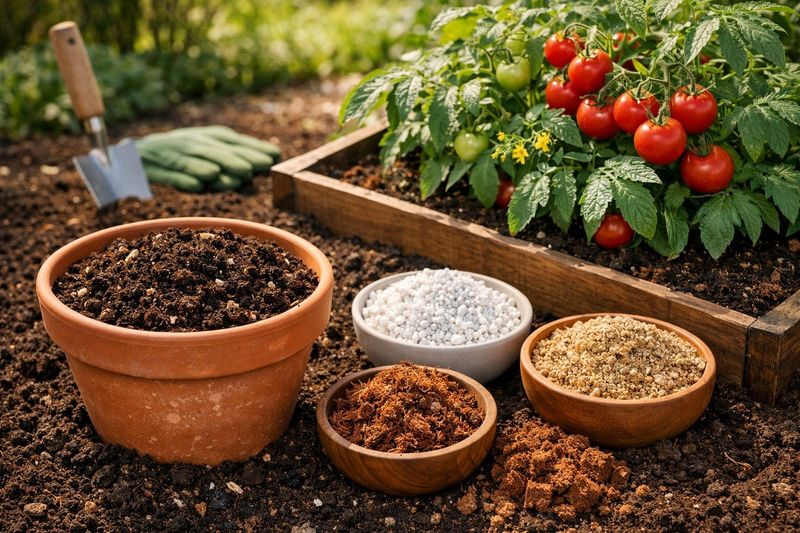
Sometimes you can water perfectly and still lose the battle, because the soil itself is the culprit. Heavy clay holds onto water like a sponge that never wrings out, leaving roots waterlogged even on a normal schedule.
Sandy soil has the opposite problem, draining so fast that plants act parched no matter how often you water. Either way, the fruit pays the price with rot or cracking.
Before you plant, get to know your dirt. Work compost into dense clay to open it up and improve drainage, and add organic matter to sandy soil so it holds water longer.
Rich, well-draining loam is the dream, and a little soil prep now saves a whole season of frustration later.