
Leave These 13 Seed Heads Standing This Fall And Finches Will Feed In Your Garden All Winter
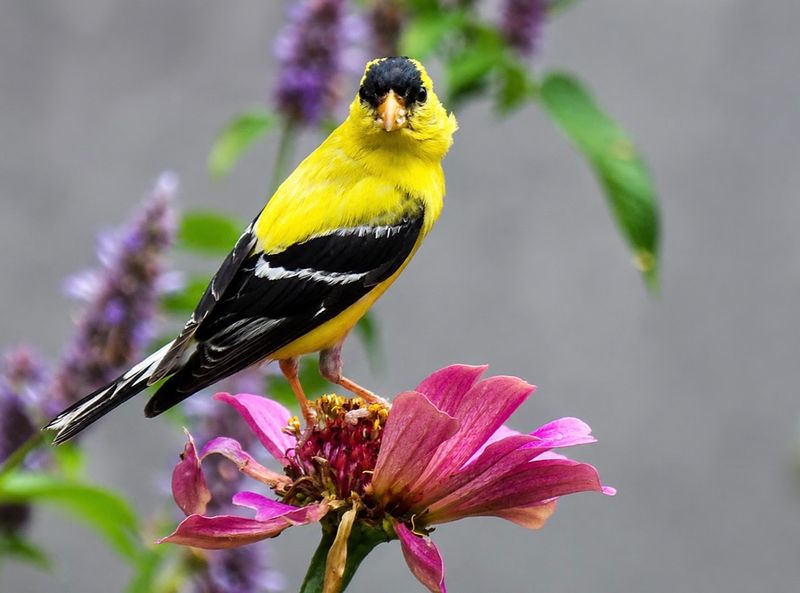
Before you grab the pruners and cut everything to the ground this fall, take a second look at those brown, crispy flower heads. To you they might look messy, but to a hungry goldfinch they are a full pantry in the middle of winter.
Leaving the right plants standing is one of the easiest ways to bring color and life to a cold, quiet yard. Here are 13 seed heads worth keeping, and what makes each one special.
1. Coneflowers (Echinacea)
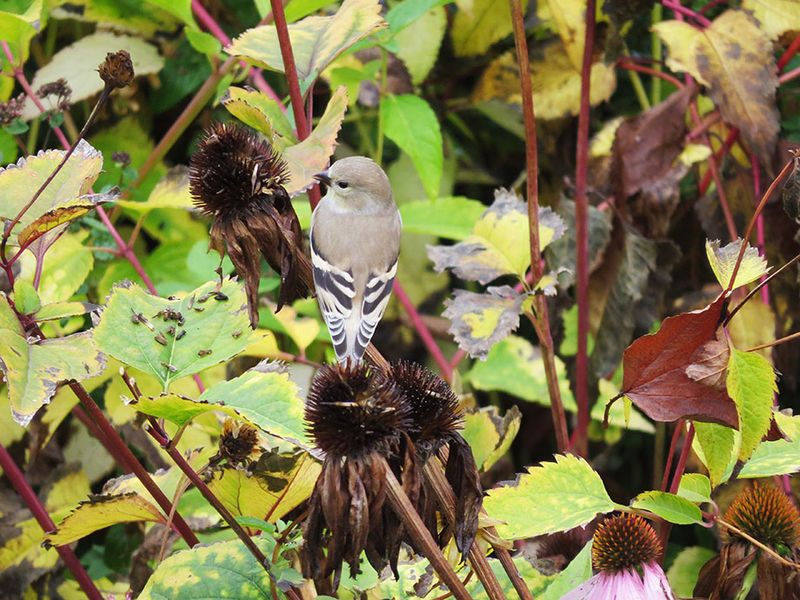
Watch a goldfinch work a coneflower and you will never deadhead one again. The bird hangs upside down, pries at the spiky cone, and pulls out seeds one at a time like a tiny locksmith.
Once the petals drop in late summer, the cones stay stiff and upright through snow and wind. Each one holds dozens of seeds, and finches will return to the same patch for weeks.
If your coneflowers look tired and brown by September, that is not a problem to fix. That is exactly the stage birds have been waiting for.
Simply leave the stems standing and cut them back in early spring when new green growth appears at the base.
2. Sunflowers
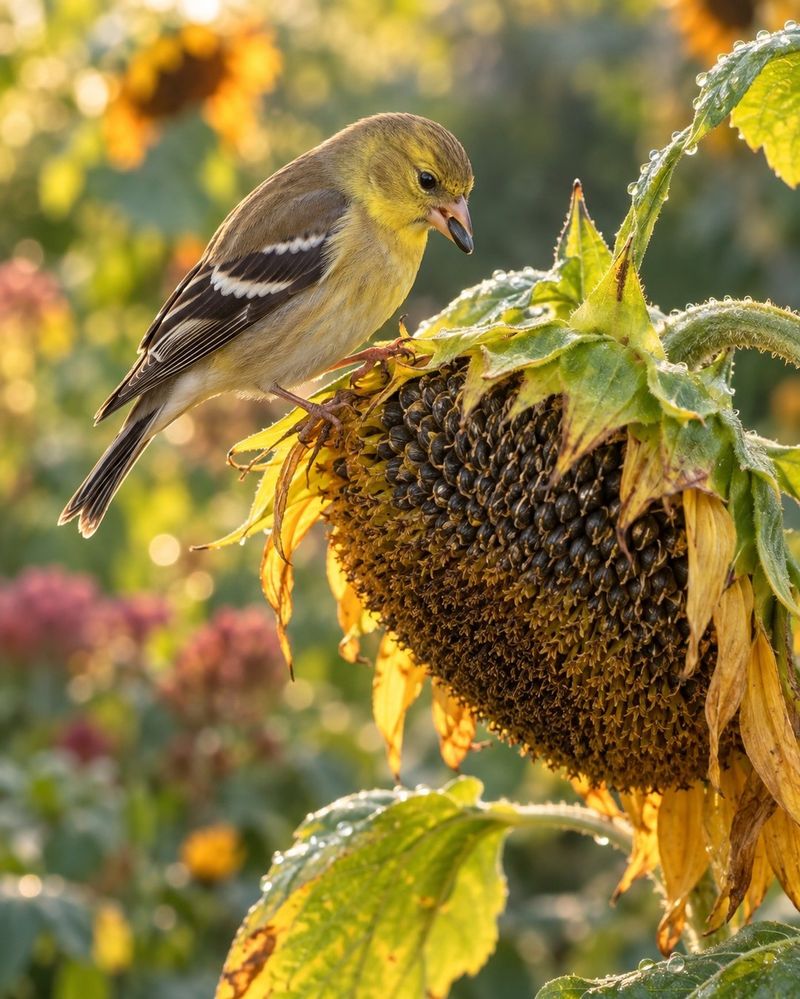
Nothing on this list feeds more birds per plant than a single big sunflower. One mature head can hold well over a thousand seeds, all packed with the oil finches need to stay warm on freezing nights.
Many gardeners cut the heads to dry indoors, and that works too. But leaving a few on the stalk lets birds harvest them naturally, and it is fun to watch the face slowly go bare over the season.
Squirrels may try to grab a share. If they become pests, you can wrap a head loosely in mesh netting, which lets small finches still reach the seeds while slowing down bigger thieves.
Smaller branching types like ‘Autumn Beauty’ give finches lots of bite-sized heads to choose from.
3. Black-Eyed Susans (Rudbeckia)
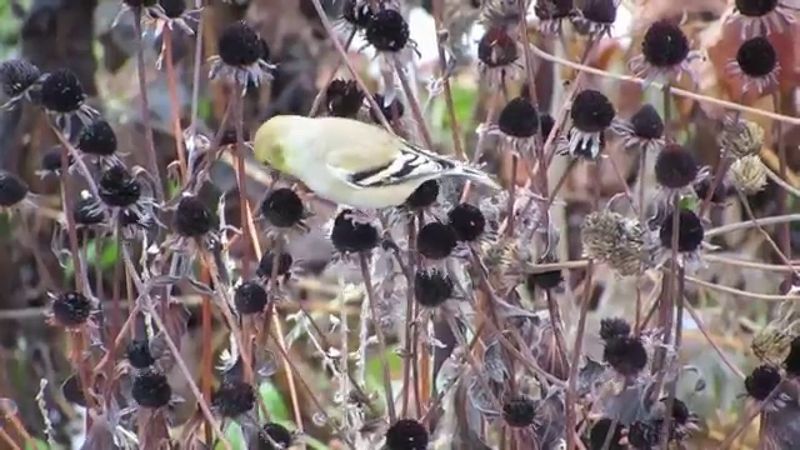
Tough as old boots, black-eyed Susans hold their dark seed buttons long after other flowers have flopped. Those little black domes look almost like snow-dusted buttons by January.
Goldfinches, chickadees, and juncos all pick at them. Because the heads are small and plentiful, a single clump can feed visitors in short bursts all winter.
There is a bonus, too. Seeds the birds drop often sprout next spring, giving you free plants.
If you prefer a tidy bed, just pull extra seedlings in May.
4. Asters
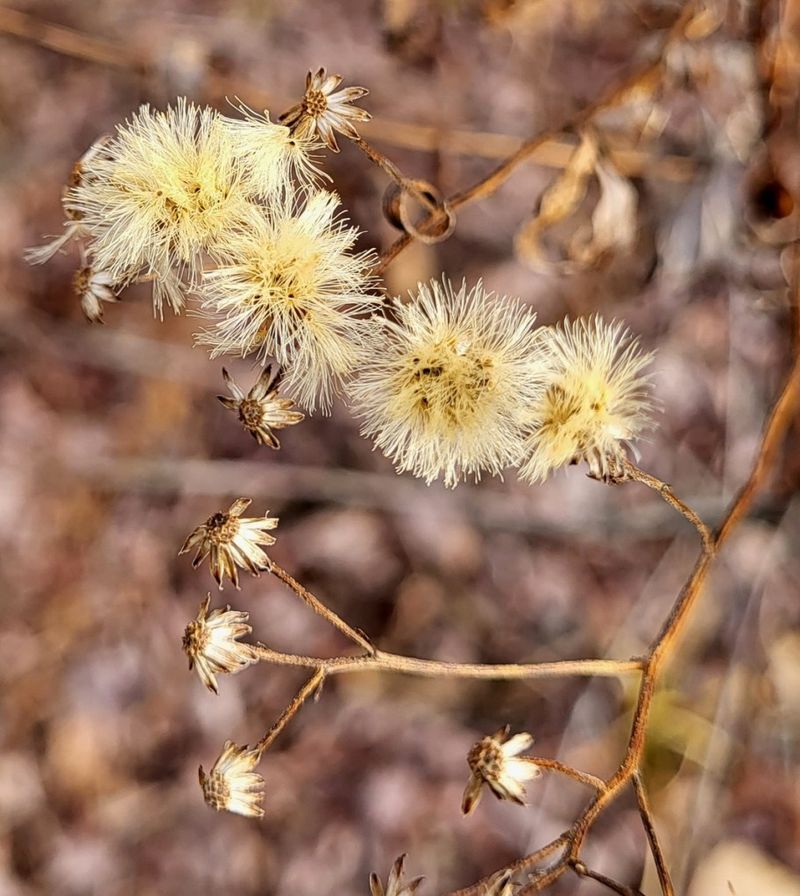
Late to bloom and late to set seed, asters fill a gap that many gardens miss. Just as summer flowers fade, New England and smooth asters burst into purple and blue, feeding the last bees of the year.
After the flowers close, they turn into soft, fluffy puffs packed with tiny seeds. Finches, sparrows, and even cardinals forage among them well into early winter.
Many gardeners cut asters back because the stems look shaggy. Try leaving at least a few clumps.
A little shagginess in November is a small price for a yard full of birds.
5. Ornamental Grasses
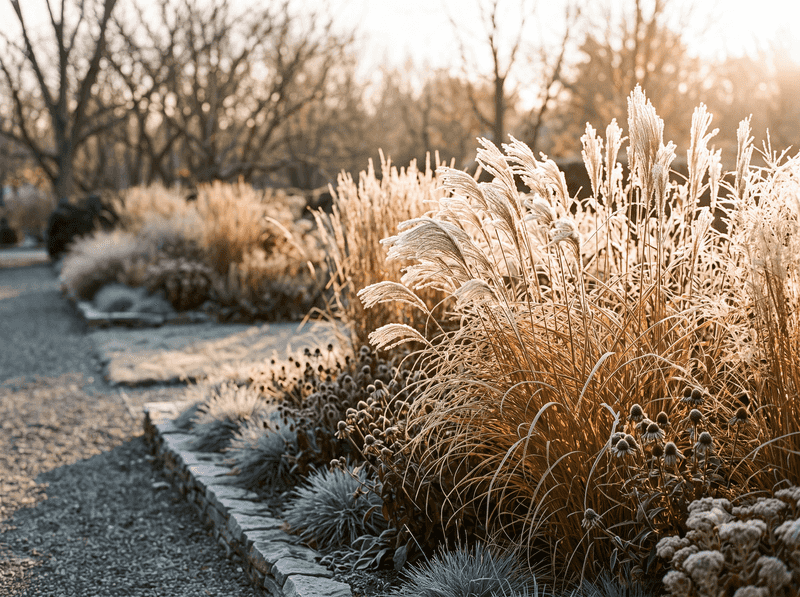
Food and shelter in one plant is a rare combo, and native grasses deliver both. Switchgrass, little bluestem, and prairie dropseed all produce fine seeds that small beaks can handle easily.
The dense clumps matter just as much. When a hawk swoops by or icy wind howls, finches dive into the grass for cover.
Leave grasses standing all winter and cut them down to a few inches in late winter, before new shoots appear. You also get the soft rustle and golden color that make a winter yard feel alive.
6. Sedum (Stonecrop)
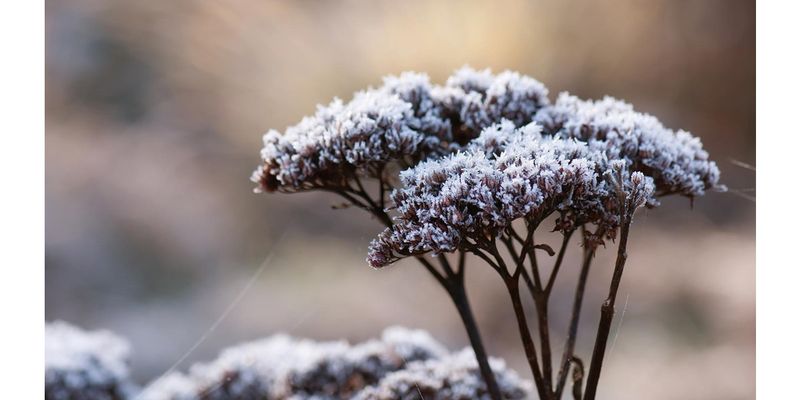
Snow piled on a sedum head looks like a tiny frosted cake, and birds treat it like one. Upright types such as ‘Autumn Joy’ keep their flat clusters firm right through winter.
The seeds are tiny, but there are a lot of them. Finches and chickadees pick through the dried florets on mild days.
Sedum is also nearly impossible to kill, which makes it a relief for anyone who worries about losing plants. Snip the old heads off in spring, and fresh rosettes will already be waiting underneath.
7. Coreopsis
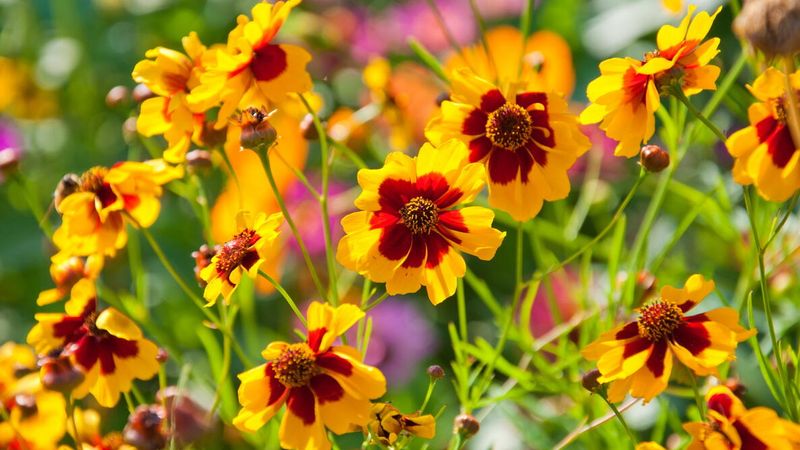
Here is a fun fact: coreopsis is often called tickseed because its seeds look a bit like little bugs. Birds certainly do not mind the resemblance.
After the cheerful yellow flowers fade, small dry heads stay on wiry stems. Goldfinches, sparrows, and cardinals pick them clean through fall and into early winter.
Coreopsis seeds tend to disappear faster than tougher heads like coneflower, so think of it as an early-season snack bar. Pair it with longer-lasting plants and finches will have food from October through March.
8. Goldenrod
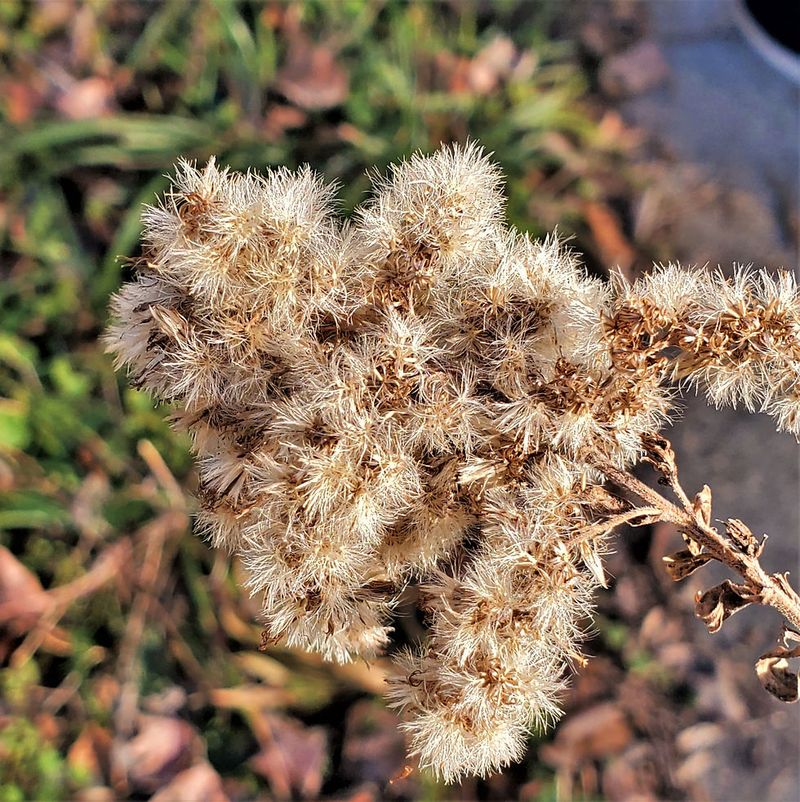
Goldenrod gets blamed for hay fever, but the real culprit is usually ragweed blooming at the same time. Goldenrod pollen is heavy and sticky, carried by insects rather than wind.
In late summer it feeds butterflies and bees. By fall, its bright plumes turn into fluffy seed heads that dozens of bird species visit, including finches and sparrows.
Leftover fluff even gets reused as nesting material come spring. Some kinds spread quickly, so clump-forming types like ‘Fireworks’ are a smart pick for smaller yards.
9. Evening Primrose
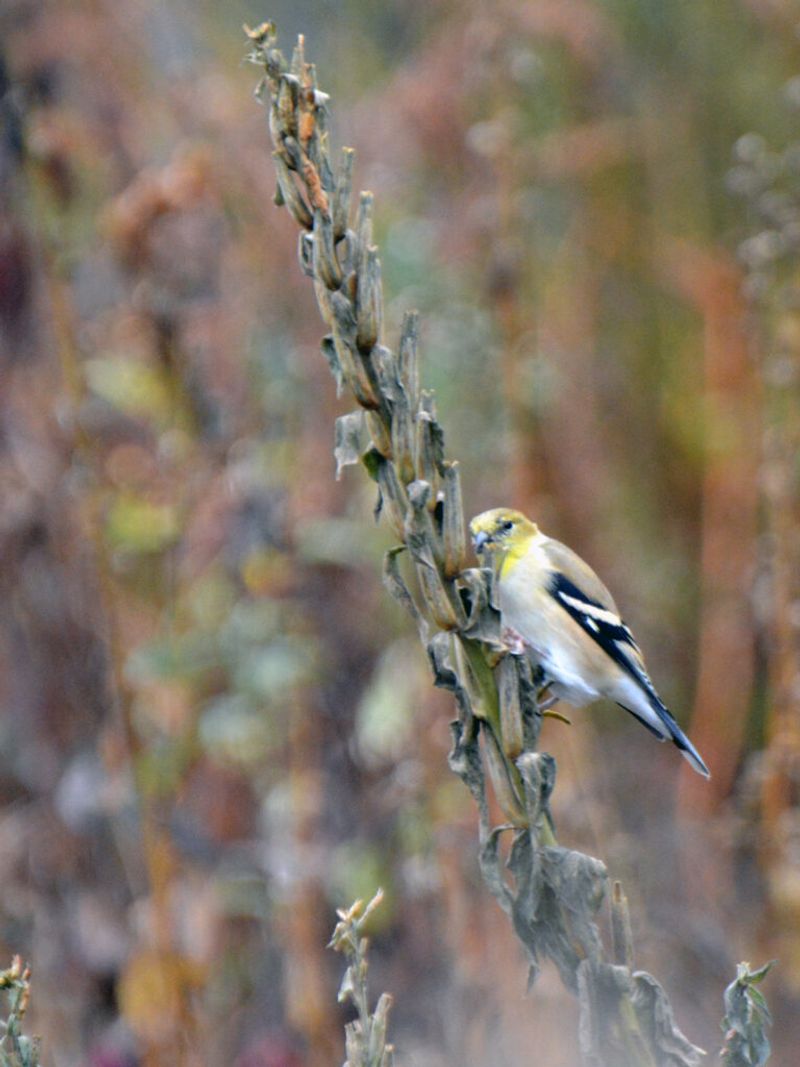
By day, evening primrose looks scrappy. By night in summer, its lemon-yellow flowers pop open, sometimes fast enough to watch.
In winter, it becomes a goldfinch favorite.
The tall stalks are lined with stiff pods, each holding hundreds of tiny seeds. Finches cling to the stems and tip the pods out with surprising skill.
Because it is a biennial, you will see leaves the first year and flowers the second. Let a few plants go to seed, and you will keep a steady supply year after year.
10. Mullein (Verbascum)
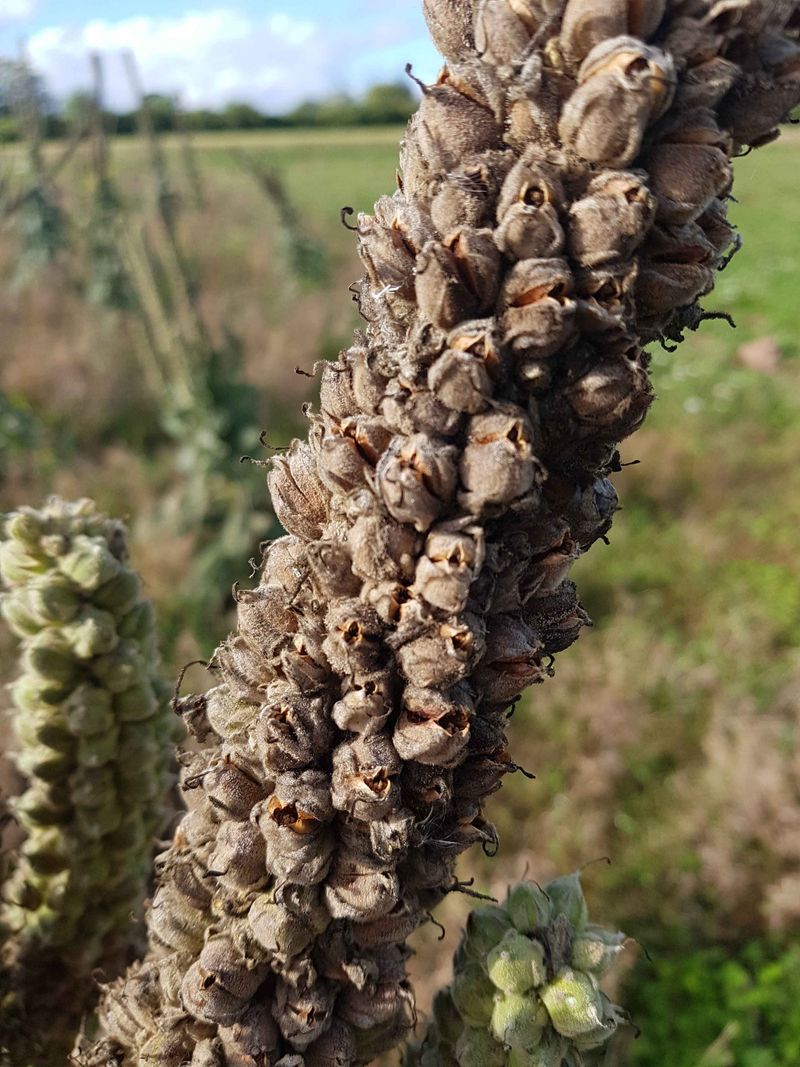
Think of mullein as the lighthouse of the winter garden. Its tall spikes stand several feet high, easy for passing birds to spot.
Each spike is crowded with seed capsules, and birds pick at them all through the cold months. Garden verbascums offer the same benefit with prettier flowers.
Common mullein can spread, so place it where self-sown seedlings are welcome or remove extras in spring. One or two spikes are plenty.
11. Teasel
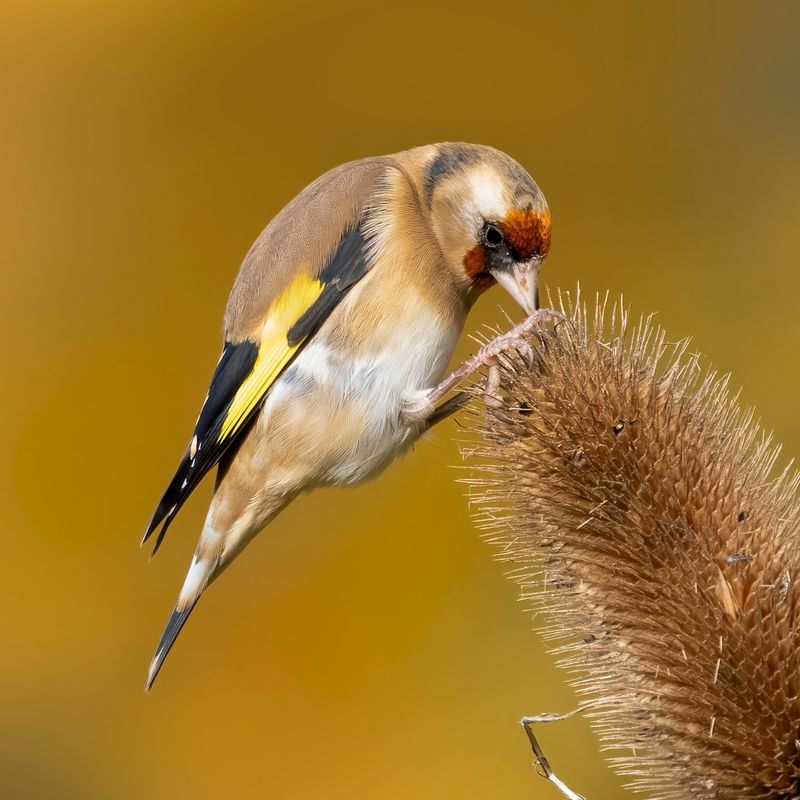
Long ago, weavers used dried teasel heads to comb wool. Today their best use might be feeding goldfinches.
The prickly heads hide seeds deep between the spines, where bigger birds struggle. A goldfinch’s thin, pointed beak slips right in, so teasel almost becomes their private buffet.
Be careful, though. Common teasel is invasive in many US states, so check local rules first.
If it is a concern where you live, use dried heads from a craft supplier as a decoration, or choose coneflowers and asters instead.
12. Zinnias
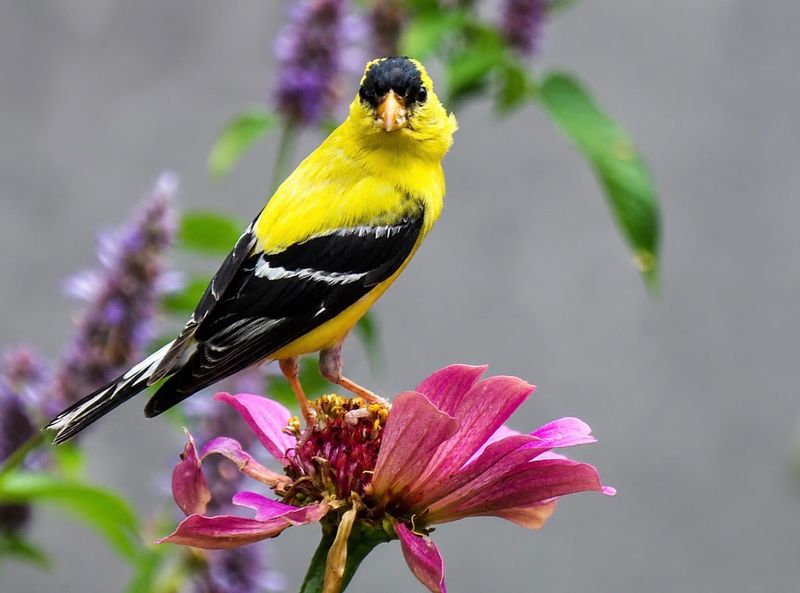
Zinnias are the happy workhorses of a summer garden, and they keep giving after the first frost. Those faded heads hold seeds goldfinches love.
Many gardeners pull zinnias the moment they blacken in fall. Instead, leave the stalks a few more weeks and watch finches perch and peck.
Single and semi-double types are easiest for birds to reach. Save a few heads yourself too, and you will have free seed for next spring.
13. Cosmos
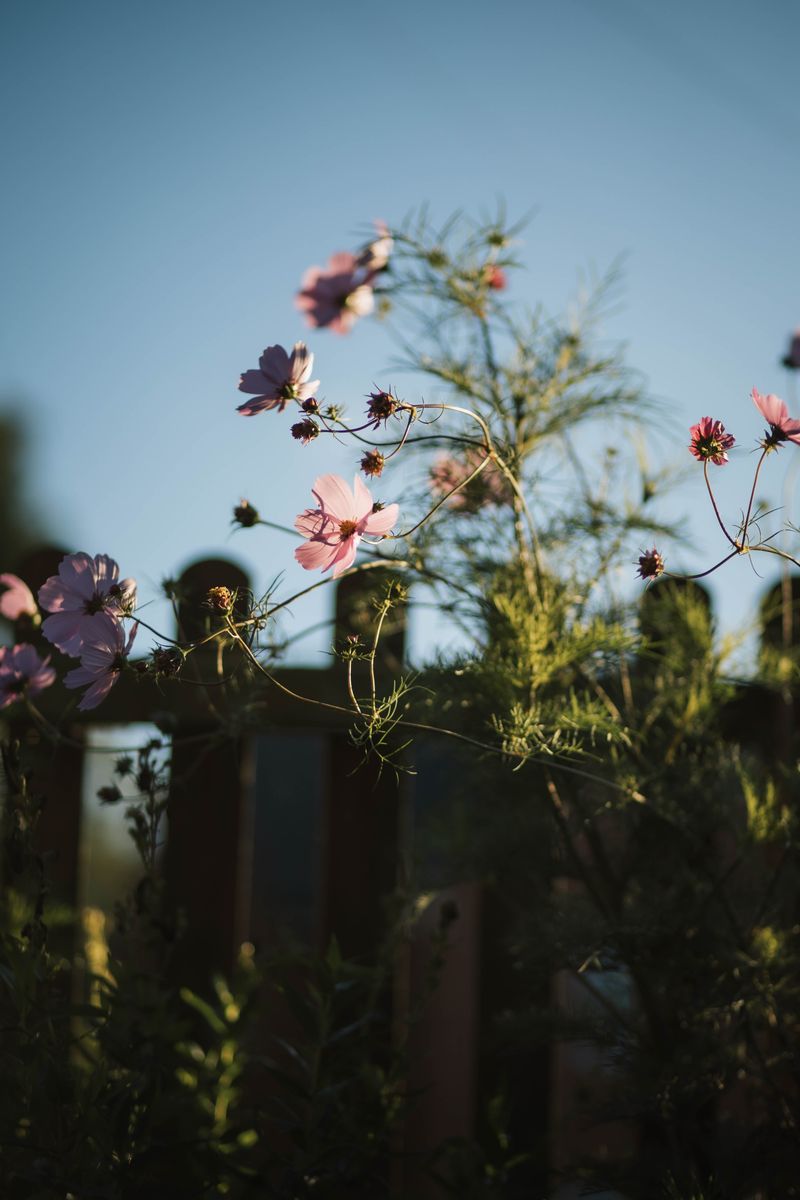
Few sights are sweeter than a goldfinch riding a swaying cosmos stem like a tiny acrobat. The light, airy plants bend under the bird’s weight, yet it hangs on to snatch seeds.
Cosmos seeds are long and slender, easy for small beaks to grab. Since cosmos blooms until frost, it provides seeds right as migrating and wintering finches arrive.
It costs almost nothing to grow from seed. Scatter it in a sunny spot next spring, and by fall your yard can feed a whole flock with very little work.