
Leggy Clematis? Pruning Depends On Its Group, and Fuller Growth Is Possible
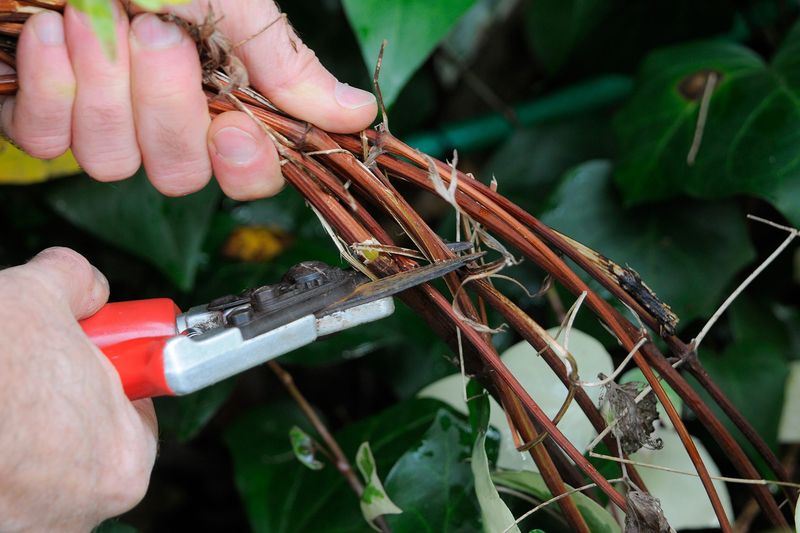
Bare, leggy stems on a clematis can make you think you did something wrong. The truth is that clematis do not all follow the same pruning schedule.
A cut that helps one vine can wipe out the flowers on another. Here is how to figure out which kind you have and what to do about it.
Why a fall cut is not the universal fix
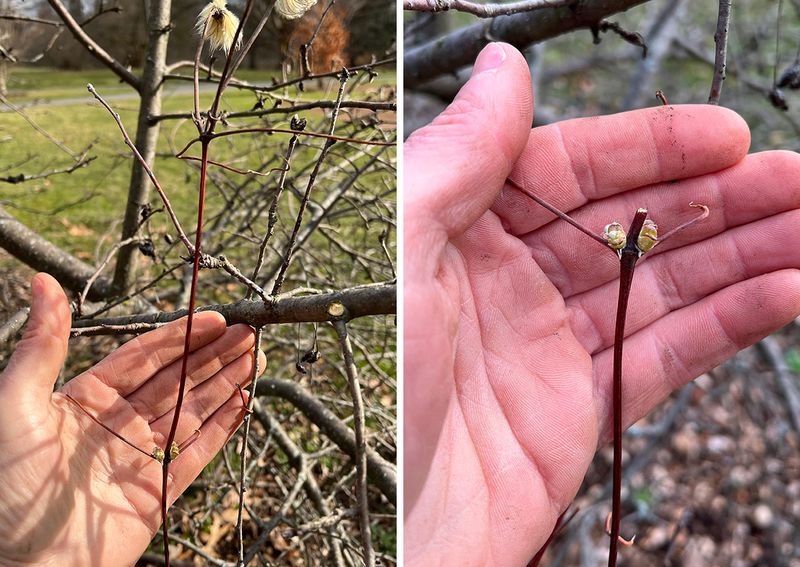
Here is the timing correction: there is no single cut you can make before frost that turns every leggy clematis into a fuller vine. The right moment to prune depends on which group your clematis belongs to.
A fall cleanup that suits one vine can remove the flower buds on another.
Many late-summer bloomers, called Group 3, do tend to get bare at the base when they are left unpruned, according to Iowa State Extension. For those vines, the main cut belongs in late winter or early spring, not before frost.
Illinois Extension notes that spring pruning can encourage more vigorous shoots and a fuller plant.
Notice the word can. Pruning may help, but it is not a guaranteed cure.
Sparse growth can also come from low light, winter damage, or a vine that is simply young and still getting established.
So if you are staring at bare stems this fall, take a breath. You have not ruined anything.
Put the pruners down for now, work out which group your vine is in, and plan the right cut for the right season.
Identify the pruning group before cutting
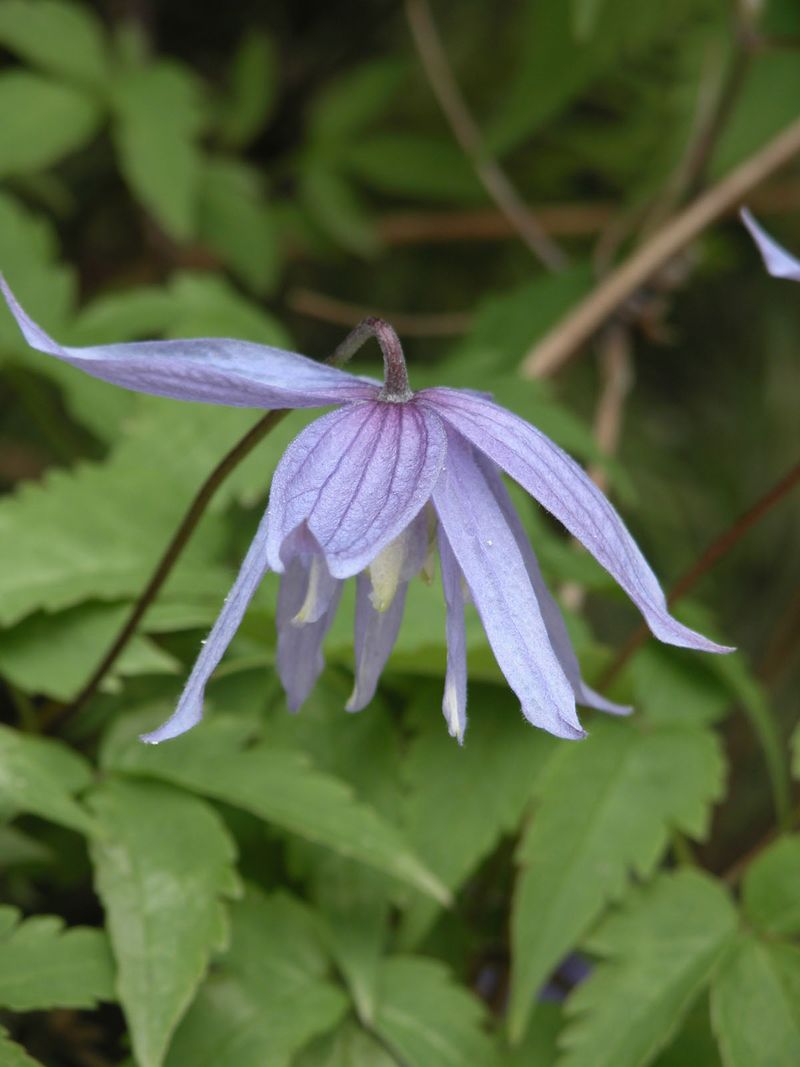
Start with the plant tag or your purchase receipt. If you know the cultivar name, a quick search will usually tell you the pruning group.
That is the most reliable clue you have.
No tag? Think back to when the vine flowered.
Early spring bloomers are often Group 1. Vines that flower in late spring or early summer and sometimes again later are often Group 2.
Those that bloom from midsummer into fall are often Group 3.
Bloom timing is a helpful hint, but it is not foolproof. Weather, a late spring, or a vine that is struggling can shift when flowers show up.
If your clues disagree, treat the result as a guess and stay cautious.
Why does the group matter so much? The groups flower on different ages of growth.
Some carry buds on last year’s stems, and others bloom on stems that grow this season. As Arkansas Extension explains in its pruning guide, that difference decides which stems you keep and when you cut.
The same idea shows up in Iowa State’s clematis guidance.
If you still cannot tell, wait through one growing season. Watch when buds form and flowers open, jot it in a notebook, and then choose your pruning plan.
Skipping a year of pruning costs far less than cutting off a year of flowers.
Prune many Group 3 vines in late winter or early spring
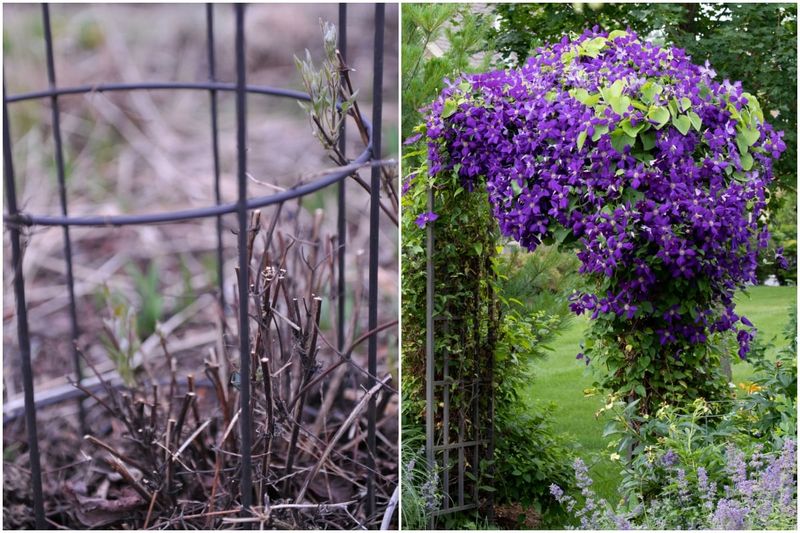
Many Group 3 clematis flower on the current season’s growth. That makes them the vines that tend to respond best to a hard cut.
Done at the right time, it can push out fresh shoots from low on the plant.
Here is the main option. In late winter or early spring, while the vine is still dormant, cut the old stems back to about 6 to 12 inches above the ground.
Iowa State Extension supports this approach for these vines.
There is also a gentler alternative. Wait until buds swell and break in spring, then prune each stem back to the uppermost pair of strong buds.
This lets you see which buds are alive before you cut.
Use clean, sharp pruners and make each cut just above a bud. Tidy up the dead stems afterward so you can watch the new growth come in.
Illinois Extension points to spring pruning as a way to get stronger shoots and a fuller plant.
Keep the limits in mind. This is not a pre-frost job, and it does not apply to every clematis.
Arkansas Extension also ties the cut to Group 3 specifically. Even then, a fuller vine is a possible result, not a promise, since light, age, and winter damage all play a part.
Train new stems across the support
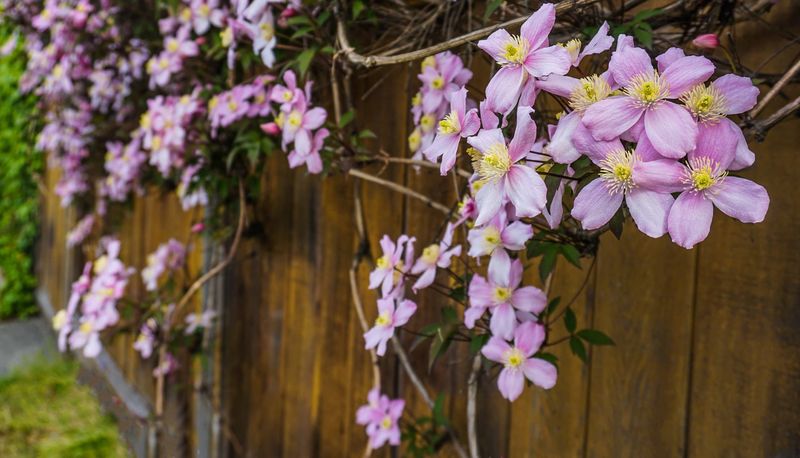
Once new shoots start growing, your job changes from cutting to guiding. Training means spreading stems out across a trellis, fence, or obelisk so leaves and flowers cover more of the support.
Look for a few strong shoots and fan them out in different directions. Tie them loosely with soft twine, and leave a little room so the stems do not get squeezed as they thicken.
Check every week or two, since young clematis stems grow quickly and can be brittle.
Training and pruning do different work. Pruning promotes new shoots, while training helps spread those shoots where you want them.
The Royal Horticultural Society treats them as separate tasks in its Group 3 guidance.
Say your vine has one thick bunch of stems climbing straight up one side of a trellis. Fanning a few out sideways can give you a better spread of leaves and blooms.
Training alone will not add new stems at the base, though, so do not expect it to fix a bare bottom by itself.
Think of it as a partner to the spring cut. The cut offers more shoots, and training gives them room to show off.
Protect Group 1 stems that carry spring flowers
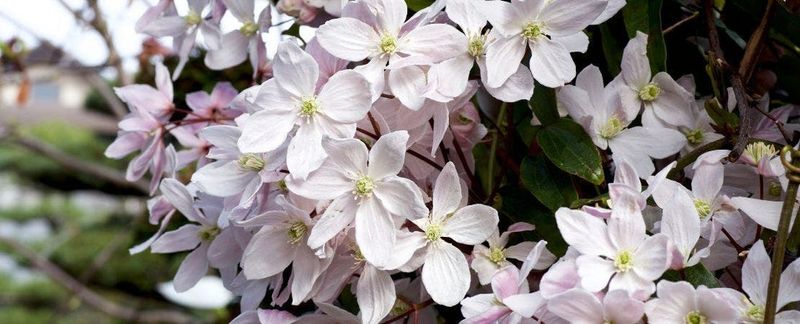
If your clematis blooms in early spring, a fall haircut could be a costly mistake. Group 1 vines flower on growth they made the previous season.
Those stems already hold next year’s flower buds by the time frost arrives.
Cut them hard in autumn and you may remove the very stems that would have flowered. That is why the Group 3 cutback does not carry over.
The same scissors that help one vine can leave another with a bare spring.
Both Iowa State Extension and Illinois Extension advise against hard pruning these plants in fall.
What if the vine has grown too big or looks untidy? Wait until it finishes flowering, then trim it back to shape.
That timing gives the plant the whole season to grow the stems that will carry next year’s flowers.
A simple check: if your vine flowered in early spring and you are tempted to cut it to the ground this fall, hold off. Leave the stems alone through winter, and save any shaping for the weeks right after the blooms fade.
Give Group 2 clematis a lighter spring prune
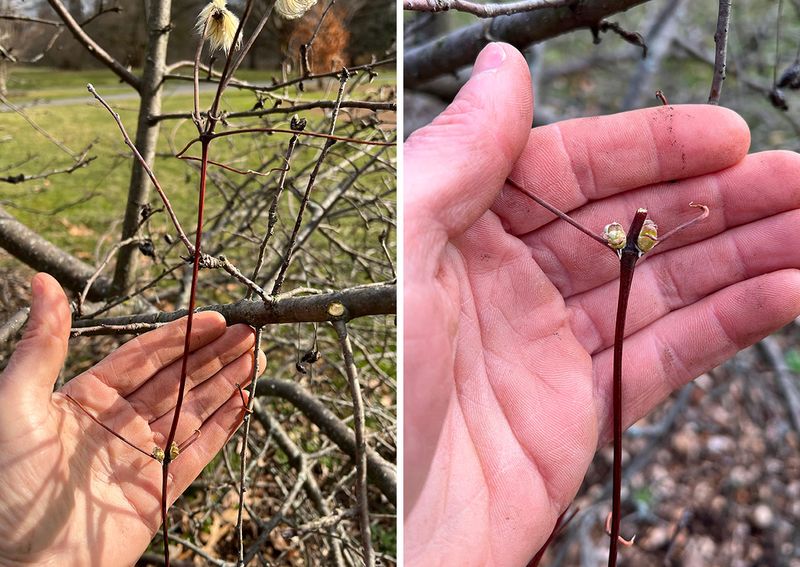
Group 2 clematis sit in the middle. They are repeat bloomers, often putting on a big flush of flowers in late spring and then another round later in the season.
Because of that, they ask for a lighter touch than their Group 3 cousins.
In early spring, look the vine over and remove dead wood. Dead stems are brown and brittle, and they snap rather than bend.
Cut them back to a live bud or to the base, and keep as much healthy growth as you can.
Here is why you should go easy. Iowa State Extension notes that hard pruning can sacrifice the spring flush.
You would be trading a round of flowers for fresh stems.
The contrast with Group 3 is plain. A Group 3 vine gets cut down to 6 to 12 inches, but a Group 2 vine mostly keeps its framework.
If you cut a Group 2 like a Group 3, expect fewer early blooms that year.
If the plant has a very bare base, you can still thin or shorten a few older stems gradually over several seasons rather than all at once.
Treat new plants and sudden stem collapse as special cases
Two situations call for their own rules, separate from the pruning of established vines. The first is a clematis you just planted.
Iowa State Extension recommends trimming it after planting to about 12 inches, or to a pair of low buds, to encourage branching.
It may feel scary to cut a brand-new plant, but a low start can mean more stems coming from near the base. This advice is for new plantings only, not a rule for mature vines.
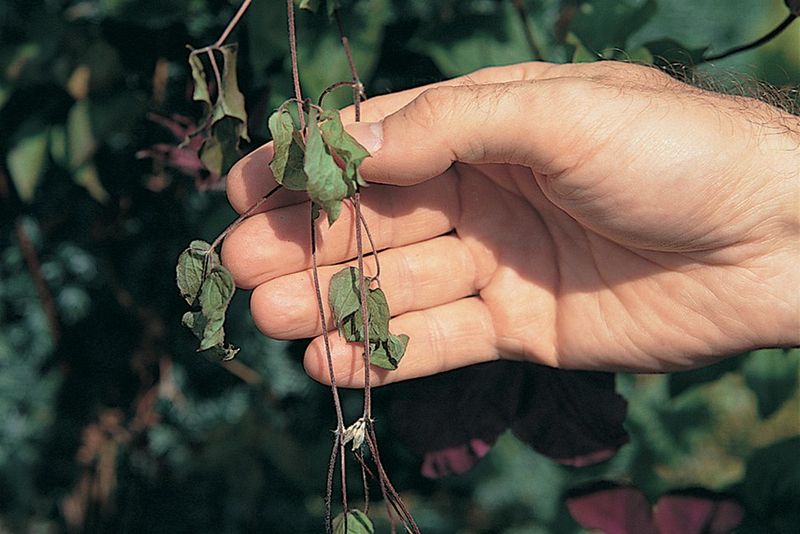
The second case is sudden collapse. If healthy-looking stems wilt fast and droop, that is not normal legginess, and it is not seasonal dormancy.
Clematis wilt is one possible cause, though other problems can look similar, so legginess alone is never enough to diagnose it.
Iowa State advises cutting affected stems at ground level and removing and destroying them. Do not toss them in the compost.
Clean your pruners afterward, and watch the base for new shoots.
If you are unsure what you are seeing, a local Extension office can help look at a sample. A clematis can surprise you by sending up fresh growth from below ground.