
Most Gardeners Toss Their Beet Greens Without Knowing They’re The Best Part Of The Harvest
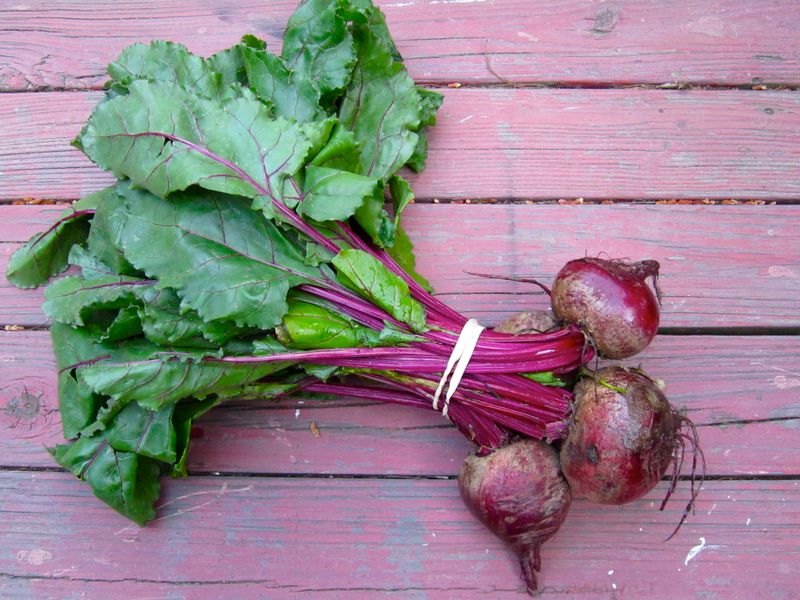
Look at the leafy tops on your beet row. Those leaves and stems are edible, and you can use them in the kitchen along with the roots.
Whether they are the best part of the harvest is a matter of taste, but they are worth a try. Here is how to harvest, cook, store, and wash them.
Beet leaves and stems are edible
Picture a row of beets in your backyard bed, with big green leaves waving above the soil. Those leaves and the colorful stems are food, not just packaging for the root.
University of Maine Extension describes beet greens as flavorful and nutritious, and says young leaves can go into salads.
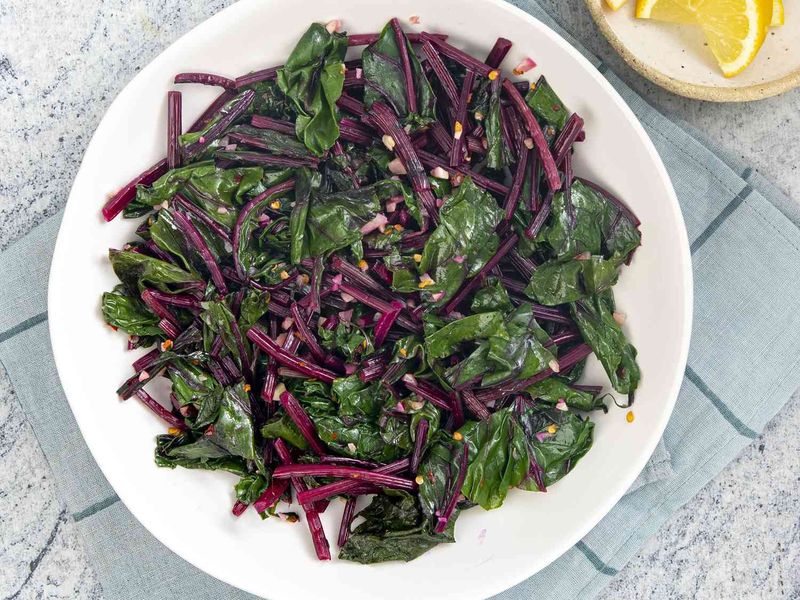
Older leaves can be boiled, microwaved, or sauteed. That gives you a second way to use a plant you already grow, with no extra seeds, space, or watering.
Illinois Extension confirms that both the leaves and the stems are edible, so the red stalks do not have to go to the compost pile.
Think of the greens as a bonus crop. Some gardeners already cook them every season, and others have simply never tried.
Either way, the idea is not to pick sides between leaves and roots. It is to know that your beet plant offers more than one thing to put on the plate.
A good first step is to snip a few young leaves and taste them raw. Then try a handful of larger ones cooked, the way you might cook spinach.
A small test like this tells you quickly whether the greens belong in your kitchen routine.
Greens and roots offer different nutrients
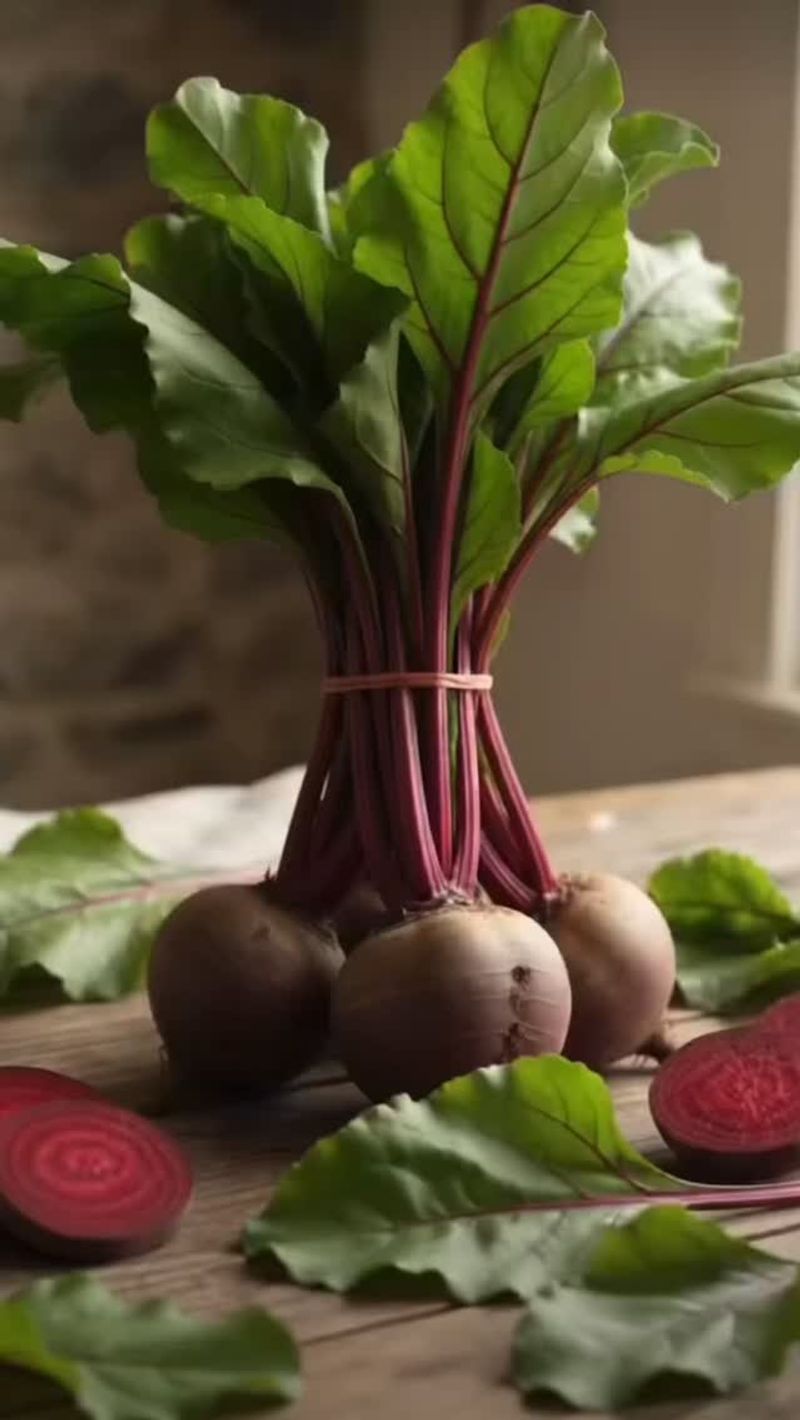
Ask which part of a beet is healthier and the honest answer is: it depends on the nutrient. Greens and roots each bring something different.
Nobody needs to crown a winner.
According to Illinois Extension, the leaves and stems contain vitamins A and K, calcium, and potassium. University of Maine Extension adds that cooked greens provide vitamin C and vitamin A.
The root has its own strengths. The same Maine Extension source notes that beet roots give you more folate per serving than the greens do.
So if folate is your goal, the root has the edge, and if you want vitamins A and K, the greens are a good pick.
That is why calling the greens the best part of the harvest works only as a personal opinion. Maybe you love their taste or their cooking flexibility, and that is a fine reason to favor them.
As a nutrition ranking, though, it does not hold up, and a plate that includes both parts covers more ground.
When to harvest beet leaves
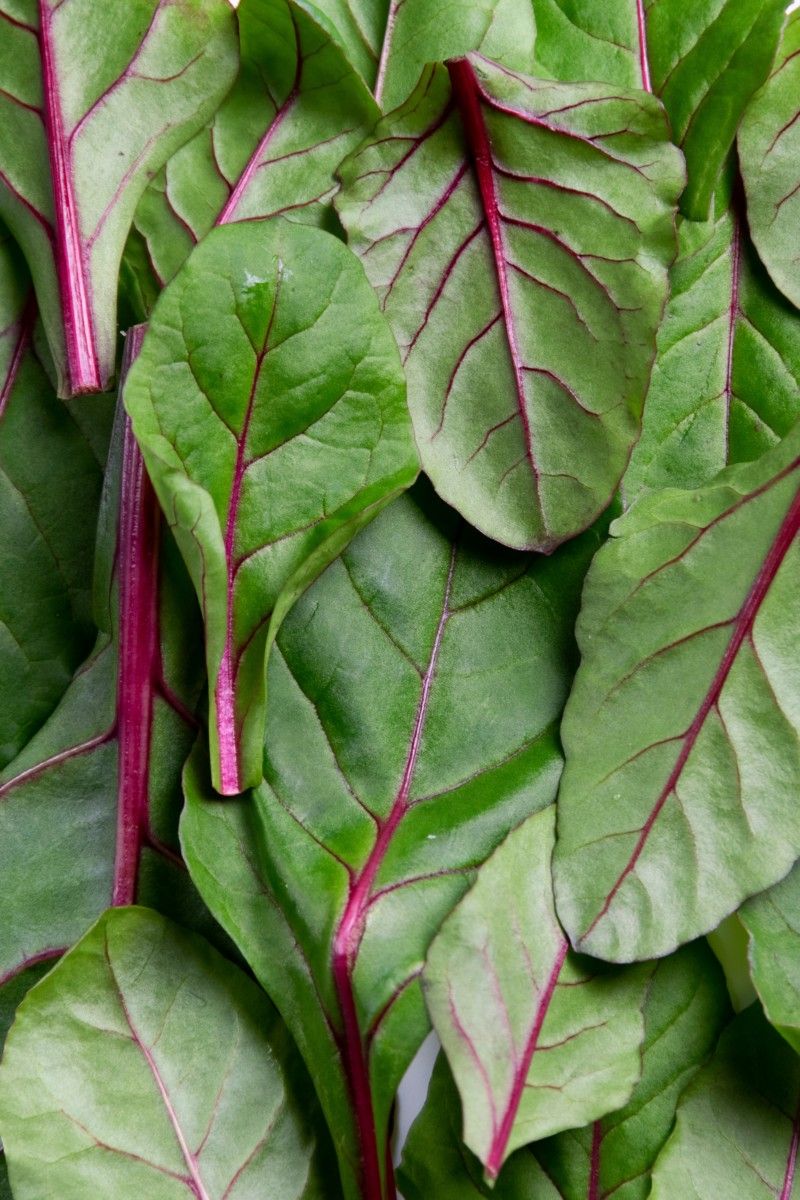
Timing matters when you want tender leaves. Utah State University Extension says young beet leaves may be cooked and eaten, and it recommends harvesting them when they are 4 to 6 inches tall.
That is the Utah State recommendation for picking young leaves, so use it as your guide.
Thinning gives you another chance. Illinois Extension notes that seedlings pulled out during thinning can be cooked as greens.
Instead of tossing those crowded little plants, rinse them and cook them.
Keep your main goal in mind, though. Table beets grow a large taproot and fairly modest leaves, while chard, a close relative in the same species, was selected to produce lots of leaves, as Minnesota Extension explains.
A beet bed is not a chard patch.
The sources reviewed do not say how much repeated leaf picking changes root size, so do not assume it costs nothing. A sensible approach is to take a few leaves from each plant rather than stripping any one plant bare.
If big roots are your priority, go lightly. If you crave more leaves, consider planting chard alongside your beets.
Cook beet greens like spinach or use young leaves raw
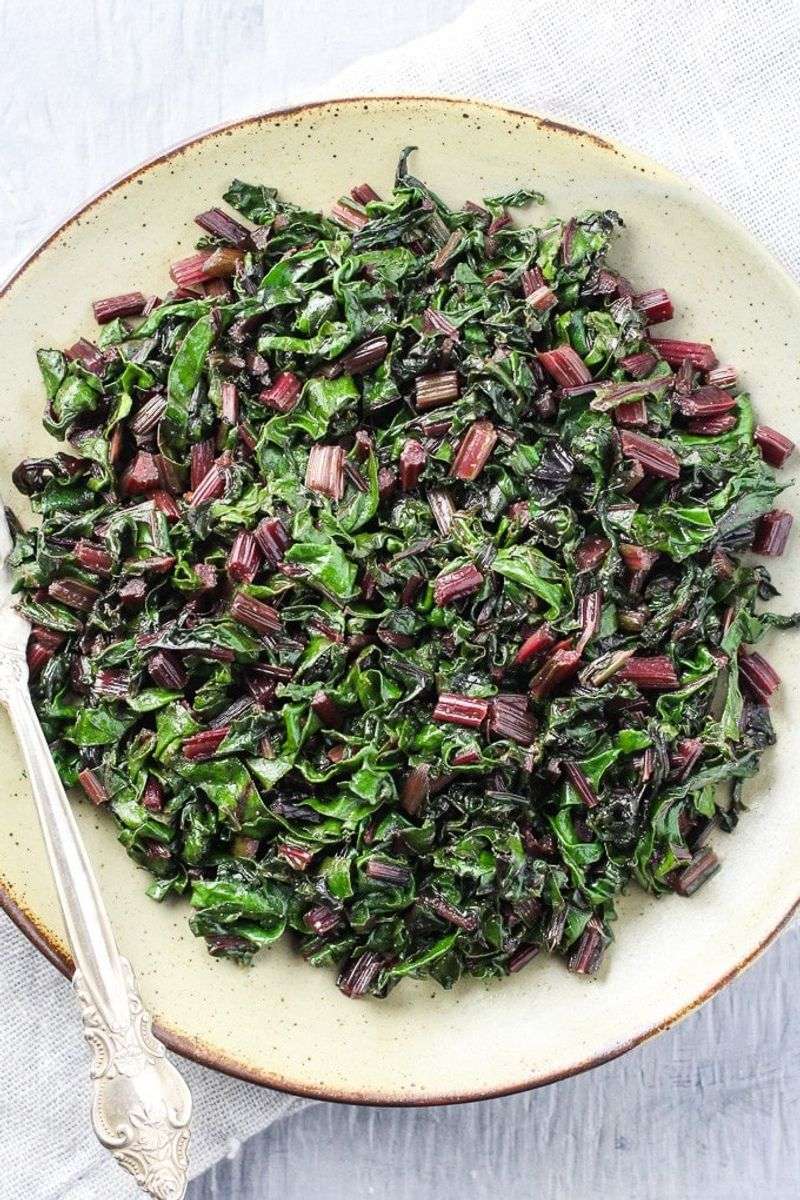
Got a handful of leaves and no plan? Start with the simplest idea.
Young, small leaves can go straight into a salad, as University of Maine Extension suggests.
Bigger leaves and stems can be cooked. The same source lists boiling, microwaving, and sauteing as options.
Illinois Extension says you can cook them like spinach.
If you are tired of the usual routine, try pesto. Illinois Extension also mentions using beet greens that way, which turns a bunch of leaves into a spread for toast, pasta, or sandwiches.
Treat the leaves and the stems as one ingredient, and use both. A quick way to start is to pick one method and try it on a small batch.
If you like it, you can make more next time without wasting a whole harvest on an experiment.
Taste varies from plant to plant and person to person, so trust your own palate. The point is to have a few easy options ready when you pull a bunch of beets.
Separate the tops to help keep roots fresh
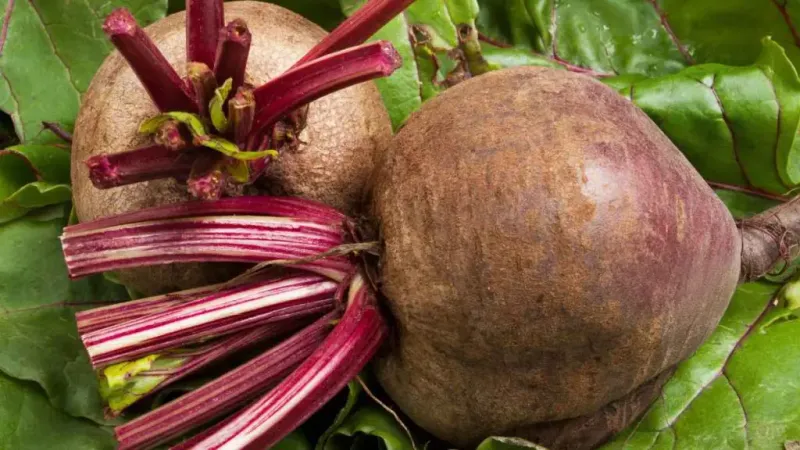
Pulled the whole beet? Then the greens and the root need to part ways.
Illinois Extension advises separating the tops from the root and leaving about an inch of stem.
Here is the reason. Attached greens draw moisture out of stored roots, which makes the roots shrivel, according to Illinois Extension’s root-to-stalk guide.
If you leave the tops on a beet headed for the fridge or cellar, you may open the bag later and find a wrinkled root.
Trimming has a bonus. The tops you remove are your greens, ready to cook.
University of Maine Extension advises using them within two or three days, so plan a meal soon after harvest.
A simple routine works well. Pull the beets, trim the tops right away, set the greens aside for dinner, and store the roots.
Making this a habit keeps both parts in good shape and avoids the sad sight of limp leaves forgotten in the back of the fridge.
Wash greens under running water
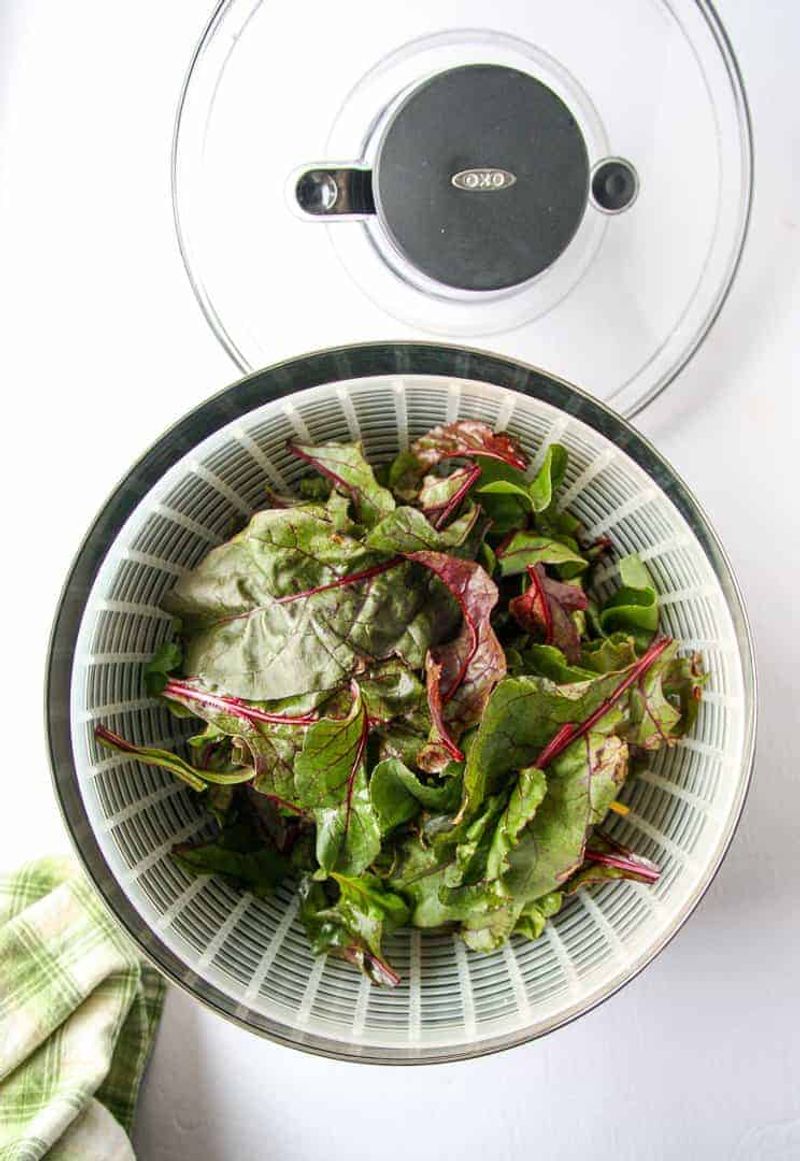
Homegrown does not mean ready to eat straight from the bed. Soil, grit, and insects can cling to the leaves, so washing matters.
FDA guidance says to wash homegrown produce thoroughly under running water before you eat or prepare it.
Skip the soap. The FDA says not to use soap, detergent, or commercial produce wash on your fruits and vegetables.
Plain running water is what it recommends.
Keep expectations realistic, too. Rinsing can reduce bacteria on produce, but it does not eliminate every germ.
That is one more reason to wash carefully and handle your greens with clean hands and clean tools.
For leafy tops, take a little extra time. Rinse leaves one at a time or in small bunches, and check the folds near the stems where dirt likes to hide.
Do this whether you plan to eat the greens raw in a salad or cook them in a pan.
Kidney-stone guidance depends on the individual
Anyone with a history of kidney stones should pause before adding a lot of greens. Diet advice for stones depends on the kind of stone and on the person.
NIDDK recommends that people with calcium oxalate stones talk with a health professional about oxalate sources in their diet.
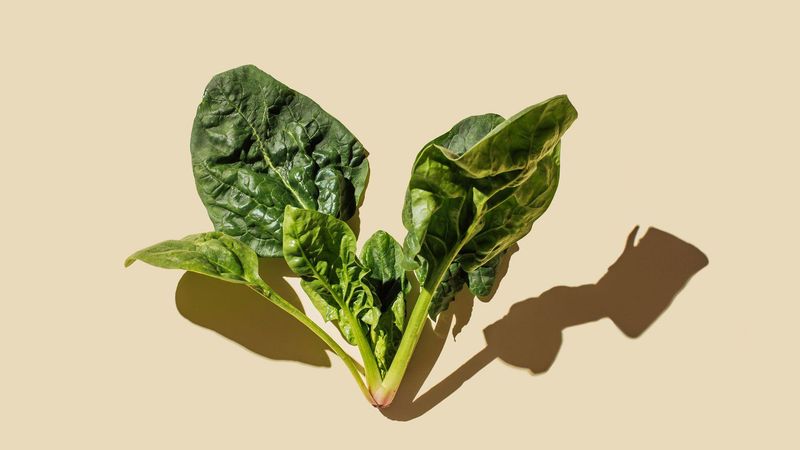
You may come across a study on oxalate in silver beet leaves. That research looked at chard, not necessarily the beetroot tops from a home garden, so it cannot settle the question for your beets on its own.
So there is no blanket rule here. Beet greens are not guaranteed safe for everyone, and they are not automatically off the menu for everyone with a stone history either.
If this applies to you, bring it up with your doctor or a dietitian before you cook up a big batch.
Use both parts of the harvest
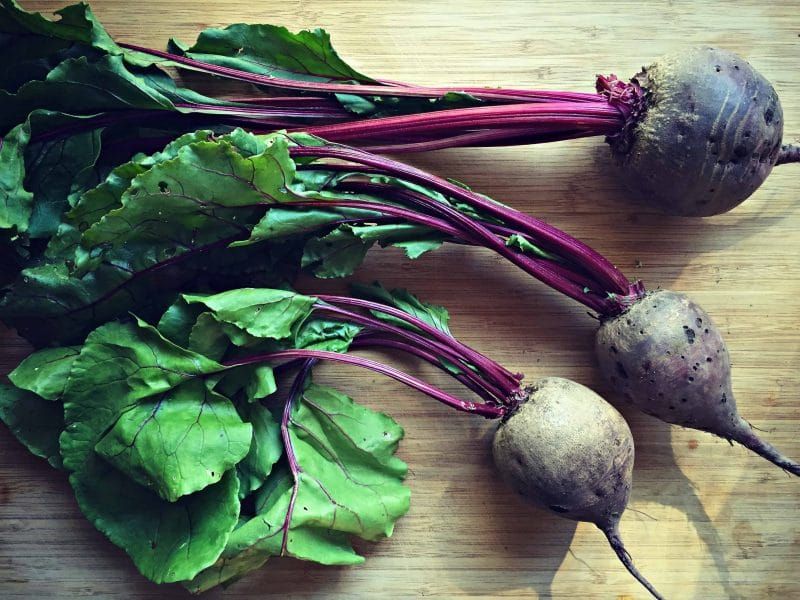
A beet plant gives you two edible parts, and you get to decide how to use them. Maybe the greens win your vote one night and the roots win it the next.
Both can earn a spot on the plate.
Next time you pull a beet, give the leaves a second look. The best part of the harvest might just be whichever one you cook tonight.