
Orange Peel Bug Spray: What the Evidence Really Shows About Kitchen Scraps and Garden Pests
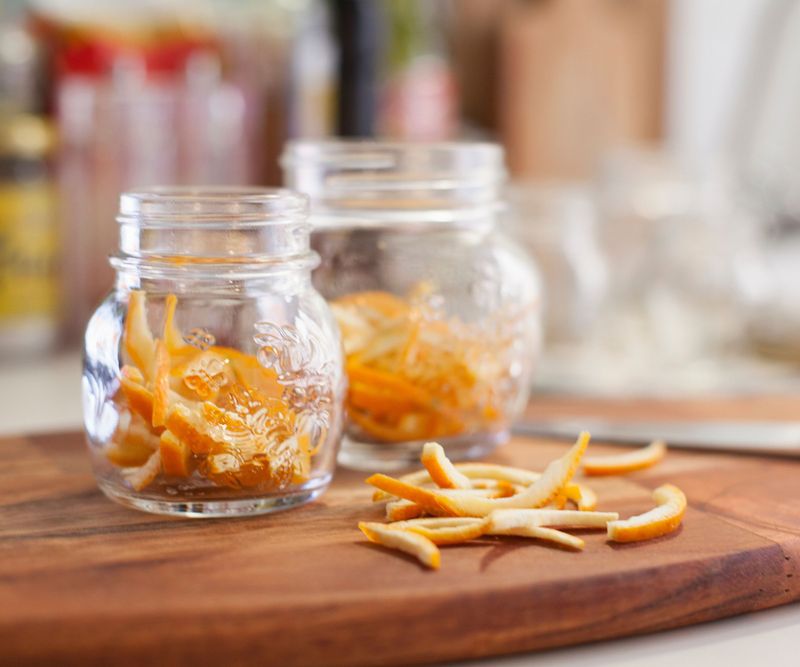
It feels smart to turn breakfast orange peels into something useful for your tomatoes or geraniums. Citrus peel really does contain an ingredient that shows up in some insect products.
But the story gets tricky once that ingredient leaves a lab and lands in a kitchen pot. Here is what research backs up, what it does not, and what to try on your plants instead.
The store-bought comparison goes beyond the evidence
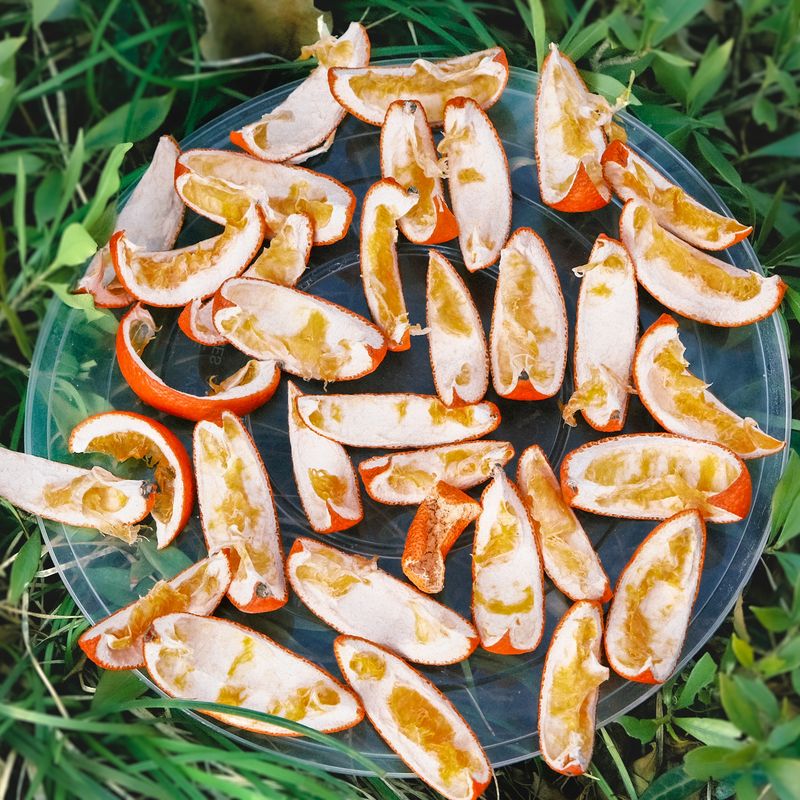
Saving orange peels for the garden is a thrifty idea, and it is easy to see why it appeals. The catch is the headline promise that peels can make a spray as strong as store-bought products.
No evidence shows that.
Two sources help sort this out, and they answer different questions. A USDA-ARS-linked study tested a deliberately formulated solution with 1% limonene plus surfactants.
It controlled certain mealybugs, scales, and whiteflies in tests. That is a measured, emulsified preparation, not peels steeped in water.
The second source is a University of Georgia Extension comment. An entomologist said discarded peels are unlikely to hold enough available oil to repel pests in a meaningful way.
That comment is about repellency, while the study is about killing insects.
Neither one shows how a homemade peel spray performs. The sections below look at what each source tells you and where each one stops.
What limonene does—and what it does not establish
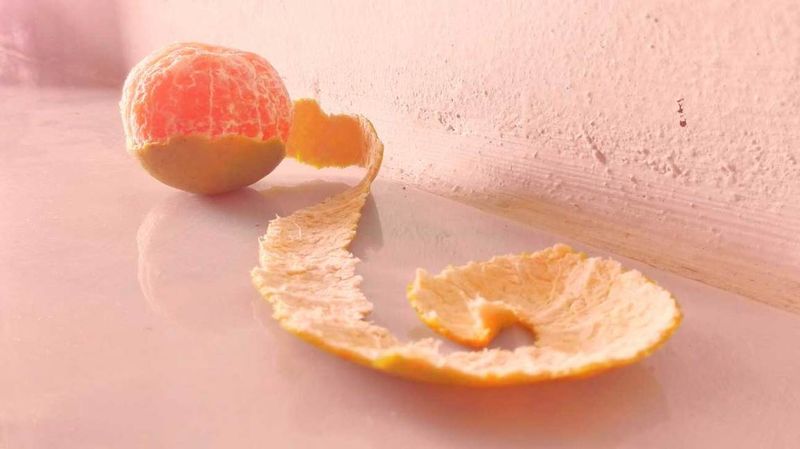
Citrus peel contains oils that are used to make d-limonene, an active ingredient in some insecticide products. So the peel and the pesticide are related.
UC IPM describes d-limonene as a contact insecticide that acts as a nerve toxin. It also notes that it can damage leaf surfaces.
You may have read that limonene melts the waxy shell of insects. That explanation is not backed by the sources reviewed.
Contact nerve toxicity is the described action.
Coating is a separate job done by horticultural oils. UF/IFAS explains that these oils work by covering pests, and they work less well on insects with waxy coverings, such as adult scale insects.
Mixing the two ideas together leads to wrong expectations.
Here is the practical catch. An ingredient can be biologically active and still not reach a useful dose from a pile of peels.
Knowing that limonene is in the peel tells you nothing about how much ends up on a leaf.
The study tested a specific, formulated spray
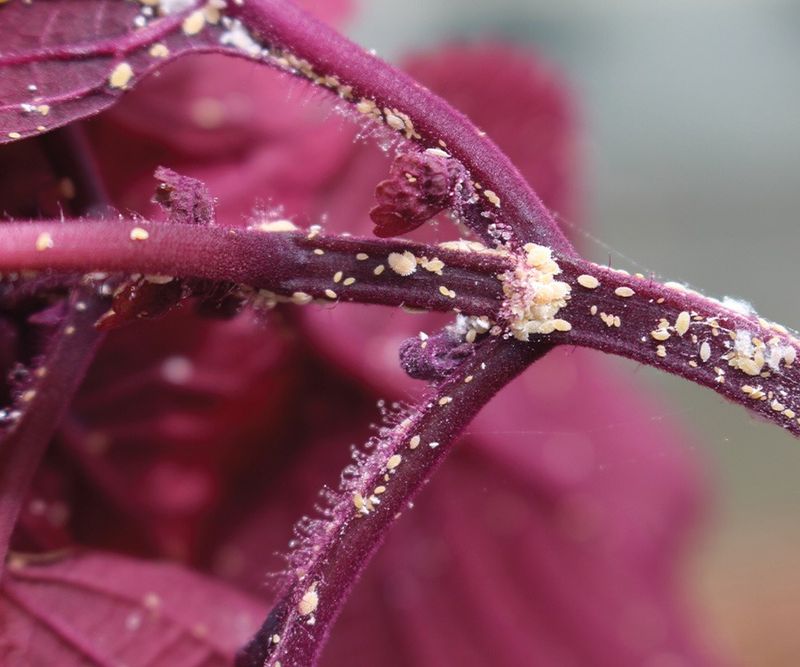
The research behind the limonene claim was not a kitchen experiment. In the study of limonene for mealybugs and scale insects, scientists used a solution with 1% limonene plus surfactants, which are emulsifiers that help oil mix with water.
The results were strong for that mix. It controlled 69 to 100% of the tested mealybugs and scales.
A half-strength mixture controlled at least 99% of whiteflies.
The same spray also caused harm. It damaged some ferns, gingers, and delicate flowers.
That is a reminder that anything strong enough to hit pests can also hit your plants.
These numbers belong to the tested formulation, the tested insects, and the tested plants. They do not describe peel water.
They also do not cover aphids, caterpillars, beetles, or every other pest in your yard, so treat them as a narrow finding rather than a green light for homemade mixtures.
Why kitchen scraps do not reproduce that formulation
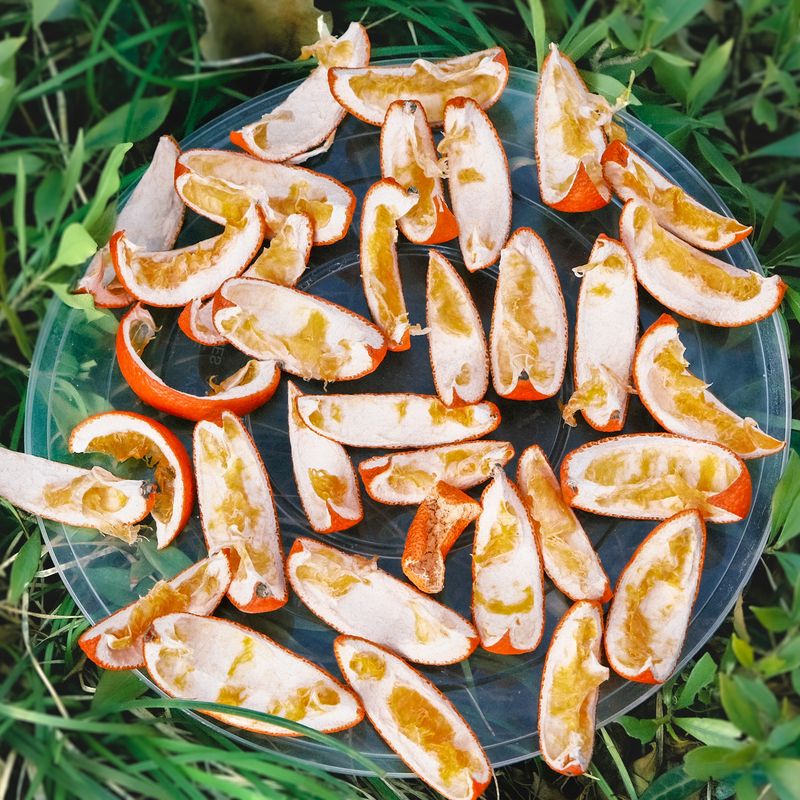
Think about the difference between a measured recipe and a pot of leftovers. The lab spray had a set amount of limonene, blended so it stayed mixed in water.
Peels dropped into water release oil in unknown amounts, and the oil does not mix evenly.
That is why the University of Georgia assessment matters. The Extension entomologist said discarded peels are unlikely to supply enough available oil to meaningfully repel pests.
Note that this is a statement about repellency, not a test of killing insects.
Meanwhile, the formulated-spray study never tested boiling, soaking, or spraying peels. So nothing supplied shows a consistent or effective dose from any of those steps.
For that reason, there is no recipe here. Guessing at strength is how plants get burned and pests get missed.
A plant-safe treatment is not automatic
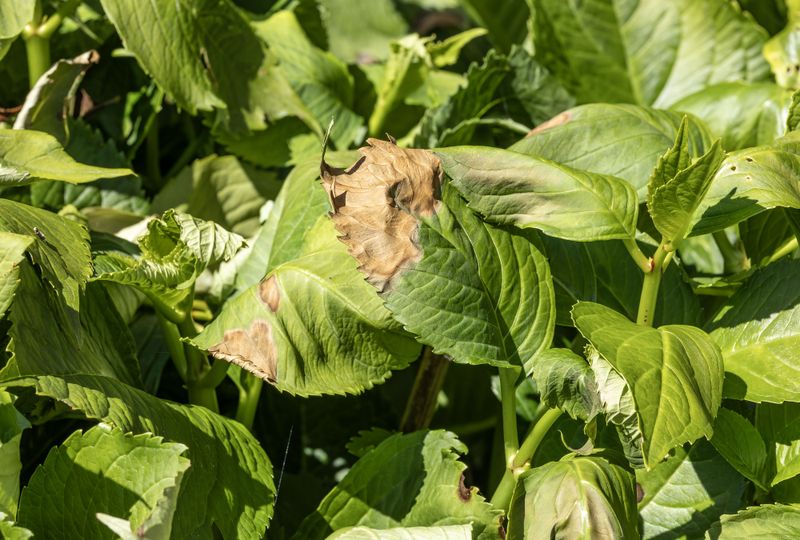
Picture a hydrangea with crisp brown leaf edges the day after you sprayed it. Treatments can hurt plants as well as pests.
In the limonene study, the formulated spray damaged some ferns, gingers, and delicate flowers.
Iowa State Extension makes a similar point in its guide to chemical injury. Even products sold as organic or low-toxicity can injure plants when misused.
Trying a new product on a few plants first is a smart habit, along with following the label.
Tolerance varies by plant. One EPA label for an ornamental limonene product gives different dilutions for different plant sensitivity groups.
An untested mixture has no such guidance.
Natural does not mean harmless to helpful insects either. That same label warns about bee toxicity on direct treatment and hazards to aquatic invertebrates.
Those warnings belong to that one product, but they show why care matters.
Maryland Extension also advises against using contact insecticides on or near blooming plants, because pollinators may be harmed.
For aphids, start with water and choose pesticides by label
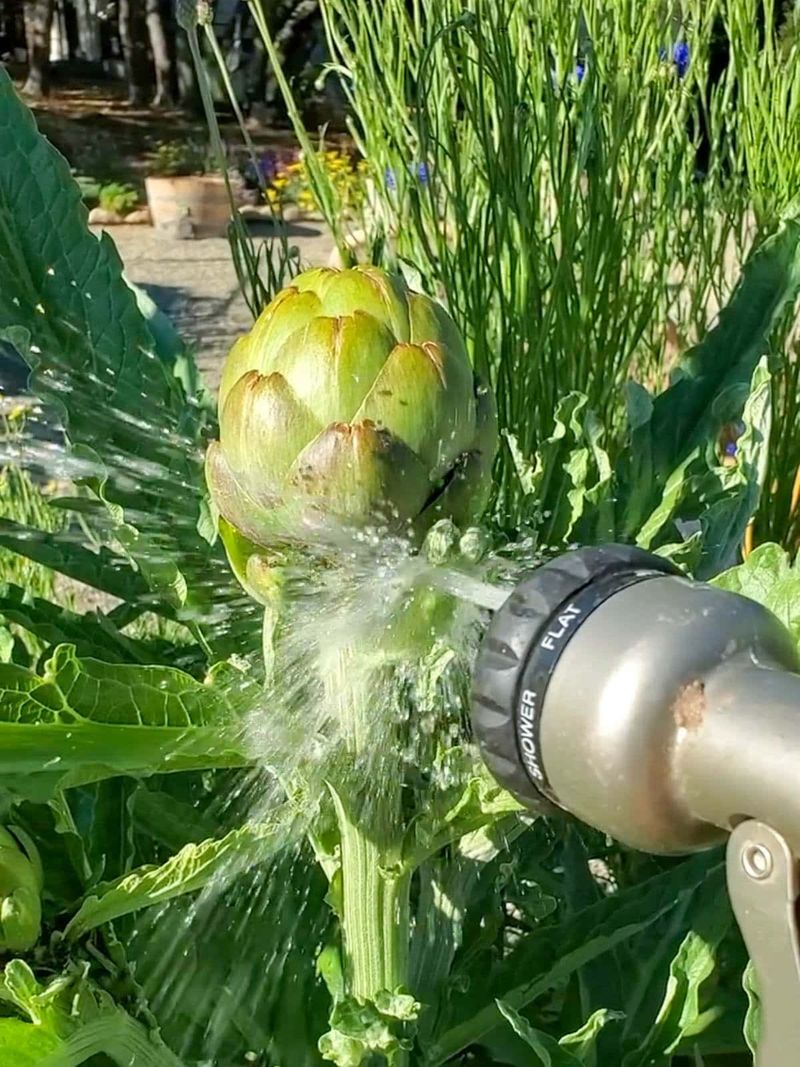
If aphids are clustered on your plants, grab the hose before anything else. Maryland Extension notes that aphids often do not need pesticides.
A strong jet of plain water, aimed at both sides of the leaves, is a low-cost first step.
Check back in a few days. If aphids are still there, you may need to repeat the water blast.
Some gardeners will decide a pesticide is needed. Contact products only work when they reach the insects directly, so missed aphids can mean a second treatment.
Pick a product labeled for your particular plant, the site where you are spraying, and the pest you have, then follow its directions instead of inventing a mix.
For a sense of what a label looks like, one EPA label for a limonene product covers ornamental plants and lists precautions for bees and aquatic invertebrates. It is only an example.
It is not a recommendation for edible crops or for every limonene product.
What the orange-peel evidence can—and cannot—tell you
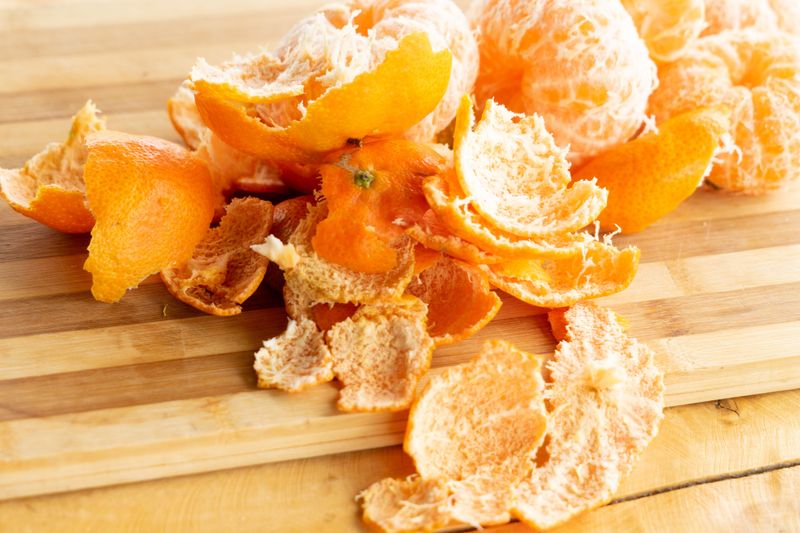
Orange peel does hold an ingredient used in formulated insecticides. Still, nothing cited shows that kitchen scraps make an equivalent garden spray, and University of Georgia Extension does not expect much from discarded peels.
When aphids show up, begin with water, and follow Maryland Extension’s guidance. If that falls short, pick a product with a label that matches your plant, site, and pest.
Peels may smell like a fix, but a hose and a label are what actually work.