
Rosemary Near Your Door: What It Can Do for Deer, Pollinators, and Water Bills, and What It Can’t
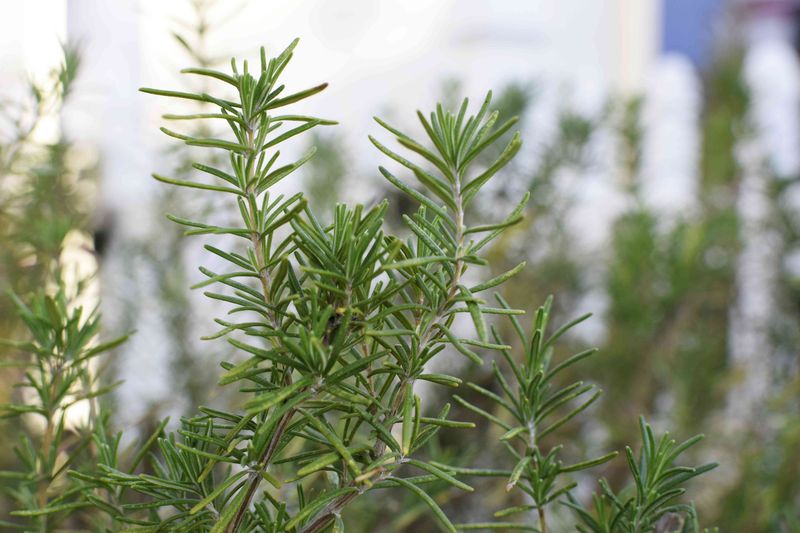
Rosemary is one of the most common herbs planted by the front door, and it gets credit for guarding everything from tomatoes to porches. Some of that praise is earned, and some of it is a stretch.
Knowing the difference helps you care for the bush you already have, or decide where a new one belongs. Here is what rosemary really does, and how to keep it healthy.
Deer are the clearest garden visitors rosemary may frustrate

If rosemary has a security-guard job, this is the main one. Iowa State Extension’s deer-damage list places rosemary among the herbs deer rarely damage.
In plain terms, deer tend to walk past it and look for something tastier.
That is not the same as a repellent or a fence. A plant deer usually skip does not push deer away from the plants next to it.
Your hostas or tomatoes will not be safe just because rosemary is growing nearby.
Even the word resistant has limits. Rutgers Extension cautions that no plant is deer-proof, and that local deer numbers and conditions affect how much damage happens.
A hungry herd in a dry year may sample almost anything.
A good habit is to watch your own yard. If you see nibbled tips on your rosemary, that tells you deer pressure is high where you live, and you may need fencing or netting for the plants you care most about.
A nearby crop may benefit, but the evidence has a narrow scope

One greenhouse experiment gives rosemary its best insect story. In a study of sweet peppers interplanted with rosemary, researchers counted fewer aphids, thrips, and whiteflies on the peppers.
The details matter here. The work took place in a greenhouse, with one crop, and the setup also included released biological-control insects, which are helpful bugs that hunt pests.
So rosemary was one part of a managed system, not a lone defender.
The authors themselves note that results can vary from one planting system to another. That means you cannot assume the same payoff for tomatoes, roses, petunias, or a backyard bed.
The practical takeaway is modest. Tucking rosemary near peppers is a reasonable experiment, especially if you also welcome beneficial insects.
Keep checking your leaves for aphids and whiteflies, and treat any pest you find directly instead of trusting the herb to handle it.
A rosemary bush is not a mosquito barrier
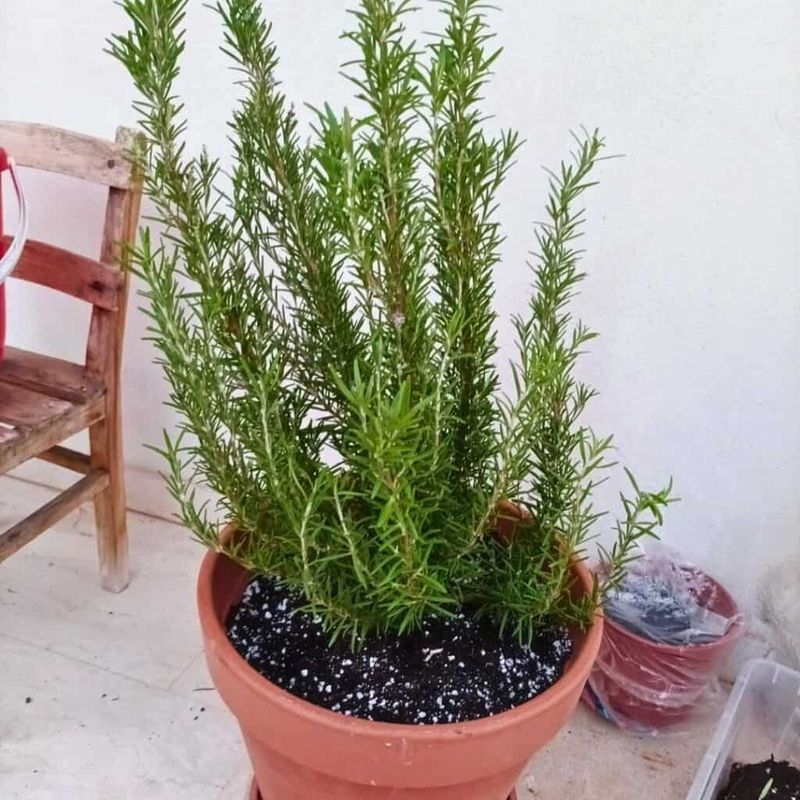
Many gardeners plant rosemary by the porch hoping to keep mosquitoes away. A controlled trial in the Sacramento area tested that idea.
The researchers found no statistically significant mosquito protection from prostrate rosemary, whether the plant was left intact or mechanically disturbed.
That trial did not test every cultivar or every insect, so it is not the last word. It is, however, direct evidence against counting on a living bush as a mosquito shield.
The confusion often starts with essential oils. As Clemson Extension explains, plant fragrance disperses in open air, and results for concentrated oils should not be mistaken for results from planting the living herb.
Oils can also irritate skin.
If you need protection on the porch, skip crushed leaves and homemade rosemary oil. Choose a registered repellent and follow its label, since the EPA evaluates skin-applied repellents for safety and effectiveness when used as directed.
Sun and drainage matter more than a pest-free promise
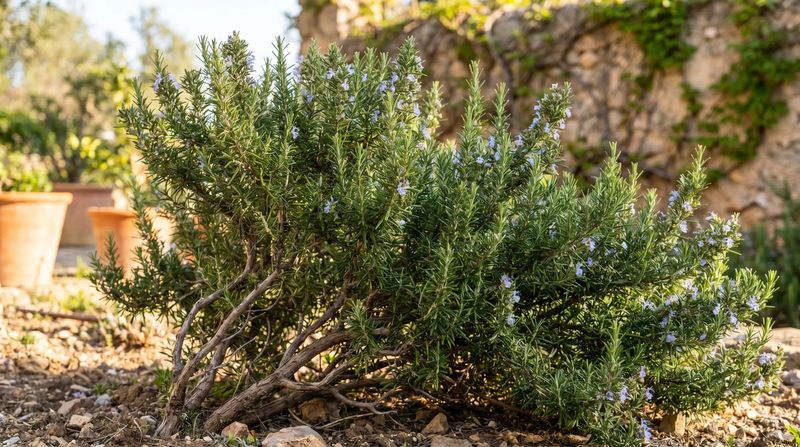
Rosemary earns its low-water reputation only when the site is right. UC IPM notes that it does best in full sun and well-drained soil, and needs little to moderate water.
Drought-tolerant is the fair label, not drought-proof. Young plants need regular watering while roots settle, and even established shrubs appreciate a drink in long dry spells.
The goal is to let the soil dry between waterings, as UC Master Gardeners describe.
Here is a symptom check. Yellowing, drooping, or browning stems on a shrub that sits in damp soil usually point to too much water or poor drainage, not too little.
Move it, raise the bed, or mix in grit.
Pests can still show up. Aphids, spittlebugs, and whiteflies can affect rosemary, so look at new growth now and then.
A sunny spot, fast-draining soil, and a light hand with the watering can handle most of what goes wrong.
Winter survival depends on where you garden
Rosemary does not live outdoors year-round everywhere in the country. Illinois Extension says it is typically hardy to about USDA zone 7, with some cultivars noted for zone 6.
Start by finding your zone and checking the tag on your plant, since cultivars differ. In milder climates, a bush by the door may last for years.
In colder areas, a hard freeze can finish it off.
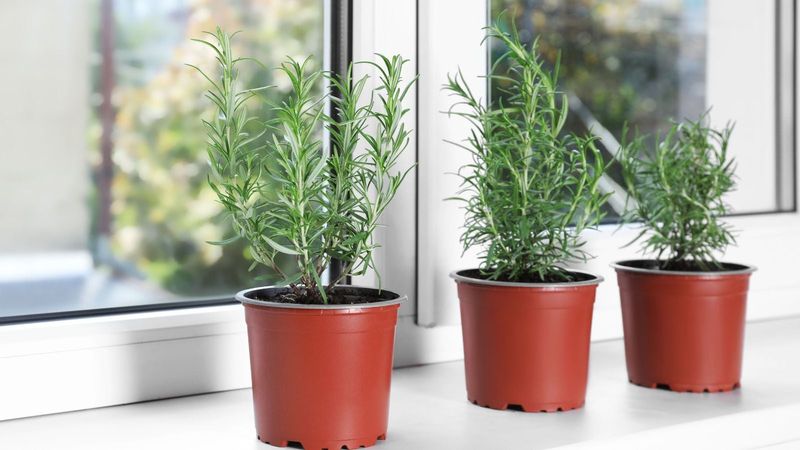
If you live where winters bite, grow rosemary in a pot and bring it indoors before frost. Give it a bright window, cool temperatures, and water only when the soil has dried out.
Soggy indoor soil is a common reason potted rosemary fails.
Zone 6 gardeners who want to try it outside can pick a cold-tolerant cultivar and plant it in a sheltered, well-drained spot. Treat it as a bonus if it makes it through, and keep a rooted cutting inside as backup.
Rosemary flowers add value beyond the leaves
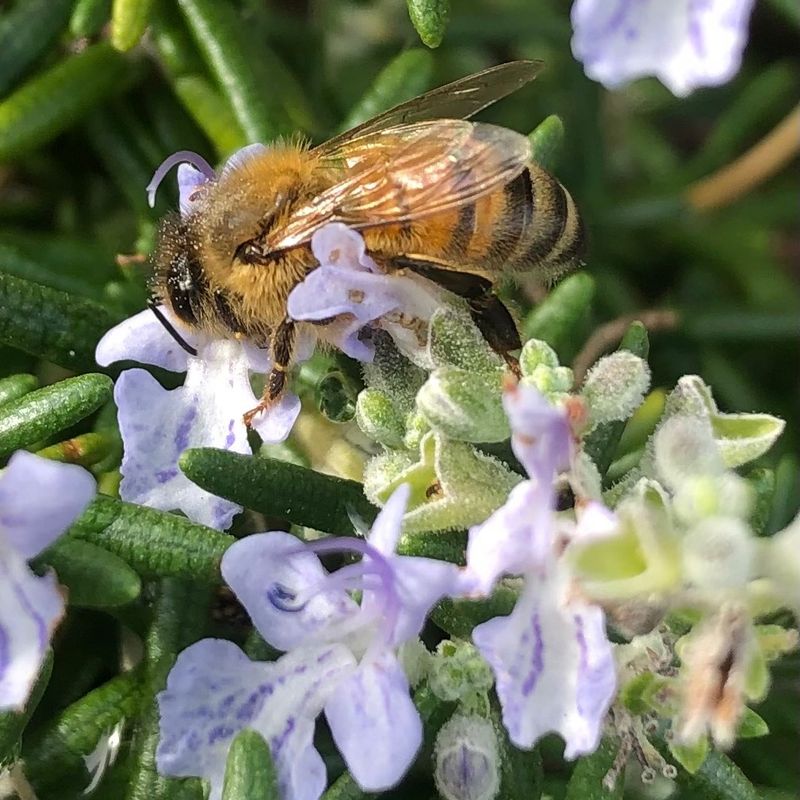
Let your rosemary bloom and it becomes a small pollinator stop. NC State Extension’s Plant Toolbox notes that its flowers attract bees and butterflies.
The blooms are small and pale blue to purple, easy to miss unless you stand close, but insects find them. In many climates they open in spring, and in mild areas flowers can appear at other times too.
This benefit stands on its own. Bees visiting your shrub does not mean rosemary is controlling pests, and it does not promise a bigger harvest elsewhere in the yard.
It simply means the plant feeds pollinators while you cook with it.
To get more from the flowers, snip stems for the kitchen before bloom or after, and leave some blooming. Avoid spraying the shrub while flowers are open, so visiting insects are not harmed.
Keep the guard—and the plant—in perspective

Rosemary suits gardeners who want a shrub that deer often skip, that sips water once settled, and that feeds pollinators with its flowers. It is not a general pest shield or a mosquito barrier, so keep your usual pest checks going.
Keep a happy bush where it is, or plant one only if the sun, drainage, and winter conditions fit. A good fit does quiet work, and a poor fit is just a struggling plant.
Think of it as a helpful neighbor, not a bodyguard.