
Saving Zinnia And Marigold Seed In North Carolina: A Possible Source Of Next Year’s Flowers
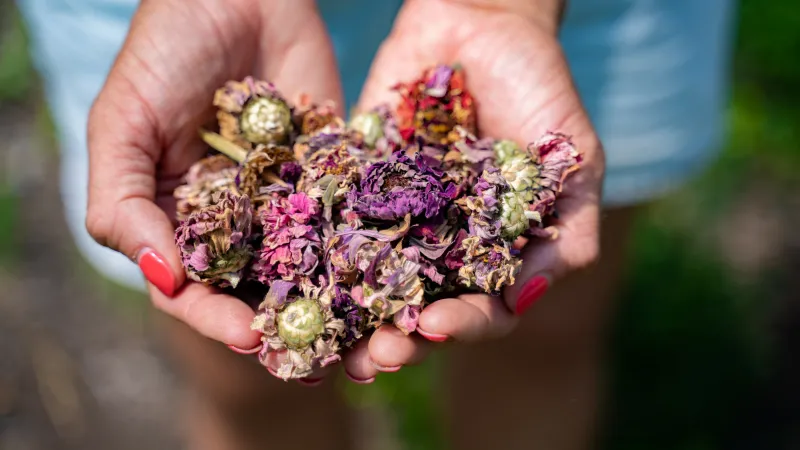
Those faded zinnia and marigold blooms in your yard might be holding something useful. Inside the right ones, mature seed may be waiting to be saved and sown next spring.
Saving it could cut down on what you spend at the garden store, though nothing is guaranteed. Here is how North Carolina gardeners can tell which heads are ready and what to do with the seed.
Saving seed may help stock next year’s garden
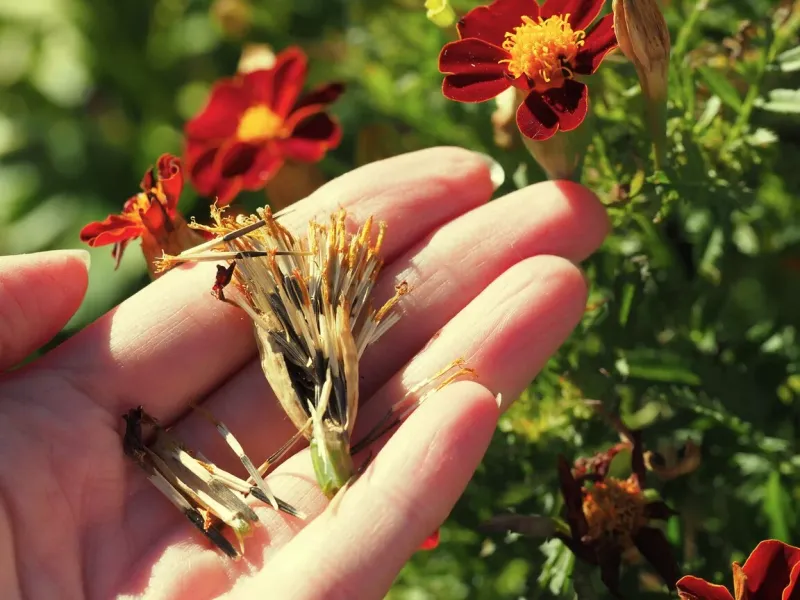
Zinnias and marigolds are two of the friendliest flowers for anyone trying seed saving for the first time. North Carolina Cooperative Extension in Clay County points to both as good beginner choices, and it advises waiting until the flowers and seeds are dry before you collect anything.
The payoff is a possibility, not a promise. Healthy, mature heads can give you seed to sow next year, and that may reduce how much seed you buy.
It will not necessarily give you a full bed, and you will still need soil, water, and a little time.
Not every drying bloom is ready, either. Some heads are only fading and still have green, immature seed inside.
Some seed will not sprout, and the flowers that do come up may not look like the ones you started with.
Think of seed saving as a low-cost experiment. Henderson County Extension recommends collecting mature seed from robust, healthy plants, so start by noticing which plants in your yard have done well this season.
The next sections walk through how to spot ripe heads, collect them, dry the seed, and set realistic expectations for spring.
Wait for mature, dry seed heads
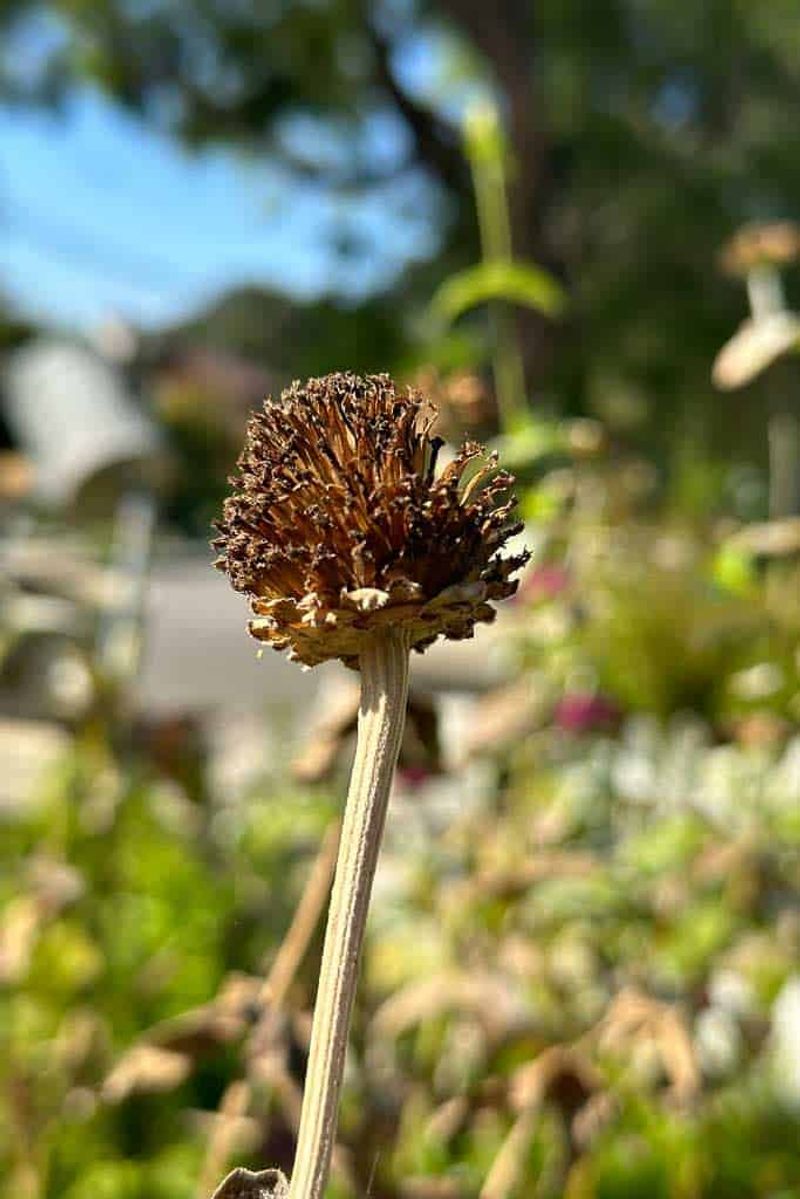
A fading petal is not the same thing as a ripe seed head. University of Illinois Extension describes ready flower heads as completely dry, brown, and shriveled.
If the base is still green or the head feels soft or damp, give it more time.
Leave a few healthy blooms uncut on purpose. Pick the plants that look strongest and have no signs of disease, then let their best flowers finish on the stem.
NC Extension recommends waiting until the heads and seeds are mature before collecting.
Timing is where North Carolina gets tricky. A gardener near the coast and one in the mountains can have first fall freezes weeks apart, so there is no single statewide deadline.
NC State Extension offers county frost charts and an interactive map so you can look up your own area.
Use that information as a planning tool, not a countdown. Watch the heads themselves, and keep an eye on the weather.
Colorado State Extension notes that mature heads should be harvested before seed disperses, so a head that is dry and ready should not sit through a long stretch of rain or wind.
Collect seed from healthy plants
Pick a dry day, ideally after the morning dew has burned off. Damp heads can hold moisture that causes trouble later.
Before you cut anything, take a quick look at the whole plant.
Choose robust plants without visible disease. NC Extension advises saving seed from healthy plants, because seed from a sickly one is not a good bet for next year.
Snip only the heads you actually want to save. There is no need to strip every remaining bloom, and leaving some in place keeps color in the yard a bit longer.
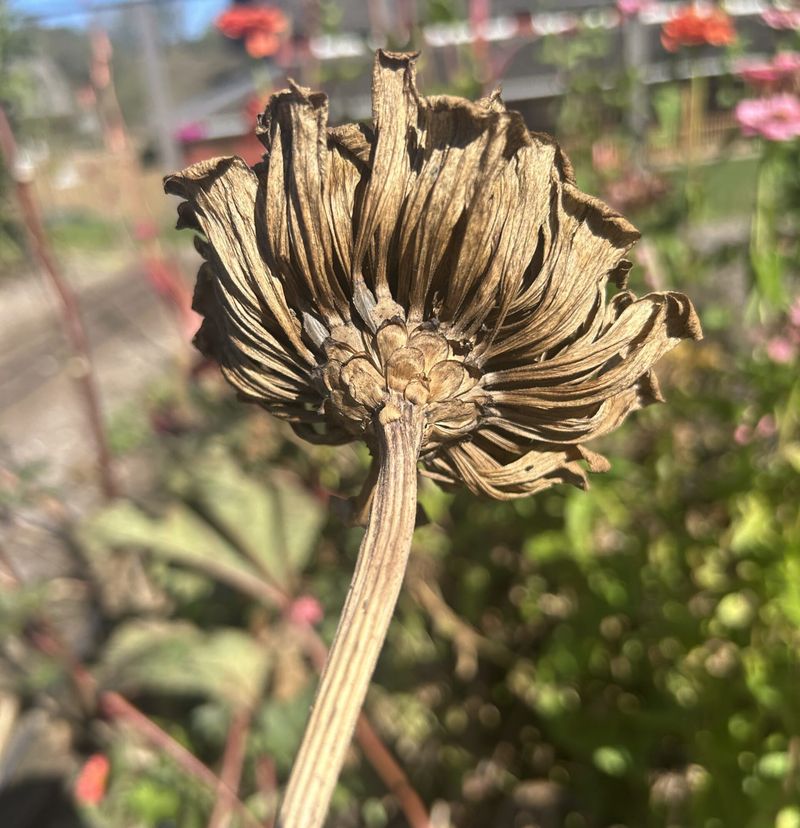
Pick the heads that are fully brown and dry.
Keep each kind or variety separate. Clay County Extension suggests using labeled paper bags or containers so seed from different plants does not get mixed up.
Write the plant name, color, and date right on the bag. A tall pink zinnia and a dwarf yellow marigold can look surprisingly alike once they are loose seed in a drawer.
A simple label now saves guessing in April.
Dry and store seed safely
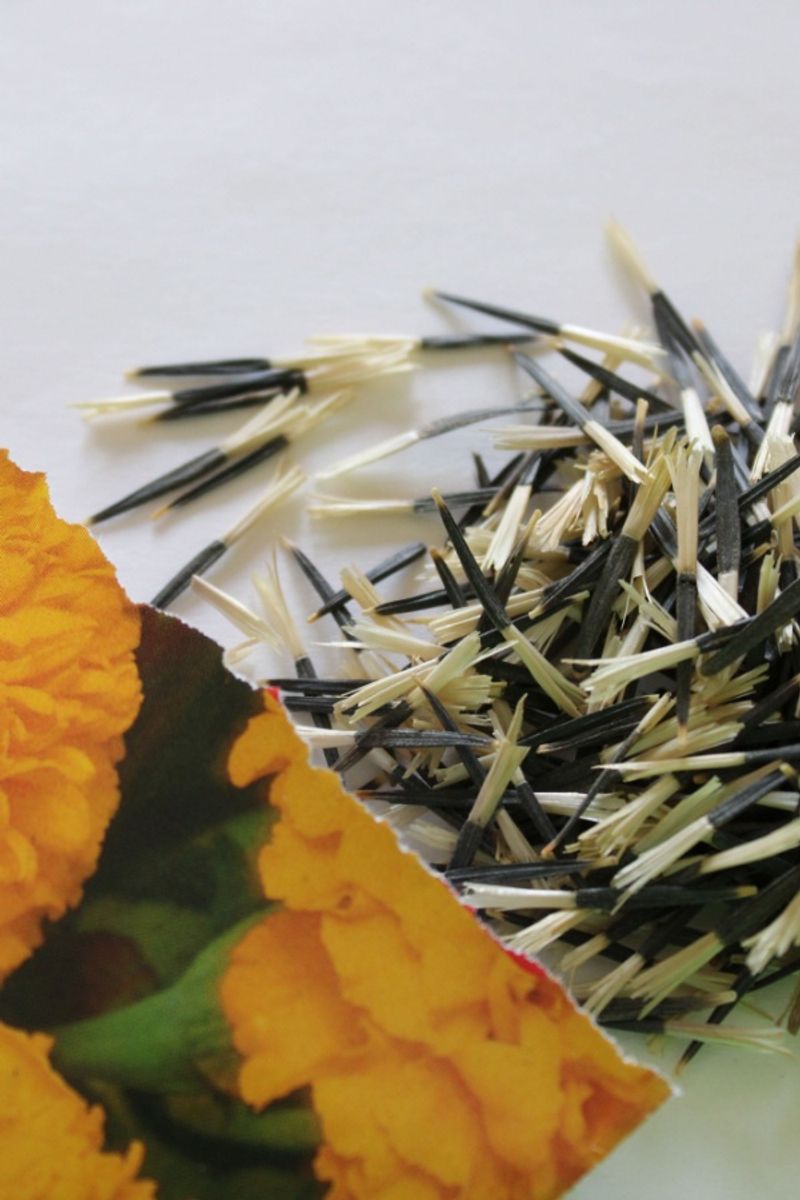
Once your heads are indoors, pull the seed from the dried flowers. Marigold seed is slender and dark with a pale tuft, while zinnia seed is flatter and often wrapped in a dry petal remnant.
Spread the seed on paper, or leave it in a paper bag, until it is completely dry.
Bits of dry petal may cling to some zinnia seed. According to Clay County Extension, cleaning off that chaff is optional as long as everything is fully dry, so do not stress over it.
Patience matters at this step. Henderson County Extension recommends storing fully dry, labeled seed in a cool, dry place.
North Carolina humidity can sneak into a kitchen or garage, so choose an indoor spot with steady conditions.
A sealed jar or moisture-proof container is fine only if the seed is thoroughly dry first. Colorado State Extension explains that trapped moisture can compromise stored seed.
If you are unsure, give it another few days on the paper.
Paper envelopes are a simple choice. Label each one with the plant, color, and year, then tuck them somewhere you will remember when planting season arrives.
Expect variation in germination and flowers
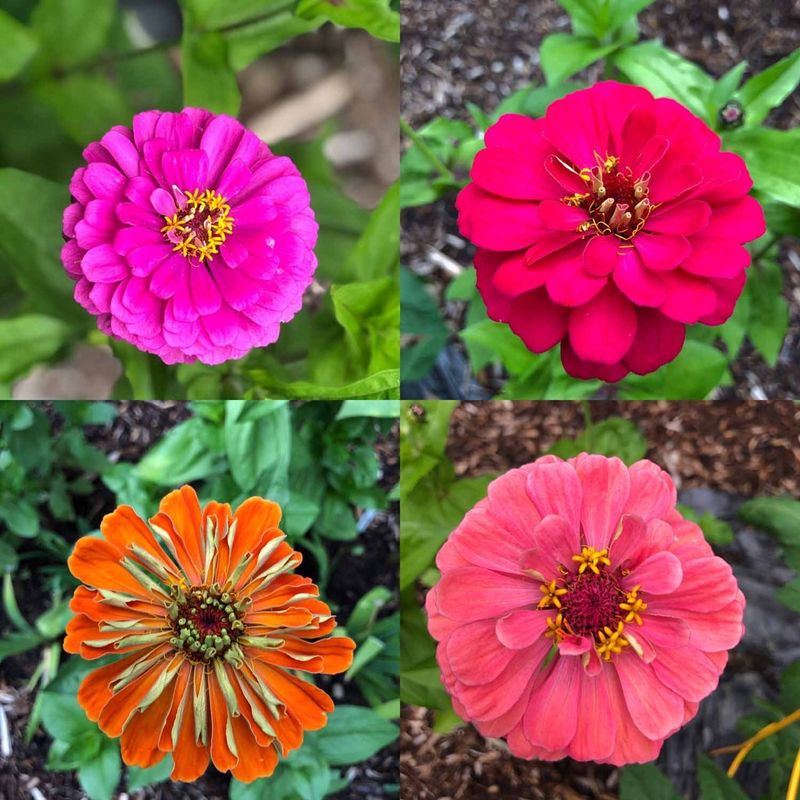
Saved seed does not always perform like the packets on the store rack. NC Extension in Clay County cautions that it may be less viable.
How mature the seed was at harvest and how well it was stored both affect whether it sprouts.
Plan for some gaps. If you sow generously and a few seeds never come up, that is normal.
No one can promise a set number of seedlings or a full bed from a handful of saved seed.
The flowers can also surprise you. Henderson County Extension notes that seed from hybrids may not grow true to type.
NC State’s Plant Toolbox lists the popular Profusion zinnias as hybrids, so seed from them could give you something different.
Cross-pollination can do the same thing. Bees and butterflies carry pollen between nearby plants, so a zinnia’s seeds may carry traits from a neighbor.
You might end up with odd colors or shapes.
Some gardeners enjoy that mystery. If you want a close match, saved seed is not a sure route, and buying fresh packets for your favorite variety is still a reasonable backup.
Make a small, well-labeled seed harvest
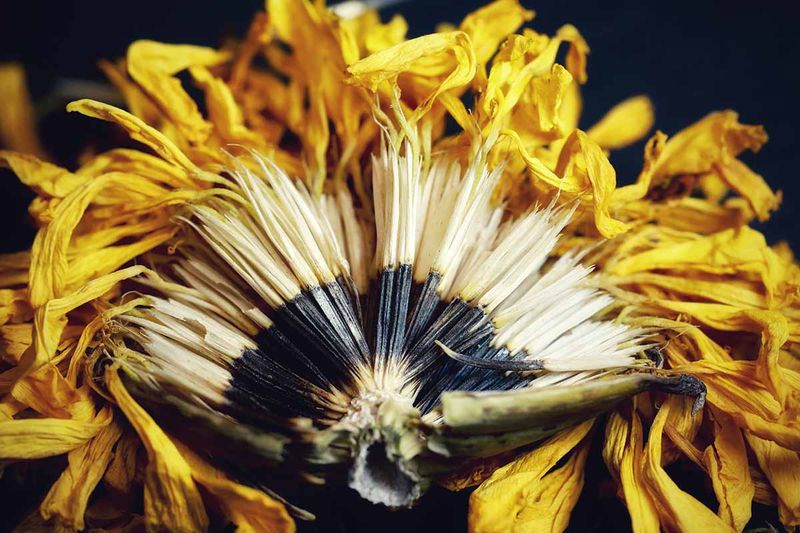
Start small. Choose a few healthy, mature heads, cut them once they are dry and in step with your local conditions, then label them and dry the seed fully before storing it.
Extension guidance and seed-saving advice from Henderson County both point the same way.
That envelope may help fill next year’s garden, with no promise of how many plants come up or what they look like. Spring will tell the story.