
Should You Feed Deer Corn in Your North Carolina Backyard? What to Know About Deer, Ticks, and Winter Feeding
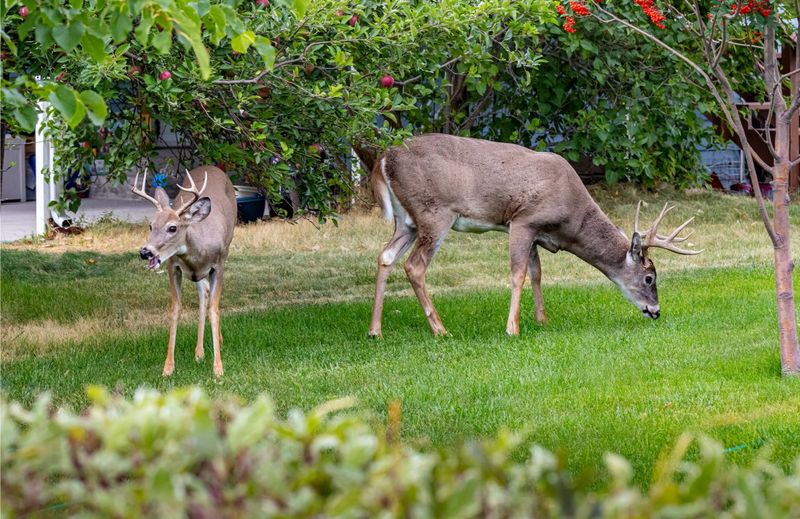
Putting out a scoop of corn for hungry winter deer feels like a kind thing to do. Wildlife officials in North Carolina say it often does more harm than good.
Ticks are part of the conversation too, but the story is more complicated than you may have heard. Here is what is known, what is not, and what you can do in your own yard.
Feeding may concentrate deer, but a tick-at-the-door link is unproven
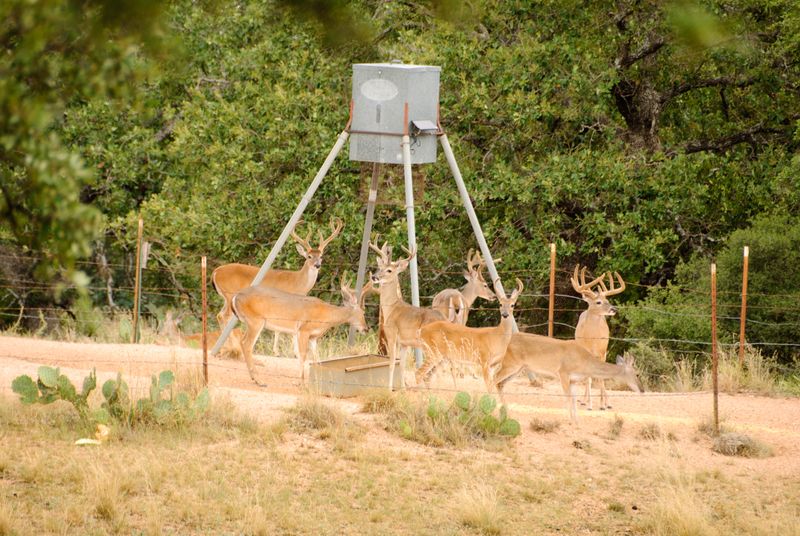
Some advice you will see online sounds simple: feed deer corn, and ticks follow them to your door. The first half has good support.
The second half does not. The North Carolina Wildlife Resources Commission explains in its guidance on feeding wildlife responsibly that feeding can draw animals into a small area and help diseases pass between them.
Deer do carry ticks, and blacklegged ticks use them for blood meals. Still, the sources reviewed for this article do not show that a corn pile in a North Carolina backyard brings blacklegged ticks, or ticks of any kind, to a home.
Deer are also not the animals that give ticks the Lyme bacteria, as CDC information on how Lyme disease spreads explains.
There is even a study pointing the other way. A 2022 Mississippi feeder study found fewer ticks at feeder sites, though its results do not translate neatly to your yard.
So think of this article as a guide to being a good steward. Skipping corn is sound advice for deer and wildlife.
Stopping it will not make your yard tick-free, so we will also cover edges, habits, and local rules that matter more for your family and pets.
Why North Carolina discourages deer corn
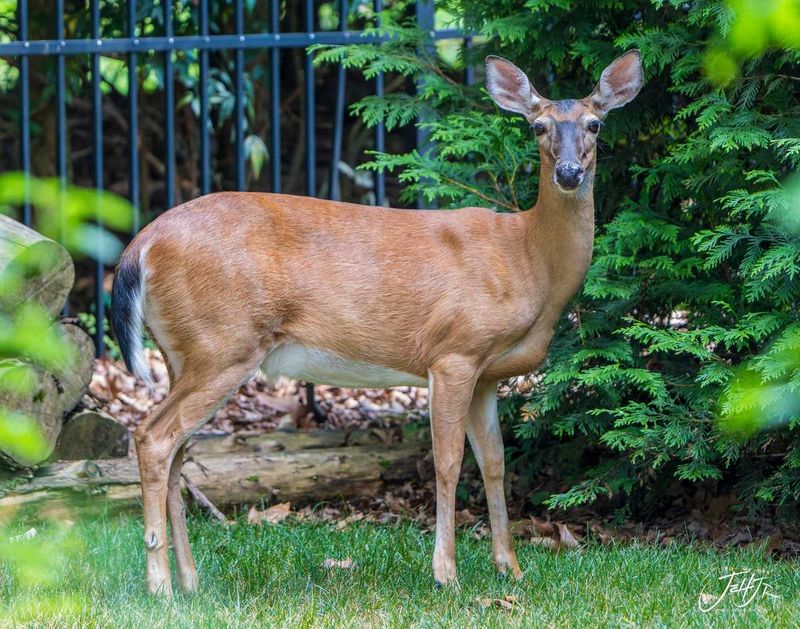
Deer normally wander across the landscape, nibbling twigs, buds, acorns, and woody plants as they go. A feeding spot changes that habit.
According to the NCWRC guide on whether feeding deer is harmful, food put out in one place can pull deer into a much smaller area than they would use on their own.
Crowding matters because animals standing nose to nose can pass illness along more easily. The commission also points to a health problem that surprises many people.
Deer digest woody winter browse with a gut full of specialized microbes, and a sudden load of carbohydrate-rich food such as corn can upset that balance. Too much can make deer sick or even kill them.
That is the heart of the official advice. A pile of corn can look like a gift, yet a hungry deer may eat more than its system can handle.
Notice what this section does not claim. These concerns are about deer welfare and wildlife management.
They are not proof that feeding raises the number of ticks in your yard, and the commission’s guidance does not say so.
For a homeowner who values the deer that pass through at dusk, the takeaway is simple. The kindest option is usually to let them find natural foods across the neighborhood, including native shrubs and trees already growing nearby.
Deer support ticks, but they do not spread Lyme bacteria to them
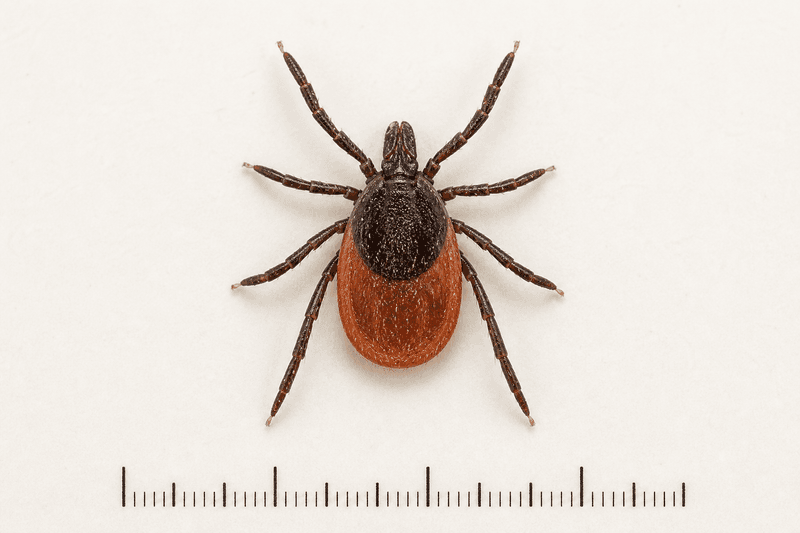
Here is a detail that trips up many people. Adult blacklegged ticks do feed on deer, and a blood meal helps them survive and, in some cases, travel.
But the CDC says deer are not infected with Lyme bacteria and do not pass it to ticks. Infected wildlife, usually small rodents, keep that cycle going.
So a deer can be a ride and a meal for a tick without being the source of the germ. Mixing those two roles up leads to the idea that deer equal Lyme, which is too simple.
Names add to the confusion. Deer tick is a common name for the blacklegged tick, but finding a tick near deer does not mean you have found that species.
NC DHHS notes that North Carolina has several human-biting ticks and more than one tick-borne illness.
Lone star ticks and American dog ticks are common in the state, and NC State University’s prevention tips treat ticks as a broad concern rather than a single-species problem.
A practical rule: do not assume a tick in your yard is a Lyme carrier, and do not assume it is harmless. If one bites you or your dog, remove it carefully and talk with a health care provider or vet if symptoms appear.
The feeder study complicates a simple tick warning
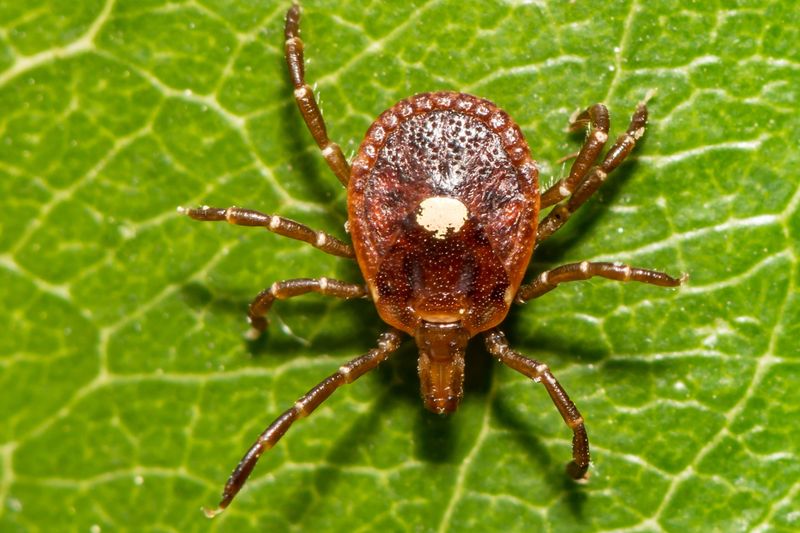
Many people assume more deer in one spot means more ticks in that spot. Researchers in Mississippi tested that idea and got a surprise.
In a 2022 study on supplemental feeding of deer, they found fewer ticks at feeder sites, not more.
Before anyone cheers, look at the details. Of the ticks collected, 92.8% were lone star ticks.
That is a different mix from the blacklegged ticks people usually worry about in Lyme conversations.
The study also took place at particular Mississippi sites using particular methods. It did not look at North Carolina backyards, and it did not measure how often people get bitten.
That leaves two honest conclusions. The study does not prove that feeders lower tick risk around your home.
It also means the claim that feeders increase ticks cannot be stated as fact.
Think of it as a reason to stay curious and careful. If someone tells you corn piles guarantee ticks at your door, ask what evidence they have.
If someone says feeders keep ticks away, the same question applies.
Taper established feeding over several weeks
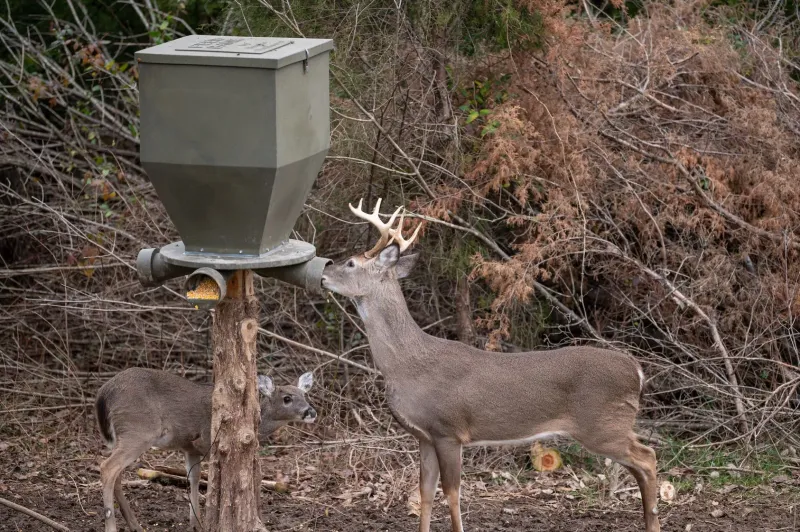
If you have been feeding deer for a while, hitting the brakes overnight is not the recommended move. The NCWRC guide says to reduce the amount gradually over several weeks.
That gives deer time to adjust their browsing and go back to natural foods.
The source does not give a set schedule or a pound-by-pound plan, so there is no magic number to follow. A steady, noticeable decrease from week to week is the idea.
While you taper, watch the area. You might see deer start checking other parts of your yard or moving along the woods again.
That is a sign they are returning to their usual foraging.
Also check applicable local rules before you continue or restart. Some areas have restrictions, which the later section on local rules explains.
As you wind down, consider replacing the feeding spot with something wildlife-friendly that does not concentrate animals, such as leaving native shrubs unpruned in the back corner of your lot.
Make the lawn edge less hospitable to ticks
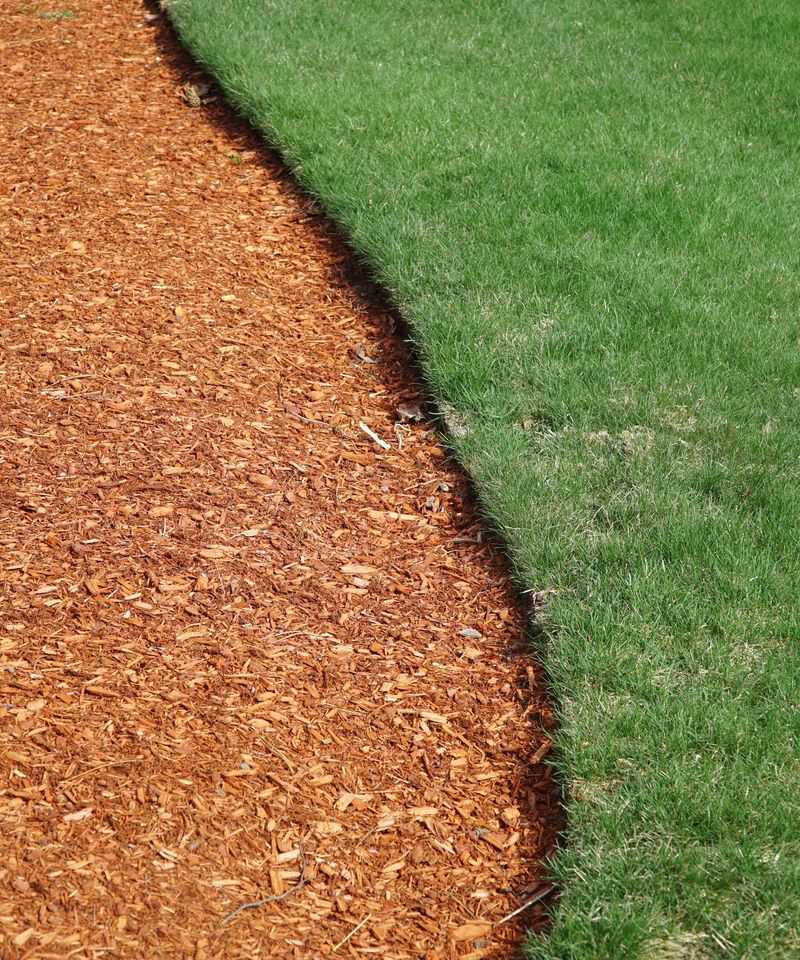
Whatever you decide about corn, the border between lawn and woods is where you can make a real difference. CDC prevention guidance suggests clearing leaf litter, cutting back tall grass and brush near the house and lawn edge, and mowing regularly.
Ticks like shady, damp, leafy spots, so open and dry works against them.
Next, think about layout. Keep play areas, decks, and patios away from yard edges and trees when you can.
A swing set tucked against the tree line puts kids right where ticks wait.
The CDC also recommends a 3-foot barrier of wood chips or gravel between lawn and wooded areas. It can restrict blacklegged ticks from moving into spaces where people spend time.
A weekend plan could be raking the leaves along the back fence, trimming overgrown brush, and laying down a chip border. Keep native plants you value, and pull invasives like English ivy while you are there.
These steps lower risk, but they do not guarantee a tick-free yard. Do not rely on yard pesticides alone either, since the CDC cautions against that.
Tick precautions still matter across North Carolina
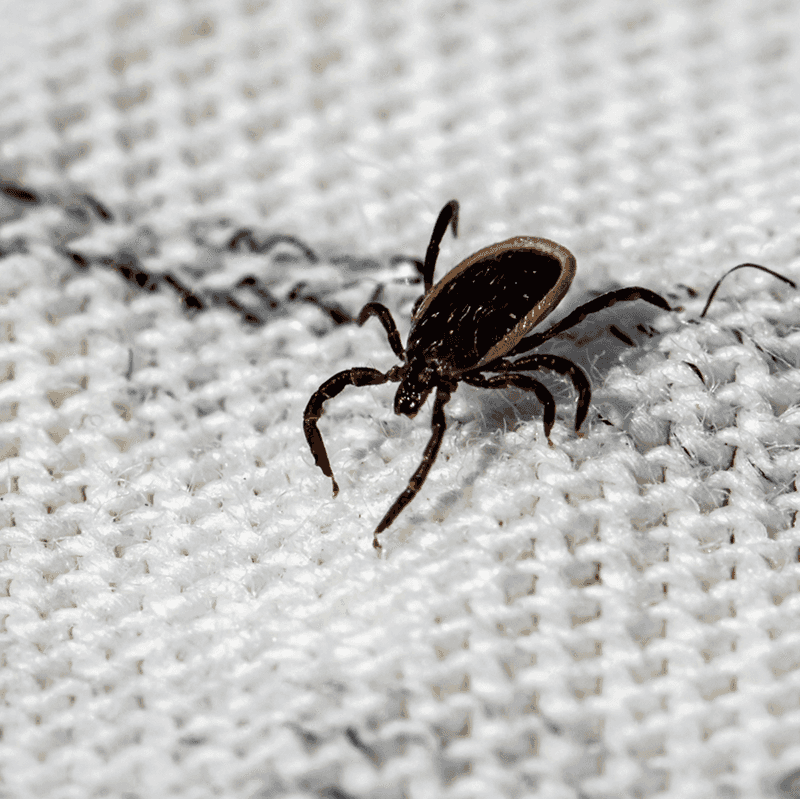
Ticks are common statewide, from the mountains to the coast, so protection has to follow you beyond your fence. NC DHHS advice includes limiting exposure in wooded or brushy areas, using appropriate repellents and treated clothing, and checking for ticks after being outdoors.
State health data tracks Lyme disease cases each year, and the 2023 Lyme surveillance summary is one place to see how it looks in North Carolina. Lyme is only one of several tick-borne illnesses in the state.
Build a routine. Wear light clothing so ticks show up.
Check behind knees, along the hairline, and around waistbands. Showering soon after coming inside can also help, as NC State’s prevention and removal tips describe.
Do not forget pets. Look over dogs after walks, especially around ears and paws.
Yard changes and ending a feeding habit are helpful extras. They cannot replace repellent, checks, and good habits on the trail, at the park, or in your own garden beds.
Check local rules before feeding deer
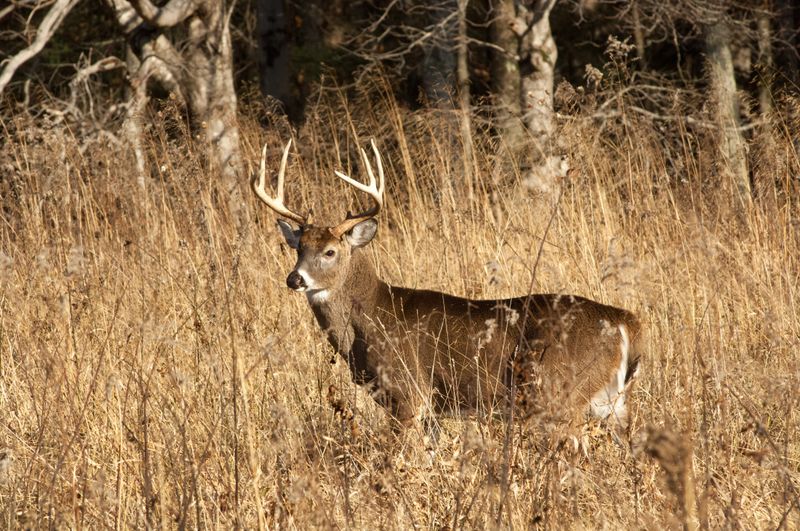
North Carolina does not have a statewide ban on feeding deer. Rules can depend on where you live and the time of year, so a neighbor’s situation may differ from yours.
One reason is chronic wasting disease, or CWD. The commission sets CWD-related areas that change from season to season, and its announcement of the 2026-2027 CWD surveillance areas describes restrictions on feeding or baiting from January 2 through August 31 in designated management and surveillance areas.
Because those boundaries can change, this article does not list counties. Look at the current NCWRC regulations and map for your address before you put out any feed at all.
If your yard falls inside a designated area, you will need to follow those restrictions, which is one more good reason to taper off and stop. If you are unsure, call the commission and ask.
Protect the yard without overstating the risk
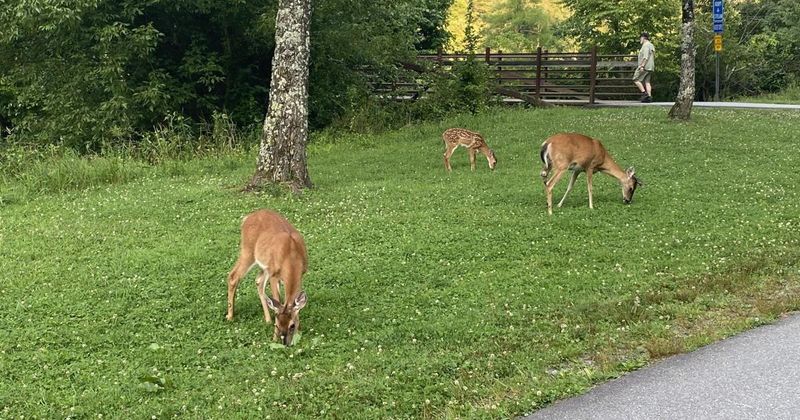
Skip the corn for the deer’s sake, taper if you already feed, and tidy the edges where your family plays. NCWRC guidance backs the wildlife side, and CDC tick prevention advice covers the yard.
No source reviewed here shows a direct path from corn pile to blacklegged tick to your doorstep, and no yard can be promised tick-free. Keep your repellent and tick checks going.
A calm, well-kept edge and a wild deer finding its own supper make a fine pair.