
Should You Prune Spirea in October? What North Carolina Gardeners Need to Know Before Spring
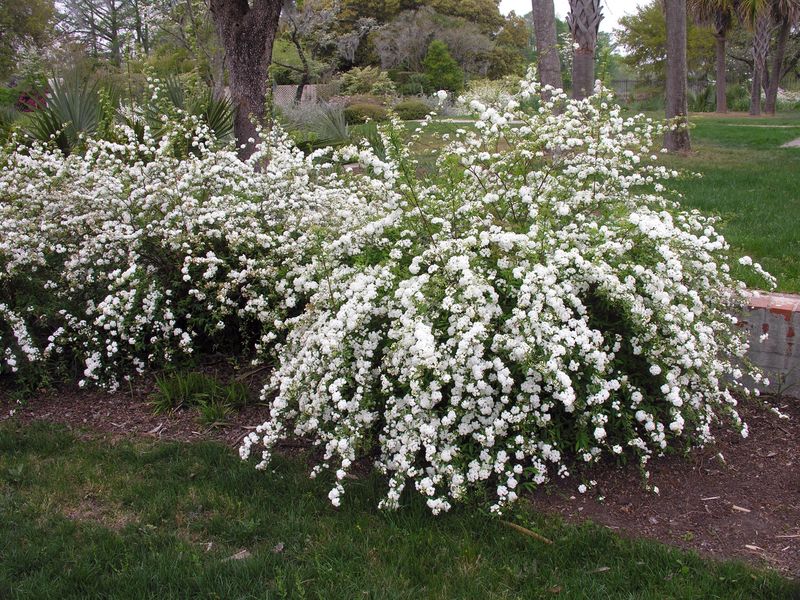
Fall cleanup season has many North Carolina gardeners eyeing their spirea with a pair of pruners. But a trim made at the wrong moment can snip off the buds that were meant to open next spring.
The right choice depends on one simple thing about your shrub. Here is how to figure it out before you make a single cut.
October pruning depends on the spirea
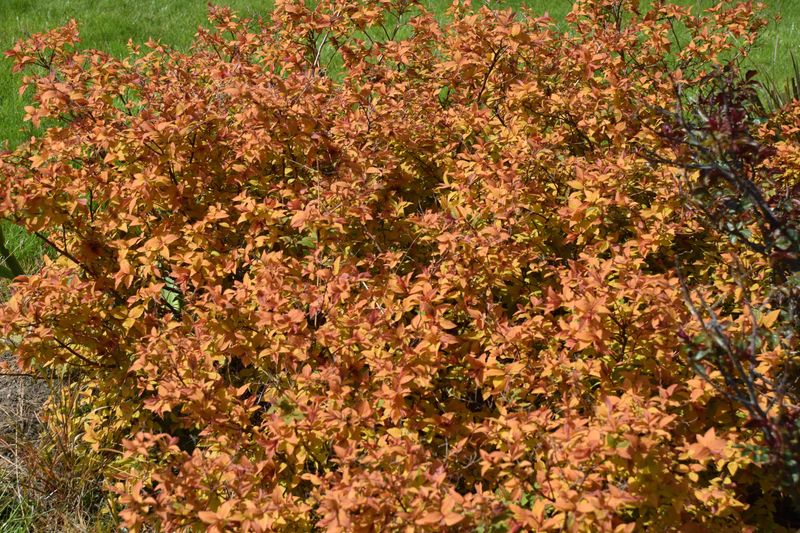
Spirea is not one plant with one rulebook. It is a group of shrubs, and they do not all flower the same way.
That means no single October chore decides whether every spirea in a North Carolina yard will put on a big spring show.
The helpful question is simple: does your shrub bloom in spring on old wood, or later in the year on new growth? NC State Extension says old-wood bloomers should be pruned after they flower, while new-wood bloomers can be pruned in fall or at other times.
Old wood simply means stems that grew last year. Spring bloomers set their flower buds on those stems, so cutting them in autumn can remove flowers before they ever open.
University of Minnesota Extension notes that spring-flowering types bloom on the previous year’s growth.
Later bloomers work differently. They flower on stems that grow in the current season, so they are not waiting on buds formed the previous year for a spring display.
So before you reach for the shears this month, take a few minutes to work out which kind you have. The next sections walk through how to do that and what to do with the answer.
Identify when your spirea flowers
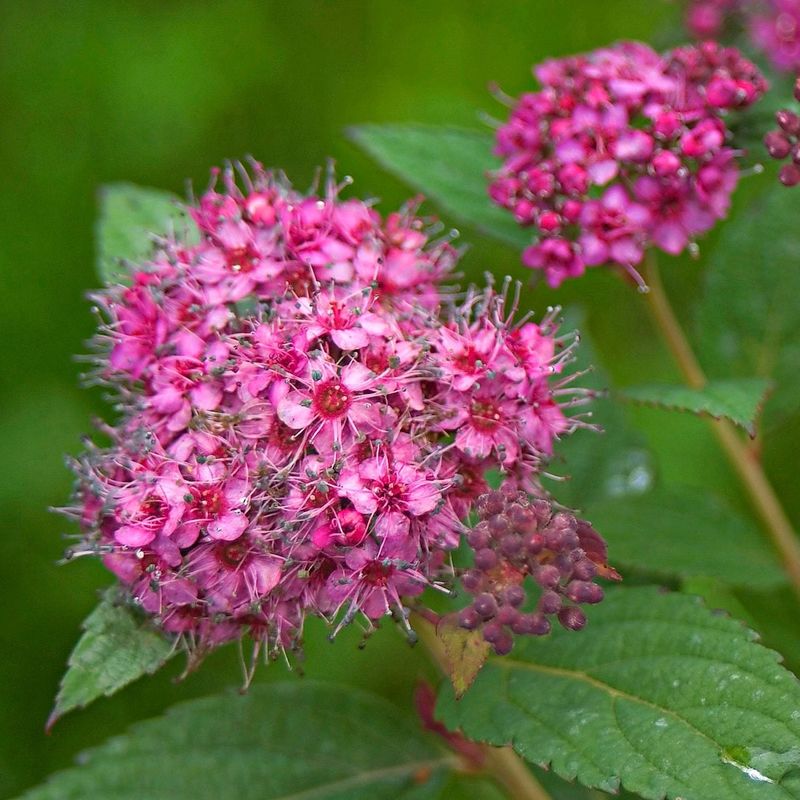
Think back to when your shrub last bloomed. If it covered itself in white flowers in spring, it is likely a spring bloomer.
Bridal wreath spirea (Spiraea prunifolia) and Vanhoutte spirea (Spiraea x vanhouttei) are common examples, and both flower on last year’s stems, according to Extension guidance on spirea pruning.
If yours flowered in early summer or later, with pink, rose, or sometimes white flat-topped clusters, it may be a later-flowering type. Japanese spirea (Spiraea japonica) and Bumald spirea (Spiraea x bumalda) are common examples in this group.
Bloom season is a good first clue, but it is not foolproof. Species and cultivar matter, and common names can be confusing.
NC State lists Bumald spiraea among the names tied to Japanese spiraea, so one shrub can go by several labels.
A few easy checks can help. Look for the original plant tag, check your planting records, or compare photos of your shrub’s flowers and leaves with a reliable source such as an Extension plant database.
If you inherited the shrub with the house and have no idea what it is, a note on your calendar for next year can settle it. Write down the month it blooms and snap a photo.
That small record turns a guess into a clear pruning plan.
Protect spring bloomers’ old-wood buds
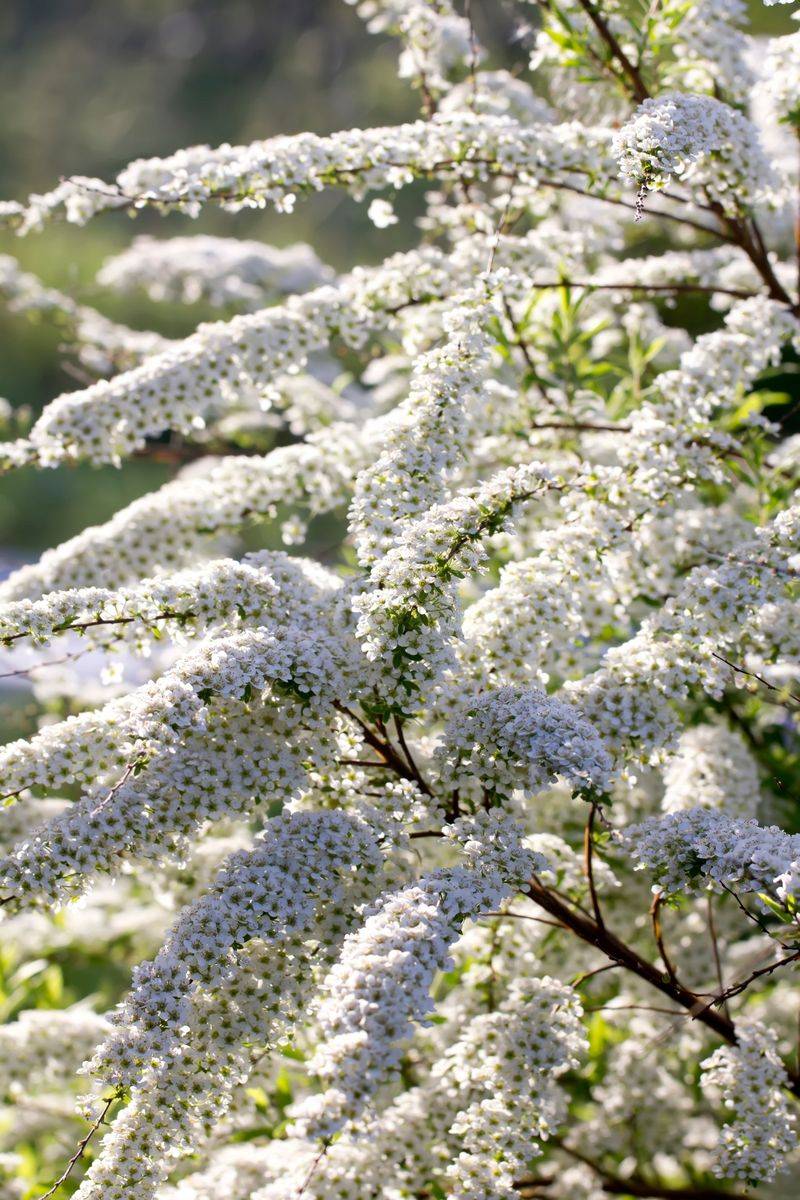
Here is the catch with spring-blooming spirea. The flower buds for next April are already forming on this year’s stems.
A tidy-up cut now can take those buds right off the plant.
Extension advice says these shrubs bloom on the previous year’s growth, and fall pruning can reduce the next spring’s flowers. Another Extension answer warns that late pruning can cut off flower buds.
The practical move is to skip routine October shaping if you want to keep next spring’s flowers. Wait until the shrub finishes blooming, then prune.
That timing gives the plant the whole growing season to form new stems and buds for the following year.
Picture a Vanhoutte spirea that has grown a few stray branches over the summer. Leaving them through winter costs you little, while trimming them now could cost you flowers.
If a branch is clearly dead or broken, removing just that piece is a smaller risk than shaping the whole shrub.
Keep expectations realistic. Protecting buds keeps the chance of a good display alive, but it does not guarantee a particular number of flowers.
Weather, light, and moisture all play a part.
New-wood bloomers have different timing
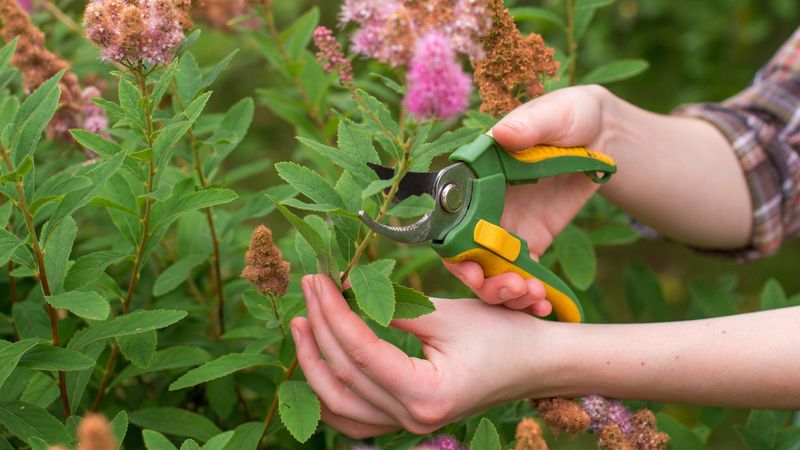
Later-blooming spireas play by other rules. They flower on new growth, which means the stems that appear this coming season carry the blooms.
Those flowers show up later in the year, not the following spring.
Even so, the advice on timing is not identical everywhere. NC State’s plant guidance allows fall pruning for new-wood types, along with other times of year.
Another Extension response recommends pruning summer-blooming spirea in late winter to early spring, before new growth begins.
Both pieces of advice can be useful, and neither says fall pruning always harms these shrubs. If you prefer to do garden chores in cool weather, the NC State guidance gives you room.
If you like waiting until winter ends, the other recommendation fits that habit.
What a cut in October will not do is create a spring show. A summer bloomer pruned this month is not being prepared for April flowers, because that is simply not when it blooms.
So if your shrub is a later bloomer, pick a timing that matches your schedule and the guidance you trust most. Then save your spring worry for the shrubs that actually flower in spring.
A hard renewal cut can reduce near-term flowers
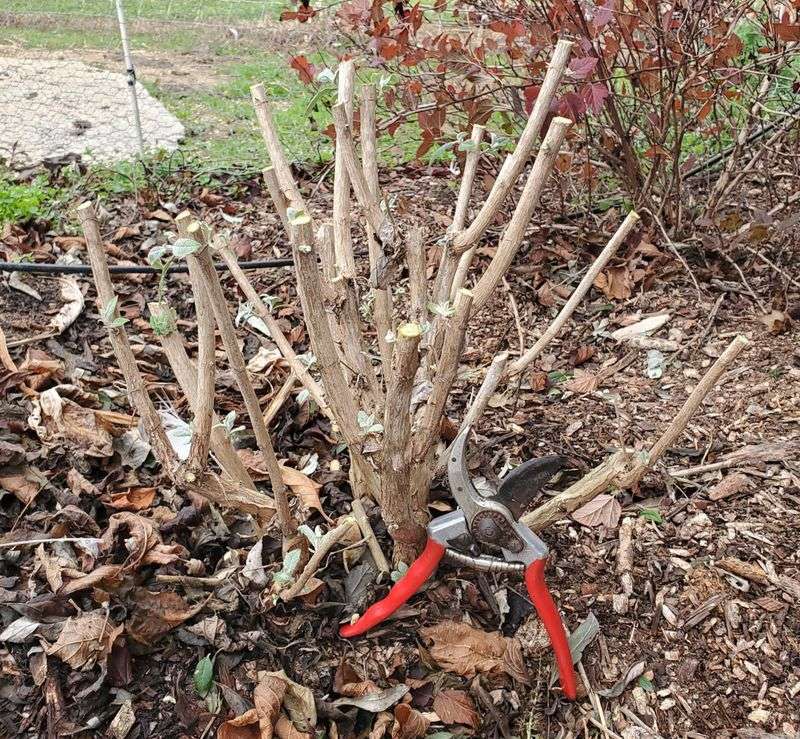
Maybe your spirea has outgrown its spot and is crowding the walkway. Cutting it to the ground can look like the quickest fix.
For a spring bloomer, though, it comes with a trade.
University of Minnesota Extension says cutting a spring-flowering spirea to the ground can reduce flowers or leave few, even though it makes the shrub smaller.
A hard renewal cut is a severe step, not routine shaping. Light trimming removes small amounts of growth.
A ground-level cut removes nearly all the stems that would have carried buds.
If size is your main goal, weigh it against the next flowering display. Some gardeners decide that a smaller plant is worth a quieter season.
Others prefer to keep the flowers and tackle size gradually after bloom.
Whichever way you lean, do not do it in October as a way to boost flowers. A hard cut now is a size-control choice, and it may cost you blooms.
Sun and moisture also affect flowering
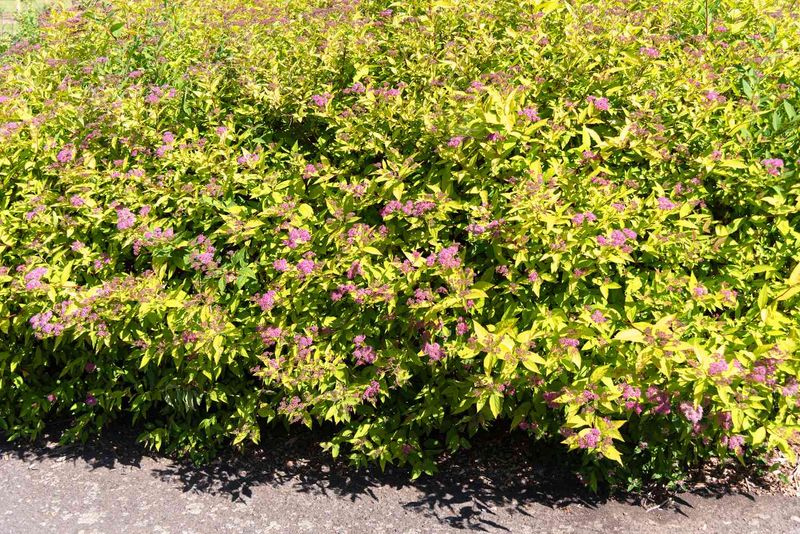
Pruning is only one piece of the puzzle. Where the shrub grows and how it gets watered also shape how well it flowers.
NC State recommends at least six hours of sun for spireas generally. A shrub tucked under a big oak or on the north side of the house may fall short of that.
A National Garden Bureau fact sheet says plants growing in more shade tend to be lankier and bloom less. It also notes that adequate moisture in spring and summer supports more prolific flowering.
That is useful for planning, but these are contributing conditions, not guarantees. Good sun and steady water improve the odds.
They do not promise a specific bloom count, and they are not October fixes.
A practical example: if your spirea leans toward a sunny gap in the trees and looks sparse, consider whether nearby growth has been casting more shade over the years. During dry spells in the Piedmont or Coastal Plain, deep watering at the base can help the shrub through the growing season.
Choose an October approach by bloom type
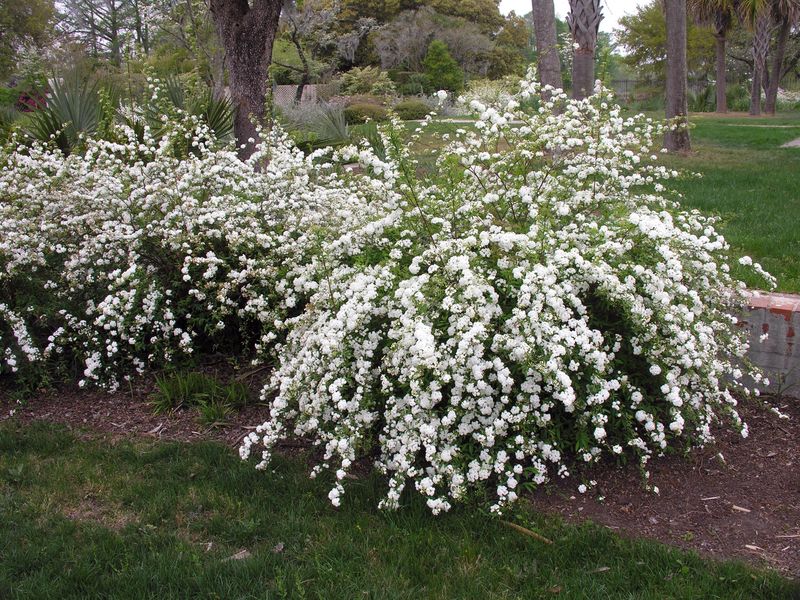
Here is the October decision. If your spirea blooms in spring, skip routine shaping if next spring’s flowers matter most, and plan to prune right after it finishes blooming.
Extension guidance backs that approach for old-wood bloomers.
If it flowers later on new growth, check the timing advice that applies, such as the fall allowance in NC State’s guidance, and do not expect October to improve a spring display.
Either way, confirm which kind you have, and check that it gets enough sun and water, as the National Garden Bureau fact sheet describes.
Knowing your shrub is worth more than any cut you make this month.