
Some Sage, Rosemary, And Thyme Oils Slowed Selected Microbes In Lab Tests, But Their Oils Are Not The Same
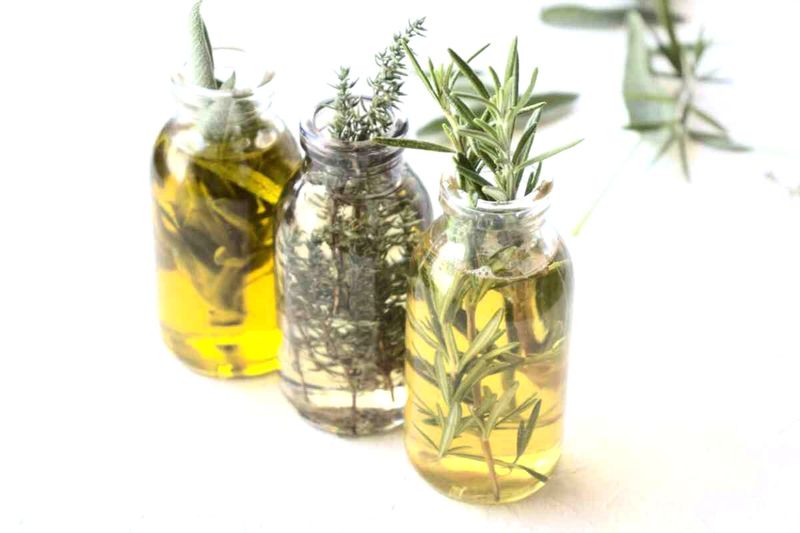
Walk past a thyme patch on a warm afternoon and the scent hits you right away. That smell comes from natural oils, and some of those oils have slowed the growth of certain bacteria and fungi in laboratory tests.
Does that mean the herbs in your yard are scrubbing the garden clean? Not quite, and the real story is more interesting than the headline version.
Volatile oils give these herbs their familiar scent
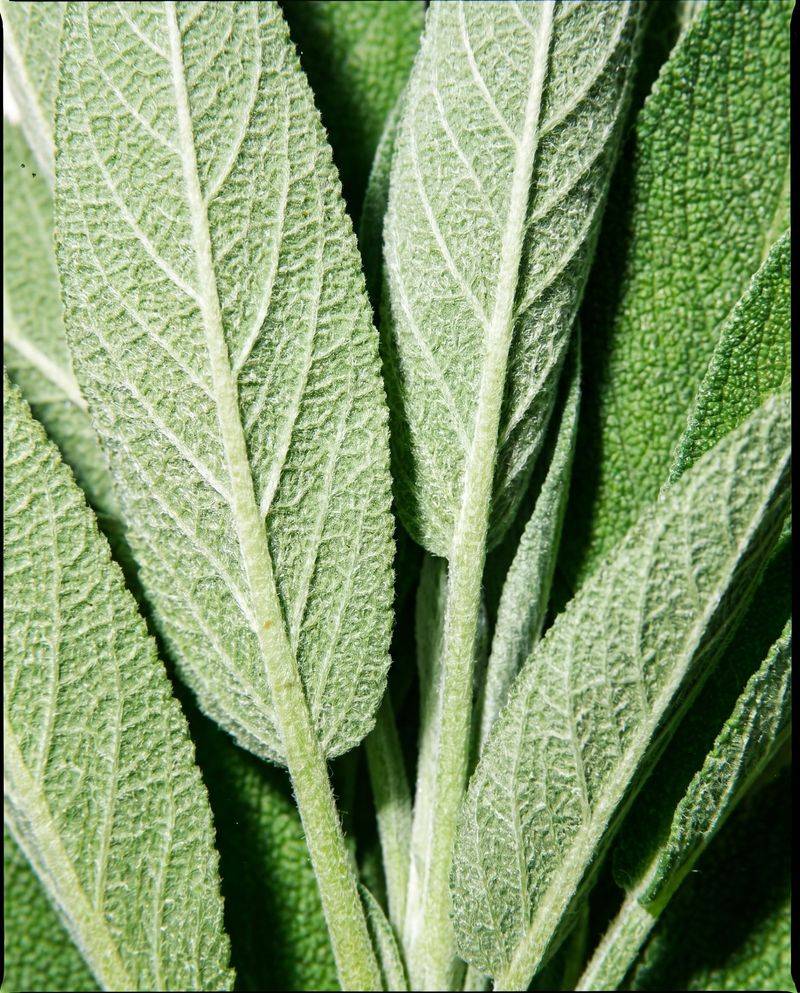
Rub a sage leaf between your fingers and the smell shows up fast. That is because the scent comes from volatile compounds, which are small molecules that evaporate easily into the air.
They are part of the plant’s essential oils, and your nose picks them up in tiny amounts.
Sage makes this easy to picture. A 1984 study of sage’s secretory glands described specialized glandular structures on the plant surface that hold the oil.
Those tiny glands are why a gentle brush against a leaf releases so much aroma. Rosemary and thyme also make aromatic oils, though each herb has its own mix of compounds and its own signature smell.
Scientists group these oils with other plant extracts that have been studied for several biological properties. One 2019 systematic review covers antimicrobial, antioxidant, and immune-related research on essential oils.
That research looks at extracted oils, not at plants standing in a garden bed.
So what does a strong scent tell you? It tells you aromatic compounds are present, and that is all.
It does not show that a growing plant disinfects the soil, the air, or the plants beside it. Think of the fragrance as a bonus for your senses and your cooking.
Nobody has shown that the smell is a sign of germ-fighting power in your yard. Smelling great and sanitizing a garden are two very different jobs.
Laboratory results differ among the three herbs
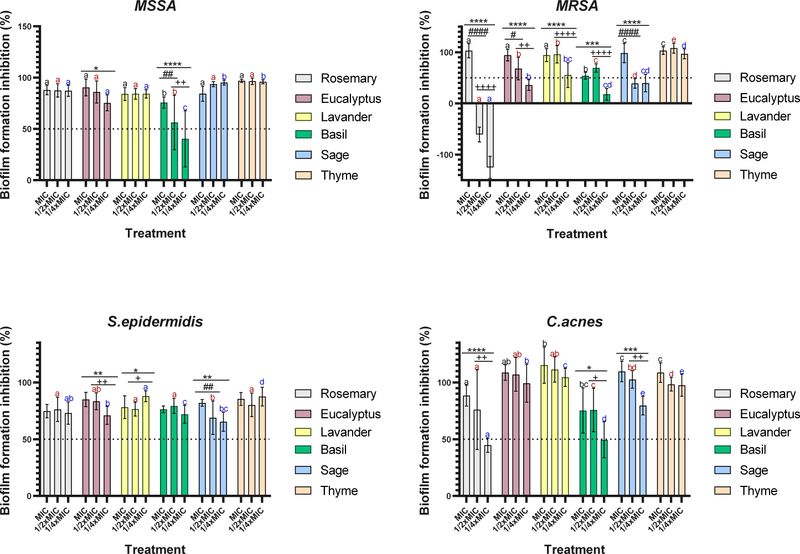
Lab tests sound like a clean contest, but the three herbs do not finish in a tie. Researchers test specific extracted oils against specific bacteria or fungi, and each pairing gives its own result.
A result only describes that oil and those microbes.
In a 1989 comparison of Egyptian spice oils, thyme oil was particularly active against the organisms tested. That is a finding about one set of oils in one study.
It is not a permanent ranking of herbs.
Sage tells a different story. A review reports that sage oil was weak or inactive against many of the bacterial strains in one set of tests.
You can find that point in the 2019 review of essential oil properties.
Rosemary also has a place in this research, but its activity depends on the oil and the microbe, just like the others. The oils are mixtures, and their makeup differs from herb to herb.
So there is no single shared germ-fighting oil hiding in all three plants.
Also, the word germs is too loose here. The studies look at particular bacteria and fungi, and they do not show action against viruses or infections in people.
A more accurate summary is that some extracted oils slowed some microbes under lab conditions.
Thyme offers one clue to how some oils affect microbes
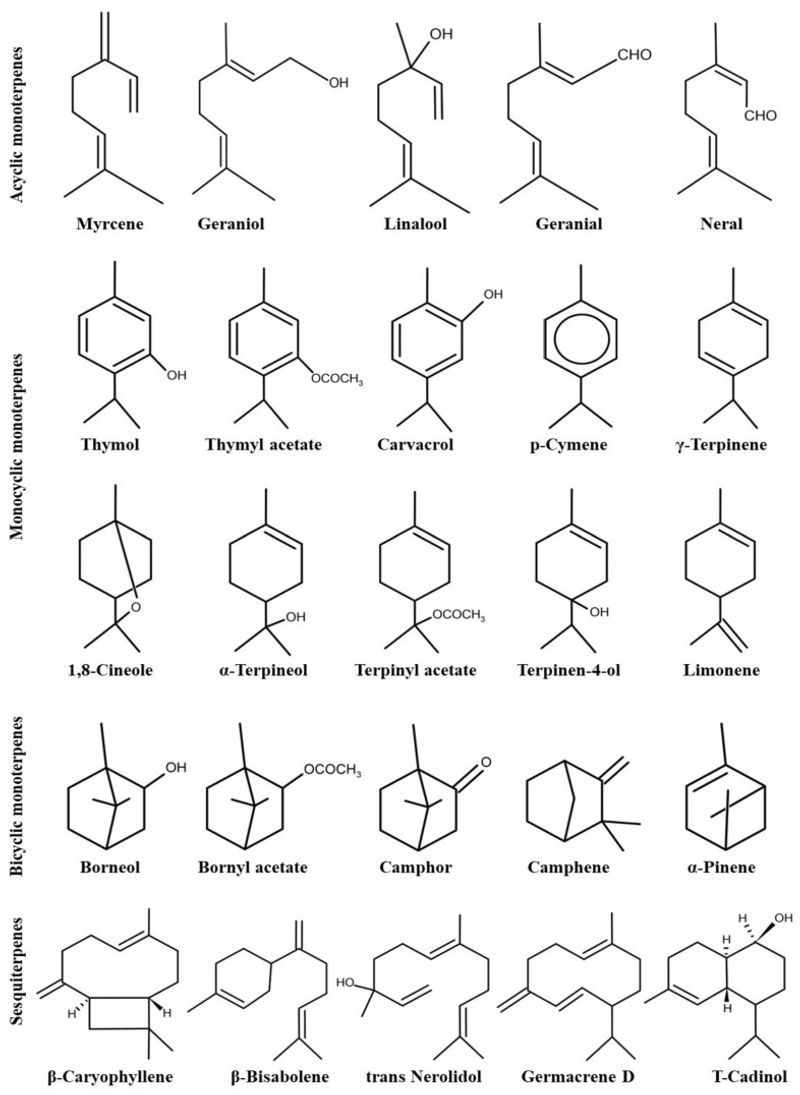
If you want to know why thyme often stands out in lab tests, start with two compounds named thymol and carvacrol. Thyme oil commonly contains them, as described in a 2021 overview of Thymus vulgaris essential oil.
They are only part of a larger mix of ingredients.
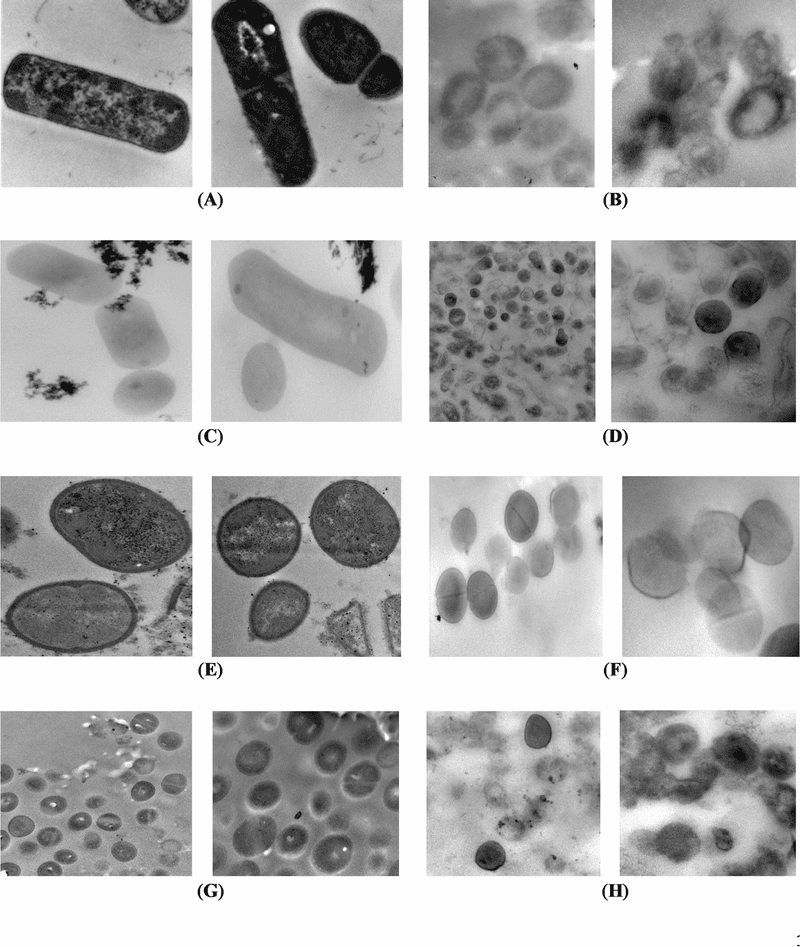
Researchers have proposed how these compounds might work. In laboratory studies, they can disrupt the membrane that surrounds a microbial cell.
They can also interfere with functions such as keeping the right balance of charged particles, called ions, inside and outside the cell.
A 2018 review of thyme’s antimicrobial interactions explores how complicated these oils are. The ingredients can interact with each other, so the whole oil may behave differently than one compound alone.
This is a proposed mechanism for particular compounds and particular organisms. It has not been shown to be the one way every herb oil acts, or the way it acts on every microbe.
Sage and rosemary oils have their own compositions, so thyme’s story cannot simply be copied onto them.
For a gardener, the practical meaning is modest. Thyme’s chemistry is interesting, and it helps explain some lab results.
It does not turn the plant in your border into a disinfectant.
A plant’s oil profile can change
Two rosemary bushes can smell a little different, and the same bush can change through the year. Oil composition is not fixed.
That matters because a lab result for one oil sample does not tell you how strong your own plant would be.
A 2013 study on rosemary found that oil composition changed with the harvest season, even in plants of the same genotype. Same plant type, different time of year, different oil mix.
If you clip a sprig in June and another in November, you are not getting the same chemistry.
Thyme shows variation too. A 2021 study of two Thymus vulgaris chemotypes looked at yield and oil composition.
A chemotype is a version of a plant that makes a different dominant mix of compounds. Growing conditions can shift thyme oil content and composition as well.
Here is a practical example. Two thyme plants from different nurseries might be different chemotypes, and they can smell slightly different when you crush a leaf.
Neither smell tells you how a lab would score their oils.
All of this describes extracted oil. It says nothing yet about what a living plant does to its neighbors in the yard.
Keep those two ideas apart, and the research makes more sense.
Laboratory inhibition is not real-world protection
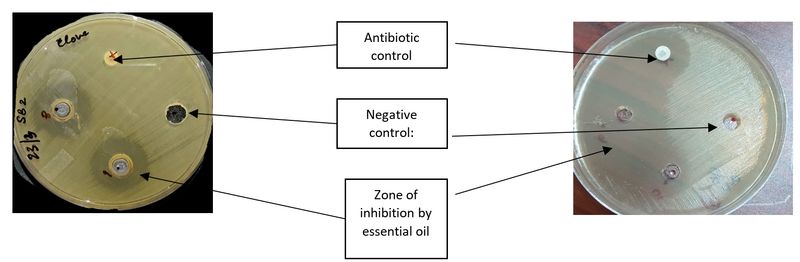
A petri dish is a very controlled little world. Scientists place a chosen microbe there, add an extracted oil, and see what happens.
A backyard has weather, soil life, insects, and thousands of other organisms, so the two settings are far apart.
Methods also vary. A 2024 review of in vitro methods explains that essential oil testing is done in several ways.
Oils are volatile, so they can evaporate during a test. They also dissolve poorly in water, which can change how much actually reaches the microbes.
Because of this, results from different studies should not be lined up like scores in a sports table. One lab may use a different method, concentration, or microbe than another.
The review urges caution when comparing studies or turning test results into practical use.
Those caveats appear alongside the broader research summarized in the 2019 systematic review. What the experiments can show is that a given oil slowed a given microbe under set conditions.
What they cannot show is that an oil prevents infections, controls microbes outdoors, or protects people. Inhibition in a dish is a starting clue for scientists.
It is not a promise about your garden.
Growing herbs does not disinfect a yard

Picture your herb corner next to the tomatoes. It is tempting to think the herbs are quietly cleaning up around them.
The research just does not test that.
The work behind these headlines used extracted oils, such as those in the 1989 spice oil study. It did not place intact sage, rosemary, or thyme beside other plants or people.
As the 2024 methods review points out, lab inhibition does not carry over neatly to real settings.
So there is no support for saying these herbs sanitize soil or air, protect nearby crops, or prevent illness. Public-health claims about killing microbes need their own proof.
The EPA’s page on antimicrobial pesticides describes how those claims require relevant efficacy support.
If a tomato leaf looks spotted or a cutting board needs cleaning, herbs are not the fix. Use proven garden care for the plant, and ordinary hygiene and proven cleaners for your kitchen and hands.
For health worries, talk to a medical professional.
Here is the happy takeaway. Grow sage, rosemary, and thyme for dinner and for the scent that drifts up when you brush past them.
That is a real payoff, and you do not need to oversell it.
Enjoy the leaves, but treat concentrated oils differently
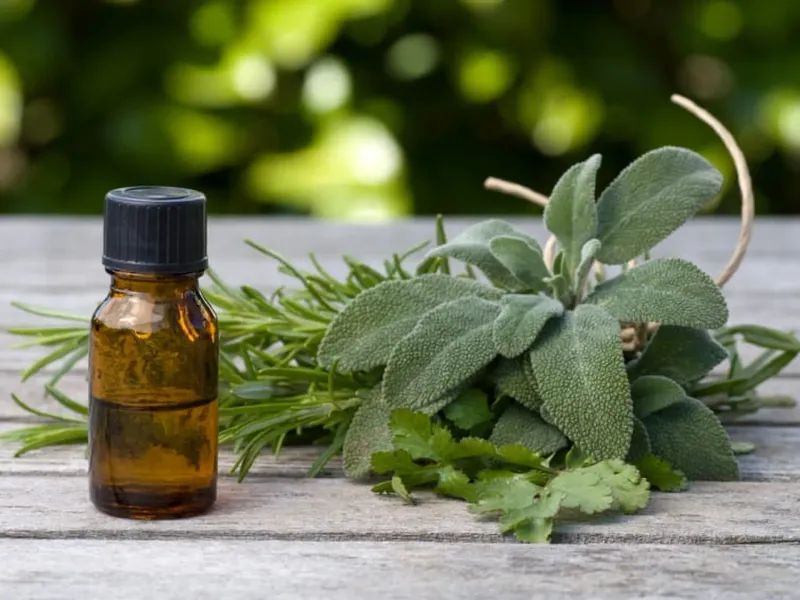
A pinch of chopped thyme on roasted potatoes is one thing. A bottle of concentrated essential oil is another.
Oils are far more potent than the leaves, and being plant-derived does not make them automatically safe.
The FDA’s page on aromatherapy notes that natural fragrance ingredients can be irritating, toxic, or allergenic. Sage oil raises its own flag.
The European Medicines Agency has a public statement on thujone that addresses safety concerns tied to sage essential oil.
This article is not a guide to using oils, so it gives no doses or directions. If you are curious about them, ask a qualified health professional first.
Meanwhile, these herbs are not proven disinfectants. Your plants are for flavor and fragrance.
The best thing a thyme plant does is make dinner smell better.