
Sourwood: The Underused North Carolina Native That Delivers a Summer Nectar Pulse (Plus a Plan for Spring-to-Frost Support)
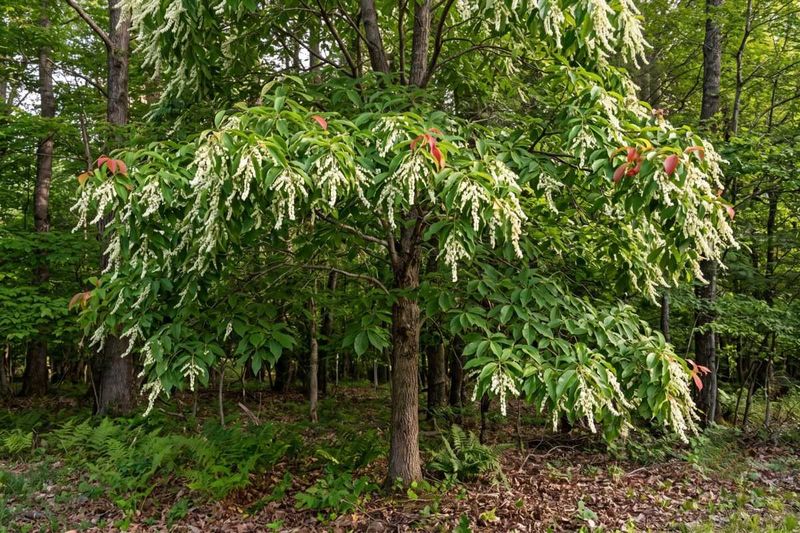
Most yards in North Carolina have room for one more tree, and sourwood might be the most rewarding choice most homeowners have never seriously considered. This native species delivers fragrant summer flowers that bees and butterflies actively seek out, followed by a vivid fall display that adds genuine ornamental value well after the blooms are gone.
Getting the most out of it, though, means understanding what sourwood actually does, when it does it, and which companion plants fill in the rest of the growing season.
Why one tree cannot cover every pollinator season
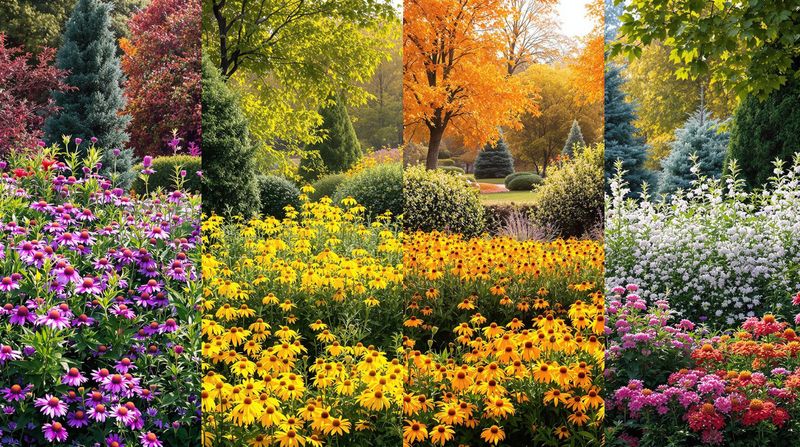
Pollinators need food across the entire growing season, and no single tree can supply flowers continuously from the first warm days of March through the last frost-free week of October. Nectar and pollen sources run out, bloom windows close, and insects that forage in April are often working an entirely different set of plants by July.
A yard that relies on one specimen, however productive during its peak, leaves gaps that bees and butterflies simply have to find somewhere else, or go without.
The practical fix is a layered planting with staggered bloom periods. NC State Extension’s native plants guidance specifically recommends choosing at least three native species that flower in each season: spring, summer, and fall.
That structure keeps something in bloom throughout the growing season and spreads the workload across a mix of trees, shrubs, and perennials rather than placing all the pressure on one plant.
Sourwood fits into this kind of plan as a summer-flowering tree. NC State’s sourwood profile places its bloom window in June and July, which lands it squarely in the summer slot.
That timing makes it genuinely useful as one piece of a larger seasonal puzzle. The key word is “one piece”: sourwood earns a place in a thoughtfully planted yard, but it works best when surrounded by natives that pick up where it leaves off, both earlier and later in the year.
Meet sourwood, a North Carolina native worth considering
Sourwood, known botanically as Oxydendrum arboreum, is a deciduous native tree with a documented presence across North Carolina. The NC State Extension Gardener Plant Toolbox lists it for the Coastal Plain, Piedmont, and mountains, and describes it as attractive to bees, butterflies, and other insects.
At maturity it typically reaches about 20 to 30 feet tall and 10 to 15 feet wide, which puts it in the range of a manageable yard tree rather than an imposing forest canopy species.
Part of what makes sourwood worth a closer look is how it earns its keep. The fragrant, white, bell-shaped flowers are a genuine nectar source, and the tree has a long association with honey production in the southern Appalachians and beyond.
Beyond the flowers, it brings textural interest to a landscape with its leathery leaves and arching branch structure, and it is one of the more reliable producers of red fall foliage among native trees in the region.
As an editorial characterization, sourwood is often described as underused or overlooked in residential plantings. That framing reflects the gap between what the tree offers and how rarely it shows up compared to more commonly planted natives like redbud or dogwood.
NC State’s common-name sourwood page identifies it as a wildlife-friendly plant with real pollinator value, yet it tends to get passed over in favor of more familiar choices. For a homeowner willing to match the tree to the right site conditions, that relative obscurity is mostly an opportunity rather than a warning sign.
Its flowers provide a concentrated summer nectar period
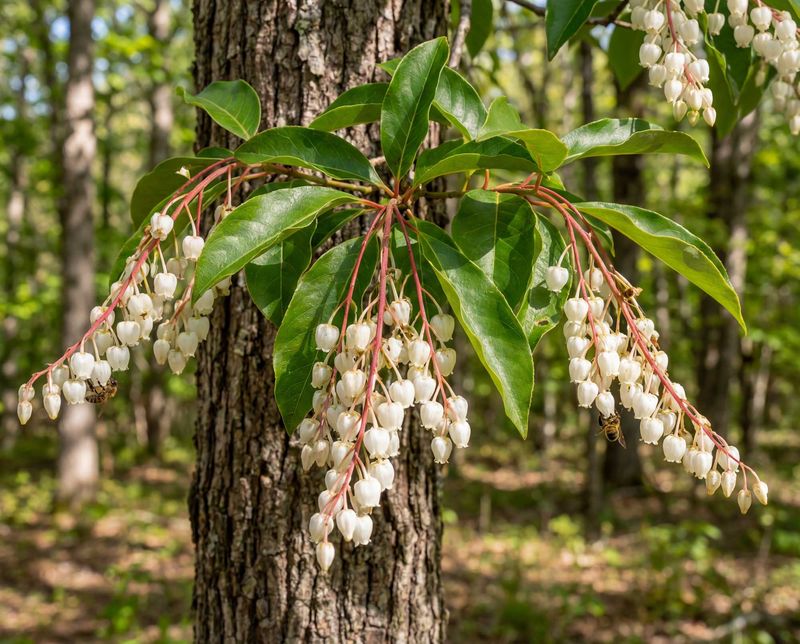
Sourwood flowers are hard to mistake once you know them. They hang in long, one-sided clusters called racemes, each cluster lined with small, white, urn-shaped blossoms that resemble lily-of-the-valley flowers scaled up to tree size.
The fragrance is light and sweet, and on a warm July morning with multiple clusters open at once, the scent carries noticeably. Bees find them reliably, and butterflies work the flowers alongside them.
NC State’s sourwood profile places the primary bloom window in June and July, and the U.S. Forest Service silvics account for sourwood gives a somewhat broader range of late June through August, reflecting regional variation across the tree’s range.
In practice, the exact timing will shift depending on elevation, local temperatures, and the particular season. Mountain populations may bloom later than Piedmont trees, and a cool, wet June can push the peak into July.
The Forest Service also describes sourwood flowers as an important honey source in some parts of its range, and sourwood honey has a distinct identity among beekeepers in the southern Appalachians. That level of documented nectar value signals genuine productivity during the bloom period, not just incidental insect visits.
What this means for a homeowner is that sourwood delivers a concentrated summer nectar pulse rather than an all-season supply. Bees, butterflies, and other flower-visiting insects benefit meaningfully during those weeks, but the bloom closes and foraging moves elsewhere.
Treating sourwood as a summer anchor in a broader planting, rather than as a standalone solution, is the accurate and practical way to think about its contribution.
Its fall features extend the tree’s interest, not its bloom
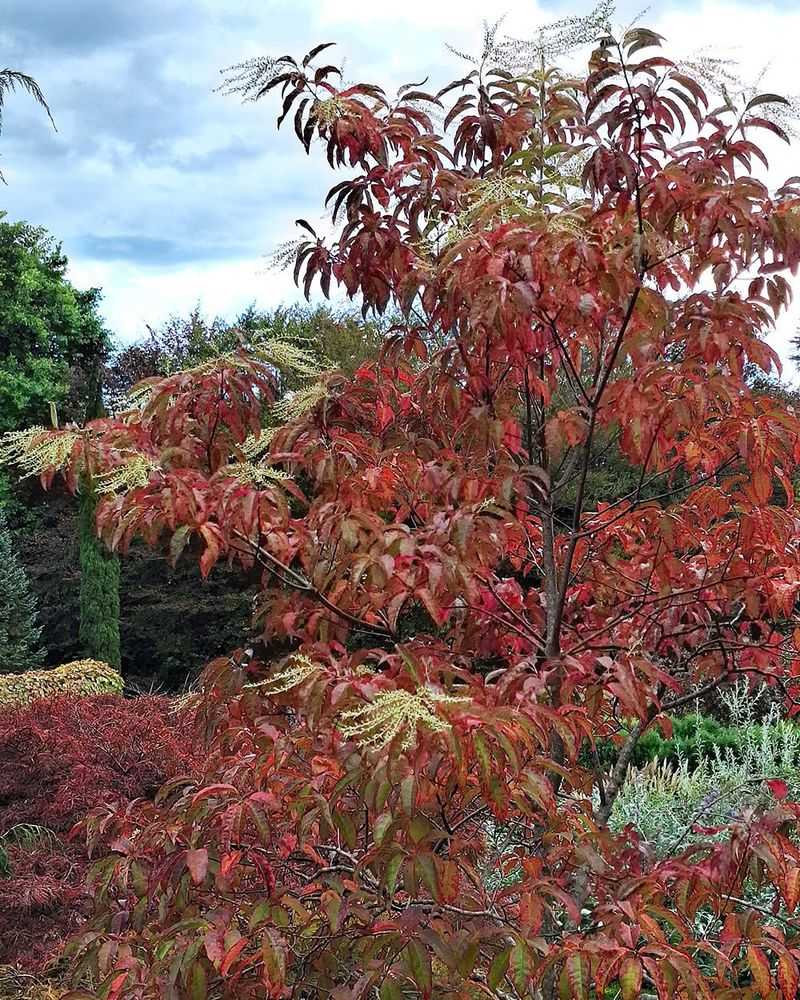
Once sourwood’s flowers close, the tree shifts into a different kind of value. The bloom is finished, but the show is not.
By September and into October, the foliage turns a deep, reliable scarlet red that stands out even in a landscape full of fall color. Among native trees that perform in the Piedmont and mountains, sourwood’s fall display is one of the more consistent, arriving earlier than many maples and holding its color well.
At the same time, the seed capsules from the summer flowers ripen and dry on the branches. NC State’s plant profile notes that these capsules can persist into winter, which adds structural interest to the bare canopy and provides material that birds and other wildlife may interact with during the colder months.
NC State also identifies sourwood as wildlife-friendly, bird-friendly, butterfly-friendly, and bat-friendly, though those associations reflect the tree’s broader ecological connections rather than documented nectar use by each of those groups after flowering ends.
The distinction matters for planning purposes. Sourwood’s fall contribution is foliage color, fruit structure, and the kind of habitat texture that comes from a native tree with persistent seed capsules and layered branching.
These are real assets in a yard designed for wildlife. They are just different assets from the summer nectar the flowers provide, and confusing the two leads to unrealistic expectations about what the tree is doing for foraging insects once September arrives.
Appreciating each phase on its own terms gives a more accurate picture of why sourwood earns a spot in a thoughtfully planted North Carolina yard.
Match sourwood to the conditions it needs
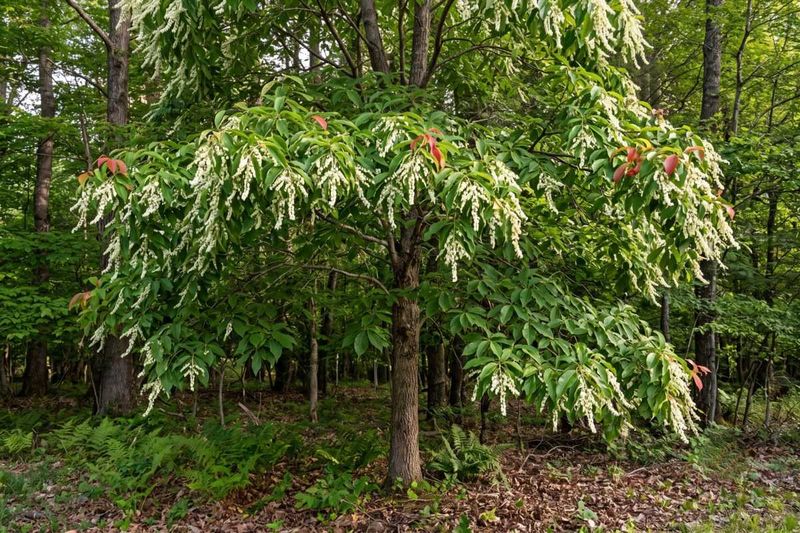
Before buying a sourwood, spend a few minutes reading your site honestly. This tree has preferences, and ignoring them leads to a struggling plant rather than a thriving one.
Sourwood performs best in acidic, moist, well-drained soil, and most of North Carolina’s native woodland soils fit that profile reasonably well. A pH in the range typical for piedmont clay or mountain loam, somewhere around 5.5 to 6.5, generally suits it.
NC State’s plant toolbox entry for sourwood notes that the tree tolerates full sun to partial shade and can handle some dry soil once established. That flexibility is useful in a residential yard where light conditions vary across a property.
A woodland edge with morning sun and afternoon shade, or an open spot with reasonably good drainage, both work. What does not work as well is a site with heavy pollution exposure, poor drainage, or compacted fill soil.
NC State lists sourwood as intolerant of pollution and urban conditions, which means a harsh street-side location or a yard surrounded by heavily paved surfaces may not give it the best start.
Regional suitability adds another layer of nuance. NC State lists sourwood for the Coastal Plain, Piedmont, and mountains, but that statewide listing does not mean every yard in every region is equally suitable.
The tree is less common in low alluvial areas of the Coastal Plain, where soils tend toward heavier, wetter, or more variable conditions. A homeowner in the Piedmont or mountains with a well-drained, slightly acidic site is generally working with conditions closer to what sourwood naturally prefers.
One more practical note: sourwood dislikes transplanting. NC State specifically flags this, and the implication is straightforward.
Buy a young tree, plant it in the right spot the first time, and avoid moving it later. A small sourwood in a suitable location will establish and grow far more reliably than a larger specimen moved to a second location after a failed first attempt.
Plant carefully and support establishment

Getting a sourwood off to a strong start comes down to a handful of practices that are easy to do correctly and easy to shortcut in ways that cause long-term problems. Start by choosing a spot with enough room for the mature canopy, roughly 10 to 15 feet of spread at full size.
Crowding the tree from the beginning forces pruning decisions later and limits the canopy development that makes sourwood both beautiful and ecologically useful.
When you dig the planting hole, match its depth to the root ball and go wider rather than deeper. The root flare, the point where the trunk base begins to widen and transition into the root system, needs to sit at or just above the surrounding soil grade.
Burying it encourages decay and can lead to girdling roots over time.
Penn State Extension’s tree planting guidance reinforces this: plant at the correct depth, keep the flare visible, and avoid the temptation to plant deep for “stability.”
Mulching correctly matters just as much as planting depth. Spread approximately 2 to 4 inches of organic mulch in a wide ring around the tree, extending out toward the drip line if possible, and keep it pulled back a few inches from the trunk.
Piling mulch against the bark, the so-called “mulch volcano,” traps moisture against the trunk and invites disease and insect damage. Penn State’s mulching guidance makes clear that a wide, thin layer does more good than a deep mound concentrated at the base.
Watering during establishment is where many newly planted trees fail quietly. Penn State Extension recommends a general minimum of about 1 to 1.5 gallons per inch of trunk diameter per watering, applied across the root zone rather than just at the trunk.
Adjust frequency based on rainfall, heat, soil drainage, and how the soil actually feels a few inches down. In a dry North Carolina summer, that likely means watering more often than feels necessary.
NC State Extension identifies fall as a favorable planting window for native trees because cooler temperatures and seasonal rainfall give roots time to establish before the heat of the following summer. That timing works well for sourwood, but fall planting does not eliminate the need for supplemental water.
Keep watering through dry spells in the first year, and remember that sourwood dislikes being moved, so take extra care to get the location and depth right on the first attempt.
Build a longer pollinator season around sourwood
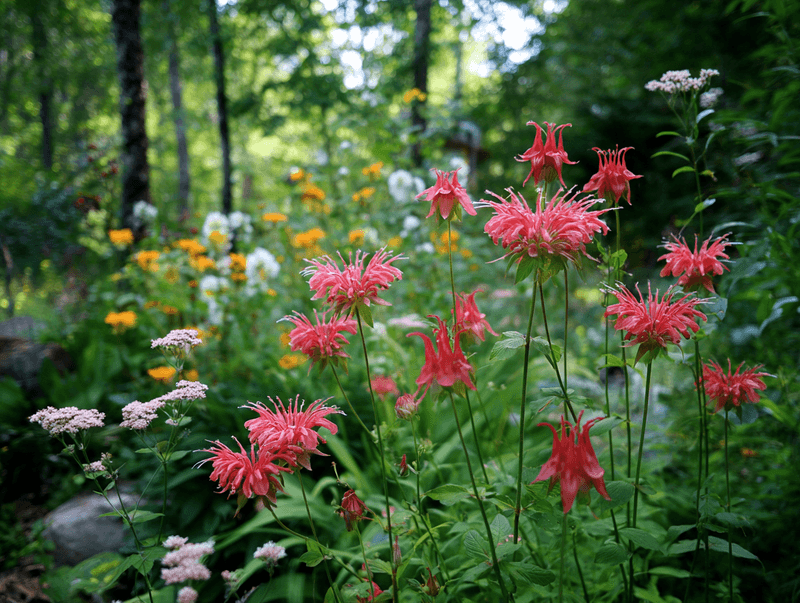
Sourwood anchors a summer nectar window, but the insects visiting your yard need food from early spring through fall. Filling that range means pairing sourwood with native plants that bloom before and after it.
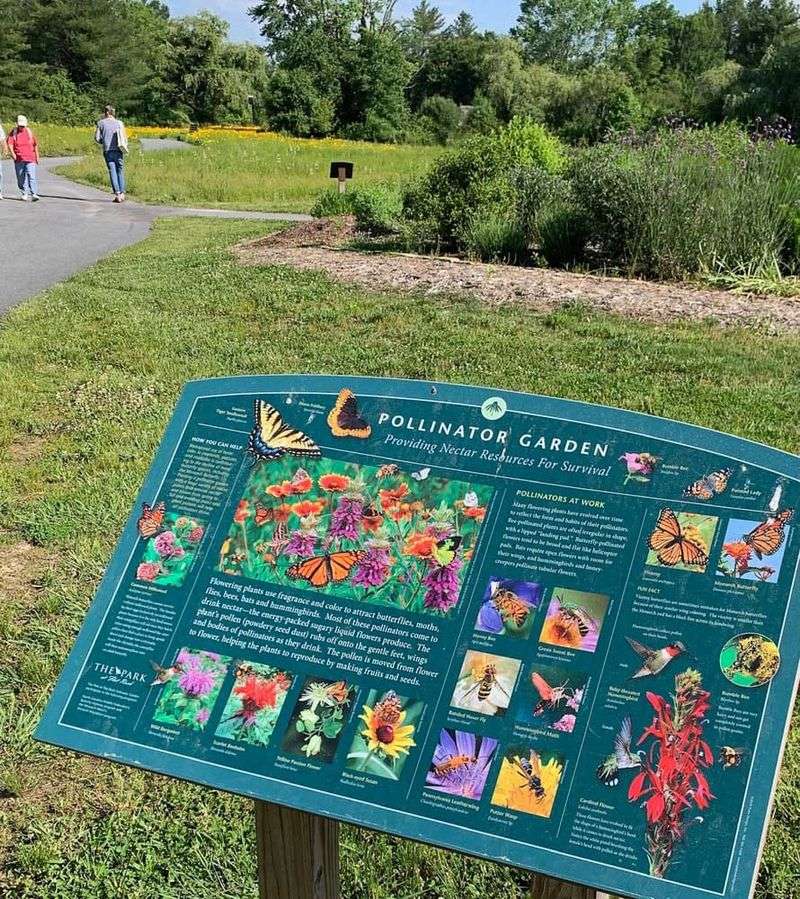
For spring, native species like redbud (Cercis canadensis), serviceberry (Amelanchier spp.), or native azaleas get flowers open when early bees are first foraging. For late summer and fall, native goldenrods (Solidago spp.) and asters (Symphyotrichum spp.) are among the most productive choices in North Carolina, offering both nectar and pollen into October.
NC State Extension’s native plants handbook recommends selecting at least three species in bloom for each season, which gives you a practical minimum to work toward. The USDA NRCS pollinator trees technical note similarly emphasizes varied bloom times, flower forms, colors, and plant heights as the foundation of effective pollinator habitat.
Varied structure matters as much as bloom timing: a yard with one flowering tree and bare ground beneath it serves fewer insects than one with a canopy layer, a shrub layer, and perennials at ground level.
Habitat features beyond flowers also contribute. Leaf litter, dead plant stems left standing through winter, and areas of bare or loosely packed soil provide nesting and overwintering sites for native bees and other insects.
NC State’s pollinator habitat resources point to these structural elements as genuine complements to flowering plants, not just optional extras.
Pesticide use is the other variable that can undercut everything else. Avoid applying insecticides to sourwood or any nearby flowering plant while pollinators are actively foraging.
NC State’s guidance on minimizing pesticide impacts on pollinators advises following label timing restrictions carefully and waiting until flower petals have fallen before treating when treatment is truly necessary. Nonchemical and targeted approaches should come first whenever practical.
Use sourwood as one part of an honest planting plan
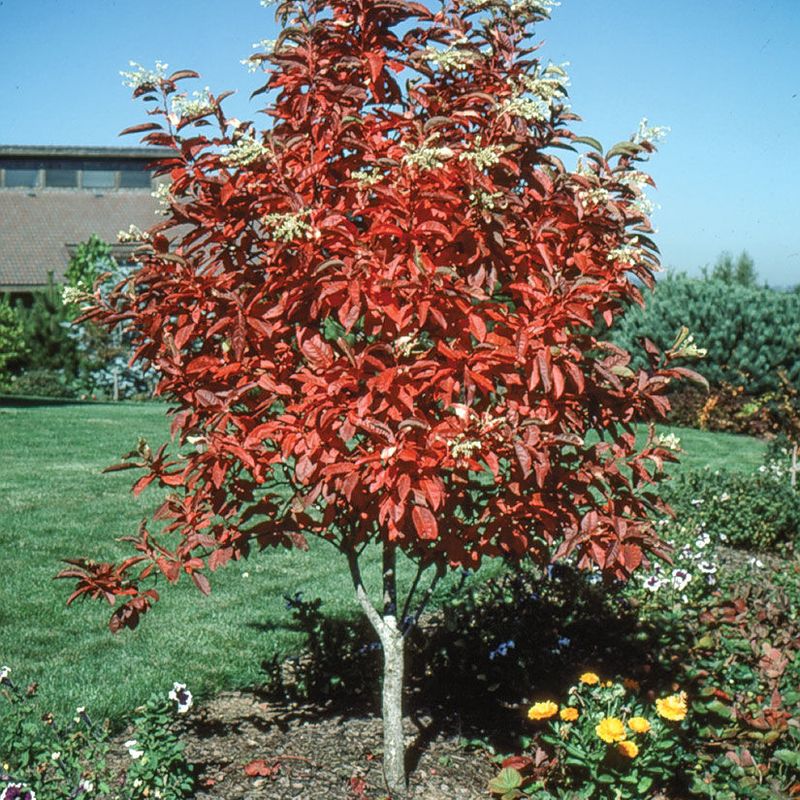
Sourwood is a North Carolina native listed across all three of the state’s major regions, with documented summer nectar value for bees, butterflies, and other flower-visiting insects, reliable fall foliage color, persistent seed capsules, and wildlife associations that make it more than just a one-season ornamental. NC State’s full plant profile supports each of those attributes without overstating them.
What it cannot do is carry a yard’s entire pollinator strategy on its own. Its flowering window runs from June into July, with some regional variation into August, and the rest of the growing season depends on other plants.
Spring-to-frost support is achievable, but it comes from a layered, seasonally staggered planting built around sourwood rather than from sourwood alone. NC State’s native plants handbook gives the framework: multiple species, multiple seasons, multiple plant heights.
Site suitability is also non-negotiable. Acidic, well-drained soil, appropriate light, and a location away from heavy pollution give the tree its best chance.
A yard that matches those conditions gets a beautiful, productive native tree. One that does not may be better served by a different species in the first place.
Plant sourwood where it suits the site, pair it with companions that extend the bloom calendar, and the result is a yard that genuinely supports pollinators across the season rather than just during a few weeks in July.