
Stink Bugs Showing Up Indoors This Fall? A Simple Light Trap Using Household Items May Catch Some
Fall is when many people start spotting stink bugs on window frames, screens, and walls. Most of these visitors are looking for a protected place to wait out the cold, and some end up inside your home.
A shallow pan of soapy water and a light is one low-cost way to catch some of the ones that got in. It has limits, and it needs a few safety steps, so here is what to expect.
Fall activity can bring stink bugs near windows
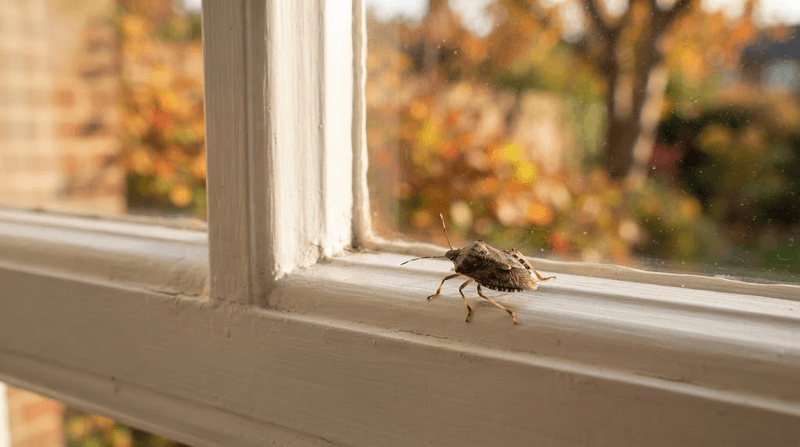
Cooler weather changes how brown marmorated stink bugs behave. EPA guidance explains that adults look for protected overwintering sites in early autumn.
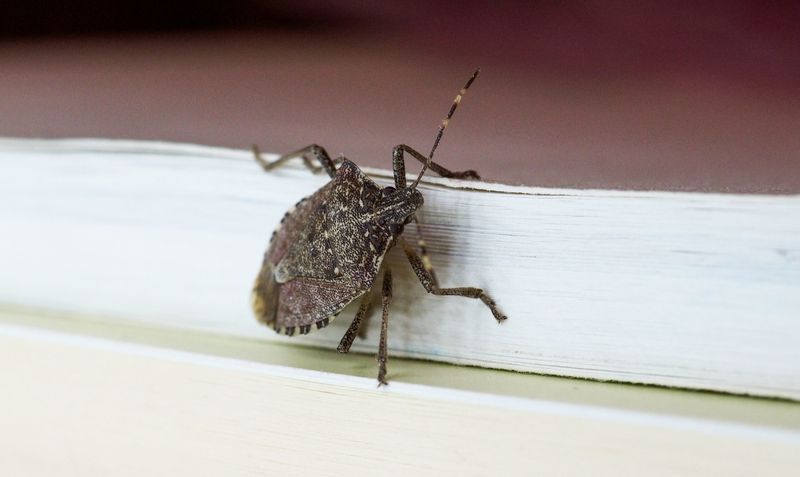
They may gather on building exteriors or turn up near windows and doors, and some slip inside through small gaps.
Windows are not proven to be the specific spot these bugs are trying to reach. Windows are simply where people tend to notice them, since bugs show up against glass, screens, and bright sills.
Seeing a few there does not mean there is a nationwide surge or that your home is being singled out.
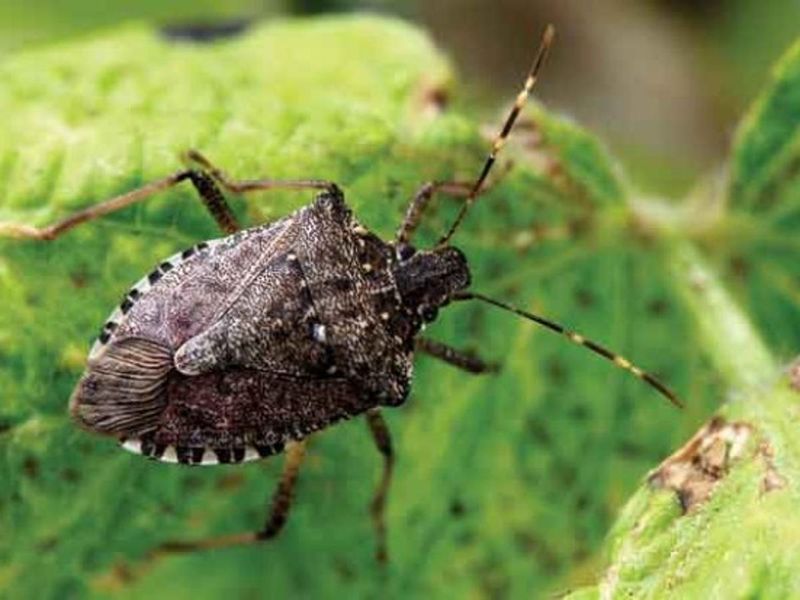
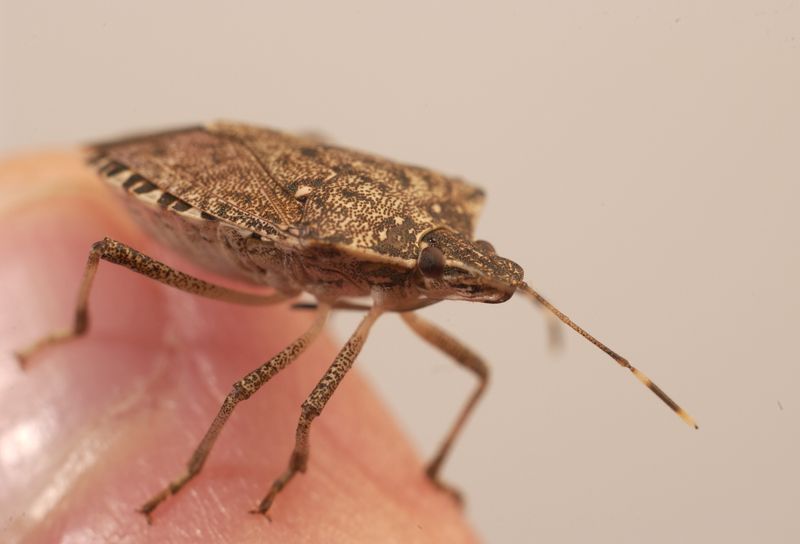
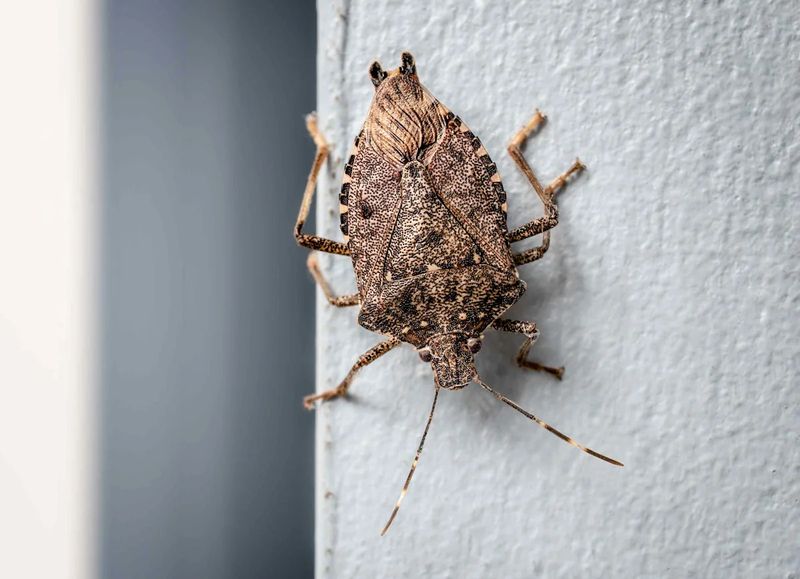
Before you set any trap, check what you are actually dealing with. Plenty of brown, shield-shaped bugs are not brown marmorated stink bugs, and several native stink bugs look similar.
UC IPM identification tips describe the look-alikes and the features that set this species apart, such as its banded markings.
Compare a bug you find with those photos and notes first. If it does match, you can move on to the trap with more confidence.
Brown marmorated stink bugs are a nuisance indoors, but EPA says they do not bite people or pets, damage buildings, or reproduce in homes.
Set up a shallow soapy-water pan
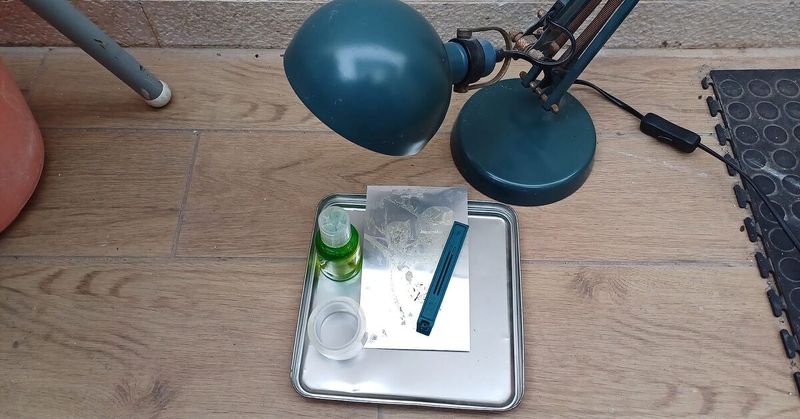
The trap uses things most kitchens already have. UC IPM describes this method: a shallow pan of water with a little dish soap, plus a light aimed at it in a dark room.
It is simple, but it is not a measured five-minute job, so go at your own pace.
Start by choosing a shallow, stable pan. A foil roasting pan works well, and it should sit flat where it will not get knocked over.
Pick a spot in a room where you have been seeing bugs.
Next, add water and a few drops of dish soap. The soap breaks the surface tension, so bugs that land in the pan sink instead of floating and climbing out.
The sources do not give an exact water depth, so a modest layer in a shallow pan is enough. Stir gently so you do not make a foam mountain.
Then aim a light toward the pan. Keep the room as dark as you can, so the light is the brightest thing around.
Turn off other lamps and close the curtains if streetlights shine in.
In the morning, check the pan. Empty it, and refill it with fresh soapy water if you want to run it again the next night.
Some nights may catch a few bugs and others none at all, and that is normal. Dispose of caught bugs by pouring the water down a drain or toilet.
Keep the light and electrical equipment safely placed
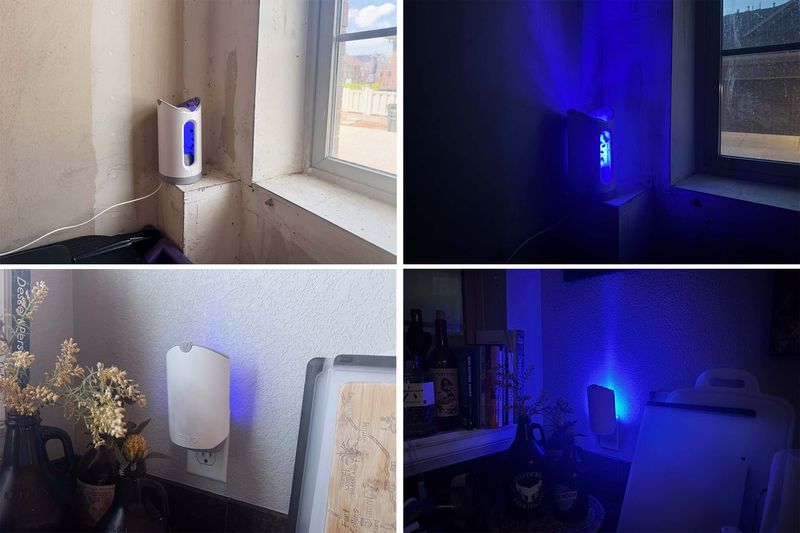
Water and electricity do not mix, so plan the light before you fill the pan. A battery-powered LED is a good option because there is no cord to worry about.
The University of Tennessee Extension warns about the electrical hazard of using an electrical source near water and discusses a battery-powered LED alternative.
If you use a small LED light, set it on a sturdy surface where it cannot tip over. Aim it toward the pan from a spot that is secure, not from a perch that could slip.
Do not put a corded lamp where it could fall into the pan. Also keep plugs, power strips, and extension cords well away from the water, and do not let any cord dangle over the pan or sit close to it.
If you cannot keep electrical equipment safely separated, choose a battery light instead.
Place the setup where kids and pets will not bump it. A low table in a spare room or a quiet corner often works well.
A quick look before bedtime to confirm everything is stable takes only a moment.
A catch is possible, but not guaranteed overnight
Good news first: this method has some backing. UC IPM recommends the pan-and-light approach, and a Virginia Tech-affiliated home study found an aluminum-foil-pan light trap was the most effective among the indoor light traps tested.
Now the limits. That testing took place in homes in late winter and early spring, not during a same-night fall invasion.
It compared traps against one another, so it tells you which tested design worked best, not that any trap will clear a room.
So think of the trap as something that may catch some bugs, possibly overnight, possibly not. You could wake up to several bugs in the water or to an empty pan.
Nothing in the research shows that it prevents new bugs from entering or that it ends an infestation.
EPA guidance says traps are only one tactic and that additional measures are needed for more complete control. It also notes that indoor sprays may kill bugs present but will not stop more from emerging from cracks.
UC IPM adds that indoor sprays are generally ineffective, so a spray or fogger is not a better substitute.
Give the trap a few nights, then judge by what you find. A small catch is a fair result.
Vacuuming can remove bugs already inside
Sometimes you want a bug gone right now. Vacuuming is an immediate option for stink bugs already crawling on a wall or sill.
Both EPA and UC IPM mention it as a way to remove them.
The catch is the smell. Stink bugs can leave an unpleasant odor in the vacuum, and it can linger.
Some guidance suggests using a dedicated vacuum that you do not mind setting aside for bug duty.
Another idea is a stocking attachment. Fit a nylon stocking over the end of the hose or inside the tube, so bugs land in the stocking before they reach the bag or canister.
Afterward, you can tie it off and throw it away.
Move slowly so you do not startle the bugs or crush them, which is when the odor tends to release. Take care near light fixtures and curtains where they often hide.
Vacuuming deals only with the bugs you can see. It does not stop more from coming in, and it will not wipe out an infestation on its own.
Seal likely entry points to reduce future arrivals
Trapping and vacuuming handle the bugs that are already inside. To cut down on new arrivals, you have to look at how they get in.
EPA guidance points to sealing gaps, repairing screens, and weather-stripping doors as ways to keep them out.
Walk around your home and check window screens for tears or loose edges. Patch or replace damaged screens.
Look at the caulk around window frames, door trim, and spots where pipes or wires enter the wall, and seal any visible gaps.
Check the bottoms and sides of exterior doors too. Worn weather-stripping or a door sweep that no longer meets the threshold leaves an easy opening.
Utah State University Extension also lists exclusion as a key part of managing these insects.
None of this is a same-night fix, and it will not guarantee that no bug ever gets in. It can reduce how many find a way inside over time.
Ideally, do it early in fall, before bugs gather on the outside of the house.
A practical order works best. Catch or vacuum the bugs already indoors, then spend a weekend on the likely entry points.
Think of the pan as a bucket and the sealing as fixing the leak.