
That Pretty Poinsettia You’re About To Bring Home Isn’t The Real Danger Indoors – These 13 Holiday Plants Are
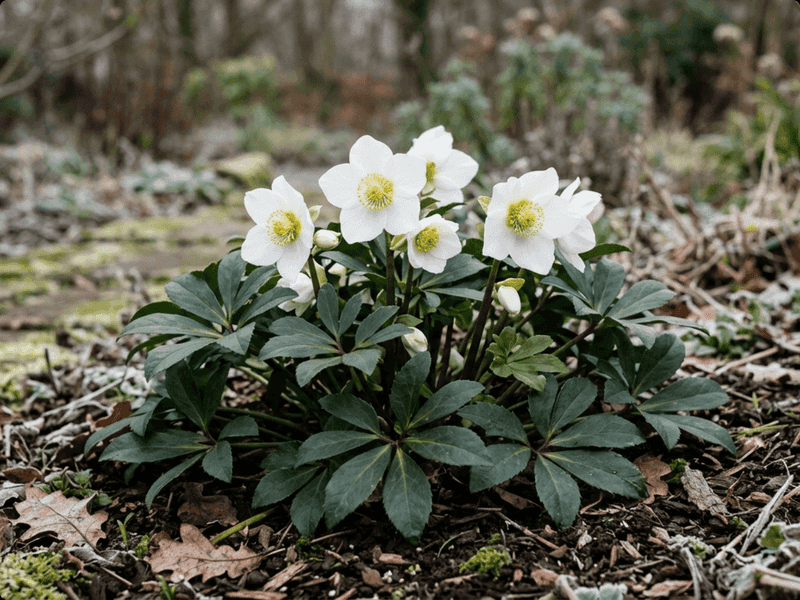
Poinsettias get all the blame every December, but they usually cause little more than a mild tummy ache. The plants that deserve a closer look are often the ones sitting quietly on your mantel, coffee table, or kitchen counter.
Some of them can upset a child’s stomach, and a few can seriously harm a curious dog or cat. Here is what to watch for, plus simple ways to keep your holiday greenery and the people and pets you love safe together.
1. Holly
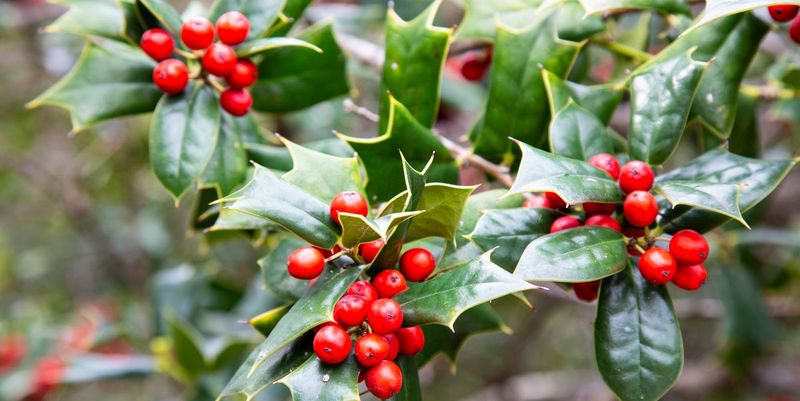
Those cheerful red berries look like candy to a toddler, and that is exactly the problem. Holly berries are poisonous to both people and pets, and children have shown symptoms after eating as few as two.
Swallowing them can bring on nausea, vomiting, diarrhea, and stomach pain. The spiky leaves add their own trouble, scratching the mouth and irritating the skin and digestive tract if chewed.
The easy fix? Hang holly high, well above grabbing hands and wagging tails.
Sweep up fallen berries daily, since dried holly drops them more than you might expect, and consider artificial berries for low centerpieces.
2. Mistletoe
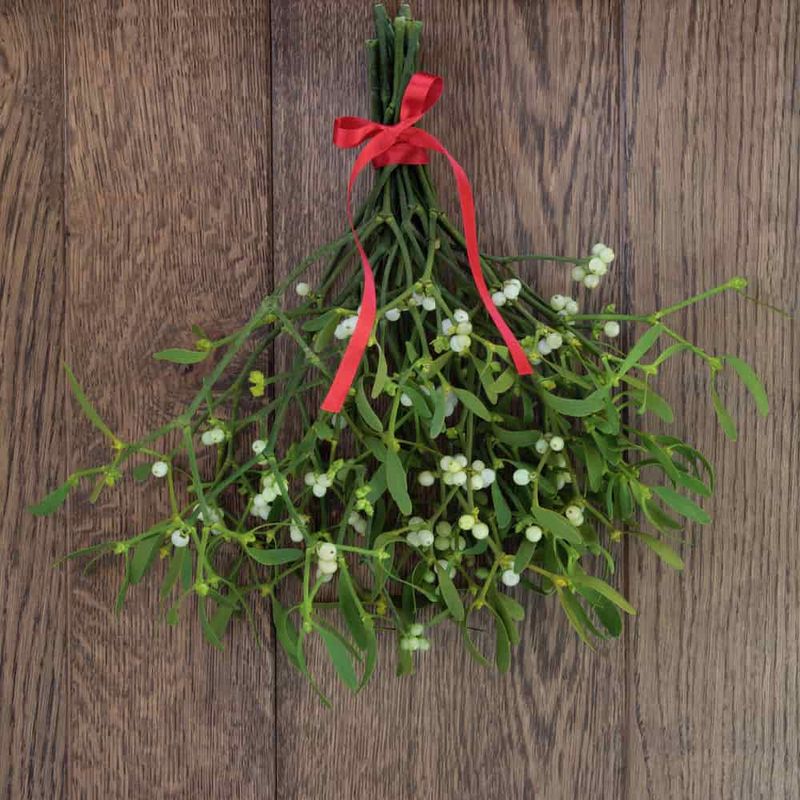
A kiss under the mistletoe is sweet. A dog snacking on it is not.
Every part of mistletoe is considered toxic, especially the berries, stems, and leaves. American mistletoe mostly causes stomach upset in people, but European mistletoe (Viscum album) is far more dangerous.
In pets, eating it can lead to vomiting, diarrhea, trouble breathing, a slow heart rate, and in serious cases low blood pressure or seizures.
Keep that sprig firmly tied in a doorway, out of reach, and check underneath it every morning for dropped berries. Plastic mistletoe looks surprisingly real these days and works just as well for holiday traditions.
3. Amaryllis
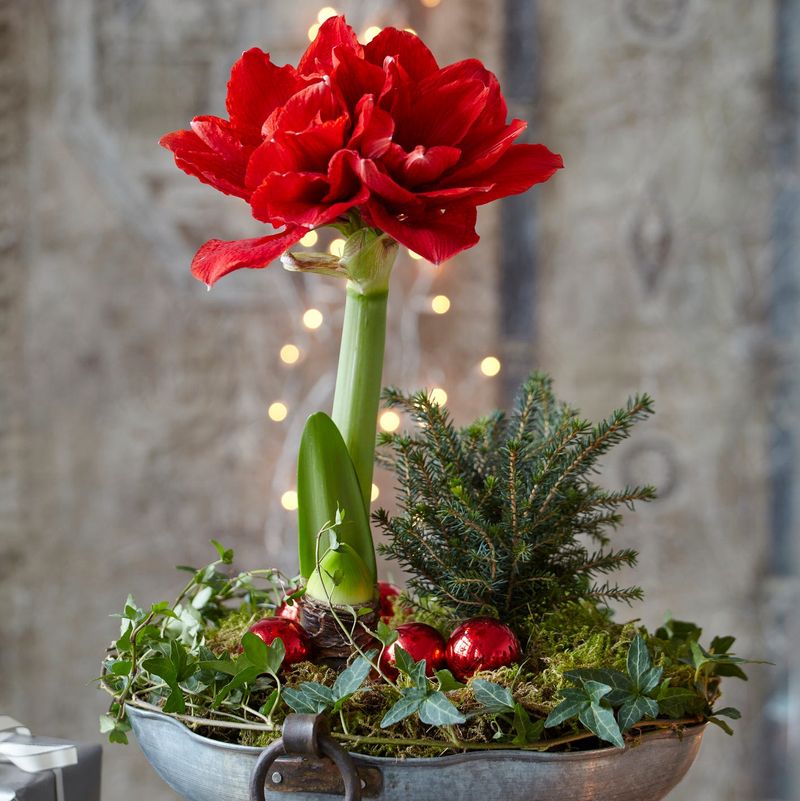
Gardeners love amaryllis because it blooms like a firework in the dead of winter. Hidden under all that drama is a toxin called lycorine, found in the leaves, stems, and flowers, but packed most heavily into the bulb.
Eating any part can cause stomach upset, nausea, vomiting, and diarrhea. Tremors and convulsions are possible too, and in pets a large dose may affect the heart and nervous system.
Watch out for the bulb-forcing kits that come in gift boxes. A loose bulb on the counter looks a lot like an onion or a chew toy, so pot it right away and set the pot somewhere a dog cannot dig into it.
4. Cyclamen
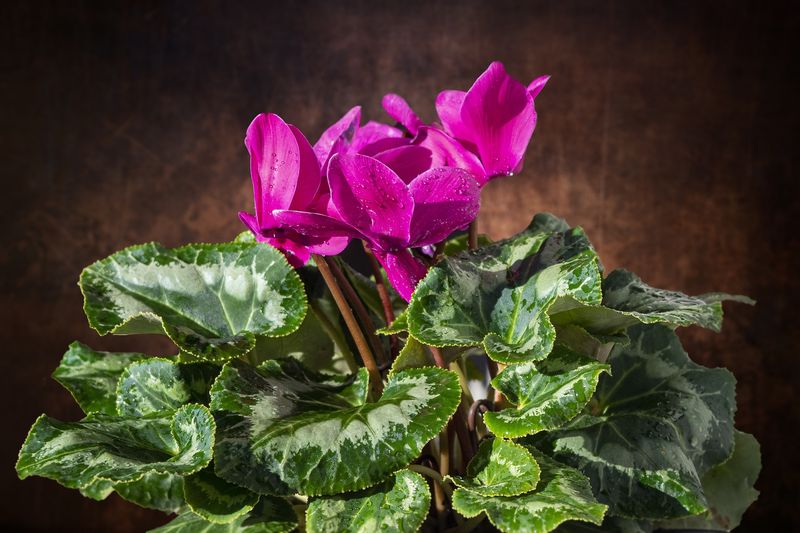
Grocery stores stack cyclamen by the checkout every December, and it is easy to toss one in the cart. Its butterfly-like blooms are lovely, but the real trouble sits below the soil in the tuber.
Cyclamen contains triterpenoid saponins, and the tubers hold the most. Pets who nibble may drool, vomit, or get diarrhea, while a dog that digs up and eats the tuber could face heart rhythm problems, seizures, or worse.
It is mildly toxic to people as well. If you have a digger at home, top the pot with decorative pebbles, which makes the soil much less tempting to paw through.
5. Jerusalem Cherry
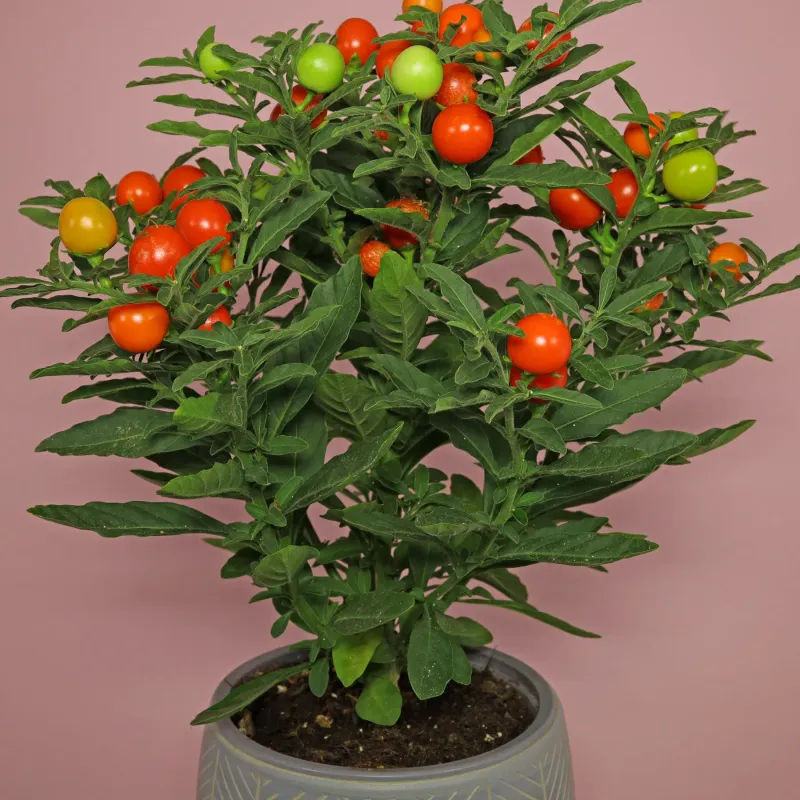
Picture a little shrub covered in shiny orange marbles. That is the Jerusalem cherry, and it might be the most deceptive plant on this list.
Every part contains solanine, with unripe fruit being the worst offender. It is highly toxic to people and pets, causing nausea, vomiting, stomach pain, headache, drowsiness, and a racing heart.
Severe cases can involve hallucinations, seizures, breathing problems, shock, and even death.
Honestly, if you have small kids or a curious pup, this one is worth skipping entirely. Choose a pet-safe plant with colorful foliage instead and enjoy the look without the worry.
6. Kalanchoe
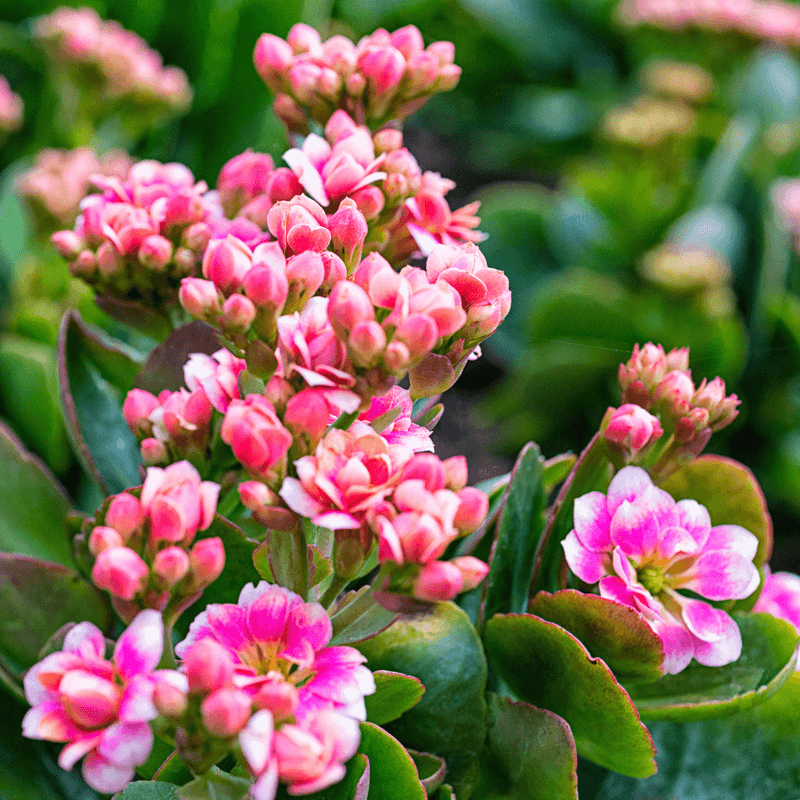
Kalanchoe is the plant people grab when they want a gift that is hard to kill. Its thick leaves and long-lasting clusters of red, pink, or orange flowers make it a winter favorite.
Tough as it is, kalanchoe contains bufadienolides, natural compounds that are toxic when swallowed. Most often the result is vomiting and diarrhea.
Rarely, with a big ingestion, it can cause abnormal heart rhythms.
Because it loves bright windows, it often ends up right where cats lounge. Move it to a high shelf with good light, and you keep both the blooms and your cat happy.
7. Peace Lily
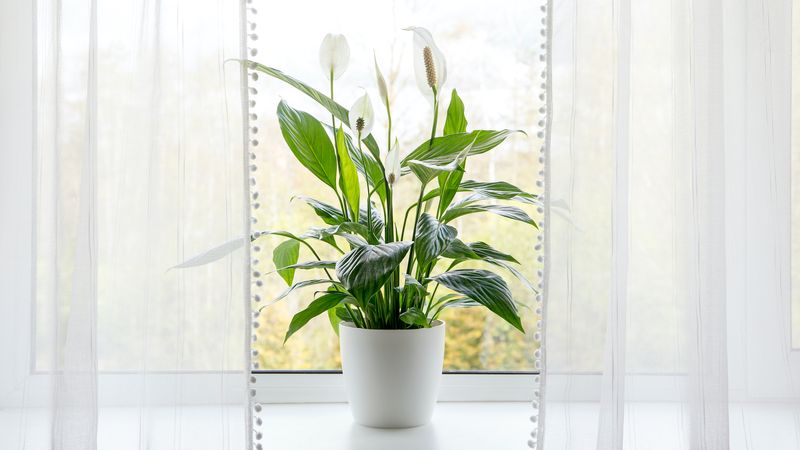
Sympathy gifts, hostess gifts, office gifts. Peace lilies show up everywhere in December because they look elegant and forgive missed waterings.
Inside the leaves, stems, and flowers are tiny needle-shaped calcium oxalate crystals. One bite brings fast burning in the mouth, swollen lips and tongue, heavy drooling, nausea, vomiting, and trouble swallowing.
It usually causes discomfort rather than lasting damage, but quick action still matters.
If someone chews a leaf, rinse the mouth with water and call Poison Control or your vet. Keep the pot up on a plant stand instead of the floor, where it is at perfect dog-nose height.
8. Philodendron
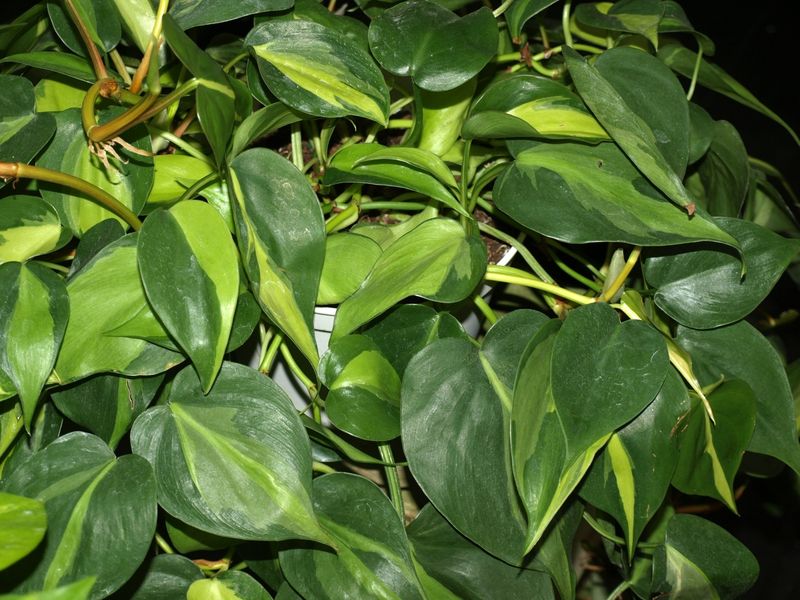
You might not think of philodendron as a holiday plant at all. Yet those trailing vines often get draped around trees, mantels, and bookshelves as living garland.
All parts contain insoluble calcium oxalate crystals, which irritate the mouth, lips, tongue, and throat. Expect drooling, vomiting, and sometimes trouble breathing, and very large amounts can be fatal.
Dangling vines are basically cat toys. Trim long strands so they do not swing within reach, and skip using philodendron cuttings in low centerpieces this year.
9. Schefflera
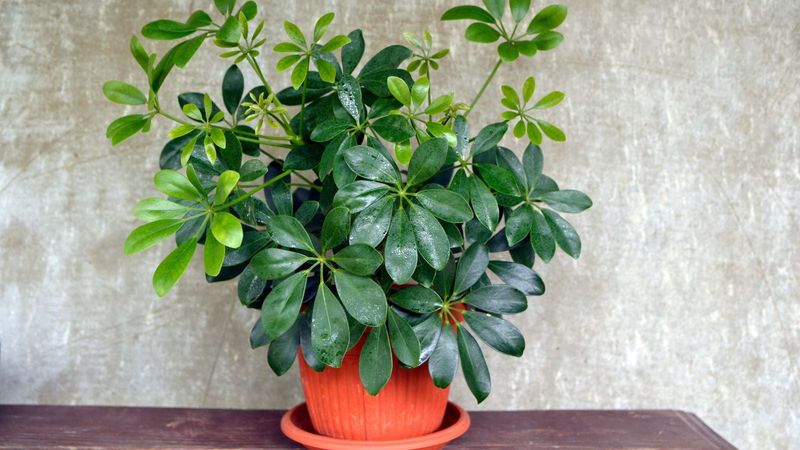
Some folks use a big schefflera as a stand-in Christmas tree, tucking a few ornaments into its umbrella-shaped leaves. It is a fun idea that comes with a catch.
The whole plant contains calcium oxalate crystals, saponins, and terpenoids. A pet that chews on it may drool, vomit, paw at its face, and show swelling of the mouth.
Serious swelling can narrow the airway and make breathing hard.
Ornaments hanging on a houseplant invite batting and biting. Keep decorations on the upper branches only, and pick up any fallen leaves before your pet finds them.
10. Christmas Rose
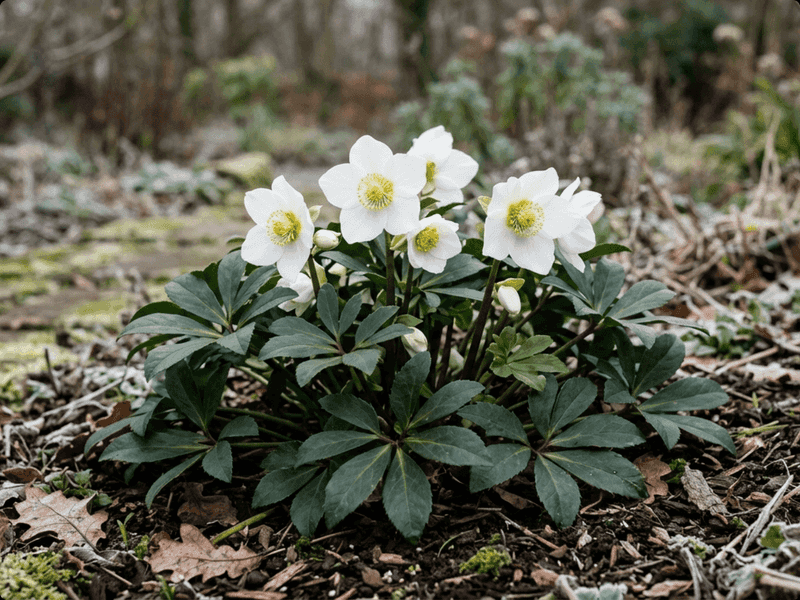
Blooming in snow sounds like a fairy tale, and the Christmas rose truly does it. Gardeners love this hellebore for flowering when almost nothing else will.
Its beauty hides cardiac glycosides, compounds that can speed up the heartbeat if eaten. Some forms may also bring on delirium and seizures.
Potted hellebores are often brought inside for holiday displays, then forgotten on a low table. Wear gloves when dividing or trimming them, and return the pot to the porch or garden bed once guests leave.
11. Yew
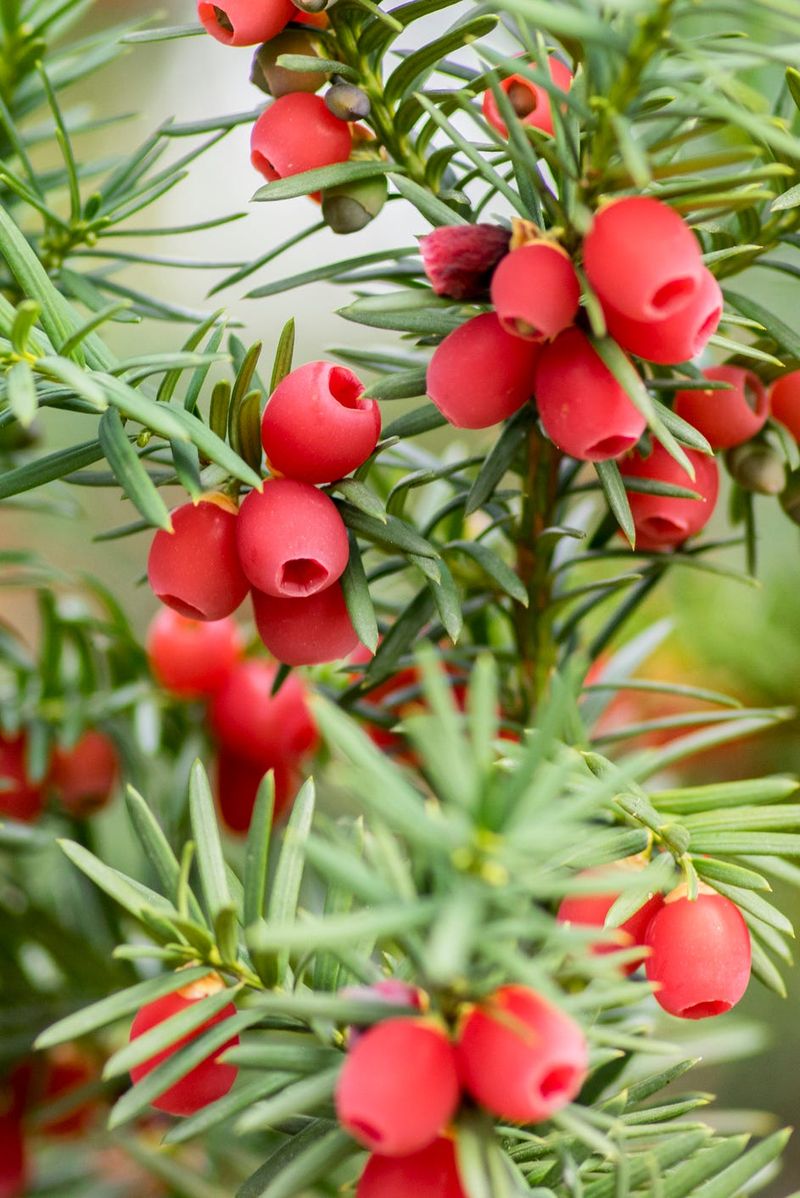
Here is a sneaky one, since many people never know it is in their wreath. Yew branches are popular in holiday greenery, and their soft red berries look harmless.
The fleshy red part is not the main threat. The seed inside, along with the needles, holds taxine alkaloids that can cause stomach upset, drowsiness, trembling, and a fast heartbeat and breathing.
Without treatment, yew poisoning can slow the heart and lead to heart failure, and pets are just as vulnerable.
Ask your florist what greens are in your wreath or garland. If yew is listed, hang it outdoors on the door rather than inside.
12. Sago Palm
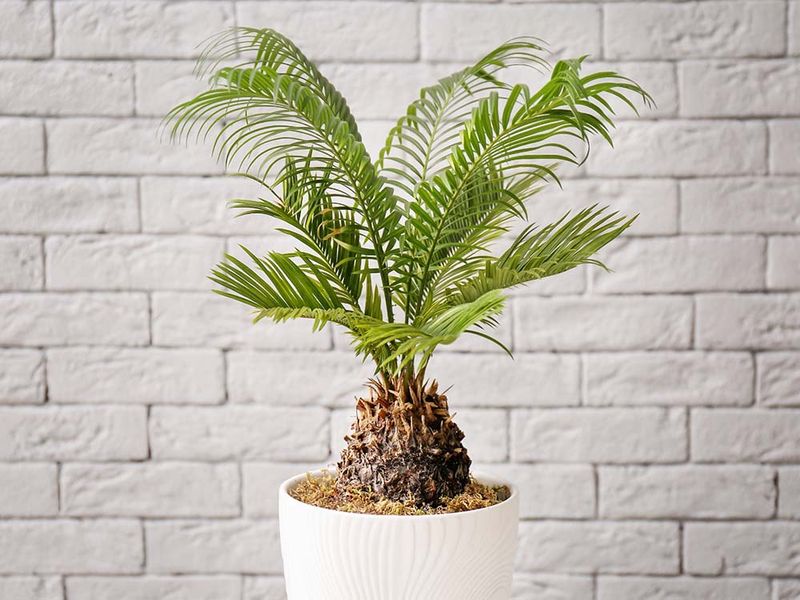
Ask any emergency vet which plant scares them most, and sago palm often tops the list. It is sold as a tidy mini palm, sometimes dressed up with a bow for gifting.
Every part is toxic, and the seeds hold the most cycasin. Even a small bite can damage a dog’s or cat’s liver, leading to vomiting, diarrhea, sluggishness, seizures, liver failure, and possibly death.
Fast treatment makes a big difference, so call your vet right away if you suspect chewing. For homes with pets, this is one plant best left at the store.
13. Coleus
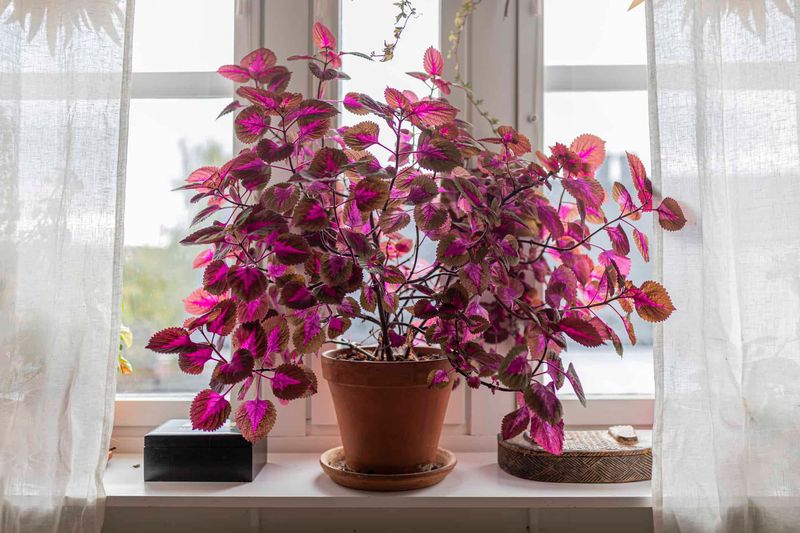
Plenty of backyard gardeners dig up their favorite coleus before frost and bring it inside to overwinter. It is a smart way to save a beloved plant, but it changes who can reach it.
Coleus is not toxic to people, which is good news for families. Dogs and cats are another story, since eating it can cause vomiting and diarrhea that is sometimes bloody.
Set your rescued coleus on a windowsill or shelf your pets cannot reach. Take cuttings in water up high too, and you will have fresh plants ready for spring planting.
Bottom line: you do not have to give up holiday plants. A few smart spots, a quick check for fallen berries, and the Poison Control number (1-800-222-1222) on your fridge go a long way.