
The Fall Color North Carolina Crape Myrtles Quietly Put On Every October That Most People Miss
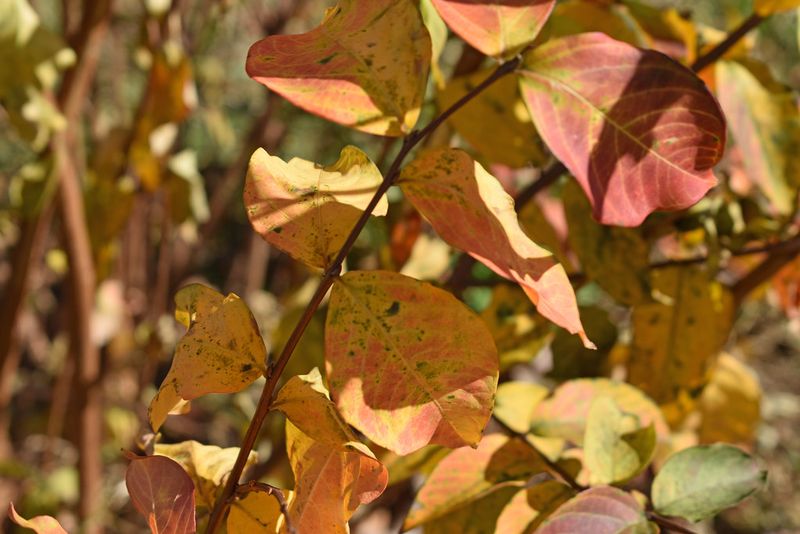
Crape myrtles are everywhere in North Carolina yards, lining driveways and anchoring back corners from the coast to the foothills. Most people plant them for the summer blooms and then move on, but these deciduous trees have another seasonal trick before the leaves fall.
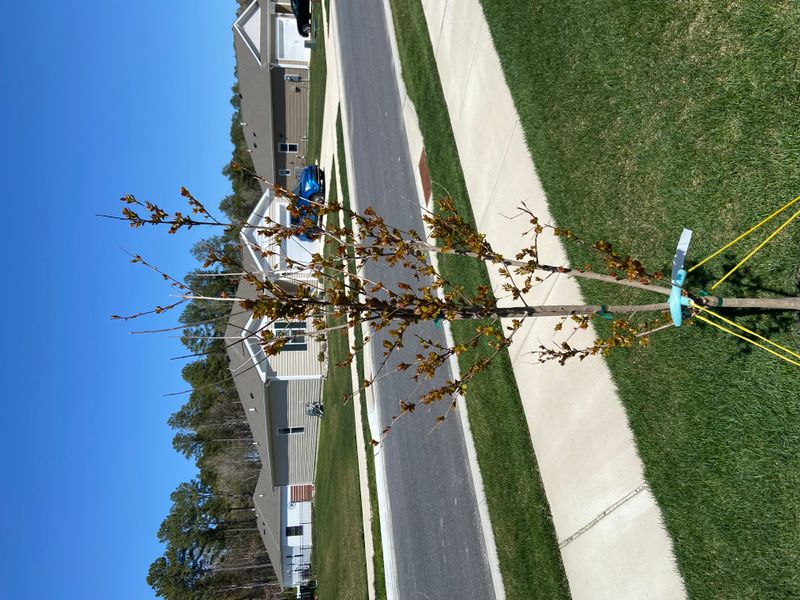
Depending on the cultivar and conditions, a crape myrtle can shift into yellow, orange, red, bronze, maroon, or purple foliage in fall, and knowing what shapes that display helps you get the most from a tree you may already own.
The summer bloomer has a second season
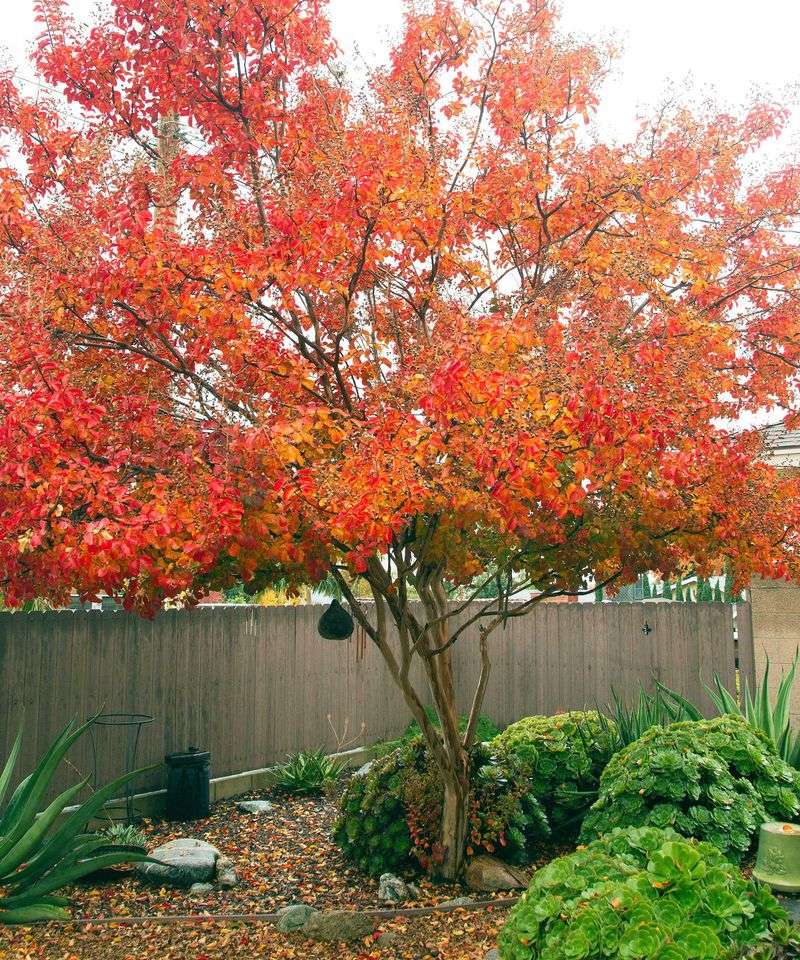
Crape myrtles spend most of the gardening calendar earning attention as summer bloomers, and once the last flower cluster fades, many homeowners stop paying attention to the tree entirely. That overlooks something worth watching.
As a deciduous plant, the crape myrtle drops its leaves every year, and before it does, the foliage can move through a range of warm colors that rival the summer show in its own quieter way.
NC State Extension’s plant records for Lagerstroemia confirm that fall foliage color is a documented ornamental trait of the genus, with leaves shifting from green into yellow, orange, red, bronze, maroon, or purple before leaf drop. The University of Arkansas Cooperative Extension crapemyrtle fall-color resource maintains an entire cultivar database organized around this seasonal trait, which signals that fall color is taken seriously as a selection criterion, not just a pleasant surprise.
That said, the article’s title needs a quick correction before going further. Fall color in North Carolina crape myrtles is real and can be striking, but it is not guaranteed for every tree every October.
Virginia Tech Extension’s crapemyrtle publication makes clear that results vary substantially by cultivar, site, plant health, and weather. Some trees turn a vivid orange-red.
Others shift to soft yellow. A few drop their leaves with barely any color at all, especially if the season has been dry, unusually warm, or cut short by a hard freeze.
Treating fall color as a possible and cultivar-specific benefit, rather than a statewide October guarantee, sets a more honest expectation and actually makes the display more satisfying when it arrives. The summer bloom gets all the credit, but the fall foliage encore, when it happens, is worth planning for.
The cultivar—not the common name—sets the color palette
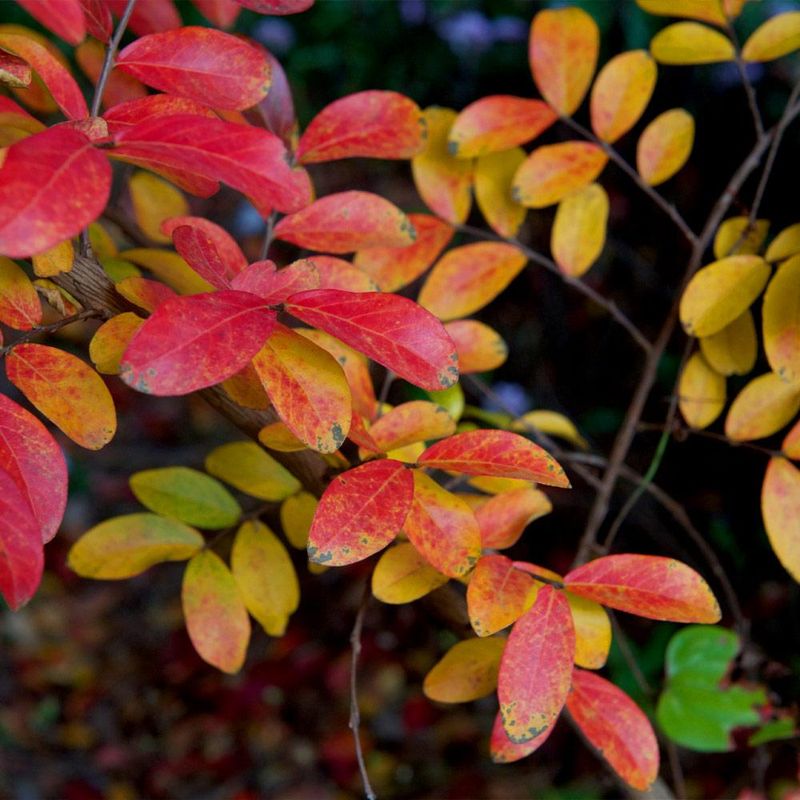
Walk through almost any North Carolina neighborhood in fall and you will likely see crape myrtles that look nothing alike once the leaves start to turn. One tree glows orange-red.
The neighbor’s tree goes a soft yellow. A third barely changes before dropping.
People sometimes blame soil or sunlight for the difference, but cultivar selection is usually the bigger factor.
The named cultivar carries the genetic blueprint for fall color, and the range across documented selections is wider than most buyers realize. NC State Extension’s Lagerstroemia records list several cultivars with specific fall foliage descriptions: ‘Apalachee’ produces orange to red foliage, ‘Catawba’ delivers bright orange-red color, ‘Comanche’ shifts into dark orange to dark red-purple, ‘Lipan’ shows orange-rust tones, ‘Pocomoke’ goes bronze-red, ‘Tonto’ turns maroon, and ‘Yuma’ offers yellow-orange.
These are not vague impressions; they are documented selection traits.
The NC State profile for ‘Catawba’ specifically highlights bright orange-red fall color as a distinguishing feature of that selection. At the national level, the U.S.
National Arboretum’s Lagerstroemia cultivar records show additional examples including ‘Dynamite’ with orange fall color and ‘Pink Velour’ with orange-brown. The National Arboretum’s C-section cultivar checklist documents ‘Centennial Spirit’ with red-orange fall color, while the B-section checklist shows that some selections lean toward yellow rather than any shade of red.
The practical takeaway is straightforward. Buying a crape myrtle by its cultivar name and checking the listed fall color before purchase gives you far more predictable results than buying by bloom color alone. “Fiery” accurately describes certain selections like ‘Catawba’ or ‘Comanche,’ but it does not describe ‘Yuma’ or other yellow-toned cultivars.
Knowing which palette your tree is capable of producing helps you read the fall display accurately and keeps you from confusing a yellow-leaved tree’s normal color with a problem.
Why North Carolina’s fall show follows no single October schedule
North Carolina stretches from barrier islands to mountain ridges above 6,000 feet, and crape myrtles growing across that range do not experience fall the same way. A tree near Wilmington may hold its leaves well into November.
One planted in Asheville might start showing color weeks earlier and face a harder freeze before the display peaks. Expecting a single statewide October schedule misses the reality of the state’s geography.
NC State Extension notes that crape myrtle performance and winter hardiness can differ by cultivar and location across the Coastal Plain, Piedmont, and mountain regions. The Lagerstroemia indica species page reinforces that some selections are better suited to colder conditions than others, and NC State’s winter preparation guidance recommends protected locations and winter mulch for plants in colder parts of the state.
What actually starts the color process is a shift in day length and temperature, not frost. Penn State Extension explains that plants respond to shorter days and cooler nights as seasonal cues that trigger chlorophyll breakdown, allowing underlying pigments to show.
Frost is not required for normal color development. In fact, Penn State’s community forest planting resource points out that a sudden hard freeze can cut the display short rather than improve it, causing rapid leaf drop before color fully develops.
Drought, unusual warmth, or a stretch of cloudy weather can also dull or delay the display. A tree that has been water-stressed through summer may drop leaves early with little color.
One that experiences a warm October followed by a sharp cold snap may skip the gradual change entirely. Rather than watching the calendar, watch the tree.
Your crape myrtle’s foliage will tell you more about timing than any regional average can.
Healthy roots and full sun support the display
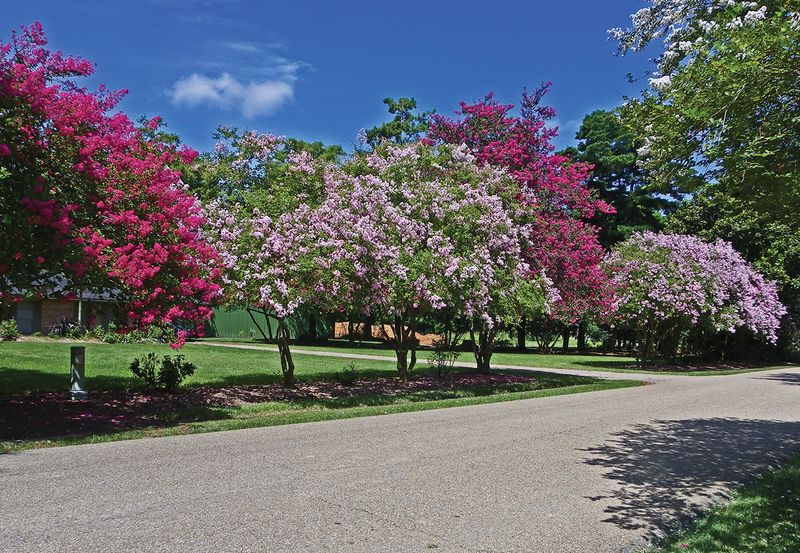
No amount of wishful thinking turns a struggling crape myrtle into a fall showpiece. The trees that tend to deliver the most consistent seasonal color are simply the ones that have been grown well from the start, with adequate sunlight, decent drainage, and appropriate moisture through the season.
NC State Extension recommends full sun for crape myrtles, noting that heavy shade reduces growth and flowering and increases disease pressure. Full sun is also the most sensible condition to aim for if you want reliable seasonal performance, though the research does not establish a precise hour-count that guarantees fall color.
What is clear is that a tree spending most of its day in shade has less energy to put into strong growth, flowering, or any kind of robust foliage display before dormancy.
Soil drainage matters just as much. University of Georgia Cooperative Extension’s crape myrtle culture guide explains that while crape myrtles can tolerate clay soils, soggy or poorly drained conditions contribute to root problems and general decline.
A tree sitting in wet soil through summer is not building the kind of root system that supports a healthy fall transition.
Watering needs shift with the tree’s age. Newly planted crape myrtles need deep, thorough watering at planting and approximately once a week without rainfall for the first two months, according to UGA guidance.
Established plants handle dry stretches better, but significant drought can still cause premature yellowing or early leaf drop rather than a clean seasonal color change. During extended dry periods, a deep soaking helps the tree finish the season on its own terms.
Mulch supports the root zone without doing anything dramatic to leaf color. NC State’s Woody Ornamentals handbook recommends roughly 2 to 3 inches of organic mulch to conserve moisture and moderate soil temperature, kept at least 6 inches back from the trunk.
UGA suggests a slightly broader 3- to 5-inch range. Either approach protects the root zone; neither is a shortcut to more vivid fall foliage.
What you do in fall can shorten the season
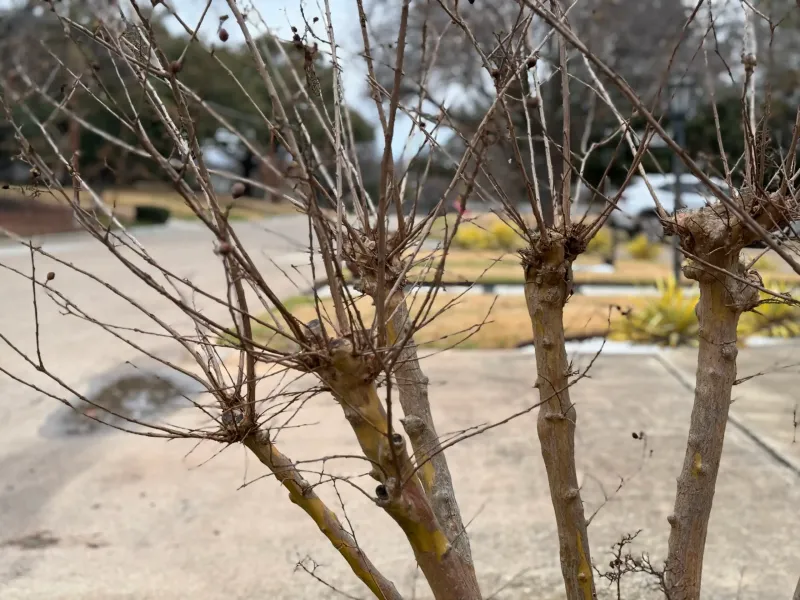
A few common maintenance habits, timed badly, can cut the fall display shorter than any weather event. The biggest one is pruning in early fall.
UGA’s crape myrtle culture guide warns that early-fall pruning can push the tree into producing new growth, which delays dormancy and leaves tender shoots vulnerable to cold damage. If your tree needs shaping, the right window is late winter to early spring, before new growth resumes.
That timing removes old wood cleanly without disrupting the tree’s seasonal rhythm.
Topping, sometimes called “crape murder,” compounds the problem even when it happens outside fall. Virginia Tech Extension explains that severe heading damages the tree’s natural branching structure and produces clusters of weakly attached shoots that are prone to breaking under weight.
NC State’s Before the Cut resource reinforces that topping is generally unnecessary when the right cultivar is matched to the available space from the beginning. A tree that has been topped repeatedly is spending energy recovering structure rather than building toward a clean seasonal transition.
Fertilizer timing also matters more than most people realize. NC State’s crape myrtle guidance notes that excess fertility pushes lush vegetative growth at the expense of flowering, and the same dynamic applies in fall: a tree that has been over-fertilized late in the season may not harden off properly before cold arrives.
Chasing more vivid foliage through fertilizer is not a strategy supported by the evidence.
Withholding water to stress the tree into better color is equally counterproductive. Drought stress can cause premature yellowing and early leaf drop, which looks like fall color from a distance but is actually the tree shedding leaves to cope with water deficit.
NC State’s winter preparation guidance also cautions that stressed plants entering dormancy are more vulnerable to winter injury. The fall display, when it comes, should arrive because the tree is healthy, not because it has been pushed into an early stress response.
A dramatic leaf can be color—or a warning
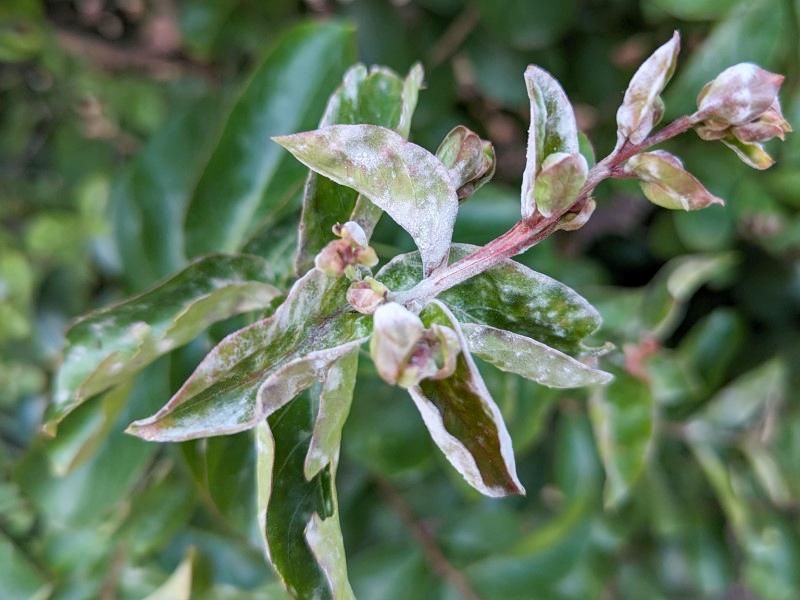
Orange and red leaves on a crape myrtle in September or October can mean two very different things, and telling them apart matters before you decide whether to admire the display or call your local Extension office. Seasonal color develops gradually as day length shortens and temperatures cool, typically starting at the leaf edges and moving inward over days or weeks.
Stress-related discoloration tends to look different: patchy, concentrated on certain branches, accompanied by early leaf drop, or paired with other visible symptoms on the bark or stem.
UC Agriculture and Natural Resources explains that early fall color in trees can signal underlying stress rather than a successful seasonal display. For crape myrtles specifically, University of Maryland Extension’s problem identification guide lists drought, poor drainage, powdery mildew, and Cercospora leaf spot as conditions that can cause premature yellowing, leaf browning, or early drop.
If the color arrived after a long dry stretch or following weeks of wet, humid weather, look more carefully before assuming the tree is simply doing its seasonal thing.
Crape-myrtle bark scale deserves its own mention because it produces symptoms that are easy to mistake for other problems. NC State Extension’s bark scale resource describes the pest as producing white felt-like coverings on stems and branches, along with honeydew secretions that lead to black sooty mold coating the bark and sometimes the foliage.
A tree covered in black sooty mold may look like it has a disease problem when the underlying issue is an insect infestation. The NC State crape myrtle pest management calendar provides timing-specific guidance for monitoring and response.
Before reaching for any pesticide, identify the cause. UGA Extension’s bark scale publication notes that some systemic insecticides can harm foraging pollinators, so routine preventive spraying is not appropriate.
Targeted treatment based on a confirmed identification, guided by your local Extension office, is the right sequence.
A fall-color tree starts with the right purchase
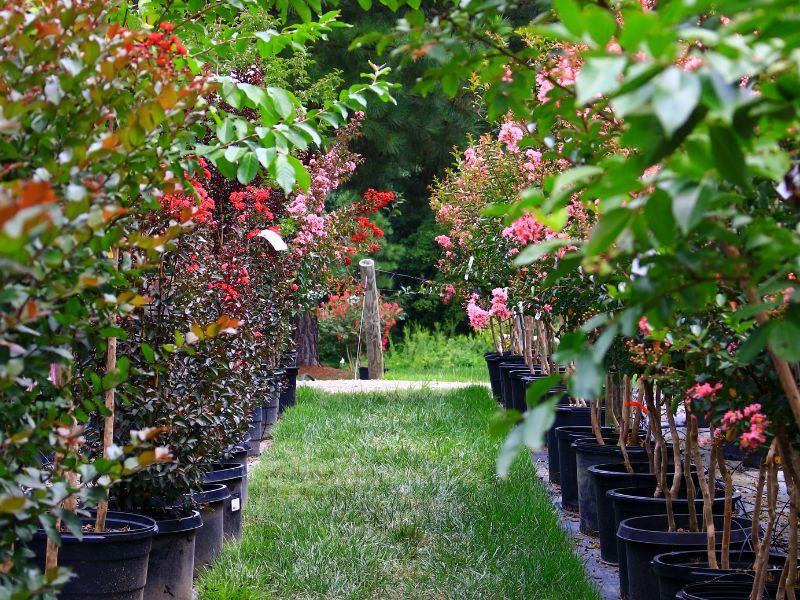
The best time to plan for fall color is before the tree goes in the ground. Most nursery buyers choose a crape myrtle by bloom color or by how it looks on the lot in summer, and that is a reasonable starting point, but it leaves out the information that determines fall performance, mature size, and long-term fit for the site.
The cultivar name is the most useful piece of information on the tag. NC State Extension’s Lagerstroemia records include documented fall foliage color, mature height and width, hardiness zone, and disease resistance ratings for named selections.
Cross-referencing the tag name with that database before purchase takes a few minutes and can prevent decades of regret. Crape myrtles range from dwarf shrubs under 3 feet to trees that exceed 20 feet at maturity, and a tree planted without regard for its eventual size is a prime candidate for topping later.
NC State’s Before the Cut resource makes the connection explicit: matching the cultivar’s mature size to the available space is the most effective way to avoid the pruning problems that damage form and weaken the plant over time. Virginia Tech Extension’s plant selection guide reinforces that site fit, hardiness, and disease resistance should carry as much weight as ornamental appeal in any purchase decision.
One honest note on wildlife value: crape myrtles are nonnative ornamentals, and their role in a North Carolina yard ecosystem is limited. UGA research found that bee visitation to crape myrtles varied by cultivar, flower color, and plant size, so pollinator benefit is real but variable.
The USDA plant guide for Lagerstroemia indica describes it as a cultivated ornamental without the ecological role of a native species. A crape myrtle can be a beautiful and well-chosen addition to a North Carolina yard without serving as a substitute for the diverse native plantings that support local wildlife more broadly.
Let the overlooked season arrive on its own terms
Crape myrtles can offer a genuine fall foliage moment in North Carolina yards, but the best version of that display comes from a tree that has been set up to succeed, not one that has been stressed, topped, or pushed with late-season fertilizer. The University of Arkansas fall-color cultivar database exists precisely because selecting for documented fall color at purchase time is the most reliable path to a consistent seasonal display.
The practical habit that supports the fall season is straightforward: keep an eye on the foliage through late summer and fall, water deeply during dry stretches, maintain the mulched root zone, and skip any pruning until late winter. NC State Extension’s crape myrtle guidance and UGA’s culture publication together make clear that basic, consistent care is what a crape myrtle needs to move through its seasons well.
If foliage changes look unusual, investigate before treating.
The summer bloom on a crape myrtle is hard to miss. The fall color, quieter and more variable, rewards the homeowner who is paying attention when it arrives.