
The Native North Carolina Flowers That Keep Cardinals Flashing Red In Your Yard From Spring To Fall
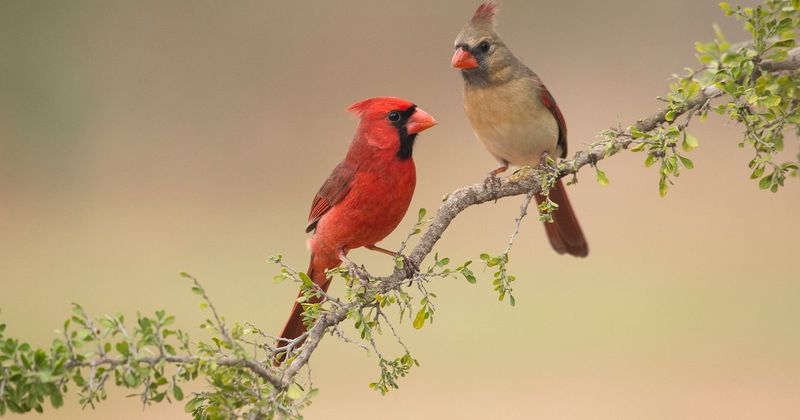
Northern cardinals stay in North Carolina all year long, which means they count on your yard for food and shelter through every season. The good news is that a handful of native plants can keep those flashing red birds coming back from the first warm days of spring through the crisp weeks of fall.
Better yet, choosing natives means you are skipping invasive troublemakers and building a healthier patch of NC for all your local wildlife. Here are ten native plants that will turn your yard into a cardinal magnet.
1. Purple Coneflower (Echinacea purpurea)
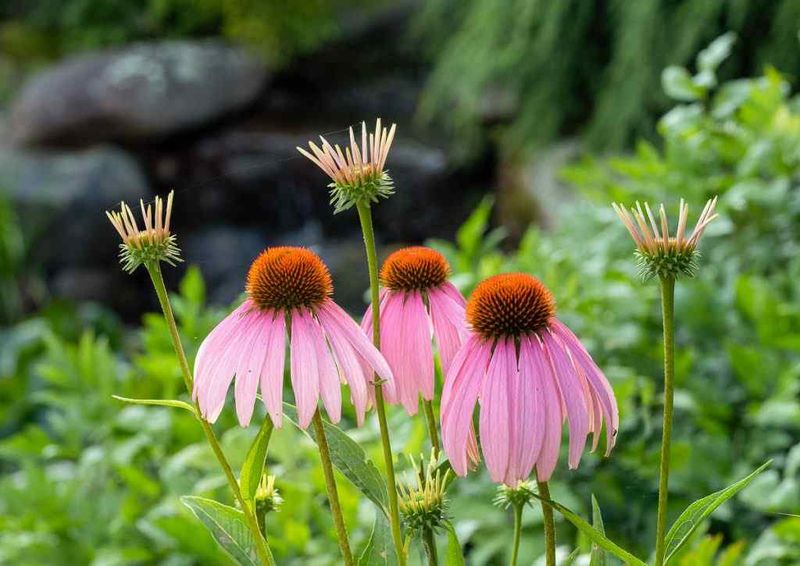
Few summer perennials pull double duty like purple coneflower. Those daisy-shaped blooms with the spiky copper centers look gorgeous in a Piedmont border, but the real gift comes later.
When the flowers fade and the seed heads dry out by late summer, cardinals move in to crack open the seeds packed inside that cone. Leaving the spent flowers standing instead of deadheading them is the single best thing you can do for the birds.
Coneflower also feeds butterfly and moth caterpillars, and those soft insects become protein for cardinal chicks in the nest. Plant a drift of it in full sun and well-drained soil, and you will barely have to lift a finger to keep it going year after year.
2. Cardinal Flower (Lobelia cardinalis)
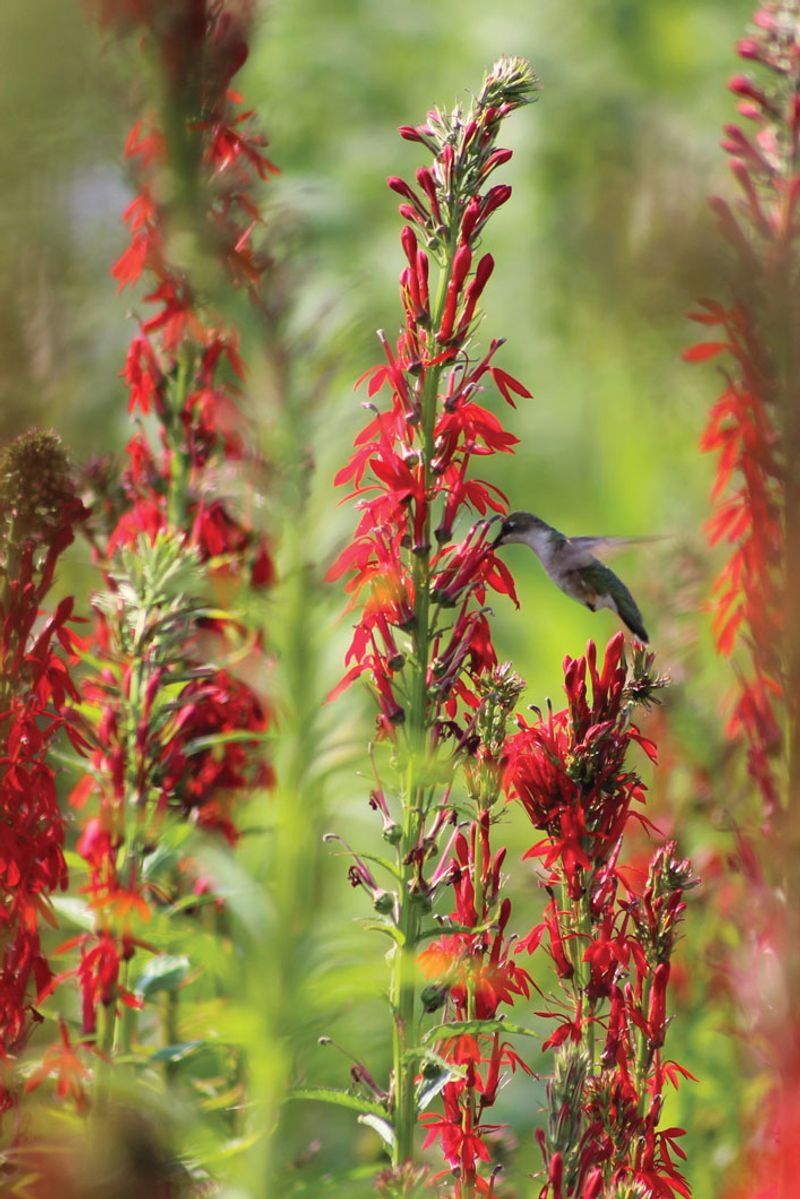
It shares more than a color with the bird. Cardinal flower shoots up spikes of the most intense scarlet you will find in a native plant, the kind of red that stops you in your tracks near a stream bank.
Blooming from mid summer well into the fall, it is a hummingbird and butterfly favorite first. Once those flowers get pollinated, though, they set seed that can draw songbirds in during the cooler months.
Give it the damp, rich soil it craves along a woodland edge or the low spot in your yard that stays soggy. Pair it near a water feature and you get a splash of red twice over, from the blooms and from the cardinals that come to visit.
3. Flowering Dogwood (Cornus florida)
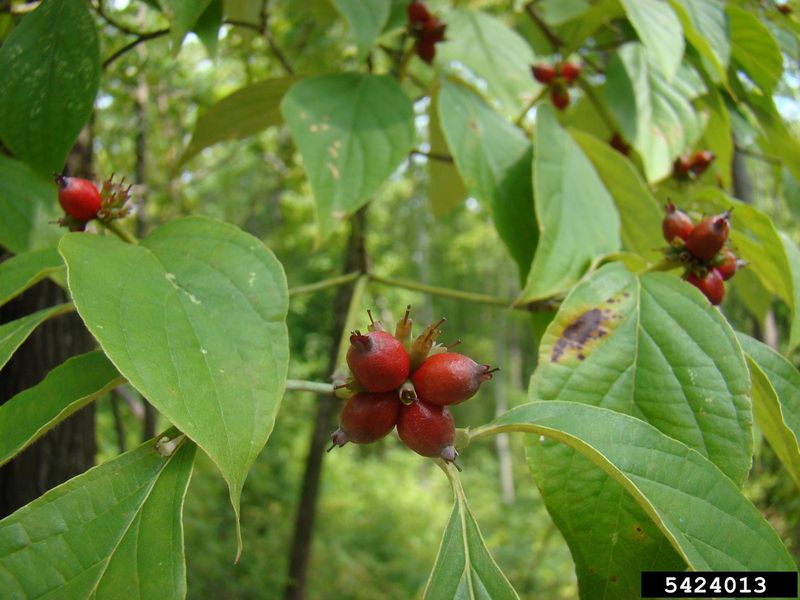
North Carolina’s beloved state flower earns its place for the whole calendar. In spring, the white four-petaled bracts light up the understory and pull in the insects that nesting cardinals depend on for protein.
Come fall, the show changes. Glossy red berries appear along the branches, and cardinals happily gobble them up as they fatten for winter.
Dogwood stays a manageable size, so it fits a residential backyard without taking over. Tuck one at the edge of your tree line where it gets a little shade, and you have created both a feeding station and a safe perch for those red birds to flash from.
4. Black-Eyed Susan (Rudbeckia hirta)
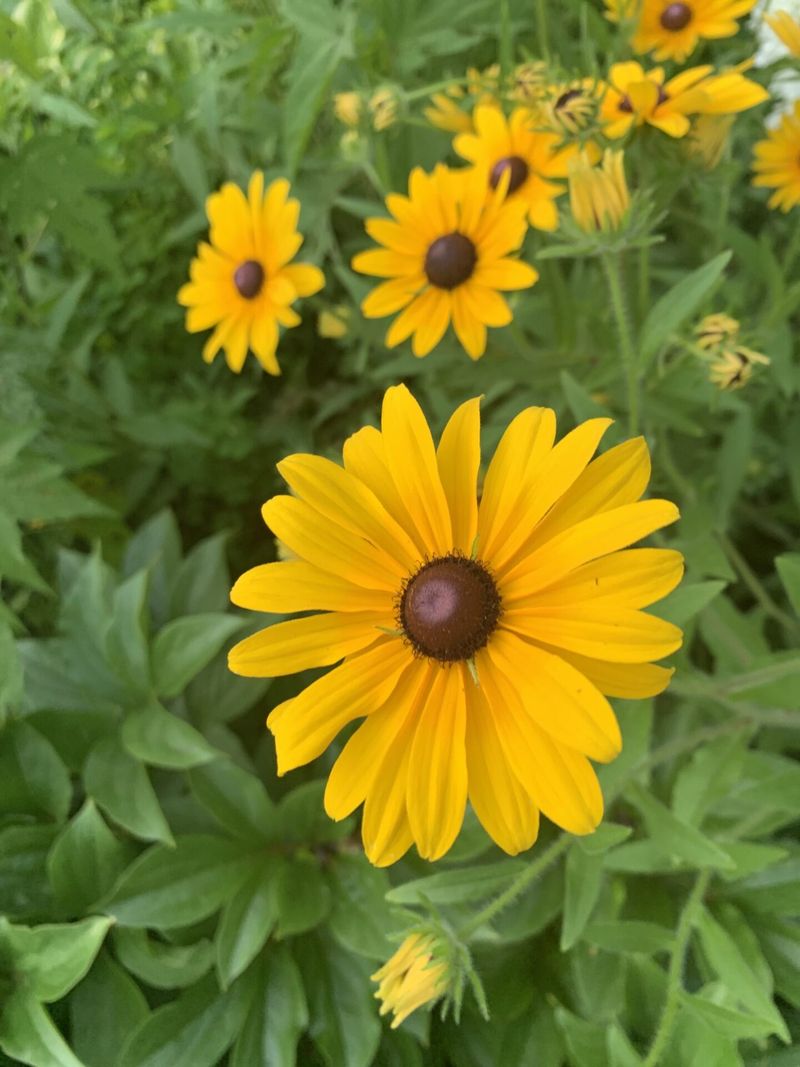
Cheerful golden petals ringing a dark button center make black-eyed Susan an easy summer crowd-pleaser. What keeps it on this list is what happens after the color fades.
Those dark centers turn into seed-packed heads that feed cardinals and goldfinches right through fall and into winter. Resist the urge to tidy them up, because a stand of dried Rudbeckia is basically a bird buffet.
Tough as nails, it shrugs off heat and drought across the Piedmont and Coastal Plain. Scatter it in a sunny spot and it will reseed itself, spreading the feast a little wider each season.
5. American Beautyberry (Callicarpa americana)
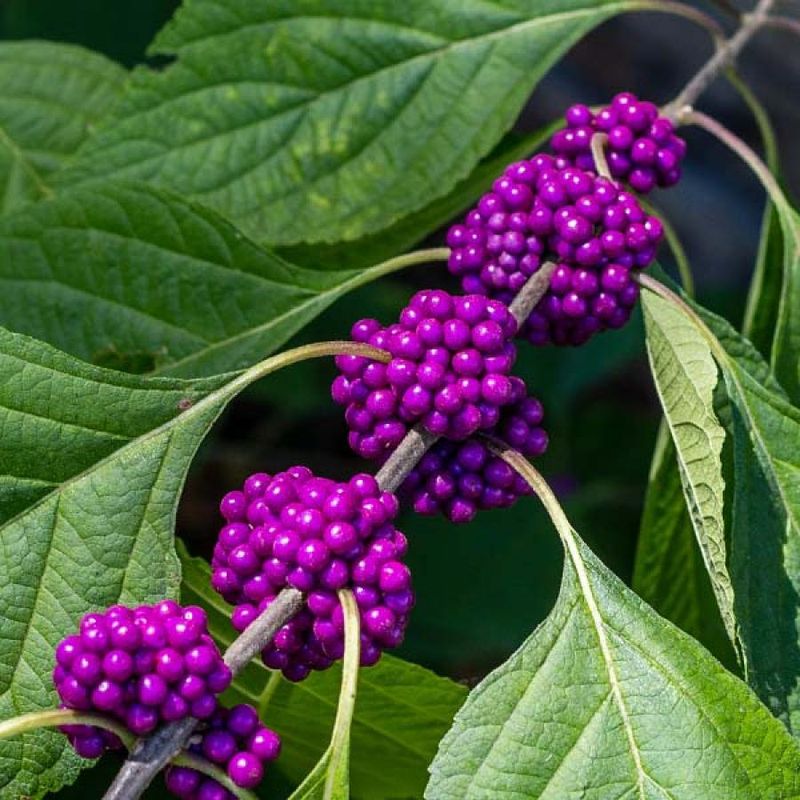
Wait until you see the color on this one. American beautyberry wraps clusters of electric magenta-purple fruit tight around its stems in late summer, a shade so vivid it looks almost fake.
Small pinkish flowers open in early summer, then give way to those berries that cardinals and other songbirds return to again and again. Because the fruit can hang on into winter, it stretches your yard’s food supply well past the growing season.
Native across the Coastal Plain and happy in part shade, it also does gardeners a quiet favor. Crushed beautyberry leaves have long been used as a rough insect repellent, a handy trait if you worry about bugs near your borders.
6. Sunflower (Helianthus annuus)
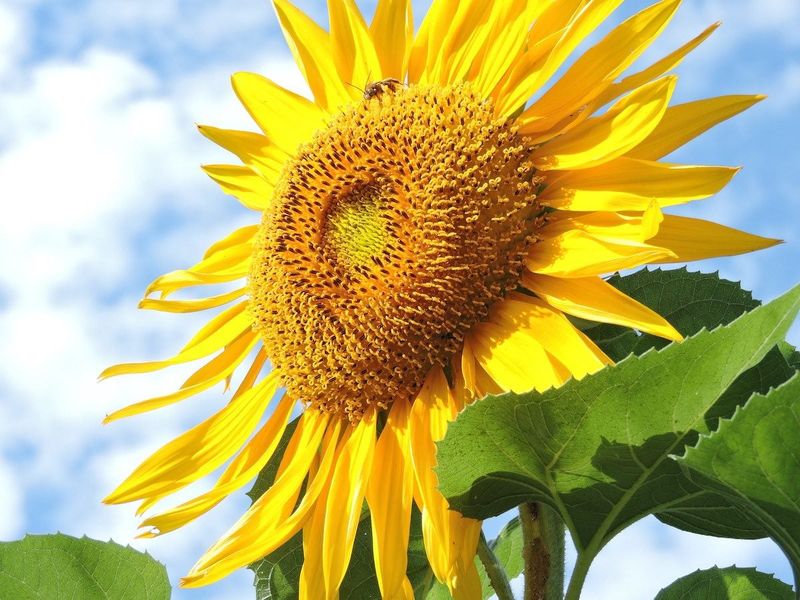
If you want a sure thing, plant sunflowers. Cardinals have stout, cone-shaped beaks built for cracking big striped seeds, and a drying sunflower head is exactly what those beaks were made for.
As the heads bow over on the stalk by late summer and fall, the seeds ripen into a feast that seems to summon cardinals out of nowhere. Leave the heads standing and you will get front-row seats to the whole show.
They are also just plain fun to grow with kids, shooting up taller than a person in a single season. A back-row planting along a fence gives you privacy, cheer, and a cardinal magnet all at once.
7. Serviceberry (Amelanchier spp.)
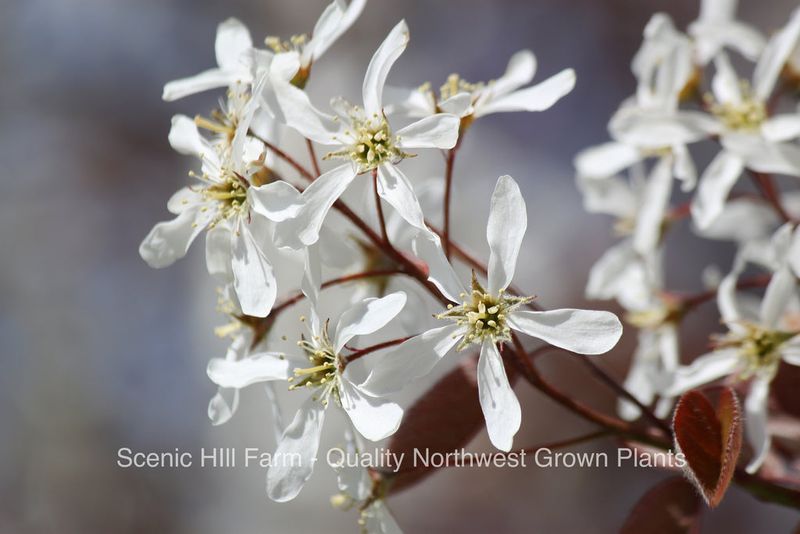
Early risers deserve a spot, and serviceberry is one of the first natives to flower each spring. Clouds of delicate white blossoms open just as cardinals begin nesting, drawing the insects that hungry chicks need.
By early summer, small reddish-purple berries follow, and the birds compete with you for them because they are genuinely tasty to people too. Get out there early if you want a handful before the cardinals clear the branches.
Well suited to the Blue Ridge and mountain yards but adaptable statewide, it offers spring bloom, summer fruit, and fiery fall leaf color. That is a lot of payoff from one modest little tree.
8. Arrowwood Viburnum (Viburnum dentatum)
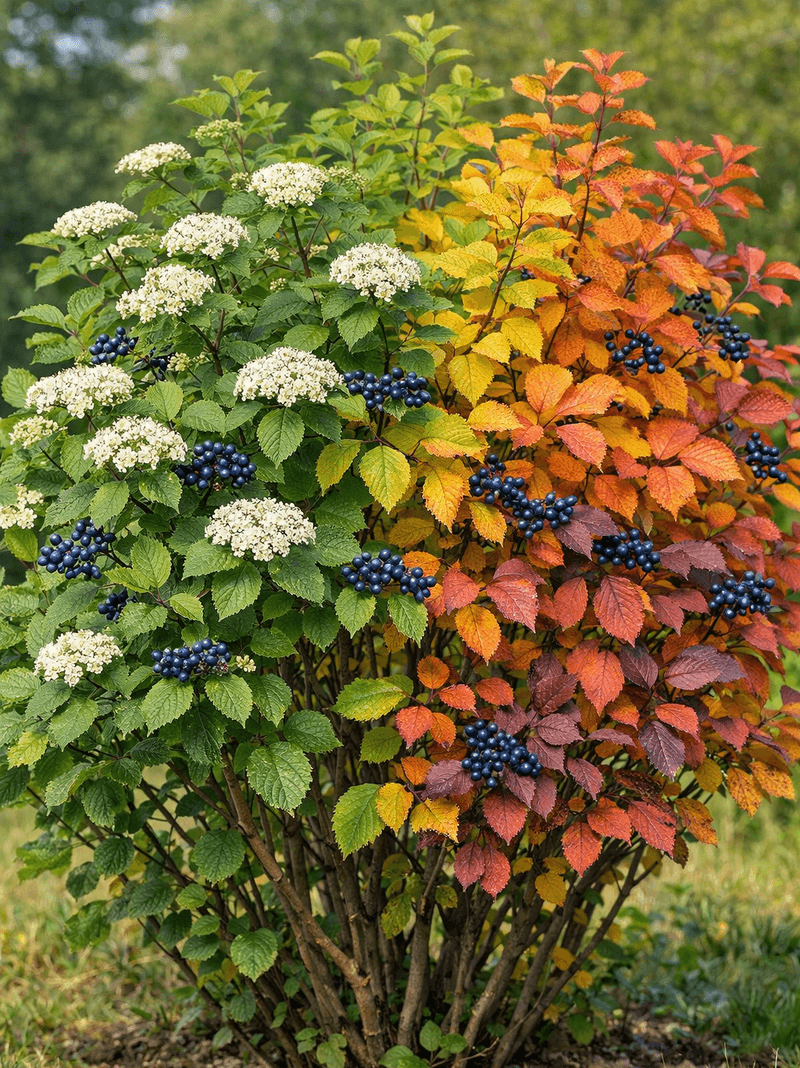
Some plants feed cardinals, and some house them. Arrowwood viburnum does both, which is why it belongs on any serious cardinal list.
Flat clusters of creamy white flowers open in early summer, then ripen into blue-black berries that cardinals eagerly pick clean. The birds get a meal, and the pollinators get a stop along the way.
Just as valuable is the shrub’s dense, tangled branching. Cardinals love to build their nests deep inside that cover where predators struggle to reach, so a viburnum hedge gives them a safe place to raise their young while you enjoy the flashes of red coming and going.
9. Native Asters
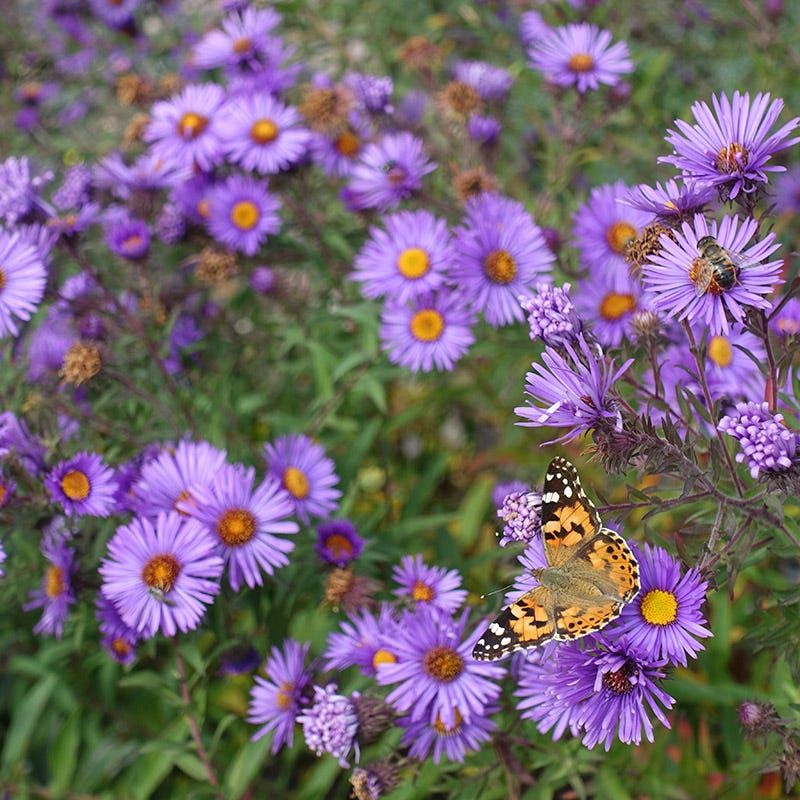
When most of the garden is winding down, asters throw one last party. Their starry little daisy-like flowers cover the plants in purple, blue, and white right when fall pollinators need them most.
After the blooms finish, the seed heads take over the job. Cardinals and other birds work through the tiny seeds as they stock up for the cold months ahead.
Native asters come in many NC-friendly species, from New England aster to the shade-tolerant woodland types. Plant a mix and you extend your yard’s bloom and its bird food supply deep into the season, long after the coneflowers have called it quits.
10. American Holly (Ilex opaca)
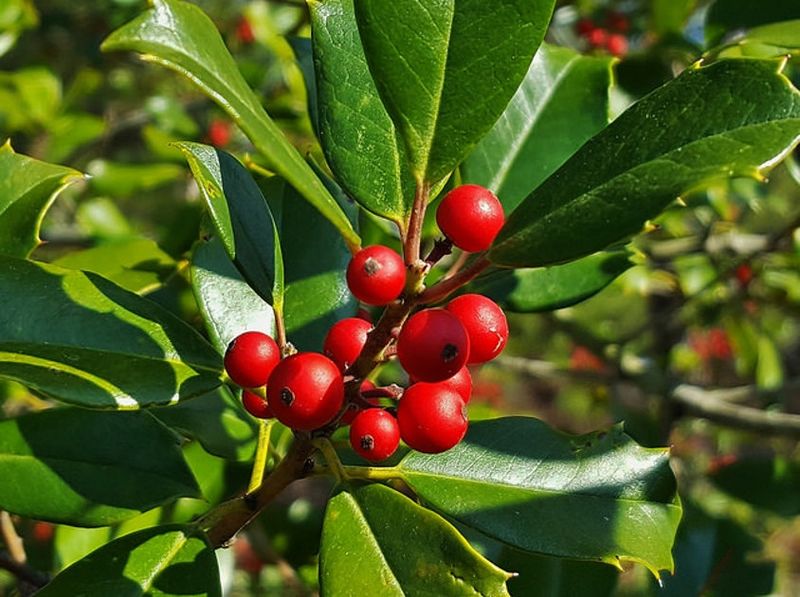
Picture a bright red cardinal sitting among glossy green holly loaded with red berries. That postcard image is exactly why American holly closes out this list.
An evergreen native, it holds its small scarlet berries right through the toughest part of the year, giving cardinals a reliable meal when almost nothing else is fruiting. Only the female trees produce berries, so plant one with a male nearby to be sure of the crop.
The spiny, dense foliage also shelters birds from wind and hawks all winter. Set holly where you can watch it from a window, and you will keep that flash of cardinal red in view long after the last aster has faded.