
The Native North Carolina Plants That Give Box Turtles The Cool, Damp Shelter They Quietly Depend On
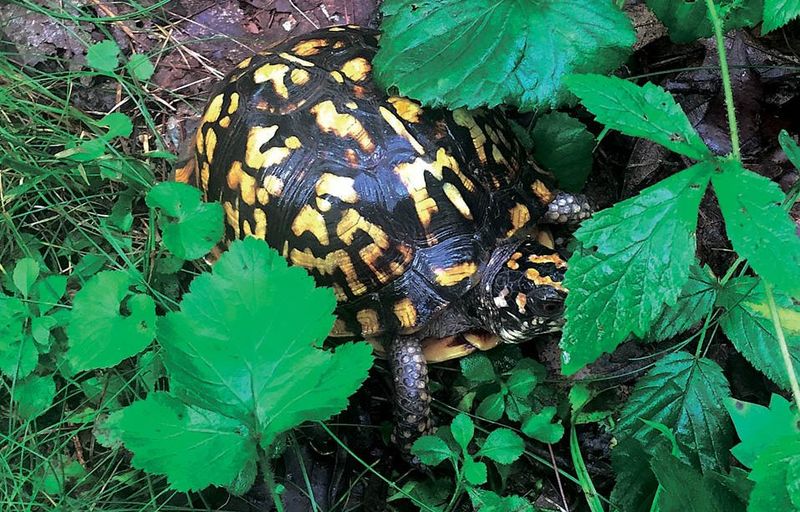
Eastern box turtles are North Carolina’s state reptile, and they live quiet lives in backyards all across the Piedmont, Coastal Plain, and mountains. To survive the hot summers, they need cool, damp hiding spots on the forest floor.
The good news is that a handful of native plants can turn your yard into exactly the kind of shady, moist refuge these slow-moving neighbors depend on. Here are ten native plants that give box turtles the shelter they need, and why each one earns its spot in your yard.
1. Christmas Fern
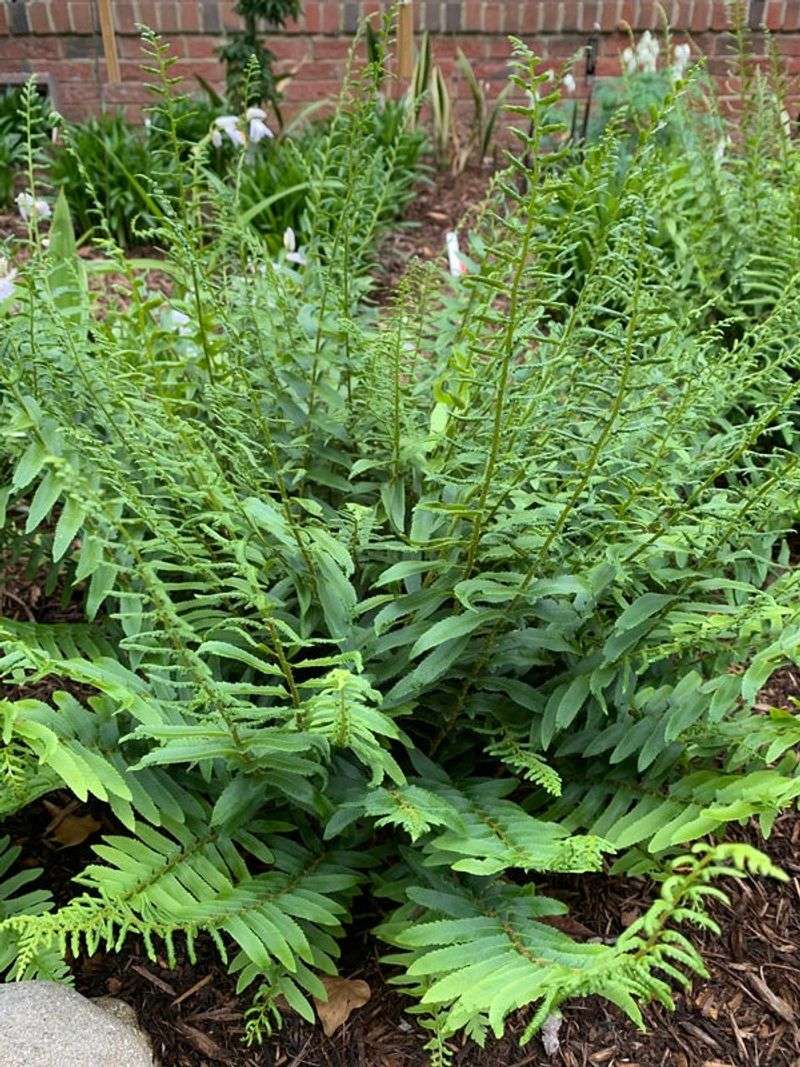
Evergreen and easygoing, Christmas fern keeps its glossy fronds all winter long, which means it offers box turtles cover even when the rest of your garden has gone bare. Its low, arching clumps create a shady tent right at ground level.
The fronds trap moisture underneath and keep the soil cool through the worst of a Piedmont summer. A turtle can tuck itself beneath the leaves and vanish from a hawk’s view in seconds.
Did you know it got its name from early settlers who cut the still-green fronds for Christmas decorations? For your yard, it thrives in dry to moist shade and asks almost nothing of you once it settles in.
2. Cinnamon Fern
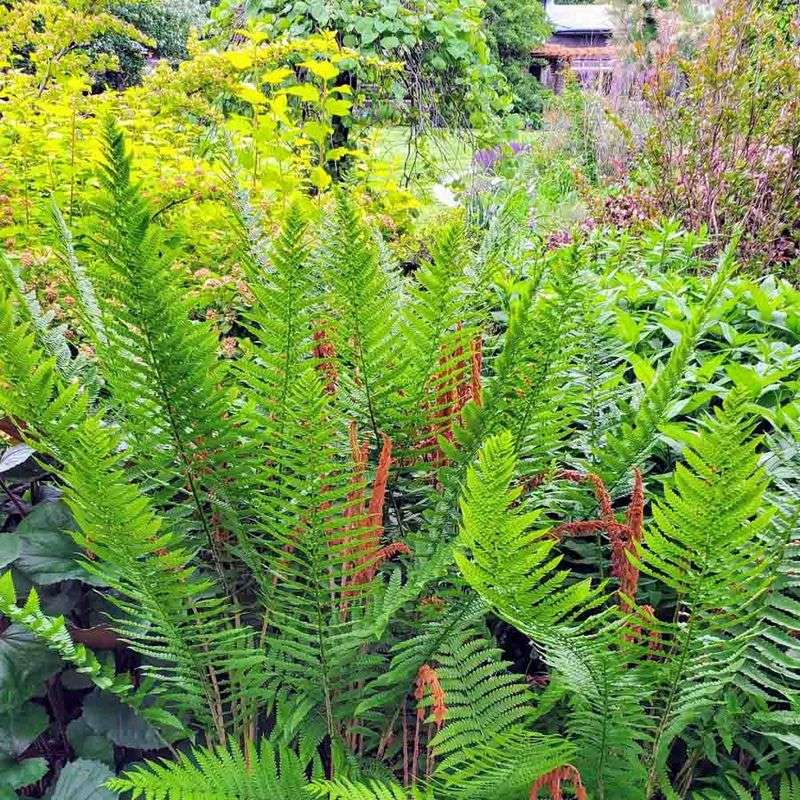
Few plants signal wet ground as loudly as cinnamon fern, named for the rusty, cinnamon-colored spikes that shoot up in spring. If you have a soggy low spot in the yard, this fern turns it into prime turtle real estate.
Its towering green fronds form a humid, shaded canopy that stays cool even in August. Underneath, the ground holds the damp that box turtles seek out during dry, brutal stretches of summer.
Cinnamon fern loves the boggy edges common in the Coastal Plain and mountain seeps. Plant a cluster near a shallow water source and you have built a moisture corridor turtles will return to again and again.
3. Royal Fern
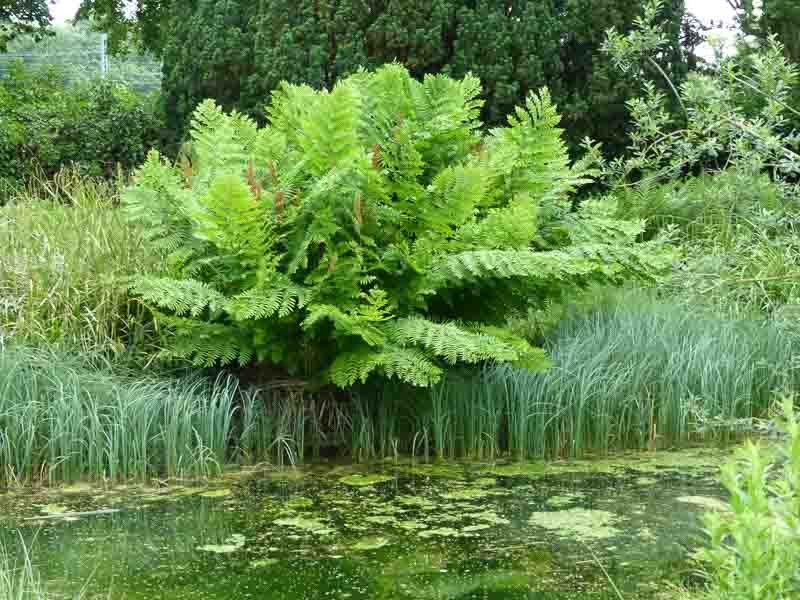
There is a reason it wears the word royal in its name. This fern grows tall and graceful, with leaflets spaced so widely they almost look like a locust tree, and it rules the wettest corners of a yard.
Royal fern craves standing moisture, so it flourishes along stream banks, pond margins, and rain garden edges. That constant dampness is exactly what a thirsty box turtle needs when the heat climbs.
Its open, airy fronds let a little light filter through while still cooling the soil below. Pair it with a shallow bog and you give turtles both shade to hide in and water to soak in.
4. Wild Ginger
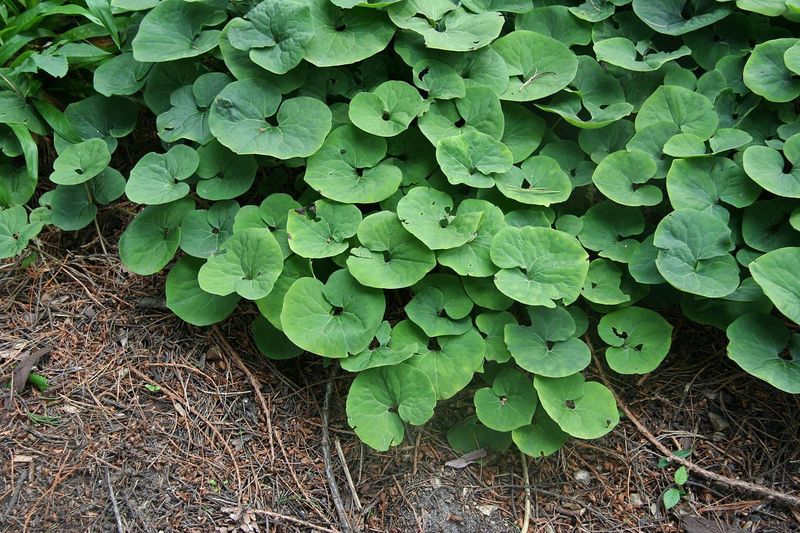
Low, leafy, and wonderfully sneaky, wild ginger hugs the ground with heart-shaped leaves that spread into a soft, cool blanket. Its tiny reddish-brown flowers hide right down in the leaf litter where beetles, and box turtles, do their business.
The dense mat this plant forms traps humidity against the soil, creating one of those small damp microclimates a turtle can nestle into for an afternoon. It thrives in the rich, shady soil found under Piedmont hardwoods.
Crush a leaf and you will catch a spicy, gingery scent, though this native cousin is not the kitchen spice. As a groundcover it quietly does the work of holding moisture where turtles want it most.
5. Golden Ragwort
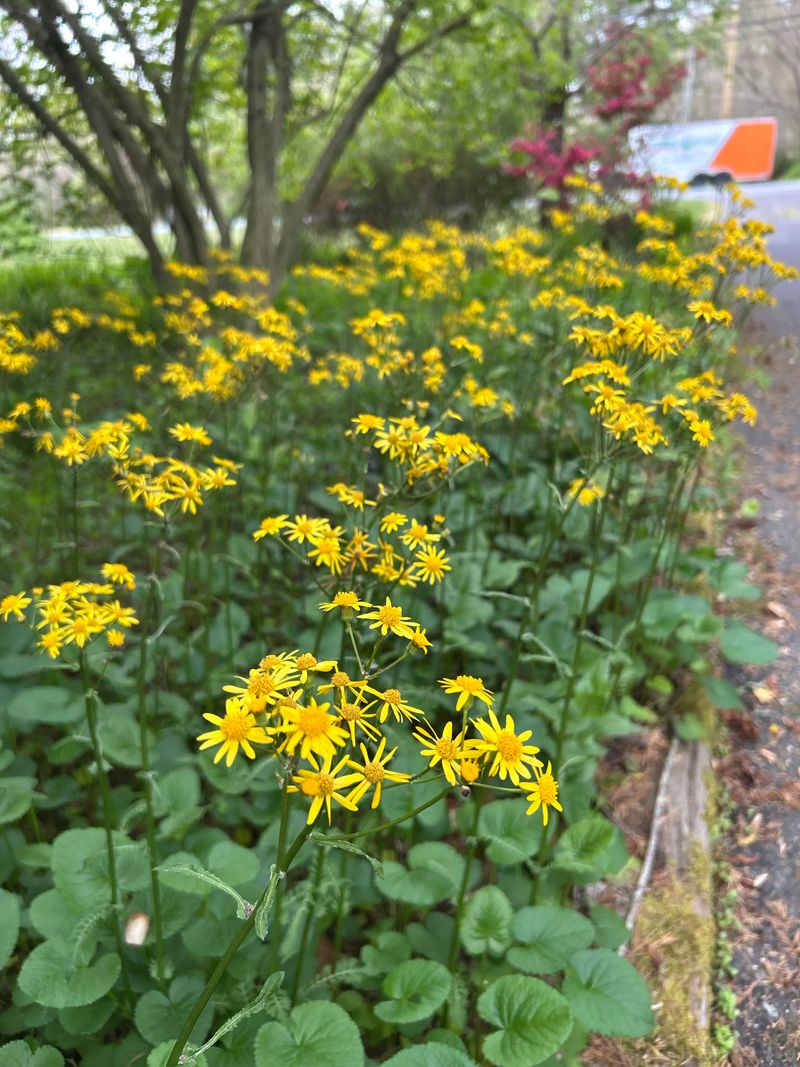
Come spring, golden ragwort lights up moist woodland edges with cheerful yellow blooms that pollinators adore. But its real gift to box turtles happens down below the flowers.
The plant forms a thick carpet of rounded basal leaves that stays put all year, holding moisture in the soil and building cool little pockets of shelter. Turtles slip beneath this dense foliage to rest out of the sun.
Golden ragwort spreads readily in partly shaded, damp spots, making it an easy way to fill in ground you would otherwise mulch. It works overtime, feeding early insects up top while sheltering reptiles below.
6. Foamflower
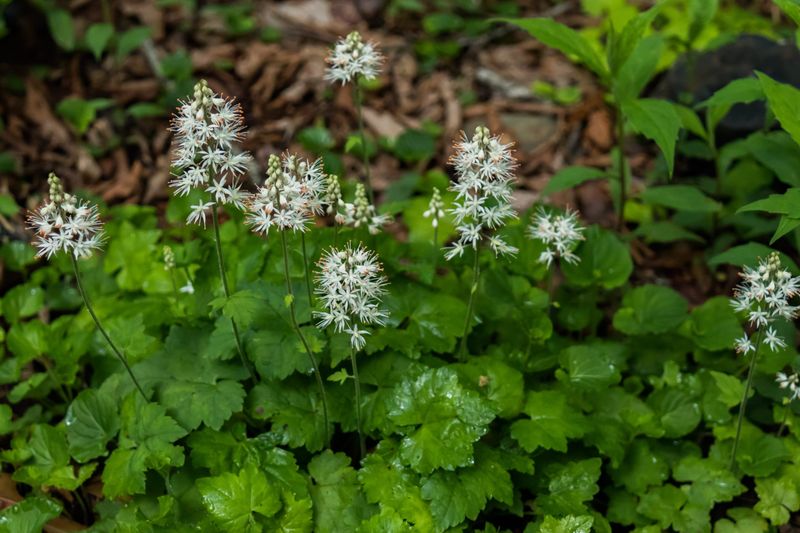
Soft as its name suggests, foamflower spreads its lobed leaves into a gentle understory layer topped with frothy white flower spikes in spring. The effect mimics a natural forest floor almost perfectly.
That layered, spreading habit is what makes it such a friend to box turtles. It builds the cool, humid microclimate turtles are always hunting for, tucked among the leaves near the ground.
Foamflower settles happily into rich, shaded soil across the mountains and Piedmont. Let it knit together with ferns and wild ginger, and you create a continuous shady runway a turtle can travel unseen.
7. Mayapple
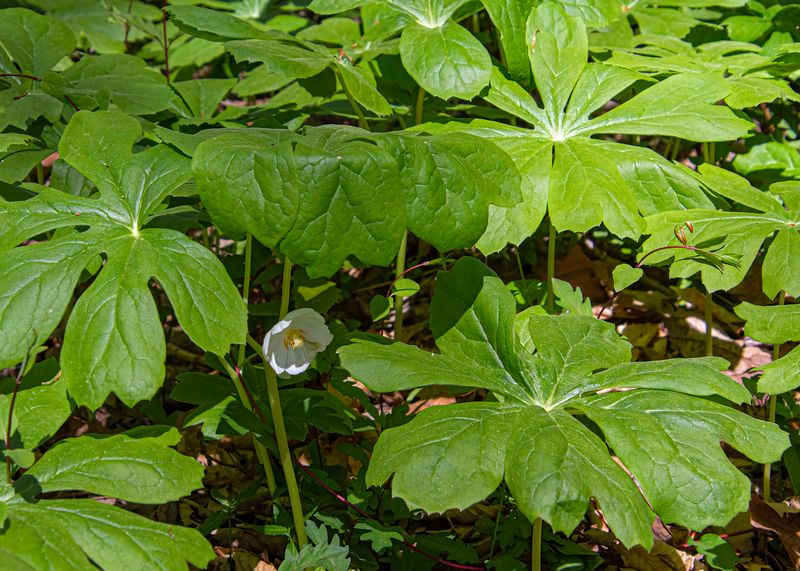
Like a colony of tiny green umbrellas, mayapple unfurls broad leaves that shade the ground completely underneath. A box turtle wandering below finds instant cover and a cool, shadowed hideout.
The thick foliage is the whole point here. Turtles duck under those leaves to escape both predators and the beating sun, and the shade keeps the soil damp long after nearby open ground dries out.
There is a bonus too. Mayapple produces a single fruit that ripens in summer, and box turtles are among the few creatures that happily eat it, spreading the seeds as they roam.
It is shelter and snack rolled into one native plant.
8. Spicebush
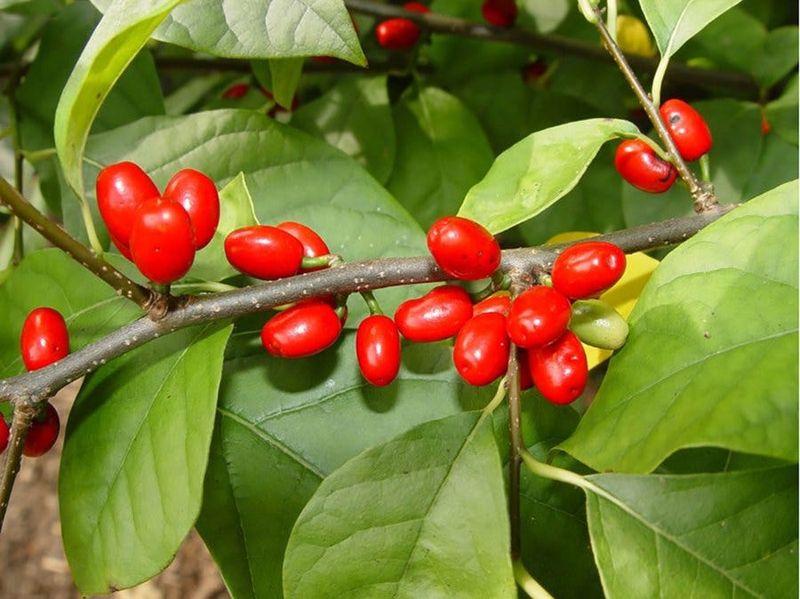
Brush past a spicebush and you will understand the name, because its crushed leaves and twigs release a bright, lemony spice. As an understory shrub it does heavy lifting for backyard wildlife.
Its dense, low branching creates shaded resting nooks right where box turtles like to shelter during the heat of the day. The shrub also holds humidity around its base, cooling the ground beneath.
Spicebush is a favorite in moist Piedmont and Coastal Plain woods, and it feeds the spicebush swallowtail butterfly on top of everything else. Plant a few and you get shade for turtles, food for caterpillars, and red fall berries for birds all at once.
9. Mountain Laurel
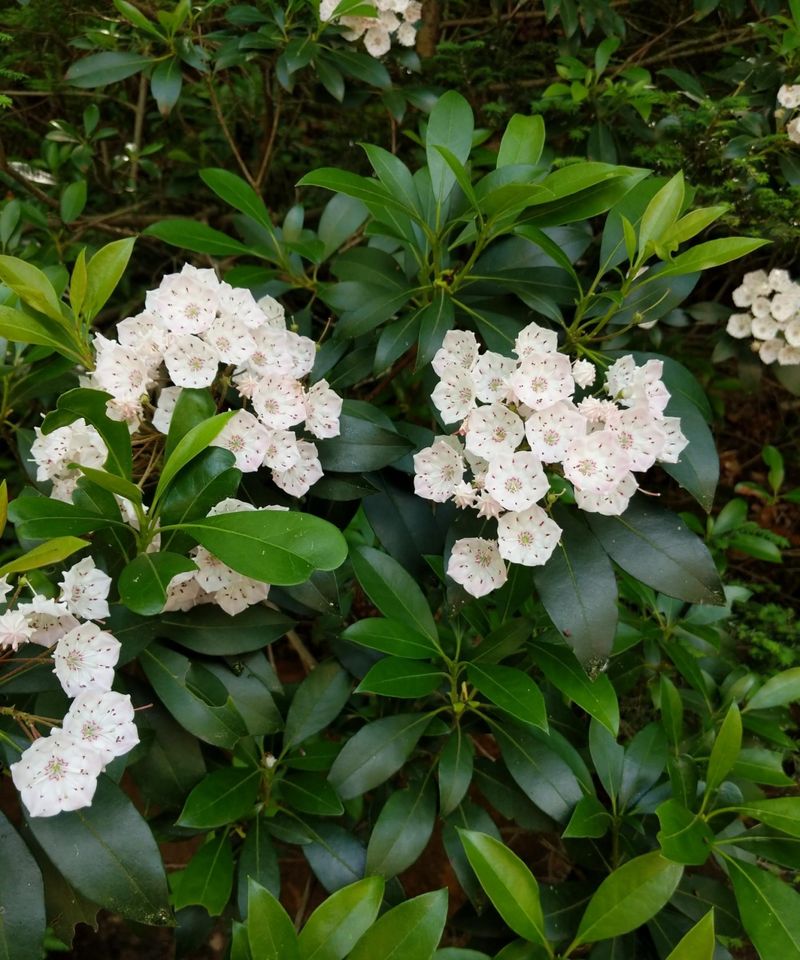
A signature of the Blue Ridge, mountain laurel forms thick evergreen thickets that stay leafy and shaded no matter the season. Those tangled lower branches give box turtles year-round cover.
The dense shade this shrub throws keeps the soil beneath it cool and moist through summer heat. Turtles slip into the shadows at its base to wait out the hottest hours.
Mountain laurel loves the acidic, well-drained slopes common in NC’s mountains and upper Piedmont. Its late-spring flowers, shaped like tiny cups, are a bonus, but the real value to turtles is the shady, evergreen shelter it never stops providing.
10. Flowering Dogwood
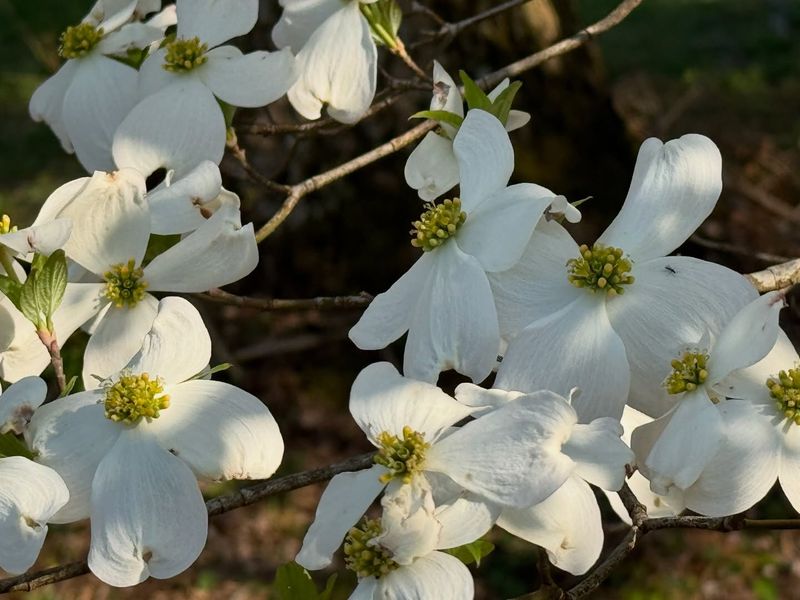
North Carolina’s beloved state flower comes from this graceful understory tree, but its gift to box turtles goes far beyond spring blossoms. Flowering dogwood casts a broad, gentle shade that cools the ground below.
As its leaves drop each fall, they build the rich leaf litter that box turtles absolutely depend on. Turtles burrow into that litter to hunt slugs, hide from predators, and overwinter through the cold months.
Its red berries feed birds and other wildlife too, tying your whole yard’s food web together. Leave the fallen leaves in place under this tree instead of raking, and you hand box turtles both a roof and a blanket.
Skip the dyed mulch, and let nature’s own carpet do the work.