
The North Carolina Native Perennials You Plant Once That Come Back Stronger Every Year Without Replanting
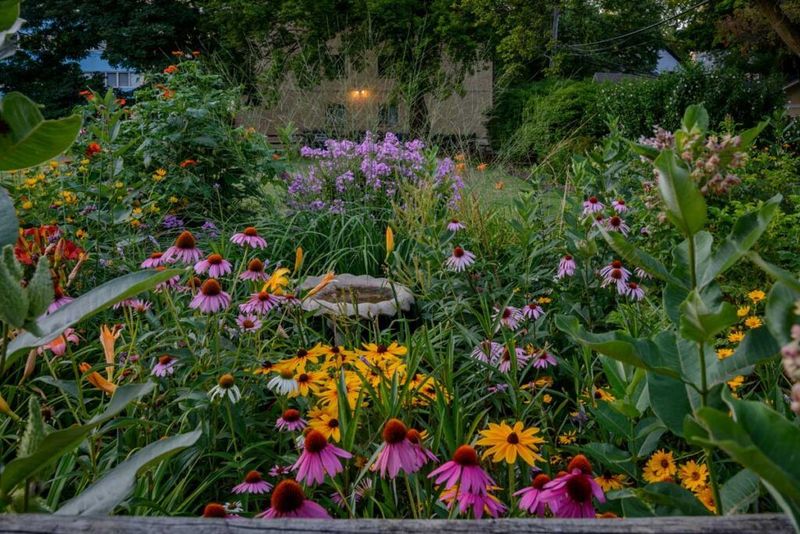
Planting a garden that keeps coming back on its own feels a little like magic, but it’s really just good plant choices. North Carolina is home to tough native perennials that settle in, spread over time, and return stronger each spring without you buying new plants.
These natives also feed goldfinches, shelter fireflies, welcome pollinators, and give you a beautiful reason to skip the invasive stuff at the garden center. Here are nine dependable natives that do the heavy lifting so your yard can thrive year after year.
1. New York Ironweed (Vernonia noveboracensis)
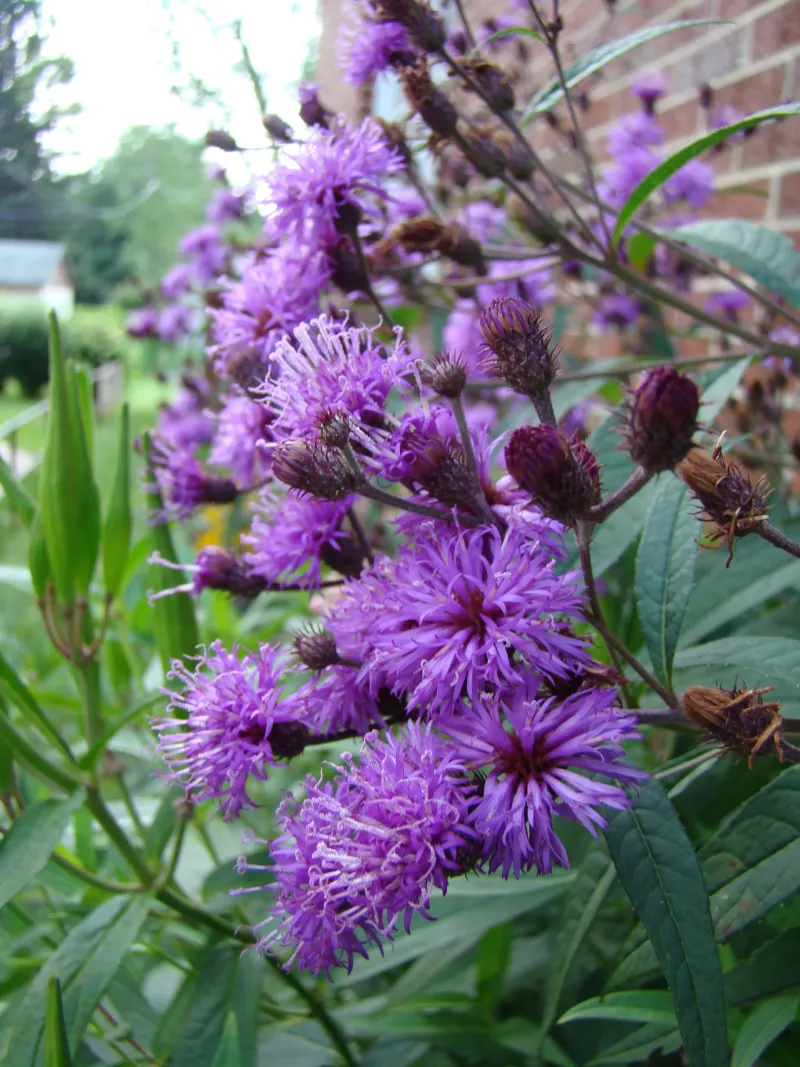
Want instant drama in a soggy corner of the yard? New York Ironweed shoots up tall and fast, giving you real height and structure in a single season.
It loves full sun and moist, rich soil, so those wetter low spots that stump most gardeners are exactly where it shines. The fluffy purple blooms show up in late summer and pull in native bees, swallowtails, and skippers when many other flowers have faded.
Come fall, the spent flowers turn into seed heads that goldfinches happily pick clean. Since it self-seeds, one plant quietly fills in the space around it over the years, meaning your patch grows without a single trip back to the nursery.
2. Wild Geranium (Geranium maculatum)
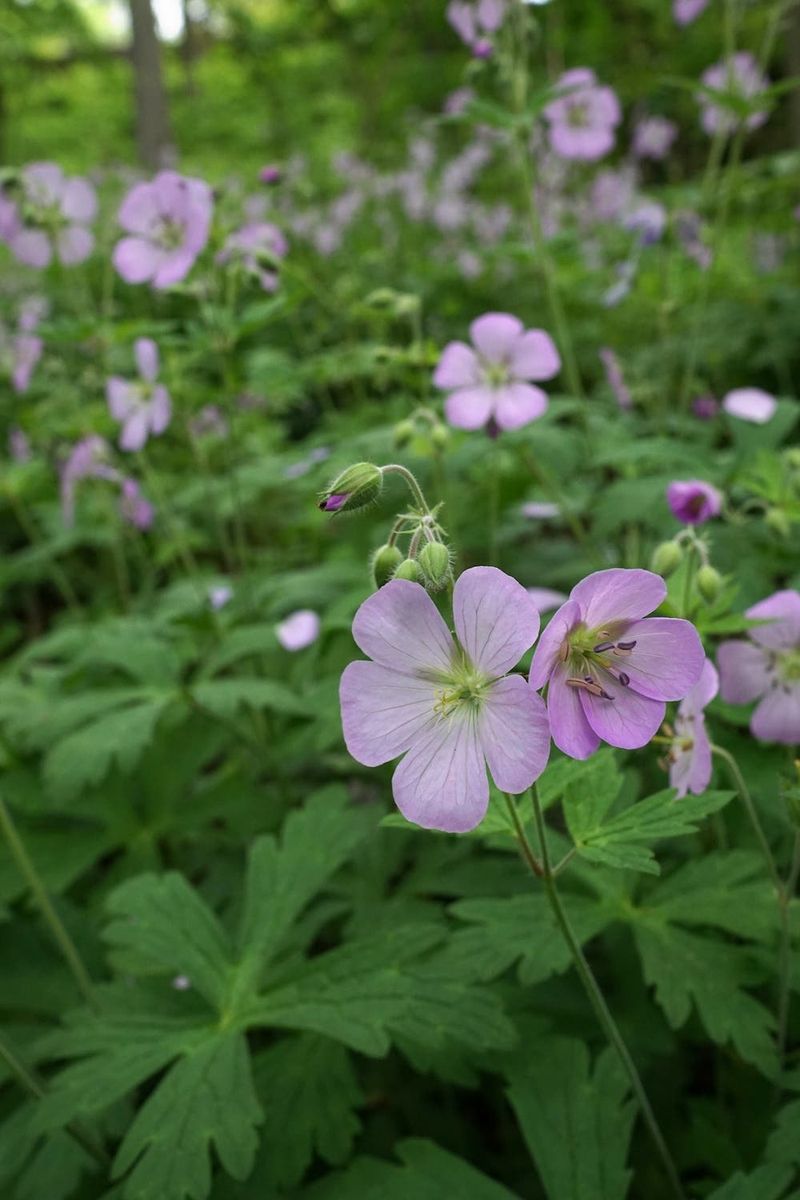
Shady spots under trees where nothing seems to grow? Wild Geranium was practically made for them.
This easygoing woodland native forms tidy mounds of lobed leaves and sends up cheerful pinkish-purple flowers in spring, brightening the gloom beneath a canopy. It’s flexible too, handling full sun or partial shade as long as the soil stays moist and full of organic matter.
Once it’s rooted in, it asks for almost nothing from you. Spring pollinators visit the blooms early in the season, and the plant slowly knits itself into a soft groundcover that returns bigger each year, no fuss required.
3. Inkberry (Ilex glabra)
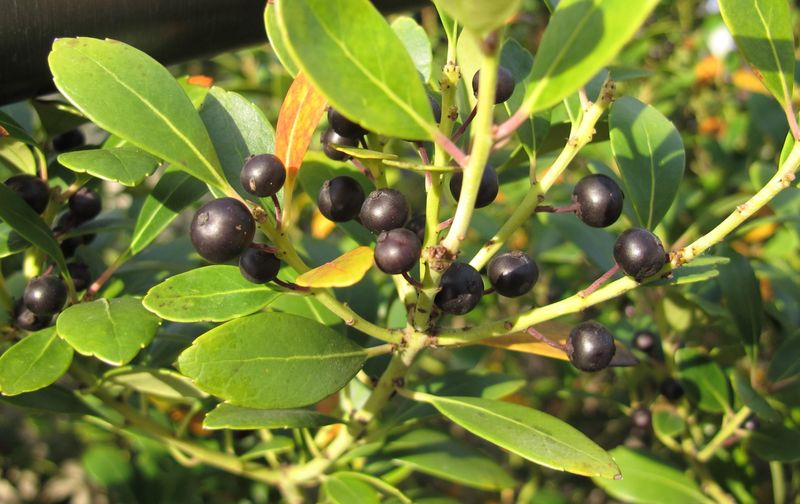
Here’s a native evergreen that pulls double duty as year-round greenery and a firefly nursery. Inkberry is a holly from North Carolina’s wet pine flatwoods and pocosins, and it keeps its glossy leaves through winter.
Spreading by underground rhizomes, it forms dense colonies that trap humidity near the ground and shade the soil. That damp, cool layer is exactly the kind of habitat firefly larvae need to develop.
It tolerates wet soil and part shade, so those consistently moist beds are perfect. As a bonus, its dark berries feed birds through the lean winter months, making it a quiet workhorse for wildlife.
4. Summersweet (Clethra alnifolia)
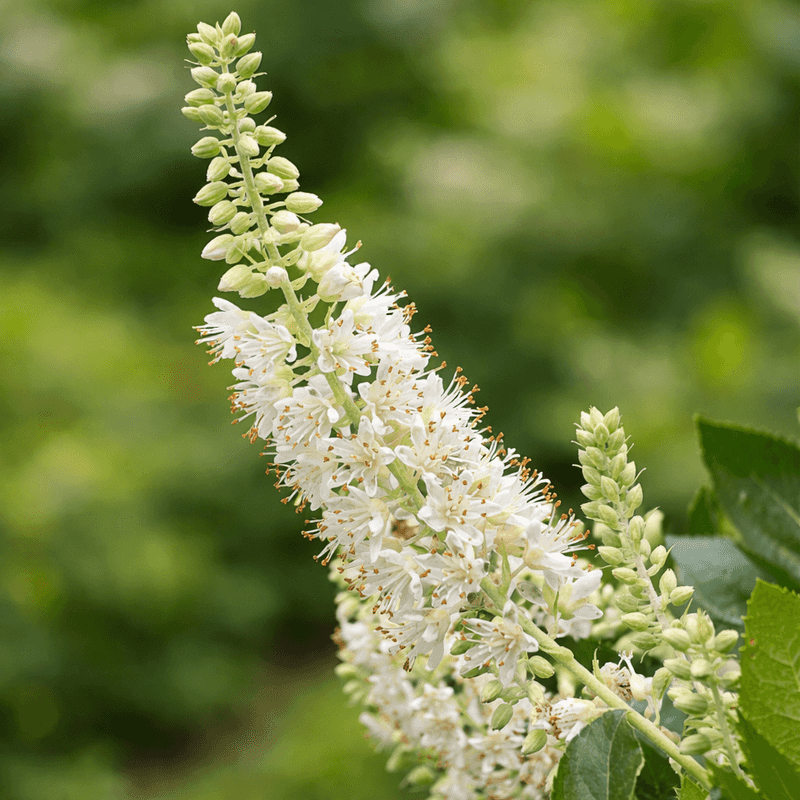
If you close your eyes near a Summersweet in bloom, the perfume gives it away before you even open them. Those fragrant white flower spikes appear in mid-summer, filling the air and drawing in native bees, butterflies, and hummingbirds.
Native to swamps and moist woodland edges across the NC Coastal Plain, it feels right at home in damp, shady understories. It doesn’t mind the wet feet that would sink a lot of other shrubs.
Beyond the scent and the pollinator traffic, the dense growth offers cover for fireflies looking for a shady daytime retreat. Plant it once and let its sweetness return every summer.
5. River Oats (Chasmanthium latifolium)
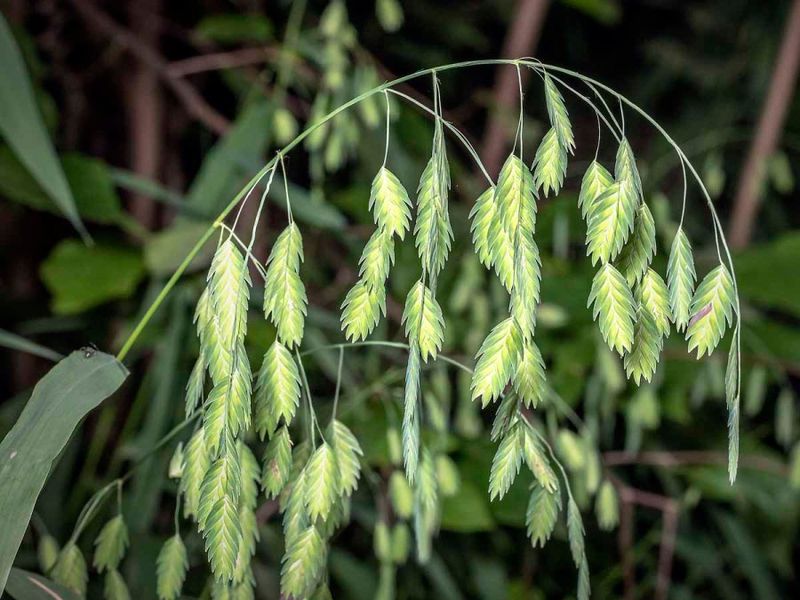
Graceful is the word that comes to mind watching River Oats sway, its flat, dangling seed heads nodding on arching stems. Also called inland sea oats, this native grass brings movement and texture to shady, moist areas where showier plants sulk.
Below ground, its deep, spreading roots hold onto soil moisture, which quietly benefits firefly larvae living down in the earth. Above ground, the stems give adult fireflies a place to rest and flash their signals on summer nights.
It self-sows generously, so a modest starter patch expands season after season. Give it a shady damp spot and watch it multiply on its own.
6. Switchgrass (Panicum virgatum)
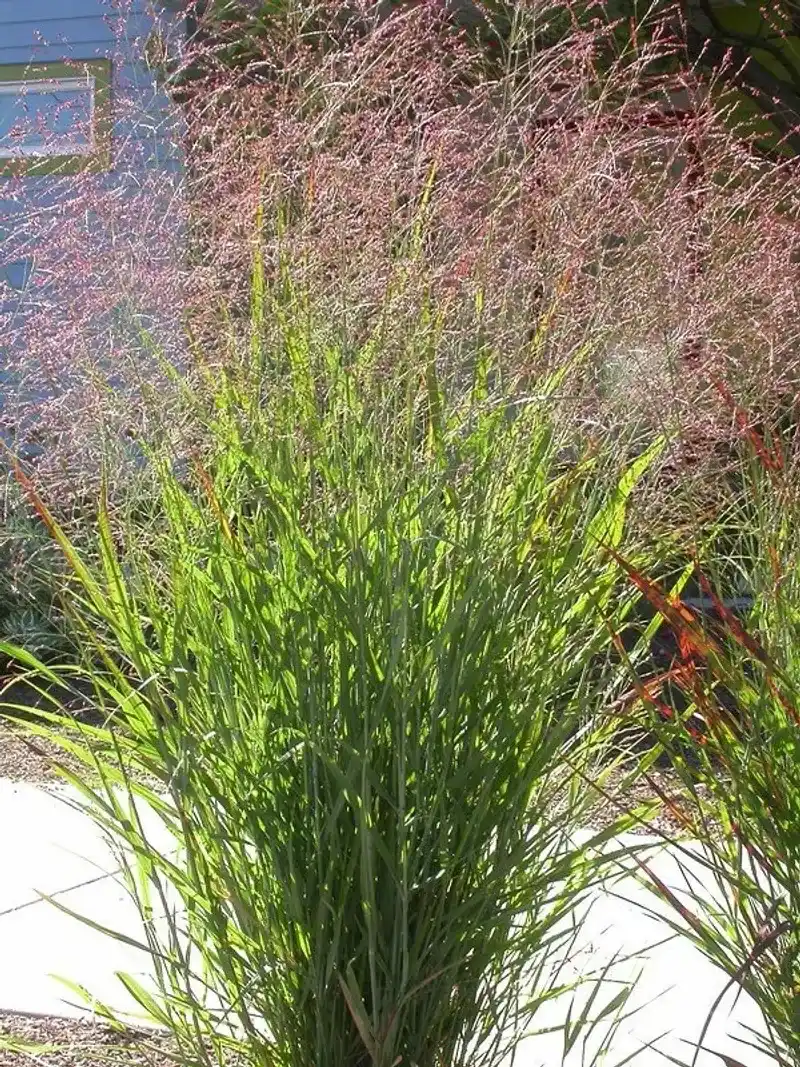
Tough as nails and tall enough to catch the wind, Switchgrass anchors a native planting like little else. This upright warm-season grass stands strong through heat and drought once it’s established.
Fireflies use its dense clumps as a daytime hideout, tucking in to escape the summer sun. Its deep roots also help lock moisture into the soil, which developing firefly larvae depend on.
A practical trick: leave a border of Switchgrass unmowed and you create a ready-made resting zone for fireflies. It also happens to be a fine native swap for invasive Chinese silvergrass, so you get beauty and stewardship in one planting.
7. Calico Aster (Symphyotrichum lateriflorum)
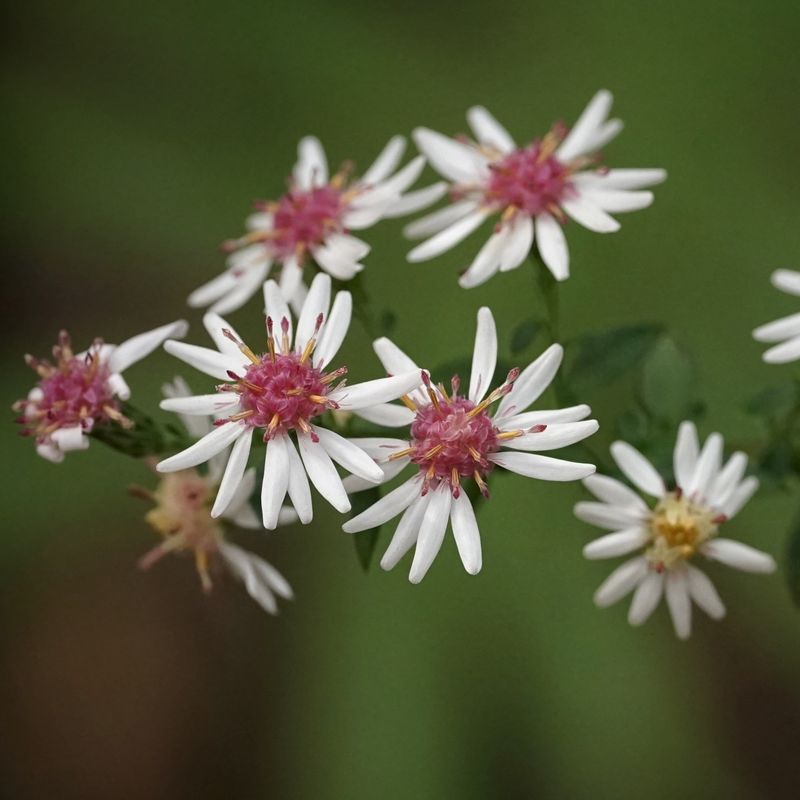
Just when the growing season seems to be winding down, Calico Aster throws a farewell party. It blooms from late summer straight through the first frost, covering itself in small daisy-like flowers.
Plant it in full sun to partial shade, though a little afternoon shade suits it in our hotter stretches. It likes moist, well-draining soil to start but shrugs off drought once its roots take hold.
Those late blooms are a lifeline for pollinators stocking up before winter, and the plant returns dependably each year. For a garden that stays alive with visitors well into fall, this aster earns its spot.
8. Milkweed (Asclepias spp.)
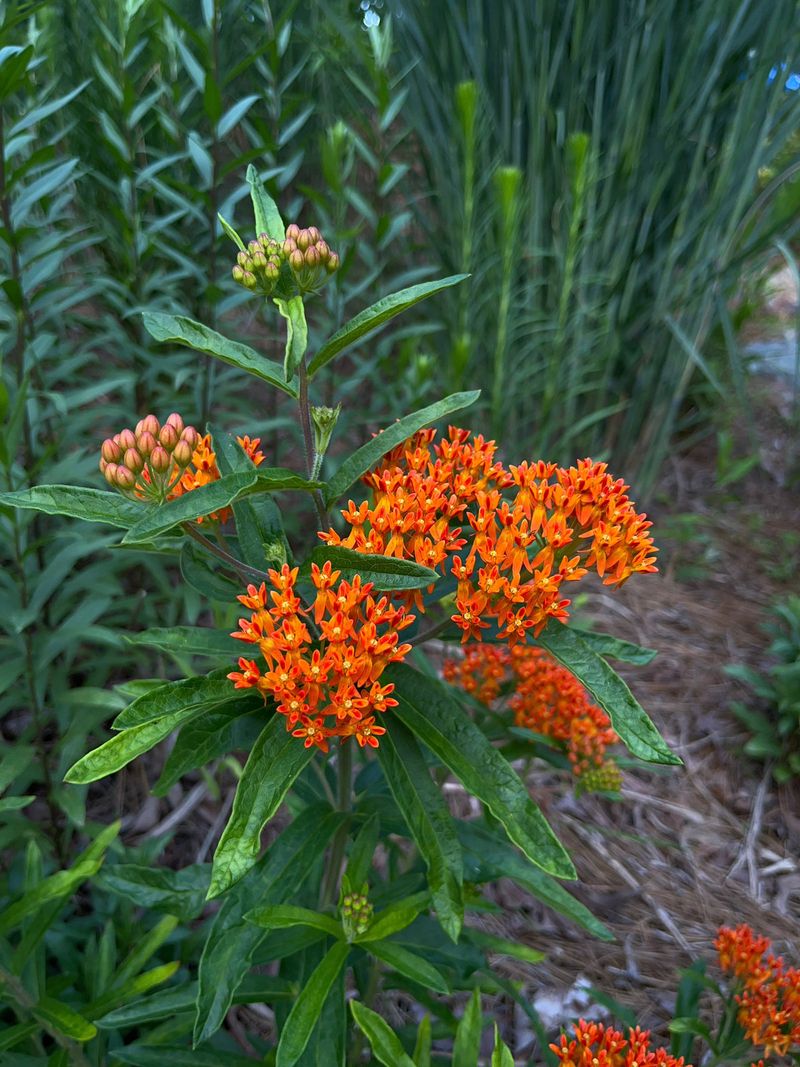
Monarch butterflies get all the headlines with milkweed, and for good reason since it’s the only plant their caterpillars will eat. But this native does even more, offering nectar that fireflies visit too.
North Carolina gardeners have several great options: Common Milkweed for casual spots, cheerful orange Butterfly Weed for dry sunny beds, and Swamp Milkweed for those damp corners. Each is a hardy perennial that comes back on its own.
Did you know? Butterfly Weed forms a deep taproot that helps it survive tough summers, which is also why it dislikes being moved.
Plant it where you want it and let it thrive for years.
9. Cardinal Flower (Lobelia cardinalis)
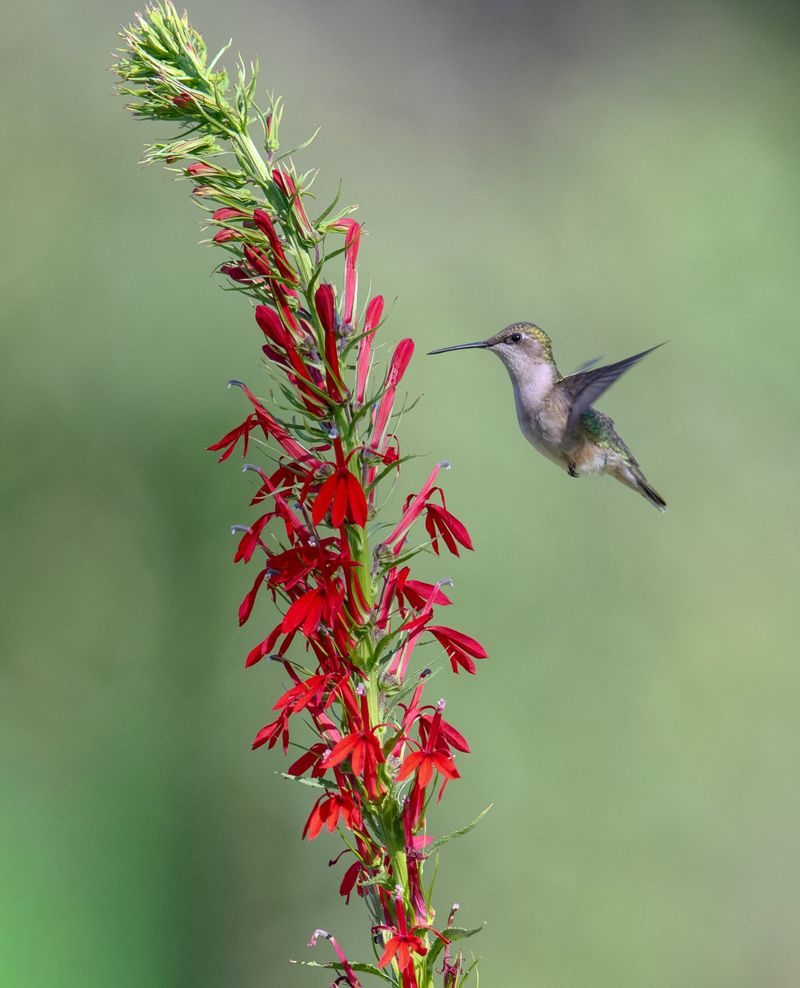
Nothing stops a passerby quite like the electric red spikes of Cardinal Flower standing at attention in a wet spot. That vivid color is a beacon for ruby-throated hummingbirds, which zip in to sip from the tubular blooms all summer.
It’s a natural for the moist edges of ponds, rain gardens, or low areas that stay damp. In its happy place, it returns year after year and can gently reseed to keep the show going.
Add it to your list if you’re building a hummingbird-friendly yard alongside the pollinators. Few native perennials deliver such a bold splash of color for so little effort, and it pairs beautifully with the other natives here to round out a resilient, wildlife-rich North Carolina backyard.