
The North Carolina Native Plants That Shelter Firefly Larvae Through The Winter So Next Summer Glows
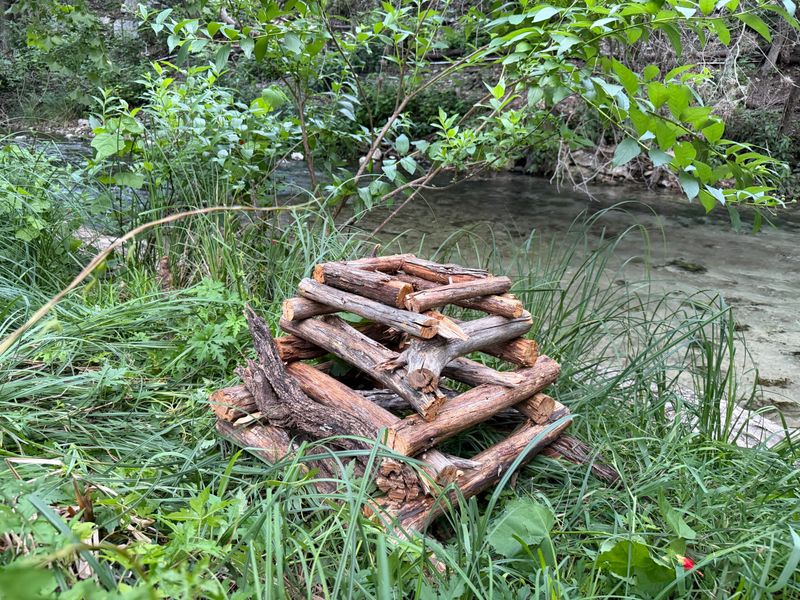
Those blinking lights over your summer lawn start as tiny glowworms hiding in the soil all winter long. Firefly larvae can spend up to two years in damp leaf litter, hunting slugs and snails while they grow.
The plants you choose for your North Carolina yard decide whether those larvae stay cool, moist, and safe until they are ready to fly. Pick the right natives now, and next June your backyard could sparkle like never before.
1. Cinnamon Fern
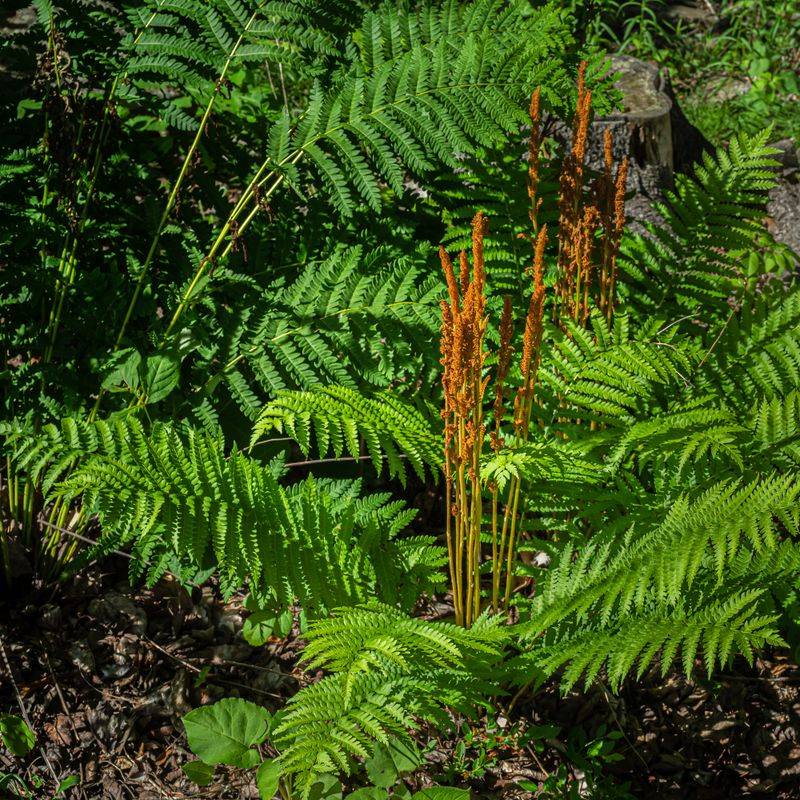
Picture a soggy, shady spot where grass gives up every year. A cinnamon fern sees that same patch as home sweet home.
Its arching fronds form a green umbrella that traps humidity right at ground level.
Firefly larvae need soil that stays cool and damp, even through a dry winter spell. The fern’s shade slows evaporation, so the leaf litter underneath stays spongy.
That moist layer is also where slugs and snails gather, which means dinner is never far away for a hungry glowworm.
Cinnamon fern grows naturally across the Coastal Plain and in wet mountain coves, and it handles Piedmont shade gardens just fine with steady moisture. Here is a fun bit: the rusty upright stalks that give it its name are actually spore-bearing fronds, not flowers.
Leave the dead fronds in place over winter, since they add one more insulating blanket for the larvae below.
2. River Oats
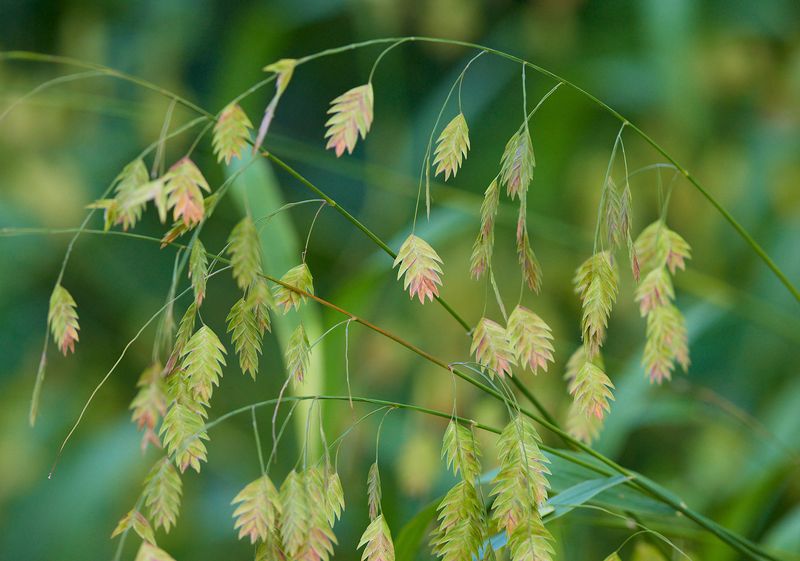
Some plants earn their spot through flowers. River oats earn theirs by falling apart in the most useful way possible.
Also called inland sea oats, this native grass forms loose clumps with dangling, flattened seed heads that rattle in the breeze. As the leaves and stems break down over fall and winter, they enrich the organic debris in the soil.
Burrowing larvae love that crumbly, decaying layer.
During summer, the clumps double as daytime resting spots for adult fireflies. River oats tolerate dappled shade, so they fill bare spots under trees where your lawn keeps struggling.
Skip the fall cleanup and cut them back in late winter instead, which keeps the cover in place through the coldest months.
3. Native Oaks
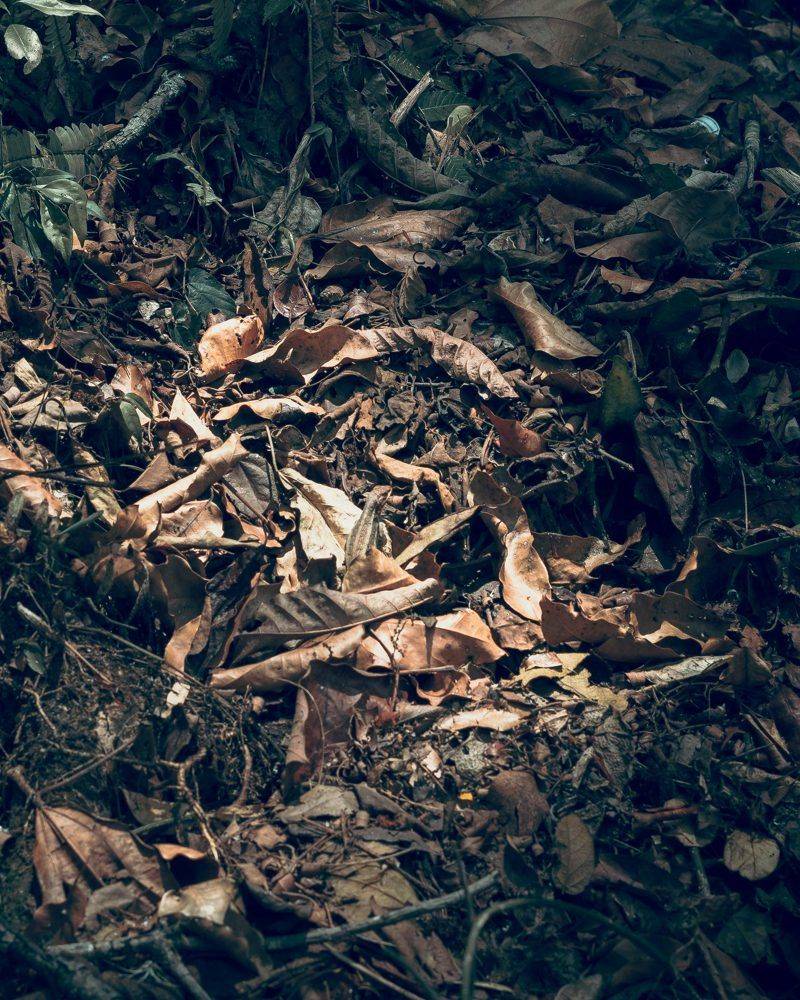
Ask any firefly fan to name one tree worth planting, and the answer is usually an oak. White oak, willow oak, and southern red oak all grow across North Carolina, and each one drops a generous blanket of leaves every fall.
That leaf pile is the real prize. Damp, decaying oak litter is exactly where firefly larvae live, feed, and wait out the cold.
Oak leaves are tough and break down slowly, so the cover lasts through winter instead of disappearing in a few weeks.
The broad shade of a mature oak also keeps soil cooler during hot Carolina summers. Oaks support hundreds of native caterpillar species too, so your songbirds benefit along with your fireflies.
If raking is a habit, try this weekend: rake leaves off the lawn and into the beds under the tree rather than bagging them.
4. Wax Myrtle
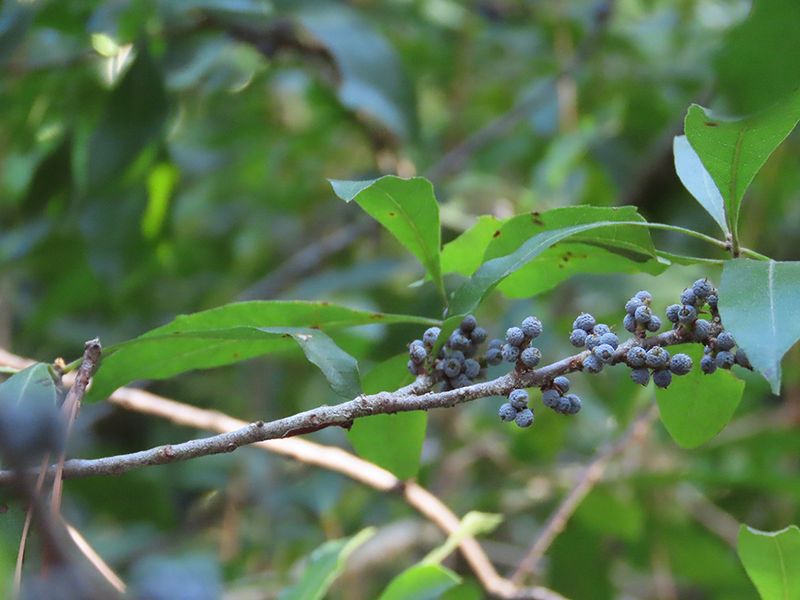
When everything else in the yard goes bare in January, wax myrtle stays green and full. That year-round canopy is its secret weapon for fireflies.
Dense evergreen branches protect the ground underneath from foot traffic, mowers, and pounding rain. Larvae prefer undisturbed soil, and the space under a wax myrtle is about as quiet as a backyard gets.
Adults also hide in the foliage during summer days.
Wax myrtle grows well from the coast inland and makes a smart swap for non-native privet or invasive Chinese photinia hedges. Its waxy gray berries feed yellow-rumped warblers all winter.
Colonists once boiled those berries to make fragrant candles, which is a fitting history for a plant that helps bring light to your yard.
5. Buttonbush
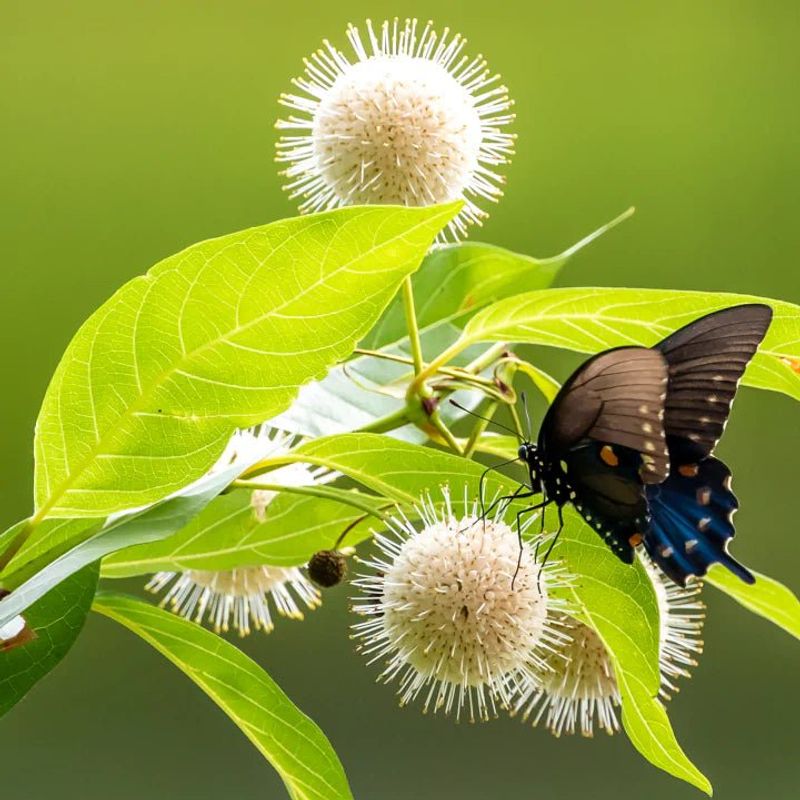
Got a ditch that never dries or a low corner that turns into a puddle after every storm? Good news.
Buttonbush wants that exact spot.
Its flowers look like tiny white pincushions, or maybe little planets, and pollinators swarm them in summer. The bigger deal for fireflies is the wet ground it lives in.
Damp pond edges and boggy spots are prime breeding areas, and larvae thrive where the soil rarely dries out.
Plant buttonbush in soggy parts of a coastal or Piedmont yard and let leaves collect at its base. It can grow quite tall, so give it room.
Ducks and other birds eat the seeds, so it pulls double duty as a wildlife magnet.
6. Swamp Milkweed
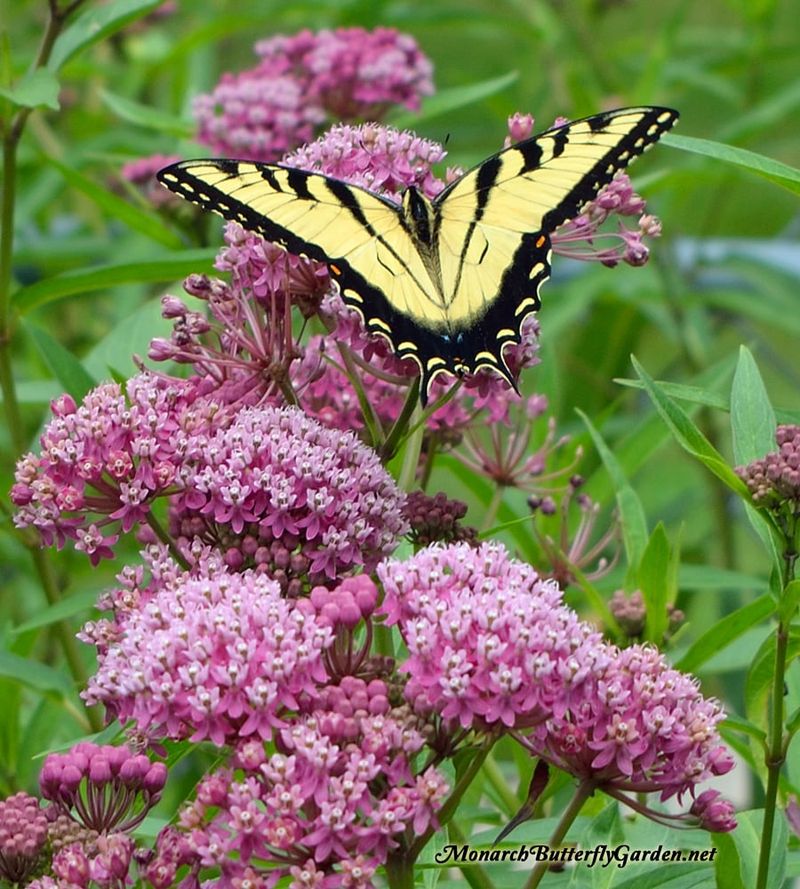
Most people plant swamp milkweed for monarchs. Fireflies quietly benefit too.
This pink-flowered native tolerates moist soil and grows into dense, leafy stems. That growth shades the ground and locks in moisture near the soil surface, giving adults a cool canopy to rest under in summer.
In fall, dying stems and leaves add more litter for larvae.
Swamp milkweed is a natural fit for Piedmont rain gardens, where runoff keeps things damp. Choose it over tropical milkweed, a non-native that can disrupt monarch migration.
Leave the stalks standing until spring so the ground below stays sheltered.
7. Bushy Bluestem
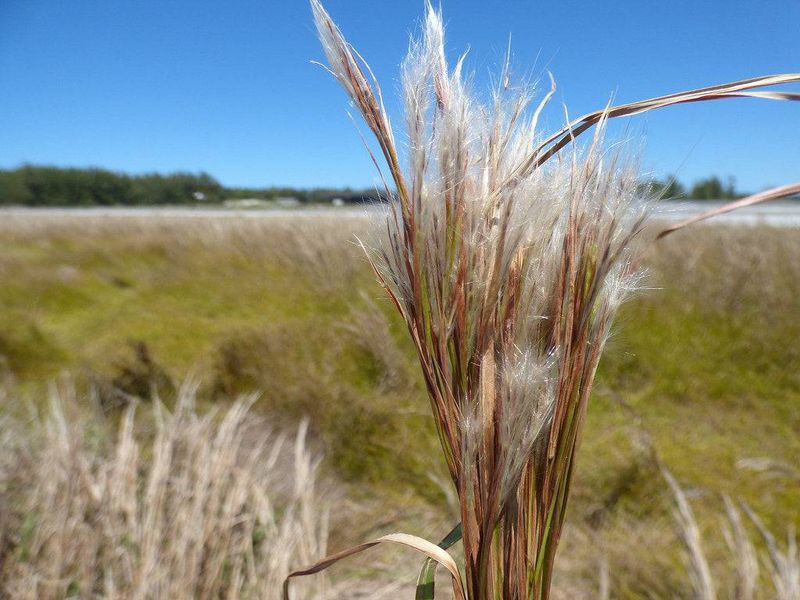
Few grasses look as good in winter as bushy bluestem. Its copper stems and fluffy plumes glow in low sunlight from November to March.
Beauty is only part of the story. Thick clumps hold leaves and moisture at their base, creating sheltered pockets where larvae can tuck in.
Bushy bluestem handles damp ground, so it pairs well with sunny wet spots where ferns would scorch.
Want more height? Big bluestem, another NC native, reaches six feet and gives adults tall perches.
Either grass makes a great replacement for invasive Chinese silvergrass, which spreads aggressively into North Carolina woodlands.
8. Leaf Litter and Log Piles
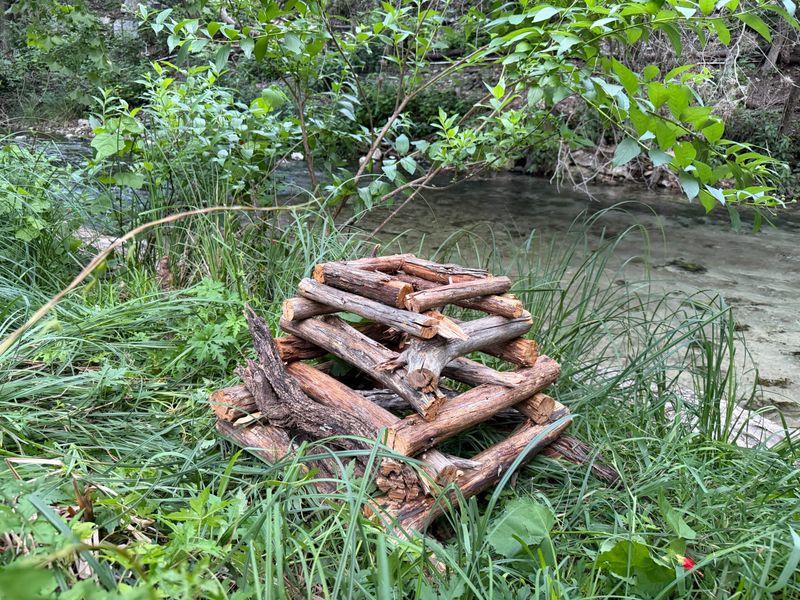
Honestly, the best plant partner is what those plants drop on the ground. Every native on this list works better when you leave the leaves.
Leaf litter insulates larvae from freezing, holds moisture, and feeds the slugs and snails they hunt. Add a small pile of logs or branches in a shady corner to mimic the forest floor.
It becomes a nursery for glowworms and a hideout for toads and salamanders.
A few habits help everything work. Skip pesticides and synthetic fertilizers, which can harm larvae and their prey.
Mow at three to four inches, and turn off or shield outdoor lights next summer so adults can find each other.