
The One Thing North Carolina Fall Beets Need When You Seed Them Now Or They Turn Woody And Bland
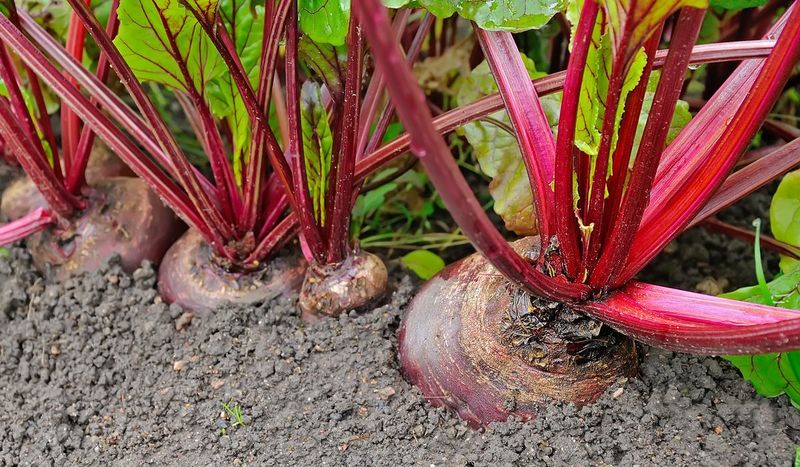
Planting fall beets in North Carolina is a timed opportunity, and missing the window by much can leave you with roots that disappoint at the table. The real story, though, is that the calendar is only part of the picture – heat and dry soil do the most direct damage to texture and sweetness.
Seed within your region’s fall window and keep the soil consistently moist, and you give your beets the best shot at turning out tender and flavorful.
Your North Carolina beet deadline depends on where you garden
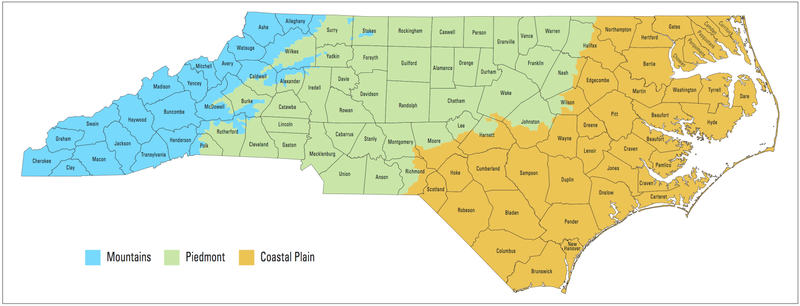
August 13 is still a workable planting date for fall beets across much of North Carolina, but whether you have a comfortable margin or are pressing your luck depends entirely on where you live. According to the Southeastern Vegetable Crop Handbook, the fall beet window runs August 1 through September 15 for eastern North Carolina and July 15 through August 15 for western North Carolina.
That means mountain gardeners are at or past their recommended cutoff right now, while Coastal Plain growers still have several weeks of runway.
Piedmont gardeners fall somewhere in the middle. NC State’s central North Carolina planting calendar lists beets as a crop that takes roughly 55 to 60 days to mature in fall conditions, with sowing concentrated in August and into September.
Read those calendar markings as a regional guide, not a single statewide deadline that applies equally from Asheville to Wilmington.
Elevation adds another layer of complexity for mountain and foothills gardeners. A garden sitting at 3,000 feet will see frost weeks earlier than a Piedmont plot at 600 feet, which compresses the usable growing window considerably.
NC State’s Extension Gardener Handbook advises adjusting planting dates by local climate, frost date, and the days-to-maturity listed on your seed packet.
Check your average first frost date, count back 60 days or whatever your variety requires, and compare that number to today. If the math still works for your location, seed now and plan to manage moisture from the moment the seed goes in the ground.
If you are in the western mountains and the window has closed, consider waiting until next July and planning earlier.
Heat and water stress—not the calendar alone—damage beet quality
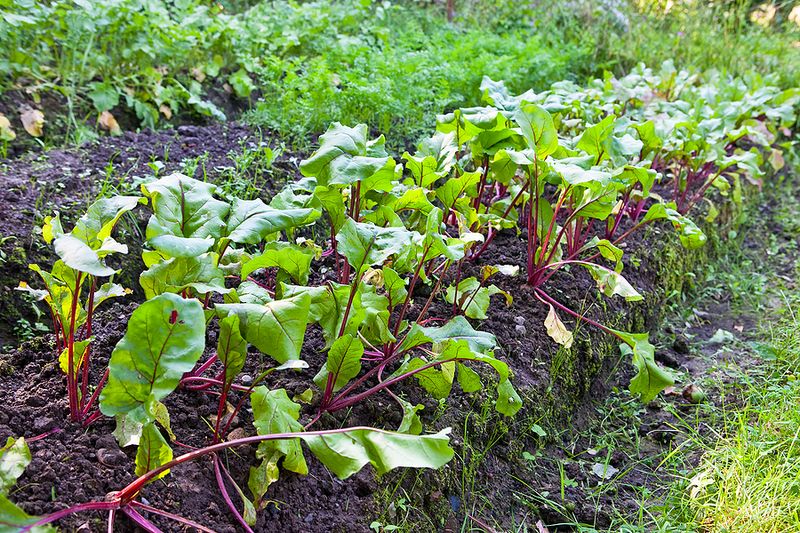
Blaming a late planting date for woody, flavorless beets is tempting, but the evidence points elsewhere. Utah State University Extension specifically identifies hot weather and water stress as the causes of woody beet bulbs, and recommends keeping plants well watered whenever temperatures climb above 85 degrees Fahrenheit.
Sowing late can put young seedlings in harm’s way by forcing them to establish in hot soil, but the heat and the dry conditions are doing the direct damage, not the date on the seed packet.
Flavor quality follows a similar pattern. Utah State’s root-crop planting guide notes that temperatures above 80 degrees Fahrenheit can reduce root sugar levels and worsen texture.
A peer-reviewed red-beet study published in Scientia Horticulturae found that water stress reduced total nonstructural sugars and increased fiber-related fractions in beet roots. In plain terms, beets grown thirsty in hot soil taste less sweet and feel tougher to chew.
Texture and flavor are related but separate problems worth distinguishing. Woodiness is a structural change in the root tissue, driven primarily by heat and drought during the growing period.
Reduced sweetness reflects a metabolic shift that also tracks with heat and water shortage. A beet that germinates late but receives steady moisture through a warm September can still produce an acceptable root.
A beet seeded on time but left to dry out during a Piedmont heat stretch can turn tough and dull before it ever reaches harvest size.
The practical takeaway is to treat consistent moisture as the most controllable quality lever you have after the seed goes in the ground. The planting window matters for establishment and for preserving enough cool growing time, but water management is what separates tender, sweet fall beets from disappointing ones in a North Carolina garden.
Direct sowing gives fall beets a clean start
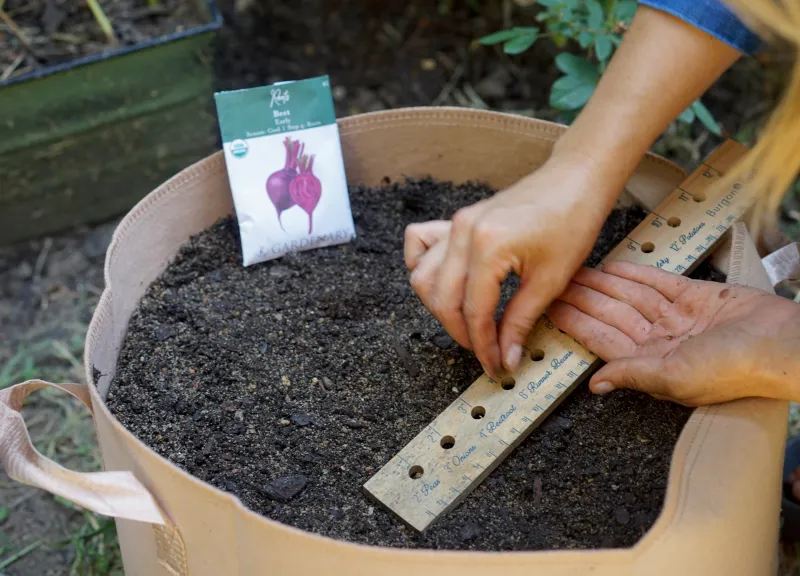
Beets do not respond well to having their roots disturbed. NC State’s garden beet plant profile recommends direct sowing and thinning rather than starting transplants and moving them into the bed.
Transplanting is not guaranteed to fail, but any disruption to the developing taproot can produce misshapen or stunted bulbs, so direct seeding into the final growing spot is the safer default for home gardeners.
Soil preparation matters as much as seed placement. Beets grow best in loose, well-drained soil that lets the root expand without resistance.
Work the bed to a depth of at least eight to ten inches, break up any clods, and remove rocks or debris that could cause the root to fork. A smooth, friable seedbed also holds moisture more evenly than compacted ground, which connects directly to the quality protection discussed earlier.
Depth guidance deserves attention in late-summer North Carolina conditions. The Southeastern Vegetable Crop Handbook gives approximately one-half to three-quarters of an inch as the planting depth for beet seed.
However, NC State’s Extension Gardener Handbook notes that fall seed may need to go one and a half to two times deeper than spring seed when the soil surface is hot and dry, because shallow seed in baked soil can fail to germinate reliably.
Start with what the seed packet recommends. If your soil surface is noticeably hot and dry to the touch in the top inch, planting a bit deeper and maintaining moisture above the seed makes sense.
Adjust based on what you observe rather than applying a single fixed rule across all conditions.
Protect the seedbed with even moisture
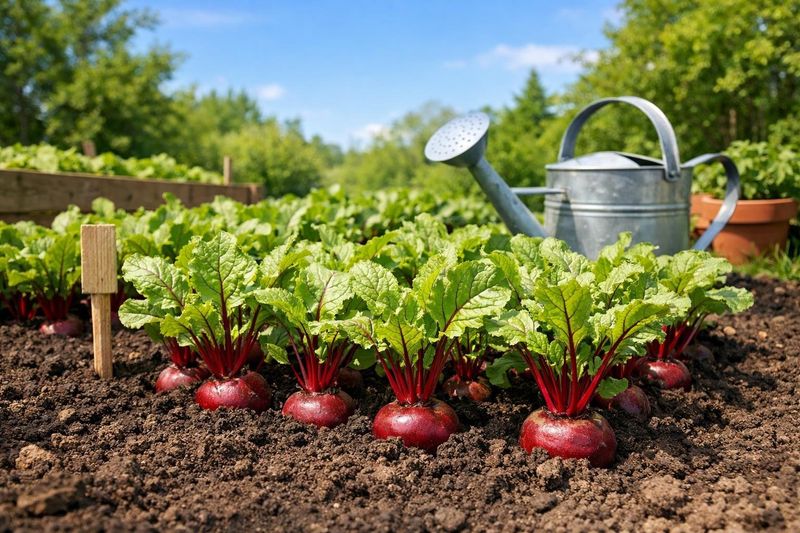
Getting seeds in the ground is only the beginning. Late-summer soil in North Carolina can dry out fast between waterings, and a crust that forms on the surface after rain or irrigation can physically block seedlings from pushing through.
Iowa State University Extension recommends watering during dry weather and applying a light mulch to reduce surface crusting and keep the seedbed cooler and more consistently moist.
Even moisture does not mean soaking the bed repeatedly. The goal is to keep the top inch or two of soil from drying out completely between waterings, especially during the first week or two when seeds are absorbing water and sending out their first root.
One deep watering followed by days of dry, baked soil is less effective than lighter, more frequent applications that maintain steady contact between the seed and moist soil.
Temporary covers offer another tool for the hottest stretches. NC State’s Extension Gardener Handbook describes using burlap, newspaper, or boards over the seeded row to hold moisture and moderate soil temperature during germination.
The critical step is removing those covers as soon as seedlings start to emerge, so young plants are not blocked from light or trapped under material that holds excess heat once germination is complete.
Once seedlings are up and growing, Utah State University Extension recommends keeping plants well watered through any hot spells to prevent the woody texture and reduced sweetness that follow from water stress. A thin layer of straw or shredded leaf mulch around established seedlings can slow evaporation between waterings and keep roots a few degrees cooler during the warmest part of the day.
Thin seed clusters before crowding limits root growth
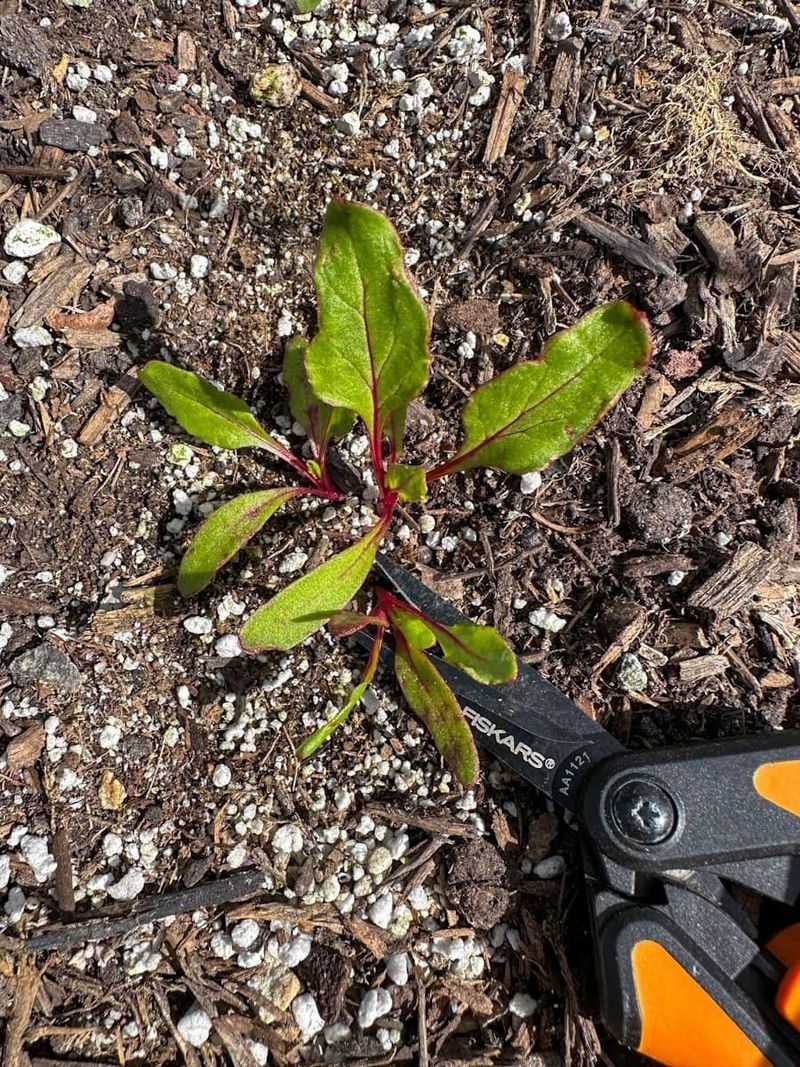
One of the most common reasons backyard beet crops underperform has nothing to do with timing or water – it is crowding. A beet seed is not actually a single seed.
It is a cluster containing several embryos, which means that one planted unit can send up two, three, or even four seedlings from the same spot. Left unthinned, those plants compete for water, nutrients, and space, and none of them develops a full, well-formed root.
Iowa State University Extension recommends thinning when seedlings reach about three inches tall and leaving plants three to four inches apart. NC State’s garden beet profile gives two to three inches as a workable minimum spacing range.
Either approach is supported; the key is to thin early enough that the remaining plants are not already competing hard for resources.
Use scissors rather than pulling to remove extra seedlings. Pulling risks disturbing the roots of the seedlings you want to keep, which circles back to the direct-sowing principle from the previous section.
Snip the extras at soil level, and the keeper plant can continue developing without interruption.
Utah State University Extension notes that crowding contributes to poor bulb development independently of heat and water stress. Thinning well addresses one quality problem, but it cannot substitute for sowing within your regional window or maintaining consistent moisture.
Think of it as the third leg of a three-part plan rather than a fix for other problems.
Harvest at the size that preserves tenderness
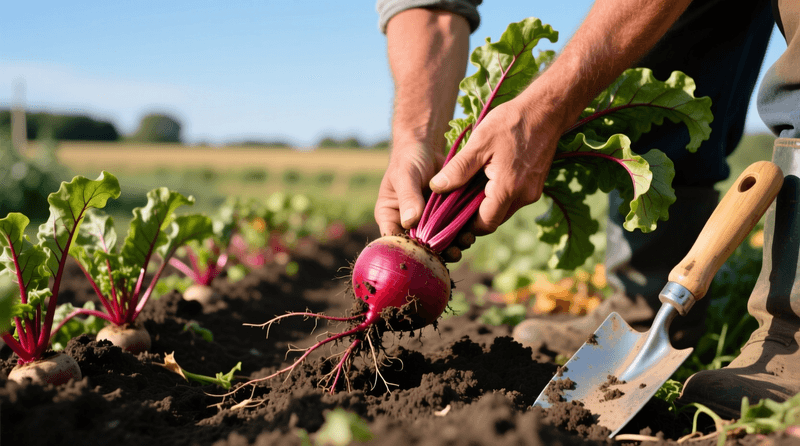
A beet that was seeded on time, kept moist, and thinned correctly can still end up woody if it stays in the ground too long after reaching full size. NC State’s garden beet profile gives one and a half to three inches as the recommended harvest size range, with roots typically ready 50 to 80 days after germination depending on variety and conditions.
That is a wide range, and where your beets fall within it depends on the variety you planted and how you plan to use them.
Utah State University Extension is direct on this point: larger roots tend to become more fibrous. Leaving beets in the ground past their ideal harvest window in hopes of getting bigger roots usually produces tougher ones instead.
Check root size by gently brushing away a little soil at the shoulder of the root rather than waiting for the tops to signal readiness.
Variety matters here, too. Some cultivars are bred to hold their quality in the ground a bit longer without turning fibrous, while others need to come out promptly.
Read the seed packet for guidance on days to maturity and any notes about holding quality, then plan your harvest window accordingly rather than treating all beets as interchangeable.
Harvest in the cooler part of the day, trim the tops to about an inch above the root to reduce moisture loss, and store roots in a cool, humid spot. Even a well-grown fall crop loses ground quickly if it sits uncovered in a warm kitchen.
The growing work you put in over the past 55 to 60 days is worth protecting all the way to the table.
The practical rule to remember before you seed
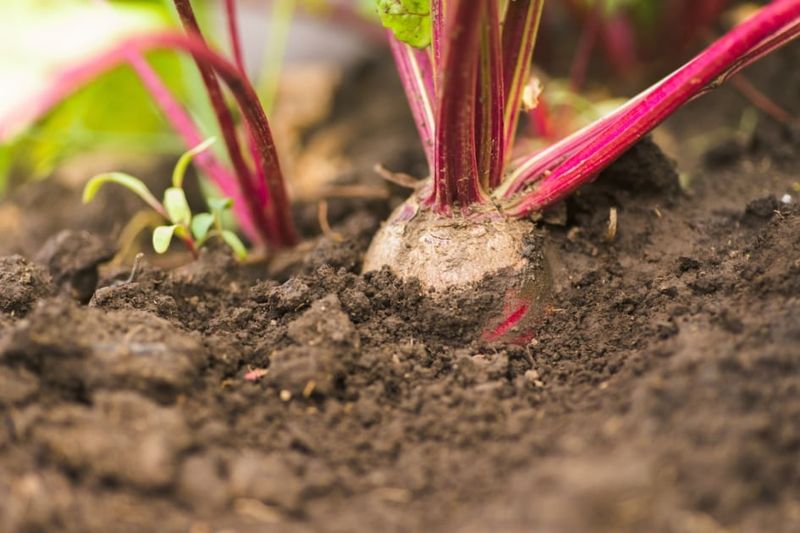
Seed fall beets within your region’s recommended window and keep the soil consistently moist from planting through harvest. Those two actions, working together, reduce the main risks: poor germination, heat-related stress during establishment, and the woody texture and reduced sweetness that follow from dry conditions.
NC State’s central planting calendar and the Southeastern Vegetable Crop Handbook both point to August and early September as the fall beet window, but the exact dates shift by region, elevation, and variety.
August 13 is an opportunity for many North Carolina gardeners, not a universal last chance or a guaranteed starting line. Eastern growers still have a comfortable window.
Mountain gardeners are at or past their recommended cutoff and should plan earlier next season. Wherever you are, consistent watering through any warm stretches remains the most direct protection against the quality problems the title warns about.
Good beets come down to a short list: right timing for your location, steady moisture, room to grow, and a timely harvest. Miss any one of them and the root pays the price.