
The One Thing North Carolina Gardeners Should Do To Lantana Before The First Hard Freeze
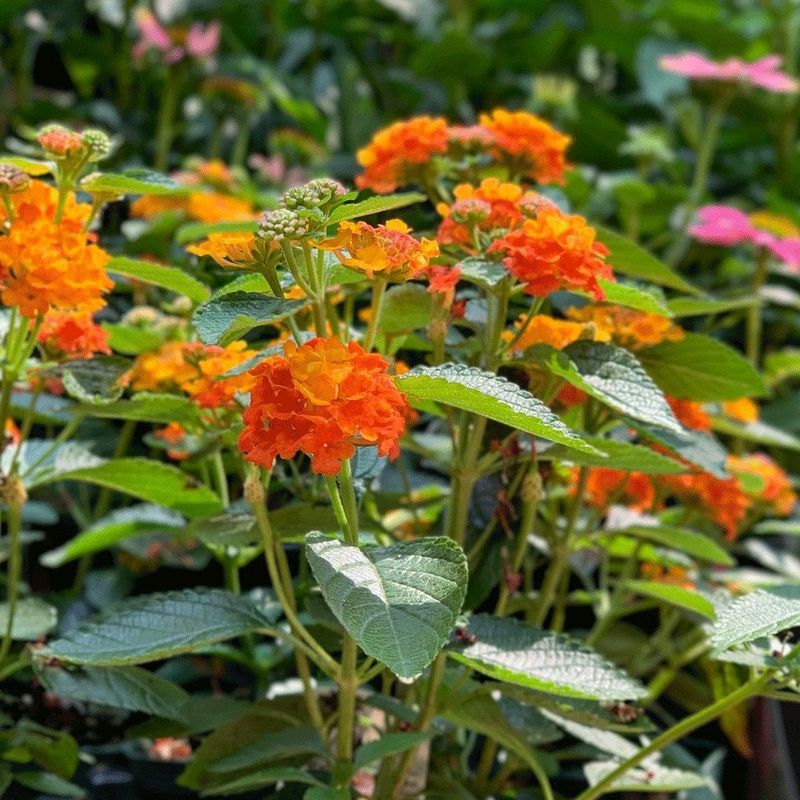
Lantana puts on a bright show all summer, but the first hard freeze can turn it into a tangle of black stems overnight. In North Carolina, that freeze usually shows up in October in the mountains, late October in the Piedmont, and November near the coast.
What you do right before that cold snap can decide whether your plant comes back in spring or quietly fades away. The answer is simpler than most people think, and it also gives you a chance to rethink what is growing in your yard.
1. Leave the Stems Standing (and Rethink the Bed)
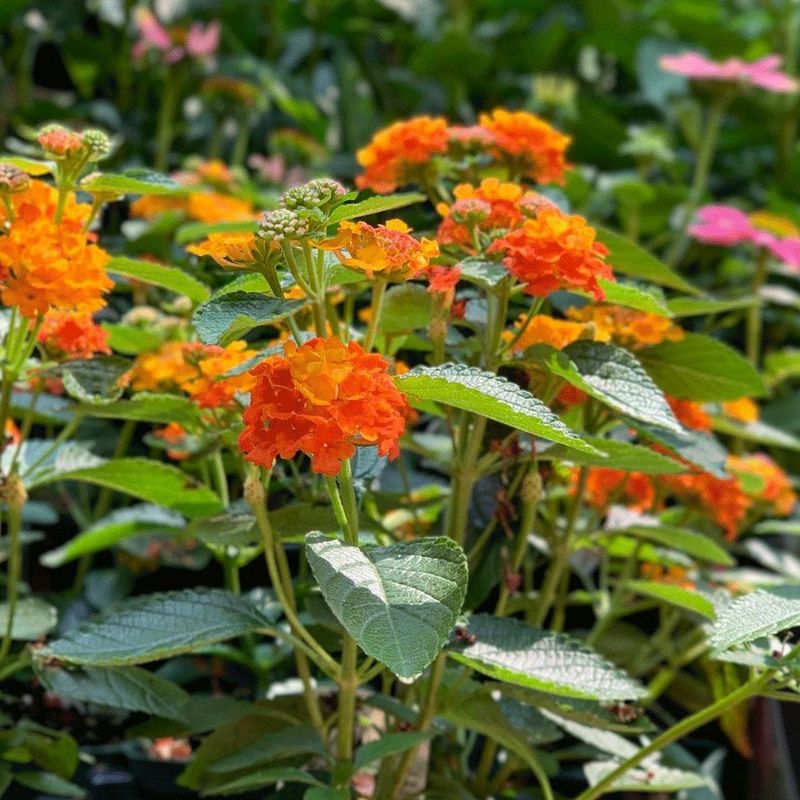
Put the pruners down. That is the whole trick.
The urge to tidy up a frost-bitten lantana is strong, but those ugly stems are doing a real job for the plant.
When a hard freeze hits, the old top growth acts like a built-in blanket for the crown, the spot where next spring’s shoots will start. Cutting it back in fall leaves that crown exposed to cold and soggy winter weather, which can lower its odds of surviving.
Hardy types like ‘Miss Huff’ often pull through in the Piedmont and along the coast when left alone, so save the big trim for late winter or early spring, once new growth starts to show.
Up in the mountains, things are different. Most lantana there is grown as an annual and will not make it through winter anyway, so you can pull it and toss it in the compost.
Here is the part good stewards should hear, too. Lantana camara is not on North Carolina’s official invasive list, but it is listed as invasive in neighboring Georgia, and it spreads aggressively in Florida.
Its berries and leaves are also toxic to animals. While you are out in the bed this fall, consider swapping some of it for NC natives like purple coneflower, blazing star, swamp milkweed, or coral honeysuckle.
Fall is prime planting time, and these plants feed the butterflies, bees, and hummingbirds that call your yard home.