
The One Thing North Carolina Hellebores Need Before The First Freeze Or Their Winter Blooms Turn Black
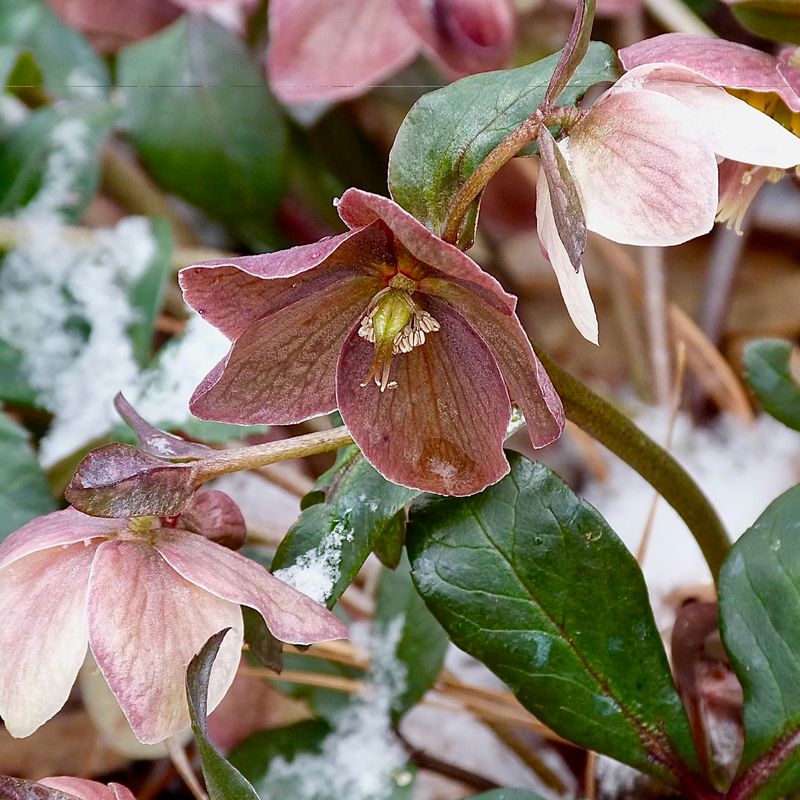
Hellebores are the tough little flowers that bloom in North Carolina yards when almost nothing else will. They shrug off cold nights and even snow, but a hard freeze or icy rain can still turn their pretty petals black and mushy overnight.
The good news is that one simple habit can save those blooms and keep early bees fed. Here is what to have ready before the first freeze rolls in.
1. A Frost Cover Ready to Go
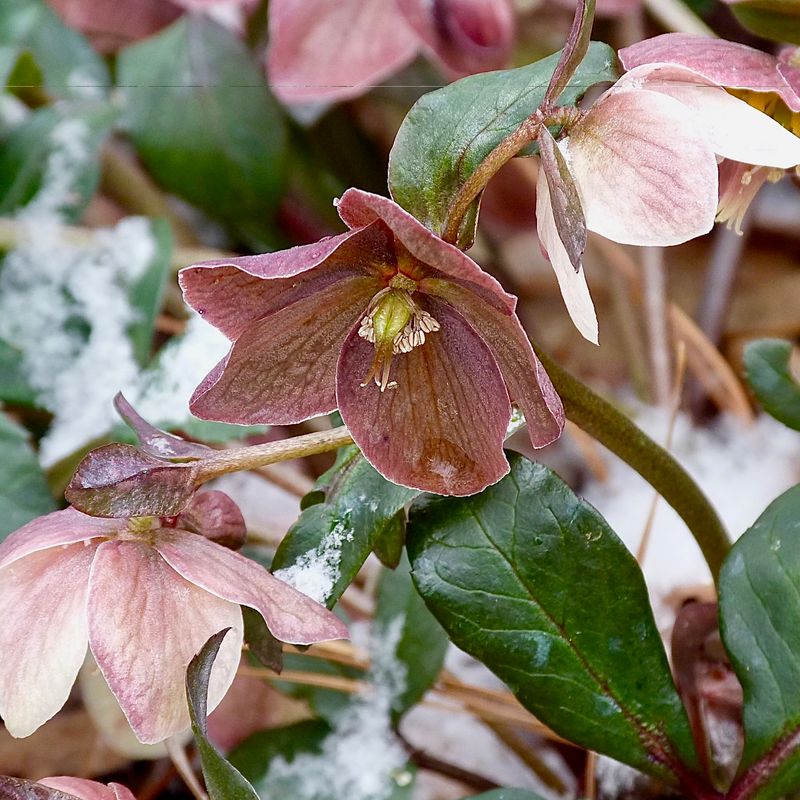
Picture a January morning in Raleigh or Asheville, and your Lenten roses are lying flat like pancakes after a freezing night. Don’t panic.
The leaves usually stand back up once the sun warms things, but the flowers are another story, since sudden ice and hard frost can scorch them black.
Your best defense is a lightweight frost cover, like horticultural fleece or an old cotton sheet, kept within reach before the first freeze. When the forecast calls for heavy frost or freezing rain, drape it over the plants in the evening.
Let it reach all the way to the ground so it traps warmth rising from the soil, then pull it off the next morning.
Potted hellebores are even easier. Slide them into the garage or against the house wall for the night.
Skip plastic sheeting, because it touches the petals and can make freeze damage worse.
A couple of helpers make the cover work harder. Spread about two inches of shredded leaves around each plant, keeping it a few inches from the crown to avoid rot, and water in late fall if the soil feels dry.
Moist, insulated soil holds more heat for the cover to trap.
Here is a bonus for good stewards. Hellebore blooms are one of the few nectar sources for early bumblebee queens on warm winter days, so saving those flowers helps your yard’s pollinators too.
One note: hellebores are not NC natives, so pair them with native spring bloomers like wild ginger or foamflower for a shade bed wildlife will love.