
The Places North Carolina Gardeners Should Never Plant Azaleas Or They Slowly Struggle No Matter What You Do
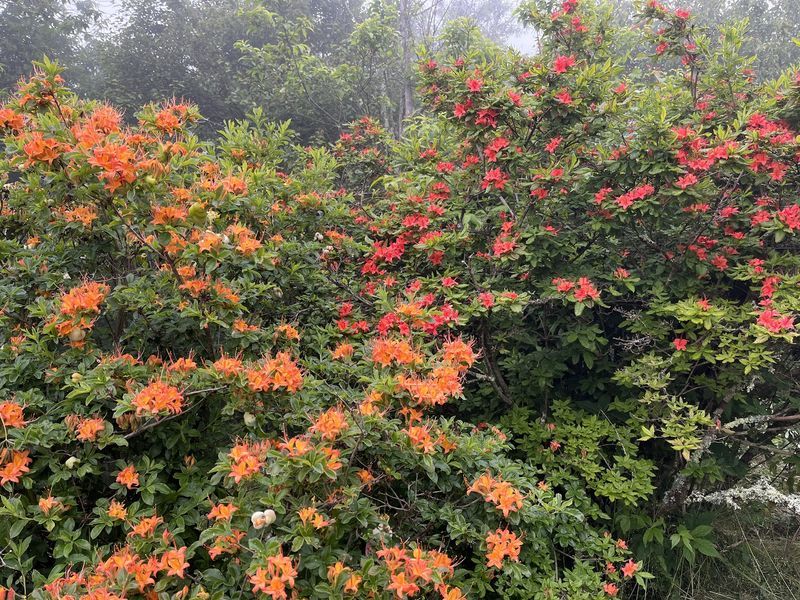
Azaleas are one of the most beloved shrubs across North Carolina, from mountain slopes to Coastal Plain backyards. But even the healthiest plant from the garden center will slowly fade if you tuck it into the wrong spot.
The trouble is, the exact same conditions that harm your azaleas can also stress the native pollinators and songbirds that share your yard. Learning where NOT to plant will save you money, heartache, and give your whole backyard ecosystem a better shot.
1. Areas with Poorly Drained or Compacted Soil
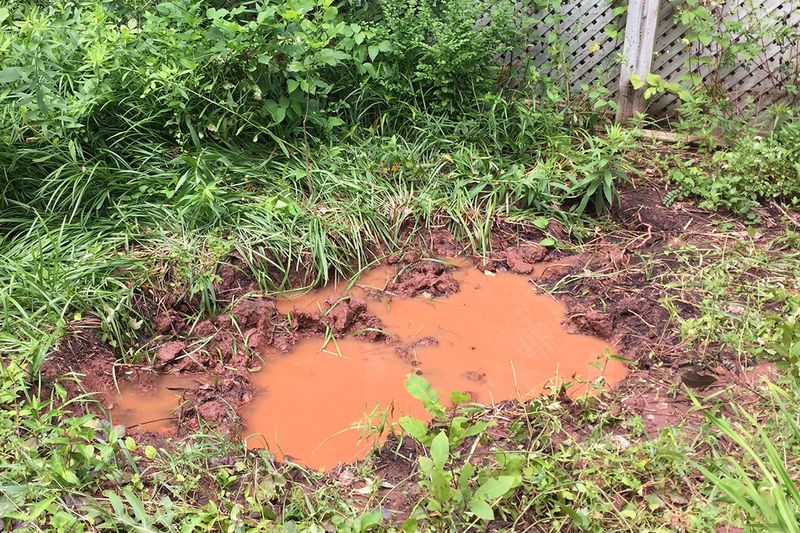
Picture the low corner of your yard where a puddle lingers for two days after every summer thunderstorm. That is exactly the spot an azalea will hate the most.
Azaleas grow shallow, fibrous roots that need air pockets in the soil. When heavy Piedmont clay or foot-traffic-compacted ground stays soggy, those roots essentially drown and root rot moves in fast.
You will notice wilting leaves, yellowing foliage, and growth that just stalls out year after year.
Much of North Carolina already has naturally acidic soil, which azaleas love, so folks assume any spot will do. The drainage problem sneaks up on them.
If you only have a wet area to work with, build a raised mound or berm about a foot high and mix in plenty of pine bark fines to lift the roots above the waterlogged zone. A soggy bed also breeds mosquitoes rather than the fireflies and native bees you want visiting, so fixing drainage helps more than just the shrub.
2. Sites with Alkaline Soil (High pH)
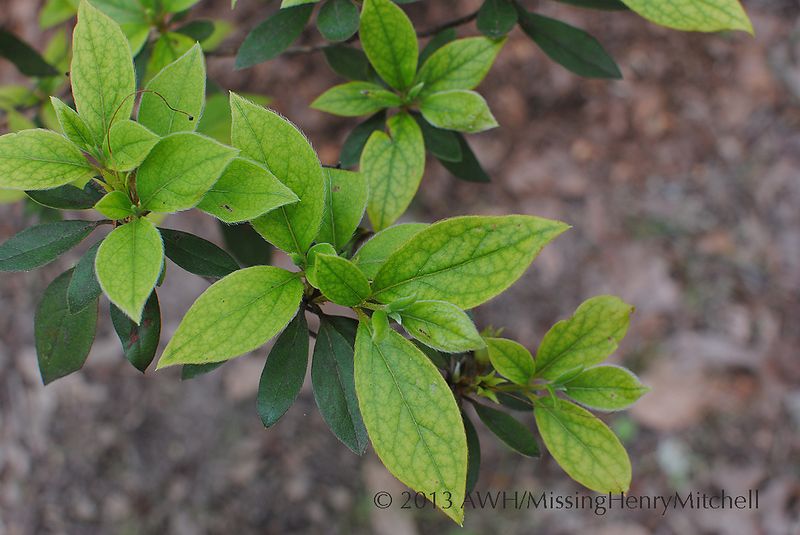
Ever seen an azalea whose leaves turn a sickly pale green while the veins stay dark? That yellow-with-green-veins look is a cry for help called chlorosis, and it almost always points to soil that is too sweet.
Azaleas are true acid lovers, happiest between a pH of 4.5 and 6.0. Push above 6.0 or 6.5 and iron gets locked up in the soil where roots cannot reach it, even though it is physically right there.
The usual culprits in NC yards are spots near old concrete foundations, freshly limed lawns, or areas where mortar and construction debris got buried. Grab an inexpensive soil test from your county Cooperative Extension office before planting, since guessing rarely works.
If the reading runs high, elemental sulfur and generous helpings of pine bark or composted oak leaves can nudge the pH back down over a season or two. Skip the guesswork and let the numbers guide you.
3. Locations with Intense, Full Afternoon Sun
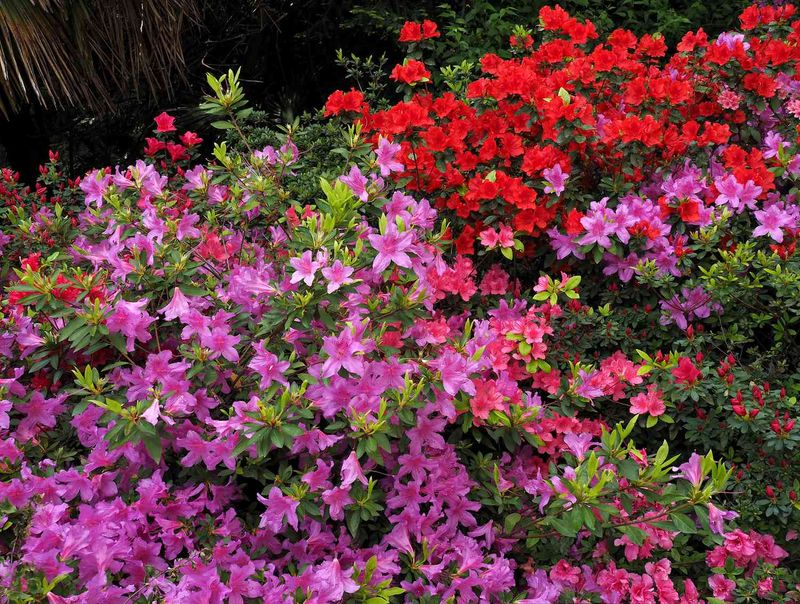
North Carolina summers can be brutal, and a wall of 3 p.m. July sun will cook most azaleas alive.
Their leaves scorch at the edges, wilt in the heat, and the whole plant can wither if the roots cannot keep up with the water demand.
Most azaleas, especially our beautiful native deciduous types like the flame azalea, evolved under the dappled light of forest edges. They want morning sun and afternoon shade, not a full southern blast bouncing off a light-colored wall.
There is a bug angle too. Sun-stressed azaleas are magnets for lace bugs, whose feeding leaves that stippled, silvery damage on the leaves.
Newer Encore varieties handle more sun than the old standbys, but even they appreciate a break from the worst afternoon heat. Aim for a spot with high filtered shade from tall pines or oaks, which also happens to be where native songbirds like to forage.
4. Deeply Shaded Areas
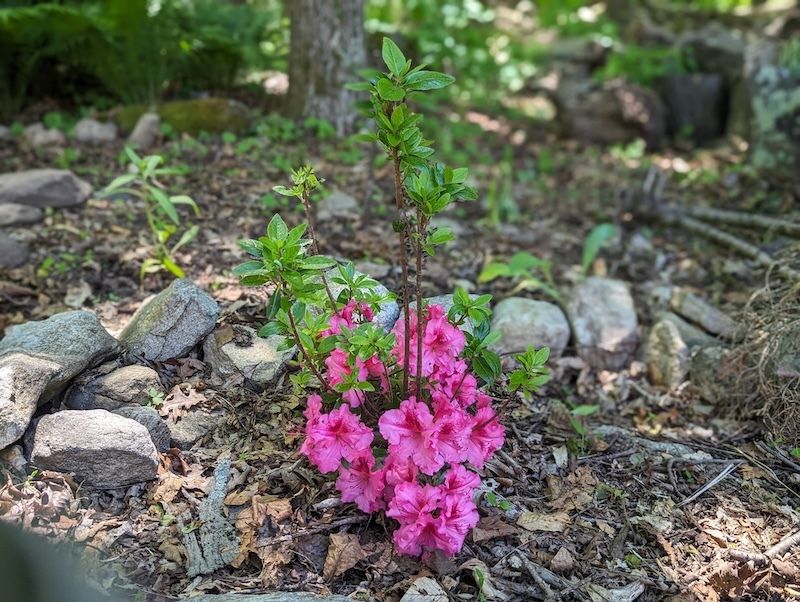
Now for the flip side of the coin. Tuck an azalea into a gloomy corner under a dense canopy and you will get a plant that survives but never truly shines.
Too little light means weak, leggy growth as the branches stretch and reach for whatever sun they can find. Worst of all, the flowers you planted the shrub for barely show up.
A handful of sad blooms instead of the spring explosion you dreamed of.
Deep shade also encourages a spindly, distorted shape that no amount of pruning fully fixes. The sweet spot for azaleas is that in-between glow: bright, filtered light or a few hours of gentle morning sun.
If your only open space sits in heavy shade, consider a shade-loving NC native such as oakleaf hydrangea instead, which will reward you with blooms and feed pollinators where an azalea would just sulk.
5. Spots Prone to Early Morning Sun After a Hard Freeze
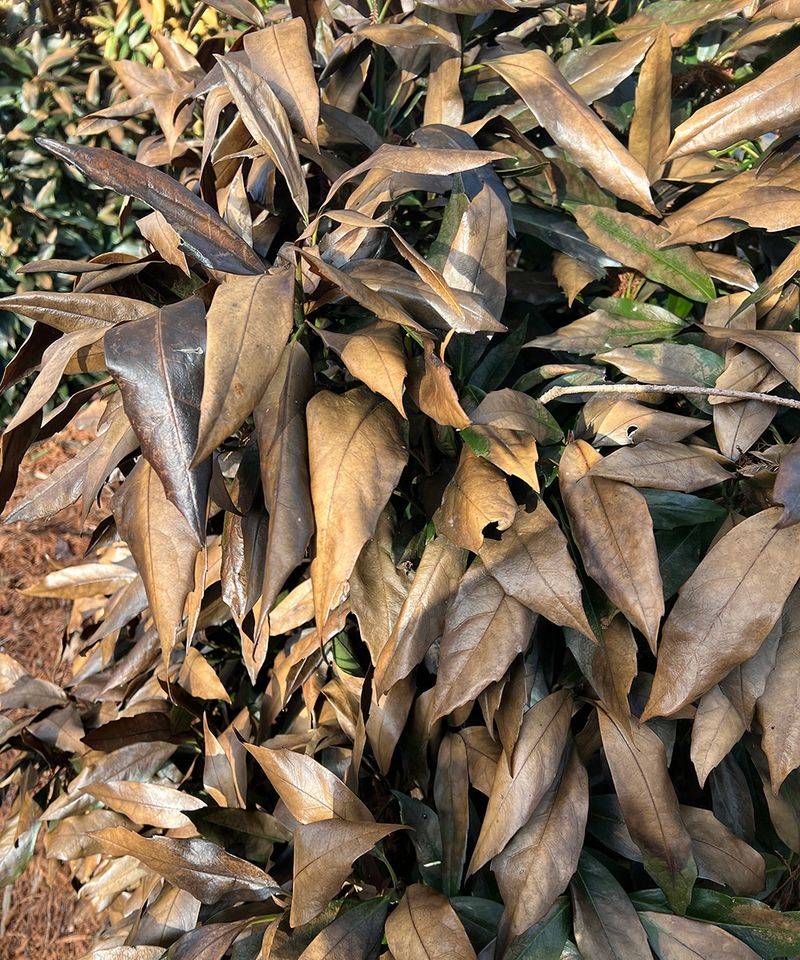
Here is a sneaky one that catches even experienced gardeners off guard. An eastern-facing spot that gets direct early morning sun can actually damage azaleas during a hard winter freeze.
When plant tissues freeze solid overnight and then thaw too quickly under that first hit of morning sunlight, the cells can literally burst. The result is split bark, branch dieback, and stress that lingers into spring.
This matters most in the mountains and colder Piedmont pockets where hard freezes are routine. A slow, gradual thaw is far gentler on the plant.
Position azaleas where they warm up slowly, such as a spot shaded from the earliest rays or protected by an evergreen windbreak. Giving them that buffer helps the shrub sail through winter and leaf out strong when the box turtles start stirring in spring.
6. Near Shallow-Rooted Trees Like Maples
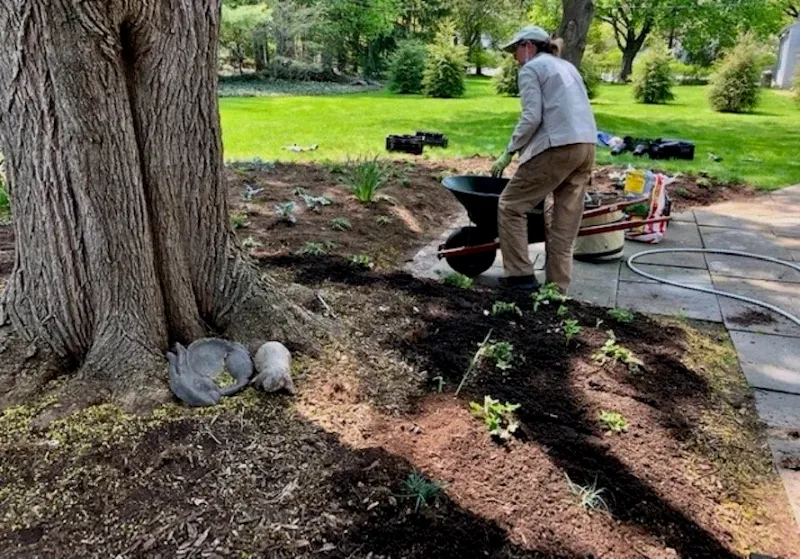
Planting an azalea at the base of a big maple feels cozy, but it is basically a rigged fight for water. Azaleas have shallow roots, and so do maples, which means both are grabbing at the same top layer of soil.
The maple, being older and far larger, wins every time. Your azalea ends up thirsty, underfed, and stunted no matter how faithfully you water and fertilize.
Maples, sweetgums, and beeches are the usual troublemakers here. Give azaleas their own zone away from these greedy neighbors, or choose a planting island where the shrub roots have room to spread without direct competition.
Pairing azaleas with deep-rooted companions instead lets everyone share the yard peacefully and keeps the soil life beneath your feet healthier for the whole ecosystem.
7. Beside Heat-Radiating Surfaces Like Driveways and Sidewalks
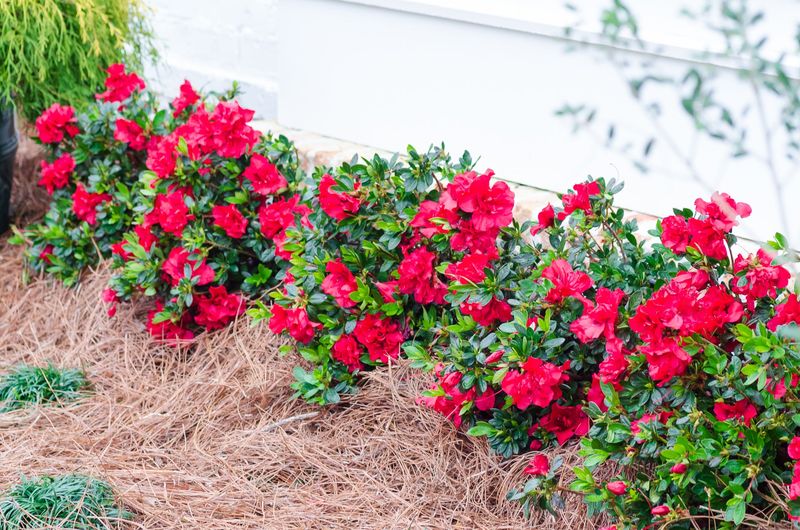
That narrow strip between the driveway and the front walk seems like the perfect place for a splash of color. Unfortunately, it can turn into an oven for an azalea.
Concrete, asphalt, and brick soak up the sun all day and then radiate that stored heat right onto nearby plants. During a NC heat wave, an azalea in that microclimate bakes long after the sun goes down, drying out its shallow roots and stressing the foliage.
Reflected glare from light-colored pavement piles on even more heat and light than the plant can handle. Keep azaleas a few feet away from these hard surfaces, and let a layer of mulch or a low groundcover buffer the soil temperature.
Your plant stays cooler, holds moisture longer, and stops looking crispy by August.
8. Cramped, Unventilated Spaces
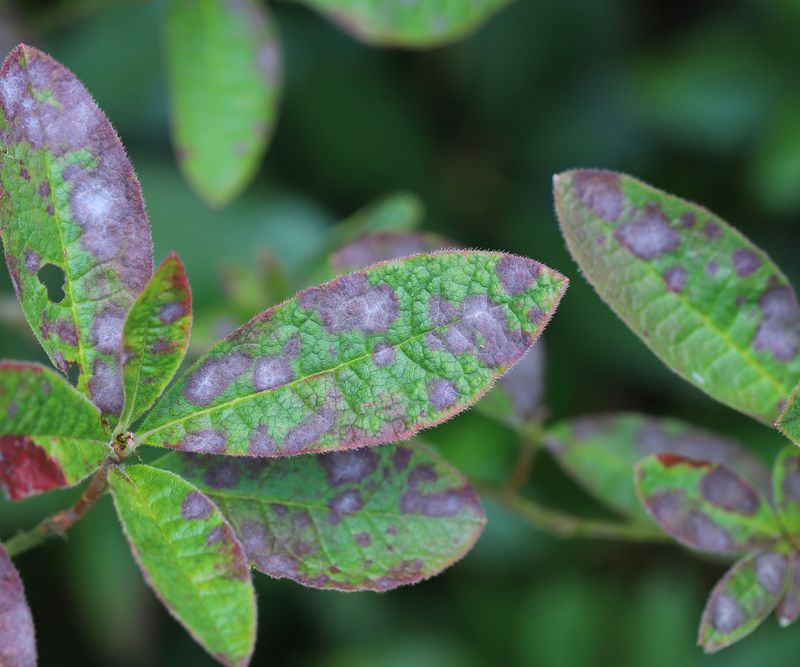
Squeezing an azalea into a tight nook between the house and a fence might solve a landscaping puzzle, but the plant pays the price. Azaleas need elbow room and a steady flow of fresh air to stay healthy.
When leaves stay damp because air cannot move through, fungal troubles like leaf gall and powdery mildew move in and spread fast. Crowded roots also fight for the same limited water and nutrients, leaving every plant weaker.
Space each shrub according to its mature width, not the cute little size it is the day you buy it. Good airflow keeps foliage dry, cuts down on disease, and lets pollinators reach the blooms easily.
A little planning at planting time saves you years of spraying and fussing later on.
9. Windy, Exposed Sites with No Shelter
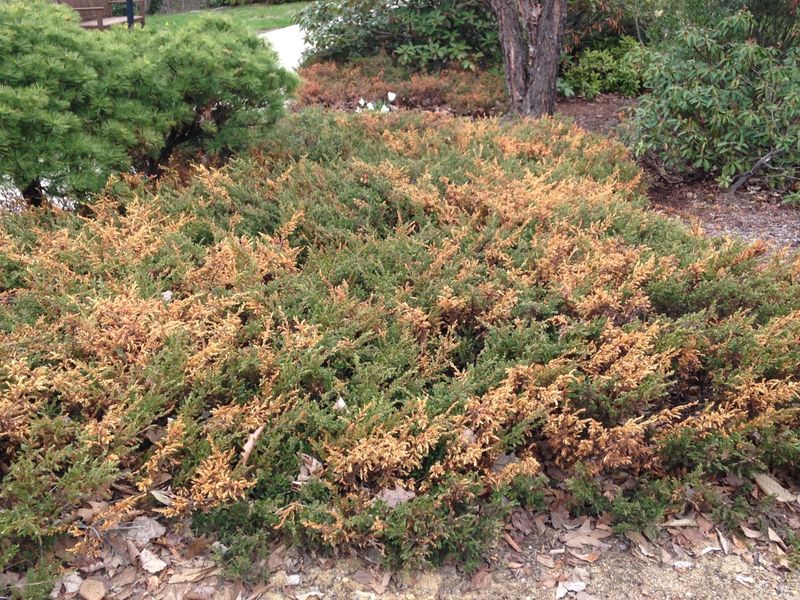
Wind is the quiet troublemaker few gardeners think about until their azalea looks tattered. On an open, exposed site, constant breeze pulls moisture from the leaves faster than the shallow roots can replace it.
The damage shows up as browned, crispy leaf margins, a condition called windburn, and it hits hardest in winter when the ground is frozen and roots cannot draw up water at all. Mountain ridges and open Coastal Plain yards feel this most.
Broadleaf evergreens like azaleas suffer far more than bare-twigged plants because they keep their leaves exposed all winter. Plant them near a natural windbreak such as a cluster of native hollies or wax myrtles, both of which double as cover and berries for goldfinches and other birds.
Shelter the azalea, feed the wildlife, and you have solved two problems with one smart placement.